


-
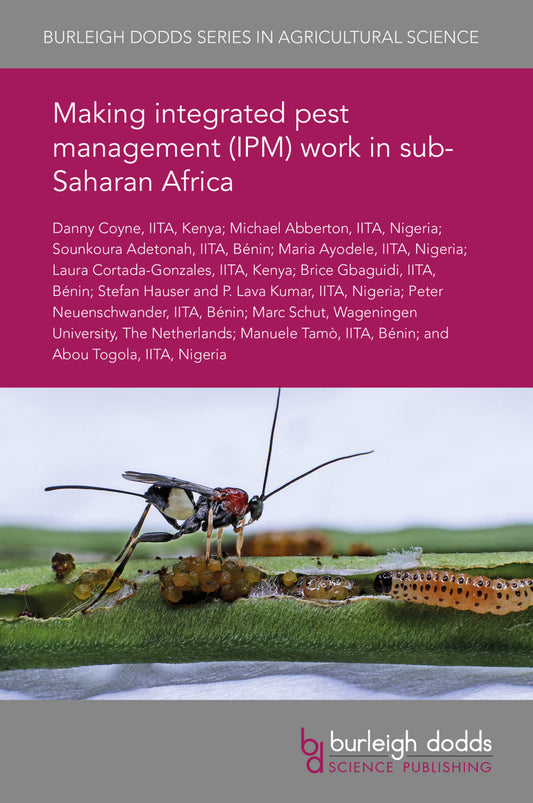
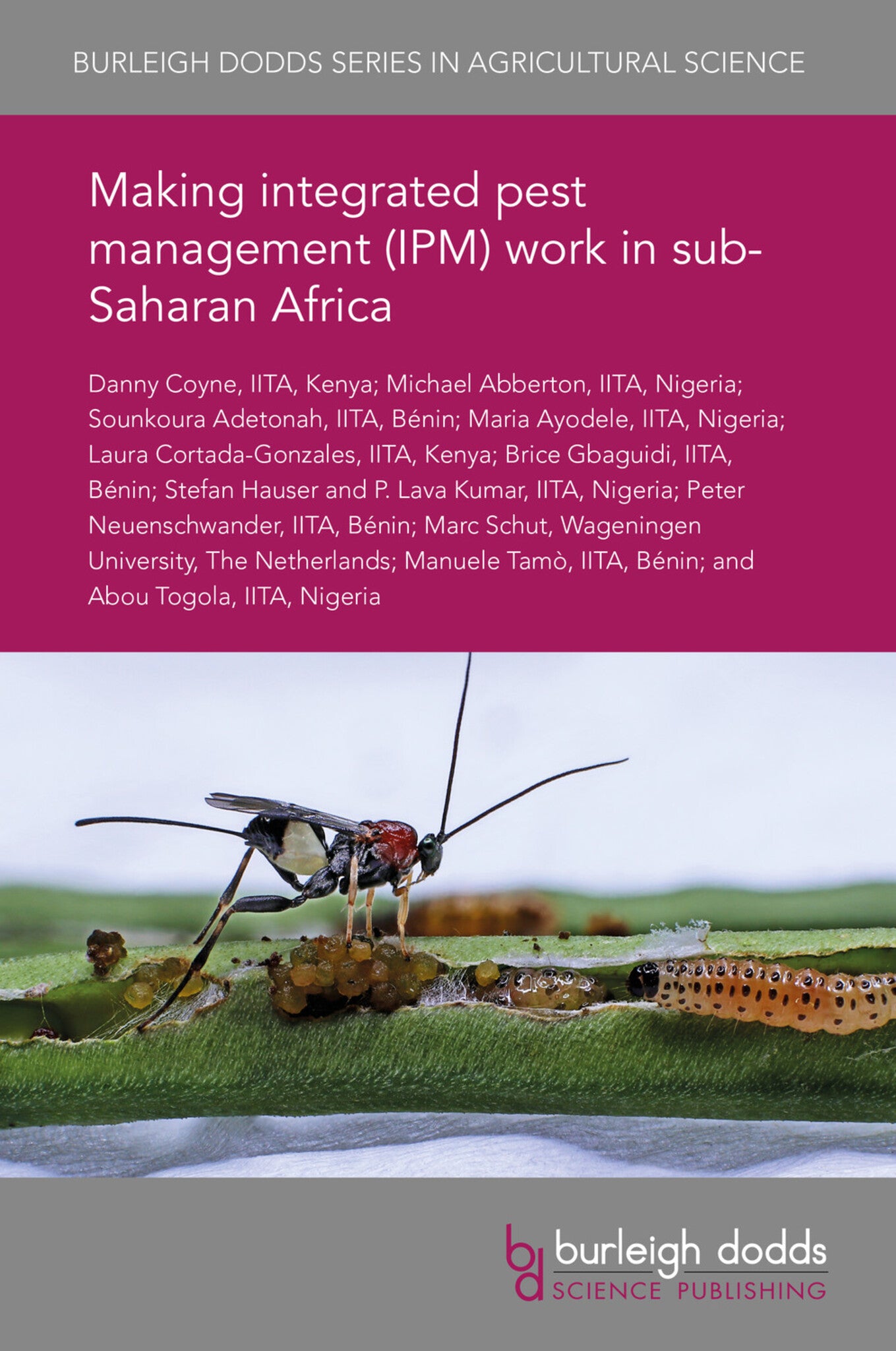
Making integrated pest management (ipm) work in sub-saharan africa
Losses to biotic threats remain among the most important factors affecting crop productivity in the predominantly complex smallholder systems of sub-Saharan Africa. The unavoidable intensification of crop production will further exacerbate pest problems, and pest management needs to respond accor...
Read MoreRegular price £25.00Sale price £25.00 Regular price £25.00Unit price per -
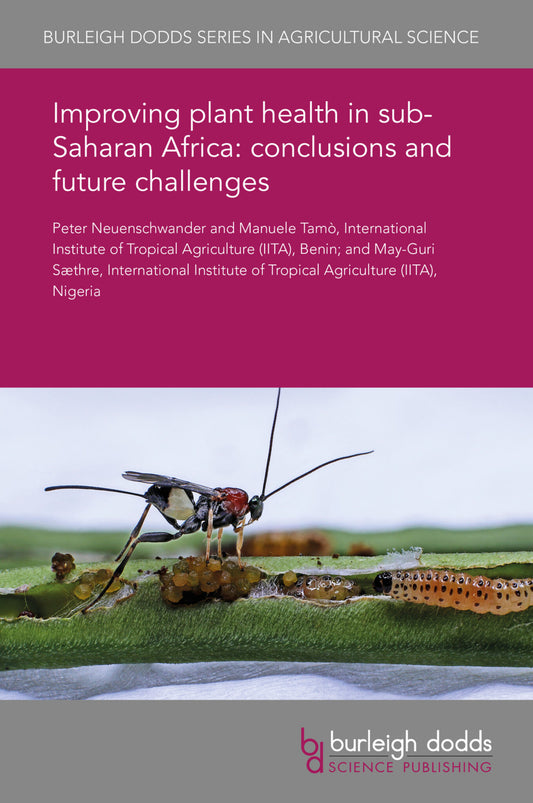
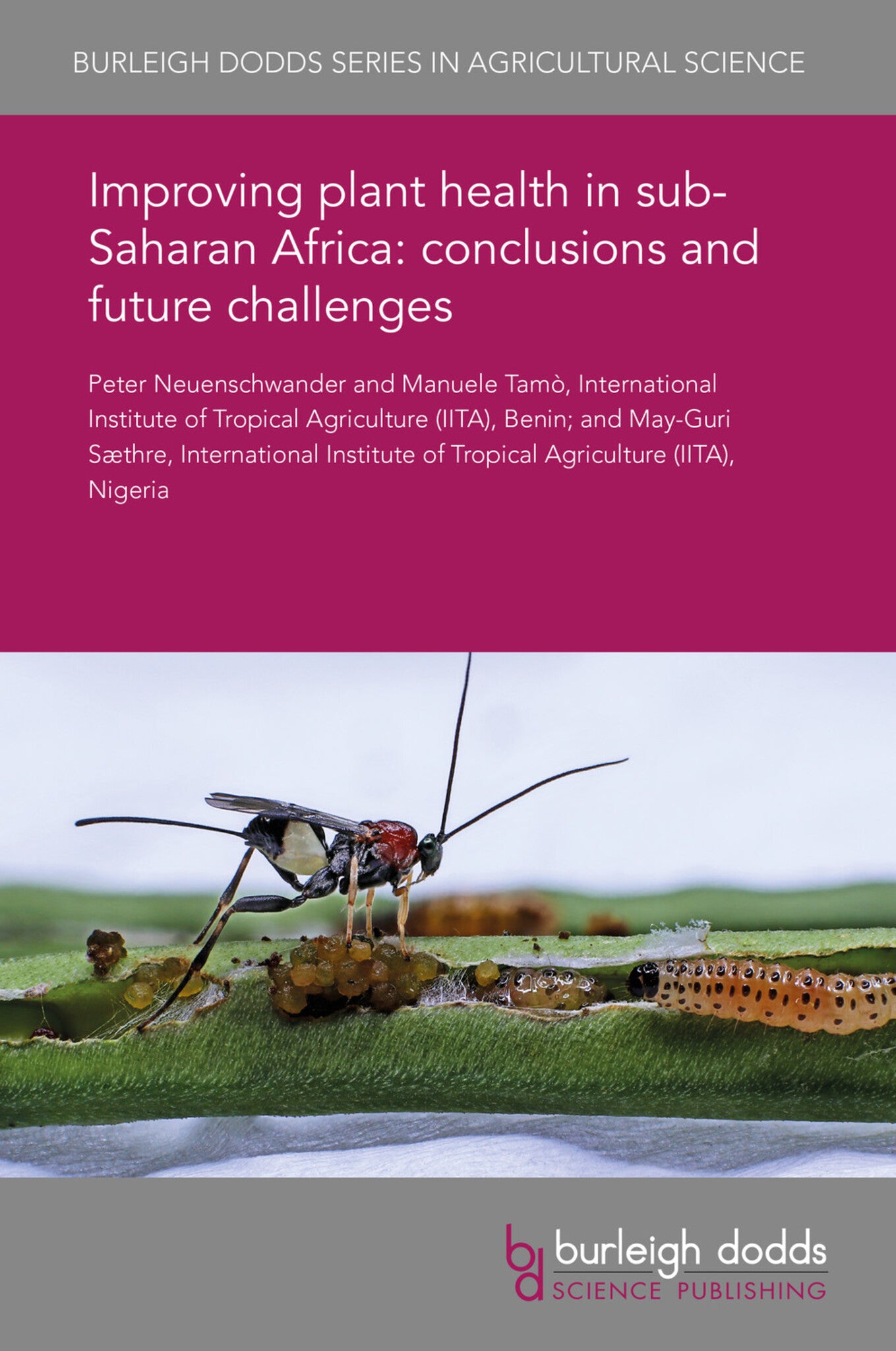
Improving plant health in sub-saharan africa: conclusions and future challenges
This chapter provides concluding comments for ‘Critical Issues in Plant Health: 50 Years of Research in African Agriculture’, a book focussing on research carried out by the International Institute of Tropical Agriculture (IITA) to improve the health of crops in Africa. In addition, it also outli...
Read MoreRegular price £25.00Sale price £25.00 Regular price £25.00Unit price per -
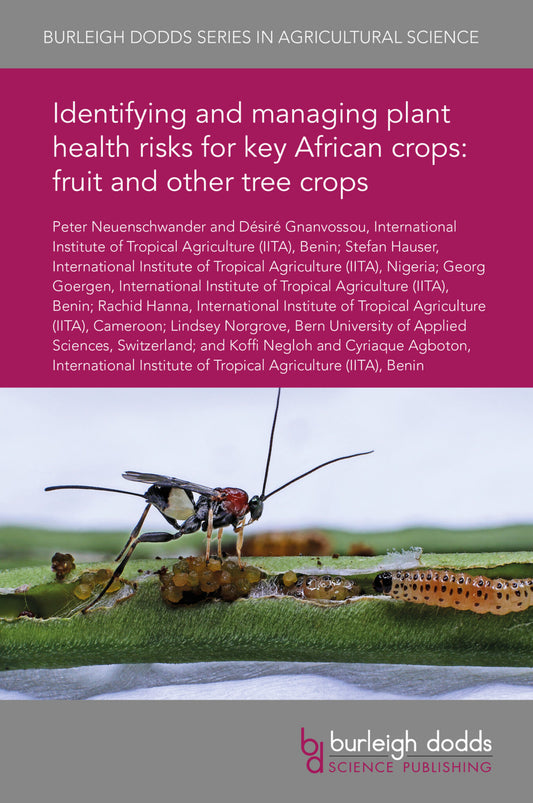
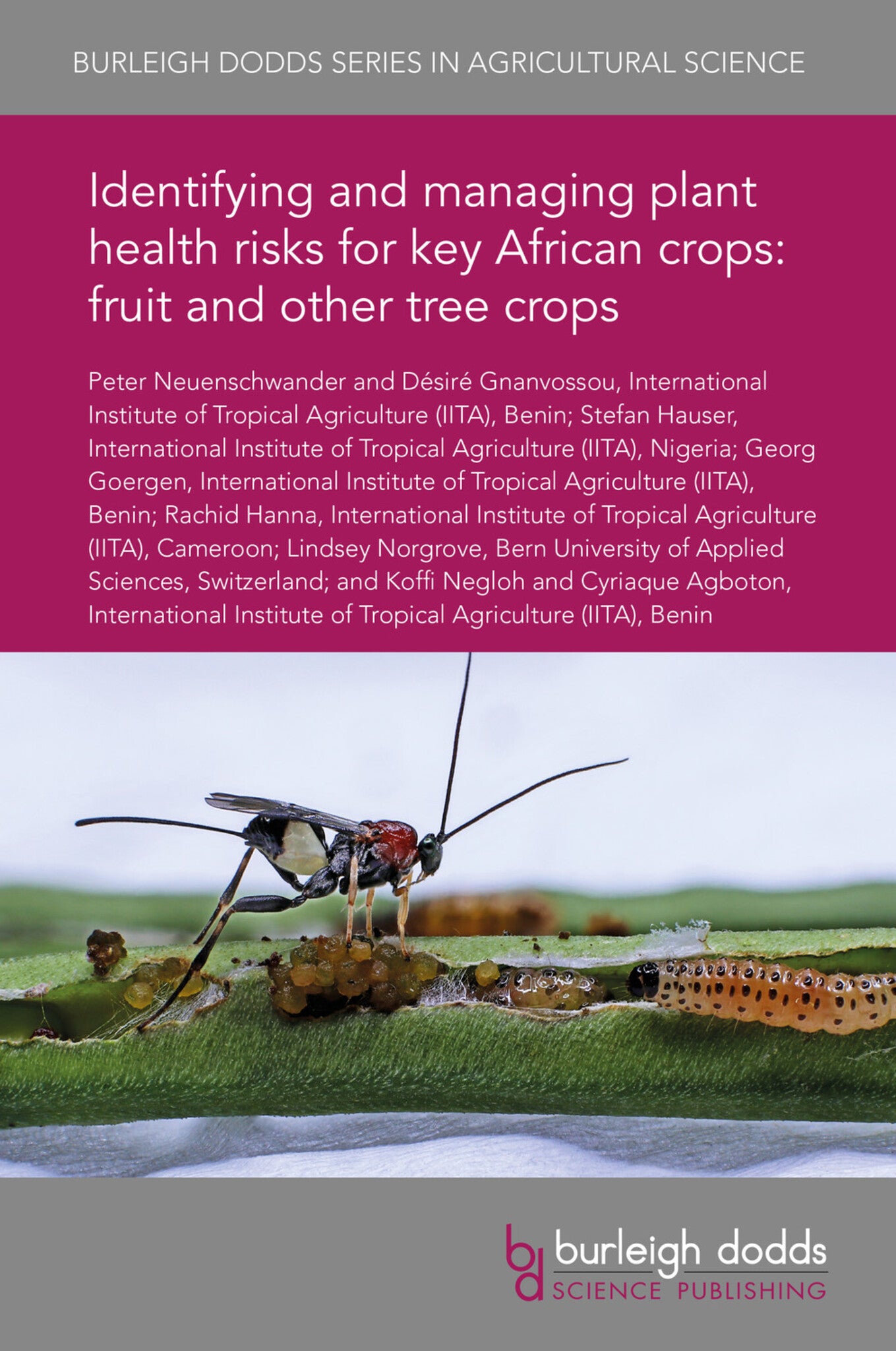
Identifying and managing plant health risks for key african crops: fruit and other tree crops
This chapter reviews control methods for the main pests affecting fruit and other tree crops. It describes the use of classical biological control for mango, papaya, cacao, coconut and citrus. Mango mealybug, Rastrococcus invadens, has been controlled with great success across West and Central Af...
Read MoreRegular price £25.00Sale price £25.00 Regular price £0.00Unit price per -
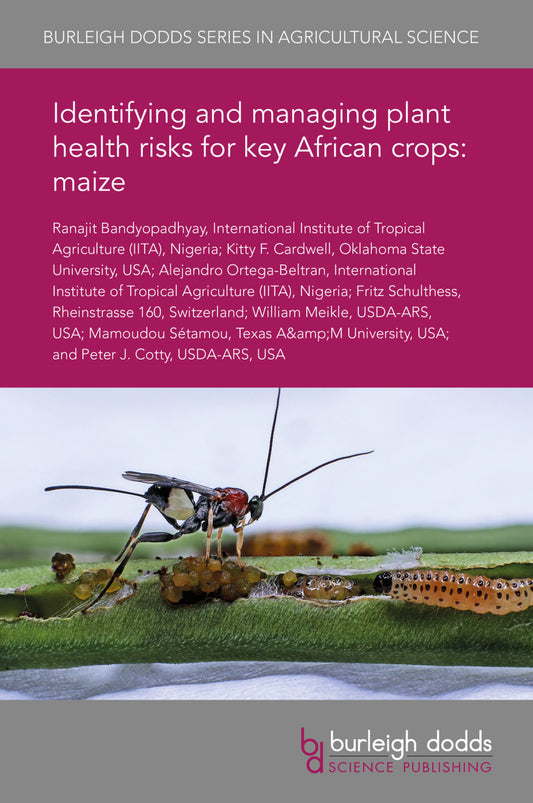
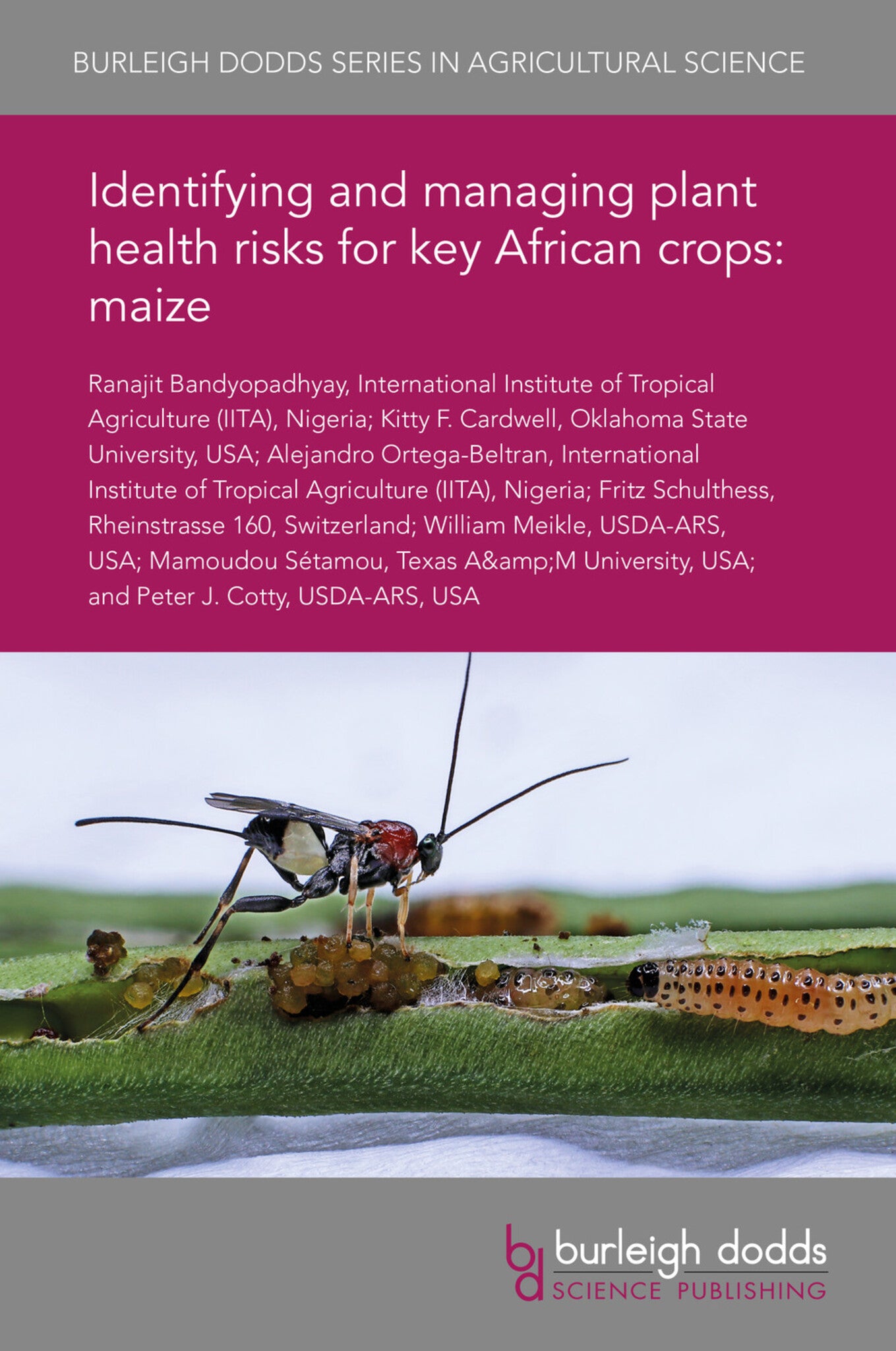
Identifying and managing plant health risks for key african crops: maize
A range of insect pests and diseases compromise the quantity, quality and safety of maize, with a negative impact on the food security, income generation and health of African people. This chapter highlights work conducted by the International Institute of Tropical Agriculture (IITA) on key insec...
Read MoreRegular price £25.00Sale price £25.00 Regular price £0.00Unit price per -
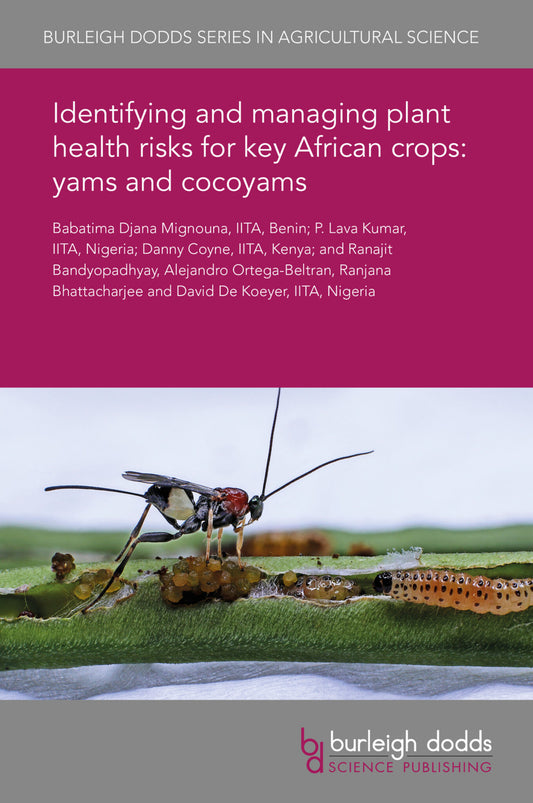
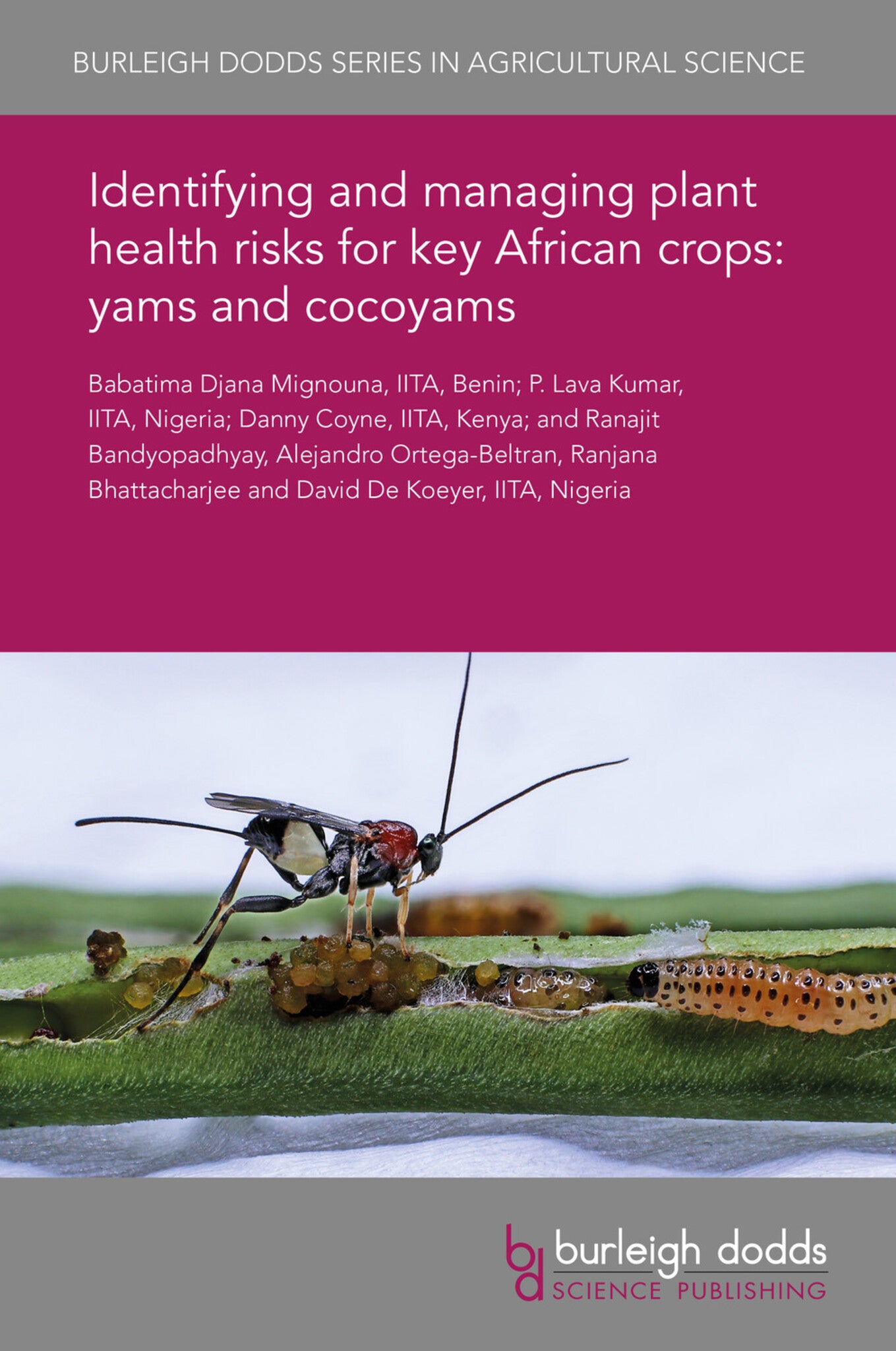
Identifying and managing plant health risks for key african crops: yams and cocoyams
A large proportion of the world’s yams, which are mostly indigenous to Africa, and the exotic taro and cocoyam are grown in West and Central Africa by resource-poor farmers. Surveys demonstrate recycling and build-up of pathogens and nematodes from one generation to the next because of their vege...
Read MoreRegular price £25.00Sale price £25.00 Regular price £0.00Unit price per -
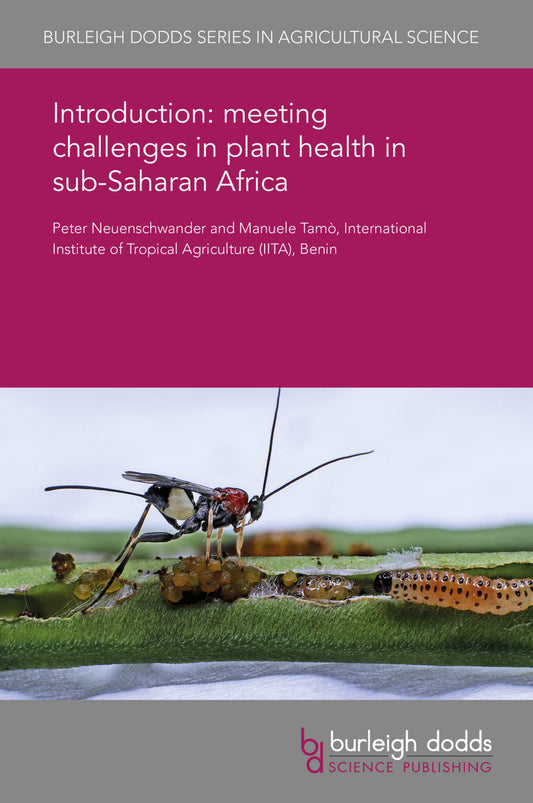
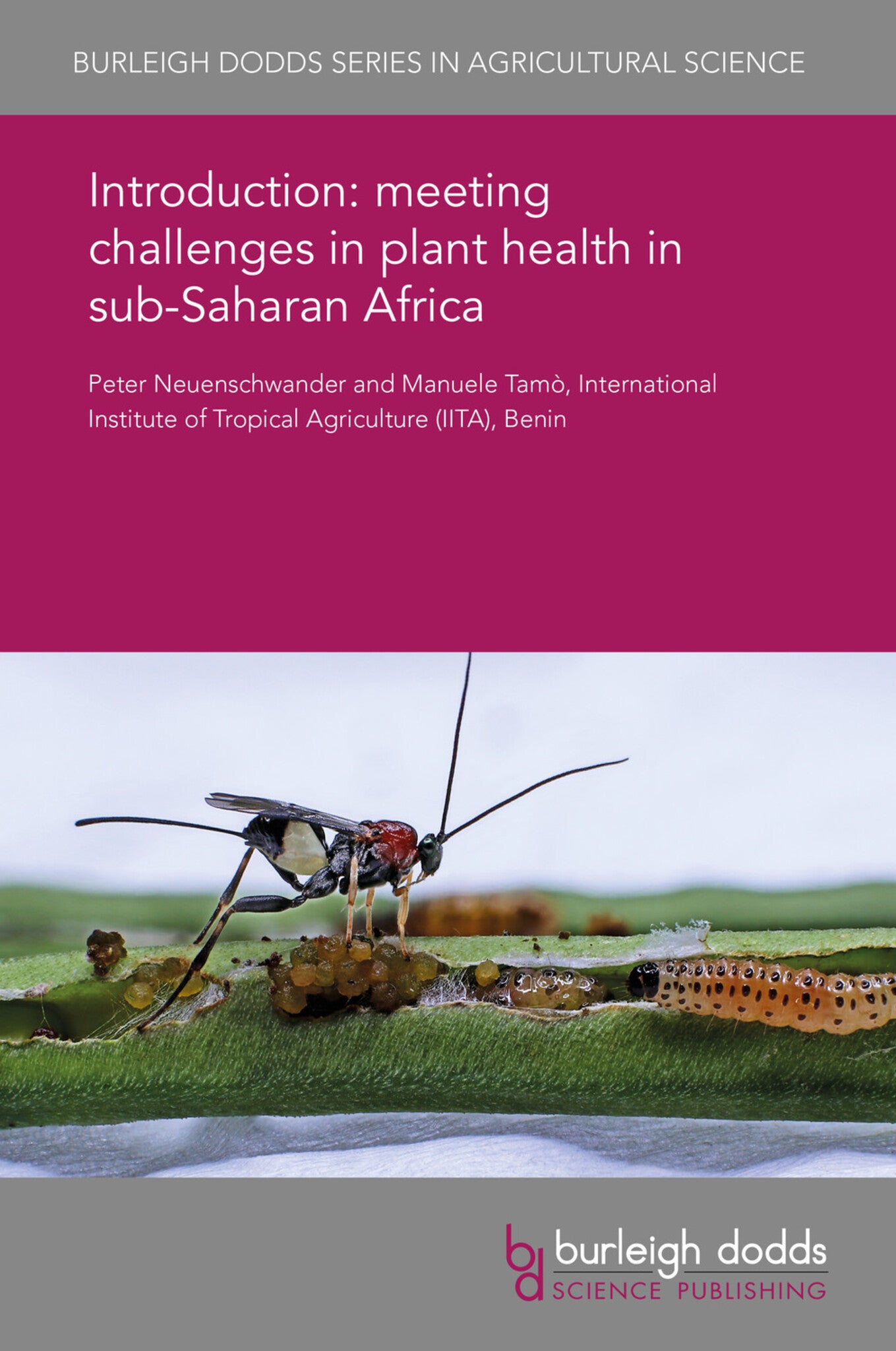
Introduction: meeting challenges in plant health in sub-saharan africa
This volume is a review of plant health research and its implementation by the International Institute of Tropical Agriculture (IITA) and its collaborators worldwide to celebrate IITA’s fiftieth anniversary. It addresses plant health issues of global importance in sub-Saharan Africa, including hu...
Read MoreRegular price £25.00Sale price £25.00 Regular price £25.00Unit price per -
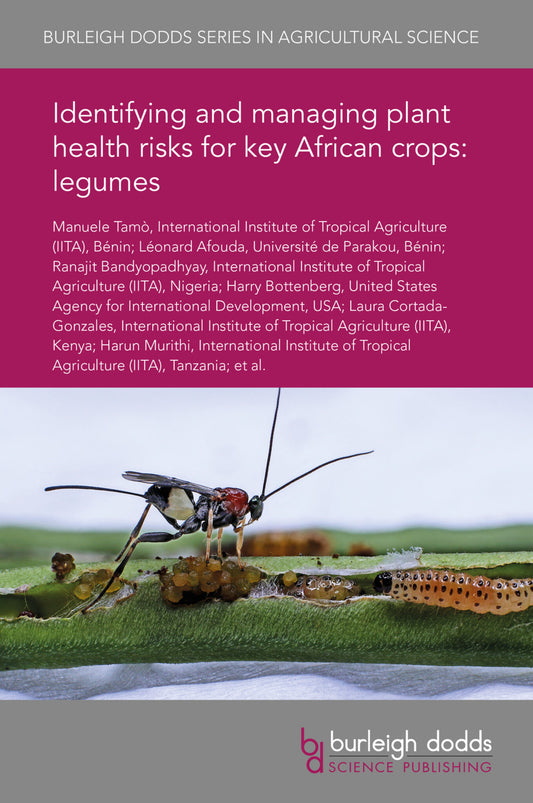
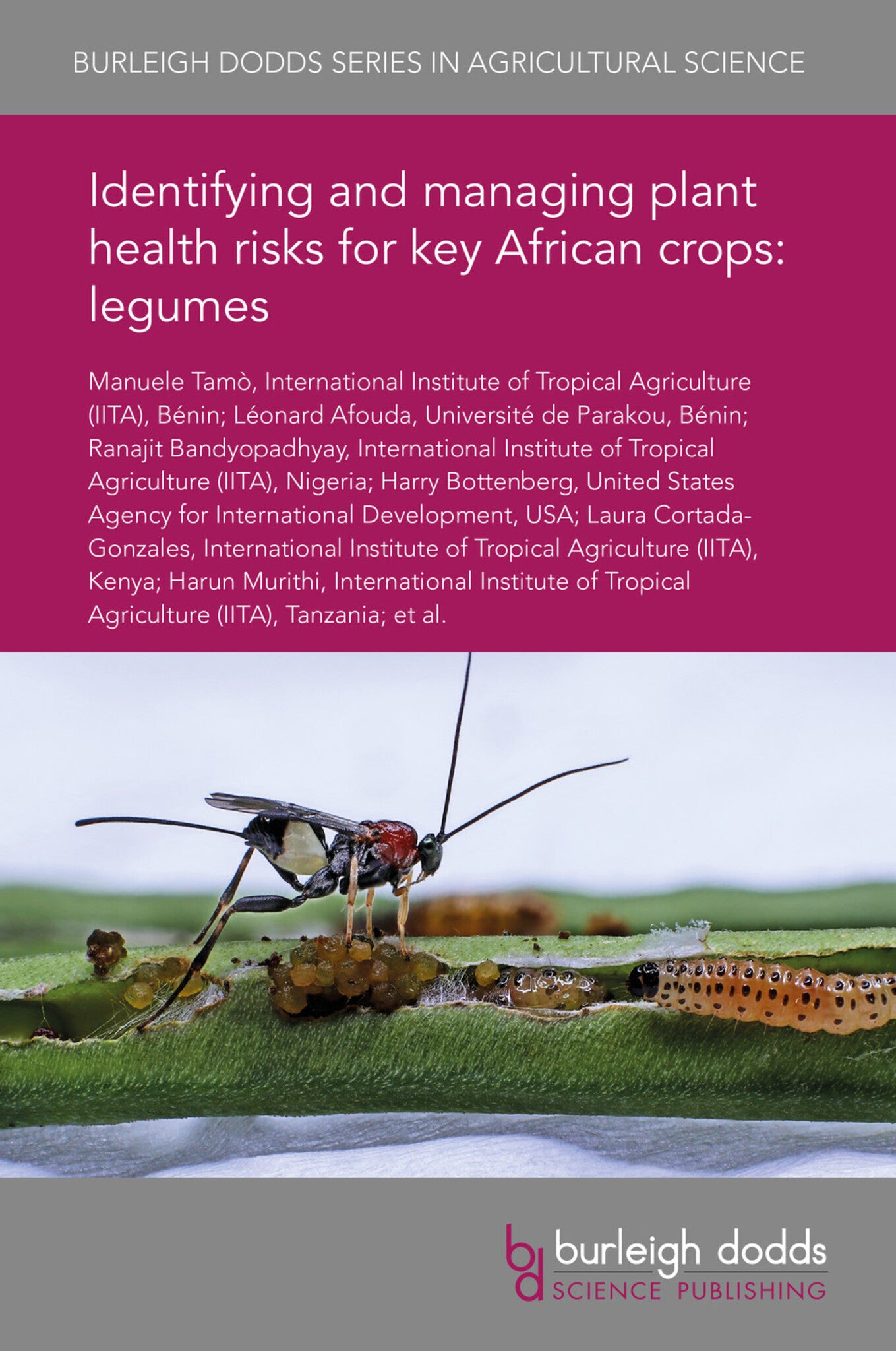
Identifying and managing plant health risks for key african crops: legumes
The yield potential of cowpea and soybean is severely constrained by several biotic stresses, negatively impacting on the livelihoods of farming communities. Resistant germplasm is often the first line of defence against plant pathogens inducing foliar diseases like Asian soybean rust, but needs ...
Read MoreRegular price £25.00Sale price £25.00 Regular price £25.00Unit price per -
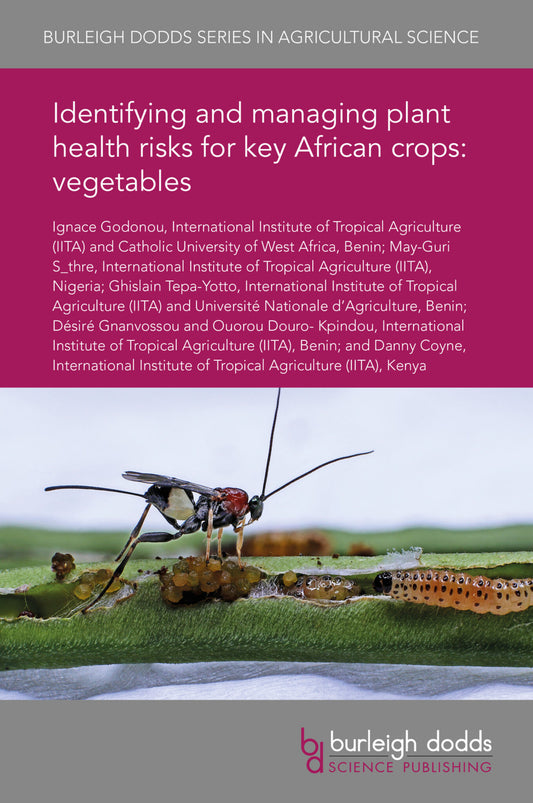
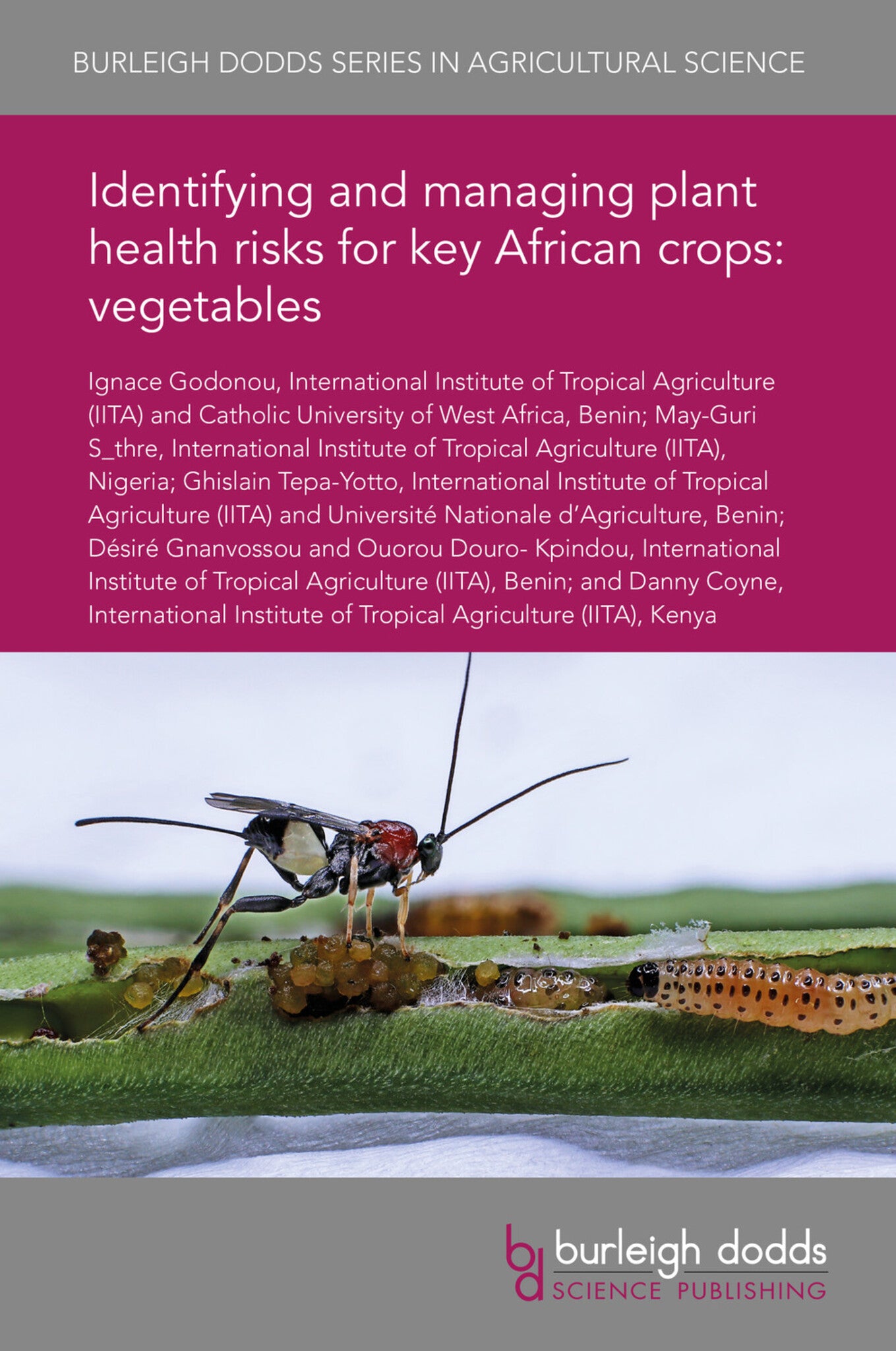
Identifying and managing plant health risks for key african crops: vegetables
In many West African countries, vegetable production is a key sector of urban and peri-urban agriculture. However, production is undermined by biotic constraints, mainly arthropod pests, disease-causing organisms and plant parasitic nematodes. In an attempt to combat this, farmers frequently use ...
Read MoreRegular price £25.00Sale price £25.00 Regular price £25.00Unit price per -
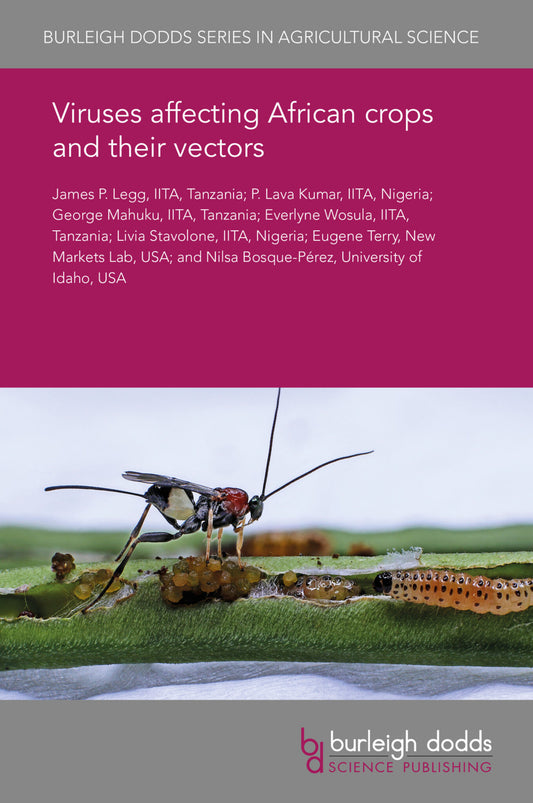
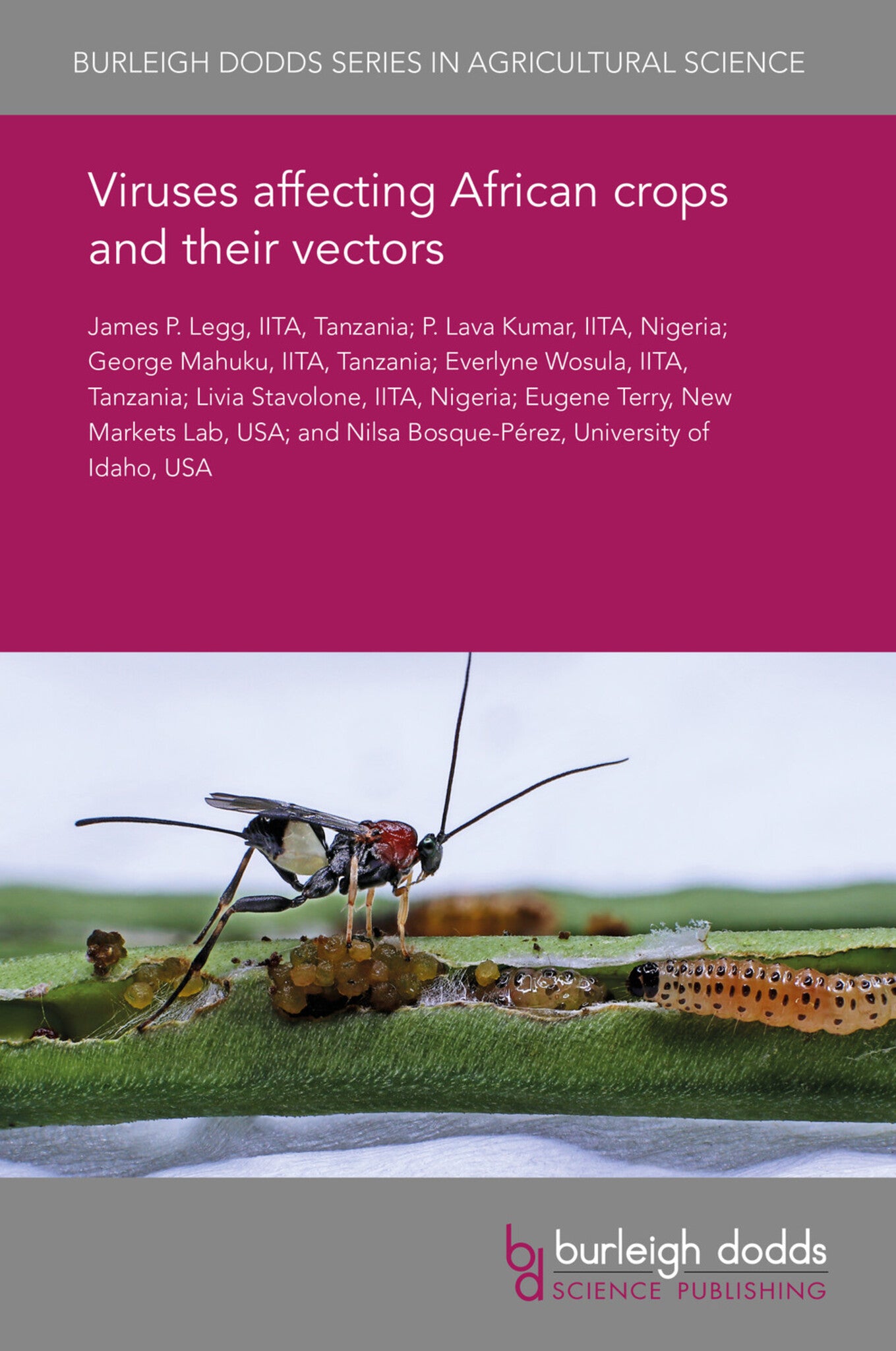
Viruses affecting african crops and their vectors
Plant viruses are one of the major constraints to crop production in Africa. Consequently, research into understanding and managing viruses has been a major theme of IITA’s work over its 50-year history. This chapter reviews the progress made in characterizing the major viruses affecting bananas,...
Read MoreRegular price £25.00Sale price £25.00 Regular price £25.00Unit price per -
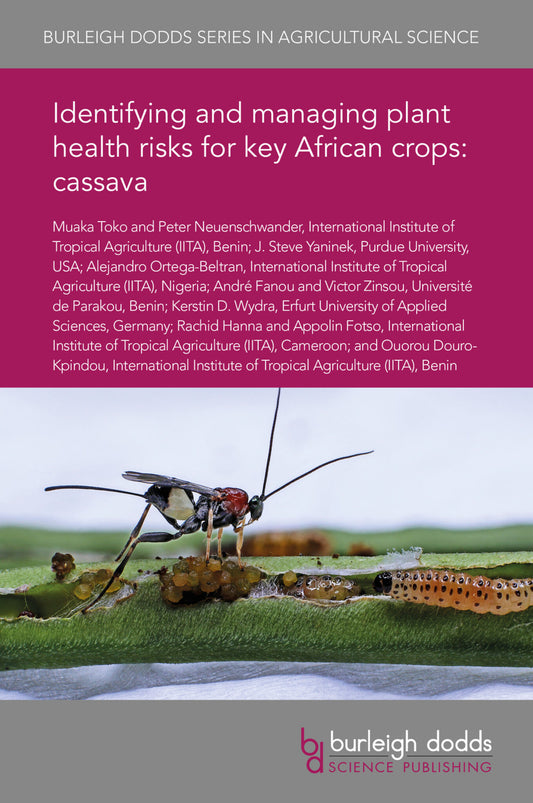
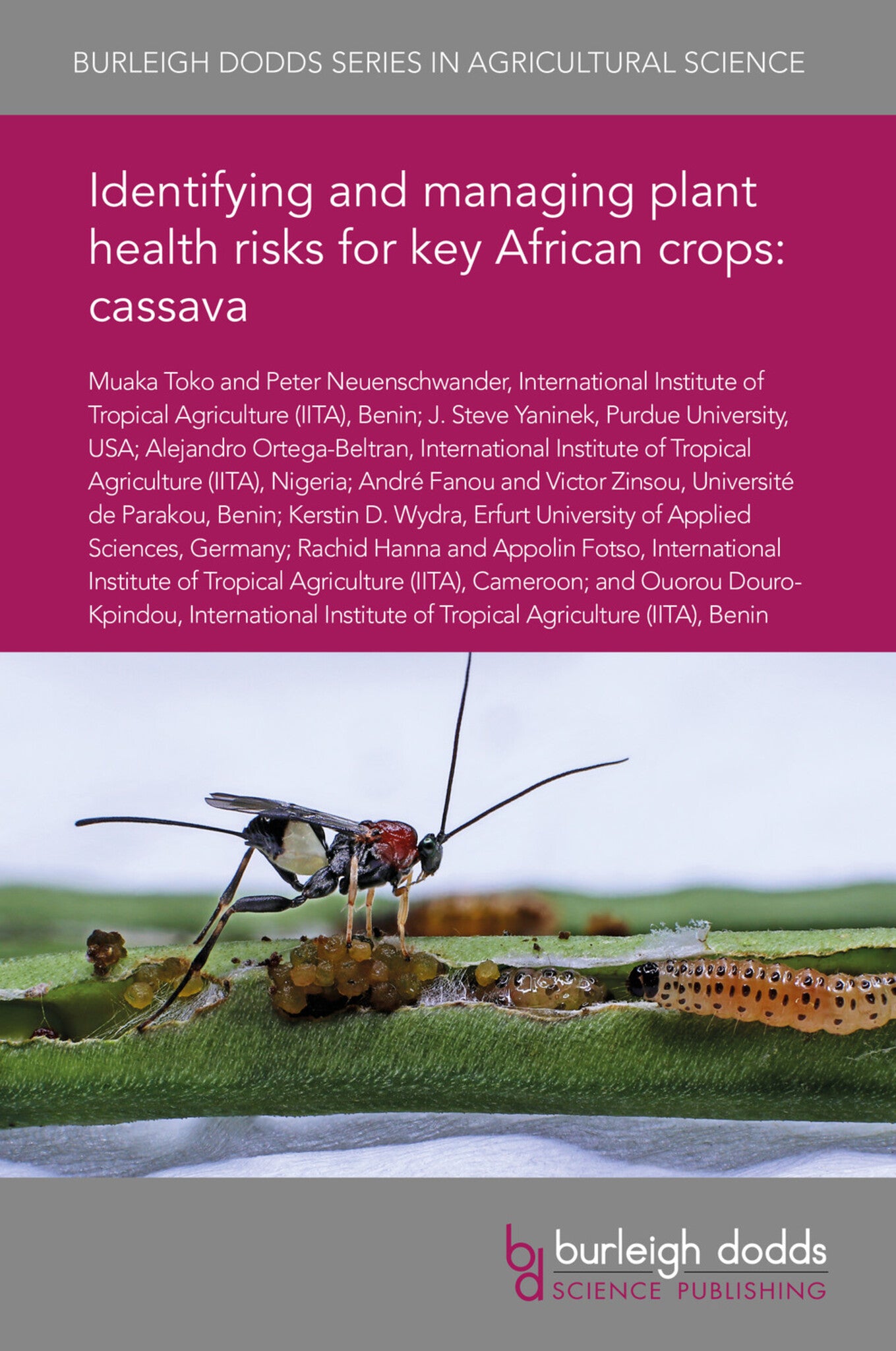
Identifying and managing plant health risks for key african crops: cassava
The long history of cassava as a hardy crop, relatively free from diseases and pests’ attacks, ended in the 1970s when the cassava mealybug Phenacoccus manihoti and the cassava green mite Mononychellus tanajoa invaded Africa and devastated the crop to the point of wiping it out as was the case w...
Read MoreRegular price £25.00Sale price £25.00 Regular price £25.00Unit price per -
Key challenges in plant health in sub-saharan africa: stakeholder priorities
This chapter comprises short summaries of research priorities from key stakeholders who have worked with the International Institute of Tropical Agriculture (IITA) on plant health. Stakeholders were categorised into the following groups: international organisations (e.g. the FAO), universities, i...
Read MoreRegular price £25.00Sale price £25.00 Regular price £25.00Unit price per -
Commercial products promoting plant health in african agriculture
The International Institute of Tropical Agriculture (IITA) usually delivers its products free of charge to national programmes and farmers, but in two projects described in this chapter, most costs were transferred to users through commercialization. This chapter explores the development and appl...
Read MoreRegular price £25.00Sale price £25.00 Regular price £25.00Unit price per -

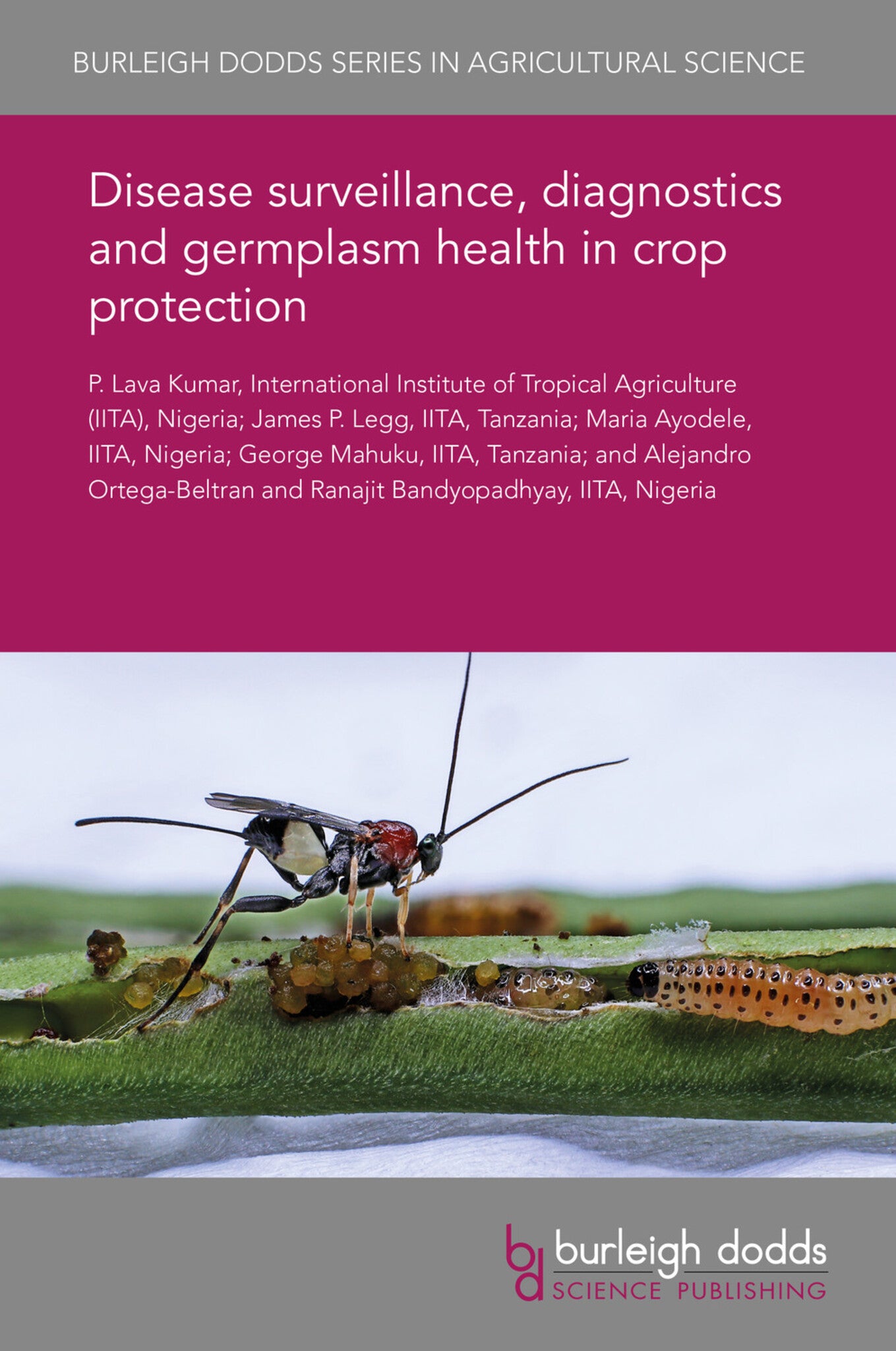
Disease surveillance, diagnostics and germplasm health in crop protection
Diseases caused by a range of established and emerging pathogens such as bacteria, fungi, oomycetes and viruses are among the persistent factors for the reduction in crop yields across sub-Saharan Africa (SSA). Most damaging diseases are caused by introduced exotic pathogens and by locally evolve...
Read MoreRegular price £25.00Sale price £25.00 Regular price £25.00Unit price per -
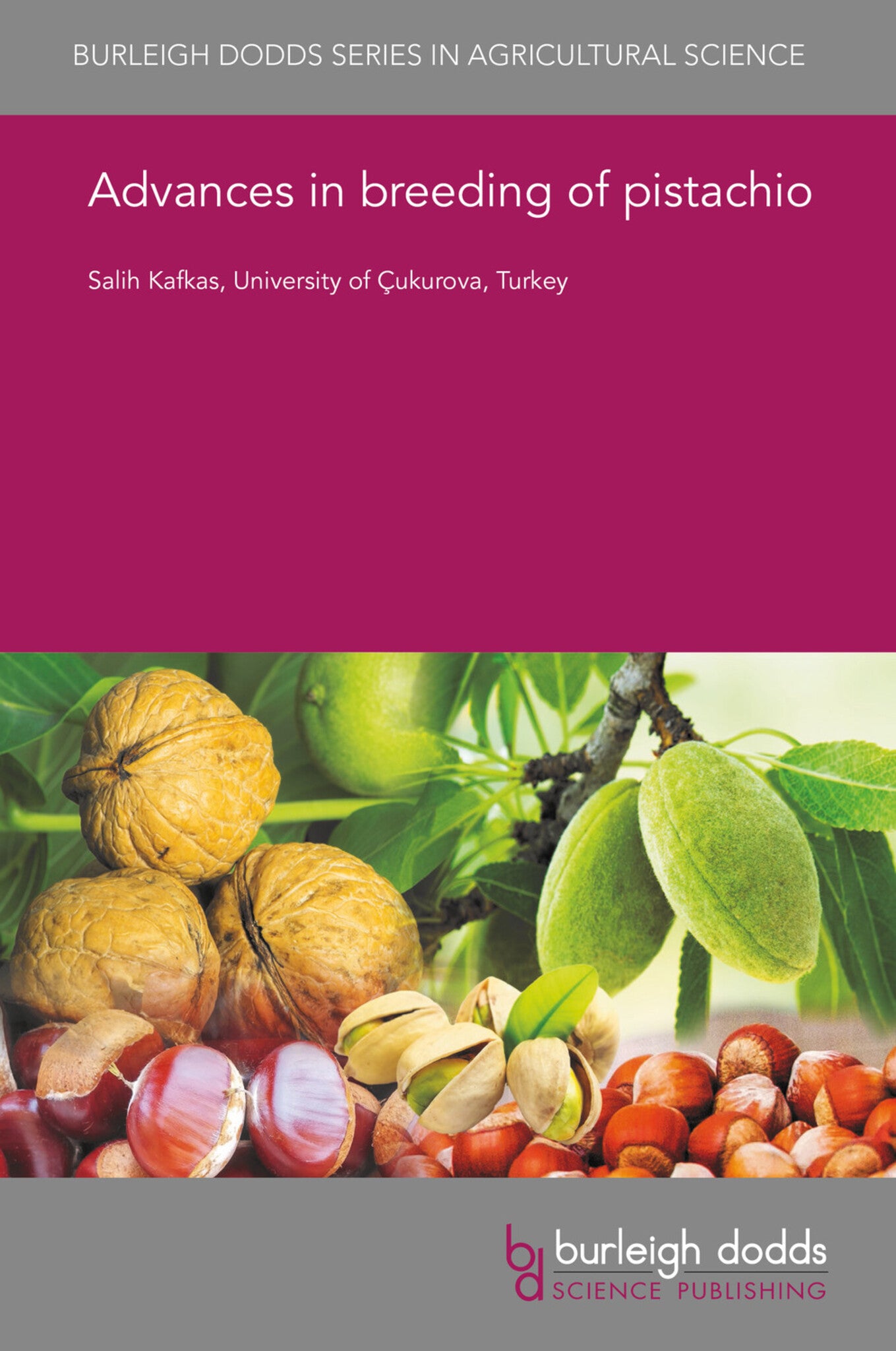
Advances in breeding of pistachio
Pistacia vera L. (pistachio) has the only commercially important edible nuts in the genus, and wild species are used for rootstock. Breeding in pistachio is very slow, time-consuming and expensive due to very long juvenile period and the plant’s dioecious character. This chapter describes the obj...
Read MoreRegular price £25.00Sale price £25.00 Regular price £25.00Unit price per -
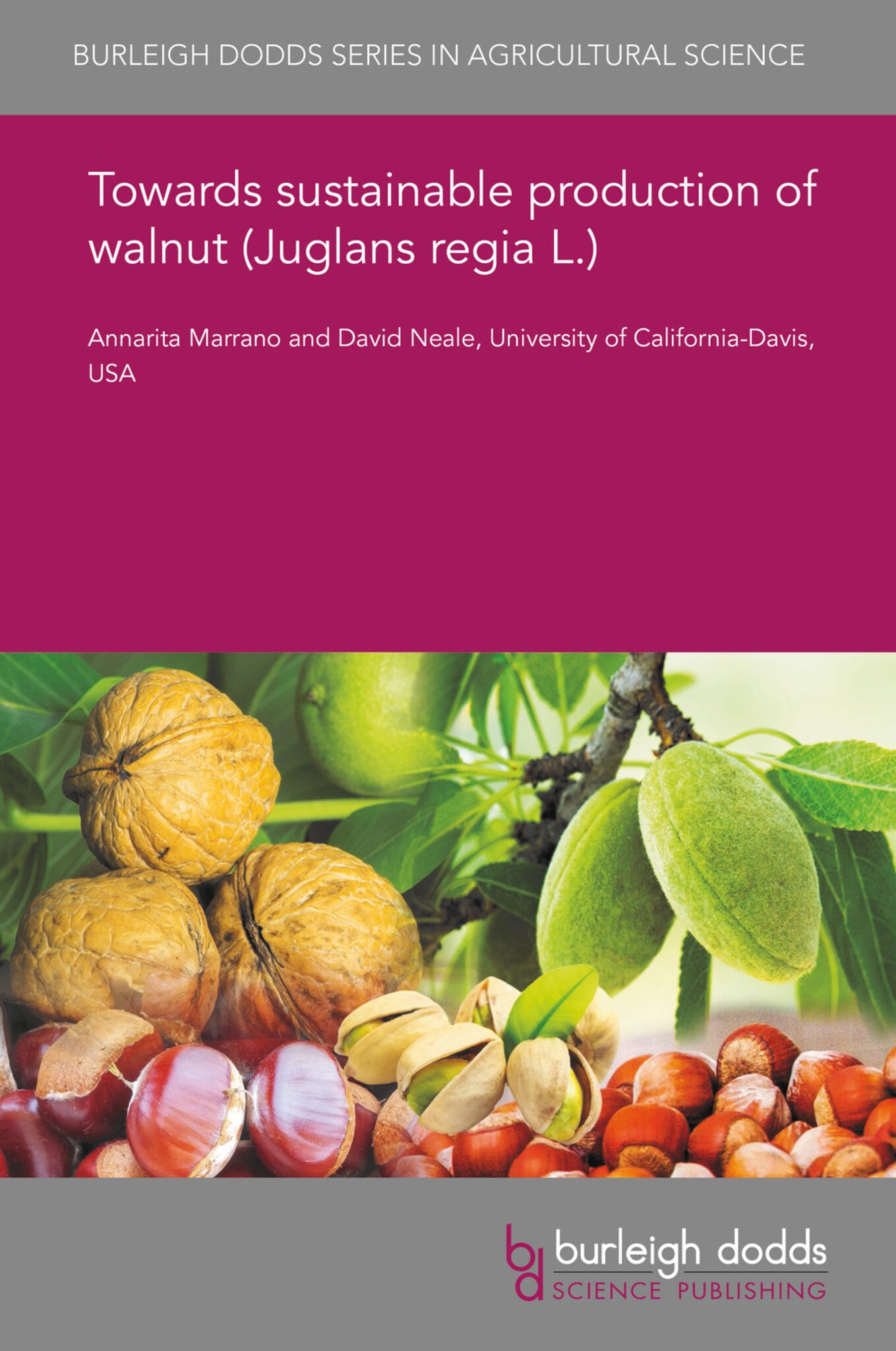
Towards sustainable production of walnut (juglans regia l.)
Persian walnut (Juglans regia L.) is the only species of the genus Juglans widely cultivated for nut production. Over the last 20 years, global walnut production has grown by almost 250%, with China, the United States and Iran as leading producing countries. This enormous growth is mainly attribu...
Read MoreRegular price £25.00Sale price £25.00 Regular price £25.00Unit price per -
Key issues in breeding and trialling robust cereal cultivars for organic farming
This chapter provides an overview of key issues in organic crop breeding and presents objectives, activities and results of concrete organic cereal breeding projects. Organic crop breeding is a small but rapidly growing branch of organic agriculture. Its primary objective is to develop cultivars ...
Read MoreRegular price £25.00Sale price £25.00 Regular price £25.00Unit price per -
Supporting smallholders in organic crop cultivation: the case of east africa
The value chains of several vegetables and other crops in Eastern Africa are growing in volume and value and are potentially making an impact on the livelihood of the involved producers, processers, transporters, retailers and sales-sites. This chapter reports the outcomes of selected ProGrOV cas...
Read MoreRegular price £25.00Sale price £25.00 Regular price £25.00Unit price per -
Organic fertilizers and biofertilizers
In recent years, both in the European Union and in the world, there has been intense development of organic agriculture, whose aim is to produce high-quality crops and healthy food while maintaining the biological balance of agroecosystems. An alternative to chemical fertilizers are products of n...
Read MoreRegular price £25.00Sale price £25.00 Regular price £25.00Unit price per -
The role of crop rotations in organic farming
Crop rotations are defined in terms of a number of crops organized in a specific order over a defined period of time, with specific spatial arrangements and distribution in a field and landscape, that ensures the best growing conditions for all crops. Crop rotation is thus a way to utilize the pe...
Read MoreRegular price £25.00Sale price £25.00 Regular price £25.00Unit price per -
Integrated weed management in organic cropping systems
Weed management is a key challenge for organic production. Integrated Weed Management (IWM), that is, the combination of different tactics within a long-term management strategy, can keep weed abundance low. However, successful IWM relies on maximum diversification of the cropping system, which i...
Read MoreRegular price £25.00Sale price £25.00 Regular price £25.00Unit price per -
Maintaining soil fertility and health in organic crop cultivation
Maintaining the health and fertility of our soils is central to the productivity of farming systems because of the key role that both health and fertility play in crop production. The links between soil health and the health consumers (both animal and human) and the wider ecosystem are important ...
Read MoreRegular price £25.00Sale price £25.00 Regular price £25.00Unit price per -
Organic agriculture and agroecology in latin america
This chapter provides an account of the development and current status of agroecology and organic agriculture in Latin America and the Caribbean (LAC). It highlights the main contributions made by LAC farmers, practitioners, researchers and value chain actors to the worldwide growth of agroecolog...
Read MoreRegular price £25.00Sale price £25.00 Regular price £25.00Unit price per -
Manure management in organic farming
Animal manure is the most important source of nutrients applied in most organic farming systems. Nitrogen (N) is often the most yield-limiting factor in non-leguminous crops, and thus lack of N may cause reduced yield and low protein content in many crops. In addition, N is the nutrient that is m...
Read MoreRegular price £25.00Sale price £25.00 Regular price £25.00Unit price per -
Setting and reviewing standards for organic farming
One of the cornerstones of organic farming is the fact that it is governed by clear standards which are legally protected in many parts of the world, but there is concern that the current certification system does not fully safeguard the objectives and principles of the movement and encourage fur...
Read MoreRegular price £25.00Sale price £25.00 Regular price £25.00Unit price per -
The impact of organic agriculture on diet and health
Consumers of organic vegetables tend to consume them in higher amounts and with more concentrated phytochemicals, so any benefits of phytochemicals for human health are doubled for a typical consumer of organic food. This chapter explores the associations between organic consumption and diet choi...
Read MoreRegular price £25.00Sale price £25.00 Regular price £25.00Unit price per -
Measuring and improving the environmental performance of organic farming
There is a large and growing body of literature comparing the environmental performance of organic and conventional farming in specific settings, either on farm or product level. However, how one assesses ‘environmental performance’ is a complex and multifaceted question, and one-dimensional indi...
Read MoreRegular price £25.00Sale price £25.00 Regular price £25.00Unit price per -
Organic seed production, certification and availability
Through evolution, plants produce seeds with variation in speed of germination and, for instance, dormancy to spread the risk of germinating in the wrong season. Although domestication and breeding has created crops with more rapid germinating seeds, compared with their wild relatives, for many c...
Read MoreRegular price £25.00Sale price £25.00 Regular price £0.00Unit price per -
Improving organic agriculture in the developing world: asia
Traditional Asian farming methods are often seen as being close to organic production, but there is a need for considerable research and farmer education if the sector is to develop in accordance with scientifically led organic knowledge and to fulfil its potential. This chapter describes key cro...
Read MoreRegular price £25.00Sale price £25.00 Regular price £25.00Unit price per -
Improving organic agriculture in the developing world: africa
The continent of Africa accounts for 25% of the world’s arable land and yet produces just 10% of the global agricultural output. Against the backdrop of the challenges to agriculture in Africa, the African heads of states took a decision in 2011 to integrate organic agriculture into the mainstrea...
Read MoreRegular price £25.00Sale price £25.00 Regular price £25.00Unit price per -
Cover crops in organic crop cultivation
Cover crops (CCs) are close-growing crops providing protection for soil and seeding between periods of normal crop production. They are positioned in rotation between two main or cash crops, and not primarily grown for harvest. Although traditionally CCs have been terminated and incorporated into...
Read MoreRegular price £25.00Sale price £25.00 Regular price £25.00Unit price per -
Disease and pest management in organic farming: a case for applied agroecology
Disease and pest management in organic agriculture are based on a whole set of interlinked system management methods, including in certain cases, the use of organic pesticides and biocontrol organisms. In order to achieve the greatest possible natural biological control within a growing system, t...
Read MoreRegular price £25.00Sale price £25.00 Regular price £25.00Unit price per -
Eco-functional intensification of organic farming
Organic farming aims to increase productivity while maintaining a positive impact on biodiversity and using minimal resources. An urgent question of global importance is how organic agricultural systems can be improved with regard to the various functions of producing food, saving biodiversity an...
Read MoreRegular price £25.00Sale price £25.00 Regular price £25.00Unit price per -
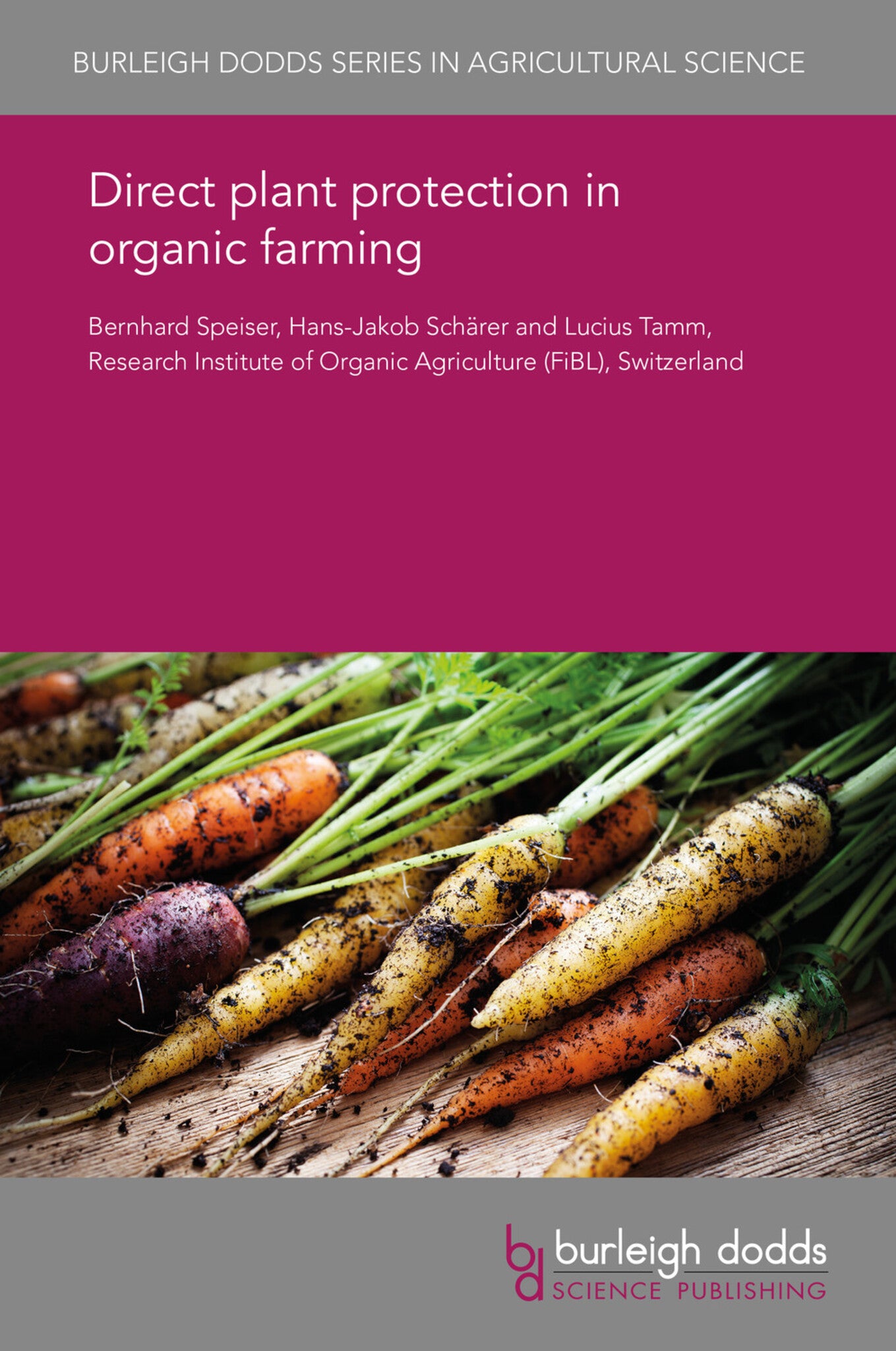
Direct plant protection in organic farming
In organic farming, plant health is maintained primarily through preventive management practices. Nevertheless, there are crops and situations where such measures alone do not provide sufficient protection, and direct plant protection is therefore necessary. This chapter focuses on the substances...
Read MoreRegular price £25.00Sale price £25.00 Regular price £25.00Unit price per -


Controlled traffic farming in precision agriculture
In the past few decades, there has been a continuous drive towards the development and adoption of larger, and more powerful, agricultural machinery. Larger machinery is often related with timeliness, higher work rates and lower labour requirements, which has led to significant improvements both ...
Read MoreRegular price £25.00Sale price £25.00 Regular price £0.00Unit price per -
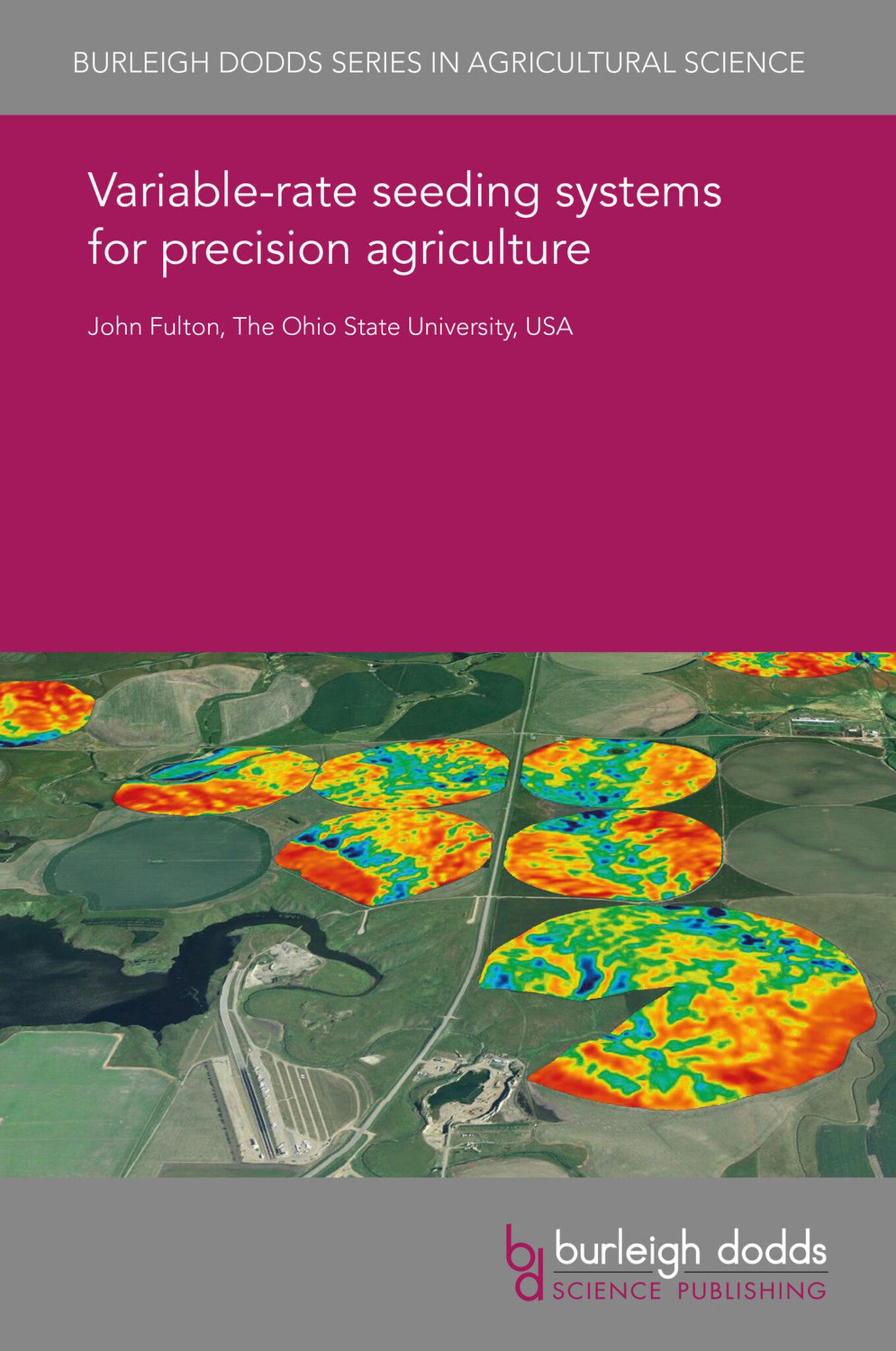
Variable-rate seeding systems for precision agriculture
Variable-rate seeding (VRS) is the practice of adjusting the seeding rate or amount across a field in order to maximize yield and profit. This method of precision agriculture relies on site-specific data such as soil type, landscape position and yield maps. In the last decade, adoption of this me...
Read MoreRegular price £25.00Sale price £25.00 Regular price £25.00Unit price per -
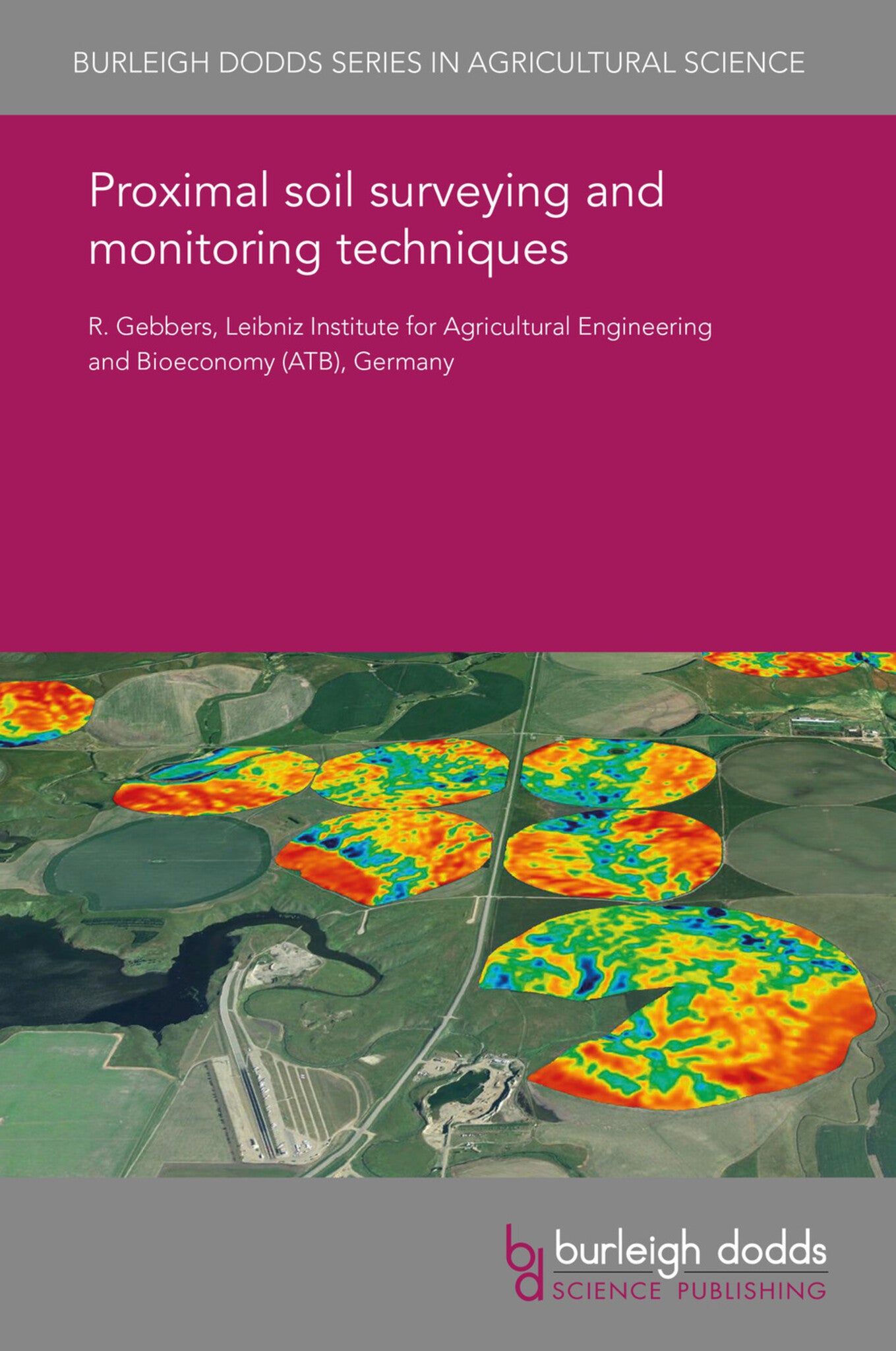
Proximal soil surveying and monitoring techniques
The understanding of soil fertility is fundamental to agricultural production. However, soils can show great variation both spatially and temporally. This chapter outlines the key challenges faced in monitoring such variation and the solutions that have been developed and further employed to aid ...
Read MoreRegular price £25.00Sale price £25.00 Regular price £25.00Unit price per -
Proximal crop sensing
Today’s farmers are increasingly reliant on sensors for their farming operations. This chapter addresses the use of proximal sensors to evaluate a crop during the growing season. After briefly discussing the importance of sensors in modern farming and the crop properties which are of interest, we...
Read MoreRegular price £25.00Sale price £25.00 Regular price £25.00Unit price per -
Variable-rate application technologies in precision agriculture
The approach of precision agriculture (PA) can be viewed as cyclical in nature, involving data collection, development of management plans, implementation of those plans in the field and evaluation of the effort. This chapter examines the characteristics of variable-rate application (VRA) control...
Read MoreRegular price £25.00Sale price £25.00 Regular price £25.00Unit price per -
Modelling and decision support systems in precision agriculture
Decision support systems (DSSs) are computerized systems, including models and databases, for decision-making purposes. In a precision agriculture (PA) framework, spatial and temporal requirements for DSSs are of particular importance but dealing with uncertainties and human aspects leading to ad...
Read MoreRegular price £25.00Sale price £25.00 Regular price £25.00Unit price per -
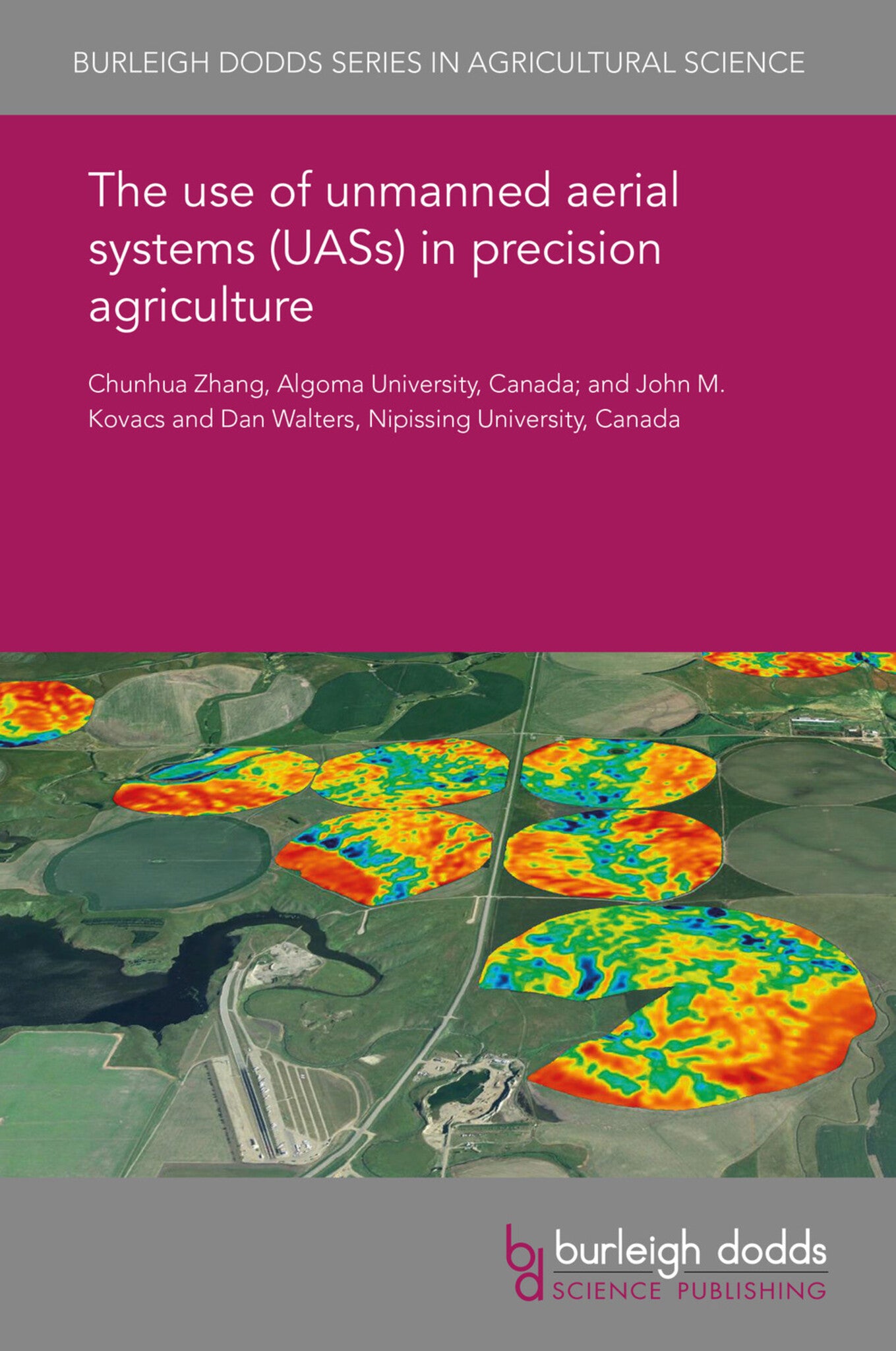
The use of unmanned aerial systems (uass) in precision agriculture
The rapid development of small unmanned aerial systems (UASs) in recent years has triggered considerable interest in their application for precision agriculture. The decreasing cost, the ultra-high spatial resolution and the increased flexibility of image acquisition have made UAS remote sensing ...
Read MoreRegular price £25.00Sale price £25.00 Regular price £0.00Unit price per -
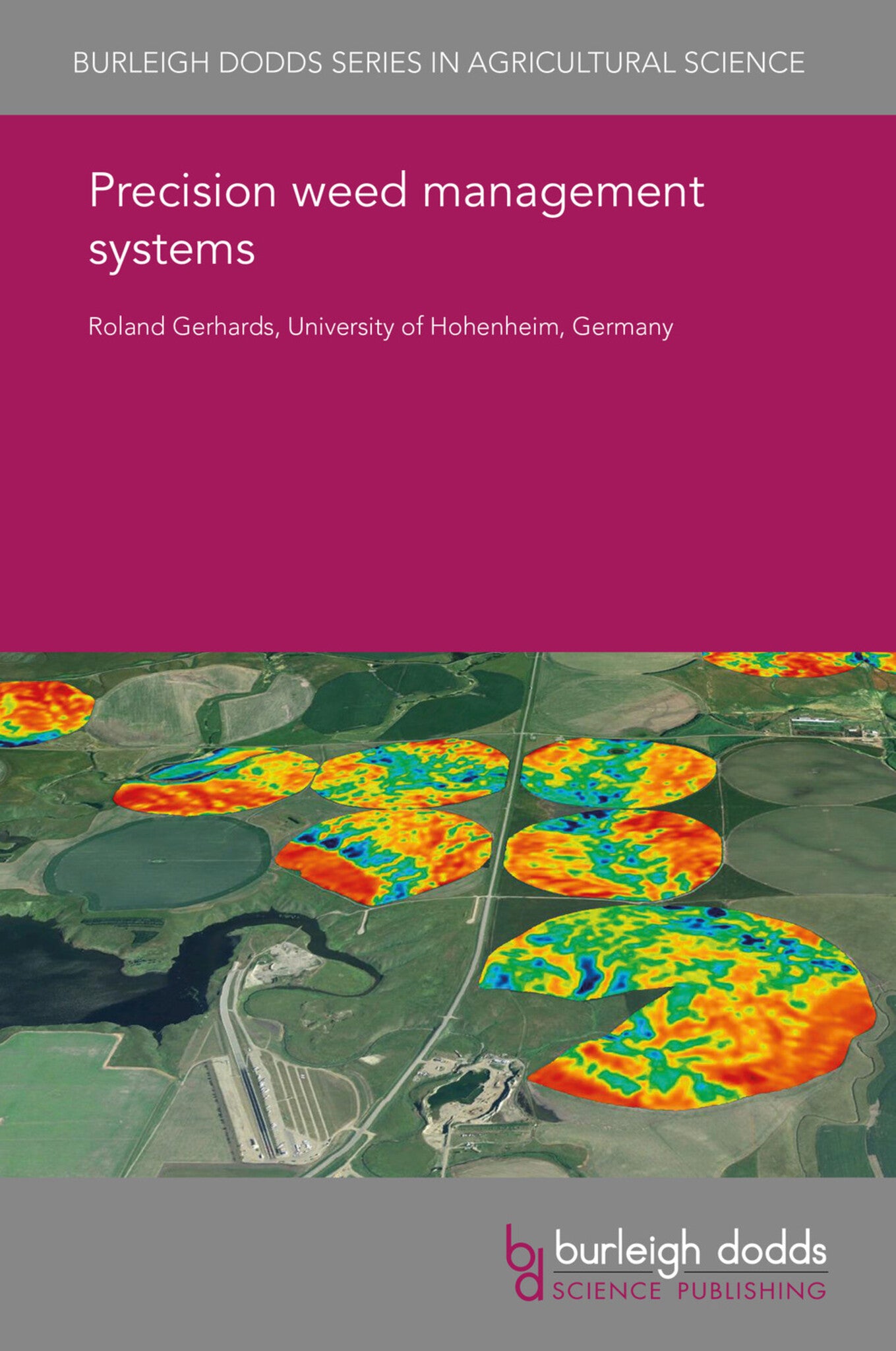
Precision weed management systems
Weed populations in arable fields are often spatially and temporally heterogeneous, and high-density weed patches require intensive weed management. In areas with no or few weeds, input for weed control can be reduced. This chapter describes manual and geographic information system–based weed map...
Read MoreRegular price £25.00Sale price £25.00 Regular price £25.00Unit price per -
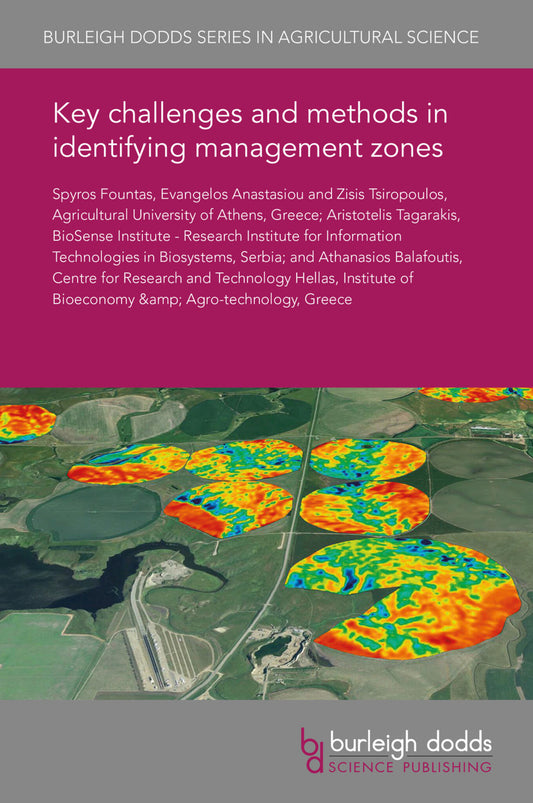
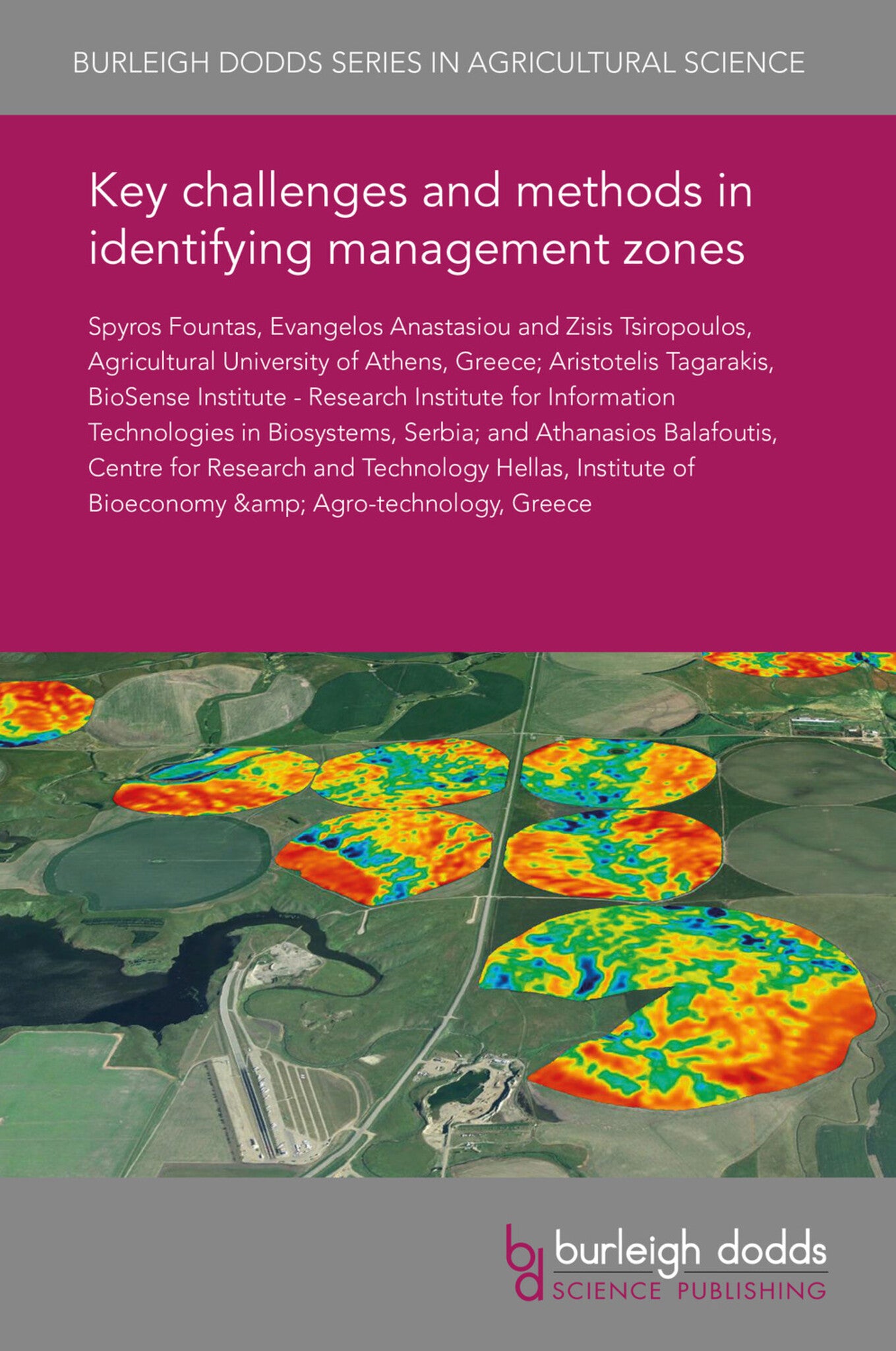
Key challenges and methods in identifying management zones
Management zones (MZs) are delineated to identify homogenous regions with similar field characteristics and to differentiate the inputs according to the specific needs of the crops within each zone. Delineation of MZs can be based on soil and landscape attributes and/or plant parameters. There ar...
Read MoreRegular price £25.00Sale price £25.00 Regular price £25.00Unit price per -
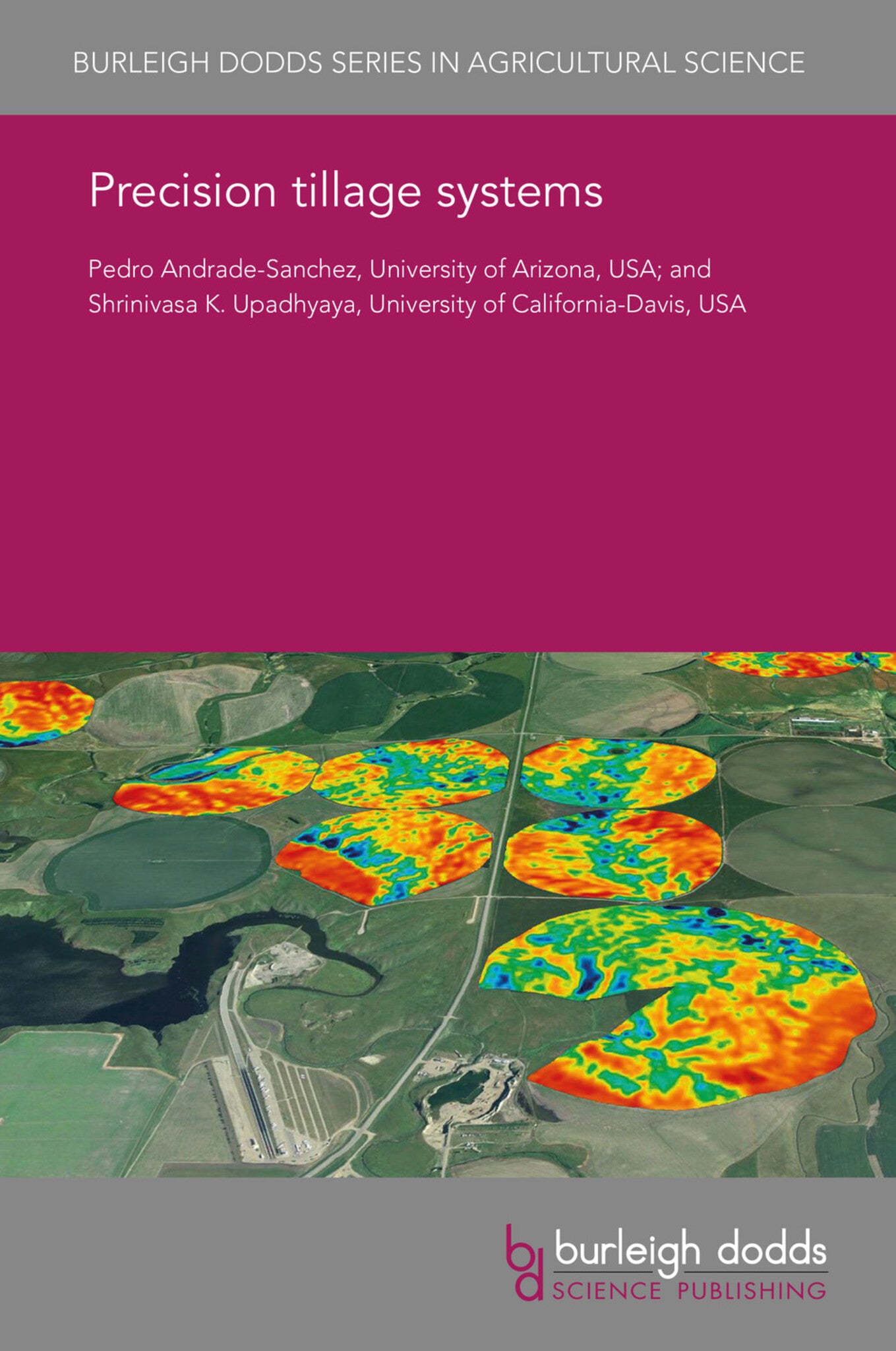
Precision tillage systems
The commercial development of information-intensive precision agriculture technologies has given rise to a number of applications aimed at improving agricultural production through site-specific management, including precision tillage. This chapter describes developments in on-the-go soil strengt...
Read MoreRegular price £25.00Sale price £25.00 Regular price £0.00Unit price per -
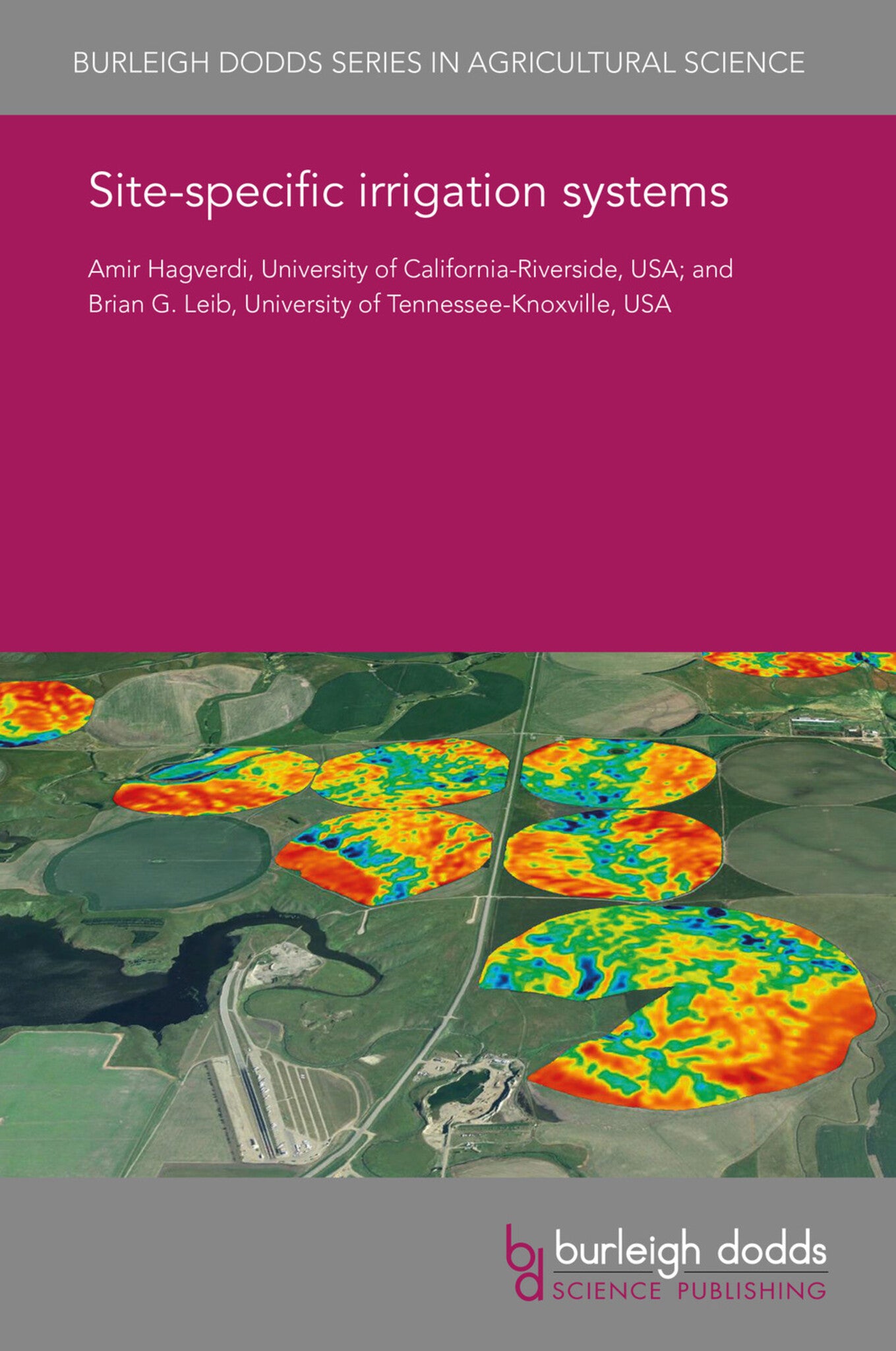
Site-specific irrigation systems
Conventional irrigation management is based on uniform application of water across a field, which may result in both over- and under-irrigation. This chapter focuses on site-specific variable rate irrigation using center pivot and lateral move irrigation systems, which are mainly used for row-cro...
Read MoreRegular price £25.00Sale price £25.00 Regular price £25.00Unit price per -
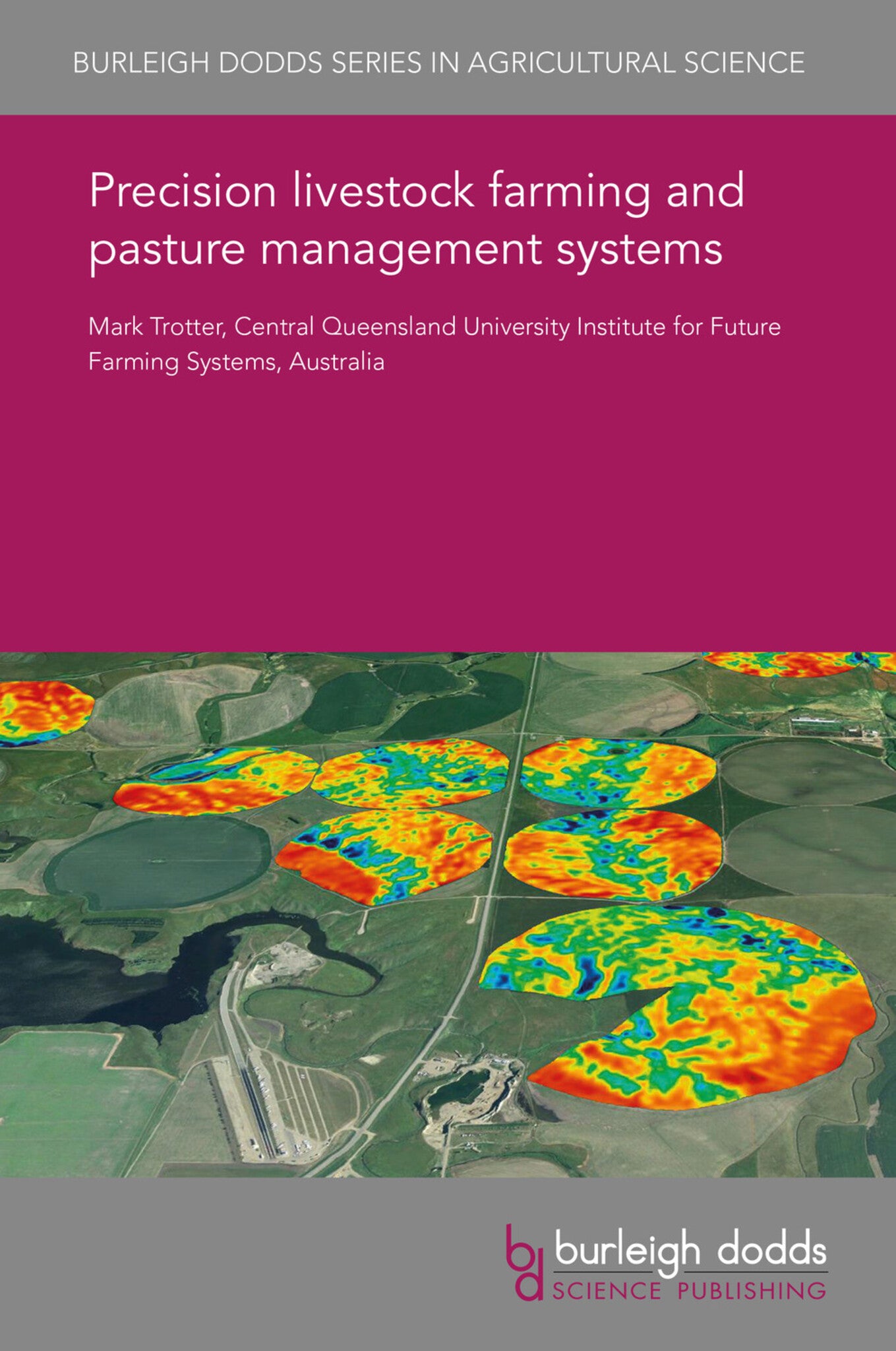
Precision livestock farming and pasture management systems
Precision livestock farming (PLF) focuses on individual animal monitoring and management. Precision pasture/rangeland management is concerned with monitoring and dealing with landscape spatial and temporal variability whilst considering the influence that animals bring to these systems. This chap...
Read MoreRegular price £25.00Sale price £25.00 Regular price £25.00Unit price per -
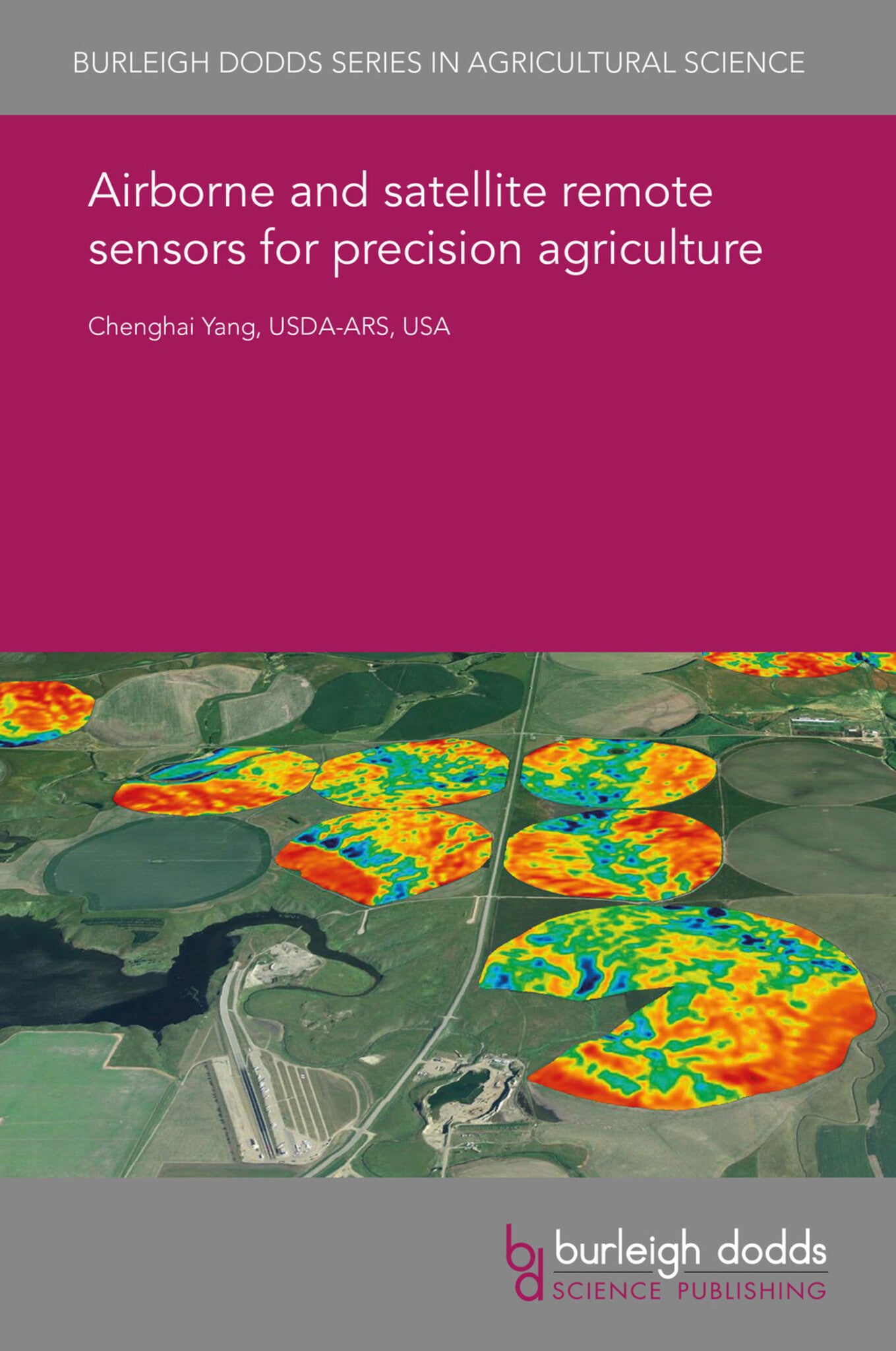
Airborne and satellite remote sensors for precision agriculture
Remote sensing provides an important source of information to characterize soil and crop variability for both within-season and after-season management despite the availability of numerous ground-based soil and crop sensors. Remote sensing applications in precision agriculture have been steadily ...
Read MoreRegular price £25.00Sale price £25.00 Regular price £25.00Unit price per -
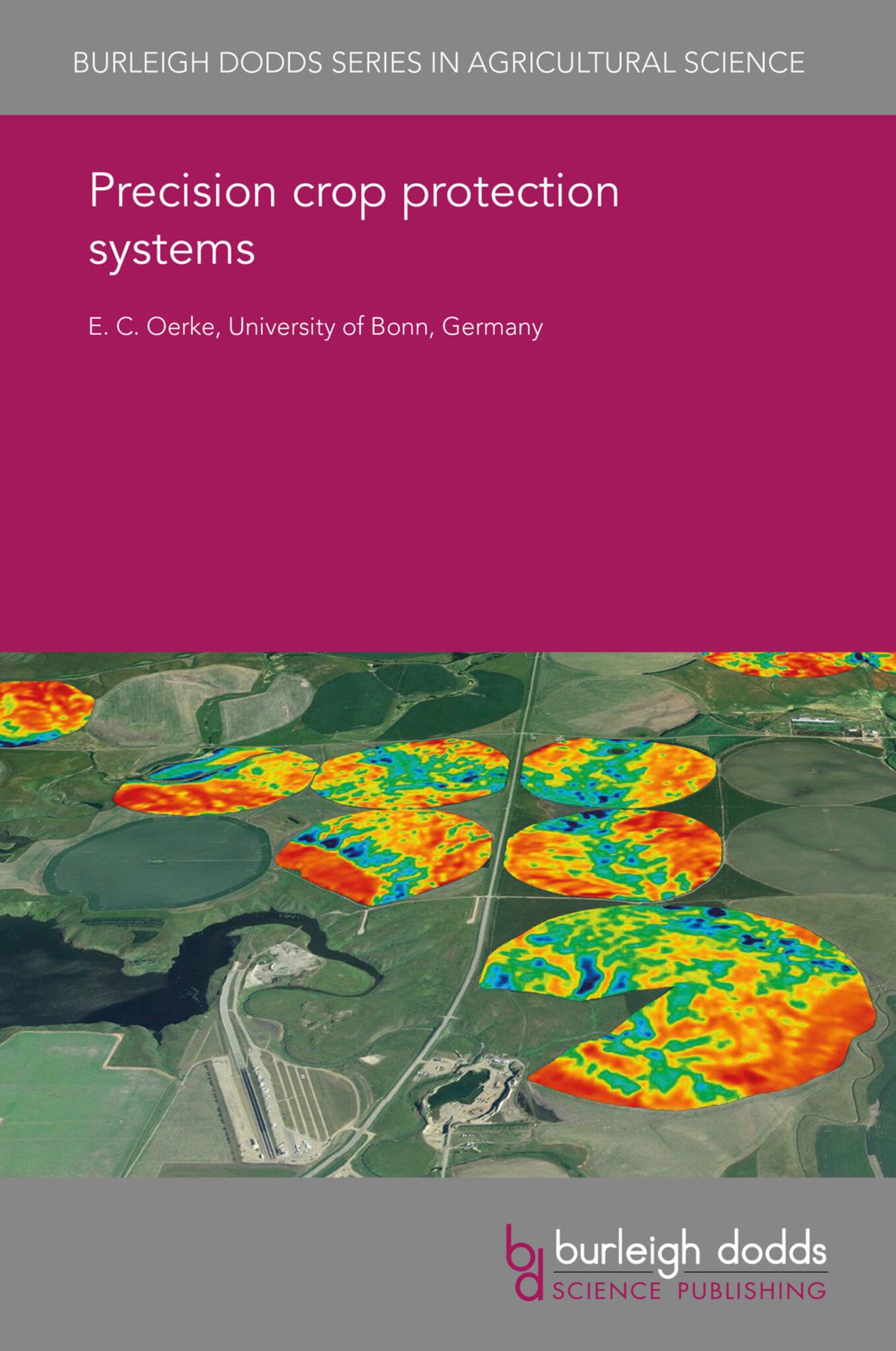
Precision crop protection systems
The spatial distribution of plant pests within crops is often heterogeneous, at least during some growth periods. Within-field heterogeneity implies that plants at some sites may need pest control while plants at other sites do not. Automated detection, identification and quantification of diseas...
Read MoreRegular price £25.00Sale price £25.00 Regular price £25.00Unit price per -
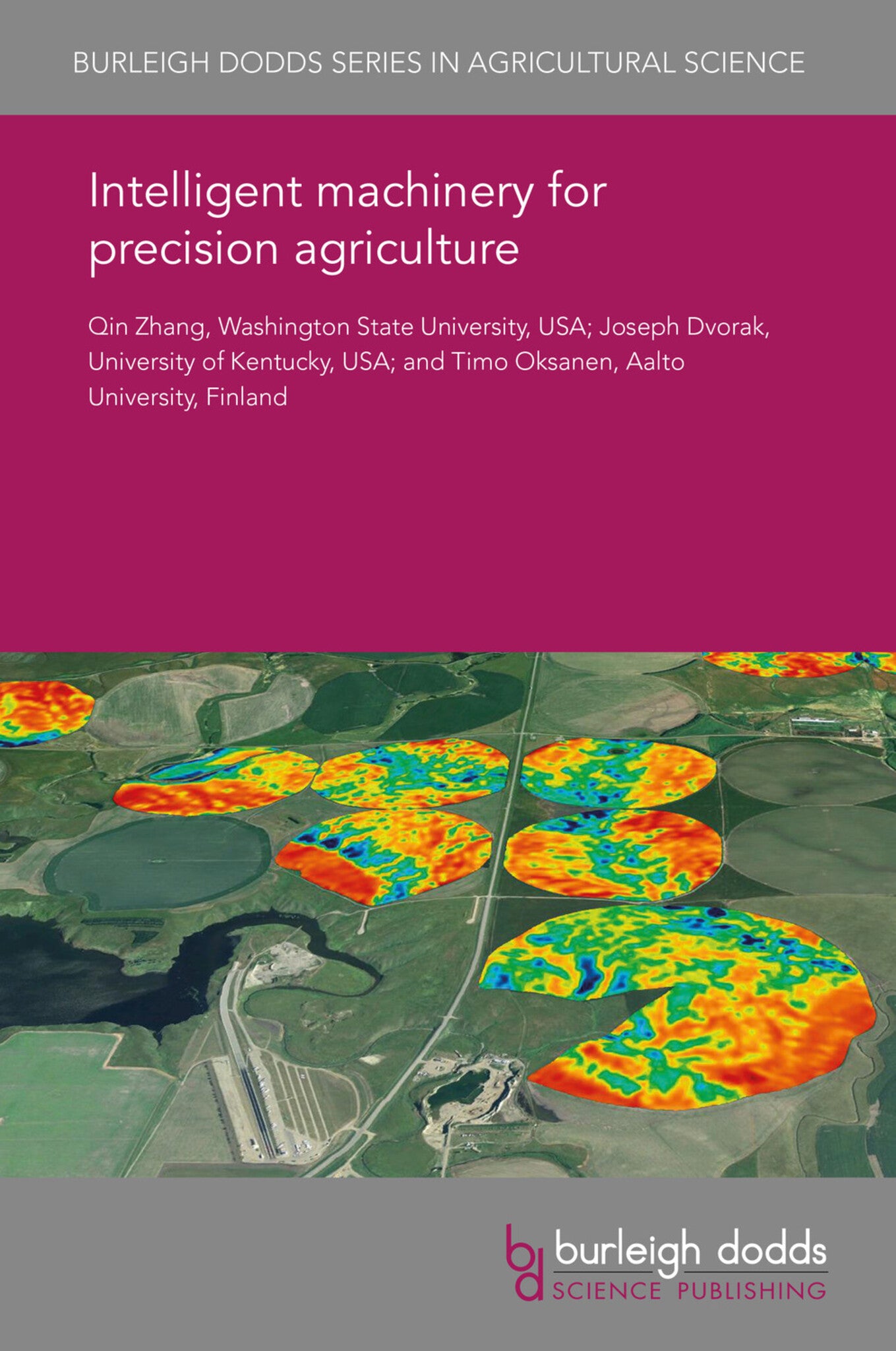
Intelligent machinery for precision agriculture
The innovative core of modern precision agriculture is the use of agricultural machinery to perform precise, responsive field operations in large-scale mechanized precision crop production. Integration of autonomous functions into such machinery will endow it with capabilities which could be desc...
Read MoreRegular price £25.00Sale price £25.00 Regular price £25.00Unit price per -
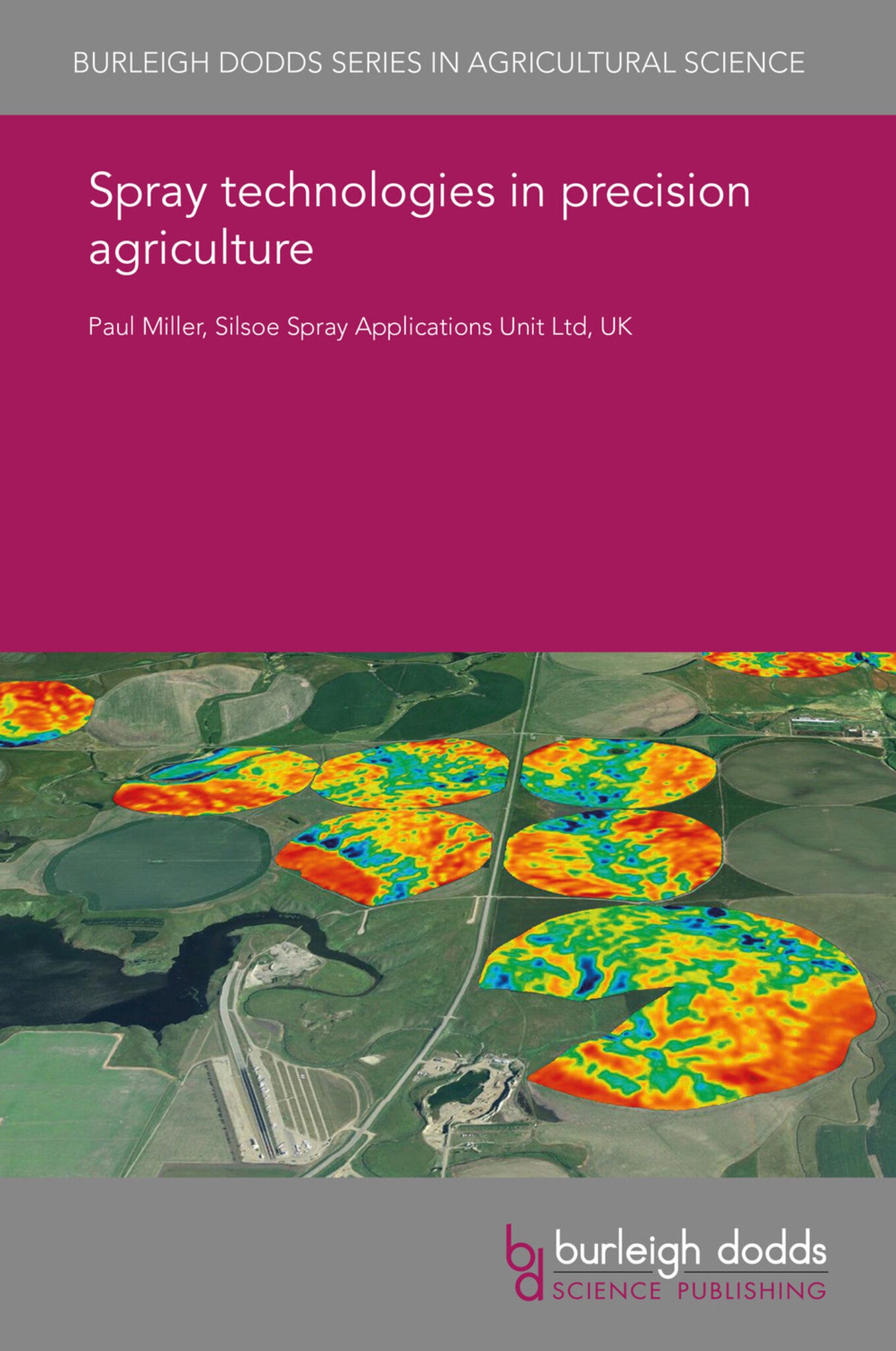
Spray technologies in precision agriculture
The application of plant protection products plays a key role in the production of most crops. This chapter examines equipment designed to operate with field crops; however, many of the principles discussed will relate to other application systems. The chapter describes features of field crop spr...
Read MoreRegular price £25.00Sale price £25.00 Regular price £25.00Unit price per -
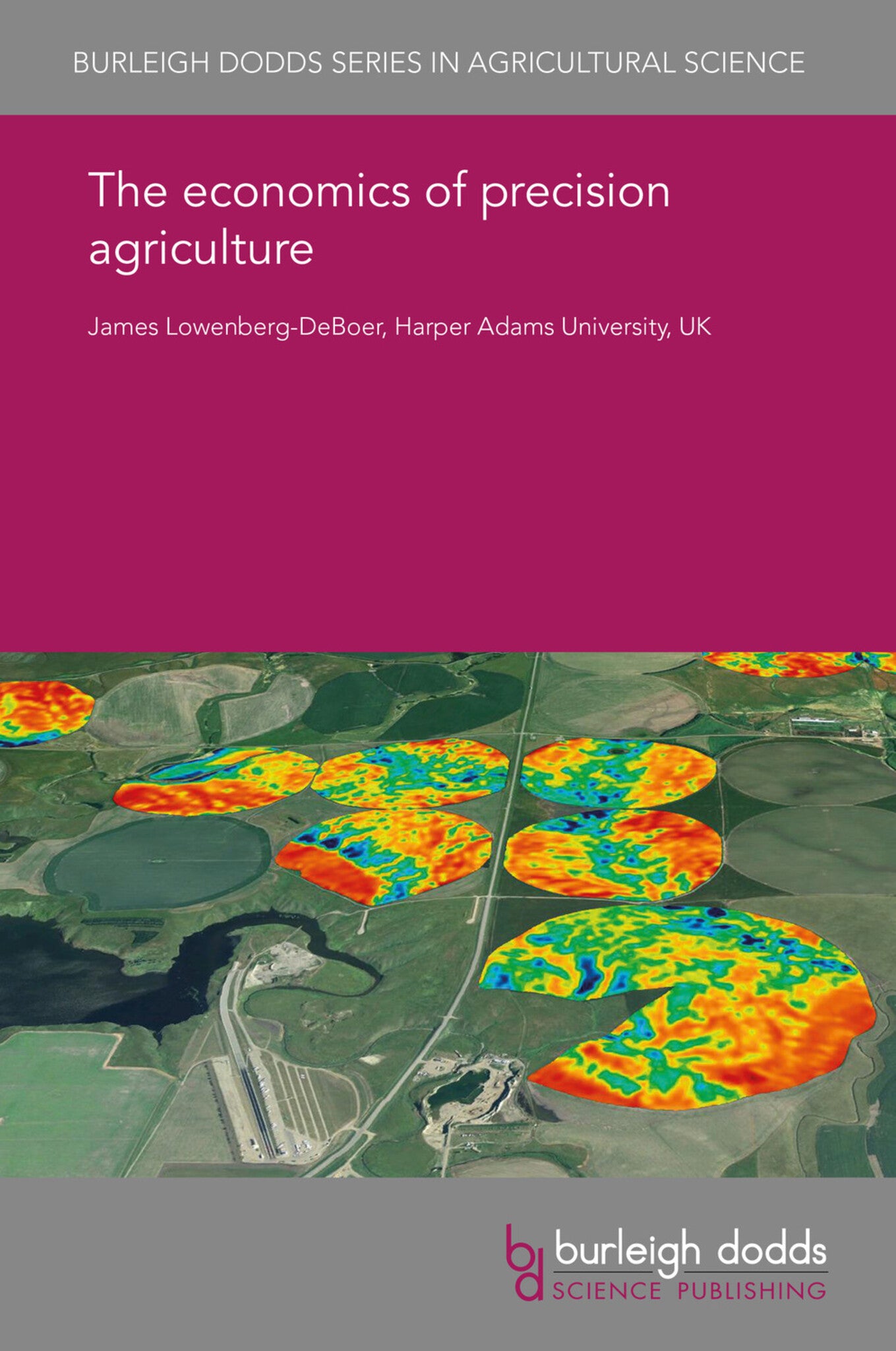
The economics of precision agriculture
This chapter reviews data on the use of precision agriculture (PA) in agronomic crops production, examines whether economic research has correctly predicted PA technologies adopted by farmers and identifies several PA technologies that recent economic research has identified as having profit and...
Read MoreRegular price £25.00Sale price £25.00 Regular price £25.00Unit price per -
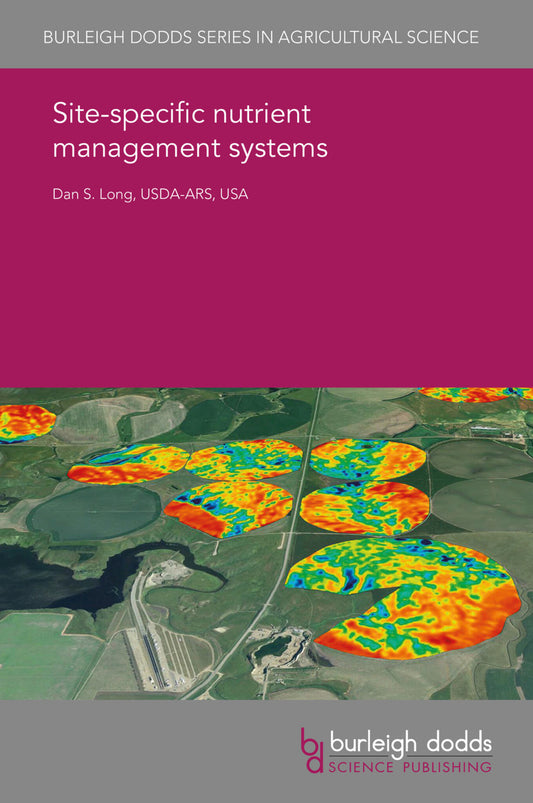
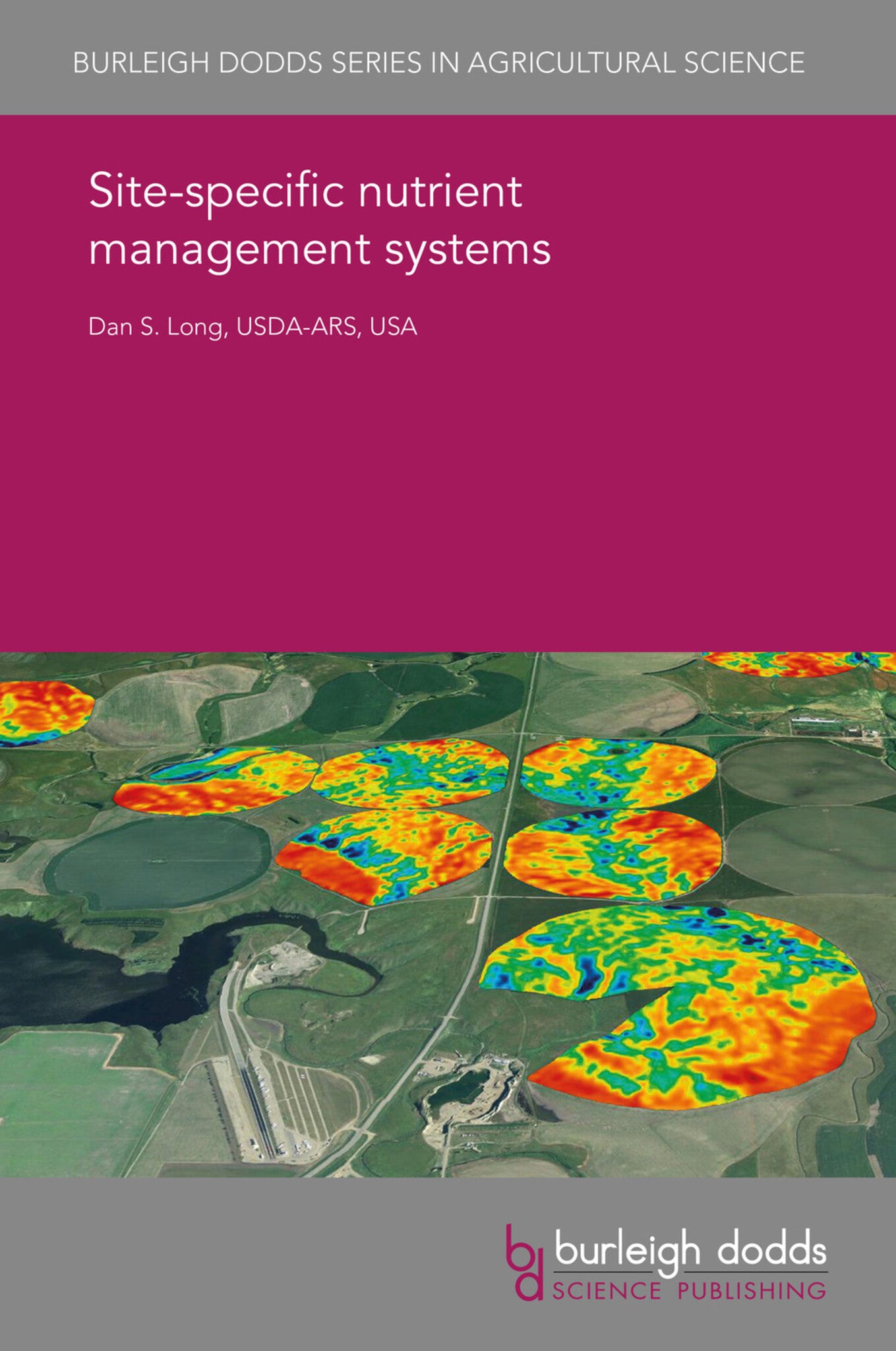
Site-specific nutrient management systems
Site-specific nutrient management systems were created to manage for spatial and temporal variability in biophysical factors that determine the availability and demand of crop nutrients. These systems differ among geographical regions in the information utilized and the way they operate to accomp...
Read MoreRegular price £25.00Sale price £25.00 Regular price £25.00Unit price per -


Sustainable production of cabbage on plasticulture
Plasticulture with microirrigation enhances vegetable crop competitiveness in two ways: through sustainable production practices for water and nutrient management and increased production system resiliency to climate variability. This chapter introduces sustainable cultivation of cabbage on plast...
Read MoreRegular price £25.00Sale price £25.00 Regular price £0.00Unit price per -

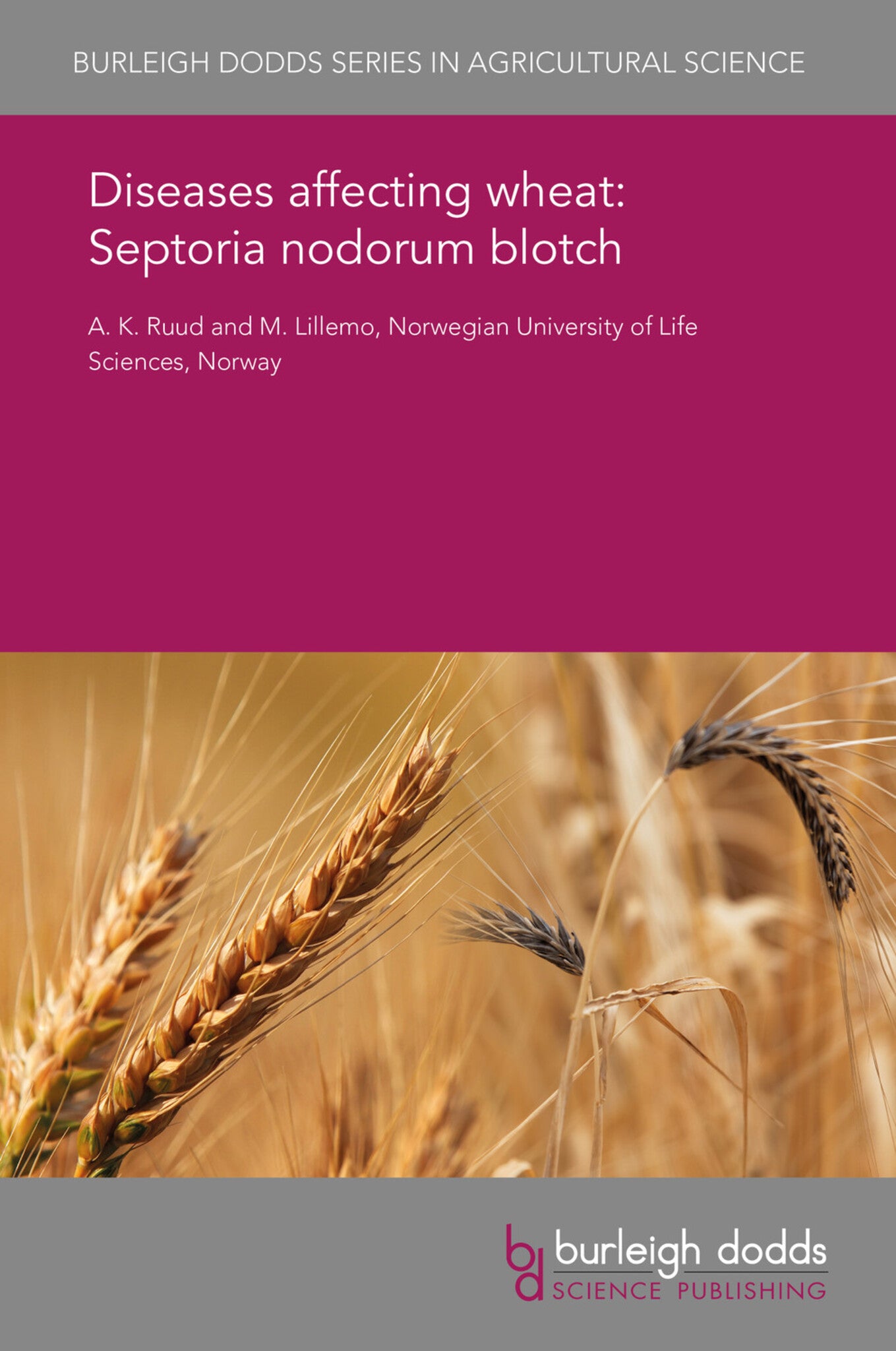
Diseases affecting wheat: septoria nodorum blotch
Septoria nodorum blotch (SNB) is an important disease affecting wheat in many of its production areas around the world, and is caused by the ascomycete fungal pathogen Parastagonospora nodorum. Breeding for SNB resistance has been hampered by the polygenic and quantitative nature of the resistanc...
Read MoreRegular price £25.00Sale price £25.00 Regular price £25.00Unit price per -


Diseases affecting wheat and barley: powdery mildew
Powdery mildew pathogens are among the most important cereal disease-causing organisms, and can result in significant losses in yield and reductions in grain quality. They pose a significant challenge for barley and wheat agricultural production systems. This chapter aims to provide an overview o...
Read MoreRegular price £25.00Sale price £25.00 Regular price £0.00Unit price per -
Diseases affecting wheat: septoria tritici blotch
Septoria tritici blotch (STB) is one of the most common and economically important diseases of wheat worldwide. This chapter evaluates various methods of disease management, considering the key developments of recent decades, the major challenges encountered and the future trajectory of this work...
Read MoreRegular price £25.00Sale price £25.00 Regular price £25.00Unit price per -
Trends in exploring wheat and barley germplasm for novel disease resistance traits
Wheat and barley are major food crops grown for human consumption worldwide, yet the sustained production of these important cereals continues to be threatened by rapidly evolving fungal pathogens. This chapter highlights recent advancements in phenotyping, genotyping and other breeding technolog...
Read MoreRegular price £25.00Sale price £25.00 Regular price £25.00Unit price per -
Developments in diagnostic techniques for cereal pathogens
Cereal pests and diseases can significantly reduce potential crop yields. Correct and timely identification in-field is key to their control. This chapter summarizes and evaluates some of the many available methods for detection of pests and diseases, ranging from classical methods of plant patho...
Read MoreRegular price £25.00Sale price £25.00 Regular price £25.00Unit price per -
Diseases affecting wheat: wheat blast
This chapter describes the characteristics, origin and spread of the causative agents of wheat blast, based on the experience of managing this disease in Brazil (where the first wheat blast epidemic was reported, in 1985, which still causes great losses). Although many aspects of the disease’s oc...
Read MoreRegular price £25.00Sale price £25.00 Regular price £25.00Unit price per -
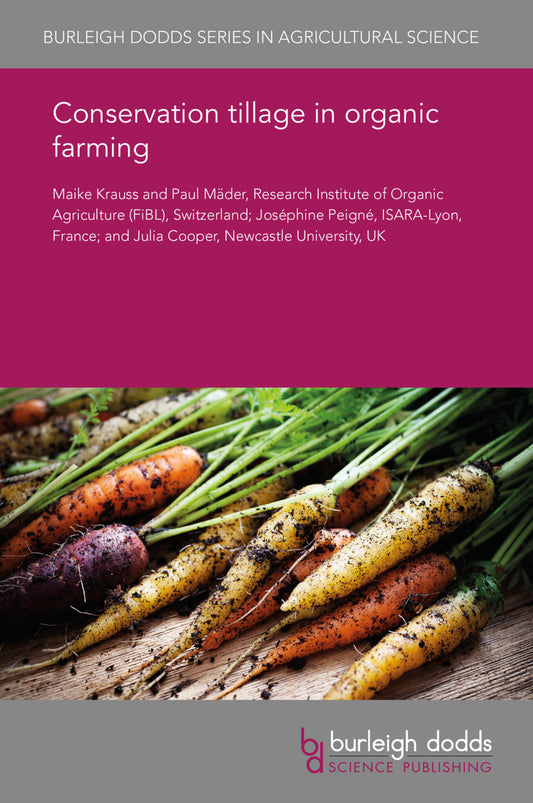
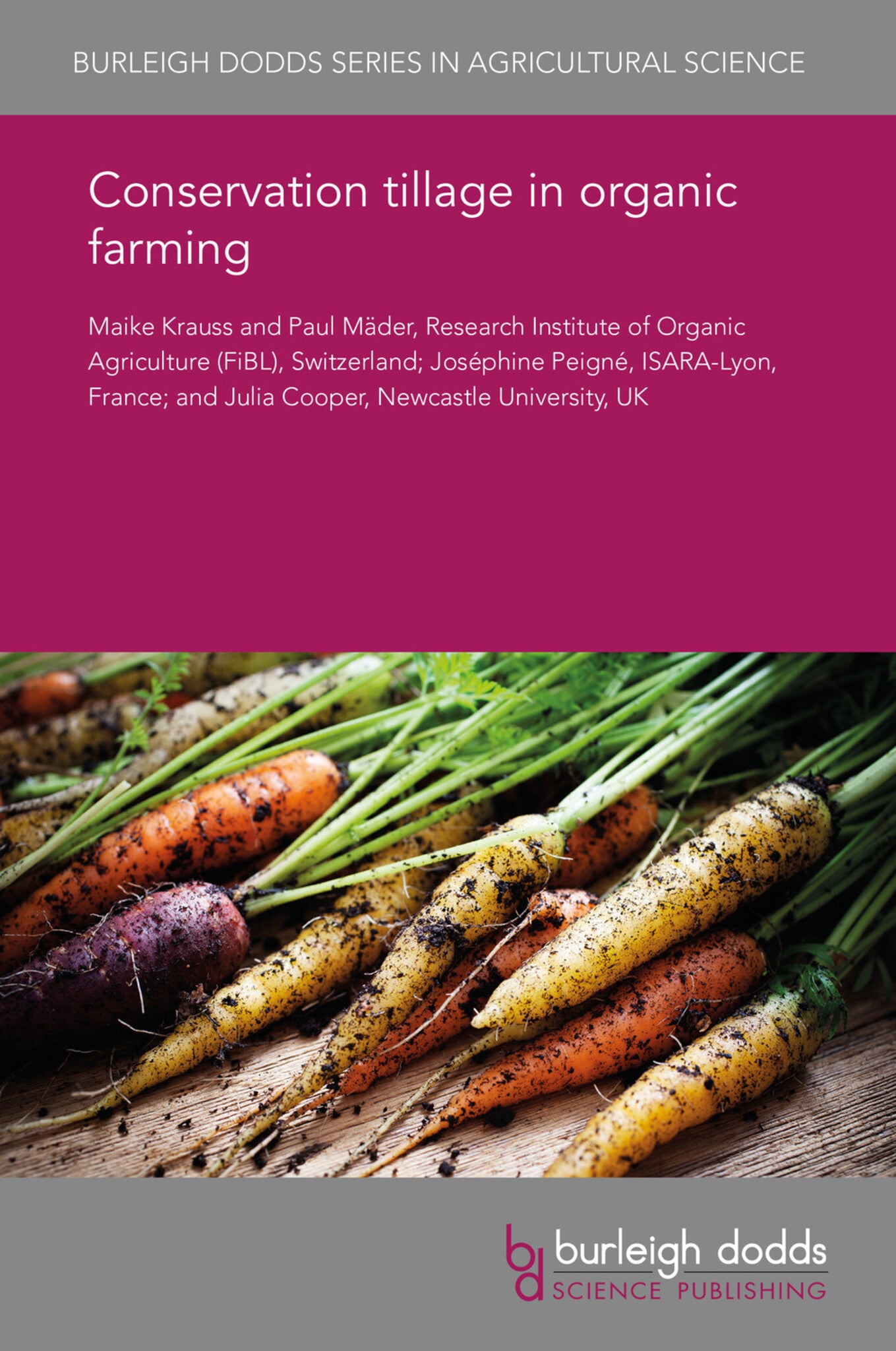
Conservation tillage in organic farming
Conservation tillage in organic farming combines the principles of organic farming with the benefits of soil erosion control achieved by the conversion from ploughing to either reduced tillage or no-tillage/direct-seeding. This chapter reviews more than two decades of on-station and on-farm resea...
Read MoreRegular price £25.00Sale price £25.00 Regular price £25.00Unit price per -
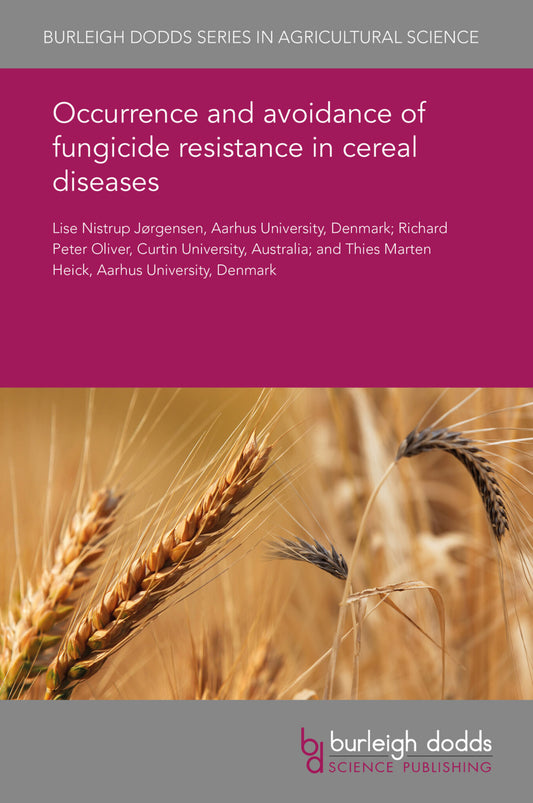
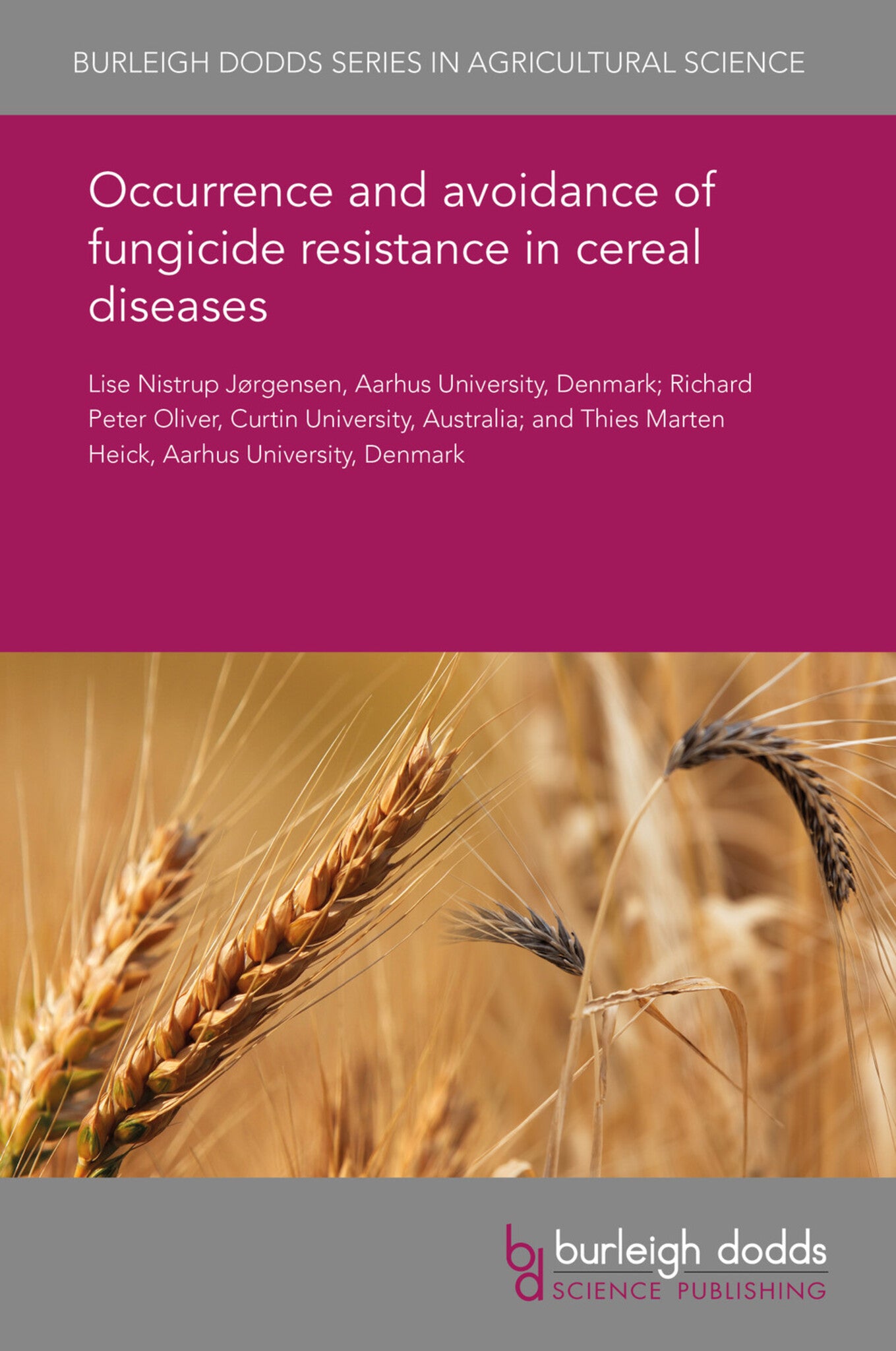
Occurrence and avoidance of fungicide resistance in cereal diseases
The targeted use of fungicides can help minimise the yield losses caused to grain cereals by plant pathogenic fungi. However, the long-term use of fungicide classes based on a single mode of action has imposed consistent selection pressures on certain pathogens. Over time, this has resulted in ma...
Read MoreRegular price £25.00Sale price £25.00 Regular price £25.00Unit price per -
Diseases affecting wheat and barley: rusts
Farmers using conventional fungicides for disease control face a number of challenges such as increased regulatory measures and the spread of fungicide resistance. This chapter sums up the wealth of research addressing this challenge, that has targeted understanding rust pathogens better, the dep...
Read MoreRegular price £25.00Sale price £25.00 Regular price £0.00Unit price per -
Improving water management in organic crop cultivation
Managing water for crop production requires capture and storage of water in the soil, which must also be protected from damage by raindrop impact and excess water. These actions ensure that the soil will benefit from increased organic matter content and be protected by harvest residues, living pl...
Read MoreRegular price £25.00Sale price £25.00 Regular price £25.00Unit price per -
A lesser-known pathogen of wheat: bipolaris sorokiniana
The filamentous fungus Bipolaris sorokiniana (teleomorph Cochliobolus sativus) is a necrotrophic cereal pathogen of significant concern in the warm, nontraditional wheat cropping regions of Southern Asia. B. sorokiniana is also recognised as the predominant causative agent of the disease complex ...
Read MoreRegular price £25.00Sale price £25.00 Regular price £25.00Unit price per -
Challenges and prospects for fungicidal control of wheat diseases
As one of the world’s ‘big three’ cereal crops, wheat has a highly significant role to play in global food security, and therefore the prevention and management of diseases affecting wheat is of paramount importance. In this chapter, we consider the current status of global wheat production, the ...
Read MoreRegular price £25.00Sale price £25.00 Regular price £25.00Unit price per -
Natural antifungal compounds for the control of diseases in wheat and other cereals
Secondary metabolites are essential when considering the ecological context in which an organism operates. They have an array of functions, related to signalling and dealing with biotic and abiotic stress situations. For defence against pathogenic fungi, plants can synthesize various metabolites....
Read MoreRegular price £25.00Sale price £25.00 Regular price £25.00Unit price per -
The role of crop rotation, intercropping and tillage practices for foliar disease management of wheat and barley
The great majority of modern agro-ecosystems comprise rotations of a small number of crop species where each year’s crop is a genetically uniform monoculture. The narrow genetic basis for disease resistance in modern cultivars increases the potential for pathogens to overcome this resistance and ...
Read MoreRegular price £25.00Sale price £25.00 Regular price £25.00Unit price per -
Life cycle assessment and carbon footprint of banana cultivation
This chapter presents concepts and tools around the life cycle assessment (LCA) and carbon footprint (CFP) of the banana value chain. Bananas are the world’s most exported fresh fruit in volume and value and a key crop for millions of households in developing countries providing food, nutrition a...
Read MoreRegular price £25.00Sale price £25.00 Regular price £0.00Unit price per -


Understanding the banana industry: monoculture and beyond
The dominance of monoculture in banana cultivation has produced numerous agricultural, social and political problems. This chapter examines the way in which monoculture has affected the banana industry. It outlines the available banana varieties and the dominant Cavendish monoculture, looking at ...
Read MoreRegular price £25.00Sale price £25.00 Regular price £25.00Unit price per -
The origin, domestication and dispersal of bananas
The search for the origins of the edible bananas probably started soon after European explorers brought home stories about the wonderful fruit they had come across in Africa. Currently about 40 seeded species in the genus Musa have been recognised. This chapter describes the morphological and mol...
Read MoreRegular price £25.00Sale price £25.00 Regular price £0.00Unit price per -
Organic banana cultivation and sustainability
The cultivation of conventional bananas of the commercial Cavendish variety for export markets in the wet tropics requires a substantial amount of synthetic agrochemical input. Over the last 25 years, organic banana production has soared in Latin America. This chapter describes organic banana pro...
Read MoreRegular price £25.00Sale price £25.00 Regular price £25.00Unit price per -
Challenges in cultivation of bananas in the subtropics
Although it is commonly thought that a tropical climate is more suited to banana production than a subtropical climate, banana yields obtained in the subtropics are excellent and under good cultural practices can even be considered among the highest of the world. The relatively cool climate of th...
Read MoreRegular price £25.00Sale price £25.00 Regular price £25.00Unit price per -
Harvesting and packaging of bananas
Bananas are one of the most widely traded crops globally, and with appropriate management, can be produced on a continuous basis. However, the journey from field to retail destination is a delicate, finely tuned process, which must be closely managed at every stage to ensure the safety and qualit...
Read MoreRegular price £25.00Sale price £25.00 Regular price £0.00Unit price per -
Conserving banana germplasm through field genebanks
The availability of true-to-type, pest- and disease-free planting material is fundamental to successful banana cultivation. It ensures that crops will not succumb to pathogens introduced at planting. This chapter examines the key issues in the selection, establishment and management of a field ge...
Read MoreRegular price £25.00Sale price £25.00 Regular price £0.00Unit price per -
Banana plant propagation methods
The ease of banana propagation by taking a sucker and simply planting it has allowed farmers to multiply their banana selections and share them. The banana sucker is a resilient form of planting material as the growing point is protected within the sucker, which contains a corm with a starchy sto...
Read MoreRegular price £25.00Sale price £25.00 Regular price £25.00Unit price per -
Nutrition and soil management in banana cultivation
There is significant variation in banana production systems across the world, particularly at the level of soil management. However, research on plant nutrition and soil management in relation to bananas has been limited for a number of reasons: bananas are unusual in their physiology and managem...
Read MoreRegular price £25.00Sale price £25.00 Regular price £25.00Unit price per -
Ripening systems for bananas
The correct ripening of bananas is essential for optimum taste, appearance, shelf life and consumer satisfaction. This chapter reviews the skills and technologies needed for successful ripening, together with innovations and recent developments. Advice on procedures and best practice throughout t...
Read MoreRegular price £25.00Sale price £25.00 Regular price £25.00Unit price per -
Sustainable banana cultivation: from standards to multiple solutions
There is no single recipe for sustainable banana cultivation. Pest and disease management has been central to sustainability efforts, particularly in the export industry. The global and local spread of pathogens make the capacity to manage such threats a shared concern for leading banana exporter...
Read MoreRegular price £25.00Sale price £25.00 Regular price £25.00Unit price per -
Banana cultivation in africa
Banana is important as a food, cash and climate-resilient crop in Africa. However, its productivity has declined tremendously to less than 10 t/ha compared with a potential 60–100 t/ha and plantation longevity has also severely reduced. This chapter examines the composition and distribution of ba...
Read MoreRegular price £25.00Sale price £25.00 Regular price £25.00Unit price per -
Good agricultural practices: an end point or a starting point for more sustainable banana production?
Bananas, a longstanding export crop, have not been immune from consumer concerns about food safety and the environmental and human health impacts of production. About half of export banana production is certified under four labels – GlobalGap, Organic, FairTrade and Rainforest – based on Good Agr...
Read MoreRegular price £25.00Sale price £25.00 Regular price £25.00Unit price per -
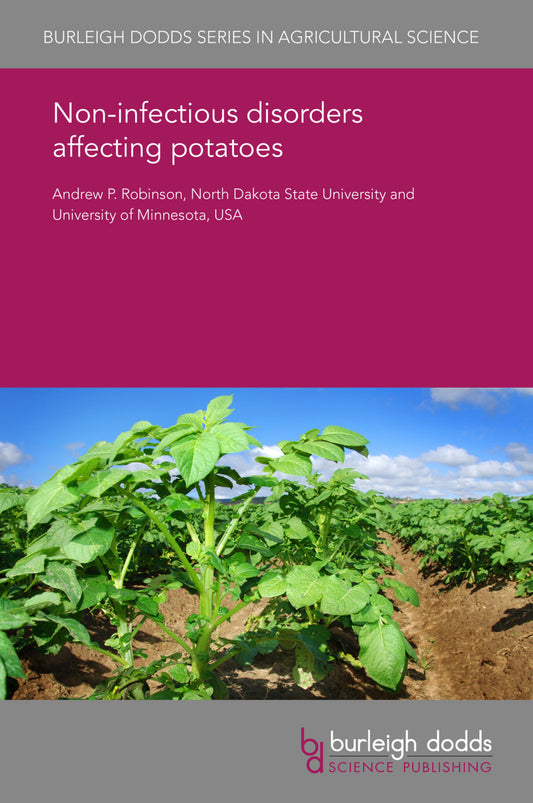
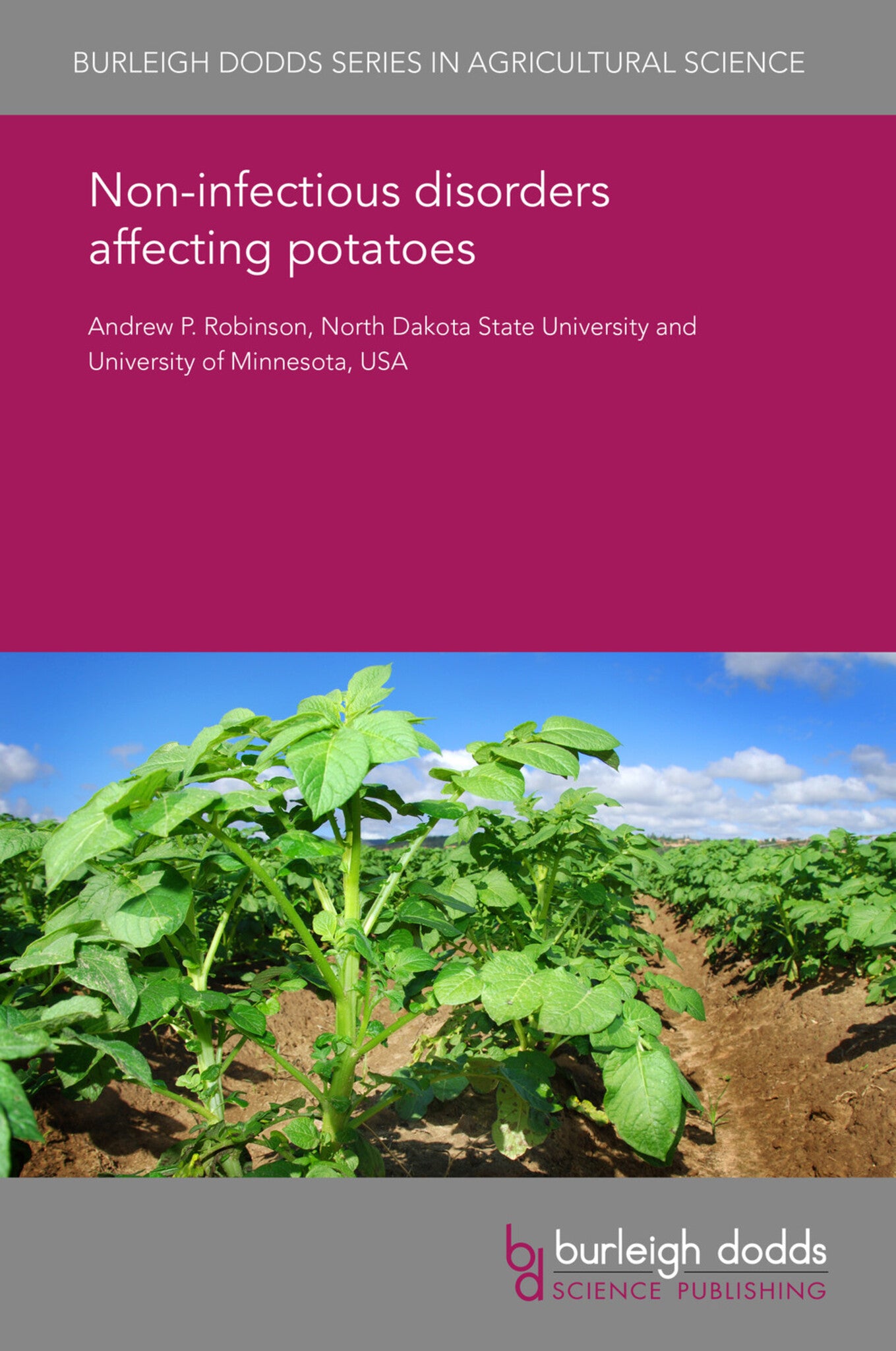
Non-infectious disorders affecting potatoes
There are a wide range of non-infectious disorders that can affect potatoes, generally as a result of imbalances within the plant caused by environmental stresses. Such disorders make tubers unappealing to consumers, and therefore have significant economic consequences. However, non-infectious di...
Read MoreRegular price £25.00Sale price £25.00 Regular price £25.00Unit price per -
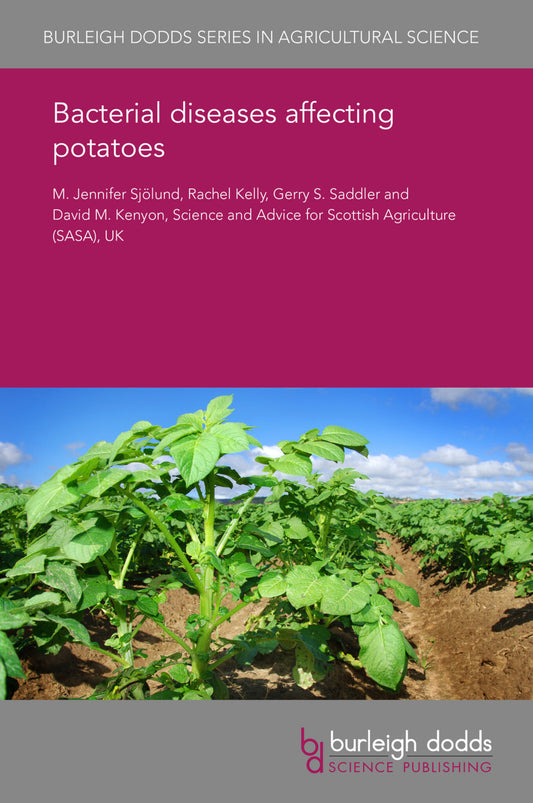
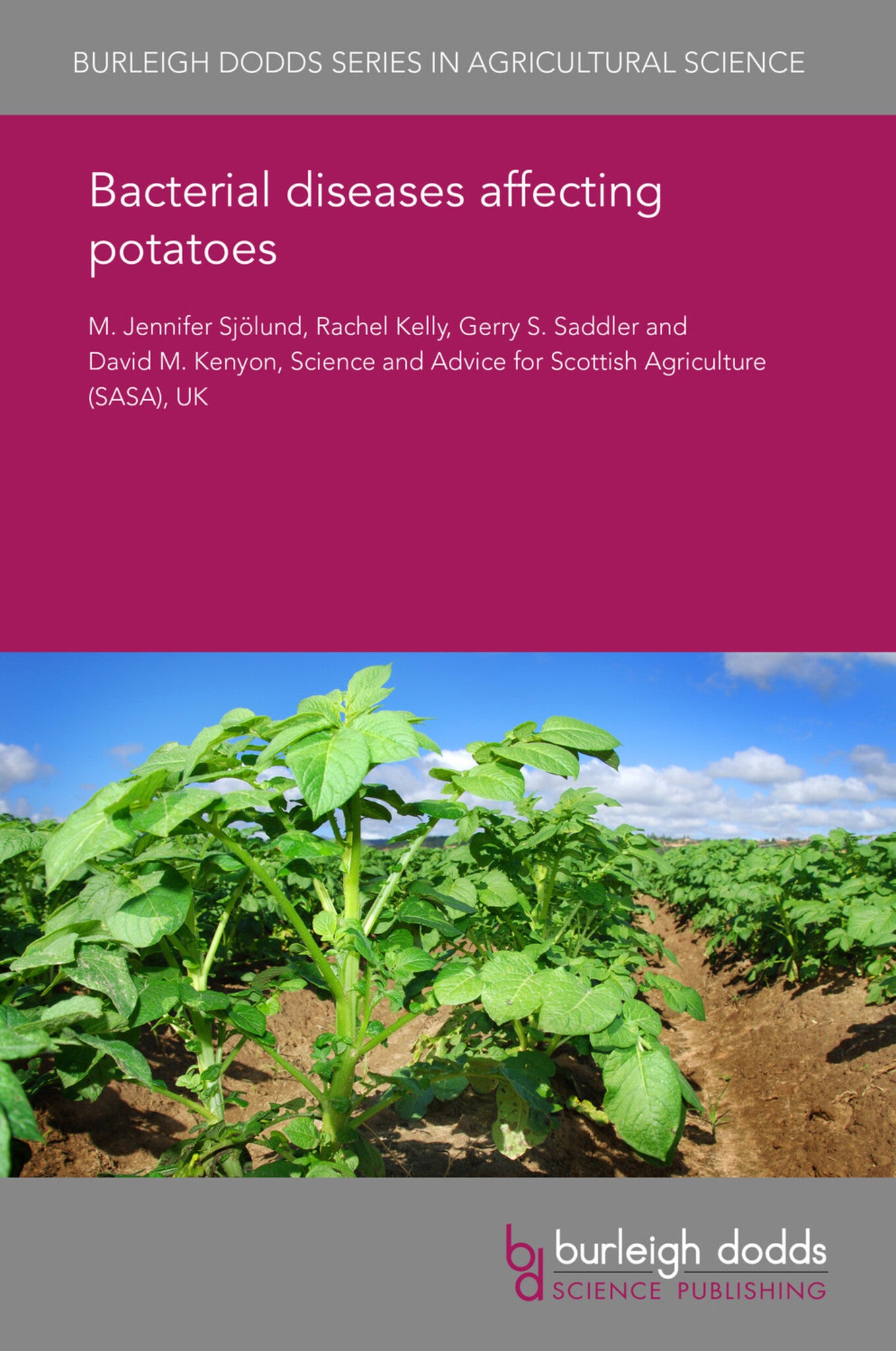
Bacterial diseases affecting potatoes
Bacterial pathogens continue to pose a significant threat to potato production through in-field yield losses, storage rots and reduced marketability. Ralstonia solanacearum alone is estimated to cause US$1 billion losses worldwide. In this chapter we review current knowledge on principal bacteria...
Read MoreRegular price £25.00Sale price £25.00 Regular price £25.00Unit price per -
Potato pest management with specific reference to the pacific northwest (usa)
Over the past 20 years, potato pest management in the Pacific Northwest (PNW) region of the United States has changed dramatically with the emergence and resurgence of new insect pests, including vectors of new, devastating plant pathogens. This chapter reviews the status of pest management in th...
Read MoreRegular price £25.00Sale price £25.00 Regular price £0.00Unit price per -
Fungal diseases affecting potato storage
Fungal and oomycete pathogens responsible for causing potato storage diseases are both numerous and ubiquitous wherever potatoes are grown. These diseases can result in losses of 5–10% during storage, with additional losses caused in the field in subsequent growing seasons for affected seed crops...
Read MoreRegular price £25.00Sale price £25.00 Regular price £25.00Unit price per -
Advances in irrigation management and technology in potato cultivation: experiences from a humid climate
For many farmers, irrigation is an essential component of potato production, serving to maximise yields and meet quality assurance targets for retailers and consumers. In recent years, rising costs for labour and energy (pumping) have led to considerable attention being given to improving on-farm...
Read MoreRegular price £25.00Sale price £25.00 Regular price £25.00Unit price per -
Nematode pests of potatoes
Potatoes are particularly susceptible to attack from nematodes, with around 70 species from 24 genera several different reported. Nematodes reduce the value of the harvested crop by affecting yield, tuber size and marketability or indirectly through the transmission of viruses. After introducing ...
Read MoreRegular price £25.00Sale price £25.00 Regular price £25.00Unit price per -
Post-harvest storage of potatoes
Storage is one component of the field to fork cycle and good storage can maintain the quality of the input tubers with positive benefits for the rest of the supply chain. This chapter reviews the mechanisms underlying potato spoilage and discusses key techniques for storing potatoes to maintain q...
Read MoreRegular price £25.00Sale price £25.00 Regular price £25.00Unit price per -
Improving nutrient management in potato cultivation
Potatoes require 14 mineral nutrients, which are often applied in fertilisers. This chapter describes management practices that maximise crop production and minimise nutrient losses to the environment. First, it describes the development of the crop and its temporal demands for macronutrients (ni...
Read MoreRegular price £25.00Sale price £25.00 Regular price £0.00Unit price per -
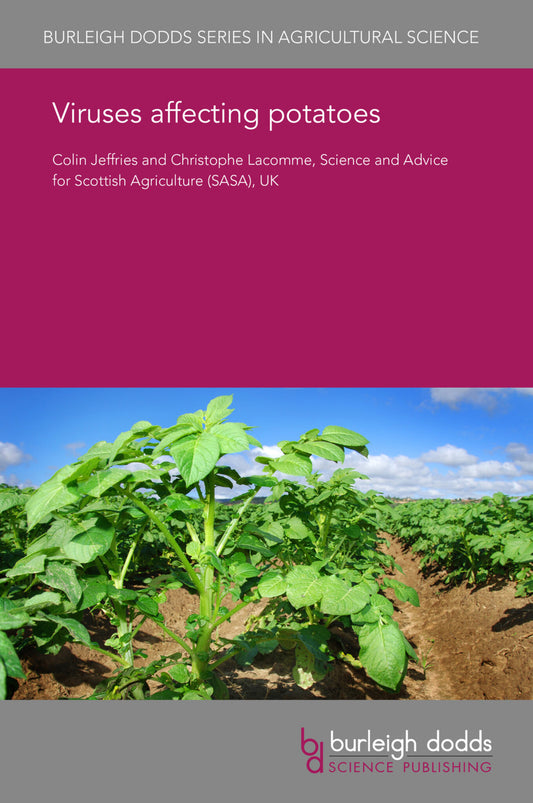
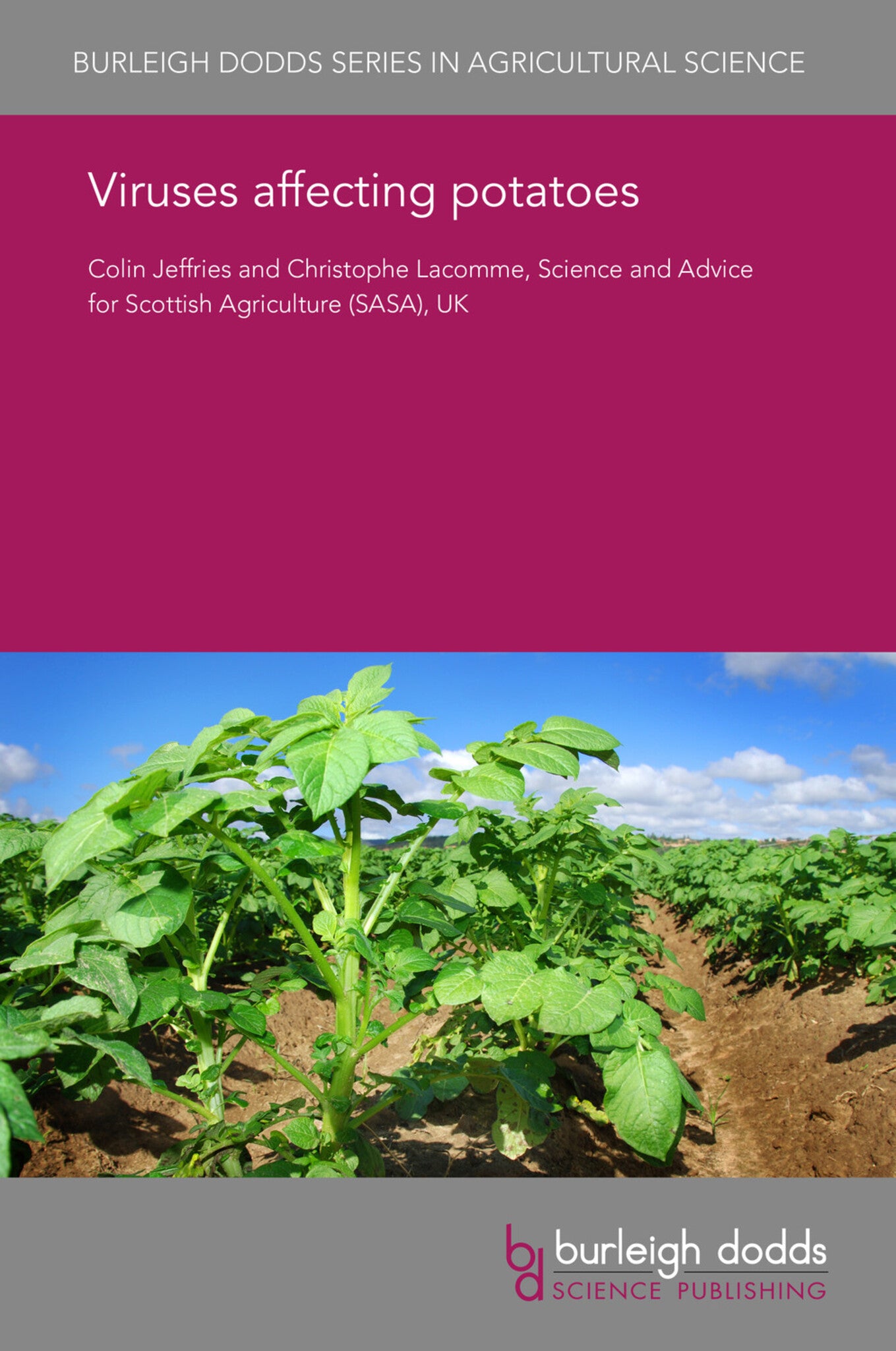
Viruses affecting potatoes
The impact of viruses on potato production can be devastating in many areas worldwide. Breeding for agronomic and resistance traits, knowledge of virus species and their epidemiology, together with the development of accurate diagnostic methods have been essential for the development of crop mana...
Read MoreRegular price £25.00Sale price £25.00 Regular price £0.00Unit price per -
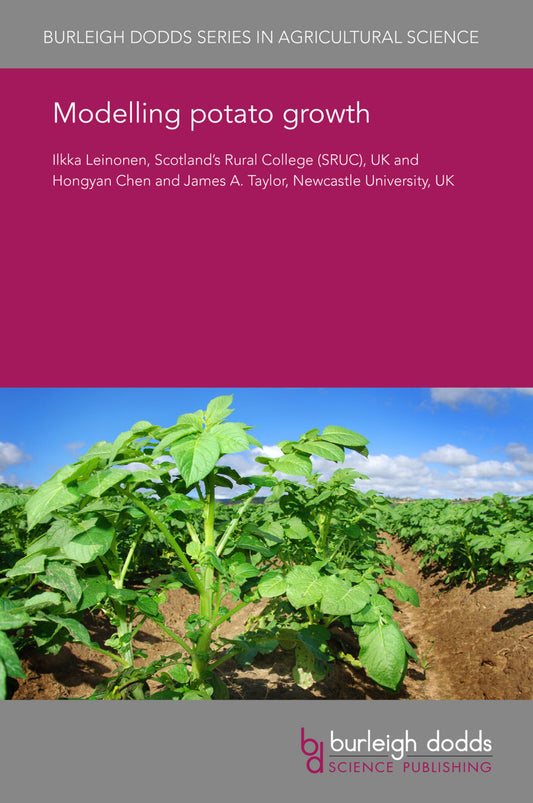
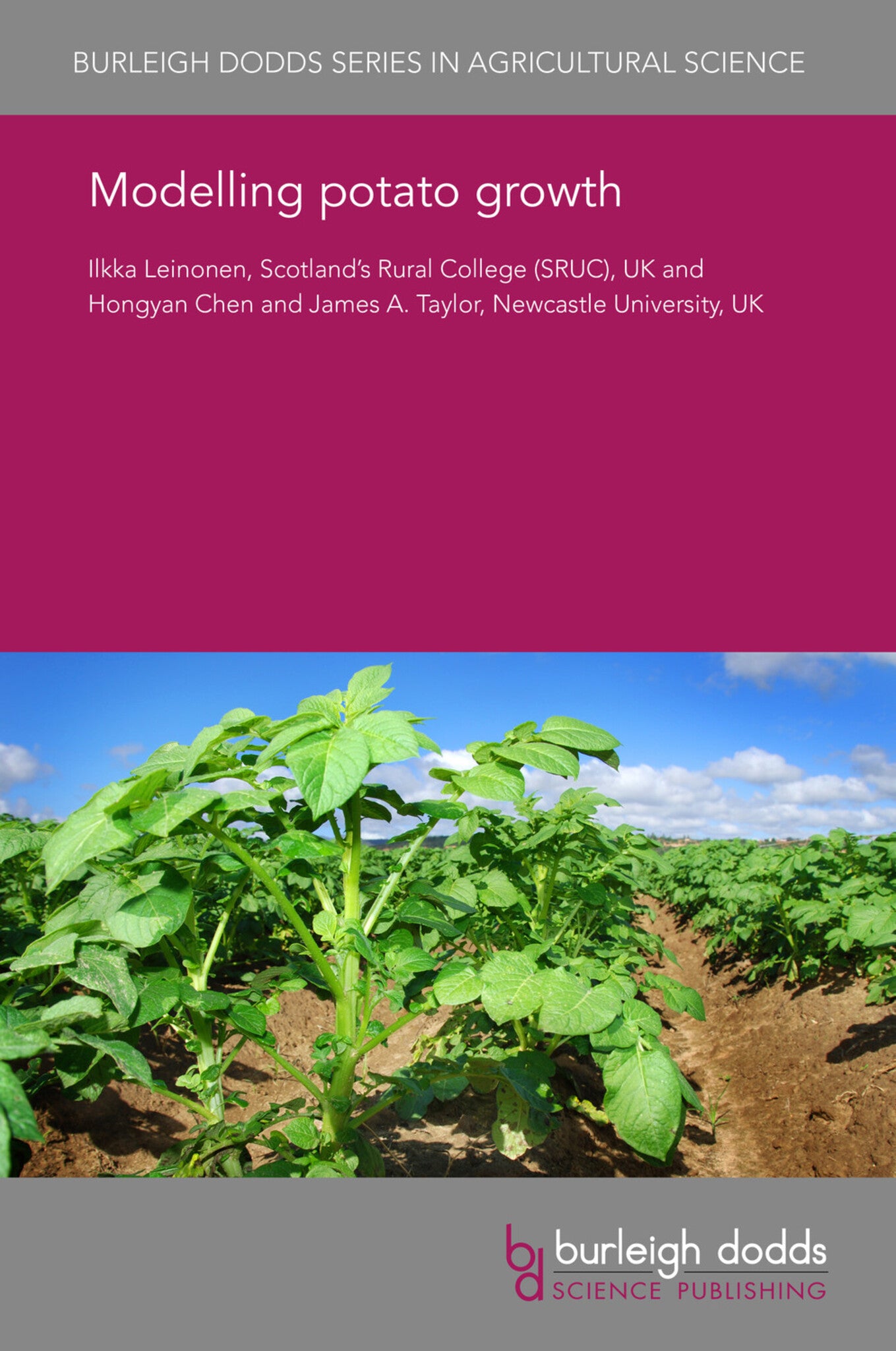
Modelling potato growth
The development of mechanistic models for predicting growth of various crops (including potatoes) has continued for several decades, and new applications of such models are increasingly becoming available. Despite the benefits of this development, it may be difficult for the user to choose partic...
Read MoreRegular price £25.00Sale price £25.00 Regular price £25.00Unit price per -
Acrylamide formation in fried potato products and its mitigation
Acrylamide is carcinogenic to rodents and also a ‘probable’ human carcinogen. No regulatory limits have yet been established on the levels of this contaminant in food, but food industries are nevertheless under pressure to find ways of reducing acrylamide formation. The greatest contribution to d...
Read MoreRegular price £25.00Sale price £25.00 Regular price £25.00Unit price per -
Organic potato cultivation
Organic potato cultivation requires a whole system perspective, with particular focus on rotation design. Producing organic potatoes relies strongly on indirect, preventive and long-term strategic measures for both plant nutrition and plant protection. This chapter examines all aspects of the pro...
Read MoreRegular price £25.00Sale price £25.00 Regular price £25.00Unit price per -
Improving potato cultivation practices: an overview
Environmental and food safety concerns are driving potato research towards the development of sustainable practices. Soil and planting management, as well as cultivation practices, are directly related to increased marketable yield and quality and are of great importance for quick crop emergence,...
Read MoreRegular price £25.00Sale price £25.00 Regular price £25.00Unit price per -
Biodiversity as a prerequisite of sustainable organic farming
Over the last century, the intensification of agriculture with high inputs of synthetic pesticides and fertilisers combined with monocrop specialisation has been detrimental to the diversity of genetic resources of crop varieties and livestock breeds, to the wild flora and fauna species and to th...
Read MoreRegular price £25.00Sale price £25.00 Regular price £25.00Unit price per -
Mycotoxins in cocoa: causes, detection and control
Mycotoxins are produced as secondary metabolites by various species of filamentous fungi, and may affect many agricultural crops and products. The potential health risks associated with these chemical compounds mean that significant attention has been given to their detection and control. However...
Read MoreRegular price £25.00Sale price £25.00 Regular price £25.00Unit price per -


Safe handling and movement of cocoa germplasm for breeding
Cocoa (Theobroma cacao L.) originated in South America, but is now cultivated in various parts of the tropics. Movement of cocoa germplasm is often required in breeding programmes to increase the genetic diversity pool or to test clones/progeny in the field. However, such movement brings with it ...
Read MoreRegular price £25.00Sale price £25.00 Regular price £0.00Unit price per -
Supporting smallholders in achieving more sustainable cocoa cultivation: the case of west africa
Sustainability initiatives, including associations, platforms and networks, voluntary sustainability standards, corporate and non-governmental and civil society initiatives, have all been developed as solutions to the multiple, long-running challenges facing cocoa growers and producers. Largely i...
Read MoreRegular price £25.00Sale price £25.00 Regular price £0.00Unit price per -
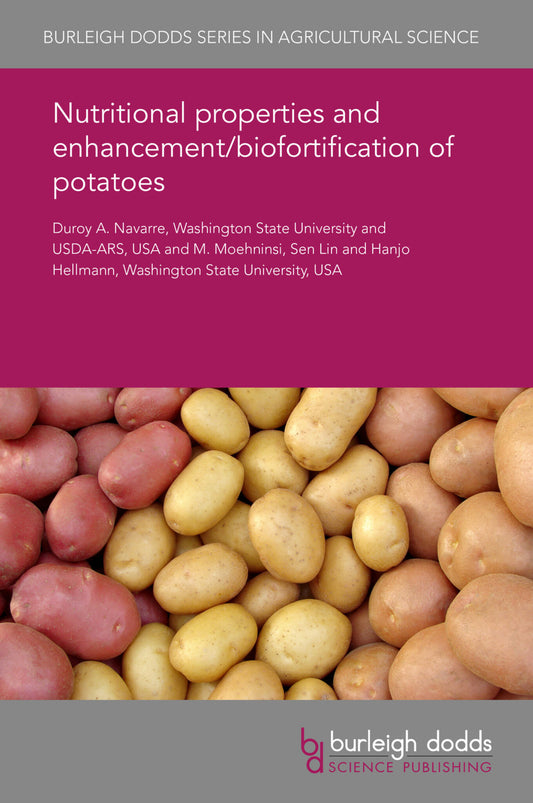
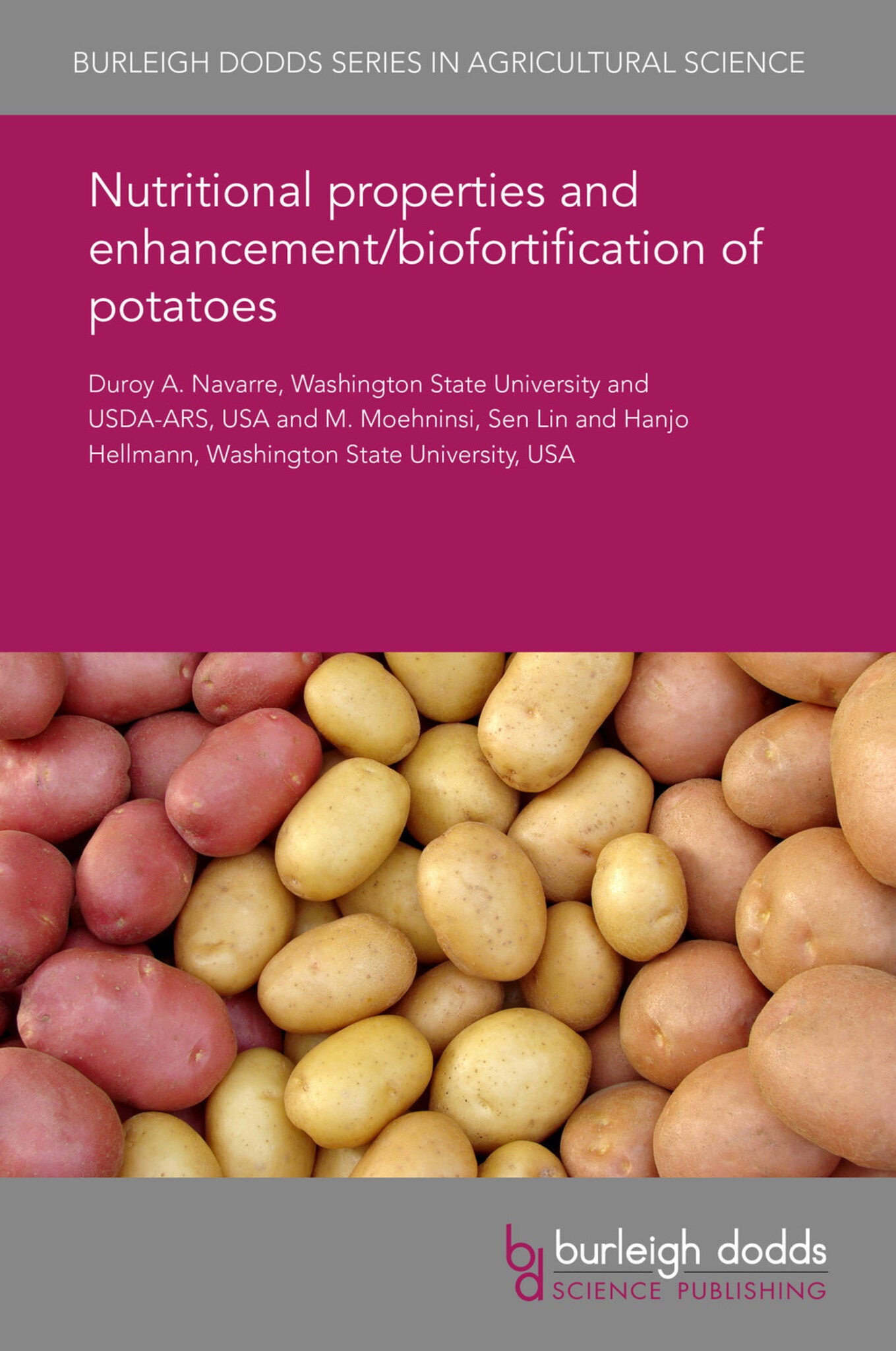
Nutritional properties and enhancement/biofortification of potatoes
There are a number of factors that make potatoes a logical focus for nutritional breeding efforts. As one of the world’s staple foods, they have a key role to play in improving global food security, largely due to their nutritional value, storability, affordability and high yield. Recent years ha...
Read MoreRegular price £25.00Sale price £25.00 Regular price £25.00Unit price per -
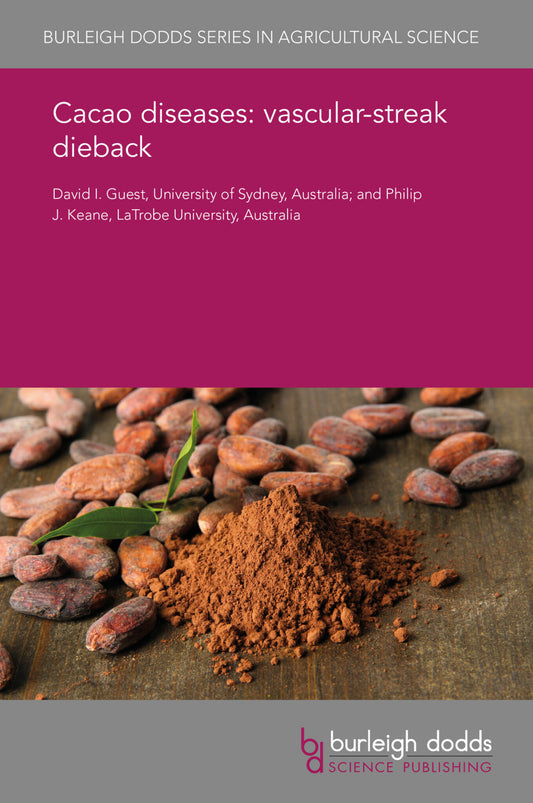

Cacao diseases: vascular-streak dieback
‘Vascular-streak dieback’ (VSD) was the name given to a devastating disease of cacao, first described in Papua New Guinea in the 1960s and later found to be caused by a previously undescribed tullasneloid basidiomycete, Oncobasidium theobromae (now Ceratobasidium theobromae). This chapter describ...
Read MoreRegular price £25.00Sale price £25.00 Regular price £0.00Unit price per -
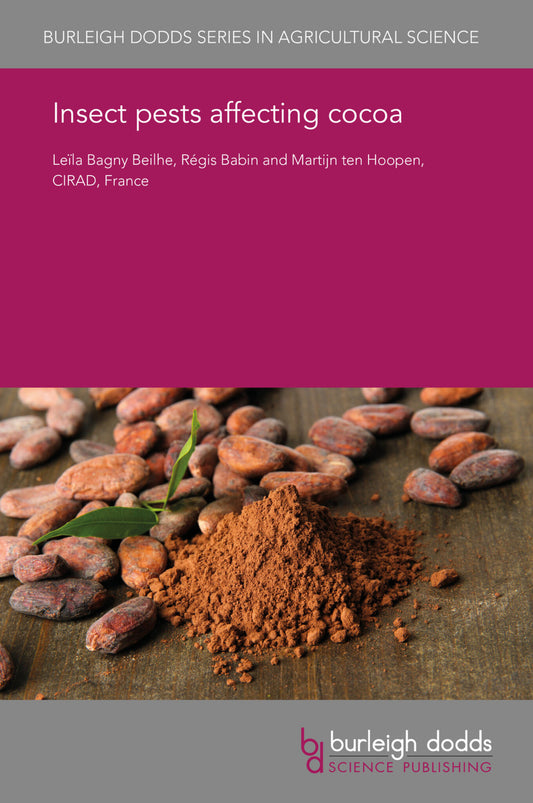
Insect pests affecting cacao
Pests have a major impact on cacao production: estimates of losses due to pest and disease range from 30% to 40%. The use of chemical inputs, for example, pesticides and fertilizers, for pest and disease control and production enhancement, respectively, can have numerous negative impacts on the ...
Read MoreRegular price £25.00Sale price £25.00 Regular price £25.00Unit price per -
Good agronomic practices in cocoa cultivation: rehabilitating cocoa farms
Cocoa cultivation covers a total area of about 5.9 million ha worldwide with around 73% of this area found in the four large cocoa-producing countries in West Africa namely Cameroon, Côte d’Ivoire, Ghana and Nigeria. Adoption of good agronomic practices is crucial for the sustainability of cocoa ...
Read MoreRegular price £25.00Sale price £25.00 Regular price £0.00Unit price per

We're sorry. An error has occurred
Please cancel or retry.


