





Some error occured while loading the Quick View. Please close the Quick View and try reloading the page.
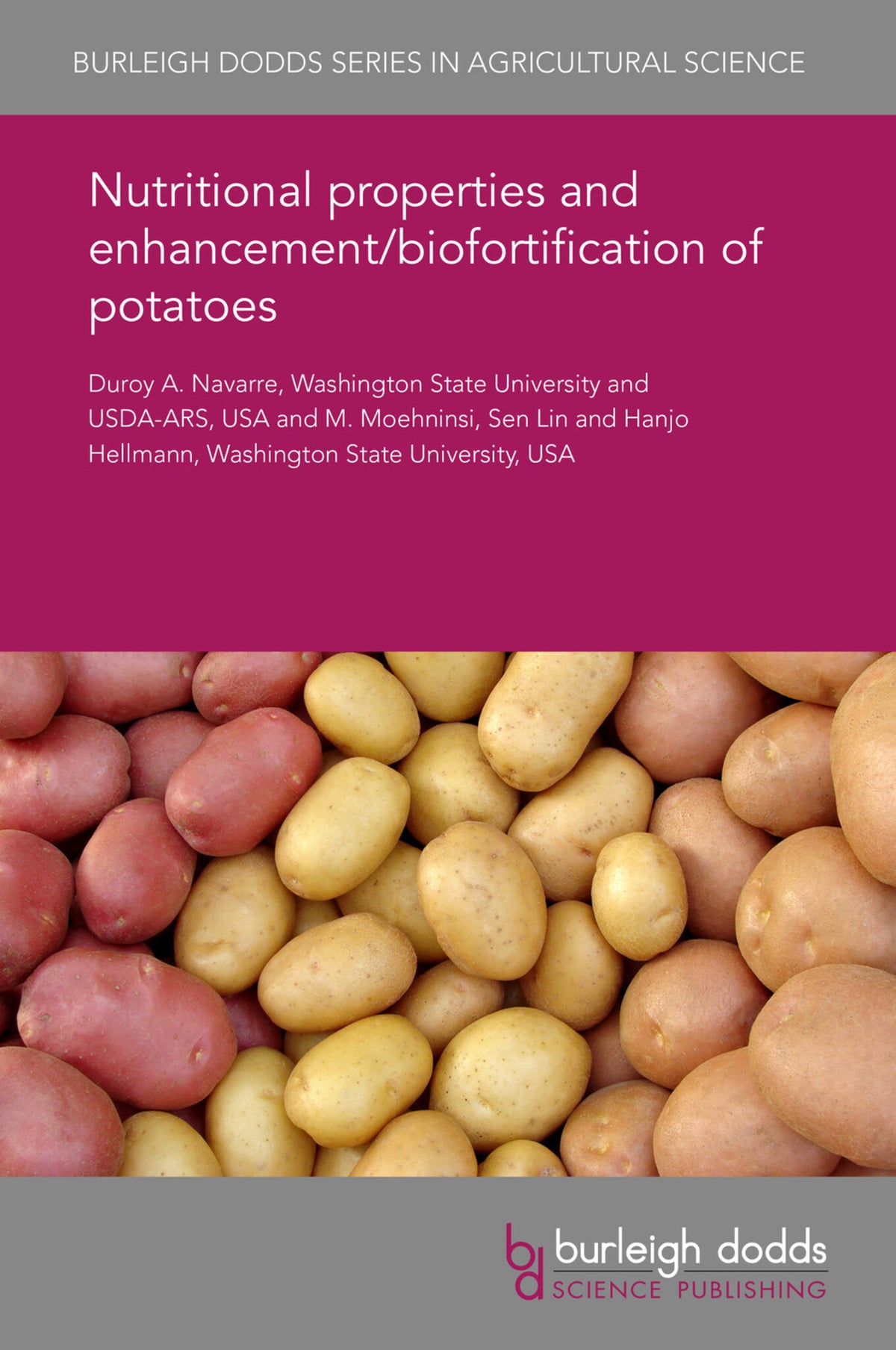
There are a number of factors that make potatoes a logical focus for nutritional breeding efforts. As one of the world’s staple foods, they have a key role to play in improving global food security, largely due to their nutritional value, storability, affordability and high yield. Recent years have also witnessed greatly increased consumer concern for healthy food choices, leading to high demand for an increase in the nutritional value of foods that have previously been subject to negative health publicity. This chapter reviews the nutritional composition of potatoes from diverse germplasm including vitamin C, B vitamins, potassium, carotenoids, phenylpropanoids and glycoalkaloids. In each case, we discuss the feasibility and health benefits of increasing these nutrients through traditional and precision breeding efforts. We conclude that the time is ripe for intensifying such efforts, and that some potential targets may have merit beyond health benefits, such as improving flavour, taste and environmental resistance.

Price: £25.00
Publisher: Burleigh Dodds Science Publishing
Imprint: Burleigh Dodds Science Publishing
Series: Burleigh Dodds Series in Agricultural Science
Publication Date:
08 August 2018
ISBN: 9781786763723
Format: eBook
BISACs:

1 Introduction 2 The vitamin B family 3 Vitamin C 4 Potassium 5 Carotenoids 6 Potato phenylpropanoids 7 Glycoalkaloids 8 Conclusion and future trends 9 Where to look for further information 10 References