


-
Understanding agroecosystems and pest management: from chemical control to integrated biodiversity management
Agroecology analyzes the different components that make up an ecosystem such as soils, climate, plants and animals, and their interactions within agricultural landscapes. Bringing together a wide range of disciplines, agroecology encompasses different scales from the individual field through to f...
Read MoreRegular price £25.00Sale price £25.00 Regular price £0.00Unit price per -
Advances in classical biological control to support ipm of perennial agricultural crops
Scientific advances in classical biological control and supporting disciplines have provided ‘tools’ that could enable permanent suppression of some seemingly intractable invasive pest problems that limit the effectiveness of Integrated Pest Management (IPM) programmes in perennial crops. This ch...
Read MoreRegular price £25.00Sale price £25.00 Regular price £25.00Unit price per -
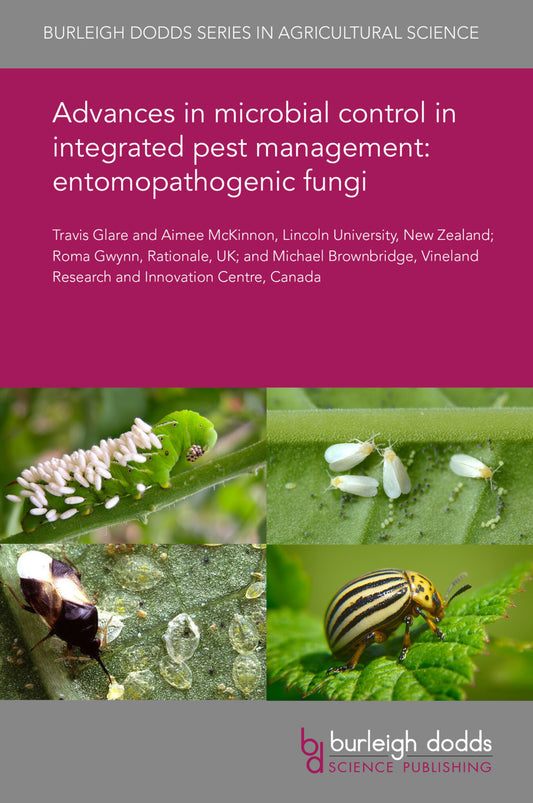
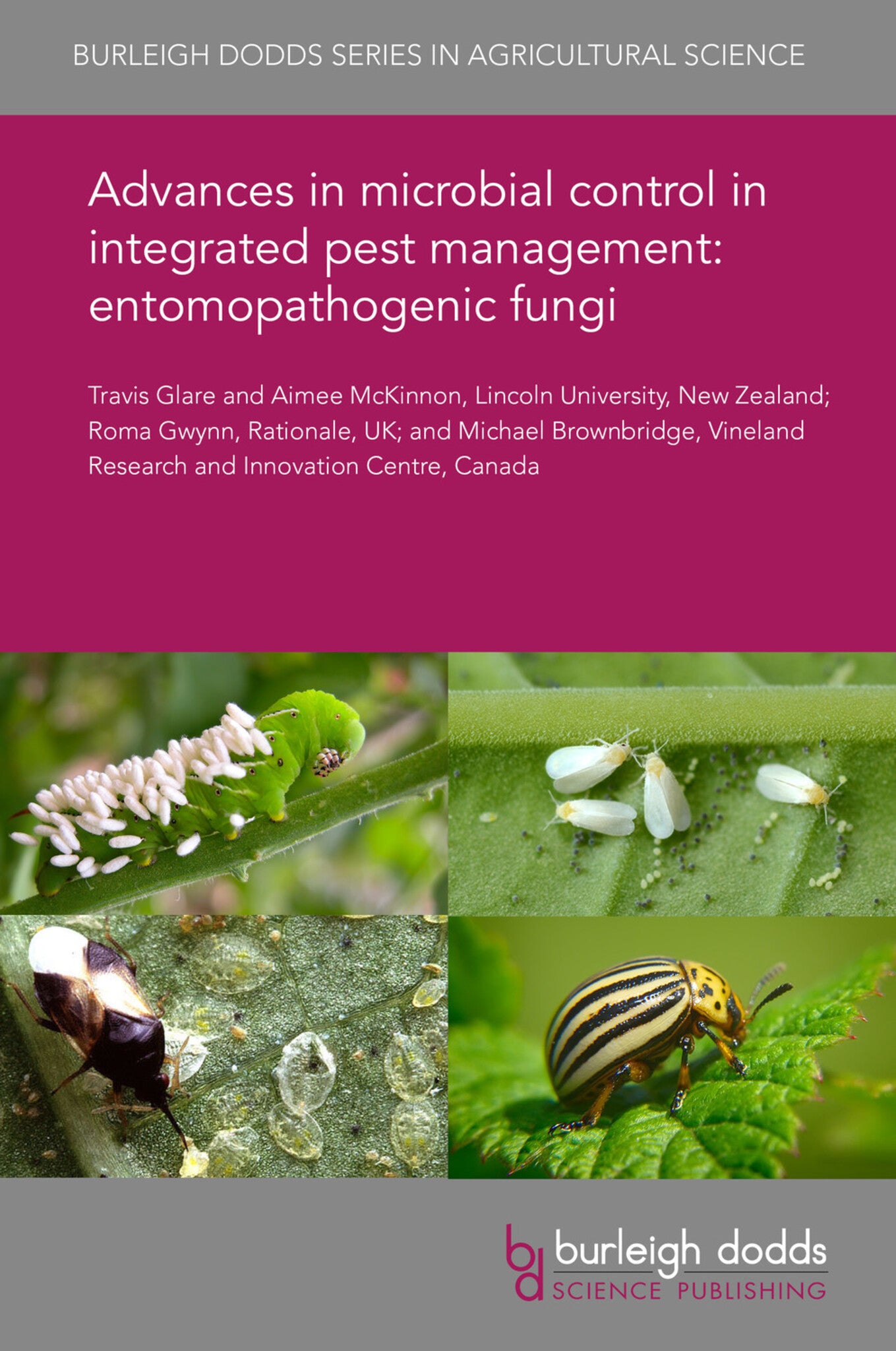
Advances in microbial control in integrated pest management: entomopathogenic fungi
The use of entomopathogenic fungi to control insect pests has been expanding in recent years, with improvements in formulation and more extensive commercialization. However, there are still limitations on their effectiveness in some situations. Combining entomopathogenic fungi with other control ...
Read MoreRegular price £25.00Sale price £25.00 Regular price £25.00Unit price per -
Monitoring and minimizing health risks related to pesticides
Pesticide poisoning is a cause of many human deaths, either via deliberate self-poisoning or via occupational exposure. This chapter looks at monitoring exposure to pesticides and how to minimize human health risks related to their use/exposure. Following an introduction, a section on data-collec...
Read MoreRegular price £25.00Sale price £25.00 Regular price £25.00Unit price per -
Biotechnology applications for integrated pest management
An exciting wave of discoveries in biotechnology is revolutionizing agriculture worldwide. Biotechnology tools and applications are offering great opportunities for integrated pest management (IPM) programs in agriculture. This chapter describes biotechnology applications for pest management incl...
Read MoreRegular price £25.00Sale price £25.00 Regular price £25.00Unit price per -
Economic assessment of integrated pest management (ipm) implementation
Besides reducing health and the ecological risks of pest control, integrated pest management (IPM) seeks to increase farm income. Economic constraints also act as barriers to adoption of IPM practices. An understanding of how IPM affects the farm “bottom line” is crucial to efforts to encourage I...
Read MoreRegular price £25.00Sale price £25.00 Regular price £25.00Unit price per -
Integrated pest management of mites
Plant feeding mites are major pests of agricultural crops and ornamentals. They disrupt physiological processes, change the physical appearance of the plant, and transmit diseases to crops. This chapter takes a holistic approach to integrated mite management by reviewing the basics of mite taxono...
Read MoreRegular price £25.00Sale price £25.00 Regular price £25.00Unit price per -
Ecological impacts of pesticides and their mitigation within ipm systems
Chemicals, frequently the main method of pest control in agriculture, have negative effects on natural enemies that also control pests. Mitigation of pesticide impacts depends on increasing the role of natural enemies, reducing chemical application while still controlling pests and maintaining yi...
Read MoreRegular price £25.00Sale price £25.00 Regular price £25.00Unit price per -
Advances in use of entomopathogenic nematodes in integrated pest management
Entomopathogenic nematodes in the genera Heterorhabditis and Steinernema are potent biological control agents that have been commercialized widely for control of economically important insect pests. This chapter describes the foraging and infection behavior of nematodes and the production technol...
Read MoreRegular price £25.00Sale price £25.00 Regular price £25.00Unit price per -
Foundations of an ipm program: detection, identification, and quantification
Integration of pest management efforts based on advanced technologies and multiple pest assessments in multi-field and areawide venues has led to a host of sophisticated approaches that continue to shape the discipline of integrated pest management (IPM). From the initial efforts, the concept of ...
Read MoreRegular price £25.00Sale price £25.00 Regular price £25.00Unit price per -
Advances in breeding crops resistant to insect pests: rice as a paradigm
Over the last 60 years research involving the development and deployment of insect-resistant crop cultivars has led to significant crop improvements in the major food-producing areas of the world. This chapter discusses the history, status, latest methods, and challenges of breeding insect-resist...
Read MoreRegular price £25.00Sale price £25.00 Regular price £25.00Unit price per -
Advances in conservation biological control and habitat management for ipm
Conservation biological control and habitat management are key components of integrated pest management (IPM). These related approaches suppress pests by promoting natural enemy survival and impact and by exploiting direct, suppressive effects on pests from vegetation structure. During this centu...
Read MoreRegular price £25.00Sale price £25.00 Regular price £25.00Unit price per -
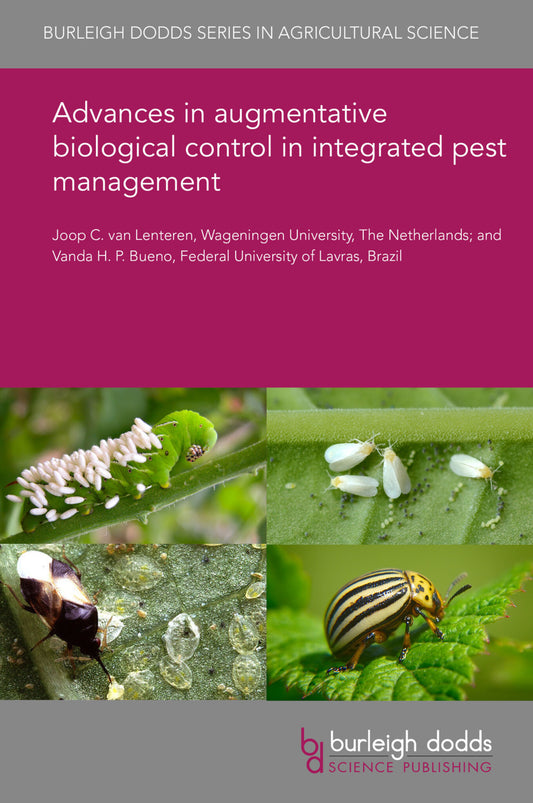
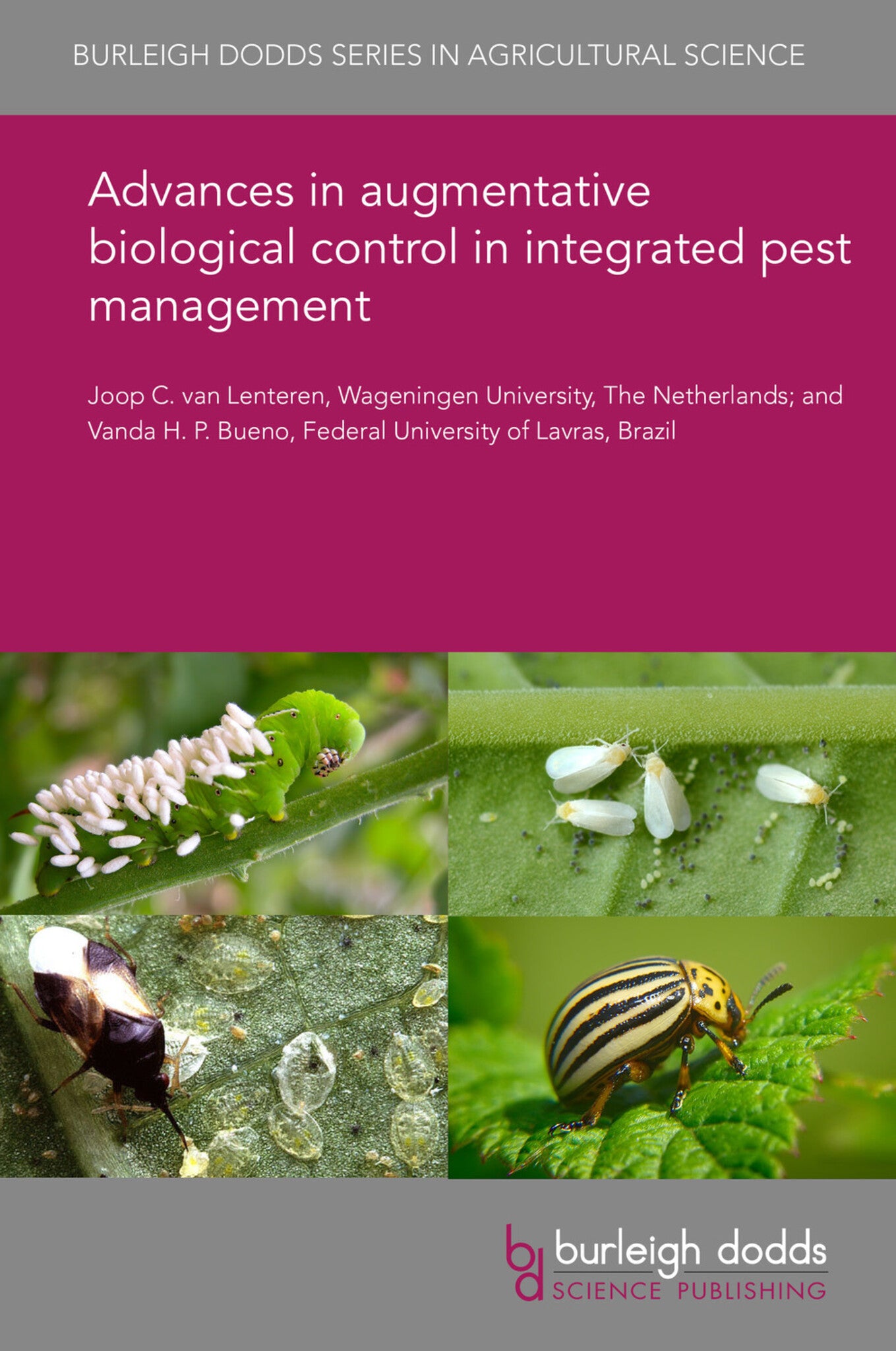
Advances in augmentative biological control in integrated pest management
Augmentative biological control uses mass-reared natural enemies for releases in large numbers to reduce pest populations. Augmentative biocontrol is increasingly applied worldwide in many different crops. It is a cornerstone of integrated pest management (IPM) programmes and plays a key sustaina...
Read MoreRegular price £25.00Sale price £25.00 Regular price £25.00Unit price per -
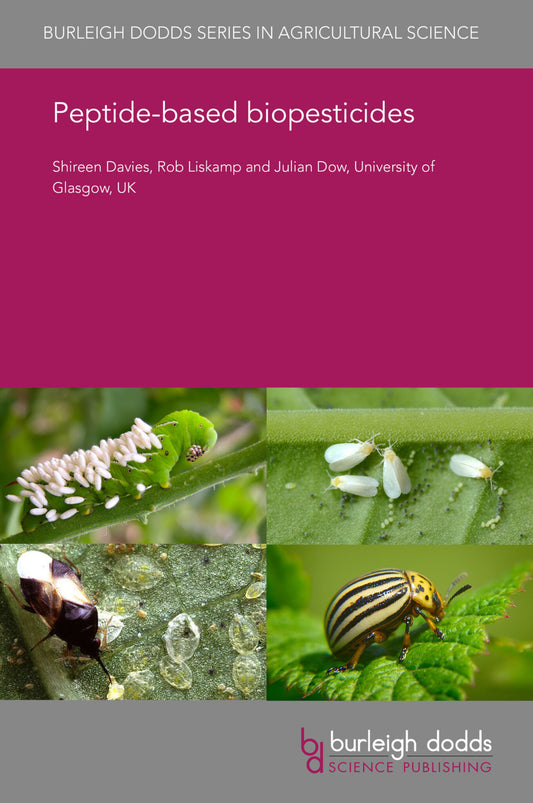
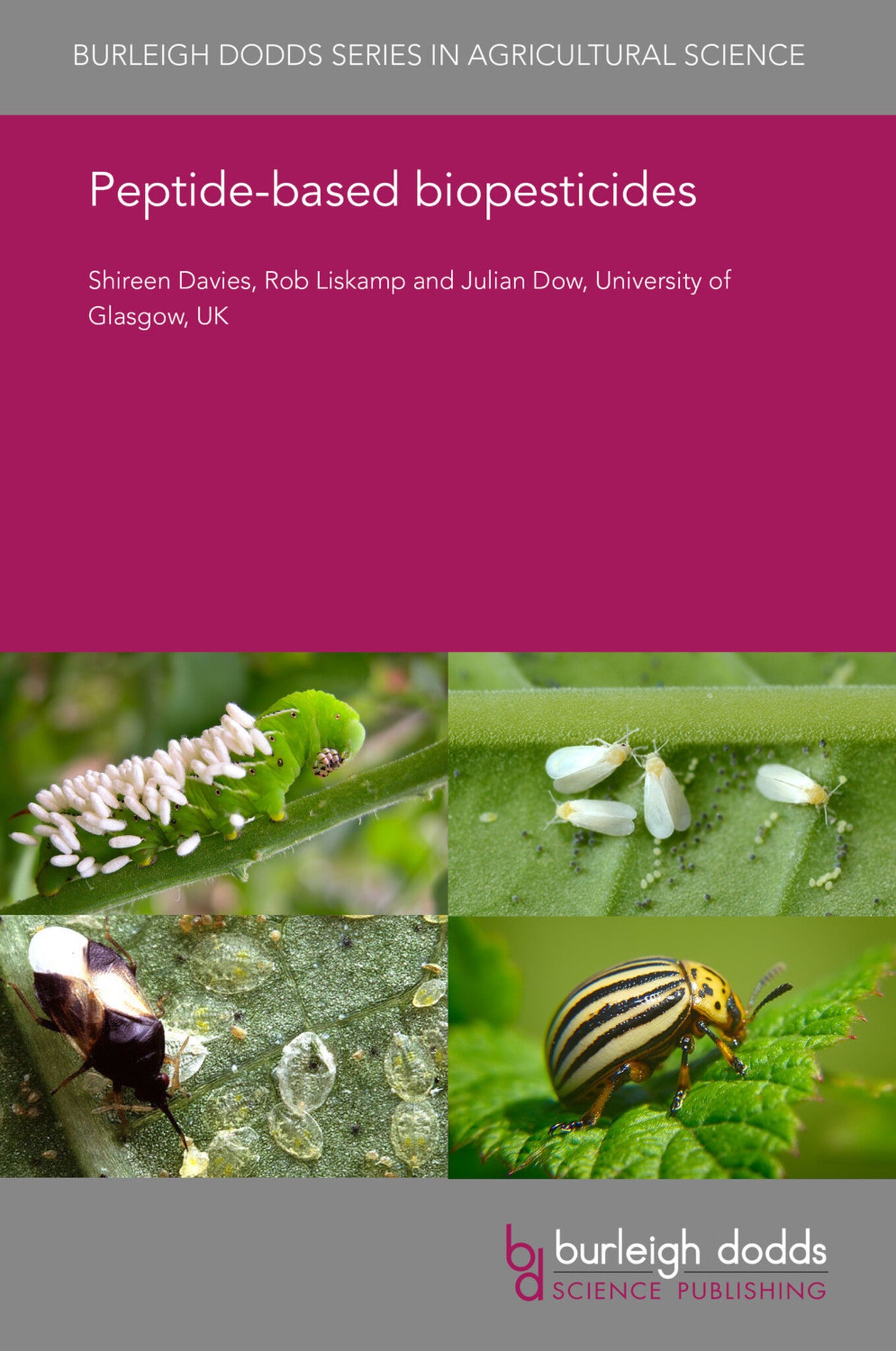
Peptide-based biopesticides
There is a growing gap in the market for environmentally friendly, selective insecticides and biocides for use in the production of food crops. This has been driven by tightening regulations on chemical products, as well as customer demand for no-chemical residue food products. As insect hormone ...
Read MoreRegular price £25.00Sale price £25.00 Regular price £25.00Unit price per -
Chemical control in ipm systems: advances in selective pesticides and application systems
The European Union has adopted integrated pest management (IPM) as a policy as part of the Sustainable Use of Pesticides Directive, in which chemical pesticides are used as a last resort. Bringing IPM into the policy for crop protection has focussed attention on using more selective pesticides an...
Read MoreRegular price £25.00Sale price £25.00 Regular price £25.00Unit price per -
Temperature deviations during transport as a cause for food losses
Deviating temperature conditions during distribution processes reduce the quality of food and significantly contribute to global food losses. The effect of careless handling and inadequate processing only become visible much later in the cool chain, making it difficult to quantify the contributio...
Read MoreRegular price £25.00Sale price £25.00 Regular price £25.00Unit price per -


The role of food safety in food waste and losses
Food loss and waste from the initial stages of food production to consumption is causing a growing concern. As yet, no food safety issues have been linked to food loss and waste, but numerous incidences of failure to comply with regulatory criteria have resulted in outbreaks of foodborne disease ...
Read MoreRegular price £25.00Sale price £25.00 Regular price £25.00Unit price per -


Optimizing insecticide use in integrated management of fruit insect pests
The integrated pest management approach was conceived to reduce grower reliance on pesticides by combining and optimizing pesticide use with biological, physical and agronomical control tools. Natural enemies are an essential component of the agroecosystem and play a valuable role in controlling ...
Read MoreRegular price £25.00Sale price £25.00 Regular price £25.00Unit price per -
Understanding crop responses to controlled climates in greenhouses
Understanding plant responses to environmental factors is crucial in controlled environment crop production. This chapter summarizes current understanding of interactions of key aerial environmental factors affecting plant growth and their strategic applications to improve the productivity, profi...
Read MoreRegular price £25.00Sale price £25.00 Regular price £25.00Unit price per -


Improving monitoring and forecasting in integrated management of fruit arthropod pests
The efficient and accurate monitoring of insects and mites is a cornerstone of integrated pest management (IPM). Pheromone-baited traps are probably the best known, most convenient and specific method used for monitoring in orchards. However, mating disruption strategies have complicated the inte...
Read MoreRegular price £25.00Sale price £25.00 Regular price £25.00Unit price per -


Integrated management of tree fruit insect pests: drosophila suzukii (spotted wing drosophila)
The vinegar fly Drosophila suzukii Matsumura (Diptera: Drosophilidae), commonly known as spotted winged drosophila (Fig. 1a) is a highly polyphagous invasive pest, native to Asia, which causes significant damage to a wide variety of berry and stone fruit crops. The chapter reviews the significant...
Read MoreRegular price £25.00Sale price £25.00 Regular price £0.00Unit price per -
Fungal diseases of fruit: apple canker in asia
Apple valsa canker (Valsa mali) is mainly distributed in China, Japan, South Korea, and North Korea. It occurs in all apple production areas in China, particularly in the northern cold areas. Apple valsa canker mainly damages the cortex of apple branches, causing the cortex to rot. This chapter d...
Read MoreRegular price £25.00Sale price £25.00 Regular price £25.00Unit price per -


Advances in lettuce breeding and genetics
Lettuce is a vegetable planted in temperate areas worldwide. As a crop, lettuce faces many challenges from biotic stressors, which constitute a top priority for the breeding industry. Diseases and insects can diminish yield due to cosmetic damage to the foliage, which is the consumable part of th...
Read MoreRegular price £25.00Sale price £25.00 Regular price £0.00Unit price per -
Advances in organic cultivation of vegetables
Organic farming is considered an agroecological system focused on promoting biological cycles, soil biological activity, and biodiversity toward enhancing resource conservation and environmental quality. The global growth of the organic market and production drives the research to improve organic...
Read MoreRegular price £25.00Sale price £25.00 Regular price £0.00Unit price per -
Advances in carrot breeding
The carrot (Daucus carota L.) is an important temperate root crop that has undergone many years of breeding. This chapter first provides a background to the origin of this species, going on to describe the main types of cultivars. The large number of wild relatives of carrot are also discussed. S...
Read MoreRegular price £25.00Sale price £25.00 Regular price £0.00Unit price per -
Assessing the environmental impact of greenhouse cultivation
This chapter aims to address the environmental aspects of greenhouse cultivation, it covers the methodology used to perform an environmental assessment and provides information regarding damaging and beneficial environmental aspects, as well as suggestions to improve environmental quantification ...
Read MoreRegular price £25.00Sale price £25.00 Regular price £25.00Unit price per -
Models, sensors and decision support systems in greenhouse cultivation
Model-based decision support and automation in horticulture is accompanied today by the development of Industry 4.0, that is, today’s greenhouses are advanced production systems with the possibility of controlling the indoor climate (and with that, the crop) very accurately with intelligent algor...
Read MoreRegular price £25.00Sale price £25.00 Regular price £25.00Unit price per -
Advances in understanding insect pests of vegetables: a case study of sweetpotato weevil
Sweetpotato is one of the world’s most important vegetables, and has added value as an organic, health food and as a biofuel alternative source of energy. The sweetpotato weevil (SPW), Cylas formicarius (Coleoptera: Brentidae, Gyladinae), originated in South Asia and spread by humans has resulted...
Read MoreRegular price £25.00Sale price £25.00 Regular price £25.00Unit price per -
Advances in understanding and mitigating vegetable responses to abiotic stress
Plants can suffer from either biotic or abiotic stress arising from a deficit in the physical or chemical environment of the plant. The damage imposed by abiotic stress may limit crop production by more than 70% and depends on the stressor. This chapter outlines the different types of abiotic str...
Read MoreRegular price £25.00Sale price £25.00 Regular price £25.00Unit price per -
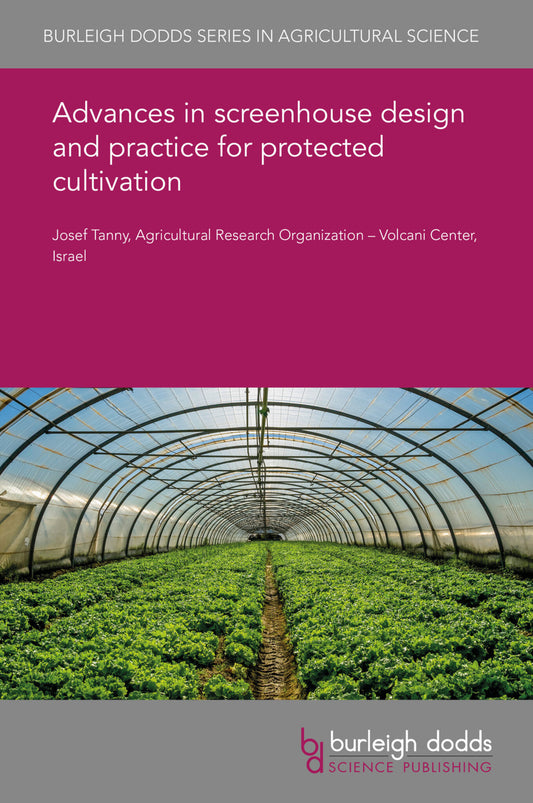
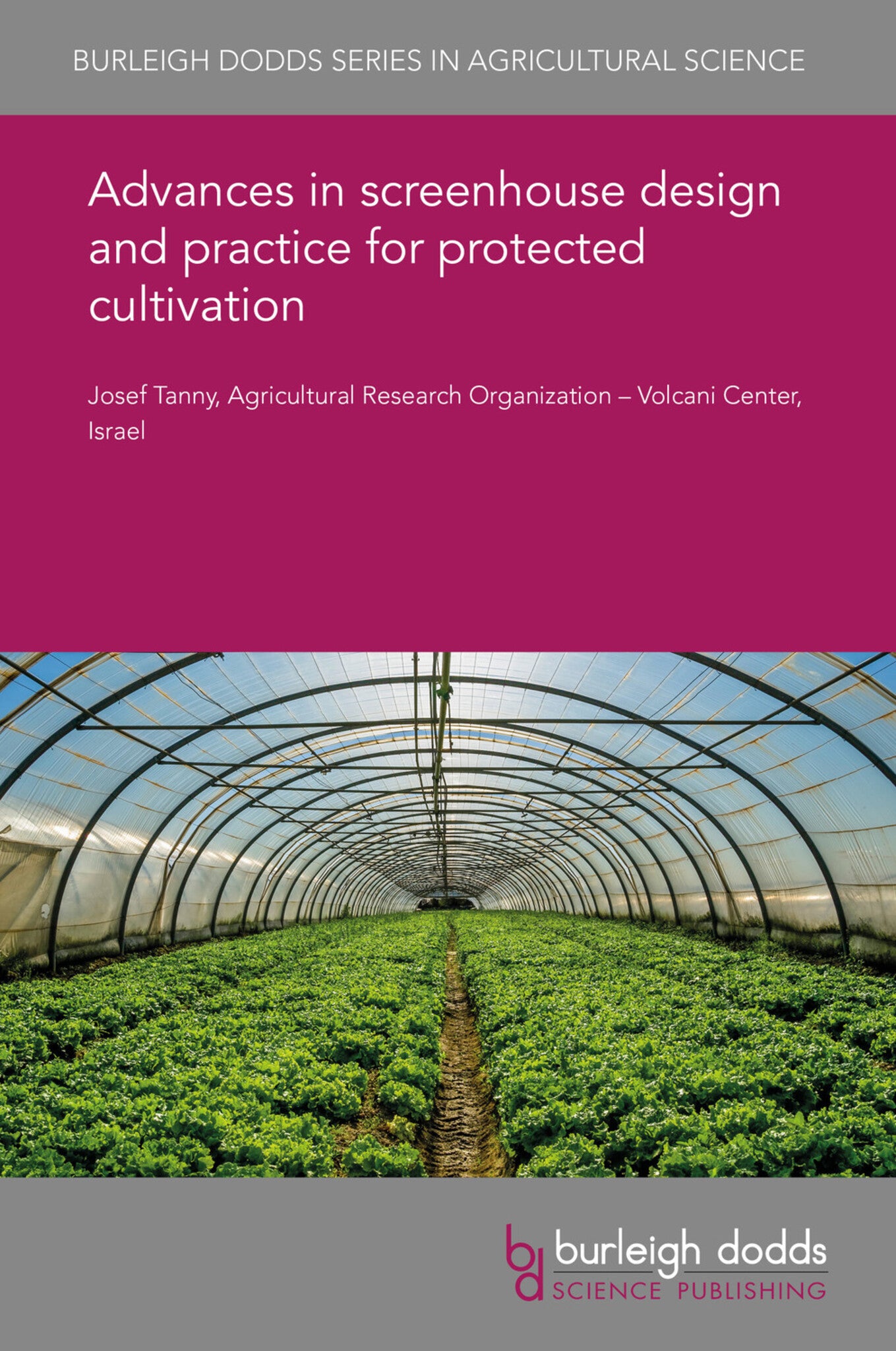
Advances in screenhouse design and practice for protected cultivation
The increasing world population, along with water and land shortages and climate change, lead growers worldwide to protected cultivation systems. The screenhouse, built with a skeleton of basic construction elements enveloped by a porous screen, is one example of such systems. Another protected c...
Read MoreRegular price £25.00Sale price £25.00 Regular price £25.00Unit price per -
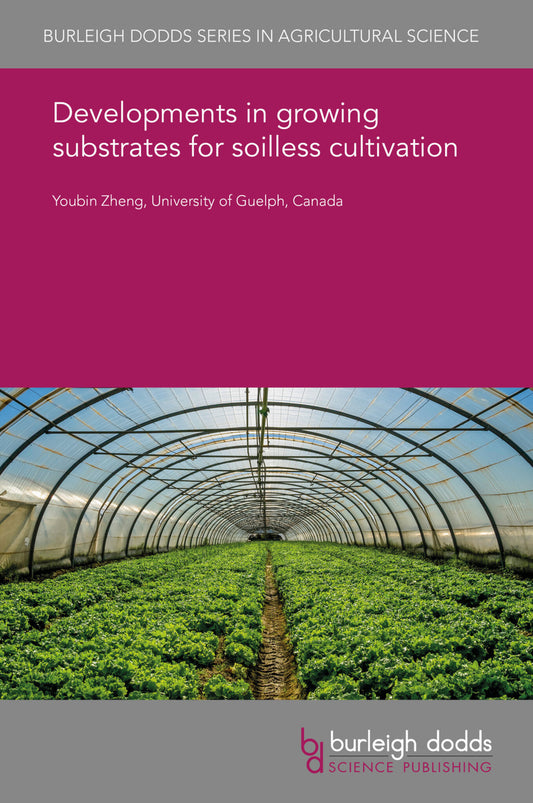
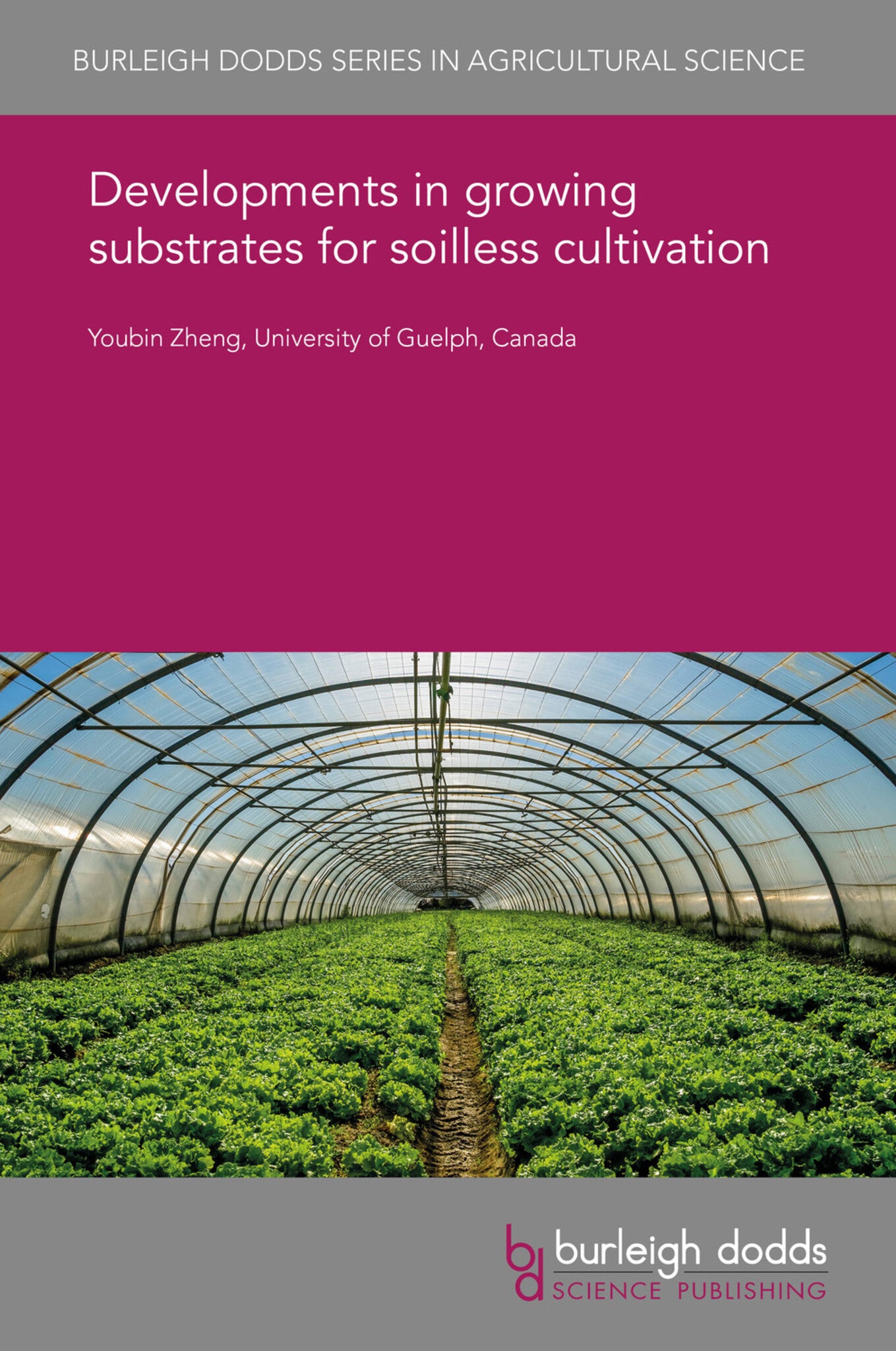
Developments in growing substrates for soilless cultivation
Growing substrates are used to provide physical support, as reservoir for water and nutrients, for providing air space for free gas exchange, and also for providing a habitat for beneficial microorganisms. Peat- and coir-based substrates and rockwool are the most commonly used substrates in moder...
Read MoreRegular price £25.00Sale price £25.00 Regular price £25.00Unit price per -
Disease monitoring and decision making in integrated fruit disease management
Regular inspection of fruit crops for diseases is a vital part of integrated disease management. Combining this information with that generated from disease warning systems can play a significant role in achieving perfect fruit with minimal use of fungicides. This chapter includes general discuss...
Read MoreRegular price £25.00Sale price £25.00 Regular price £25.00Unit price per -
Advances in organic greenhouse cultivation
Organic greenhouse horticulture has expanded considerably during the last decades to meet consumer demand. Organic greenhouse cultivation constitutes a sustainable alternative to mitigate producer challenges related to new pest infestation, weed infestation, extreme temperature events, drought, f...
Read MoreRegular price £25.00Sale price £25.00 Regular price £25.00Unit price per -
Sustainable carrot production
This chapter reviews developments in carrot cultivation including optimizing root shape, using strip-till systems, improving fertilizer use (including the use of mycorrhizal fungi), and irrigation and harvesting techniques. The chapter also discusses advances in crop protection, including managem...
Read MoreRegular price £25.00Sale price £25.00 Regular price £25.00Unit price per -
Integrated management of tortricid pests of tree fruit
A group of relatively small moths in the family Tortricidae is commonly the most destructive insect pests of deciduous tree fruits throughout the world. This chapter summarizes the recent literature associated with several applied aspects of tortricid management. After an introduction to tortrici...
Read MoreRegular price £25.00Sale price £25.00 Regular price £25.00Unit price per -
Understanding and monitoring diseases of vegetables
In-depth background knowledge on detecting and identifying plant diseases is essential for helping to raise healthy crops. This chapter provides an overview of historical developments in understanding and monitoring plant diseases, including the invention of light and electronic microscopes, Koch...
Read MoreRegular price £25.00Sale price £25.00 Regular price £25.00Unit price per -
Developments in breeding vegetables
Breeding for quality and yield in vegetable crops is constrained by consumer preferences and expectations. Vegetable crops are grown primarily for human consumption and are therefore held to higher standards of quality than crops grown for animal feed or fuel. Measures of quality are complex and ...
Read MoreRegular price £25.00Sale price £25.00 Regular price £25.00Unit price per -
Advances in lettuce cultivation
Modern lettuce production systems are dominated by the need to produce a high-quality product cost-effectively. However, environmental and human health considerations are increasingly important with regard to the use of water, fertilizer and pesticides and are driving particular developments in t...
Read MoreRegular price £25.00Sale price £25.00 Regular price £25.00Unit price per -
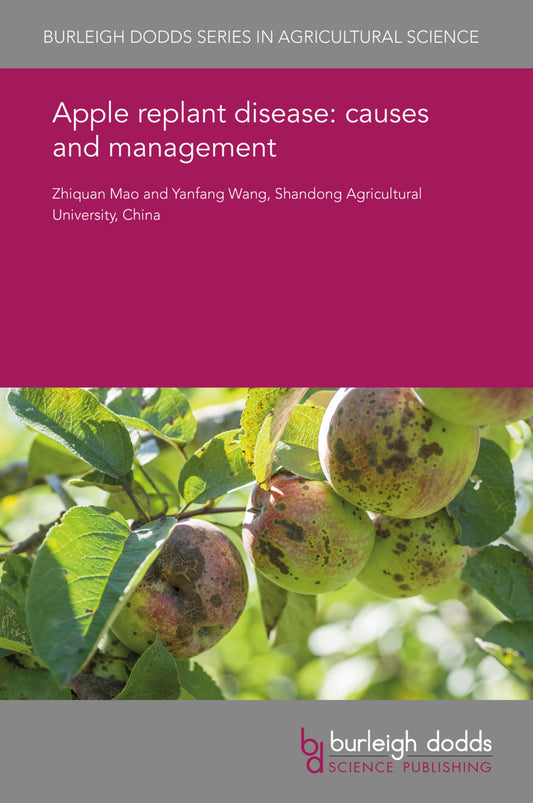
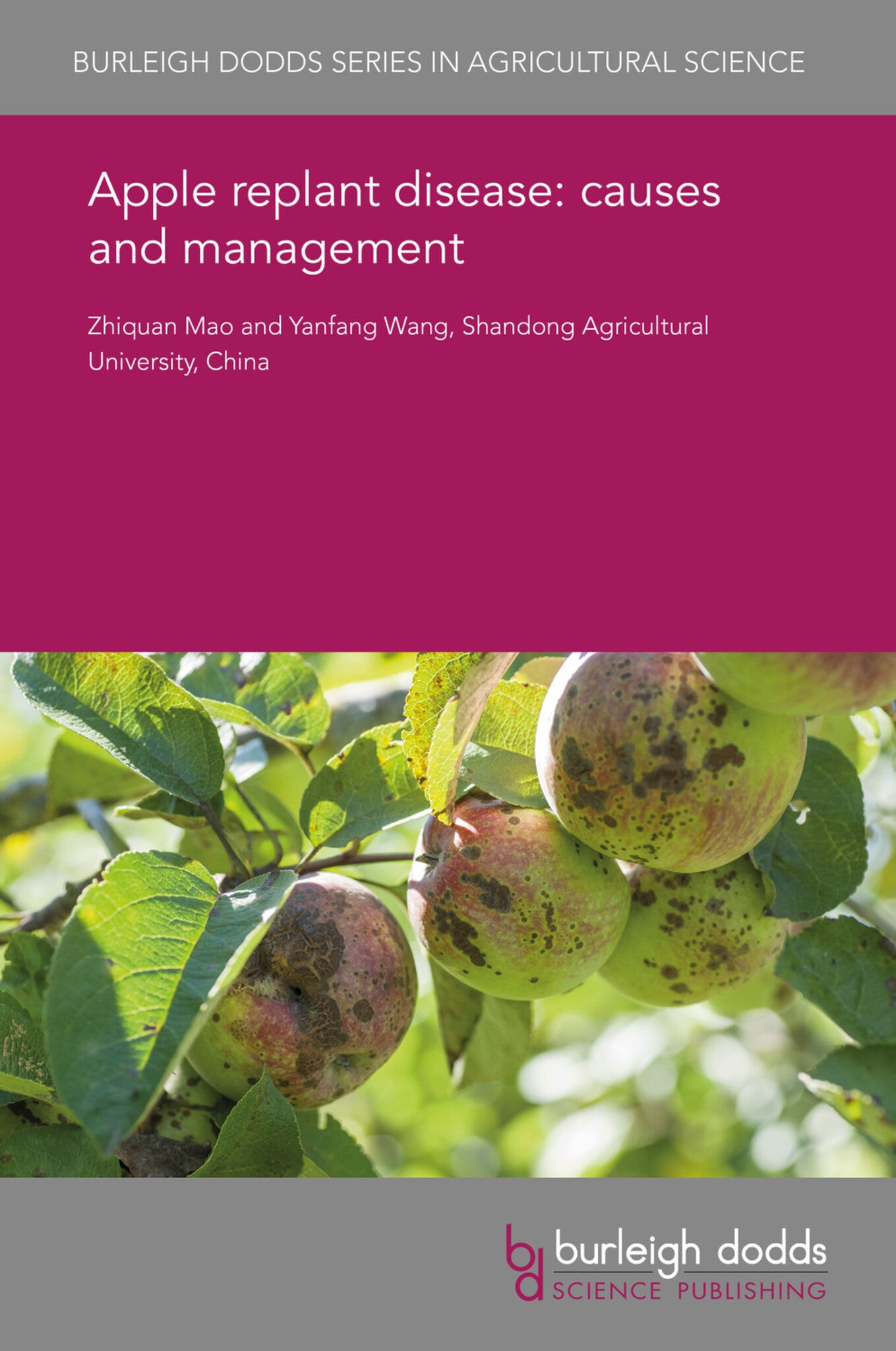
Apple replant disease: causes and management
Apple replant disease (ARD) is an important factor that restricts the sustainable development of the apple industry worldwide. There are many complex pathogenic factors that may cause ARD, and as a result ARD is difficult to manage in the absence of broad-spectrum soil fumigants with limited virg...
Read MoreRegular price £25.00Sale price £25.00 Regular price £25.00Unit price per -
Assessing the impact of environmental factors on the quality of greenhouse produce
In recent years, product quality has become more and more important, due to consumer concerns paired with well-being and a healthy lifestyle. Product quality is a complex, multidimensional and multi-factorial issue that relates to different factors. In this chapter, the objective, measurable and ...
Read MoreRegular price £25.00Sale price £25.00 Regular price £25.00Unit price per -
Microbiological safety of vegetable produce: the impact of pre- and post-harvest practices
Over the last decade, fresh fruits and vegetables have been linked to at least a dozen major outbreaks of foodborne illness in North America and Europe. It is becoming clear that sanitation alone will not alleviate the problem of human pathogens in produce, and a systems approach is needed to des...
Read MoreRegular price £25.00Sale price £25.00 Regular price £25.00Unit price per -
Epidemiology and management of apple scab
Apple scab (Venturia inaequalis) is the most important apple disease worldwide. This fungus can infect both leaves and fruit under conducive conditions; tissues become increasingly resistant to V. inaequalis as they age. Although there are major resistance genes identified against V. inaequalis, ...
Read MoreRegular price £25.00Sale price £25.00 Regular price £25.00Unit price per -
Advances in breeding of cucumber and watermelon
The breeding of cucumber (Cucumis sativus) has changed over the last few hundred years, from open-pollinated populations, to inbred lines, to gynoecious hybrids. Speed breeding, marker-assisted selection and more efficient field testing have also led to advances with this crop. Production of inbr...
Read MoreRegular price £25.00Sale price £25.00 Regular price £0.00Unit price per -
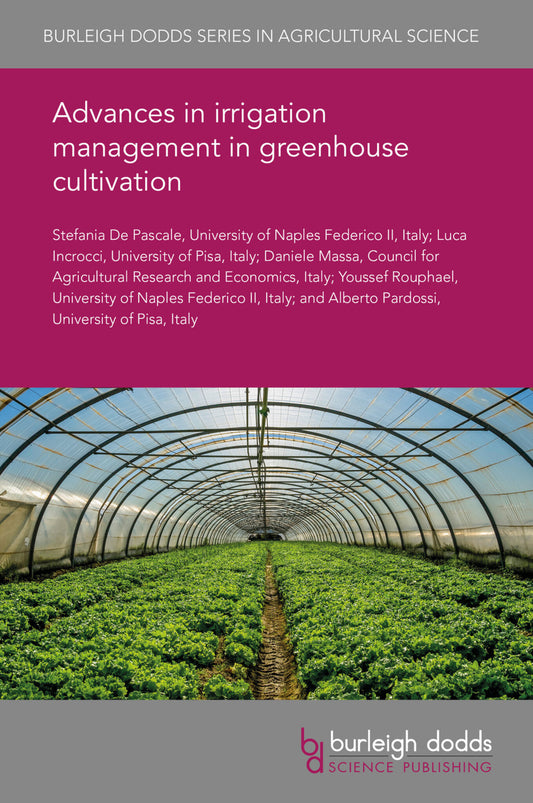
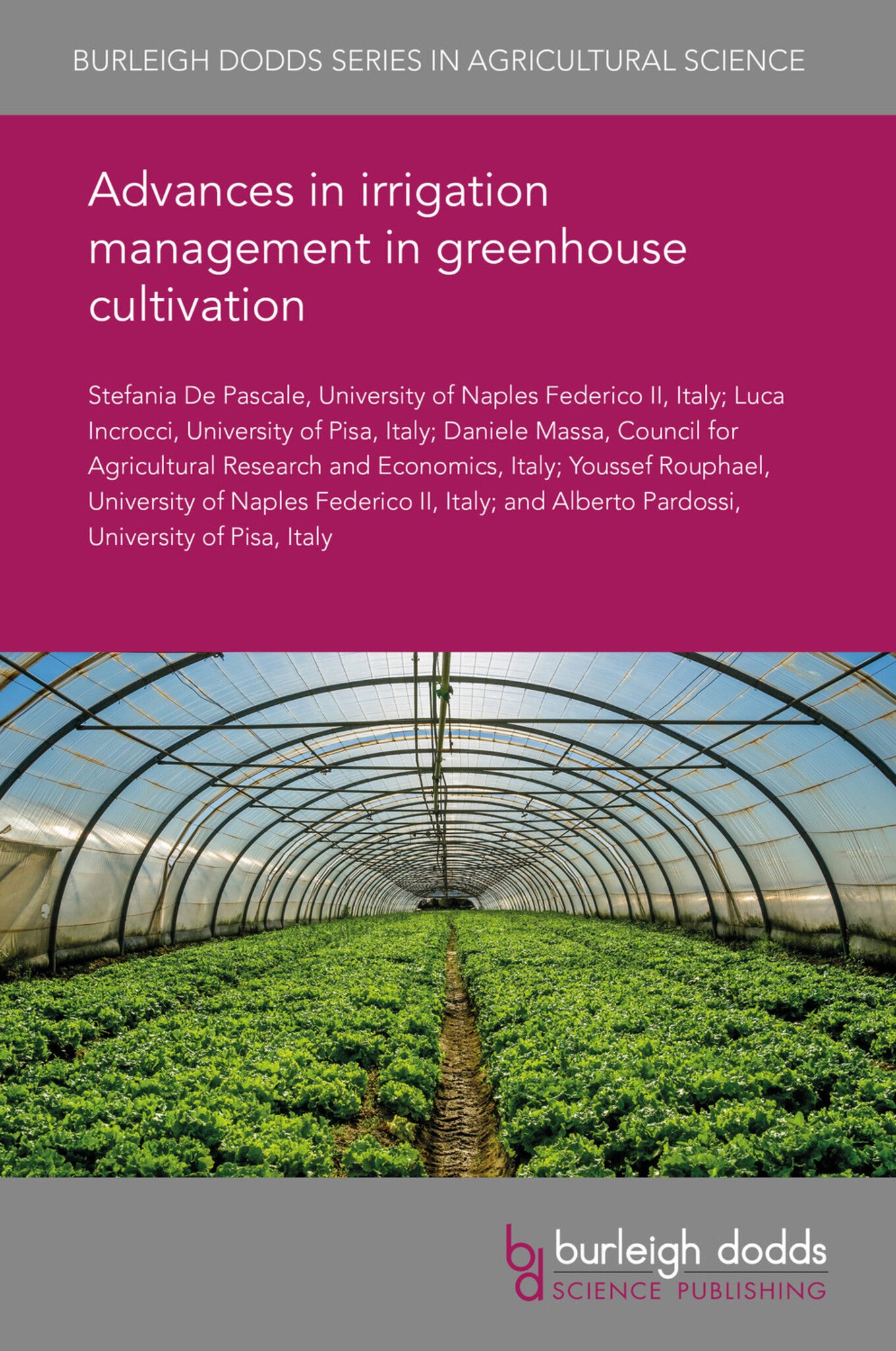
Advances in irrigation management in greenhouse cultivation
The advantages of greenhouse include the ability to secure better conditions than outdoor environment for crop growth and development, increased off-season production and autonomy from external weather conditions. This chapter provides an up-to-date critical overview of scientific advances in irr...
Read MoreRegular price £25.00Sale price £25.00 Regular price £25.00Unit price per -
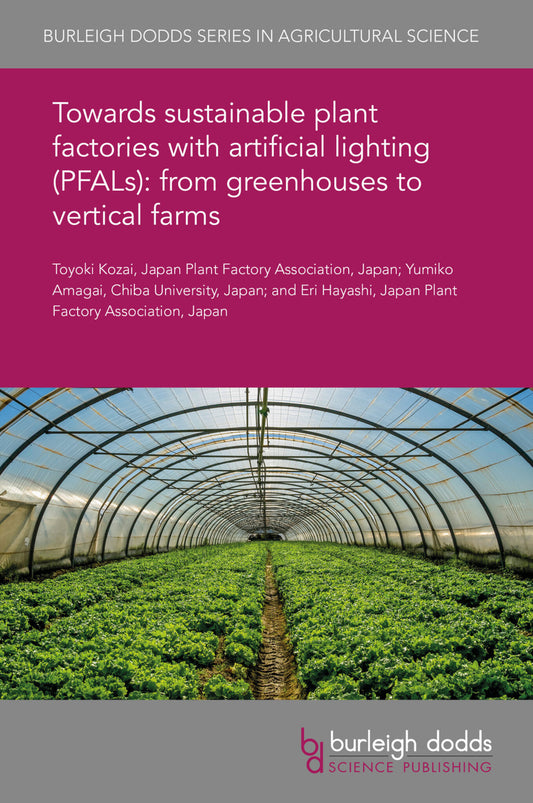
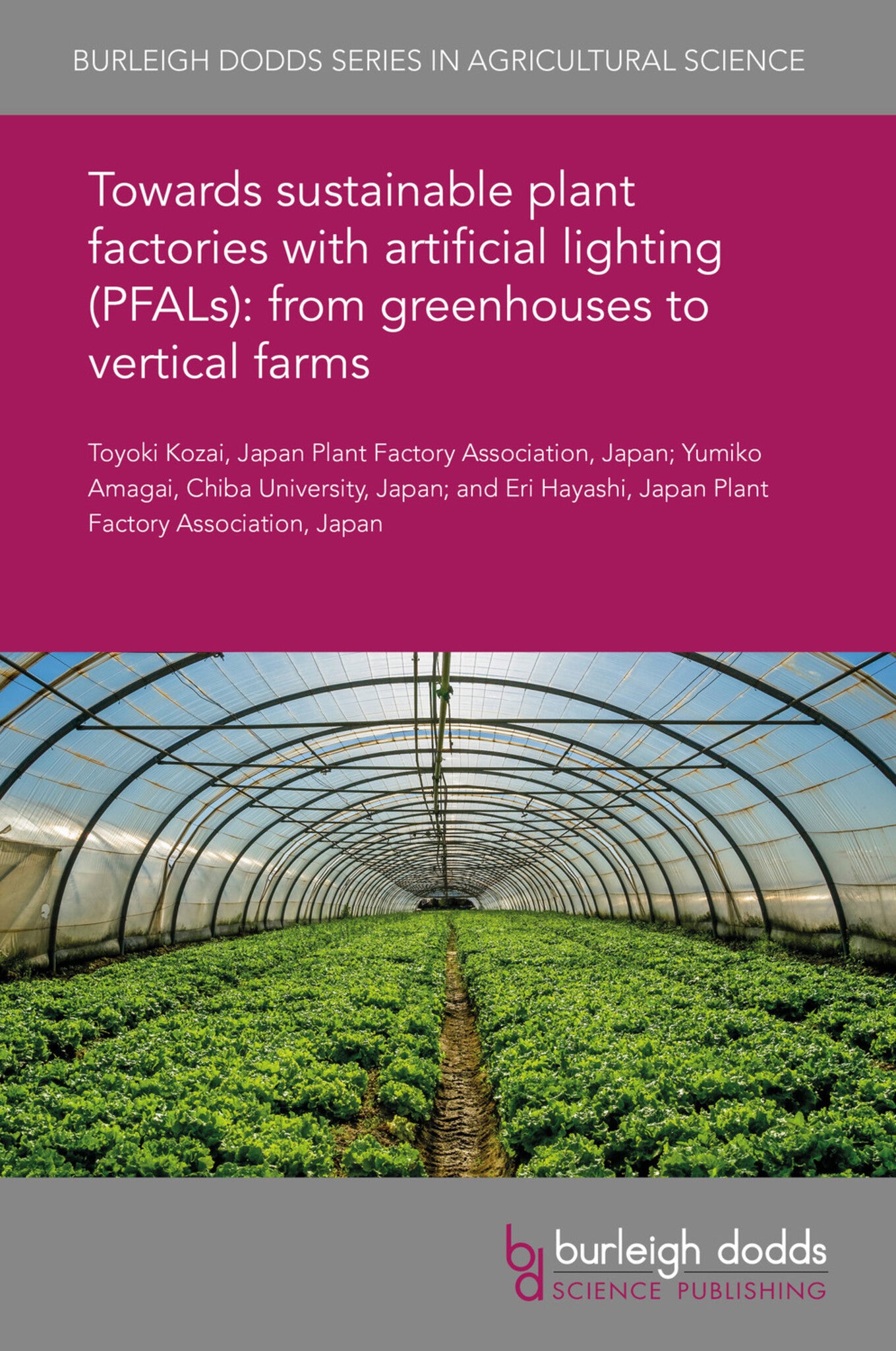
Towards sustainable plant factories with artificial lighting (pfals): from greenhouses to vertical farms
Plant factories with artificial lighting (PFALs) have hitherto proved too costly to be economically viable, consuming too much electricity to be considered truly sustainable. However, recent advances are changing this, and the potential advantages of PFALs are making them an attractive option. T...
Read MoreRegular price £25.00Sale price £25.00 Regular price £25.00Unit price per -
Advances in greenhouses and other protected structures used for cultivation of vegetables
Research work conducted during recent years (e.g. structure design, covering, climate control, energy use efficiency, water and nutrient management, supplemental lighting, new cultivars) has revolutionized greenhouse vegetable production. This chapter reviews the current situation of such protect...
Read MoreRegular price £25.00Sale price £25.00 Regular price £25.00Unit price per -
Alternative tillage production systems for cucurbit vegetables
Cultural production practices for some cucurbit crops have slightly changed over the last half-century to become more sustainable with less detrimental impacts on the soil and surrounding environment. Conservation tillage is one of these practices that is gaining acceptance since it conserves soi...
Read MoreRegular price £25.00Sale price £25.00 Regular price £25.00Unit price per -
Improving fungicide use in integrated fruit disease management
With the rapid emergence of resistance to the limited number of fungicide classes in many pathogenic fungi, improving stewardship of extant fungicides is a priority. Resistance management strategies, species identification, application timing and delivery of FRAC guidelines to stakeholders can al...
Read MoreRegular price £25.00Sale price £25.00 Regular price £25.00Unit price per -
Apple mosaic virus: biology, epidemiology and detection
Apple mosaic virus (ApMV) has been detected in apple and also in a number of other plant taxa including other members of the Rosaceae, hazelnut, hop, birch and a number of perennial weed species. This chapter comprehensively details how the virus is spread and describes the symptoms displayed by ...
Read MoreRegular price £25.00Sale price £25.00 Regular price £25.00Unit price per -
Achieving sustainable greenhouse production: present status, recent advances and future developments
Greenhouse production systems have been introduced to improve growth conditions for plants to increase yield and quality. While initially greenhouses were mainly found in cool climates, water saving has become an important driver for the expansion of the greenhouse industry, particularly in arid ...
Read MoreRegular price £25.00Sale price £25.00 Regular price £25.00Unit price per -


Insect pests of fruit: aphids
Aphids (Homoptera, Sternorrhyncha, Aphididae) currently include 5575 valid species. They are characterized by some peculiar morphological and biological characteristics that make these insects unique organisms. Although often under-reported, it is estimated that aphids cause very high economic lo...
Read MoreRegular price £25.00Sale price £25.00 Regular price £25.00Unit price per -
Improving plant propagation methods for fruit disease control
The movement of plant propagation material across countries and continents allows for the exchange of high-quality planting material providing producers with superior germplasm, and enhancing farm sustainability and profits. However, this practice has hidden dangers, including the potential of mo...
Read MoreRegular price £25.00Sale price £25.00 Regular price £25.00Unit price per -
Use of biocontrol agents in fruit tree disease management
Increasing demands for residue-free fruits, changes in regulation and a decreasing number of available synthetic fungicides favour growth of the biocontrol products market. These products include naturally occurring beneficial microorganisms which are used to control plant diseases. This chapter ...
Read MoreRegular price £25.00Sale price £25.00 Regular price £25.00Unit price per -
Fungal diseases of fruit: apple cankers in europe
The cultivated apple, Malus x domestica (syn. Malus pumila), is prone to a plethora of fungal diseases. In this chapter, the authors explore those that cause canker diseases of apple in Europe with particular focus on European apple canker caused by Neonectria ditissima. The authors discuss N. di...
Read MoreRegular price £25.00Sale price £25.00 Regular price £25.00Unit price per -
Advances in understanding soil health for vegetable cultivation
Sustainability of our food systems depends on the maintenance of healthy soils. The links between soil quality, long-term soil productivity, and environmental quality are now widely acknowledged, as is the importance of conserving soil as a resource for future generations. Determining and predict...
Read MoreRegular price £25.00Sale price £25.00 Regular price £25.00Unit price per -
Advances in pea breeding
Cultivated forms of pea can be classified as dry or field pea (dry seeds for food or feed), vegetable or green pea (young seeds, pods or shoots for food) and forage pea (for silage or grazing). Quality requirements differ for each pea type. This chapter reviews advances in pea breeding, including...
Read MoreRegular price £25.00Sale price £25.00 Regular price £25.00Unit price per -
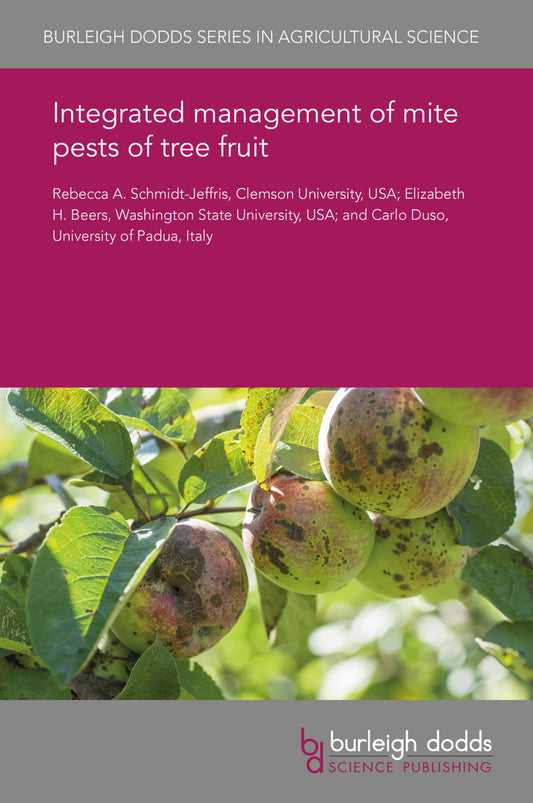
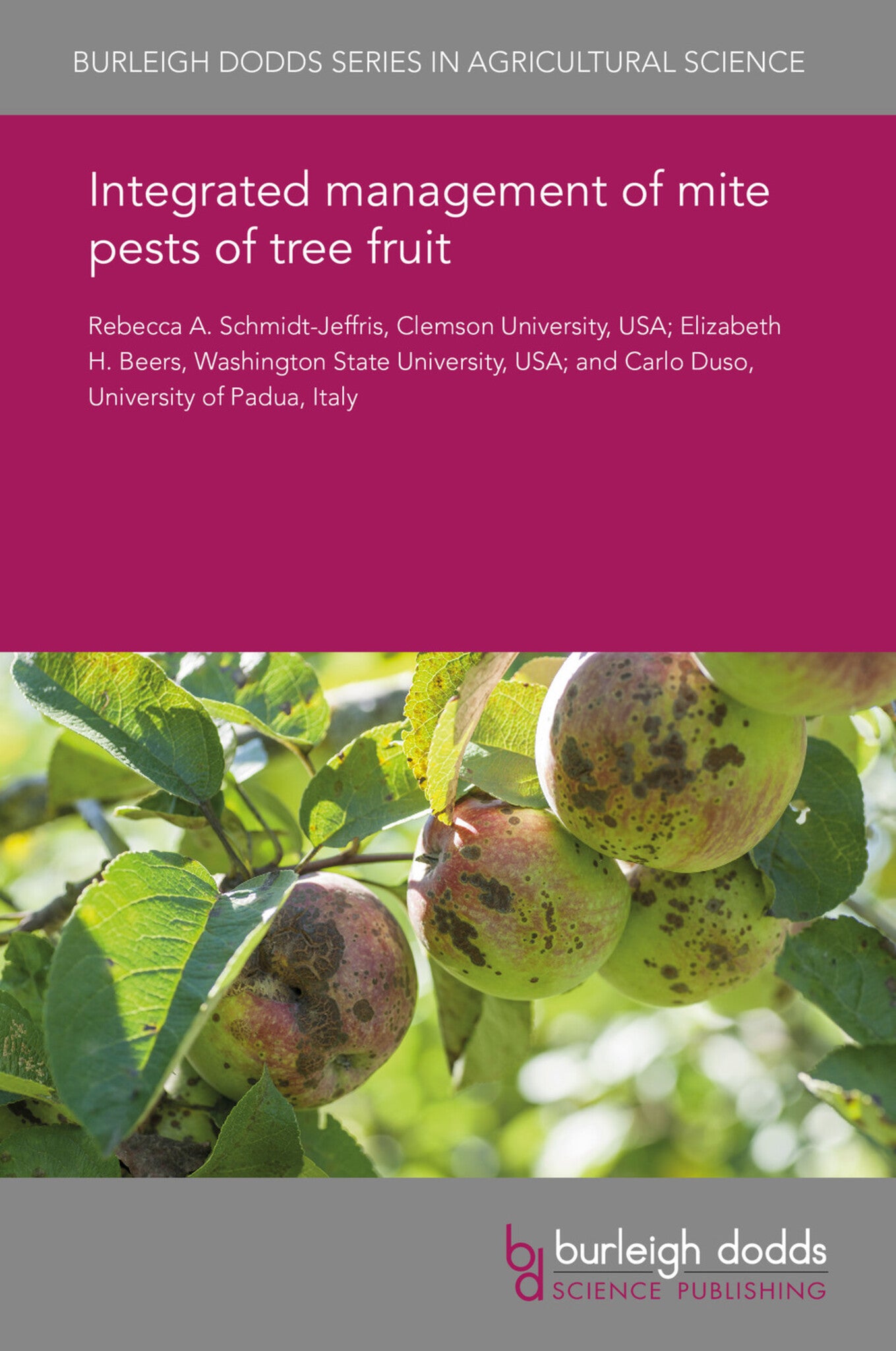
Integrated management of mite pests of tree fruit
Mites are a perennial pest of tree fruit crops worldwide. Foliar feeding by mites can lead to decreased photosynthetic activity, reducing plant vigour and yield. For some mite pests, fruit deformation or russeting can occur. Two main families of mites are found on tree fruits: tetranychids (spide...
Read MoreRegular price £25.00Sale price £25.00 Regular price £25.00Unit price per -
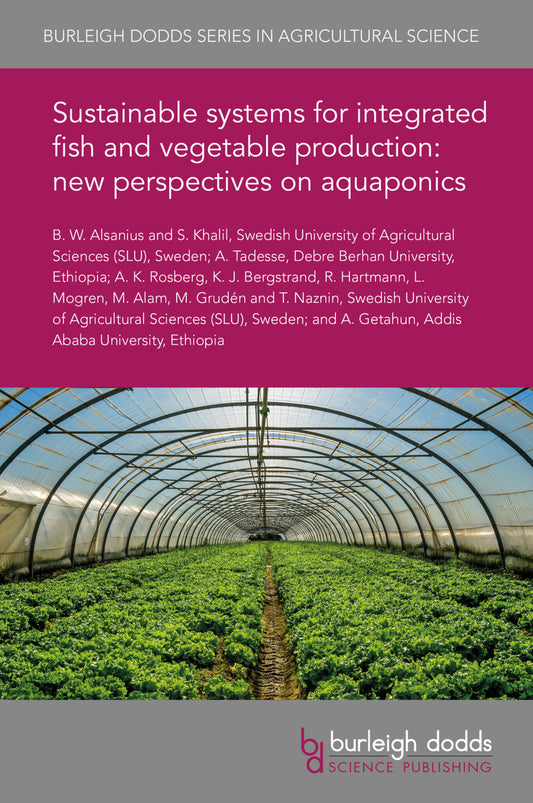
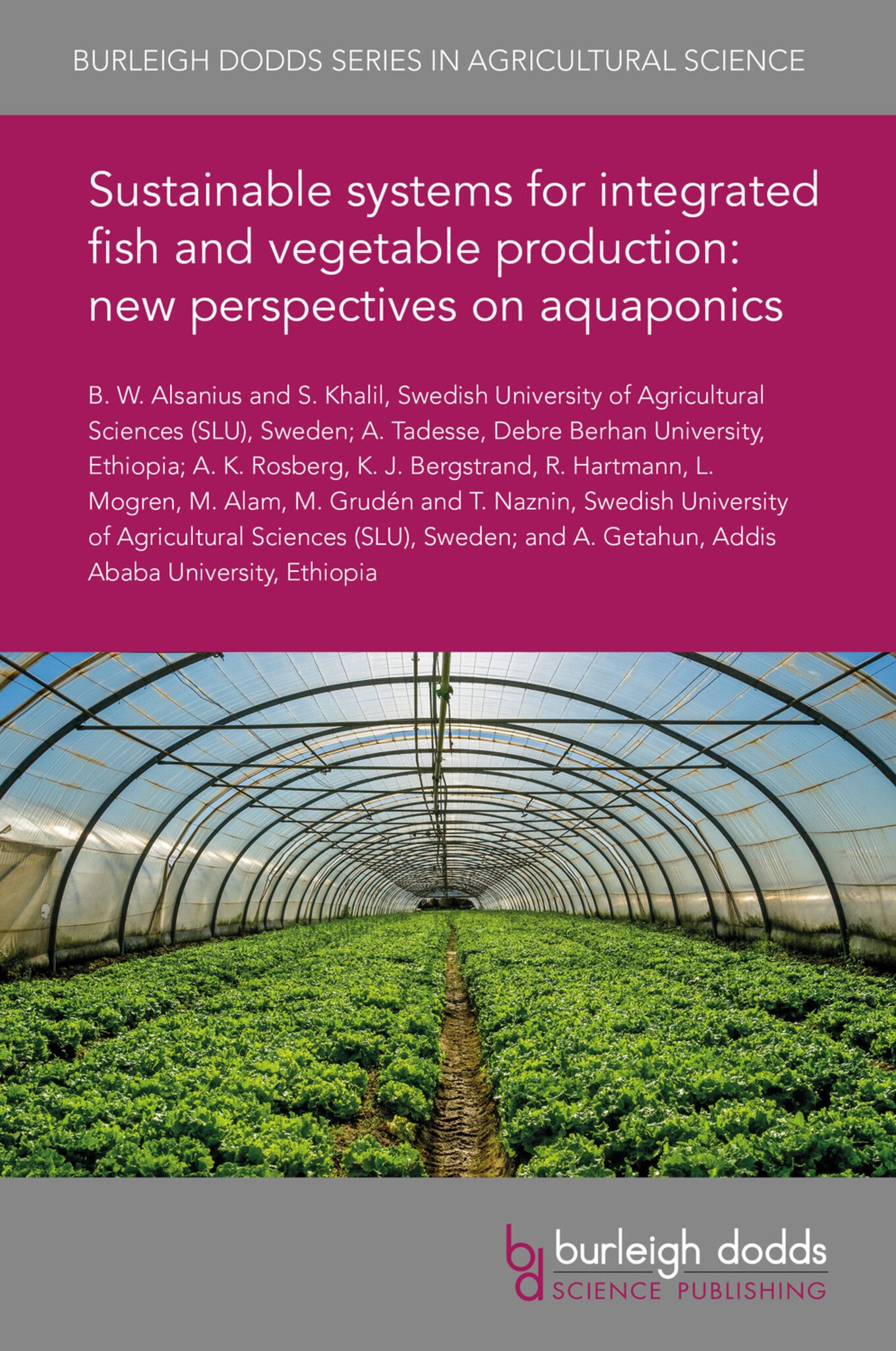
Sustainable systems for integrated fish and vegetable production: new perspectives on aquaponics
Aquaponics integrates fish and seafood rearing (aquaculture) with soilless production of horticultural produce (hydroponics). Engineered systems of this kind meet the challenges posed by global population growth, urbanization, global climate change, limited access to resources for agricultural ac...
Read MoreRegular price £25.00Sale price £25.00 Regular price £25.00Unit price per -
Integrated pest management (ipm) in vegetables: examples of successful deployment
Vegetable producers around the world are confronted with the daunting task of managing ever-evolving pests and pathogens with a limited number of effective chemical management tools. This chapter examines examples of successful deployment of integrated pest management (IPM) in vegetable cultivati...
Read MoreRegular price £25.00Sale price £25.00 Regular price £25.00Unit price per -
Advances in pest and disease management in greenhouse cultivation
Greenhouse crops are continuously under pressure of infestations by a wide range of pests and diseases. This chapter describes the myriad practices that can contribute to managing pests and diseases, and how to integrate these practices in an ecologically based integrated pest management (IPM) ap...
Read MoreRegular price £25.00Sale price £25.00 Regular price £25.00Unit price per -
Sustainable use of energy in greenhouses
Greenhouse crops are continuously under pressure of infestations by a wide range of pests and diseases. This chapter describes the myriad practices that can contribute to managing pests and diseases, and how to integrate these practices in an ecologically based integrated pest management (IPM) ap...
Read MoreRegular price £25.00Sale price £25.00 Regular price £25.00Unit price per -
Automation and robotics in greenhouses
This chapter provides an overview of the state of the art of automation technology in protected cultivation and looks ahead to future directions for achieving further progress in this field. The chapter provides a generic description of the greenhouse crop production process and then uses it as a...
Read MoreRegular price £25.00Sale price £25.00 Regular price £25.00Unit price per -
Cultural control of arthropod pests in temperate tree fruit
Perennial systems, such as temperate tree fruit, present interesting challenges and opportunities for the practice of cultural pest management tactics. This chapter outlines key cultural tactics for managing arthropod pests in temperate tree fruit, including modification of trees, tree architectu...
Read MoreRegular price £25.00Sale price £25.00 Regular price £25.00Unit price per -
Breeding fruit cultivars with durable disease resistance
Resistance breeding can make a lasting contribution to pest and disease control in an integrated management strategy provided that the resistance is durable. This chapter discusses strategies for achieving durable resistance based on genes that target pathogen fitness, gene pyramiding and nonhost...
Read MoreRegular price £25.00Sale price £25.00 Regular price £25.00Unit price per -
Advances in greenhouse design
Greenhouses are effective structures for producing high-value crops since they use natural resources as well as production inputs very efficiently. Consequently, greenhouses occupy large areas of the world. This chapter examines recent developments in greenhouse designs on three relevant producti...
Read MoreRegular price £25.00Sale price £25.00 Regular price £25.00Unit price per -
Developments in soilless/hydroponic cultivation of vegetables
In hydroponics, the plants are grown outside the natural soil, either on porous growing media (substrates) or in pure nutrient solution (water culture). The most commonly used growing media, which are characterized by a balanced availability of water and oxygen, are rockwool, perlite, pumice, and...
Read MoreRegular price £25.00Sale price £25.00 Regular price £25.00Unit price per -
Advances in irrigation techniques in vegetable cultivation
Water for agricultural use accounts for a very high percentage of worldwide water consumption. In order to maximize productivity and profitability, while reducing the environmental impact of vegetable farming, growers must choose the correct irrigation system for their crop as well as determine t...
Read MoreRegular price £25.00Sale price £25.00 Regular price £25.00Unit price per -
New techniques for managing postharvest diseases of fruit: physical, chemical and biological agents
Chemical fungicides are traditionally used to preserve the quality of fruit and vegetables during storage or transportation. However, the global concern about pesticide use and the reduced efficacy of chemicals due to pathogen-resistant strains have gradually led producers to evaluate safer alter...
Read MoreRegular price £25.00Sale price £25.00 Regular price £25.00Unit price per -
Plum pox virus: detection and management
Sharka disease, caused by Plum pox virus (PPV), is the most important virus inducing extended yield losses in plums, on account of reduced fruit quality, premature fruit drop and rapid natural virus spread by aphid vectors. This chapter provides general information on the status of this disease a...
Read MoreRegular price £25.00Sale price £25.00 Regular price £25.00Unit price per -

Powdery mildew: biology, epidemiology, and management of podosphaera spp. of tree fruit
Major economically important tree fruit, such as apple (Malus × domestica), pear (Pyrus spp.), and stone fruit (cherry, apricot, peach: Prunus spp.), are amongst the most susceptible crops to powdery mildews. The fungus mostly affects vegetative tissues but can also infect the reproductive organs...
Read MoreRegular price £25.00Sale price £25.00 Regular price £25.00Unit price per -
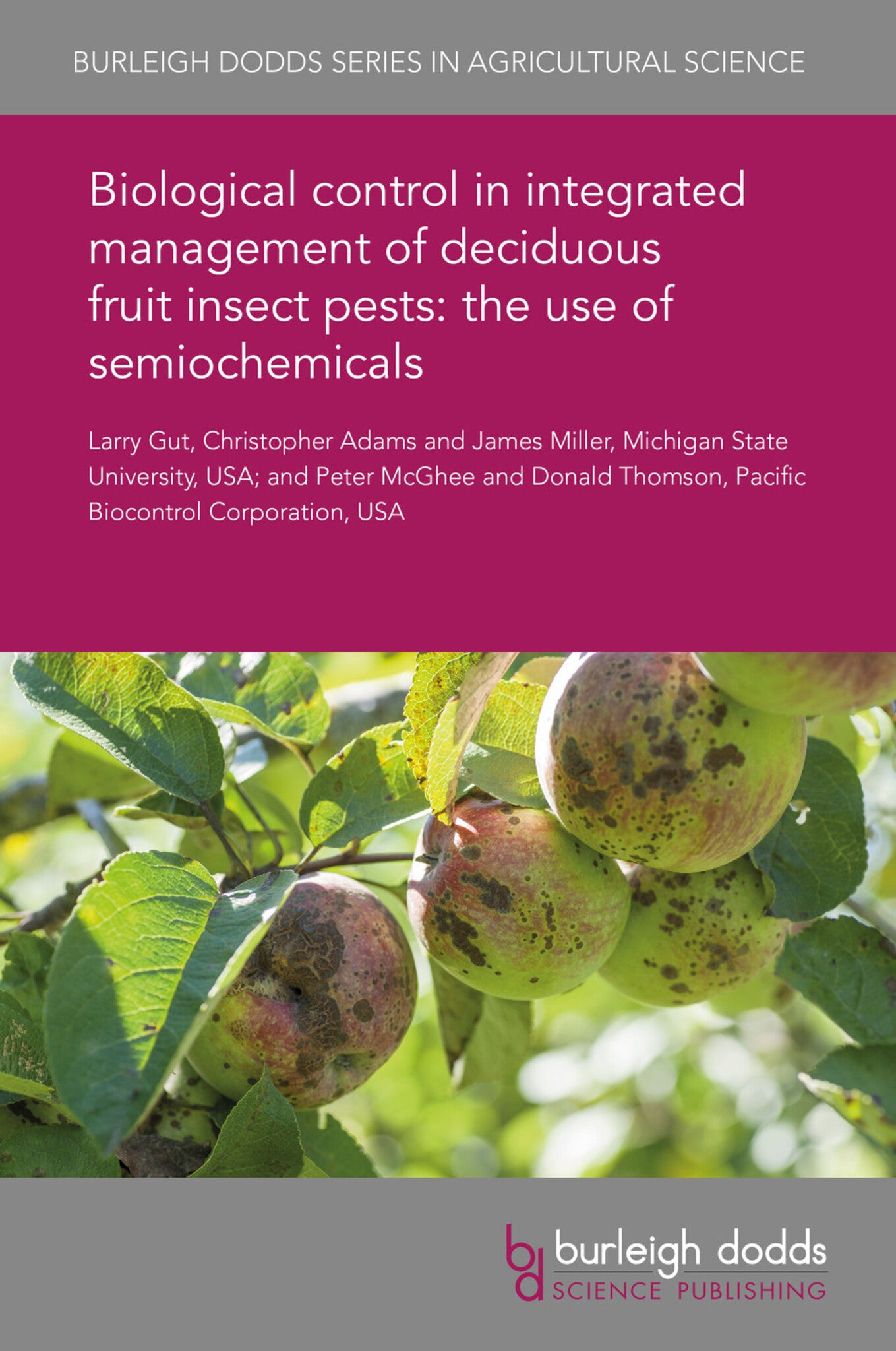
Biological control in integrated management of deciduous fruit insect pests: the use of semiochemicals
Over the past 25 years, semiochemical-based technologies have emerged as essential components of pest management programmes in deciduous fruit production systems. Pheromone-based mating disruption is by far the most widely adopted behavioural control, with nearly 800 000 ha of fruit crops treated...
Read MoreRegular price £25.00Sale price £25.00 Regular price £25.00Unit price per -
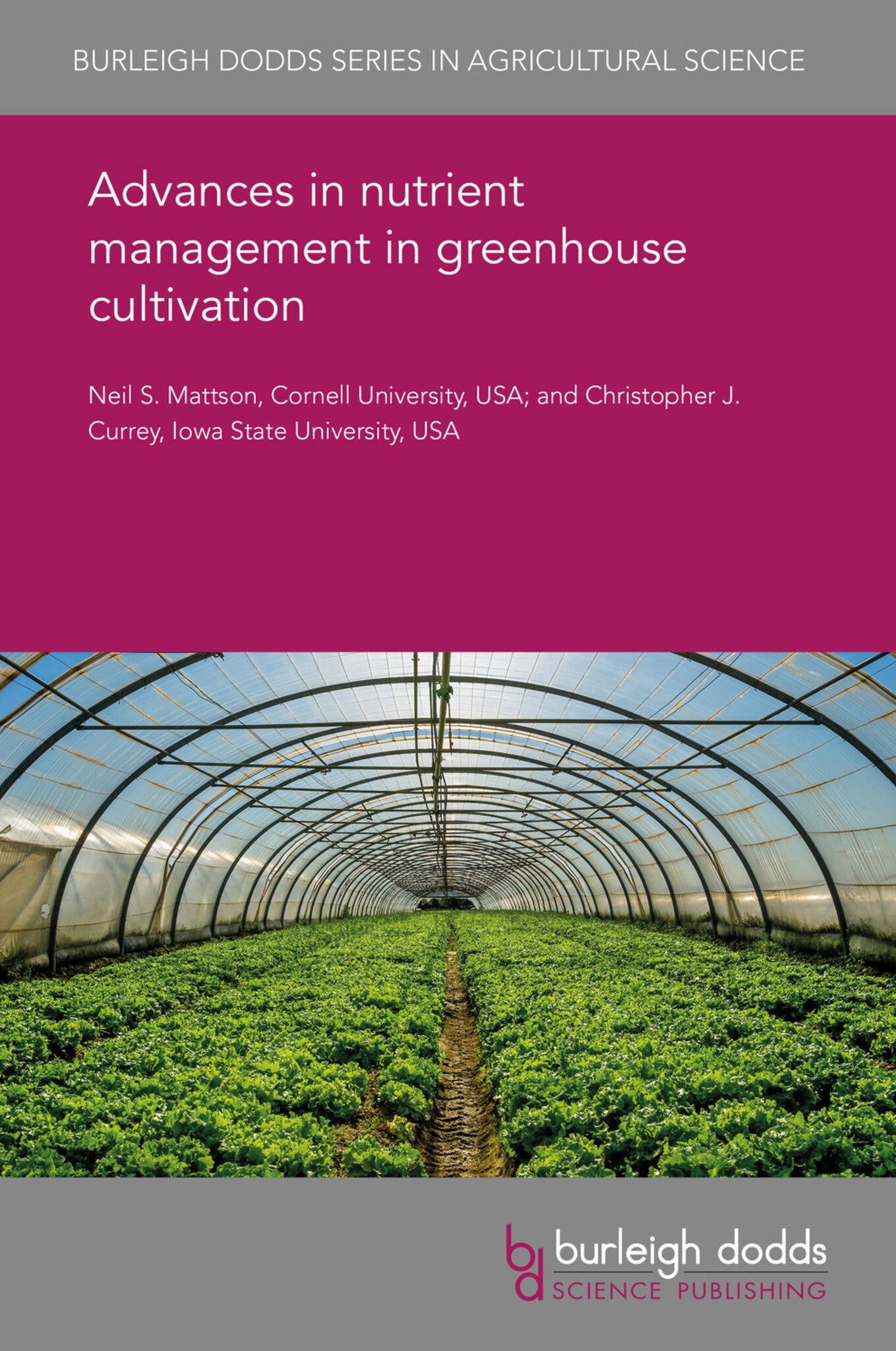
Advances in nutrient management in greenhouse cultivation
Precise nutrient management is essential to produce high-quality and high-yielding greenhouse crops while limiting cost and environmental damage. Traditional nutrient management strategies are being replaced by new types of fertilizers combined with precision delivery and management. This chapter...
Read MoreRegular price £25.00Sale price £25.00 Regular price £25.00Unit price per -
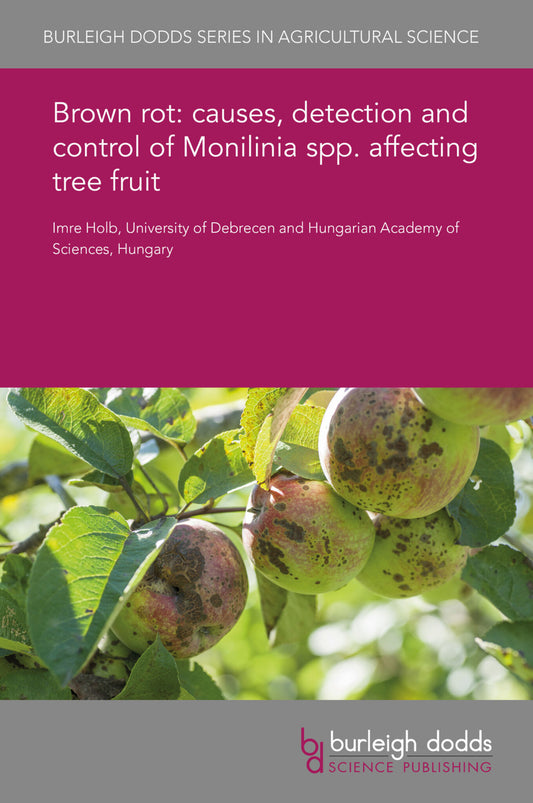
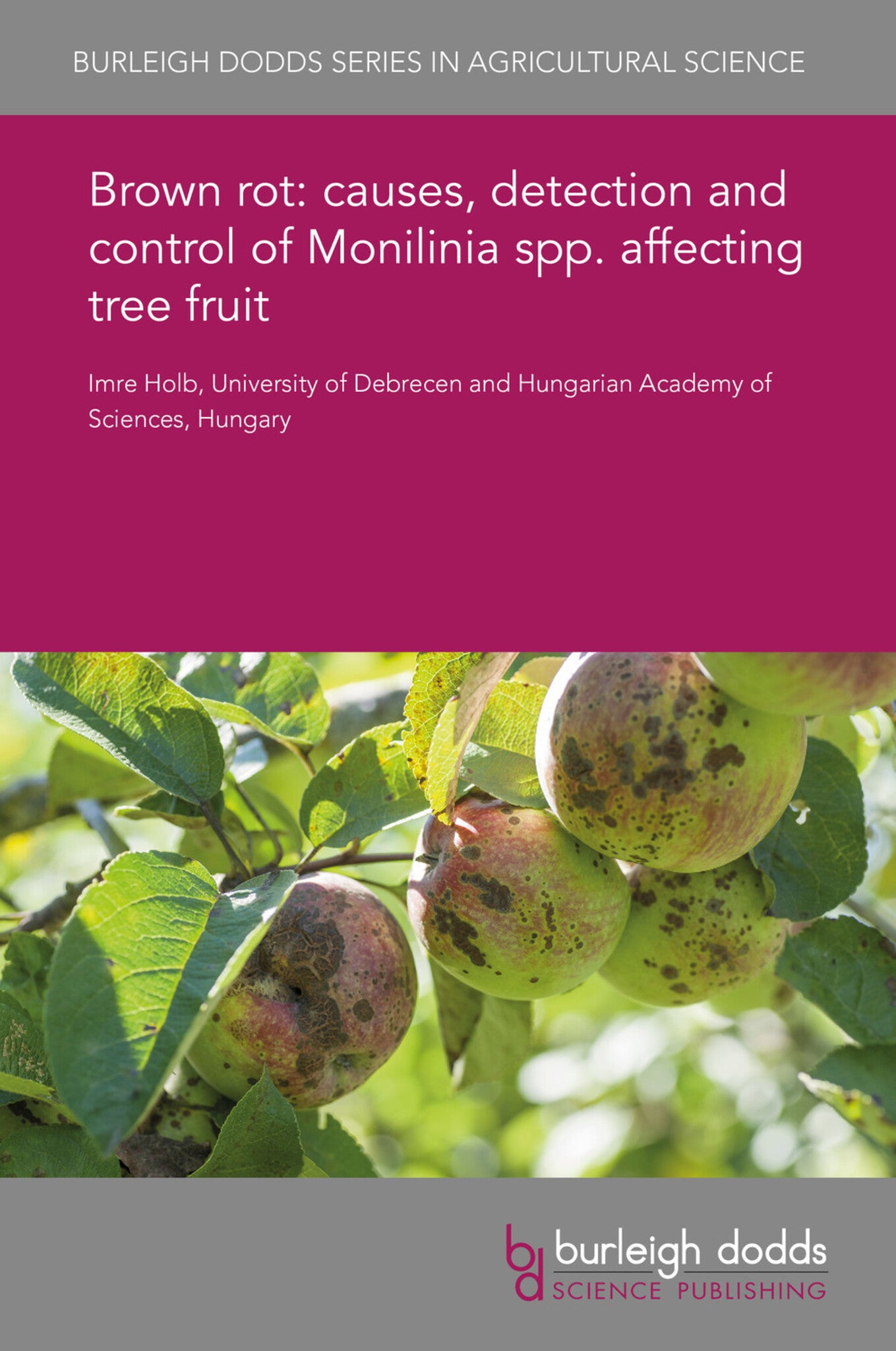
Brown rot: causes, detection and control of monilinia spp. affecting tree fruit
Monilinia spp. cause economically important fungal diseases of pome and stone fruits. This chapter focuses on the four main Monilinia/Monilia species that is Monilinia fructicola, M. laxa, M. fructigena and M. polystroma. The chapter concentrates on general and specific features of the four brown...
Read MoreRegular price £25.00Sale price £25.00 Regular price £25.00Unit price per -
Improving the environmental performance of pig and poultry production
Currently, pork and chicken account for nearly three-fourths of global meat consumption. With increasing concern for the environmental impacts associated with human activity, and due to the magnitude of the pork and poultry sectors, there is mounting pressure to meet the growing demand for these ...
Read MoreRegular price £25.00Sale price £25.00 Regular price £25.00Unit price per -
Key challenges in modelling of agricultural activities and their environmental impact
Modelling agricultural activities gives insight into the environmental impact of current practices. Furthermore, modelling allows testing the effect of mitigation strategies or management changes and supports decision making towards environmentally friendlier products. Model quality depends on ac...
Read MoreRegular price £25.00Sale price £25.00 Regular price £25.00Unit price per -


Using life cycle assessment to compare intensive versus extensive agricultural systems
The number of life cycle assessment (LCA) and LCA-based footprint studies comparing food products coming from different agricultural production systems, reflecting different production intensities, is rapidly growing providing an increasing amount of data for further analyses. This chapter examin...
Read MoreRegular price £25.00Sale price £25.00 Regular price £25.00Unit price per -


Life cycle assessment methodology for agriculture: some considerations for best practices
Life cycle assessment (LCA), a method that originates from the manufacturing industry, is increasingly applied to agricultural systems as a more holistic perspective and approach with respect to managing agricultural product life cycles. However, the practice of applying LCA to agricultural syste...
Read MoreRegular price £25.00Sale price £25.00 Regular price £25.00Unit price per -
Assessing socio-economic impacts of agriculture
Economic assessments remain the dominating form of socio-economic assessment in agriculture; yet practical implementation often suffers from severe limitations. However, much of the early criticism has slowly been adopted and integrated in the form of significant improvements in the consistency a...
Read MoreRegular price £25.00Sale price £25.00 Regular price £25.00Unit price per -
The environmental impact of valorising agricultural by-products
Agricultural by-products, that is primary residue, industrial by-products and animal manure, are an important source of nutrients and carbon for maintaining soil quality and crop production but can also be valorised through treatment pathways such as fermentation, incineration or a combination of...
Read MoreRegular price £25.00Sale price £25.00 Regular price £25.00Unit price per -
The use of farm-level models to assess the environmental impact of livestock production
In light of a changing climate, the international community is committed to taking action to reduce overall levels of greenhouse gas emissions. Agriculture will play an important role here given that agriculture and land use are responsible globally for around 24% of such greenhouse gas emissions...
Read MoreRegular price £25.00Sale price £25.00 Regular price £25.00Unit price per -
Modelling impacts of agriculture on freshwater
Agriculture greatly impacts water resources due to the high volumes of irrigation water consumed in crop production. Additionally, agricultural activities affect hydrological cycles through land-use changes and soil modifications, which may lead to pollution of water bodies. On a local level, the...
Read MoreRegular price £25.00Sale price £25.00 Regular price £25.00Unit price per -
Improvement options for agricultural crop production for food, feed and bioenergy
Agriculture currently faces the dual challenges of both having to increase its overall biomass output while contributing to the mitigation of pressing global environmental changes. It is therefore urged to reconcile these challenges by drastically increasing its performance in the short term. Thi...
Read MoreRegular price £25.00Sale price £25.00 Regular price £25.00Unit price per -
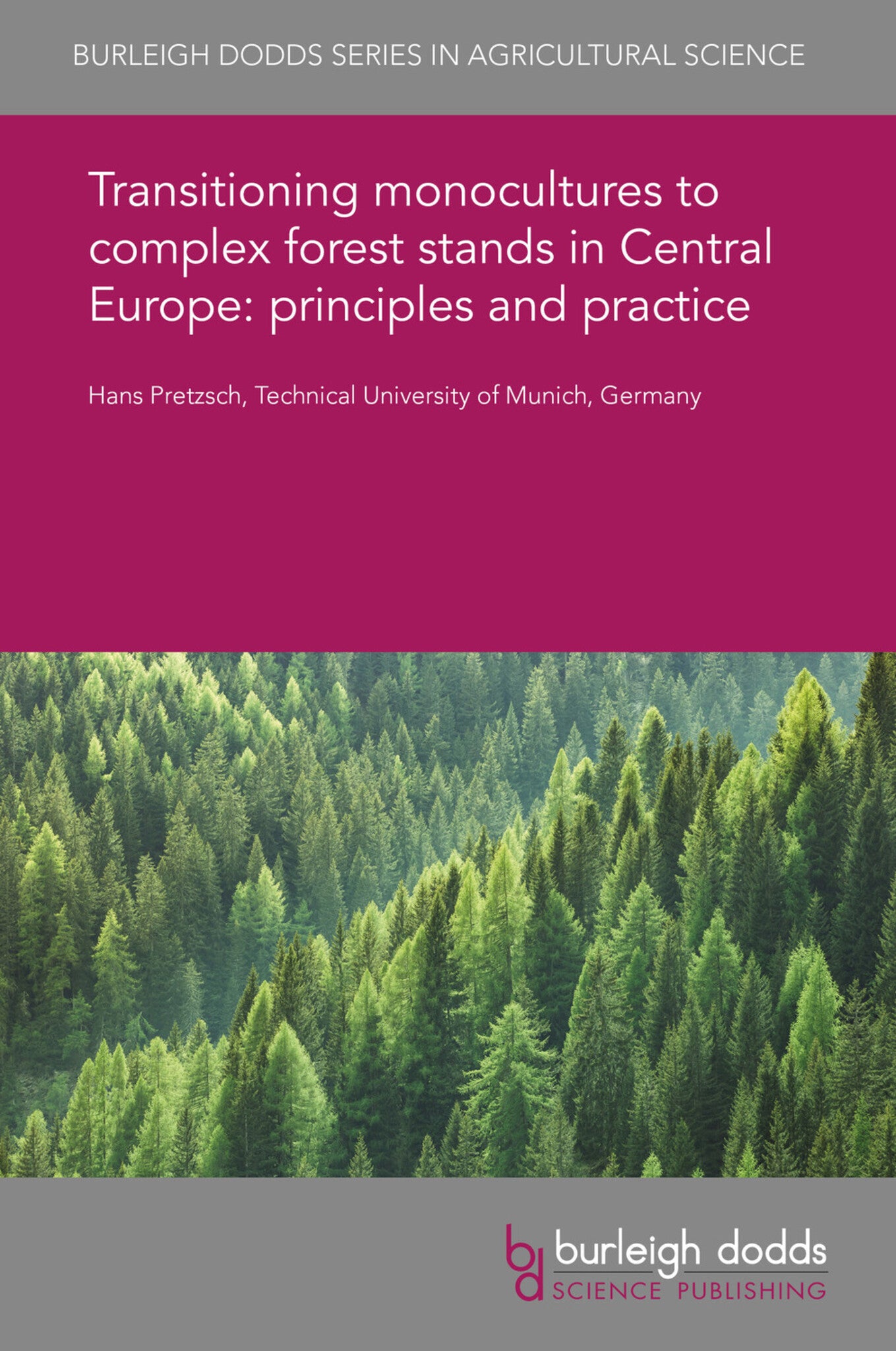
Transitioning monocultures to complex forest stands in central europe: principles and practice
The high expectations placed on forests in Europe require an integrative approach to forest management. Heterogeneous mixed-species stands are of special interest as they fulfil many ecosystem services better than monocultures, and consequently homogenous forest stands are now often transformed i...
Read MoreRegular price £25.00Sale price £25.00 Regular price £25.00Unit price per -
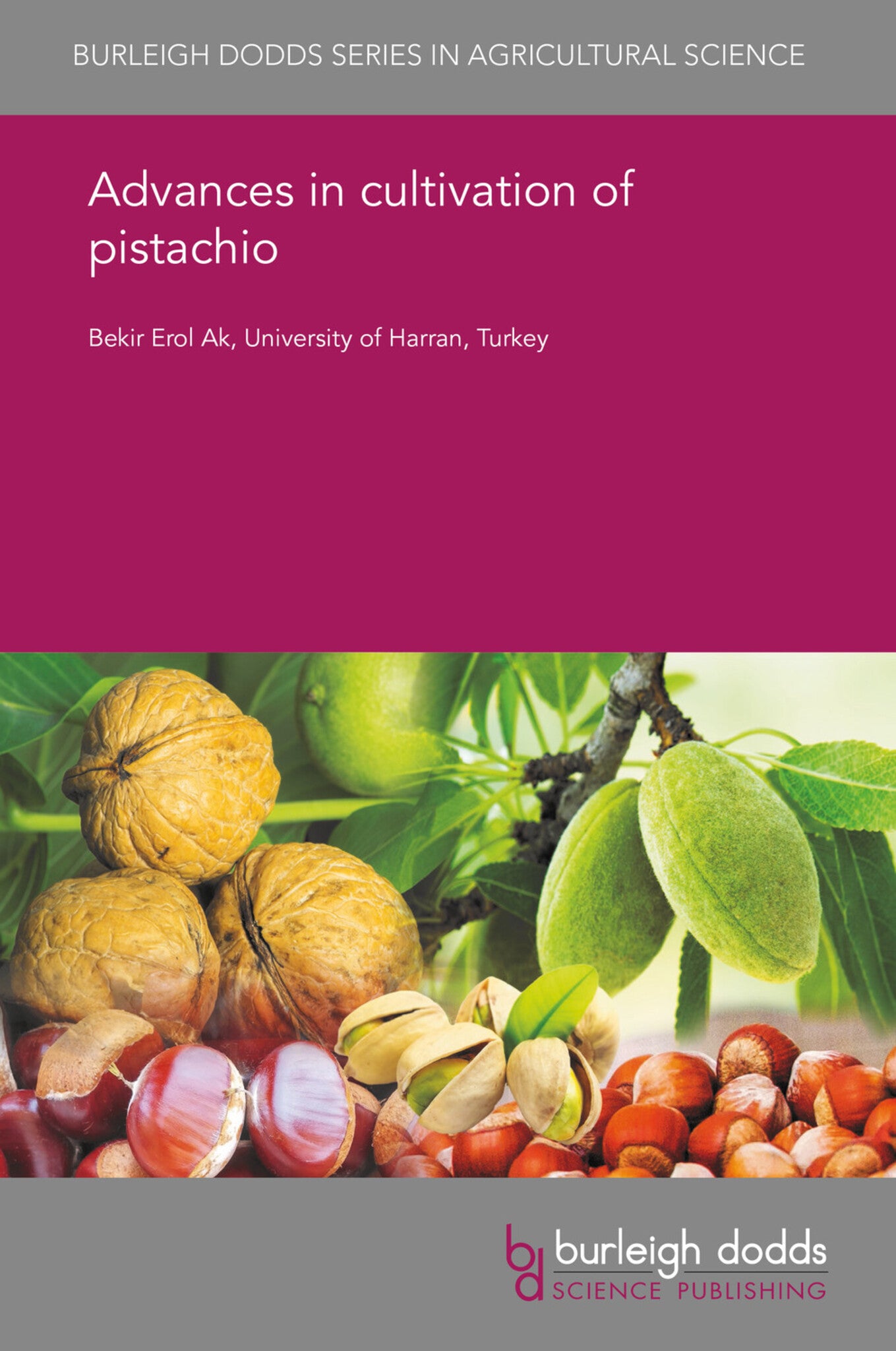
Advances in cultivation of pistachio
Pistachio is grown most intensively in Iran, Syria, Turkey and the USA. The other pistachio-producing regions are the Near East, North Africa and Southern Europe. The most important characteristics of pistachio nuts from a marketing viewpoint are large size, high percentage of shell splitting, lo...
Read MoreRegular price £25.00Sale price £25.00 Regular price £0.00Unit price per -
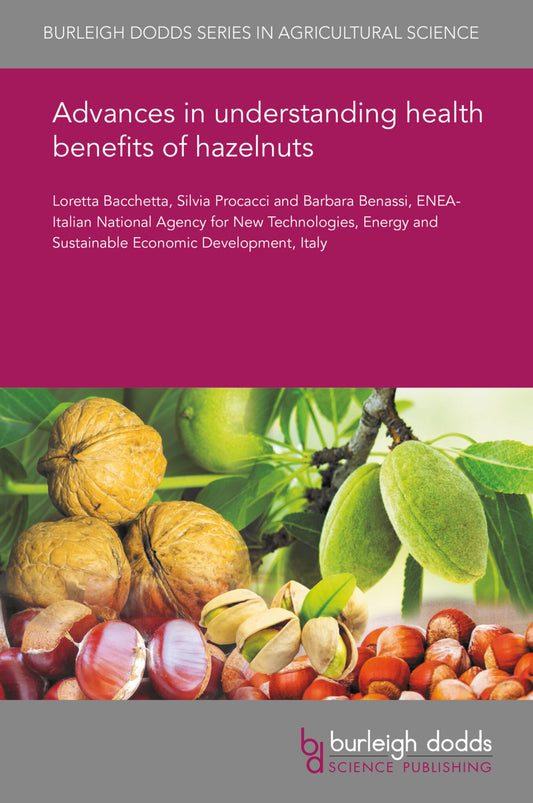
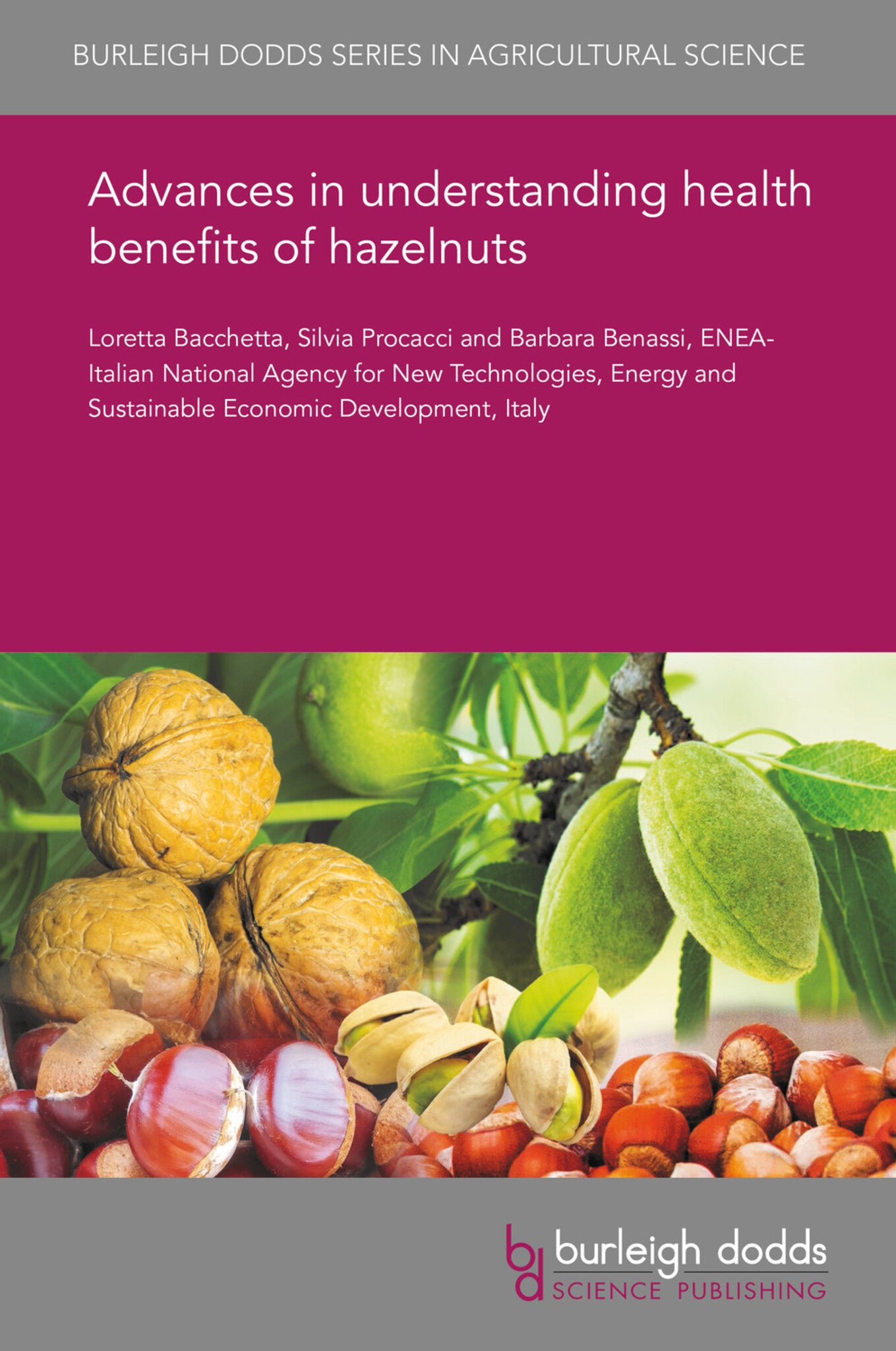
Advances in understanding health benefits of hazelnuts
Hazelnuts (Corylus avellana L.) are rich in fats, protein, valuable fibre content, phytonutrients and antioxidants such as vitamin E. The health benefits of hazelnut consumption arise from the synergic action of unsaturated fat or bioactive compounds including plant sterols and dietary fibre. Aft...
Read MoreRegular price £25.00Sale price £25.00 Regular price £25.00Unit price per -
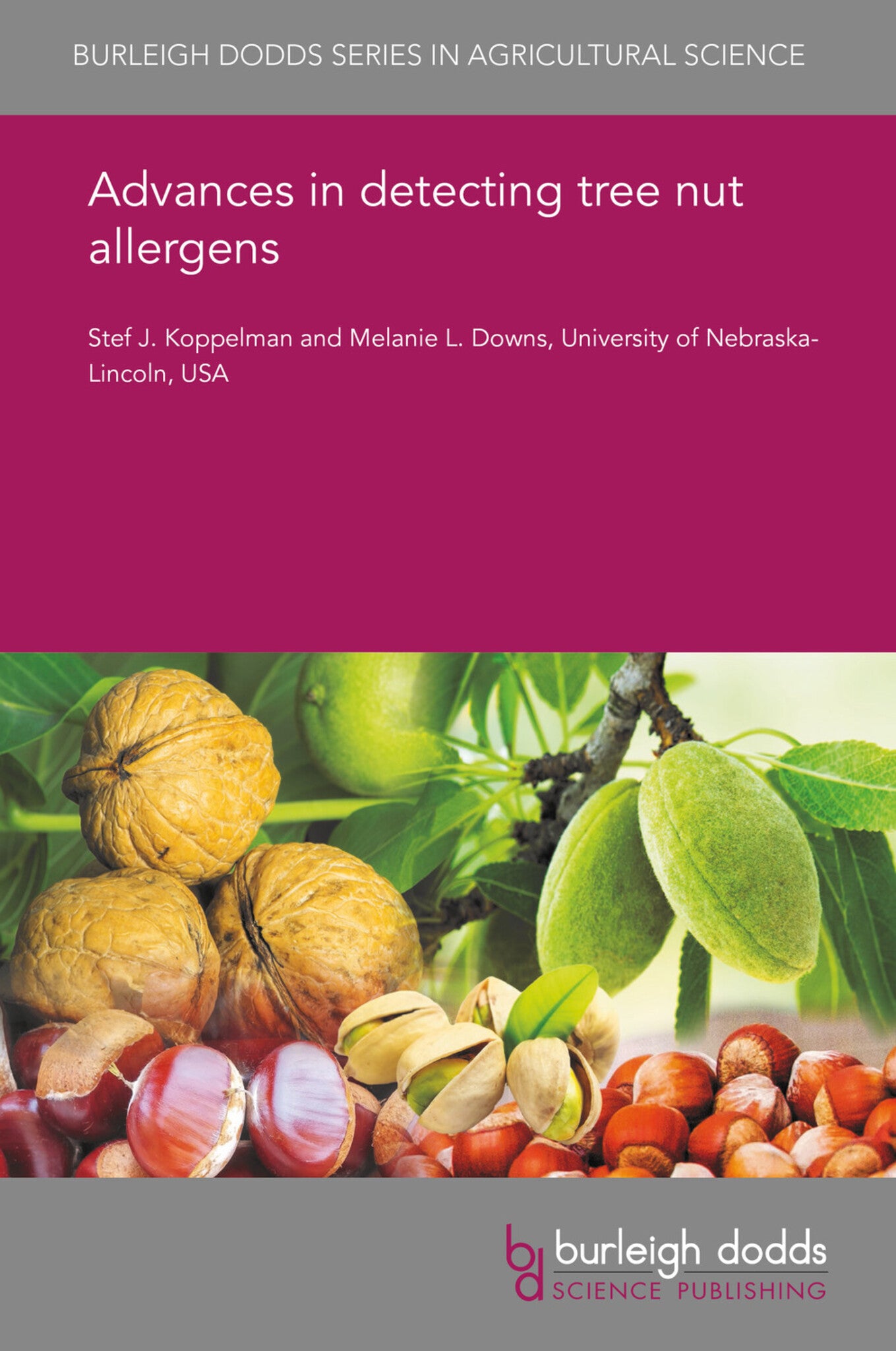
Advances in detecting tree nut allergens
Food allergy remains a major problem affecting consumers. Together with peanut, tree nuts belong to a small group of allergens responsible for the great majority of food allergies. This chapter begins by providing an overview of tree nut allergies and their prevalence. It then discusses allergeni...
Read MoreRegular price £25.00Sale price £25.00 Regular price £0.00Unit price per -
Uses and health benefits of chestnuts
Production and consumption of chestnut has shown a steady increase in recent years, driven by both increased consumer awareness about food composition and the health benefits of a nut-rich diet. This chapter provides an overview of the uses and health benefits of chestnuts (Castanea spp.). Starti...
Read MoreRegular price £25.00Sale price £25.00 Regular price £25.00Unit price per -
Advances in breeding of chestnuts
In the two last centuries, diseases and pests from Asia have been introduced in chestnut plantations in both Northern America and Southern Europe, jeopardizing indigenous populations and some local chestnut varieties. The societal demand for chestnut in these countries has considerably increased,...
Read MoreRegular price £25.00Sale price £25.00 Regular price £0.00Unit price per -
Advances in breeding of hazelnuts
Hazelnut (Corylus spp.) is a member of the Betulaceae family, and is widely distributed in temperate regions of the northern hemisphere. Cultivated varieties differ from each other in such characteristics as nut size, shape, kernel ratio, shell thickness, etc. Key target characteristics for breed...
Read MoreRegular price £25.00Sale price £25.00 Regular price £0.00Unit price per -
Advances in cultivation of walnuts
Walnuts as a crop has expanded considerably in production and value over the last 30 years. There has been a shift in dominant production area from California to China. While the United States is still the world’s largest exporter of walnuts China now dominates world production. This chapter prov...
Read MoreRegular price £25.00Sale price £25.00 Regular price £25.00Unit price per -
The nutritional and nutraceutical value of walnut
Walnut fruit is rich in vitamins, carbohydrates, minerals, proteins and unsaturated fats which promote human health. Walnut kernels also contain a very high amount of serotonin which is a neurotransmitter involved in regulating moods, feelings of happiness, sleep, anxiety and blood pressure. Waln...
Read MoreRegular price £25.00Sale price £25.00 Regular price £25.00Unit price per -
Tree nut cultivation, ecosystem services, biodiversity and conservation
There is growing concern about the impact of overuse of agricultural inputs on the environment which in turn has created a challenge for food production systems that should sustain acceptable production levels while preserving natural resources. It is now well-accepted that a holistic approach is...
Read MoreRegular price £25.00Sale price £25.00 Regular price £25.00Unit price per -
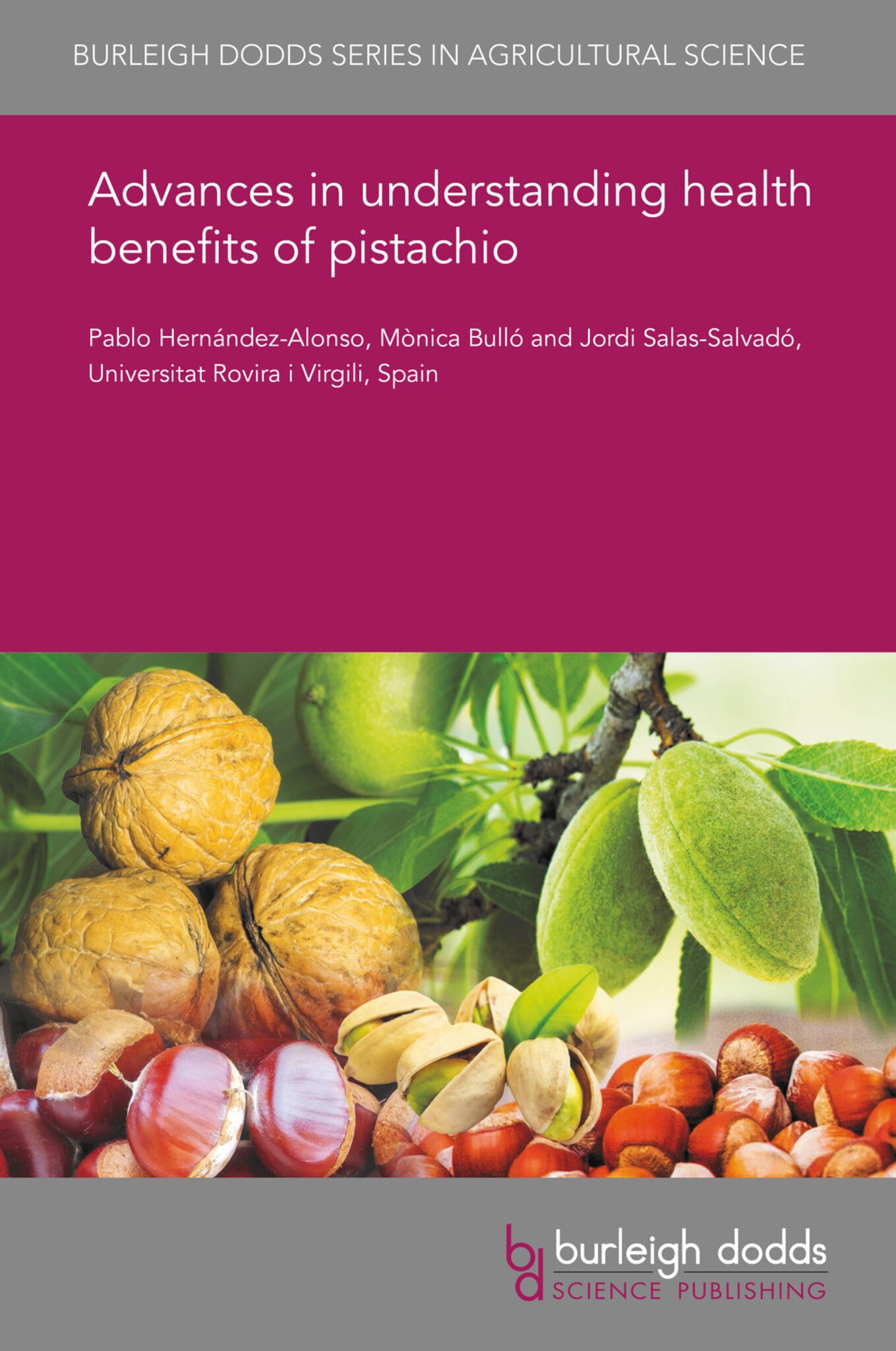
Advances in understanding health benefits of pistachio
The health benefits of nuts, mainly in relation to cardiovascular disease (CVD) but also for other chronic conditions, have been widely demonstrated in epidemiological studies and clinical trials. Among nuts, pistachio is a nut with a moderate amount of macronutrients and micronutrients. It is sp...
Read MoreRegular price £25.00Sale price £25.00 Regular price £25.00Unit price per -
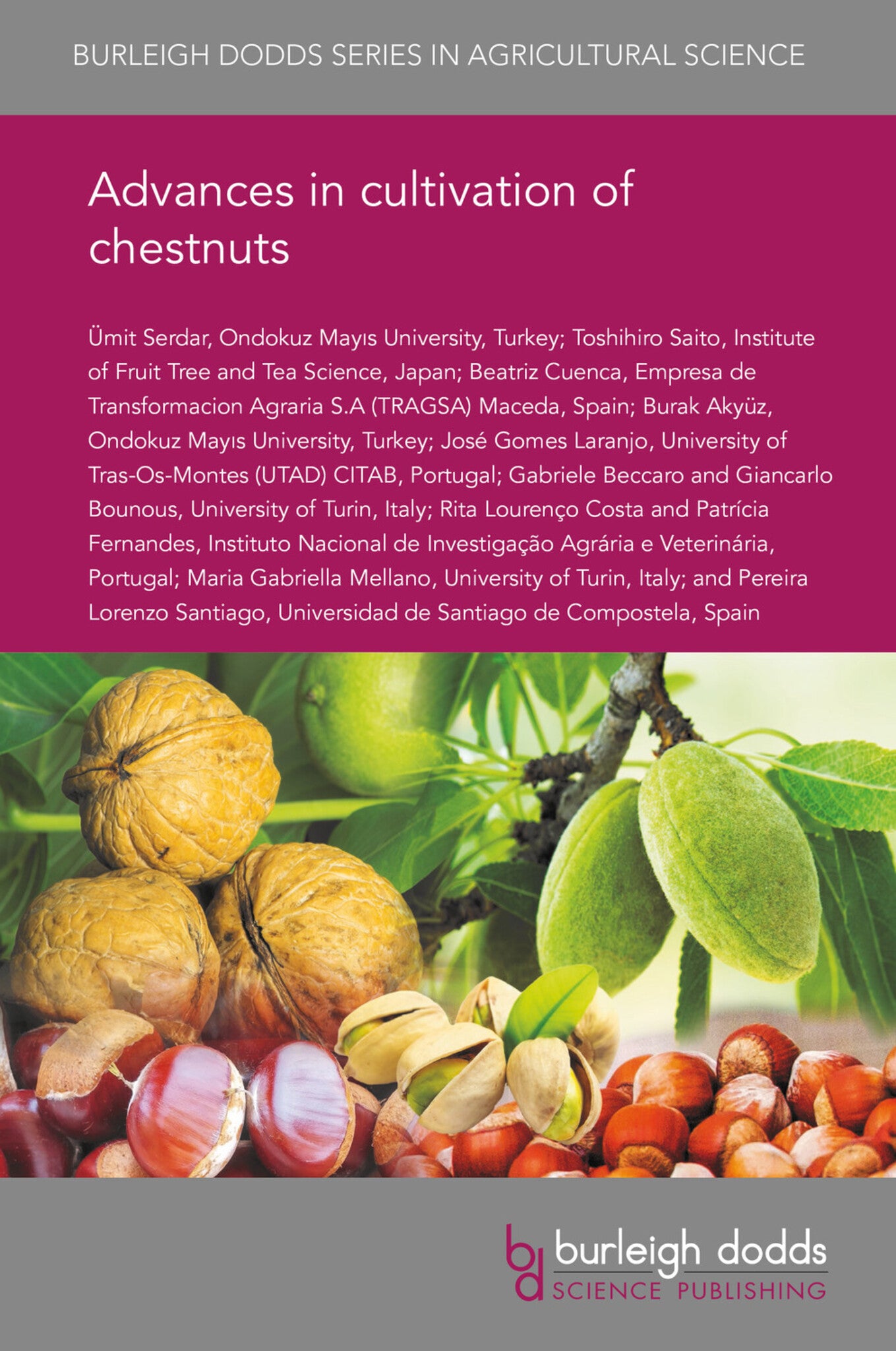
Advances in cultivation of chestnuts
Chestnut (Castanea), within the family Fagaceae, is a multipurpose tree that produces nuts and timber, as well as holds an important place in landscape and culture. The aim of this chapter is to present the current state of global cultivation of the Castanea species, in terms of its ecological ch...
Read MoreRegular price £25.00Sale price £25.00 Regular price £25.00Unit price per -
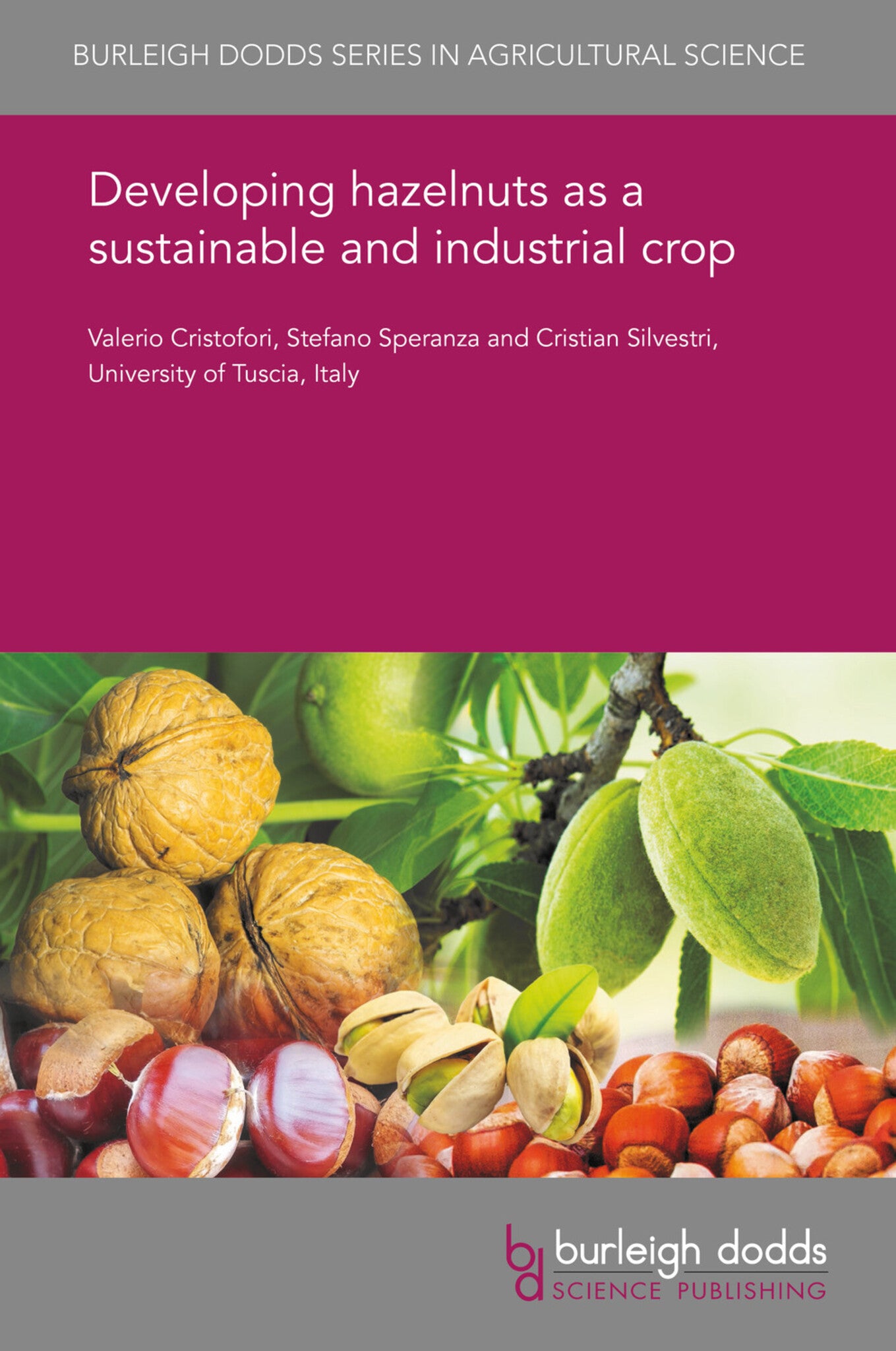
Developing hazelnuts as a sustainable and industrial crop
European hazelnut (Corylus avellana) is a major species of interest for food use and one of the few economically valuable commercial tree nut crops within the Betulaceae. Cultivated mainly in Turkey and Italy, this nut crop has been introduced into cultivation around the world, and global product...
Read MoreRegular price £25.00Sale price £25.00 Regular price £25.00Unit price per -
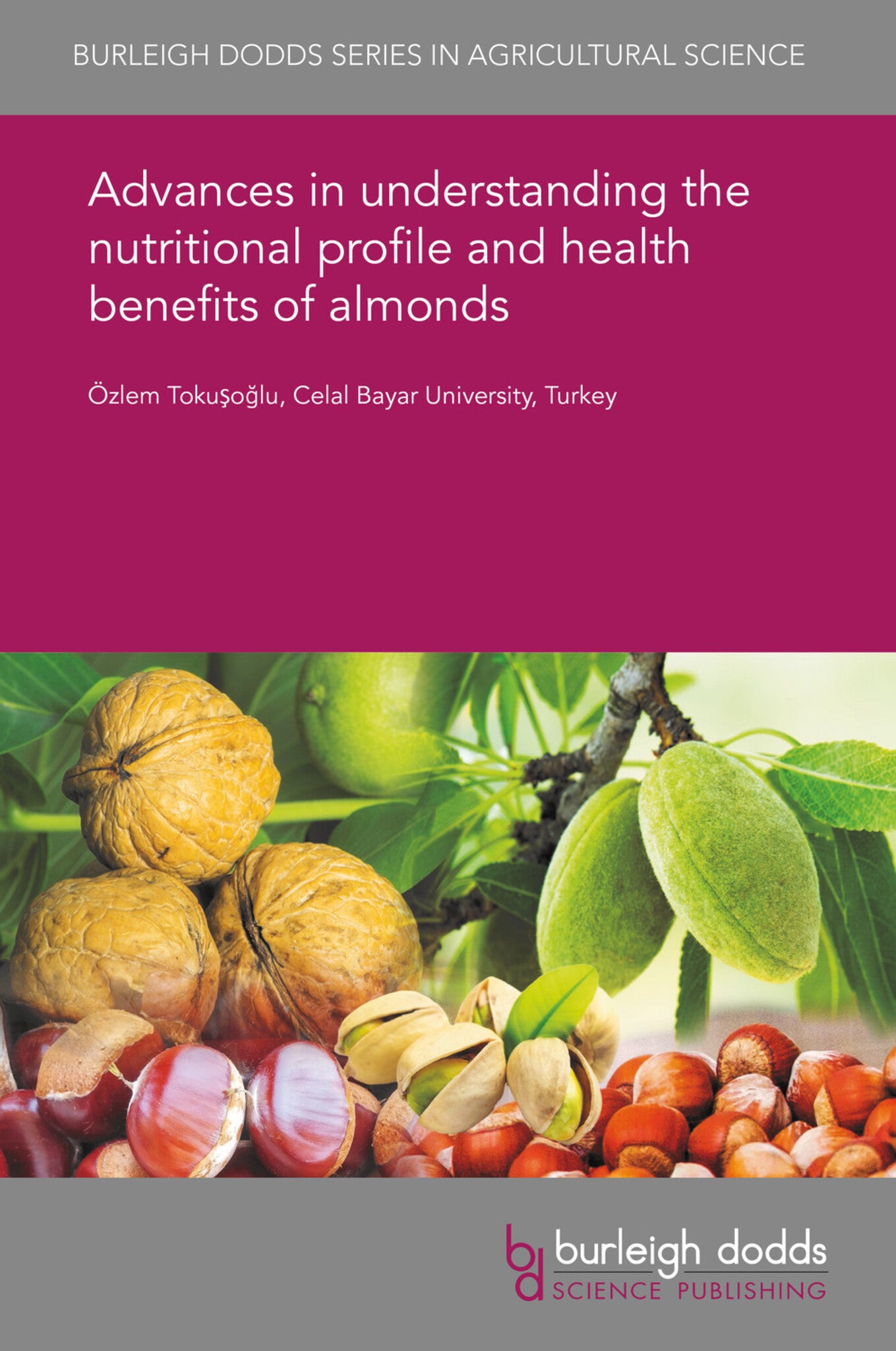
Advances in understanding the nutritional profile and health benefits of almonds
Almond (Prunus dulcis) is widely grown in countries with a Mediterranean climate and is considered a healthy source of many nutrients. This chapter discusses the nutritional composition of almonds and, in particular, those nutrients with nutraceutical properties, from phenolics and fatty acids to...
Read MoreRegular price £25.00Sale price £25.00 Regular price £25.00Unit price per -
Integrated disease management in tree nut cultivation
Integrated disease management and use of protocols and products that minimize the environmental impact are paramount needs in the cultivation of tree nuts. In this chapter, such approaches are proposed for chestnut cultivation and, specifically, for the management and mitigation of damage caused ...
Read MoreRegular price £25.00Sale price £25.00 Regular price £25.00Unit price per -
Pre- and post-harvest strategies to optimize fruit quality and shelf life
Ensuring a sustainable tree fruit industry with regard to post-harvest quality management involves engaging approaches and technologies that encompass both pre- and post-harvest issues. The adoption of new, non-destructive technologies is important for quantifying and evaluating the challenge of ...
Read MoreRegular price £25.00Sale price £25.00 Regular price £25.00Unit price per -


Sustainable plum and apricot cultivation
Sustainable fruit cultivation may depend on the combination of a number of factors; these include optimal growing conditions, correct selection of cultivars and rootstocks, and application of modern crop-cultivation techniques. Sustainability also implies promotion of biodiversity, improvement of...
Read MoreRegular price £25.00Sale price £25.00 Regular price £25.00Unit price per -


Challenges and opportunities in pear cultivation
Excessive vigor of European pear varieties and a dearth of dwarfing rootstocks create significant challenges to the establishment and management of modern high-density orchards. The pronounced negative relationship between pear tree vigor and precocity requires considerable intensive horticultura...
Read MoreRegular price £25.00Sale price £25.00 Regular price £25.00Unit price per

We're sorry. An error has occurred
Please cancel or retry.


