





Some error occured while loading the Quick View. Please close the Quick View and try reloading the page.
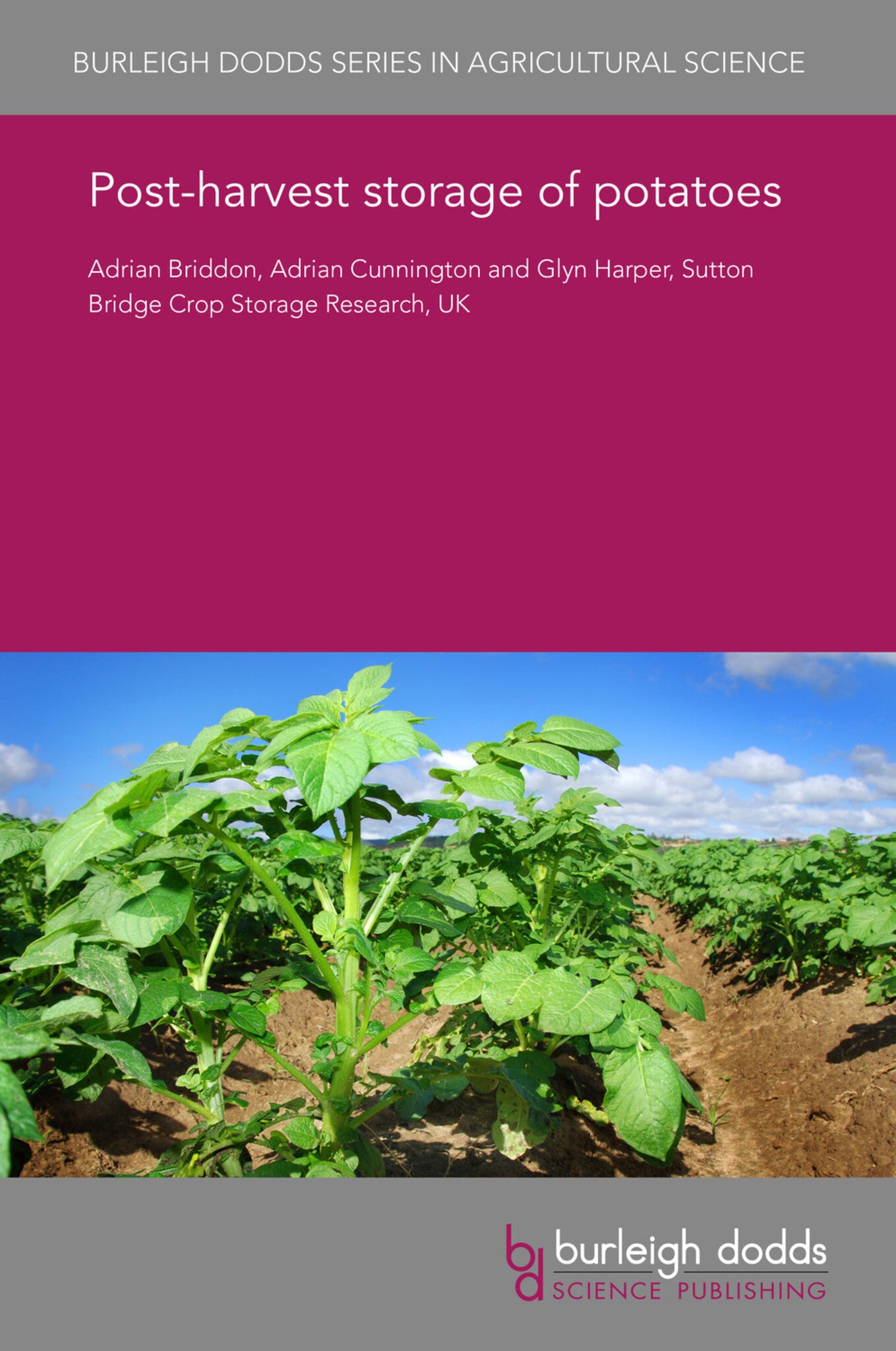
Storage is one component of the field to fork cycle and good storage can maintain the quality of the input tubers with positive benefits for the rest of the supply chain. This chapter reviews the mechanisms underlying potato spoilage and discusses key techniques for storing potatoes to maintain quality and shelf life, with where possible and as little reliance on agrochemical usage as possible, to conform to current and forthcoming legislation. This is crucial to maximise the profit of potato production to enable progressive and sustainable agriculture. The principal tool available to the store manager is the control of air, as the means by which temperature and humidity are controlled, chemical treatments are delivered, oxygen is maintained and carbon dioxide removed. Pathological and physiological factors both impact on quality and these are discussed in relation to available current practical, effective, storage control methods.

Price: £25.00
Publisher: Burleigh Dodds Science Publishing
Imprint: Burleigh Dodds Science Publishing
Series: Burleigh Dodds Series in Agricultural Science
Publication Date:
07 September 2018
ISBN: 9781786763815
Format: eBook
BISACs:

1 Introduction 2 Quality of crop entering store 3 Management of disease 4 Management of sprouting 5 Management of non-pathological disorders 6 Store management 7 Conclusion 8 Future trends 9 Where to look for further information 10 References