


-
Instant insights: pesticide residues in agriculture
This collection features three peer-reviewed literature reviews on pesticide residues in agriculture.
Regular price £37.99Sale price £37.99 Regular price £37.99Unit price per -


Nutritional considerations for soybean meal use in poultry diets
The poultry feed industry uses about 50% of the soybean meal (SBM) produced in the United States each year. The meal is valuable to the animal feed industry because it is an excellent source of amino acids that would otherwise be lost to the human food chain after the oil has been removed from t...
Read MoreRegular price £25.00Sale price £25.00 Regular price £25.00Unit price per -
Advances in pest-resistant varieties of soybean
A number of insect pests have been threatening soybean production in North America, including lepidopteran defoliators, coleopteran defoliators and hemipteran sapsuckers. Among various control methods, host-plant resistance has been of the greatest interest as it is economically and environmental...
Read MoreRegular price £25.00Sale price £25.00 Regular price £25.00Unit price per -
Fungal diseases affecting oil palm
Oil palm is prone to attack by a number of fungal diseases such as basal stem rot (BSR), Fusarium wilt (vascular wilt) and bud rot disease. To date, only partial resistance materials have been identified for BSR. This chapter provides further insights on the BSR that is a major problem for planta...
Read MoreRegular price £25.00Sale price £25.00 Regular price £25.00Unit price per -
Integrated weed management in soybean cultivation
Almost all soybean fields have weed infestations that must be managed by farmers to sustain economic viability. This chapter reviews the integrated weed-management approach, which utilizes the contributions of plant breeding, cultural, mechanical and chemical practices in suppressing weed populat...
Read MoreRegular price £25.00Sale price £25.00 Regular price £25.00Unit price per -

Bioactive compounds in oil palm
There is growing evidence for the protective effect of plant bioactives against diseases, and this has led to interest from the functional food and nutraceutical industries for the development of bioactive-enriched food and supplements. The oil palm fruit is a source of both lipid- and water-solu...
Read MoreRegular price £25.00Sale price £25.00 Regular price £25.00Unit price per -
Bacterial and viral diseases affecting soybean production
Pathogens of soybean include bacteria, fungi, nematodes, oomycetes, parasitic plants and viruses. Losses due to diseases are estimated to be about 14% of total soybean production. In this chapter, we review bacterial blight, pustule, tan spot and wilt, as well as a few other bacterial diseases af...
Read MoreRegular price £25.00Sale price £25.00 Regular price £25.00Unit price per -
Diseases affecting tea plants
Tea plantations are attacked by a number of pathogens which reduce yields and shorten the lifespan of tea bushes. This chapter reviews major diseases which pose a threat to tea production. It considers recent advances in disease diagnosis, understanding of host-pathogen interactions and managemen...
Read MoreRegular price £25.00Sale price £25.00 Regular price £25.00Unit price per -
Integrated pest management in sustainable palm oil production
Integrated Pest Management (IPM) is central to sustainable palm oil production. This chapter explores the rapid expansion of oil palm and its impact on the environment, the range of pest species found in plantations, and the impact of replanting on pest numbers. The chapter introduces the concept...
Read MoreRegular price £25.00Sale price £25.00 Regular price £25.00Unit price per -
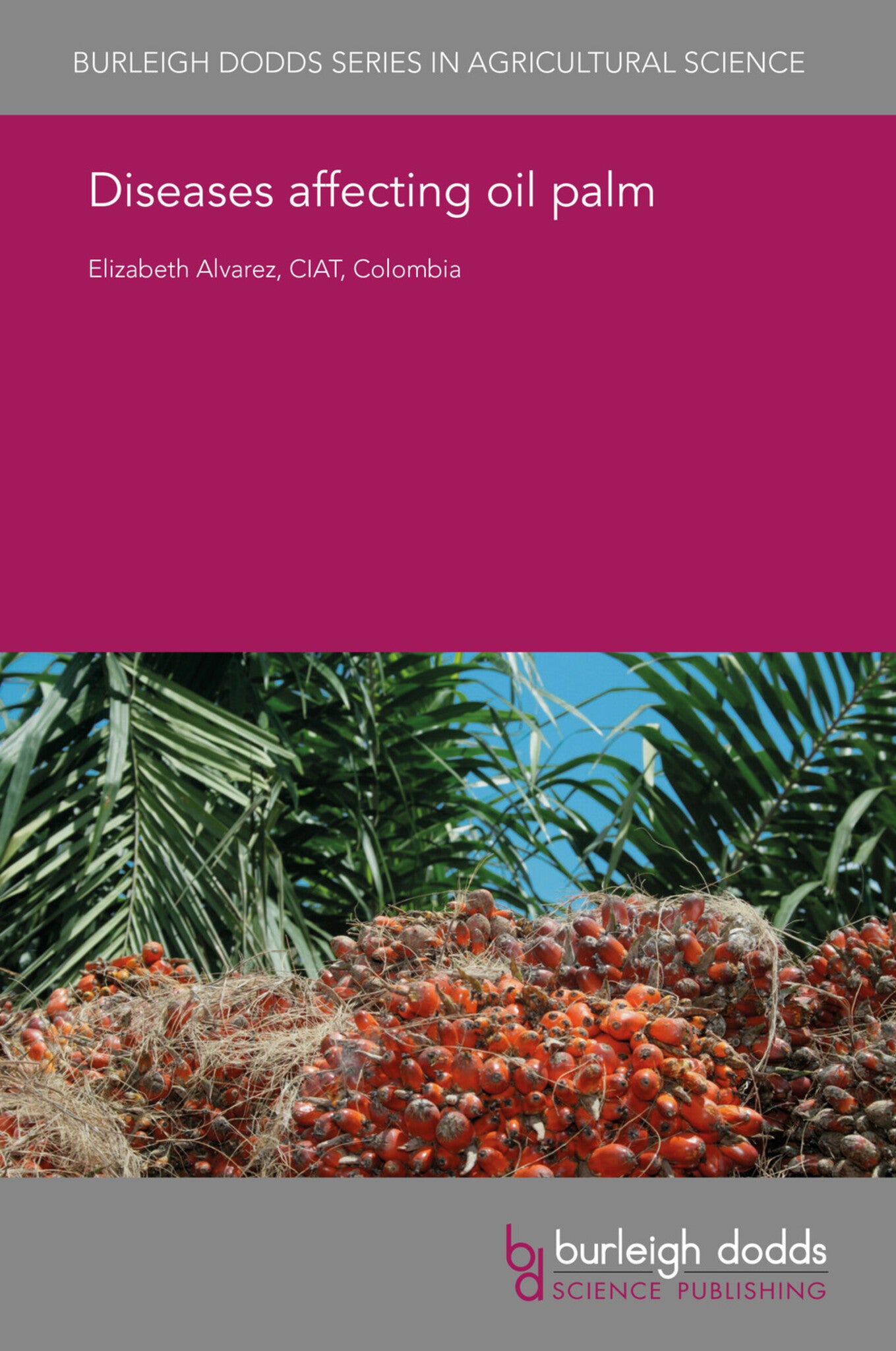
Diseases affecting oil palm
The oil palm (Elaeis guineensis Jacq.) is one of the world’s major sources of edible oil and a precursor of biodiesel fuel. This chapter reviews the oil palm diseases which act as a major production constraint in West Africa, South East Asia and South and Central America. The chapter also describ...
Read MoreRegular price £25.00Sale price £25.00 Regular price £25.00Unit price per -
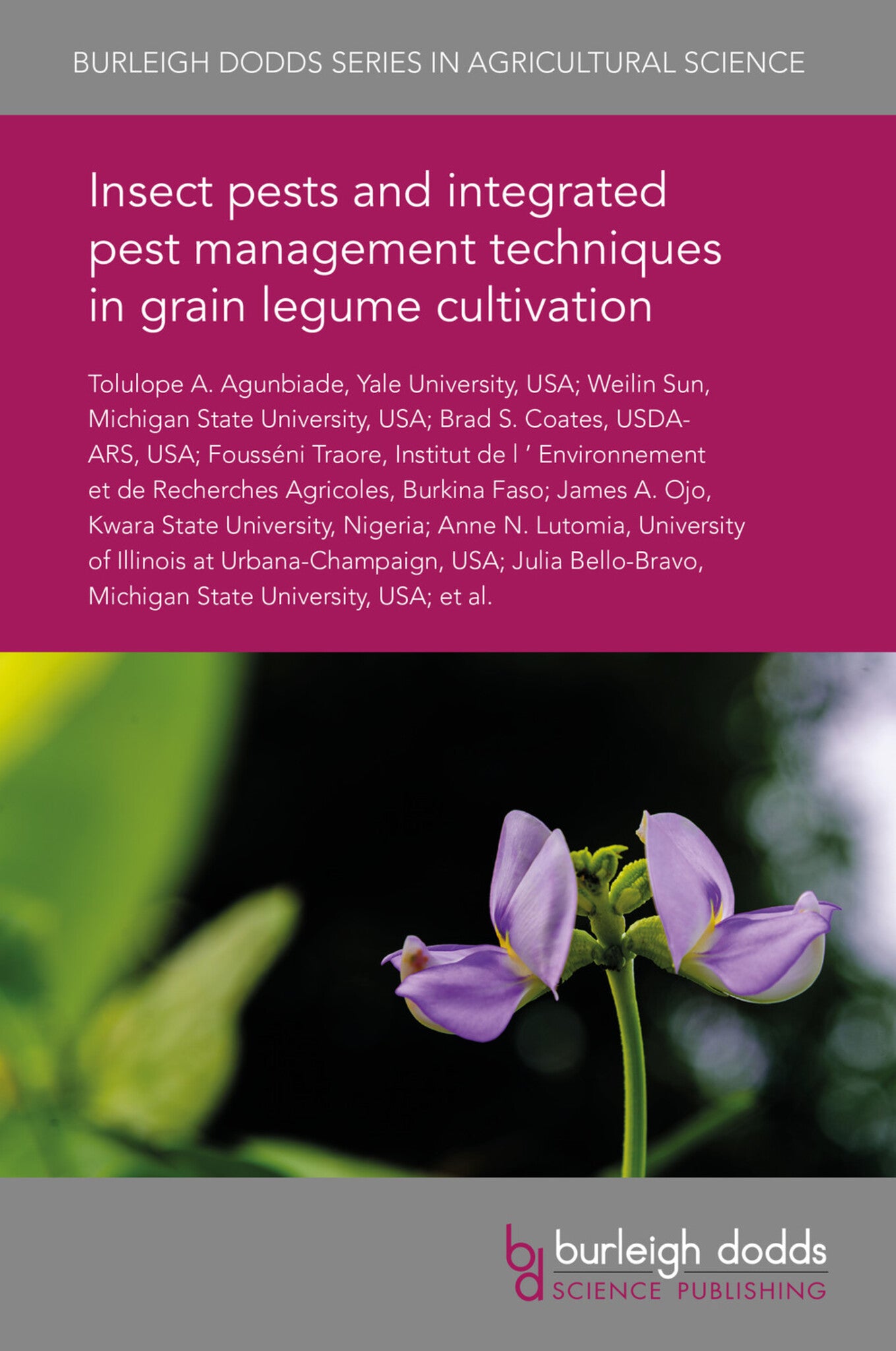
Insect pests and integrated pest management techniques in grain legume cultivation
Cowpea is a major staple legume food crop grown and consumed in the dry savanna regions of sub-Saharan West Africa. Cowpea provides much-needed income to both farmers and traders; cowpea grain is also a major source of protein for the growing human populations, particularly, women, infants and ch...
Read MoreRegular price £25.00Sale price £25.00 Regular price £25.00Unit price per -
Weed management in grain legume cultivation
The importance of managing weeds in a grain legume crop is critical for obtaining optimum yield. All grain legumes are relatively poor competitors with weeds and thus are prone to yield reductions when grown in the presence of weeds. This chapter outlines the nature and challenges of weed interfe...
Read MoreRegular price £25.00Sale price £25.00 Regular price £25.00Unit price per -
Oomycete and fungal pathogens of soybean
Soybean production faces numerous biotic challenges, leading to significant yield losses each year. This chapter addresses oomycete and fungal pathogens of soybean. Case studies on the oomycete pathogens Phytophthora sojae and Pythium species as well as the true fungi Cercospora sojina, Phakopsor...
Read MoreRegular price £25.00Sale price £25.00 Regular price £0.00Unit price per -
Advances in disease-resistant varieties of soybean
Soybean yields worldwide are reduced by a variety of diseases. Advances in breeding techniques have facilitated the development of soybean cultivars with broader and more durable resistance, but continued reliance on a small number of major resistance genes remains a concern. Introgression of res...
Read MoreRegular price £25.00Sale price £25.00 Regular price £25.00Unit price per -
Nematode pathogens of soybean
In general, plant-parasitic nematodes that may detrimentally affect soybean production are microscopic roundworms that feed on or are in plant roots. This chapter examines the origins and management of a variety of parasitic nematodes affecting soybean, including soybean cyst nematodes, root-knot...
Read MoreRegular price £25.00Sale price £25.00 Regular price £25.00Unit price per -
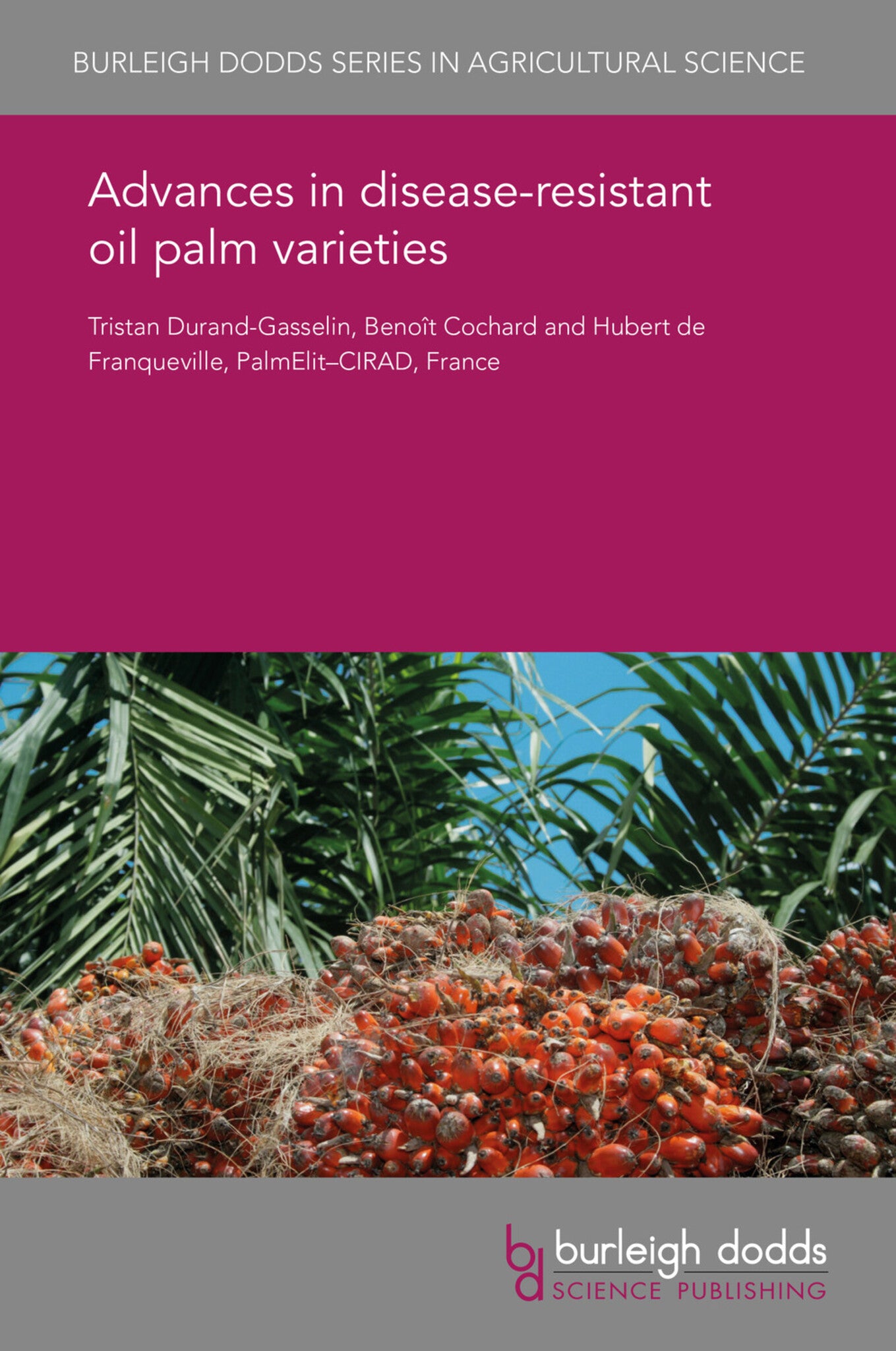
Advances in disease-resistant oil palm varieties
This chapter describes advances in the breeding of disease-resistant varieties of oil palm, presenting the key issues associated with oil palm disease resistance, including the usefulness and sustainability of resistance and the agricultural practices required to enable it. The chapter focusses o...
Read MoreRegular price £25.00Sale price £25.00 Regular price £0.00Unit price per -
Developing pest- and disease-resistant cultivars of grain legumes
Average yields of most grain legumes are still relatively low due to limited adaptability of available cultivars to a broad range of environmental conditions, and susceptibility to pests and diseases. This chapter explores current knowledge of pest- and disease-resistant cultivars of a variety of...
Read MoreRegular price £25.00Sale price £25.00 Regular price £25.00Unit price per -
Insect pests affecting oil palms
Monocultures – including oil palm – are known to induce strong parasitic pressure. Coleoptera and Lepidoptera are the main insect pests affecting oil palms in all continents where it is cultivated. This chapter offers an overview of the major types of oil palm pests (23 species) that have been se...
Read MoreRegular price £25.00Sale price £25.00 Regular price £25.00Unit price per -


The integrated management of bud rot disease and phytophthora palmivora in oil palm
This chapter provides an overview of research on oil palm bud rot disease which severely affects palm oil production in Central and South America. The chapter reviews the approaches adopted in identifying the causative agent and managing the disease. The chapter describes recent research undertak...
Read MoreRegular price £25.00Sale price £25.00 Regular price £25.00Unit price per -
Life cycle assessments of oil palm products
It is crucial to adapt models and tools that enable the identification of best oil palm cultivation practices in order to contribute to reduce the environmental impacts of agriculture. Oil palm causes impact on the environment both during cultivation and as a result of land use change for new pl...
Read MoreRegular price £25.00Sale price £25.00 Regular price £25.00Unit price per -
Grain legume–cereal intercropping systems
There is currently renewed interest in intercropping in Europe in order to achieve sustainable, ecological or eco-functional intensification of agricultural production, particularly in organic farming. This chapter summarises data from over 50 field experiments undertaken since 2001 on cereal–gra...
Read MoreRegular price £25.00Sale price £25.00 Regular price £25.00Unit price per -
Improving the nutritional value of soybean
Soybean is grown for its high oil and protein concentration and profile in the seed. Numerous studies have been carried out to determine the underlying genetics of soybean seed composition traits and develop molecular markers that can aid in the breeding of soybean cultivars with enhanced nutriti...
Read MoreRegular price £25.00Sale price £25.00 Regular price £25.00Unit price per -
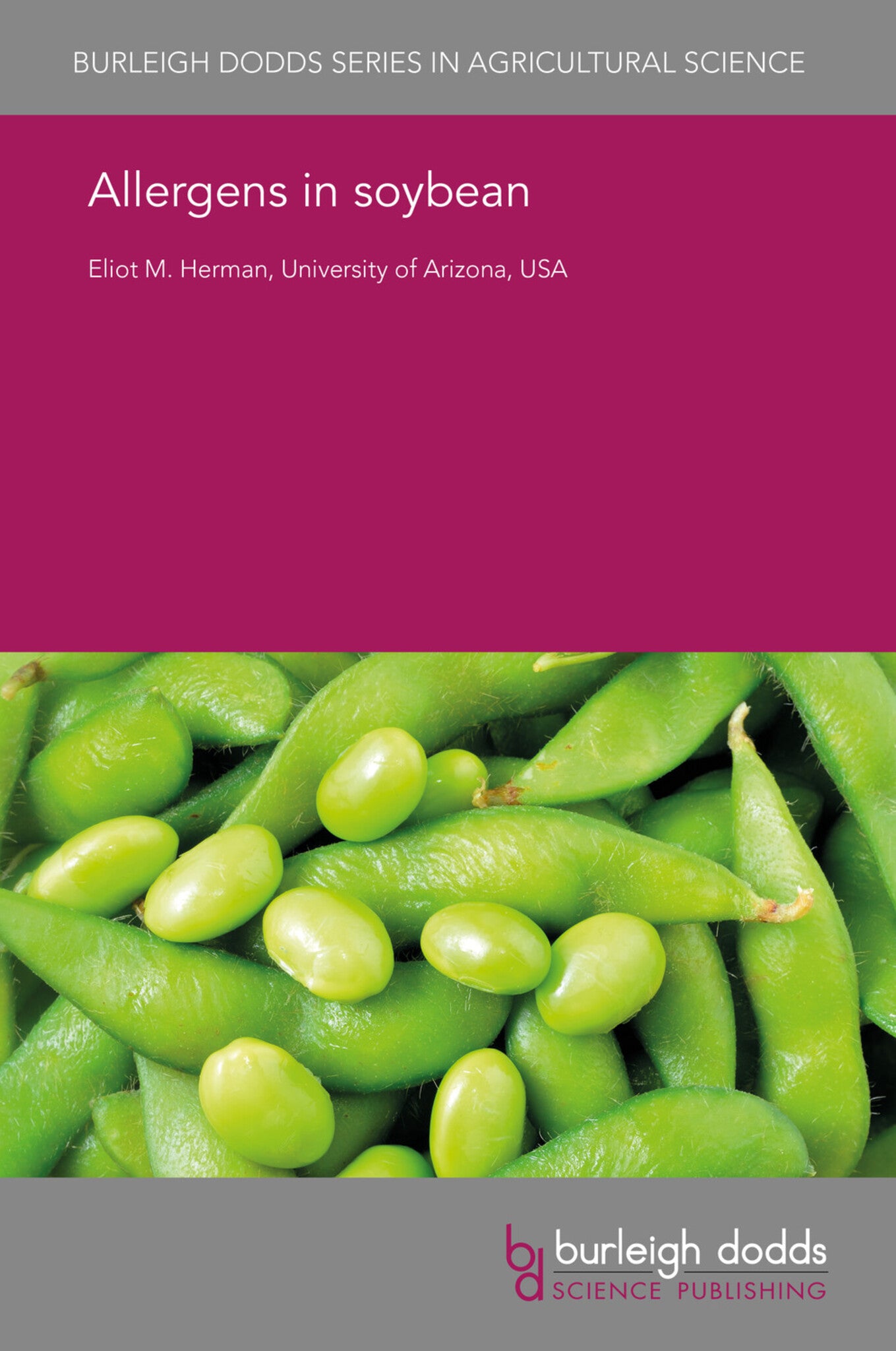
Allergens in soybean
Soybean protein is one of the most significant sources of food allergens and intolerance, causing both IgE-mediated allergy and food protein-induced endocolitis syndrome (FPIES). This chapter first discusses the mechanisms causing allergies and infantile food intolerance. It reviews what we know ...
Read MoreRegular price £25.00Sale price £25.00 Regular price £25.00Unit price per -
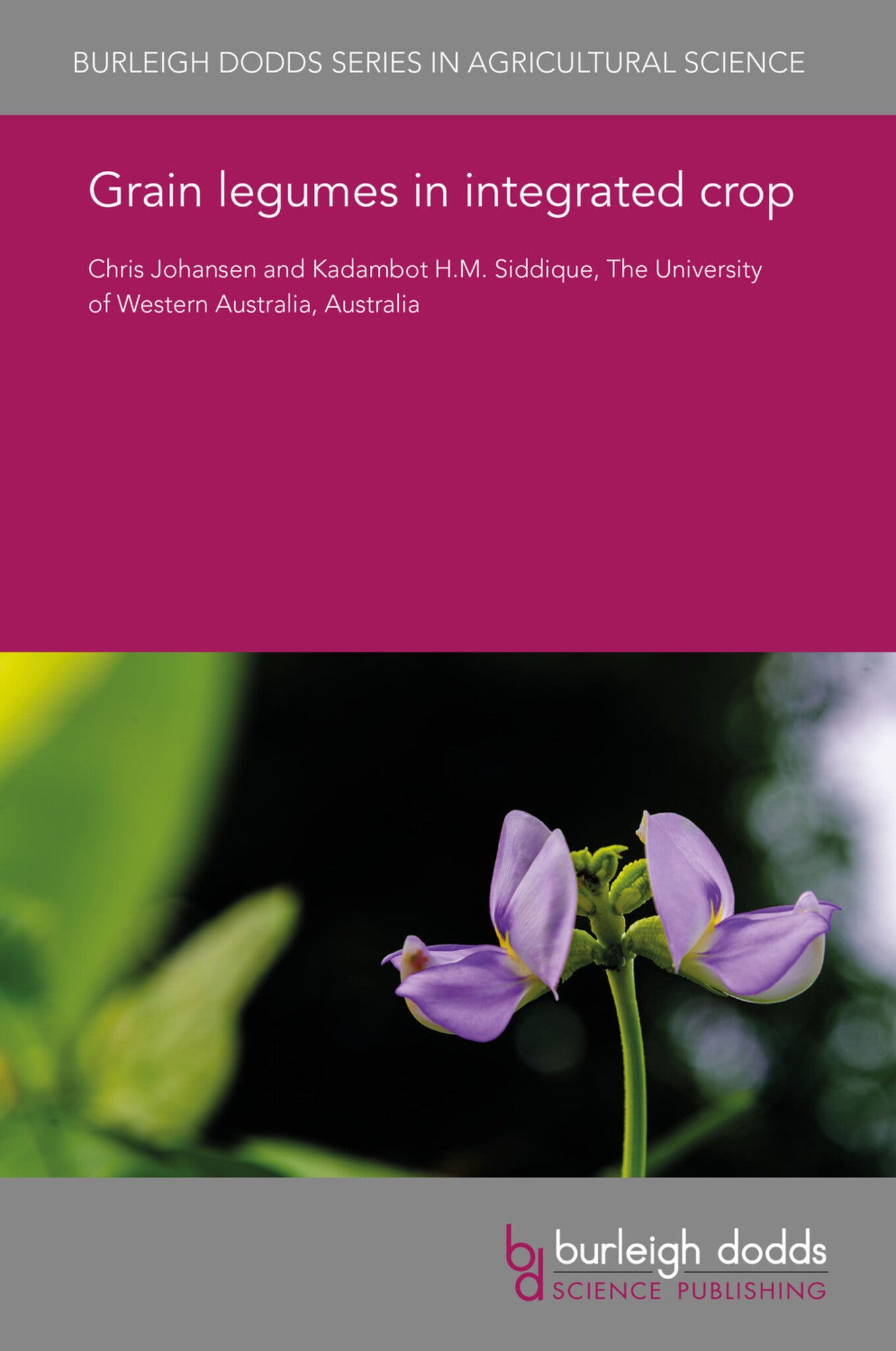
Grain legumes in integrated crop management systems
This chapter focuses on integrated crop management strategies to increase grain legume production in rainfed, resource-poor farming systems. Generally, grain legumes fail to reach even half of their potential yields in these systems. For rainfed grain legumes the major contributor to the yield ga...
Read MoreRegular price £25.00Sale price £25.00 Regular price £25.00Unit price per -
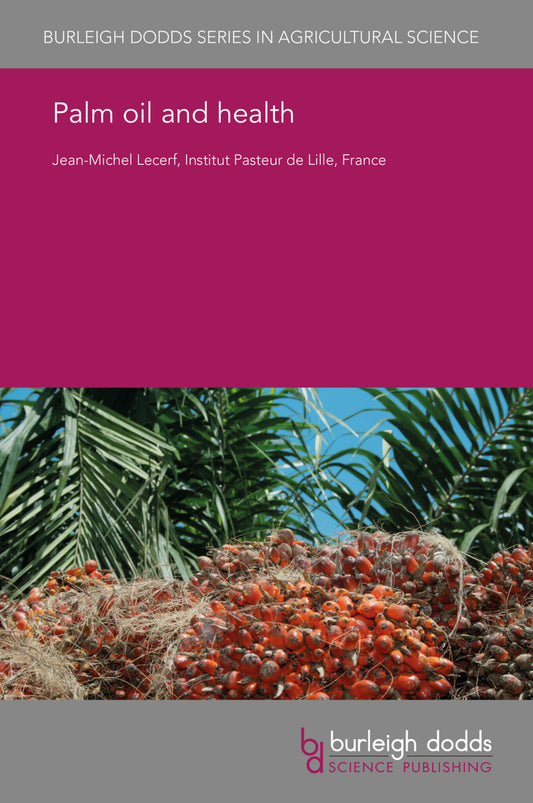
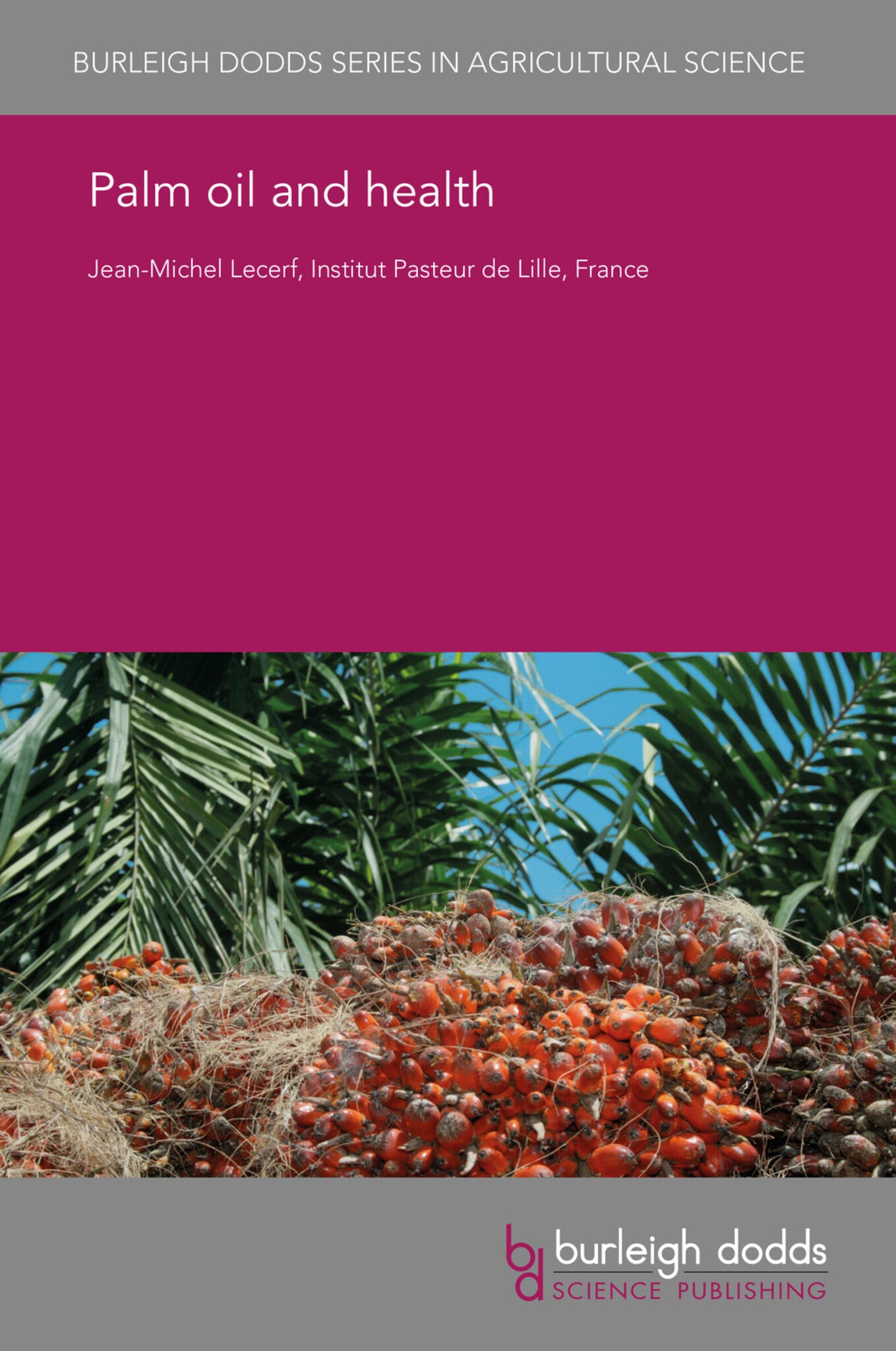
Palm oil and health
Palm oil is often criticized for its supposed effects on human health, due to its high saturated fatty acid content. However, it is this high saturated fatty acid content (50%) which makes it a solid oil, and therefore a good technological alternative to partially hydrogenated trans fatty acids. ...
Read MoreRegular price £25.00Sale price £25.00 Regular price £25.00Unit price per -
Drying, handling, storing and quality monitoring of pulses
Pulses are an affordable, vegetarian source of protein. They are low in fat, high in carbohydrates and a rich source of micronutrients, amino acids and vitamins. This chapter discusses on how drying, storing and handling of pulses can adversely affect their quality. It reviews how pulse quality i...
Read MoreRegular price £25.00Sale price £25.00 Regular price £25.00Unit price per -
Soil and nutrient management in grain legume cultivation
Due to their role in improving soil fertility, grain legumes can be integrated into farming systems as part of soil fertility management. This offers a potential pathway towards sustainable intensification. In this chapter we focus on how to maximize biological nitrogen fixation and yields of gra...
Read MoreRegular price £25.00Sale price £25.00 Regular price £25.00Unit price per -
Planting and cultivation of tea
Originating in natural forests characterized by warm and humid environmental conditions and nutrient-rich soils, tea’s growth and yield largely depend on climatic and soil factors of the land. Frequent removal of photosynthetically active tea shoots (harvesting) and periodic removal of leaf-beari...
Read MoreRegular price £25.00Sale price £25.00 Regular price £25.00Unit price per -
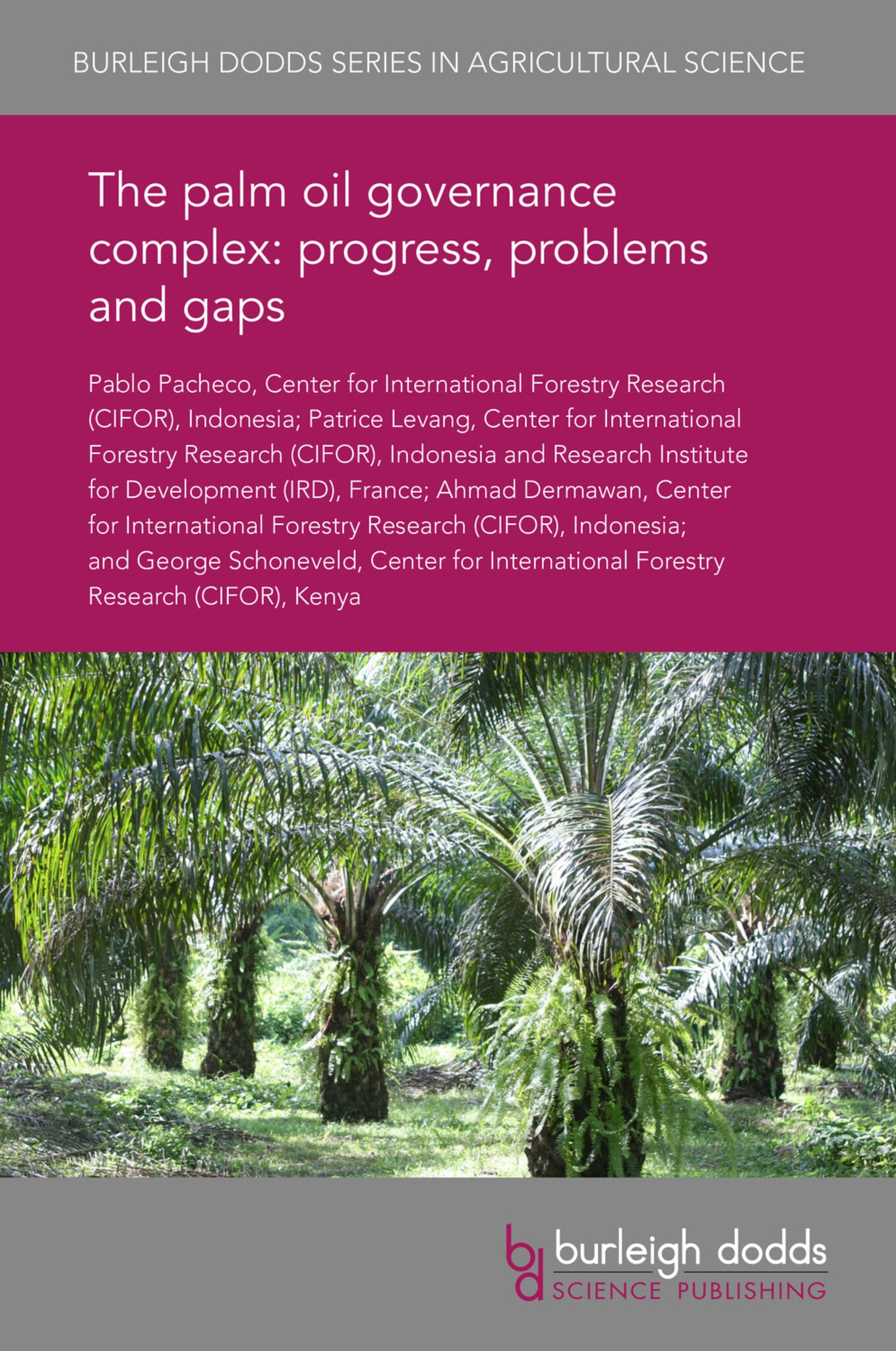
The palm oil governance complex: progress, problems and gaps
Oil palm expansion has delivered economic development in host countries, including indirect benefits for local infrastructure development and rural poverty reduction, and multiplier effects for the national economies. However, its development has often come at the cost of basic rights and of biod...
Read MoreRegular price £25.00Sale price £25.00 Regular price £25.00Unit price per -
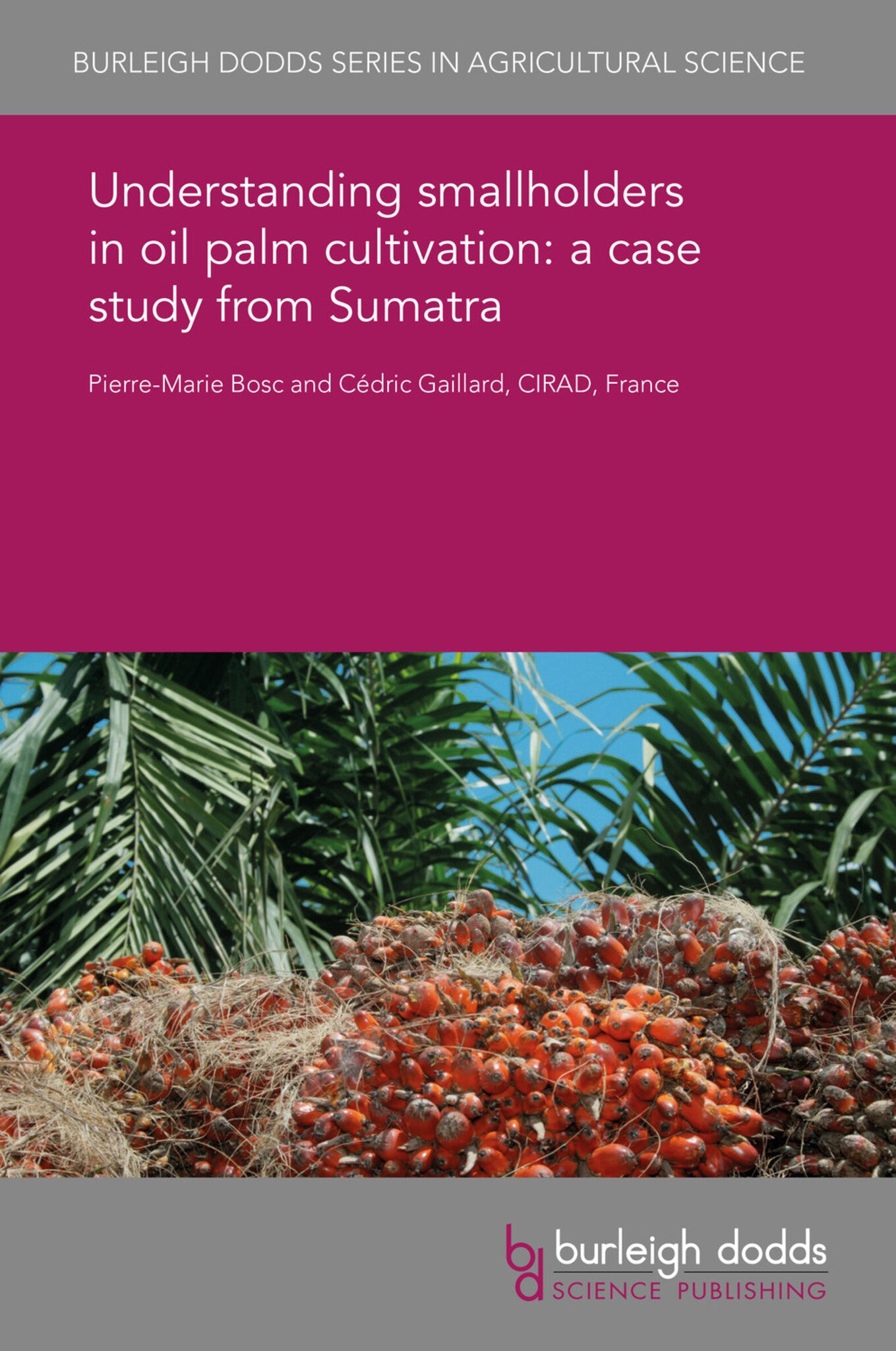
Understanding smallholders in oil palm cultivation: a case study from sumatra
This chapter provides insights about oil palm smallholders in the Riau province of Sumatra, Indonesia, based on two recent sets of data. Based on two surveys conducted in 2013 and in 2015, the chapter characterises smallholders’ production structures, relying on the methodological framework elabo...
Read MoreRegular price £25.00Sale price £25.00 Regular price £25.00Unit price per -
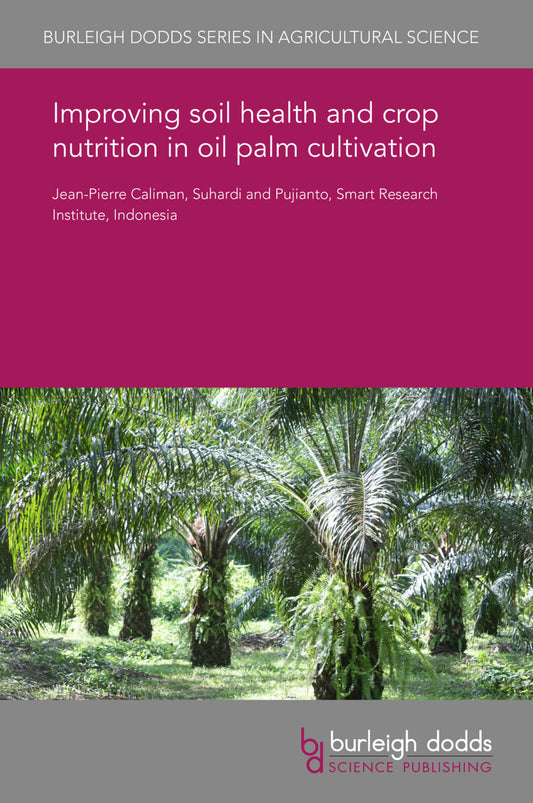
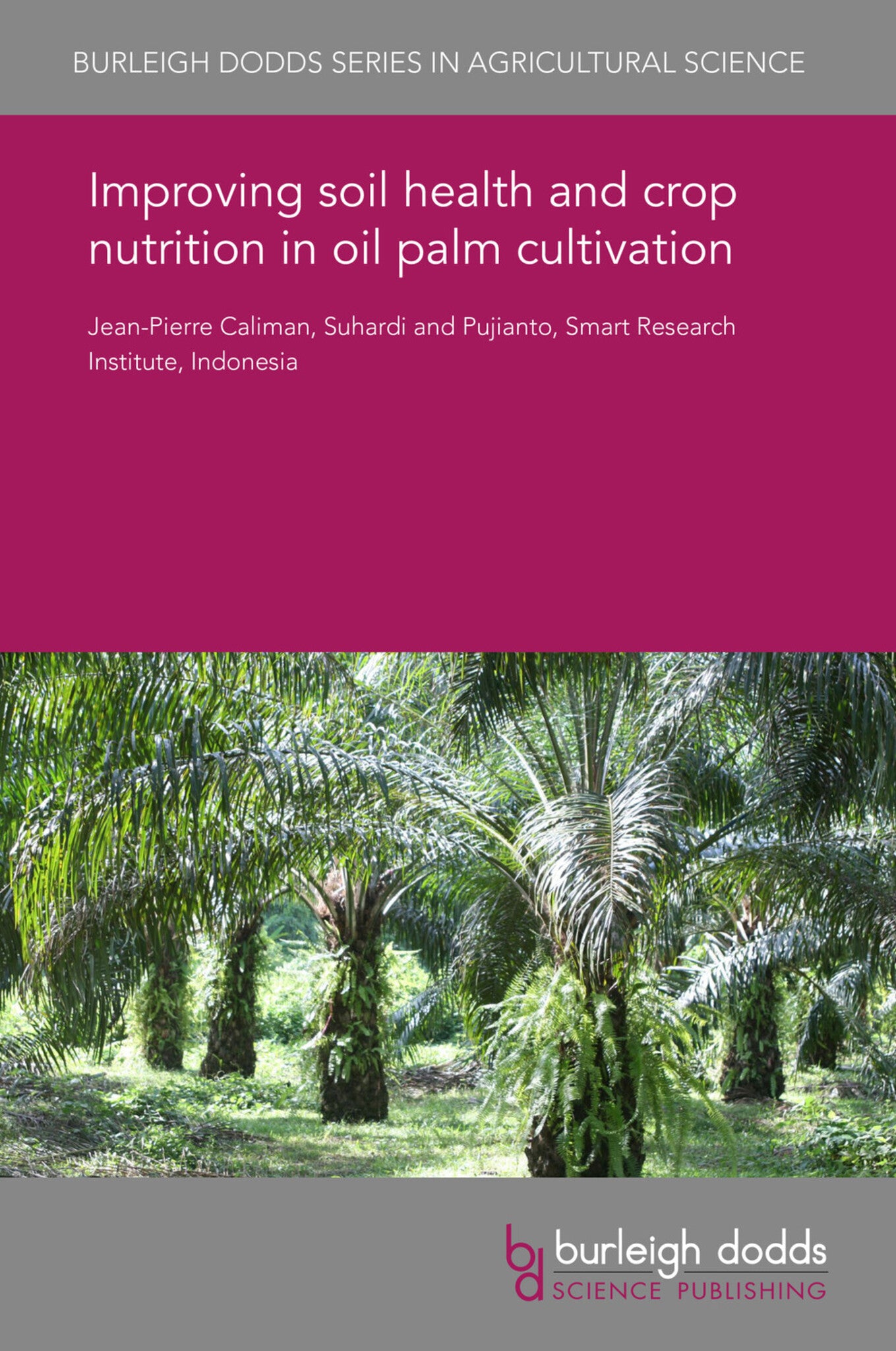
Improving soil health and crop nutrition in oil palm cultivation
Soil health is increasingly regarded as a key factor in oil palm nutrition and productivity. This chapter presents the current state of knowledge about soil and nutrient management through several examples of efficient and productive oil palm cultivation. The chapter highlights the challenges whi...
Read MoreRegular price £25.00Sale price £25.00 Regular price £25.00Unit price per -
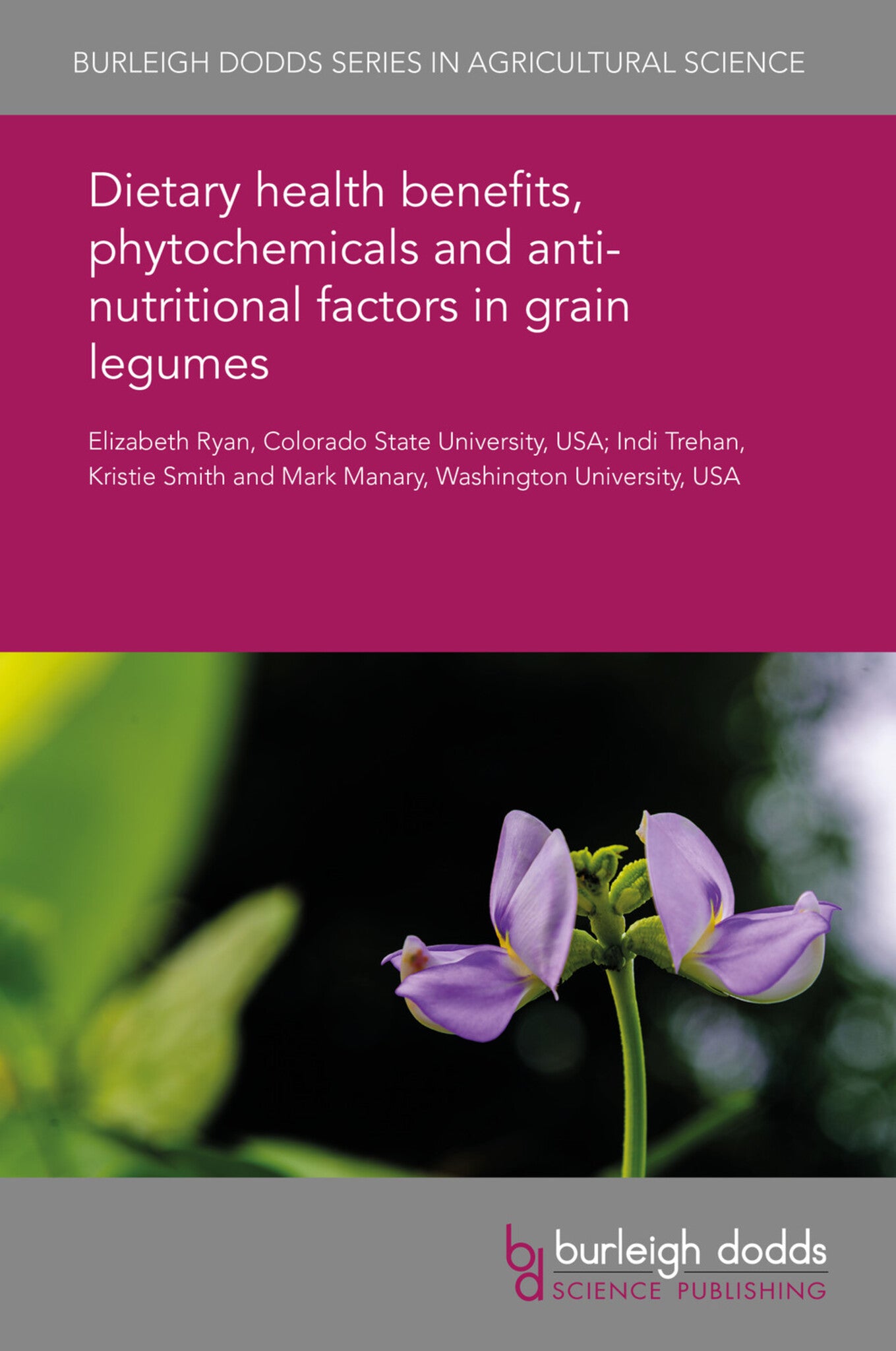
Dietary health benefits, phytochemicals and anti-nutritional factors in grain legumes
Legumes are a significant source of essential nutrients including dietary fibres, proteins, dietary minerals, and carbohydrates. Abundant in both soluble and insoluble fibre, legumes support colonic and overall health. The chapter describes the impact of grain legume consumption on inflammation, ...
Read MoreRegular price £25.00Sale price £25.00 Regular price £25.00Unit price per -
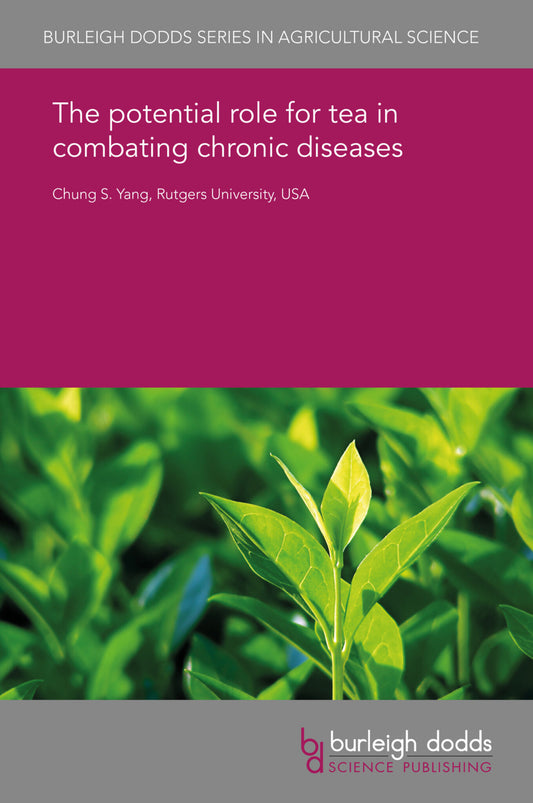
The potential role for tea in combating chronic diseases
Tea, made from the leaves of the plant Camellia sinensis, Theaceae, is a popular beverage worldwide. For the past 30 years, tea has been studied extensively for its beneficial health effects in the prevention of cancer, diabetes, cardiovascular diseases and neurodegenerative diseases; reduction o...
Read MoreRegular price £25.00Sale price £25.00 Regular price £25.00Unit price per -
Cultivation, production and marketing of organic tea
This chapter provides an overview of the development of organic and biodynamic tea production in different producing countries, exploring cultivation practices, the global market for, and trade in, organic tea, and research priorities. The chapter assesses the pattern of yield trend after convers...
Read MoreRegular price £25.00Sale price £25.00 Regular price £25.00Unit price per -
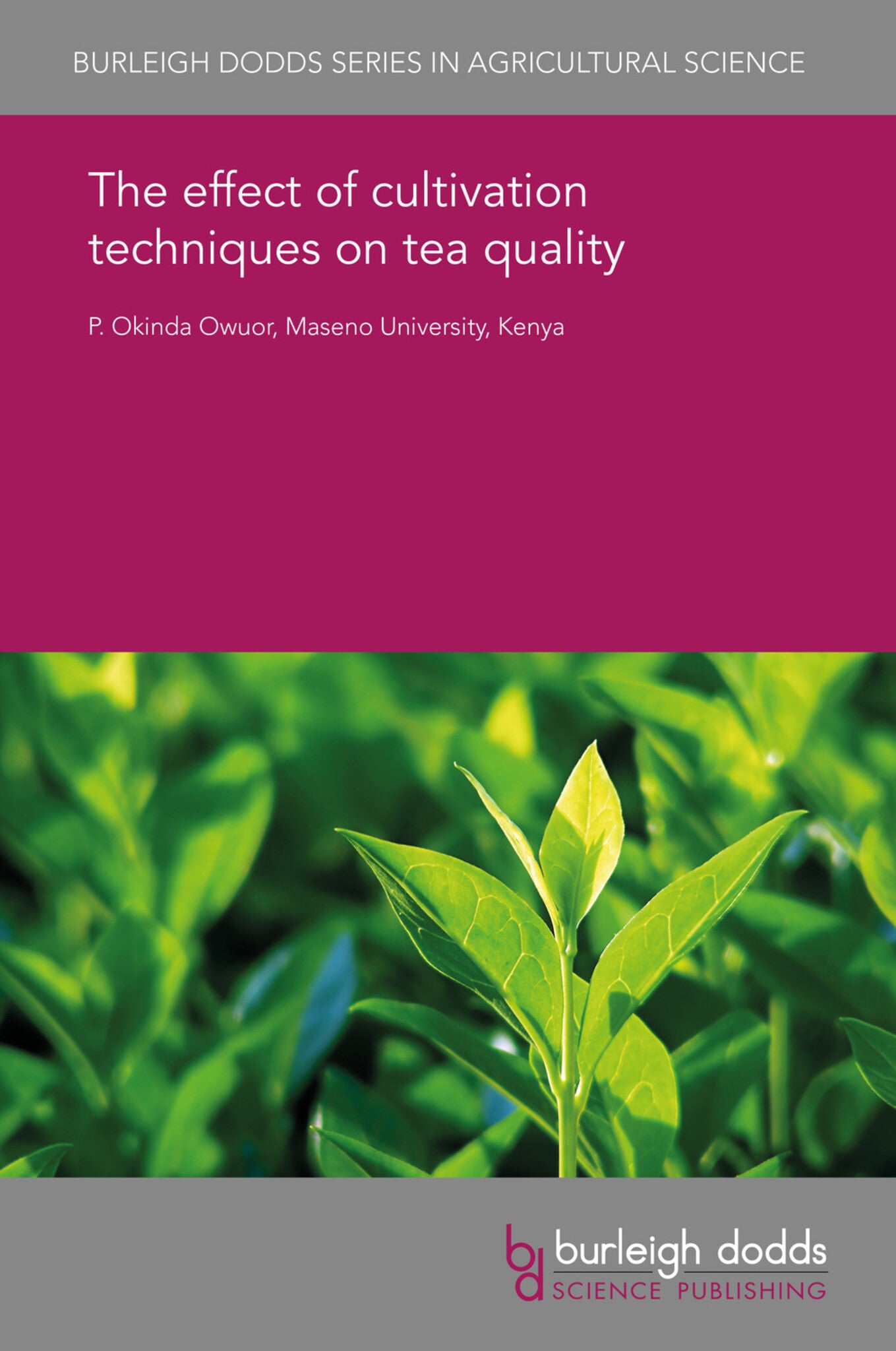
The effect of cultivation techniques on tea quality
The profitability of tea production depends on whether the type of tea produced has the right quality that is acceptable to consumers. However, sensory evaluation of tea alone has been criticized as subjective. This chapter examines the environmental and agronomic factors lying behind tea quality...
Read MoreRegular price £25.00Sale price £25.00 Regular price £25.00Unit price per -
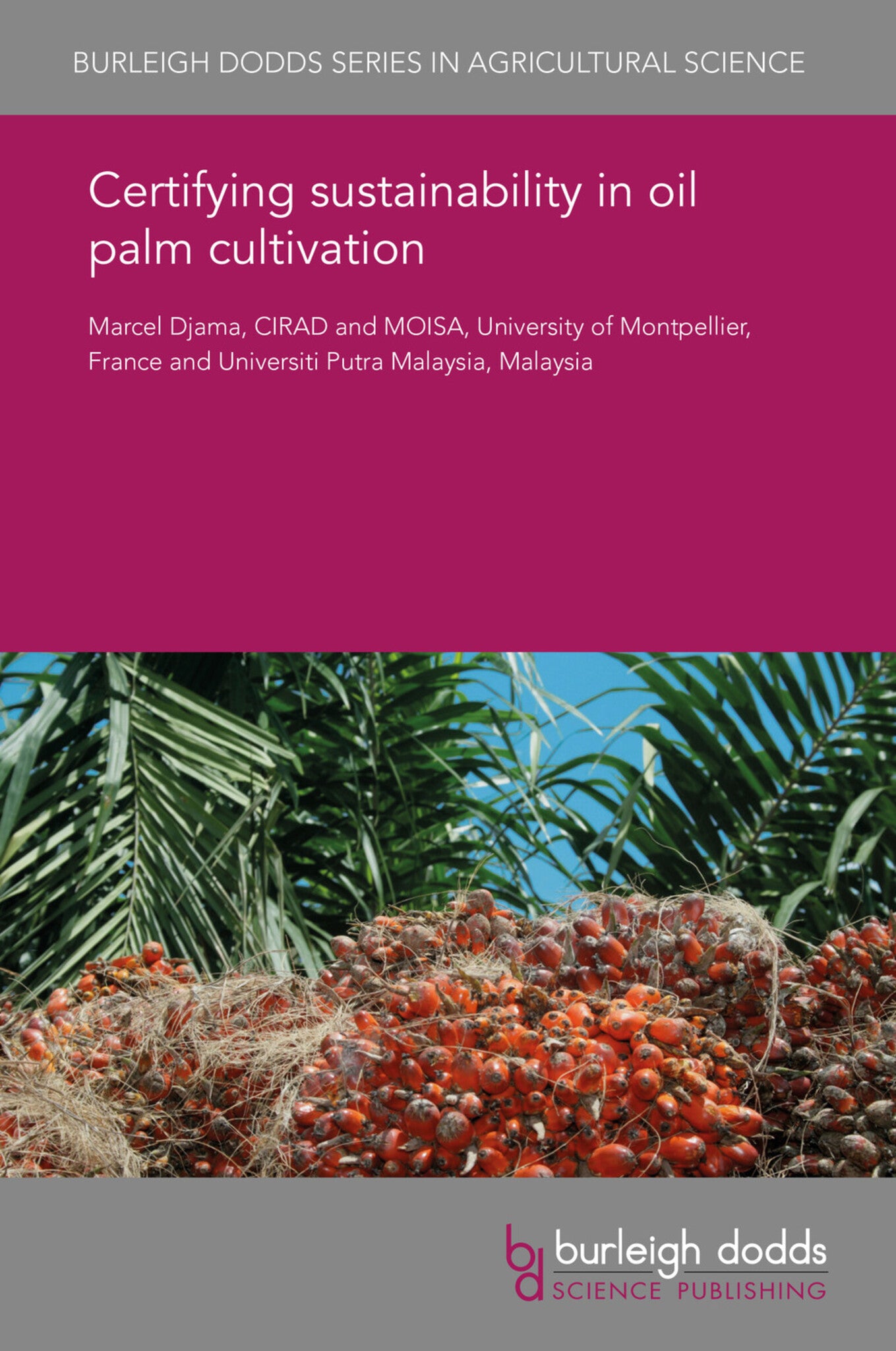
Certifying sustainability in oil palm cultivation
In recent years, transnational private regulations, aimed at implementing sustainable development principles, have emerged across several commodity sectors. To address the growing environmental and social concerns raised by oil palm expansion, the sector has adopted voluntary sustainability stand...
Read MoreRegular price £25.00Sale price £25.00 Regular price £25.00Unit price per -
Life cycle assessment (lca) of palm oil in practice: the example of malaysia
Life cycle assessment (LCA) is a tool for evaluating the environmental impact of a product or process throughout its entire life cycle. This chapter reviews the application of LCA methodology to assess the environmental impact of the production of crude palm oil (CPO), including the impact of lan...
Read MoreRegular price £25.00Sale price £25.00 Regular price £0.00Unit price per -
Modelling crop growth and yield in palm oil cultivation
Since the development of the first semi-mechanistic oil palm model, OPSIM, the development of new oil palm models has increased in frequency, aiming to take into account aspects of oil palm physiology and the physical processes and causal relationships between the environment and the crop. This c...
Read MoreRegular price £25.00Sale price £25.00 Regular price £25.00Unit price per -
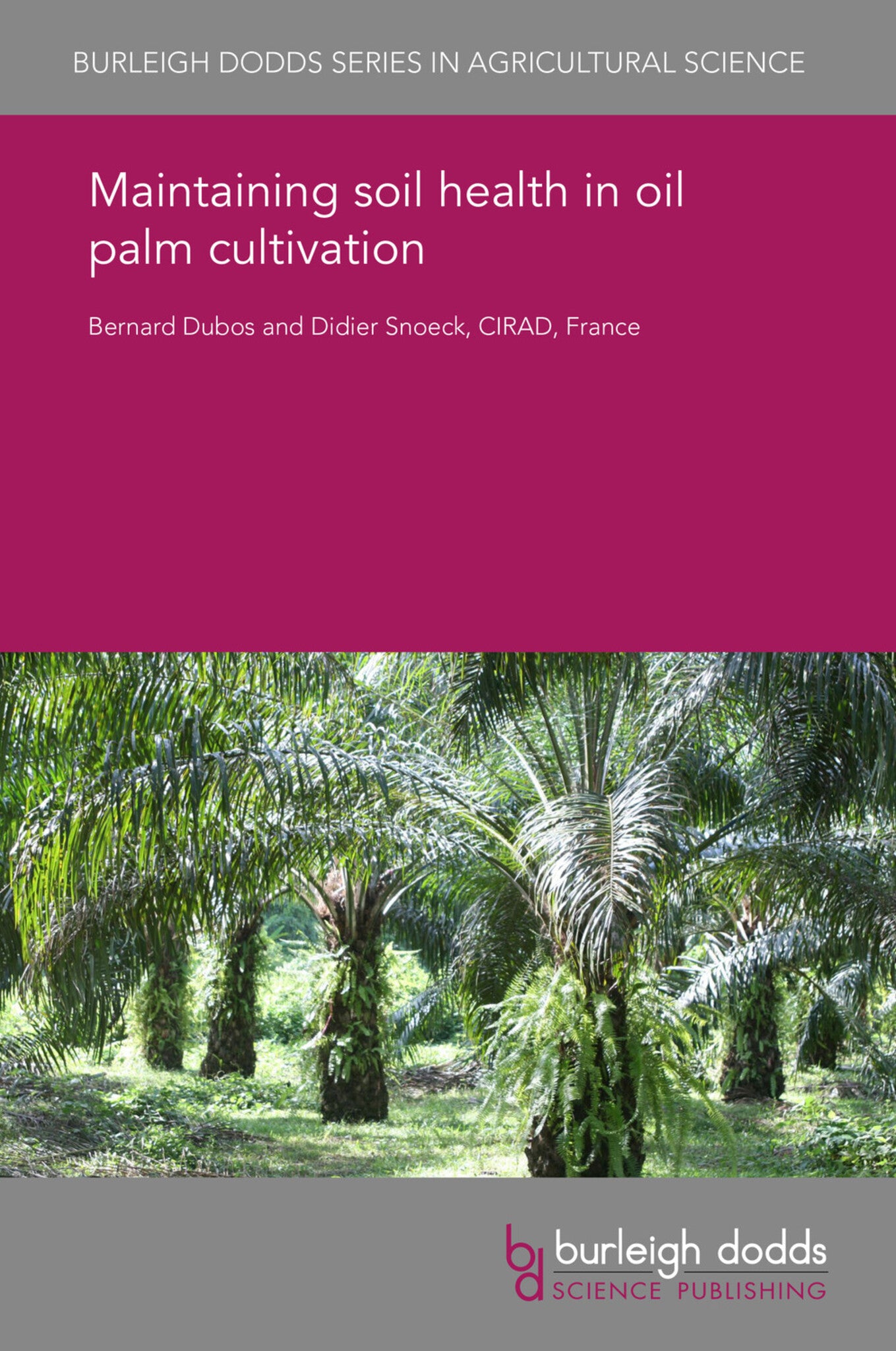
Maintaining soil health in oil palm cultivation
Many existing oil palm plantations were set up after clearing equatorial and tropical rainforests. In tropical forests, the topsoil is where the fertility lies due to its physico-chemical properties, developed through an accumulation of organic matter and intense biological activity. In the first...
Read MoreRegular price £25.00Sale price £25.00 Regular price £25.00Unit price per -
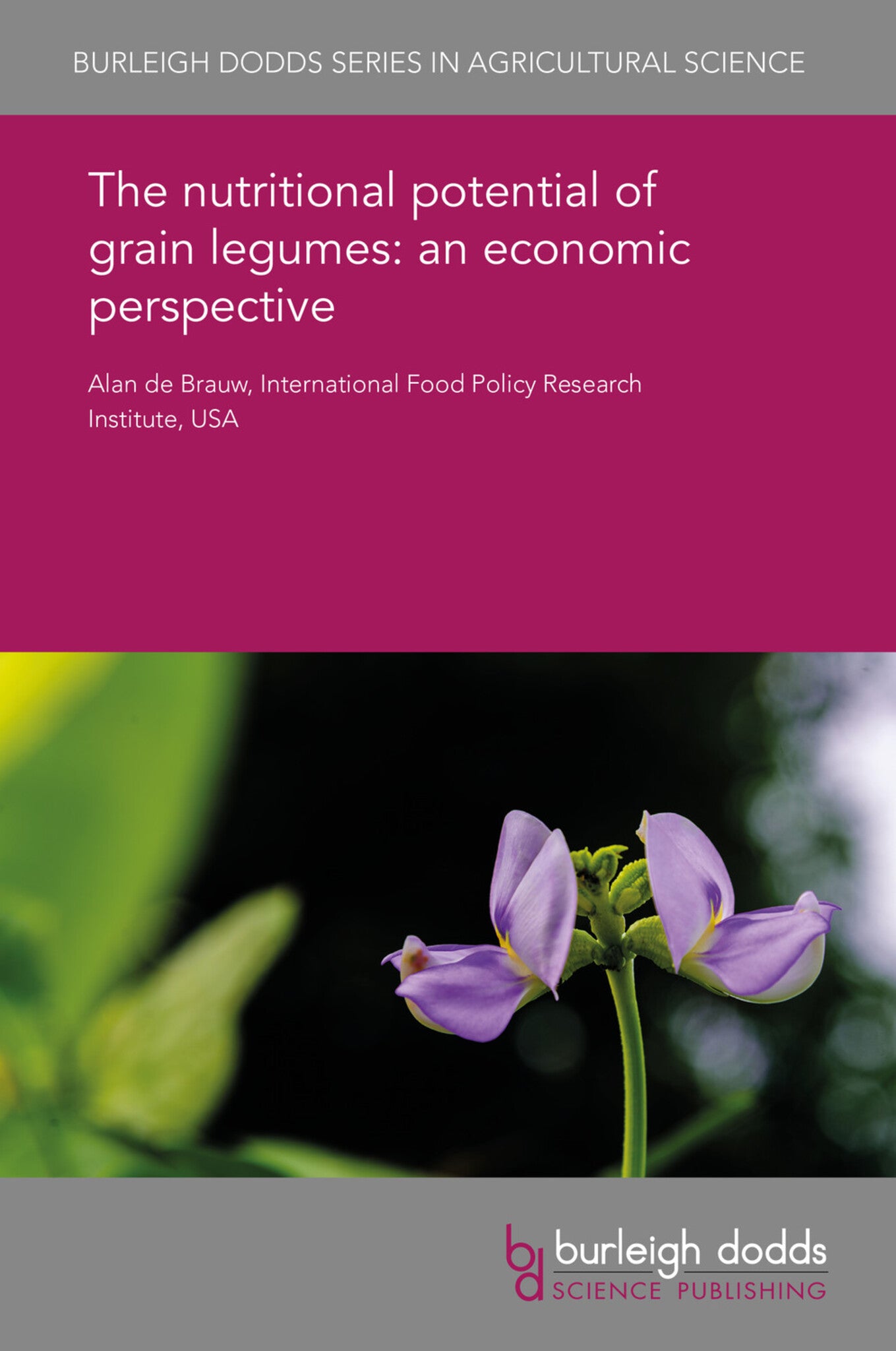
The nutritional potential of grain legumes: an economic perspective
Present-day food systems leave a substantial share of the world’s population malnourished. Though rates of undernutrition have been falling, many people continue to suffer from micronutrient malnutrition and rates of overnutrition are rapidly increasing. This chapter argues that the increased rol...
Read MoreRegular price £25.00Sale price £25.00 Regular price £25.00Unit price per -
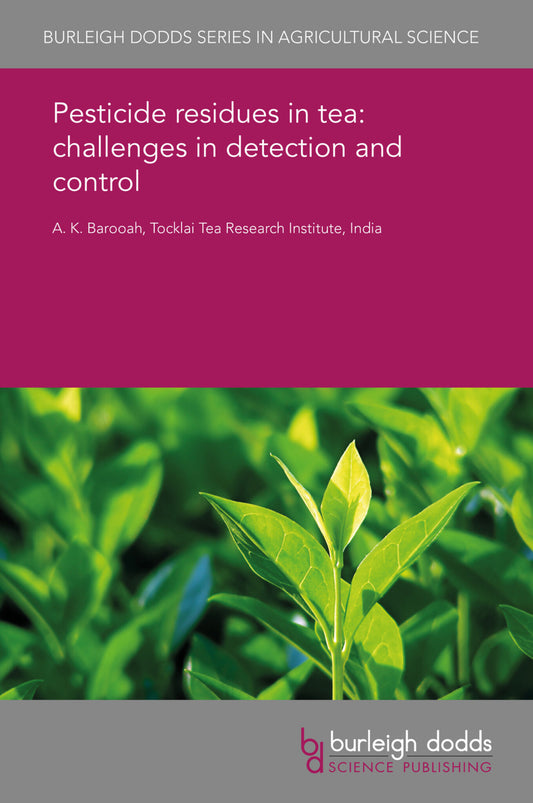
Pesticide residues in tea: challenges in detection and control
Tea growers require pesticides to prevent crop loss due to pest attacks, which are aggravated by climate change. As pesticides invariably leave residues, it is of utmost importance that samples of traded tea are monitored to ensure compliance to food safety standards. This chapter reviews researc...
Read MoreRegular price £25.00Sale price £25.00 Regular price £25.00Unit price per -
Analysing sensory and processing quality of cocoa
Flavour is a critical facet of cocoa quality, impacting to a large extent the value and end use of traded cocoa beans. This chapter provides a road map towards bridging the knowledge gap that currently exists between industry and cocoa producers by defining approaches for analysing sensory and pr...
Read MoreRegular price £25.00Sale price £25.00 Regular price £0.00Unit price per -
Artisanal mills and local production of palm oil by smallholders
In Africa, there are two oil palm supply chains. The first goes through industrial mills, from industrial plantations and surrounding smallholdings to a formal market of commercial oils complying with international quality standards, while the second goes through small-scale mills or traditional ...
Read MoreRegular price £25.00Sale price £25.00 Regular price £25.00Unit price per -


Tea cultivation under changing climatic conditions
Predicted climate change is likely to pose a major threat to normal tea cultivation. This chapter reviews the effects that climate change is likely to have on which regions are suitable for tea production and the duration of the plucking period. We consider how tea production might be improved by...
Read MoreRegular price £25.00Sale price £25.00 Regular price £25.00Unit price per -
The nutritional value of red palm oil
There is a great deal of confusion regarding the nutritional value and health effects of palm oil. The controversy and conflicting views still continue on whether or not palm oil is atherogenic. Based on current evidence, it would appear that palm oil has both favourable and unfavourable effects....
Read MoreRegular price £25.00Sale price £25.00 Regular price £25.00Unit price per -
Grain legume storage in developing nations
Grain legume grain stored after harvest is subject to catastrophic qualitative and quantitative loss. The major cause of loss is storage insects and mycotoxin-producing organisms, which reduce the monetary value of the grain as well as its food value. This chapter describes the various insect con...
Read MoreRegular price £25.00Sale price £25.00 Regular price £25.00Unit price per -
Nutritional, nutraceutical and functional properties of soybeans
Soybeans have desirable nutritional properties, since they contain about twice the protein of other legumes per serving. Some soybean protein ingredients have protein digestibility corrected amino acid scores commensurate with proteins thought to be optimal to meet human protein needs. This chapt...
Read MoreRegular price £25.00Sale price £25.00 Regular price £25.00Unit price per -
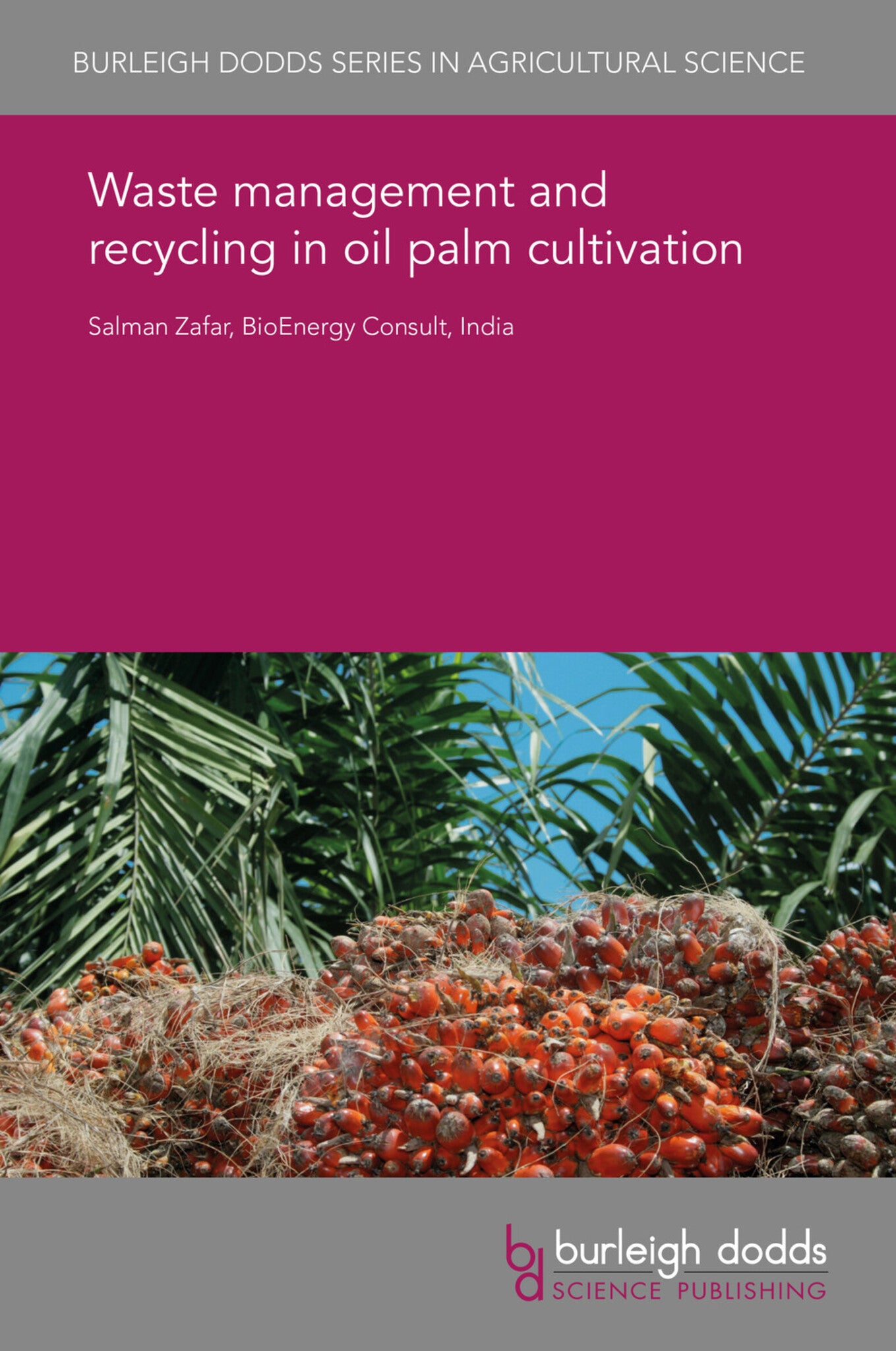
Waste management and recycling in oil palm cultivation
In a typical palm plantation, almost 70% of the fresh fruit bunches are turned into wastes in the form of empty fruit bunches, fibres and shells, as well as liquid effluent. Until recently, most of the wastes from palm oil mills were either burnt in the open or thrown away in waste ponds or open ...
Read MoreRegular price £25.00Sale price £25.00 Regular price £25.00Unit price per -
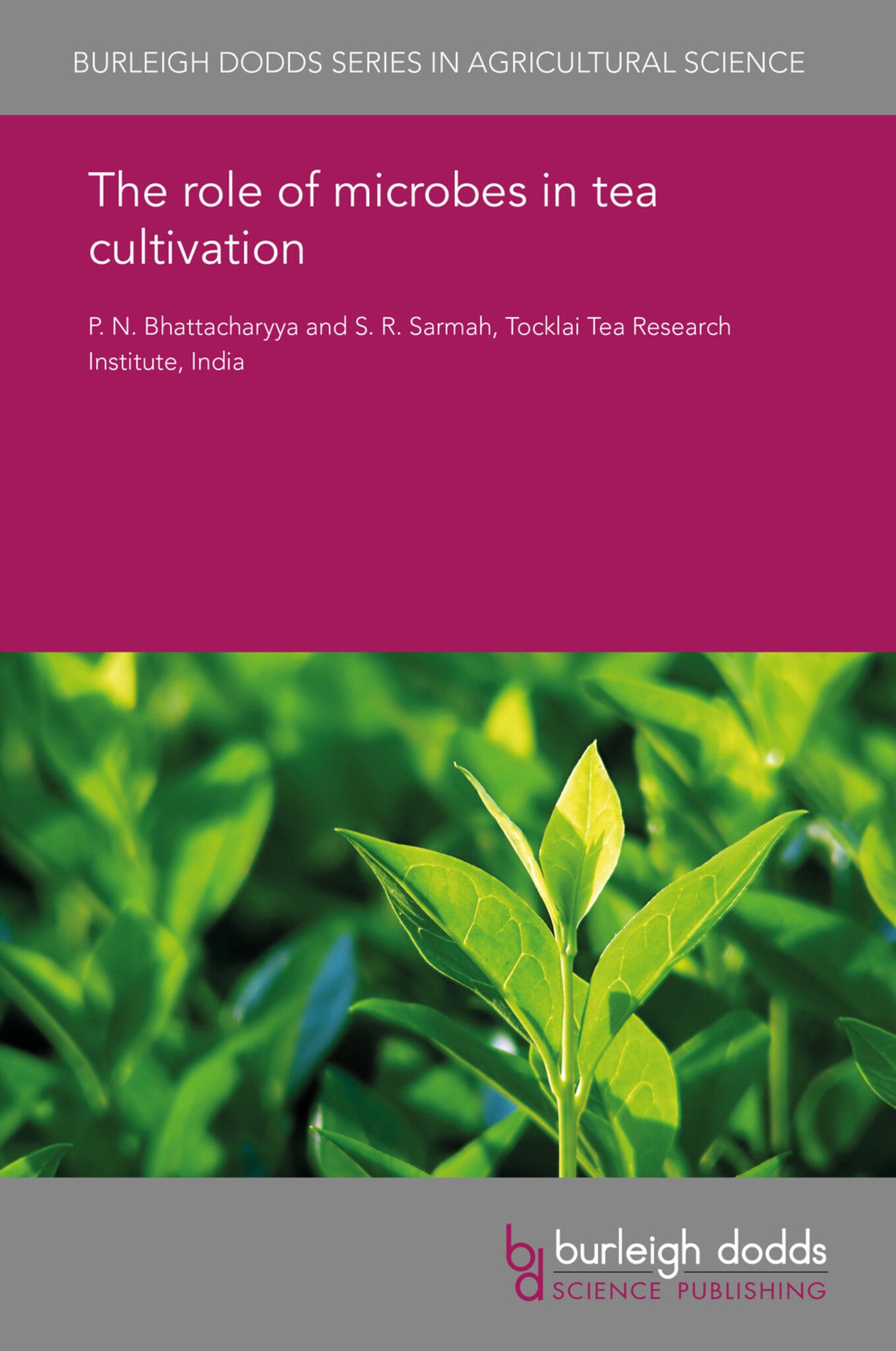
The role of microbes in tea cultivation
Tea crops can suffer from nutrient deficiencies, attack by a variety of pests and pathogens and climatic stresses, which result in considerable crop losses. However, the application of synthetic chemicals to alleviate crop loss has exerted a detrimental impact on the tea ecosystem. Plant growth–p...
Read MoreRegular price £25.00Sale price £25.00 Regular price £25.00Unit price per -
Supporting smallholders in tea cultivation
This chapter describes how smallholder organization can be strengthened to support tea cultivation. Smallholders are weak in terms of productivity owing to low yields and lack of working capital in comparison with large state-owned and private plantations. The chapter describes how the transition...
Read MoreRegular price £25.00Sale price £25.00 Regular price £25.00Unit price per -
Modelling the environmental impacts of agriculture, focusing on oil palm
Cultivation of crops affects the environment via flows of energy and materials. Impacts are felt in the atmosphere, hydrosphere, surrounding terrestrial ecosystems and the field itself. Models are useful tools for improving our understanding of the processes and predicting how they might be affec...
Read MoreRegular price £25.00Sale price £25.00 Regular price £25.00Unit price per -
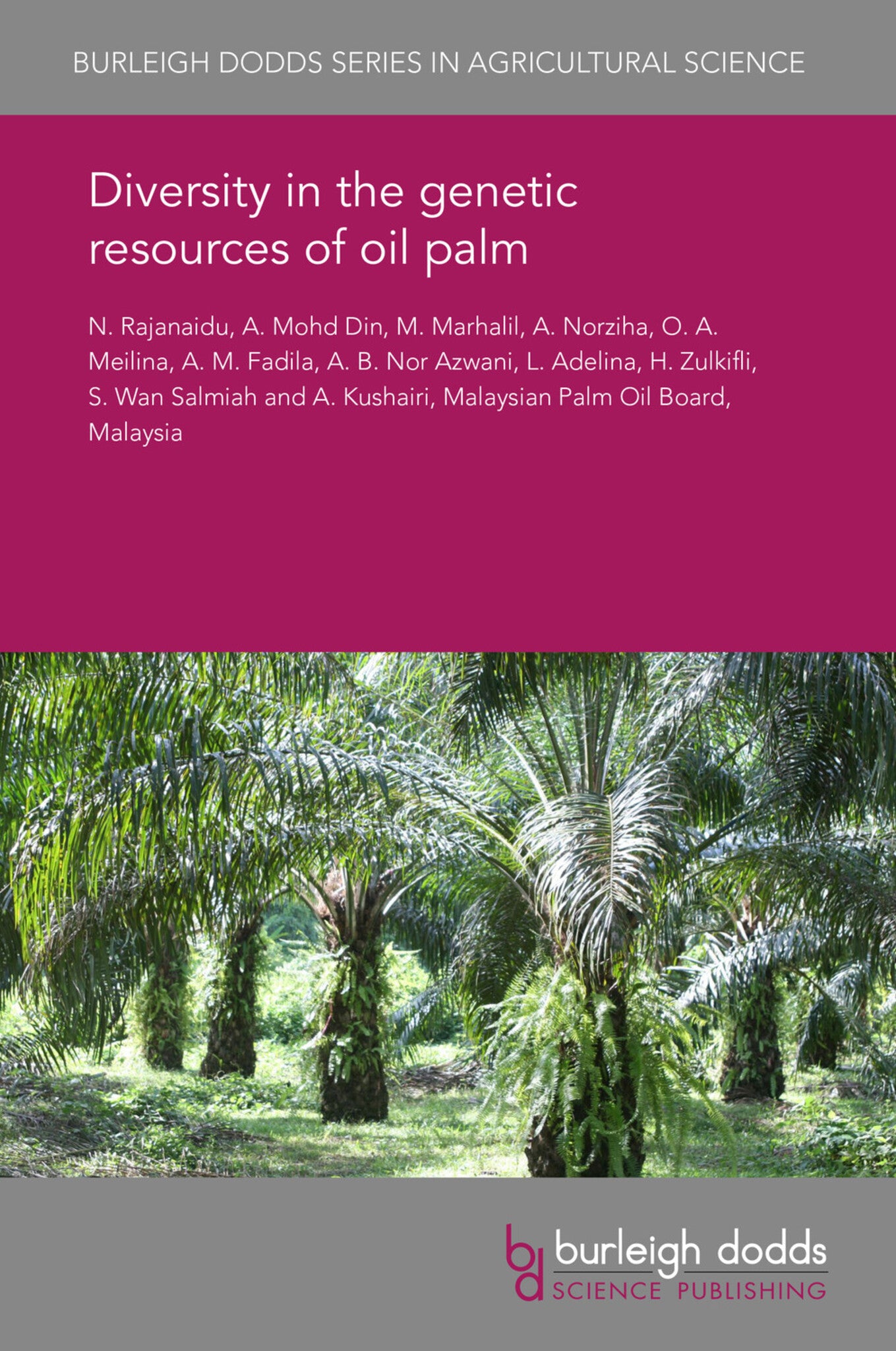
Diversity in the genetic resources of oil palm
Oil palm planting materials are based on an extremely narrow genetic base, and it has been generally recognized that the narrowness of the gene pool is a major obstacle towards increasing yields in many crops including oil palm. This chapter discusses the rather narrow genetic base of current bre...
Read MoreRegular price £25.00Sale price £25.00 Regular price £25.00Unit price per -
Instrumentation and methodology for the quantification of phytochemicals in tea
Tea contains many phytochemicals, such as polyphenols, amino acids, vitamins, carbohydrates and purine alkaloids that possess important physiological properties and health-promoting benefits. Tea components are closely associated with tea variety, the growing conditions and regions of tea plants ...
Read MoreRegular price £25.00Sale price £25.00 Regular price £25.00Unit price per -
Advances in genetic modification of tea
Due to its botanical characteristics, genetic improvement of tea is slow. Its high gestation period, the difficulty of producing homozygous lines, and the non-availability of mutant genotypes and a mapping population are all hindrances to development. This chapter describes and evaluates the pote...
Read MoreRegular price £25.00Sale price £25.00 Regular price £0.00Unit price per -
Mapping and exploiting the tea genome
Long-term cross-pollination has produced considerable heritable variation within and between populations of the tea plant and related species, resulting in a high level of genetic diversity. A good understanding and management of this pool of genetic diversity is of vital importance for crop impr...
Read MoreRegular price £25.00Sale price £25.00 Regular price £0.00Unit price per -
Biofortification of grain legumes
Micronutrient malnutrition (MNM) is one of the world’s major health threats. Fe and Zn deficiencies affect more than a third of the world’s population, most severely women and children. Biofortified legume crops are being developed with higher levels of bioavailable Fe and Zn to alleviate MNM and...
Read MoreRegular price £25.00Sale price £25.00 Regular price £25.00Unit price per -
The role of arbuscular mycorrhizal fungi in tea cultivation
Continuous application of chemical fertilizers in tea gardens may increase production, but it adversely affects the quality of tea. There is therefore growing interest in rhizosphere associates of tea, including symbionts such as arbuscular mycorrhizal fungi (AMF). These colonize tea plant roots ...
Read MoreRegular price £25.00Sale price £25.00 Regular price £0.00Unit price per -
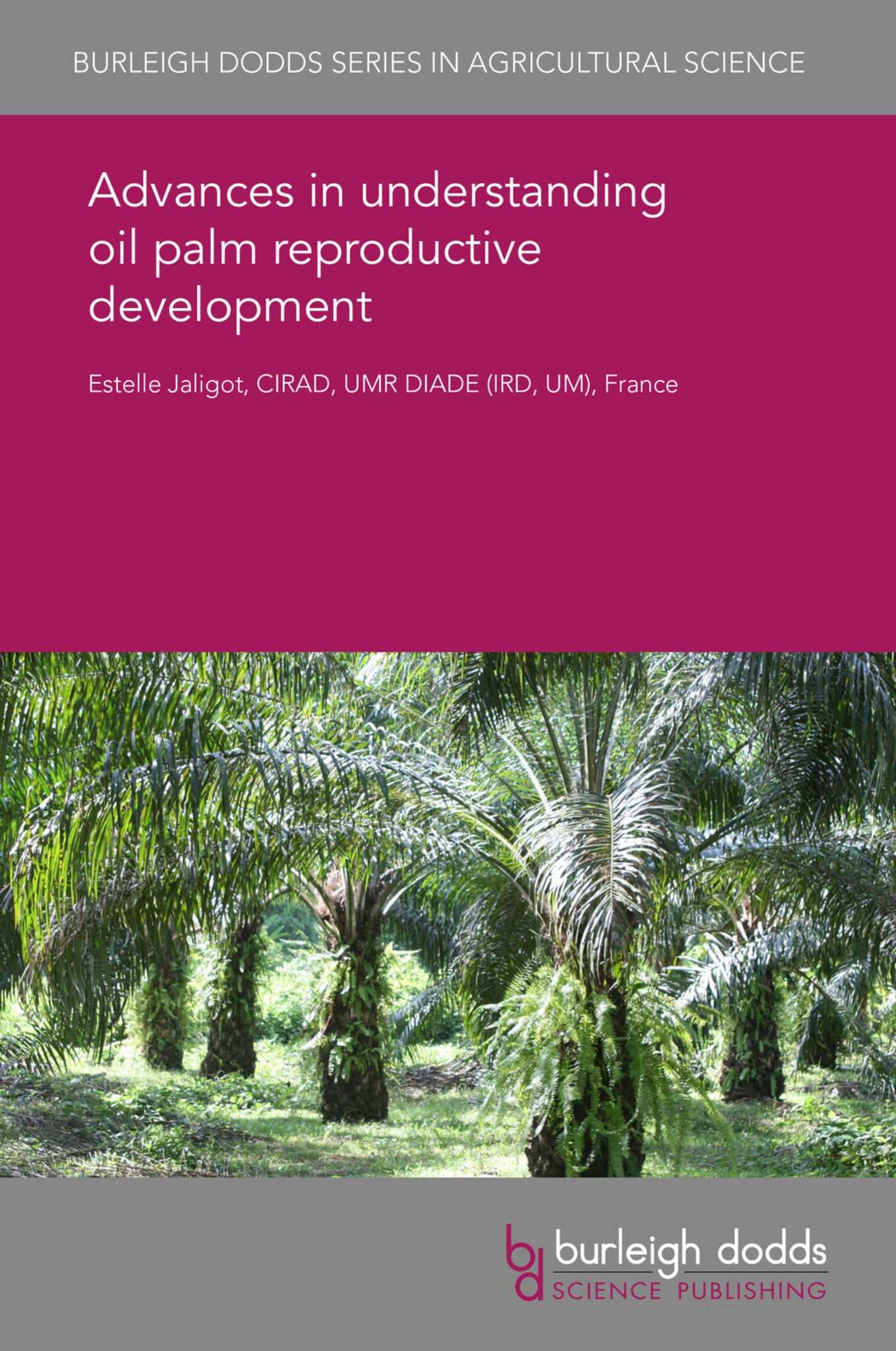
Advances in understanding oil palm reproductive development
As for many other crops, yield components of oil palm rely partly on the optimal implementation of its reproductive development. As a result, studies focusing on the mechanisms underlying sex ratio determination, inflorescence development or fruit maturation have rapidly multiplied, significantly...
Read MoreRegular price £25.00Sale price £25.00 Regular price £25.00Unit price per -
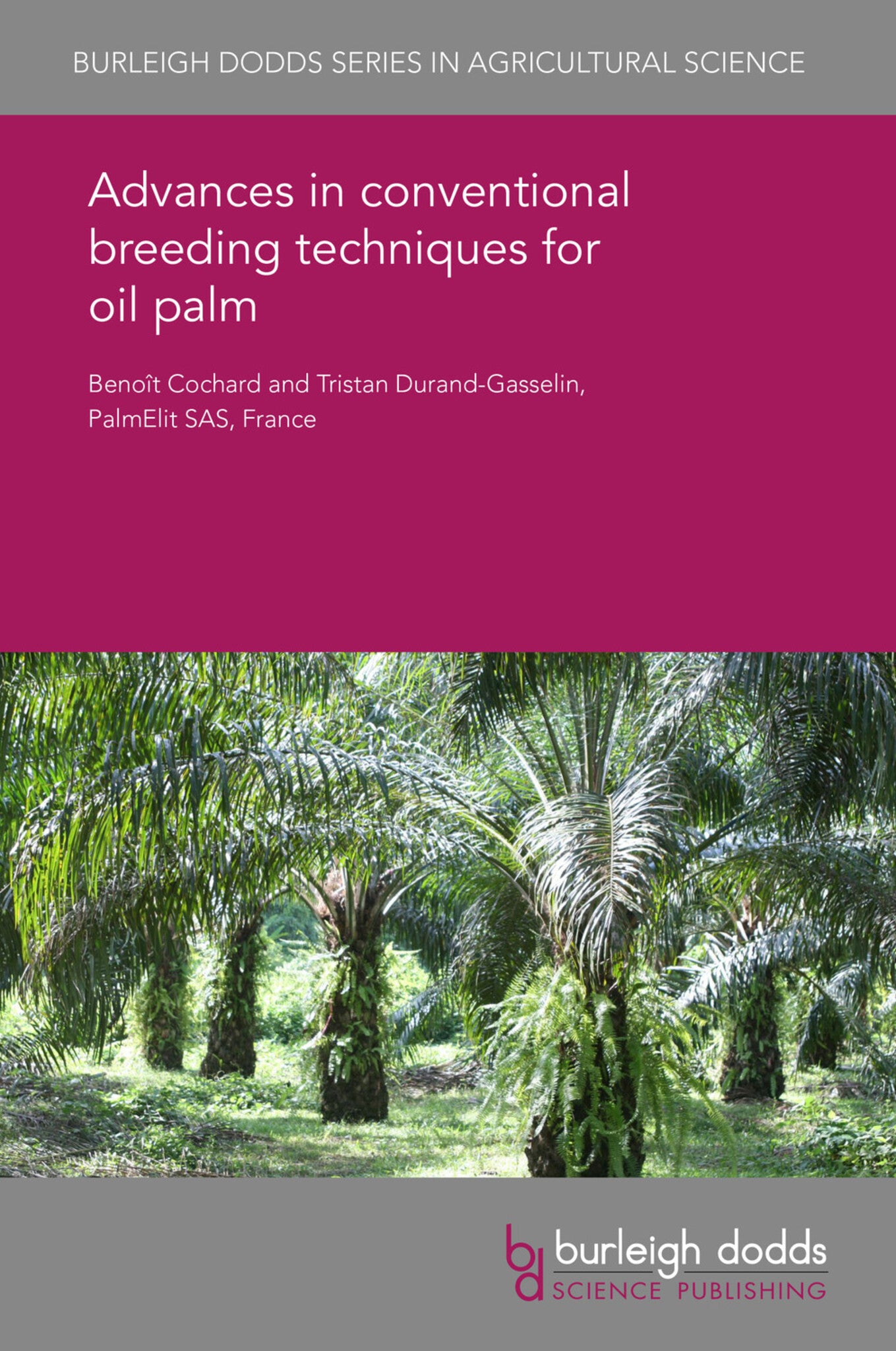
Advances in conventional breeding techniques for oil palm
At the beginning of the 20th century, oil palm was a semi-wild crop which had not been subjected to breeding efforts. This chapter will review the history of oil palm breeding, starting from the beginning of the 20th century up to the present day. We will discuss breeding objectives, breeding met...
Read MoreRegular price £25.00Sale price £25.00 Regular price £25.00Unit price per -
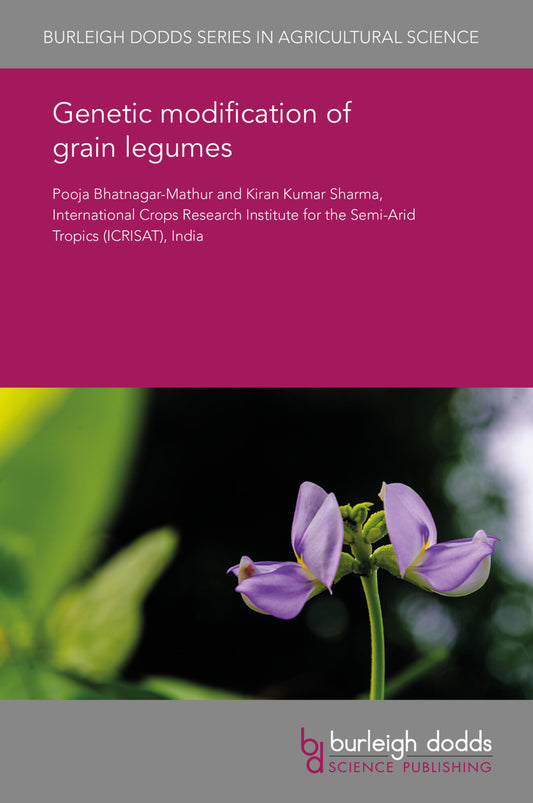
Genetic modification of grain legumes
Grain legumes constitute a number of important oilseeds and food crops of the world. Most of these grow predominantly in the low-input production systems in the developing countries of Asia and Africa and are subject to several production constraints. This chapter addresses progress in and prospe...
Read MoreRegular price £25.00Sale price £25.00 Regular price £25.00Unit price per -
Conserving and characterizing the genetic diversity of grain legumes
An increase in the production and marketing of grain legumes would help to diversify diets and improve human nutrition, as well as contributing to the sustainability of cropping systems and long- term soil health. However, the projected impacts of climate change and the current local adaptation ...
Read MoreRegular price £25.00Sale price £25.00 Regular price £25.00Unit price per -


Advances in understanding grain legume physiology: understanding root architecture, nutrient uptake and response to abiotic stress
Root system architecture (RSA) influences root foraging and resource uptake from the soil and thus determines plant growth and productivity in grain legumes. Understanding RSA, nutrient uptake and its response to drought and other abiotic stresses is vital for breeding super genotypes for efficie...
Read MoreRegular price £25.00Sale price £25.00 Regular price £0.00Unit price per -
Advances in the genetic modification of oil palm
Transgenic crop modification uses recombinant DNA methods to alter gene expression in order to create new varieties for breeders that may be either difficult or impossible to produce using conventional approaches. Over the past few decades, transgenic methods have been successfully applied to dev...
Read MoreRegular price £25.00Sale price £25.00 Regular price £25.00Unit price per -
Advances in understanding grain legume physiology: stomatal behaviour and response to abiotic stress
Grain legumes can fulfill several roles: they can be an immediate seed crop for consumption or marketing, a means to increase soil fertility as a result of their nutrient-rich residues and a key component of livestock feed. They are therefore likely to have an increasing role in agriculture in bot...
Read MoreRegular price £25.00Sale price £25.00 Regular price £0.00Unit price per -
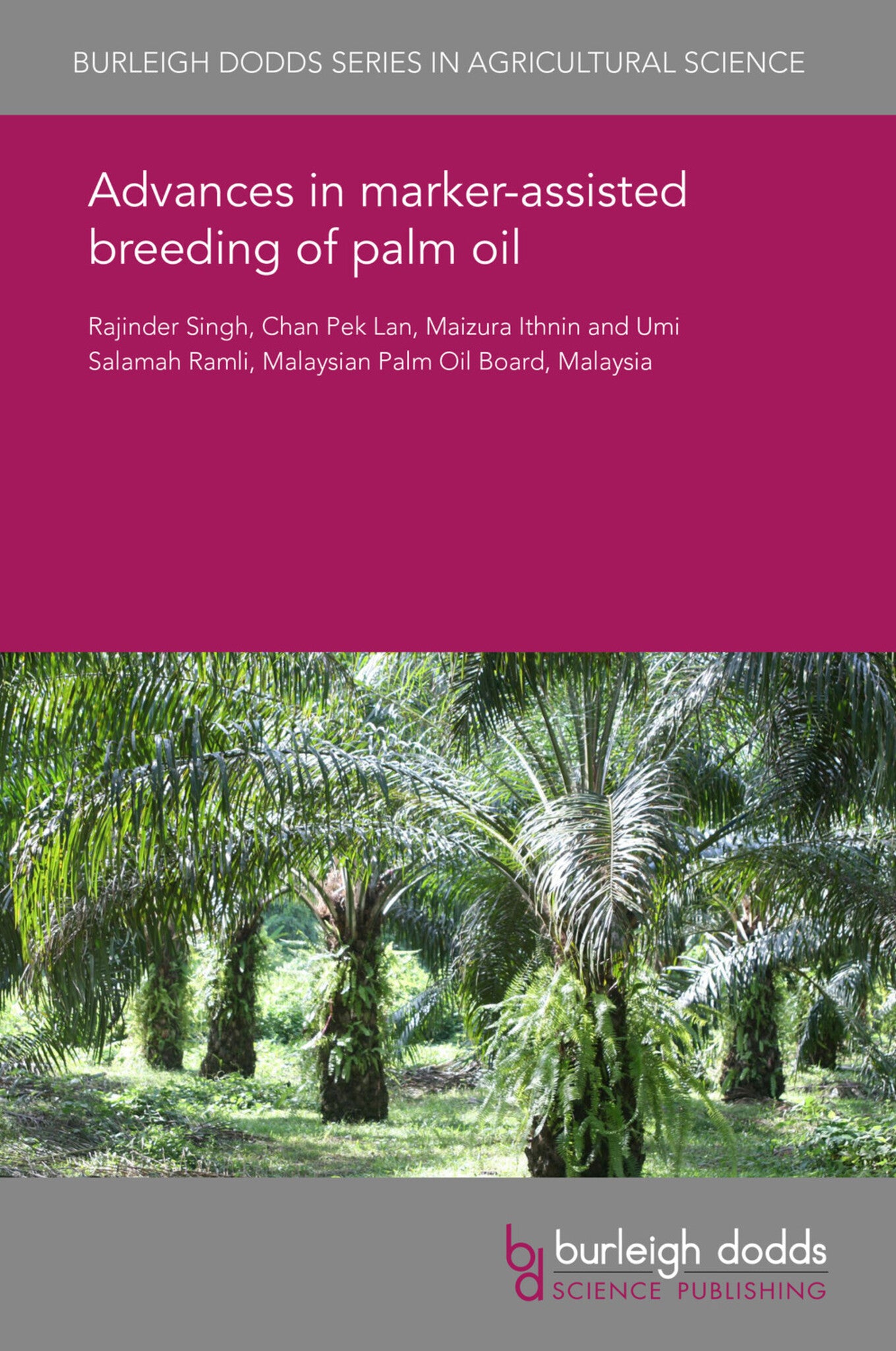
Advances in marker-assisted breeding of palm oil
Oil palm, with its long breeding cycle and large land requirement for breeding trials, can be considered as a suitable candidate crop for marker assisted selection (MAS) for breeding. This chapter explores the applications of MAS in oil palm breeding including paternity testing and prediction of ...
Read MoreRegular price £25.00Sale price £25.00 Regular price £0.00Unit price per -
Developing drought- and heat-tolerant varieties of grain legumes
Despite the complexity imposed by the polygenic nature of plant tolerance to drought and to heat, significant strides have been made in understanding the underlying response and adaptation of plants to these stresses. Together with advanced and accessible technologies such as next-generation sequ...
Read MoreRegular price £25.00Sale price £25.00 Regular price £25.00Unit price per -
Advanced breeding techniques for grain legumes in the genomics era
The challenge of grain legume production is to continue increasing productivity while reducing the significant seed yield gap between developed and developing countries/regions. Advanced breeding techniques play an important role in the era of genomics. This chapter describes the main grain legum...
Read MoreRegular price £25.00Sale price £25.00 Regular price £25.00Unit price per -
Improving soil and nutrient management for cacao cultivation
The results of early fertiliser trials on cacao showed that phosphorus (P) and potassium (K) always had positive effects, along with variable effects from calcium (Ca) and magnesium (Mg). The variability of yield responses to nutrients pointed to the need to link the nutrients with each other or ...
Read MoreRegular price £25.00Sale price £25.00 Regular price £25.00Unit price per -
Life cycle analysis and the carbon footprint of coffee value chains
This chapter presents concepts and tools around the life cycle assessment (LCA) and carbon footprint (CFP) with their applications to the coffee value chain. Coffee is characterised by a particularly complex value chain with multiple actors involved along every step, from production to consumers....
Read MoreRegular price £25.00Sale price £25.00 Regular price £25.00Unit price per -

Metabolomics as a powerful tool for coffee authentication
Detecting fraudulent adulteration of coffee is essential for both the industry and legislative authorities. Both parties are accountable for establishing quality standards through labelling, composition regulations and routine evaluation protocols to circumvent unfair competition among manufactur...
Read MoreRegular price £25.00Sale price £25.00 Regular price £25.00Unit price per -
Flavour as the common thread for coffee quality along the value chain
Quality, in the case of coffee, ultimately means flavour, as this is the aspect of coffee perceived by consumers as valuable. The assessment of coffee flavour quality is therefore the key tool for quality assurance in coffee, and is essential in strategies for achieving higher-value coffee. In th...
Read MoreRegular price £25.00Sale price £25.00 Regular price £25.00Unit price per -
Cocoa sustainability initiatives: the impacts of cocoa sustainability initiatives in west africa
Sustainability initiatives, including associations, platforms and networks, voluntary sustainability standards, corporate and non-governmental and civil society initiatives, have all been developed as solutions to the multiple, long-running challenges facing cocoa growers and producers. Largely i...
Read MoreRegular price £25.00Sale price £25.00 Regular price £25.00Unit price per -
Bioactive compounds in coffee beans with beneficial health properties
In recent years, the health benefits of coffee beverage consumption have received considerable interest. This chapter describes the latest research on the potential health benefits of coffee components including caffeine, phenolics, trigonelline, cafestol and kahweol. The chapter pays particular ...
Read MoreRegular price £25.00Sale price £25.00 Regular price £0.00Unit price per -
Chemical composition of coffee beans: an overview
This chapter provides an overview of the composition of green coffee beans and the changes associated with roasting and beverage production. The chapter focusses principally, but not exclusively, on more recent advances related to the major chemical components of coffee such as the chlorogenic ac...
Read MoreRegular price £25.00Sale price £25.00 Regular price £25.00Unit price per -


Harmful compounds in coffee
In recent years, public health issues in the food industry have led to regulations concerning contaminants in foodstuffs, including coffee. Four main types of compound are known to contaminate coffee. First, pesticides come from agricultural treatments, transport and storage. Ochratoxin A is the ...
Read MoreRegular price £25.00Sale price £25.00 Regular price £25.00Unit price per -
Nutritional and health effects of coffee
An increasing number of studies have shown that, in spite of its nutritional limitations, coffee is a complex mixture of bioactive substances that may act together to help prevent diseases when consumed in a proper way. This chapter reviews the literature on the nutritional and health-related asp...
Read MoreRegular price £25.00Sale price £25.00 Regular price £25.00Unit price per -
Advances in research on coffee flavour compounds
Coffee’s global appeal is related to its unique flavour, taste and mouthfeel. Coffee is the second-most traded global commodity after petroleum, and a thorough understanding of the chemical dynamics associated with its aroma is essential for the enhancement and permanence of its popularity. This ...
Read MoreRegular price £25.00Sale price £25.00 Regular price £25.00Unit price per -
Beneficial compounds from coffee leaves
Leaves are the leading source of carbon for plant growth and reproduction, and possess a wide range of protection systems against environmental stress. The leaves of the coffee plant, characterized by a high antioxidant potential, have a significant impact on fruit quality, and identifying marker...
Read MoreRegular price £25.00Sale price £25.00 Regular price £25.00Unit price per -
Analysis and design of the shade canopy of cocoa-based agroforestry systems
Cocoa-based agroforestry (AF) systems are a conspicuous element of agricultural landscapes worldwide. Shade canopy analysis and design is a key component of crop husbandry, and requires a good understanding of the interactions, synergies and trade-offs between shade, yield and environmental servi...
Read MoreRegular price £25.00Sale price £25.00 Regular price £25.00Unit price per -


Diversity and genome evolution in coffee
While the worldwide production of coffee relies on a small number of cultivars with reduced diversity, wild coffee trees represent huge reserves of genetic diversity that could help to mitigate the effects of unstable climate and plant diseases, as well as modify the wealth of health-related chem...
Read MoreRegular price £25.00Sale price £25.00 Regular price £25.00Unit price per -
Good agronomic practices in cocoa cultivation: rehabilitating cocoa farms
Cocoa cultivation covers a total area of about 5.9 million ha worldwide with around 73% of this area found in the four large cocoa-producing countries in West Africa namely Cameroon, Côte d’Ivoire, Ghana and Nigeria. Adoption of good agronomic practices is crucial for the sustainability of cocoa ...
Read MoreRegular price £25.00Sale price £25.00 Regular price £0.00Unit price per -

Cocoa plant propagation techniques to supply farmers with improved planting materials
The availability of high-performance planting materials to cocoa farmers is an important part of a package of measures to improve the productivity of cocoa farms and thus the sustainability of the cocoa economy. This chapter reviews the methods, advantages and challenges of techniques of mass pro...
Read MoreRegular price £25.00Sale price £25.00 Regular price £25.00Unit price per -
Advances in genetic modification of cassava
Until recently, hybridization was used to breed new varieties of the common tropical and subtropical crop cassava, but changes in global climate, food security and industrialization have accelerated the breeding of new cassava varieties with increased nutrition, high stress resistance and starch ...
Read MoreRegular price £25.00Sale price £25.00 Regular price £25.00Unit price per -
Breeding caffeine-free coffee beans
Regular Arabica coffee contains about 1.2% caffeine. ‘Decaffeinated’ (less than 0.1%) and ‘low caffeine’ (0.2–0.8%) coffee can be obtained by removing the caffeine. However, this can compromise the flavour, and may lead to consumers viewing the product as less ‘natural’. Over the past 25 yrs, eff...
Read MoreRegular price £25.00Sale price £25.00 Regular price £25.00Unit price per -
Disseminating improved coffee varieties for sustainable production
Although coffee is one of the most valuable agricultural commodities of the world, it is an orphan crop in relation to investment in plant breeding. An efficient system to develop, introduce and propagate improved coffee varieties is required to place productive, attractive and affordable plants ...
Read MoreRegular price £25.00Sale price £25.00 Regular price £25.00Unit price per -
Ensuring the genetic diversity of coffee
Developing adaptation strategies will be critical in sustaining the coffee economy and livelihoods in many countries, owing to continued rises in production costs, as well as problems related to negative impacts of climate change and higher incidence of pests and diseases. Utilizing the varied ge...
Read MoreRegular price £25.00Sale price £25.00 Regular price £25.00Unit price per -
Developing varieties of arabica coffee
About 60% of the annual world coffee production is harvested from Arabica (Coffea arabica) coffee, with the remainder harvested from Robusta (C. canephora) coffee. The former is superior in beverage quality, but more expensive to cultivate. The demand for quality coffees is steadily increasing, b...
Read MoreRegular price £25.00Sale price £25.00 Regular price £25.00Unit price per -
Advances in breeding of pistachio
Pistacia vera L. (pistachio) has the only commercially important edible nuts in the genus, and wild species are used for rootstock. Breeding in pistachio is very slow, time-consuming and expensive due to very long juvenile period and the plant’s dioecious character. This chapter describes the obj...
Read MoreRegular price £25.00Sale price £25.00 Regular price £25.00Unit price per -
Environmental and genetic effects on coffee seed biochemical composition and quality
Reserve compounds that accumulate in coffee seeds contribute to a large extent– directly or through roasting-induced chemical reactions – to the broad spectrum of aromas and flavours of the coffee cup. Coffee seed reserves are mainly composed of cell wall polysaccharides, lipids, proteins, sucros...
Read MoreRegular price £25.00Sale price £25.00 Regular price £25.00Unit price per -
Developments in molecular breeding techniques in robusta coffee
As a perennial crop, faster breeding methods are needed for coffee to be able to cope with the challenges of climate change that lie ahead. This chapter focuses on the state of the art of developed molecular tools, characterized traits, quantitative trait loci and candidate genes already describe...
Read MoreRegular price £25.00Sale price £25.00 Regular price £25.00Unit price per -
Developing varieties of robusta coffee
Coffee is one of the important agricultural commodities, contributing substantially to the national exchequers of growing countries. Coffee is generally obtained from two types of coffee plants, namely Arabica and Robusta; the two species differ from each other in their centre of origin, breeding...
Read MoreRegular price £25.00Sale price £25.00 Regular price £25.00Unit price per -
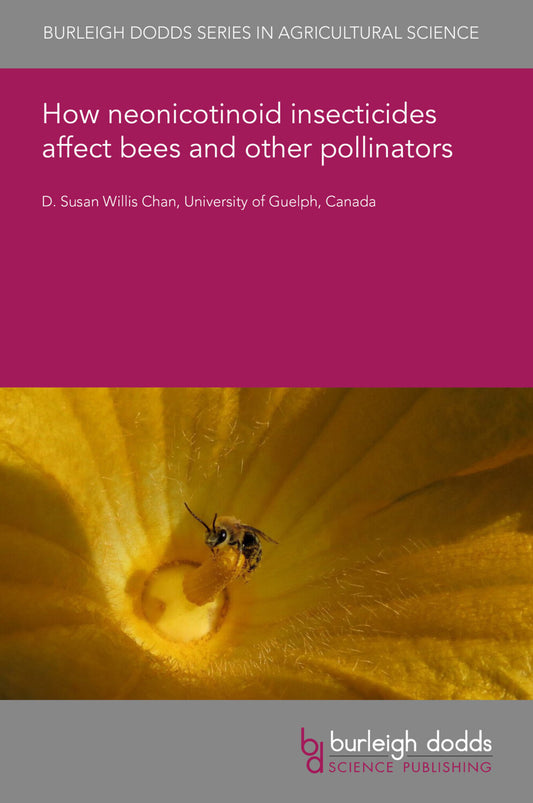
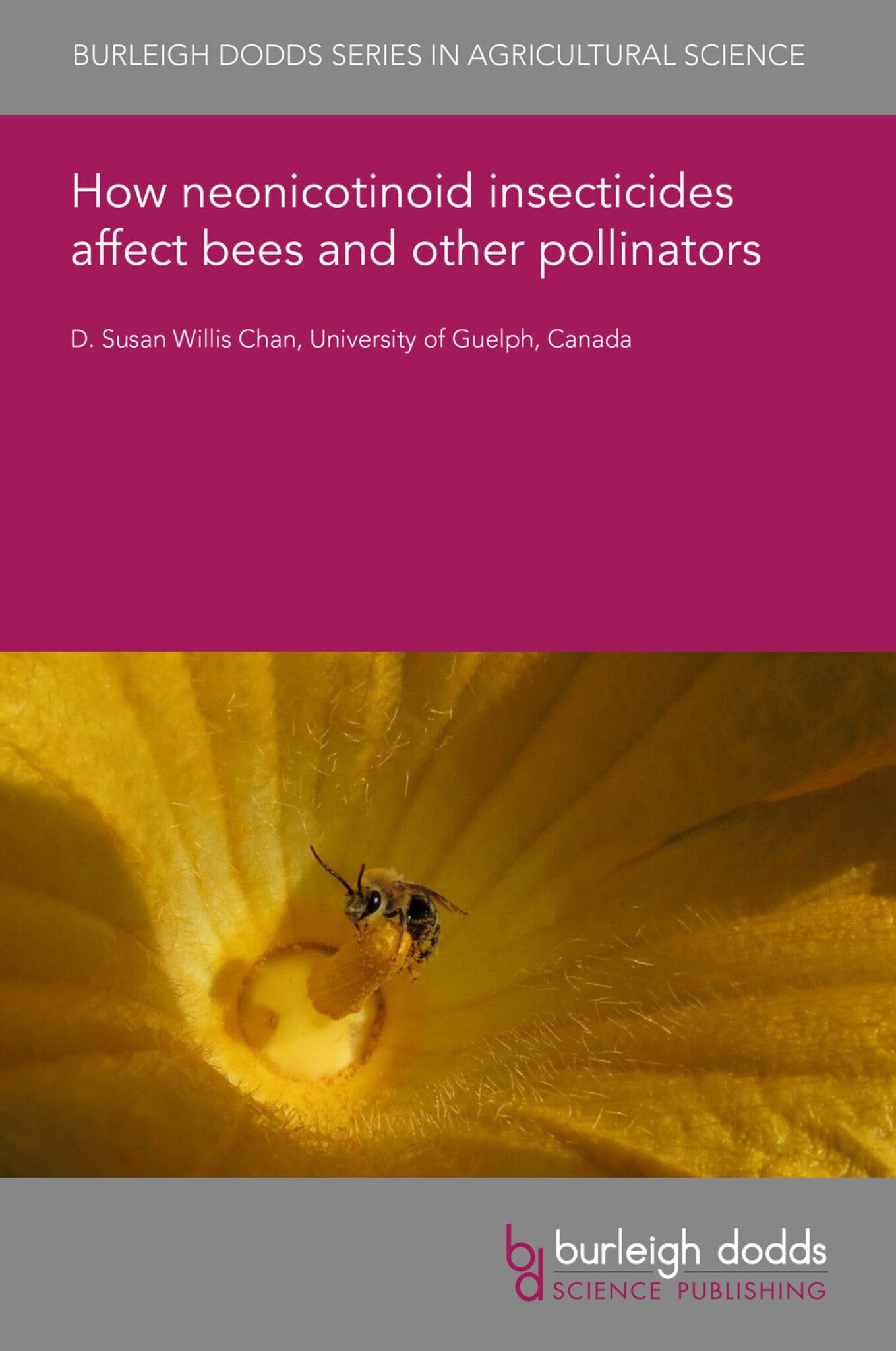
How neonicotinoid insecticides affect bees and other pollinators
Neonicotinoids are particularly important in any discussion of pollinators in an agricultural context because of their use patterns, physical properties, environmental persistence, and their high toxicity to bees. This chapter discusses the wide range of research on how neonicotinoids affect both...
Read MoreRegular price £25.00Sale price £25.00 Regular price £25.00Unit price per -
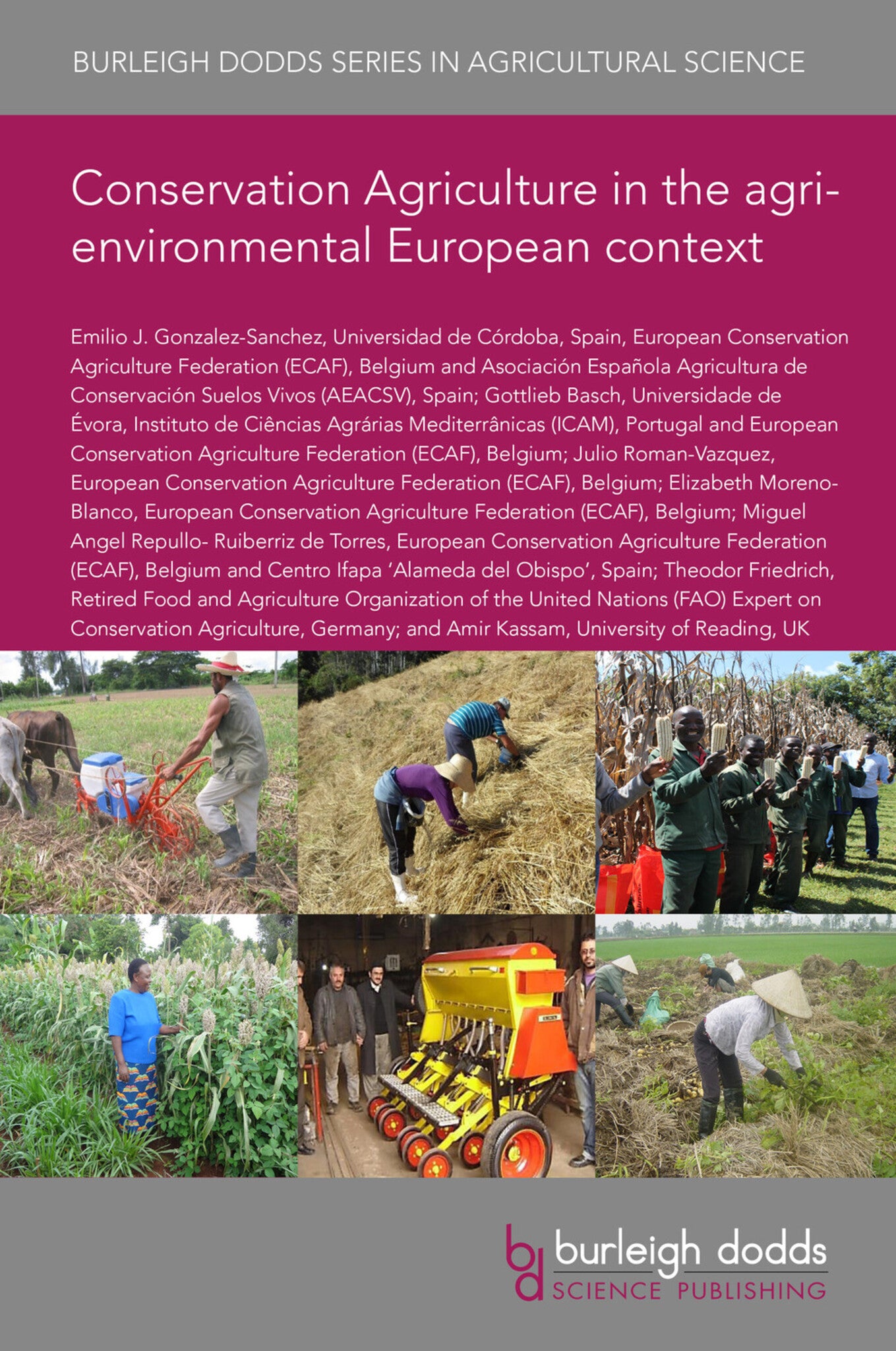
Conservation agriculture in the agri-environmental european context
Conservation Agriculture is a real sustainable agricultural system, capable of providing solutions for most, if not all, of the agri-environmental challenges in Europe. Indeed, most of the challenges addressed in the Common Agriculture Policy could be faced through Conservation Agriculture. Not o...
Read MoreRegular price £25.00Sale price £25.00 Regular price £25.00Unit price per -
Instant insights: crops as livestock feed
This specially curated collection features five reviews of current and key research on crops as livestock feed.
Regular price £37.99Sale price £37.99 Regular price £37.99Unit price per -
Developing climate-based decision support systems from agricultural systems models
Decision Support Systems (DSSs) in production agriculture are computer software programs that make use of models and other information to make site-specific recommendations for farm management-related activities. Major advances have been made in developing DSS for agriculture, particularly with r...
Read MoreRegular price £25.00Sale price £25.00 Regular price £25.00Unit price per -
Improving soil management in sugarcane cultivation
This chapter identifies the most important soil management practices for sugarcane cultivation and provides information on the practices used by important cane-producing countries in the world. The chapter focuses on field management of soil for optimum sugarcane production, and covers such areas...
Read MoreRegular price £25.00Sale price £25.00 Regular price £25.00Unit price per -
Progress in understanding fungal diseases affecting sugarcane: red rot
Red rot is a disease of sugarcane stalks caused by the fungal pathogen Colletotrichum falcatum. It has been recorded in 77 countries worldwide, but occurs most severely in South Asian countries, especially India, Nepal, Pakistan, Myanmar and Bangladesh, as well as in Thailand and Vietnam. Develop...
Read MoreRegular price £25.00Sale price £25.00 Regular price £25.00Unit price per -
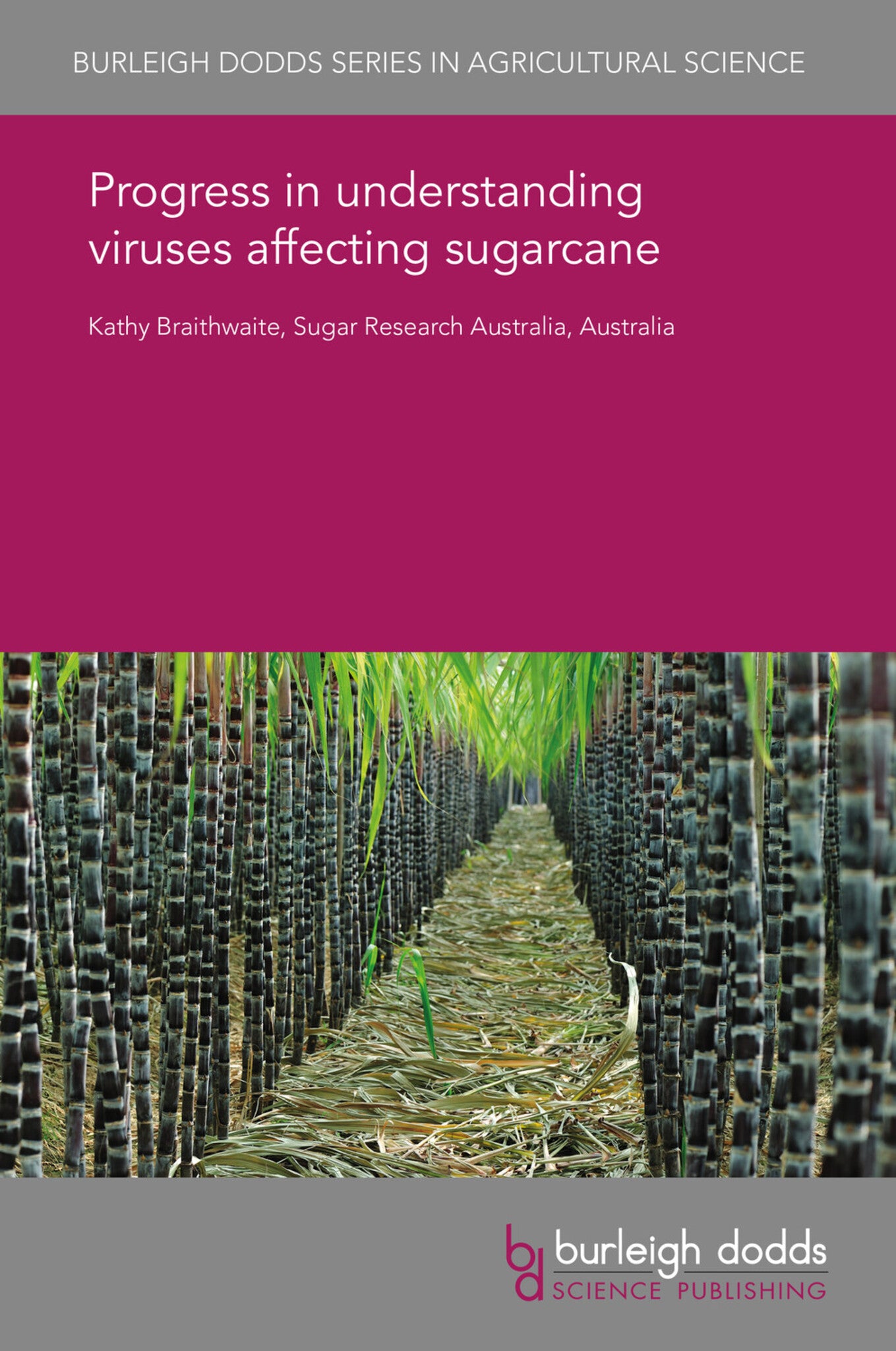
Progress in understanding viruses affecting sugarcane
There are currently around ten diseases of sugarcane known to be caused by viruses. In recent years our understanding of these diseases has greatly benefited from access to low-cost sequencing technologies which have revolutionized virus discovery, improved our understanding of genetic variation ...
Read MoreRegular price £25.00Sale price £25.00 Regular price £25.00Unit price per

We're sorry. An error has occurred
Please cancel or retry.


