


-
Advances in conservation agriculture volume 1
By focussing on soil health, Conservation Agriculture (CA) is seen as more sustainable than conventional production. This volume summarises research on key components for successful CA including no-till techniques, soil cover and cropping systems as well as the role of livestock and agroforestry.
Regular price £150.00Sale price £150.00 Regular price £150.00Unit price per -
Advances in conservation agriculture volume 2
Volume 2 reviews research on optimising Conservation Agricultural (CA) practices and their benefits. Chapters cover soil management, crop nutrition and irrigation, pest and disease management, as well as broader issues such as managing carbon, biodiversity and ecosystem services.
Regular price £150.00Sale price £150.00 Regular price £150.00Unit price per -
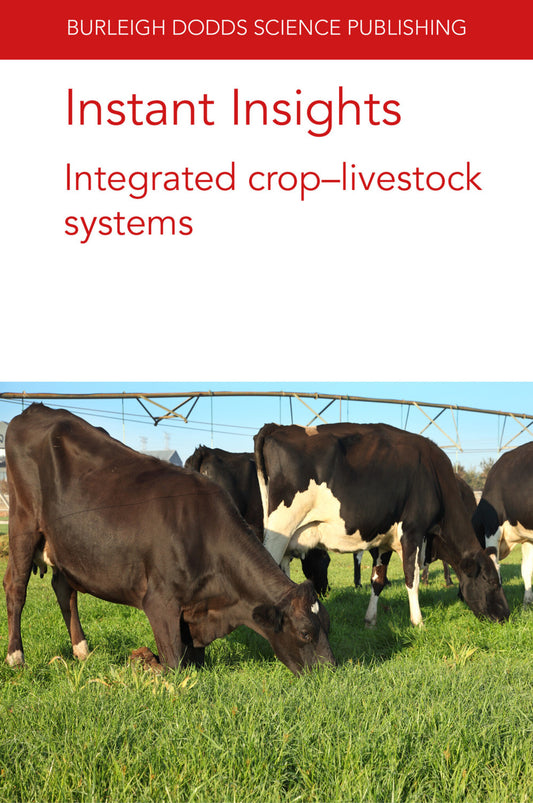
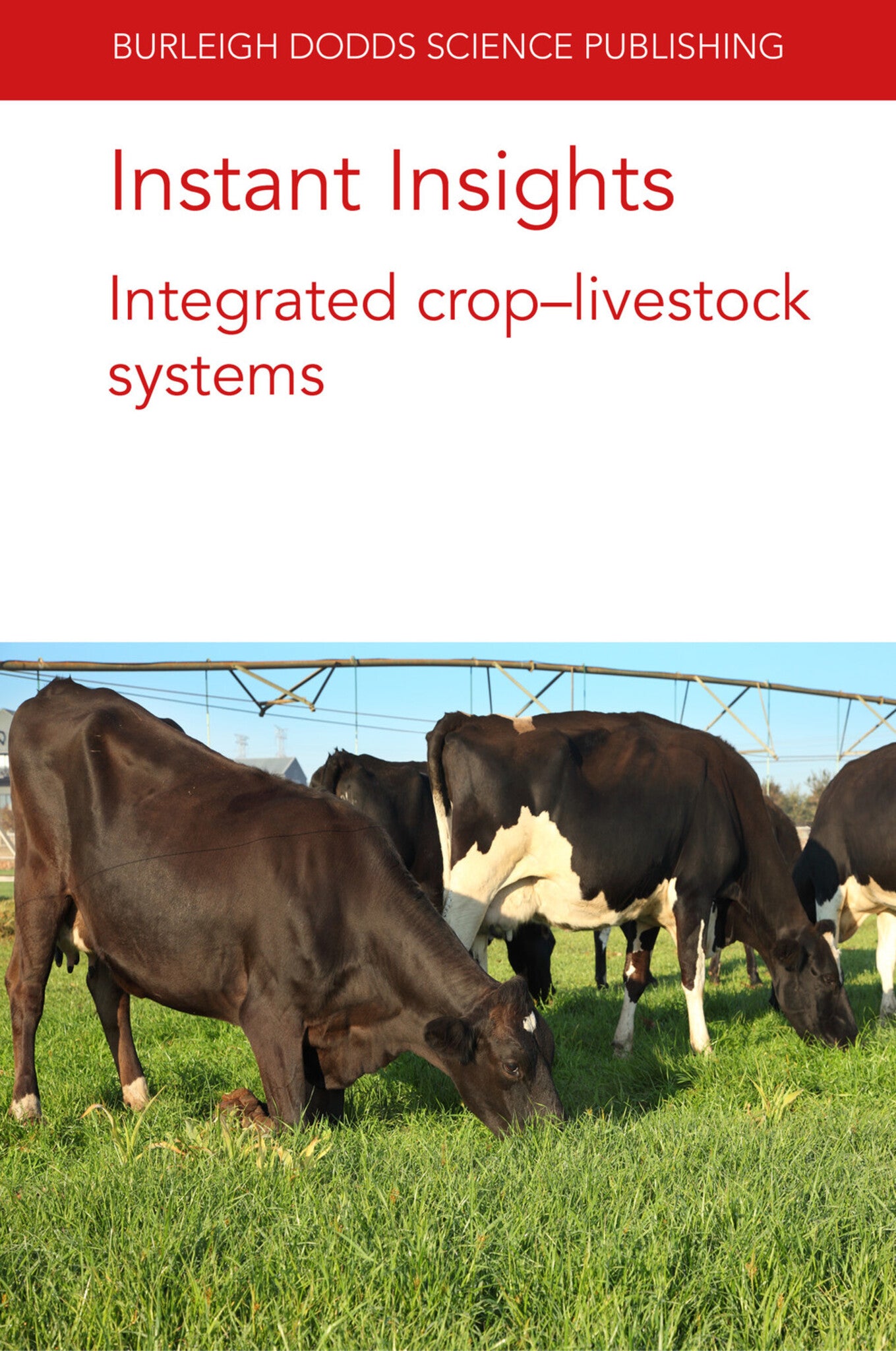
Instant insights: integrated crop-livestock systems
This collection features four peer-reviewed literature reviews on integrated crop–livestock systems in agriculture.
Regular price £37.99Sale price £37.99 Regular price £37.99Unit price per -
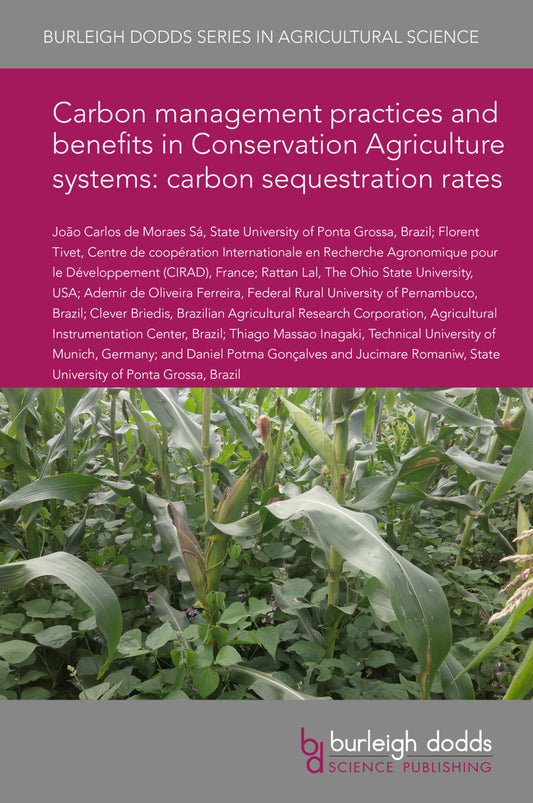
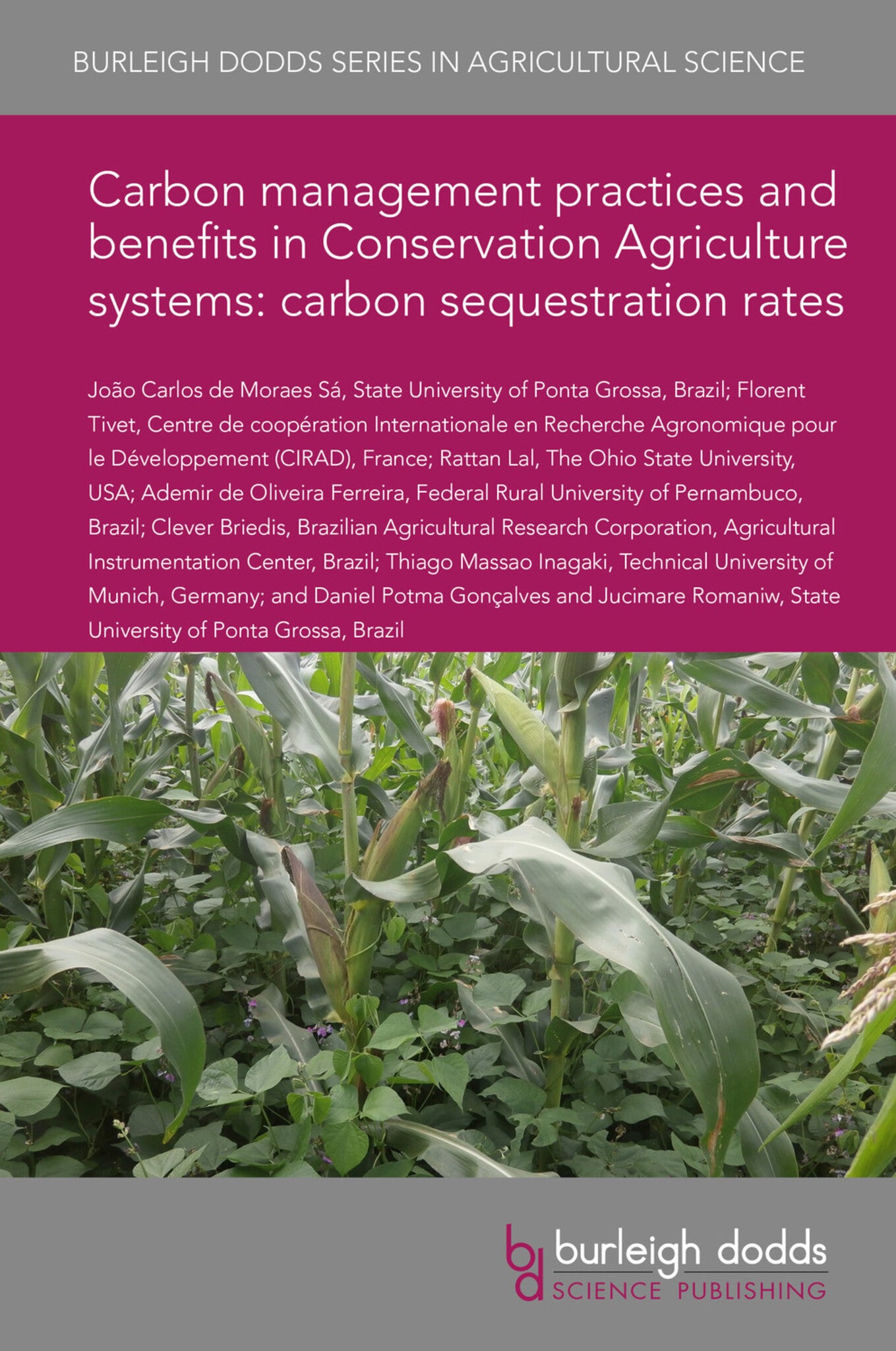
Carbon management practices and benefits in conservation agriculture systems: carbon sequestration rates
The adoption of Conservation Agriculture (CA) and the maintenance of crop residues on the soil surface result in the long-term increase of carbon (C) in the system, promoting C sequestration and reducing C-CO2 emissions to the atmosphere. The present study conducted in subtropical and tropical re...
Read MoreRegular price £25.00Sale price £25.00 Regular price £25.00Unit price per -
Management of vegetable conservation agriculture systems
This chapter discusses the principles and practices of no-tillage systems for vegetables (NTV), focusing primarily on tomato, onion and parsley cassava cultivation. It presents research regarding a long-term experiment of NTV for onion with winter crops and the effects on chemical, physical and b...
Read MoreRegular price £25.00Sale price £25.00 Regular price £25.00Unit price per -
Agroecosystem models for delivering ecosystem services
Agroecosystems are complex representations of the interactions occurring among multiple biological systems at the field and landscape scale. Models simulating these interactions across time and space are not very mature and expanding our current knowledge on crop, pest, and soils models provides ...
Read MoreRegular price £25.00Sale price £25.00 Regular price £25.00Unit price per -
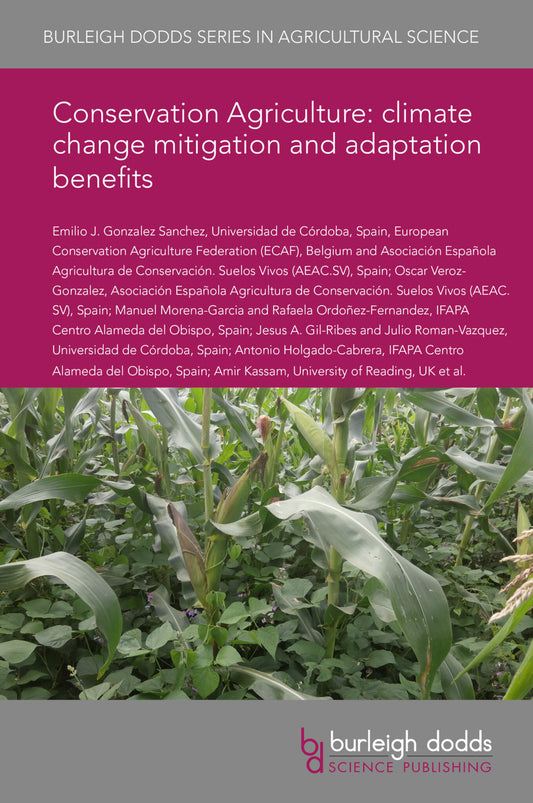
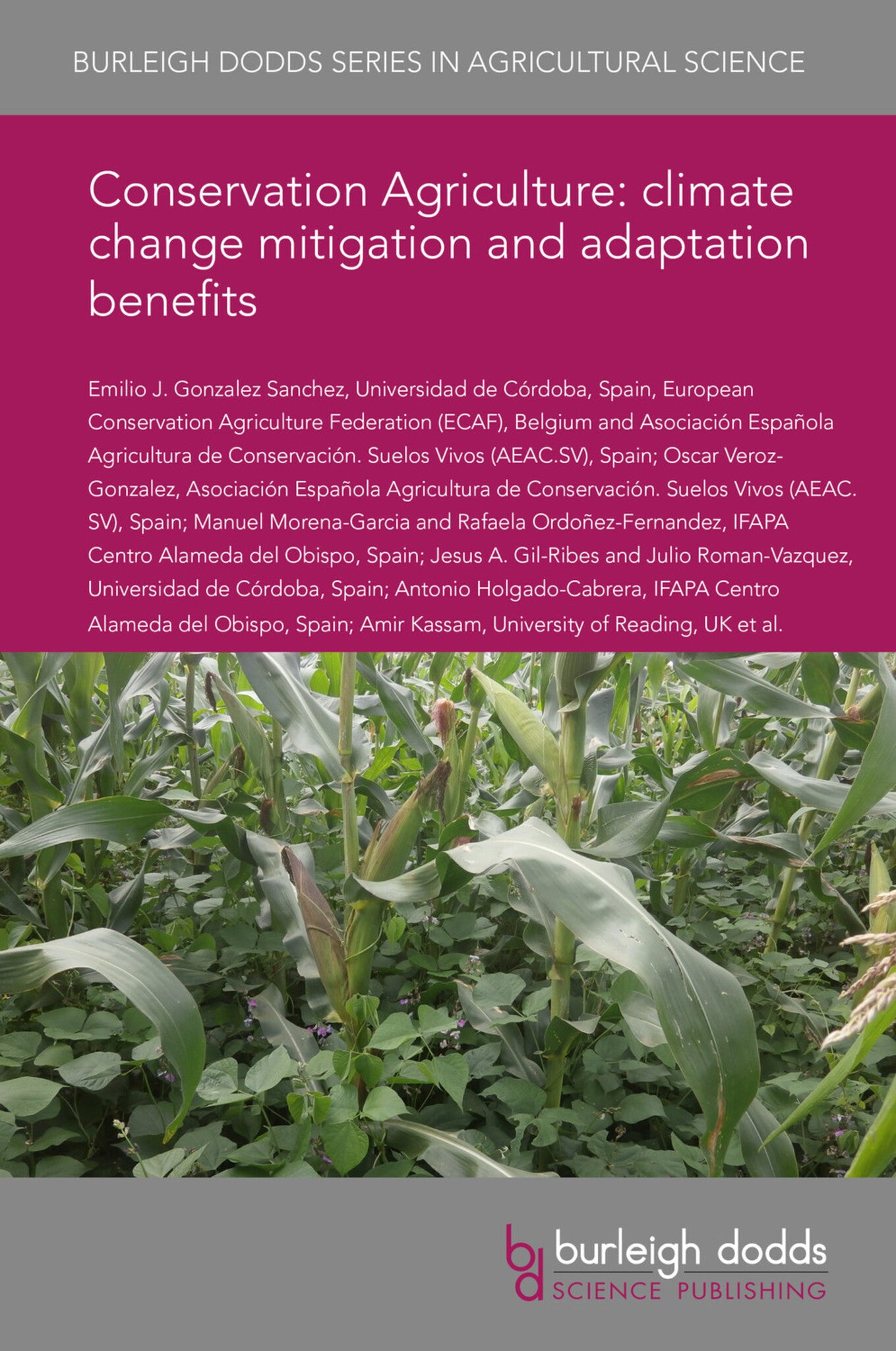
Conservation agriculture: climate change mitigation and adaptation benefits
This chapter discusses how Conservation Agriculture can be used to tackle the challenges posed by climate change to agricultural ecosystems. It focuses on the fundamentals of climate change mitigation and benefits of adapting to climate change. The chapter also includes a case study on the LIFE+ ...
Read MoreRegular price £25.00Sale price £25.00 Regular price £25.00Unit price per -
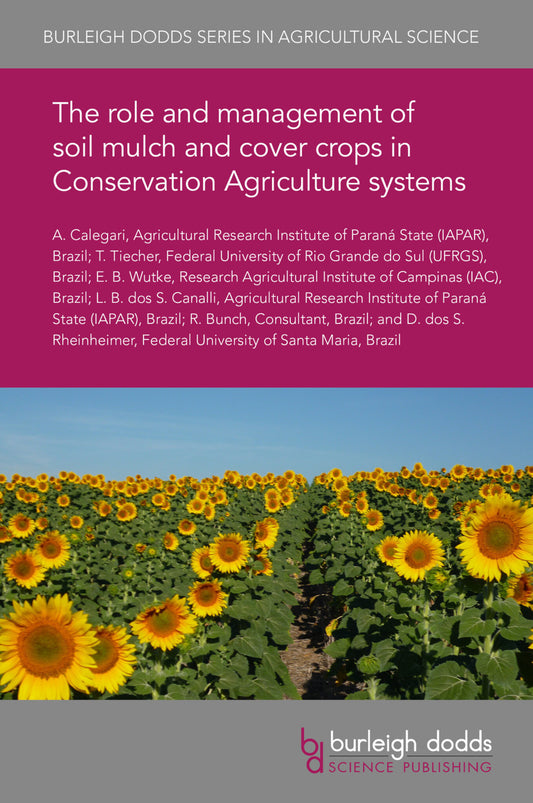
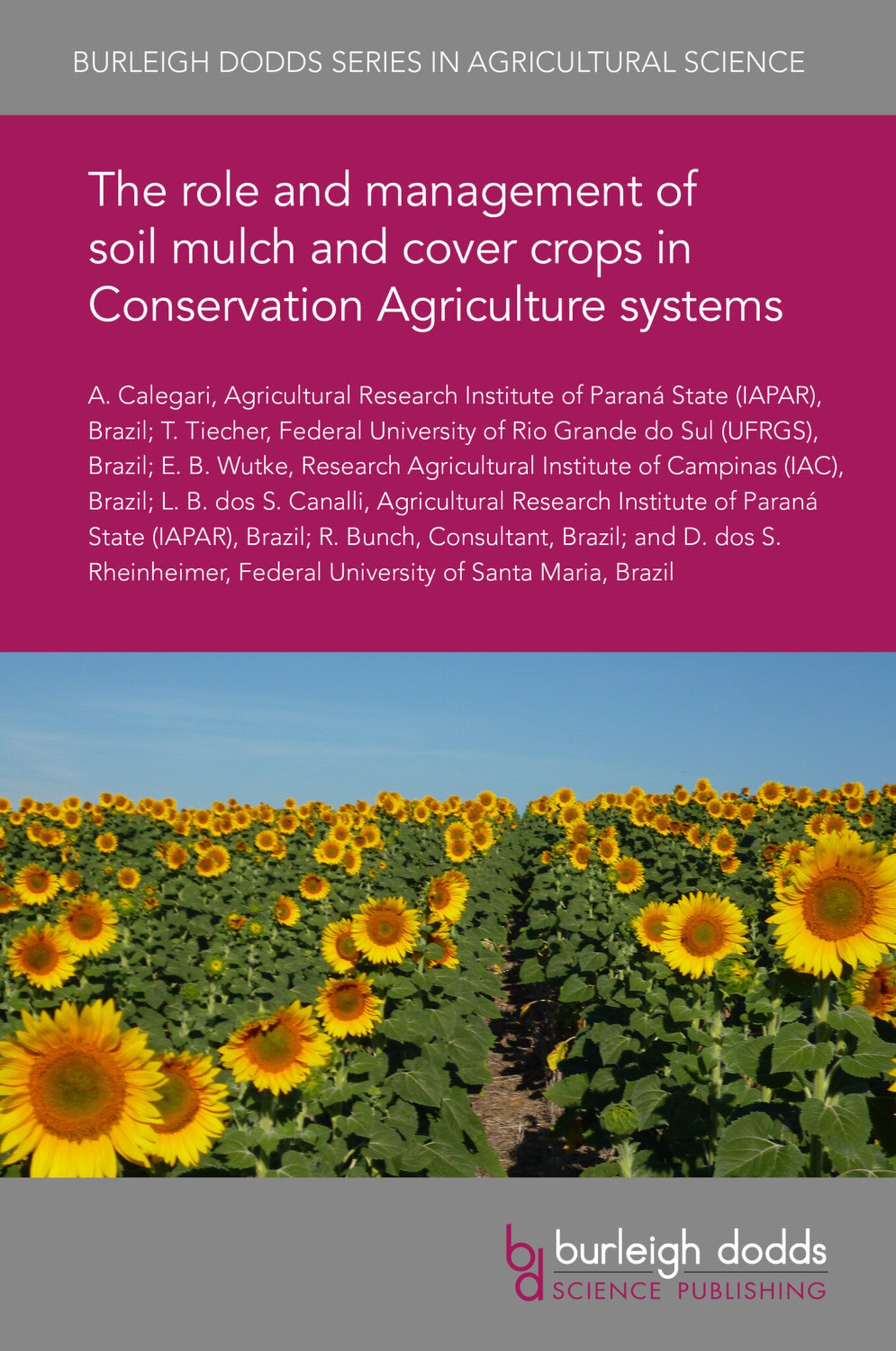
The role and management of soil mulch and cover crops in conservation agriculture systems
This chapter discusses the main components of an adequate Conservation Agriculture system and the role of soil mulching within these systems. It highlights the use of different cover crops species to promote live or dead soil mulch cover. The chapter also reviews how cover crops effect aspects su...
Read MoreRegular price £25.00Sale price £25.00 Regular price £25.00Unit price per -
Biodiversity management practices and benefits in conservation agriculture systems
Biodiversity in agriculture is one of the most effective ways to achiebe sustainable crop production without damaging the environment. This chapter reviews biodiversity management practices and benefits in Conservation Agriculture systems. After looking at the importance of soil microorganisms, t...
Read MoreRegular price £25.00Sale price £25.00 Regular price £25.00Unit price per -
The role of no or minimum mechanical soil disturbance in conservation agriculture systems
Minimum mechanical soil disturbance is one of the pillars of Conservation Agriculture (CA). It is the core concept, which distinguishes CA as a sustainable farming system from tillage-based systems. This chapter introduces concepts of tillage and soil disturbance and the issues and solutions rela...
Read MoreRegular price £25.00Sale price £25.00 Regular price £25.00Unit price per -


Certification schemes for conservation agriculture systems
For many centuries, soil health or soil quality has been defined as the capacity of soil to function as a vital living ecosystem for sustaining plants, animals, and humans; being the base of life. Hence, the concept of a correct soil management as an essential tool to keep soils sustainable for f...
Read MoreRegular price £25.00Sale price £25.00 Regular price £25.00Unit price per -
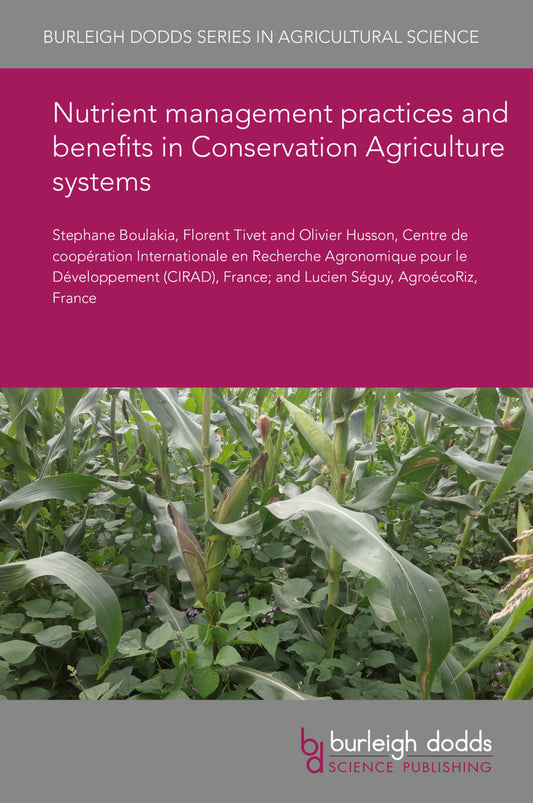
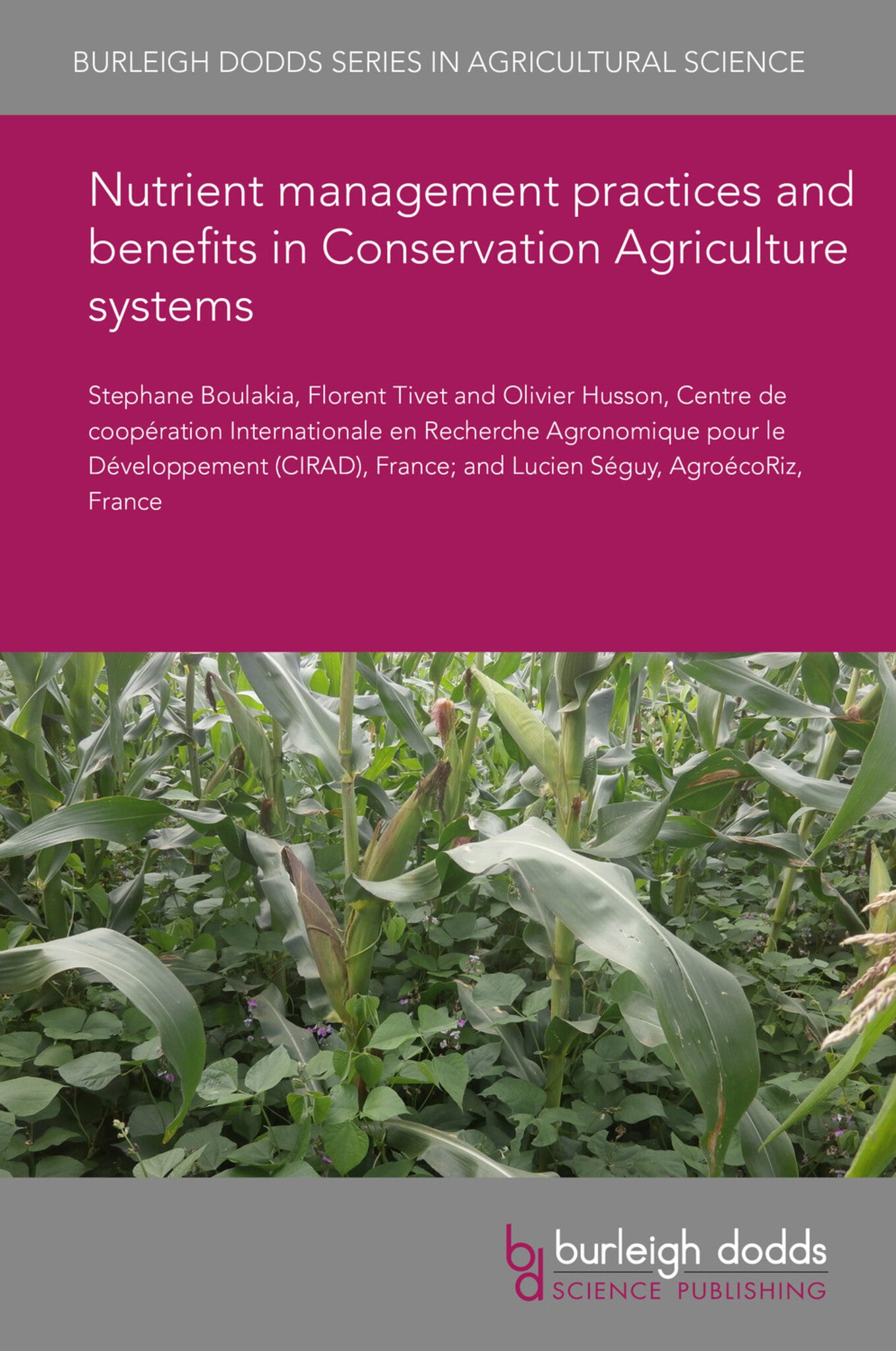
Nutrient management practices and benefits in conservation agriculture systems
Nutrient cycling is considered as a key agroecosystem service of Conservation Agriculture (CA). CA brings together major nutrients and organic matter fluxes within the soil-micro-organism-plant system. It also generates organic and inorganic nutrient pools accessible through new biological pathwa...
Read MoreRegular price £25.00Sale price £25.00 Regular price £0.00Unit price per -
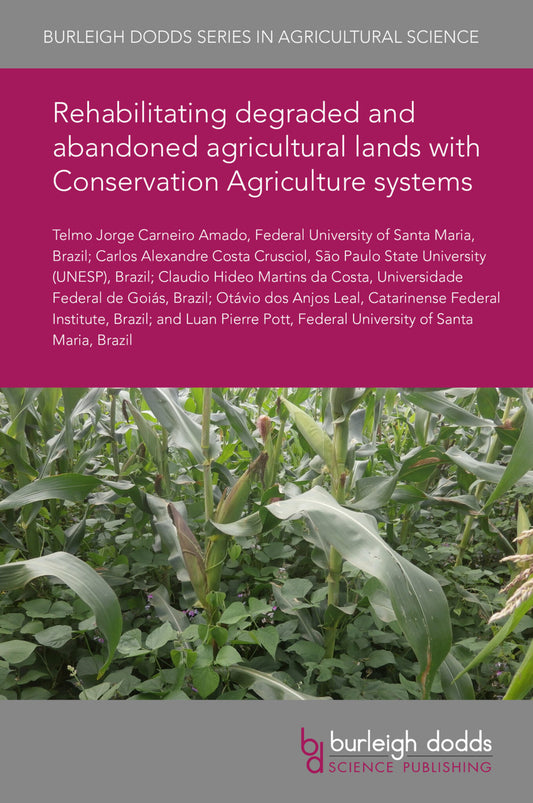
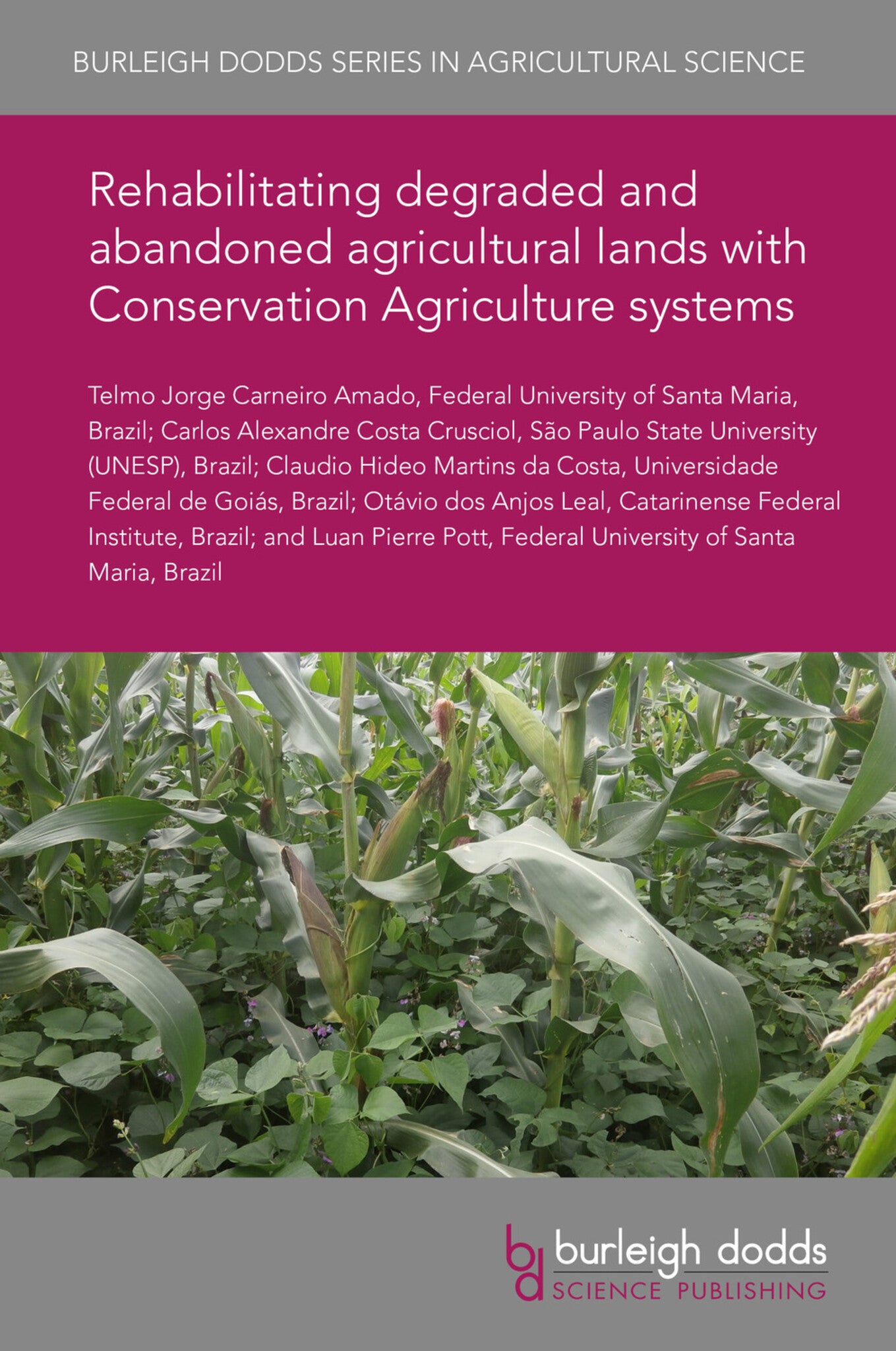
Rehabilitating degraded and abandoned agricultural lands with conservation agriculture systems
Soil degradation worldwide is a serious concern since global demands for food production and security and environmental preservation have increased substantially. In Brazil, intensive tillage, low soil cover and residue input, monocropping, soil organic matter depletion, erosion, compaction and s...
Read MoreRegular price £25.00Sale price £25.00 Regular price £25.00Unit price per -


Modeling crop rotations: capturing short- and long-term feedbacks for sustainability and soil health
Crop rotation is a critical management strategy available to farmers to sustain soil fertility, combat pests, and improve crop yields. Because of the complex feedbacks occurring in the soil-plant-atmosphere continuum, legacy effects and their interactions with climate are generally not well under...
Read MoreRegular price £25.00Sale price £25.00 Regular price £25.00Unit price per -


Advances in remote/aerial sensing of crop water status
This chapter examines advances in remote and aerial sensing of crop water status. The chapter first discusses the quantification of plant water status and the various methods used to assess plant water stress. It then moves on to examine the use of electromagnetic radiation and how it can interac...
Read MoreRegular price £25.00Sale price £25.00 Regular price £25.00Unit price per -
Improving modeling of nutrient cycles in crop cultivation
This chapter describes nutrient cycle modelling for nitrogen (N), phosphorus (P), and potassium (K) and is not meant to be a review of existing nutrient models. Most of these existing models were designed to predict the effects of N and P on crop growth response. Given the importance of N in glo...
Read MoreRegular price £25.00Sale price £25.00 Regular price £25.00Unit price per -
Advances in assessing nutrient availability in soils
Plants depend on sufficient and timely soil availability of 14 essential nutrients. In order to achieve sustainable and resource-efficient plant production with high yields and minimal environmental impact, soil analyses aimed at assessing nutrient availability should be considered an important a...
Read MoreRegular price £25.00Sale price £25.00 Regular price £0.00Unit price per -
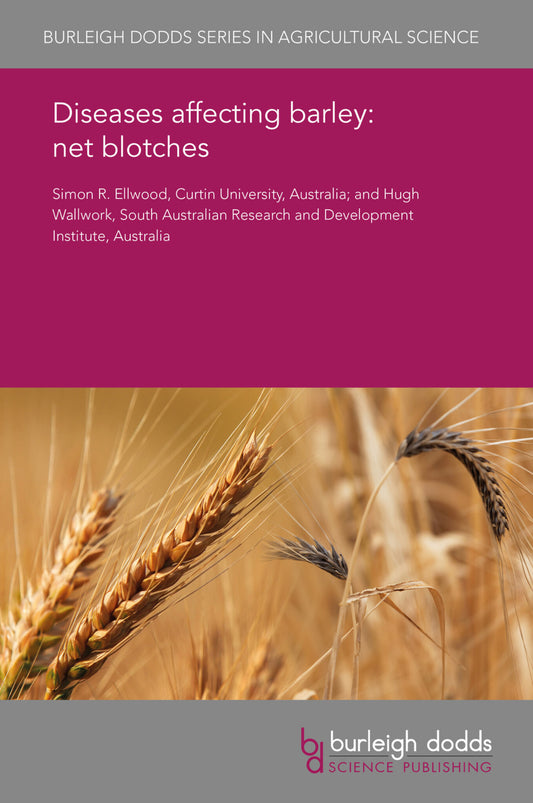
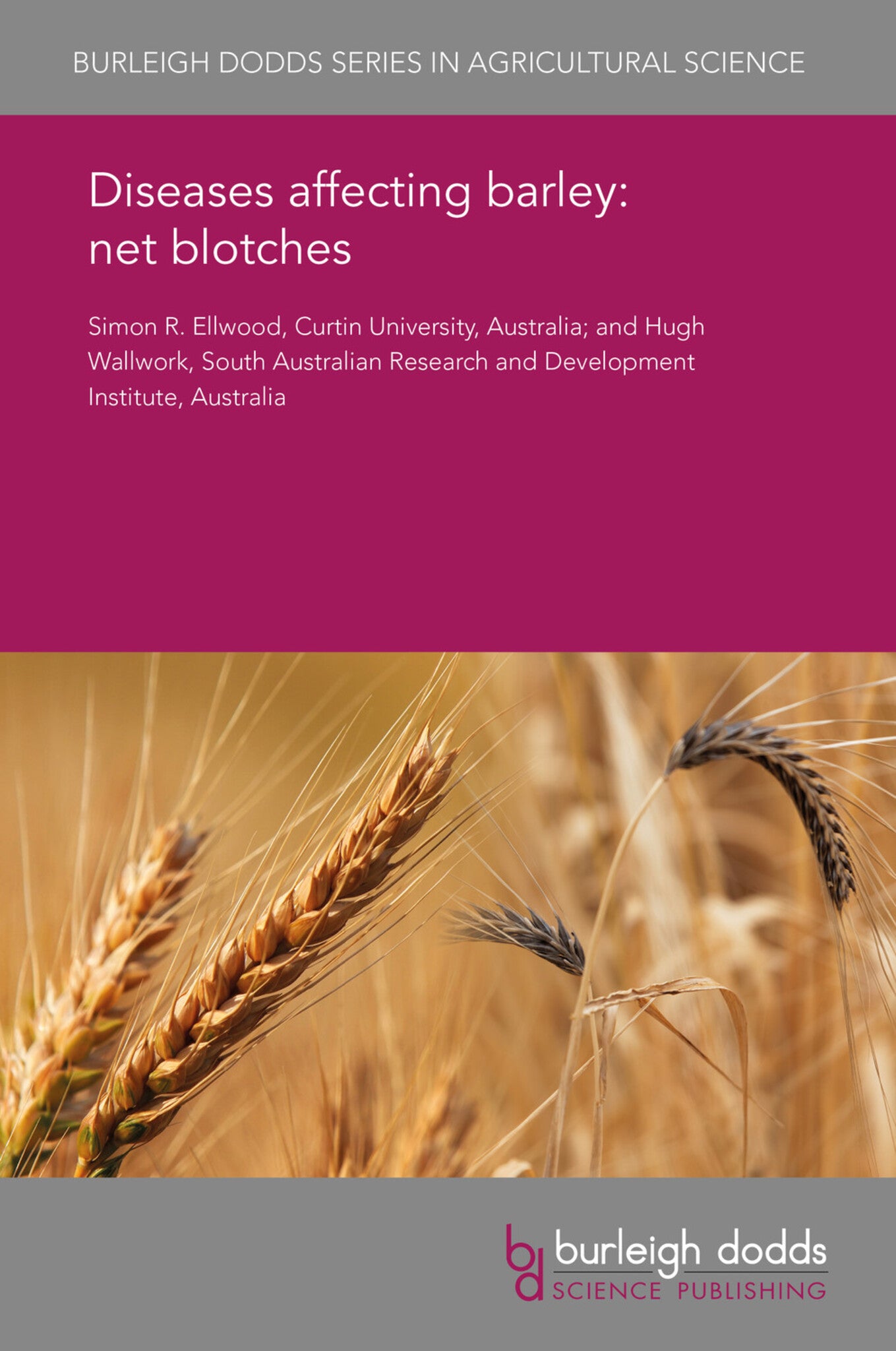
Diseases affecting barley: net blotches
This chapter reviews the current knowledge of spot form and net form of net blotch of barley with an emphasis on recent genetic studies and their contribution to our understanding of the range of host-pathogen genetic interactions. Principal differences between the two forms of the disease are ex...
Read MoreRegular price £25.00Sale price £25.00 Regular price £25.00Unit price per -
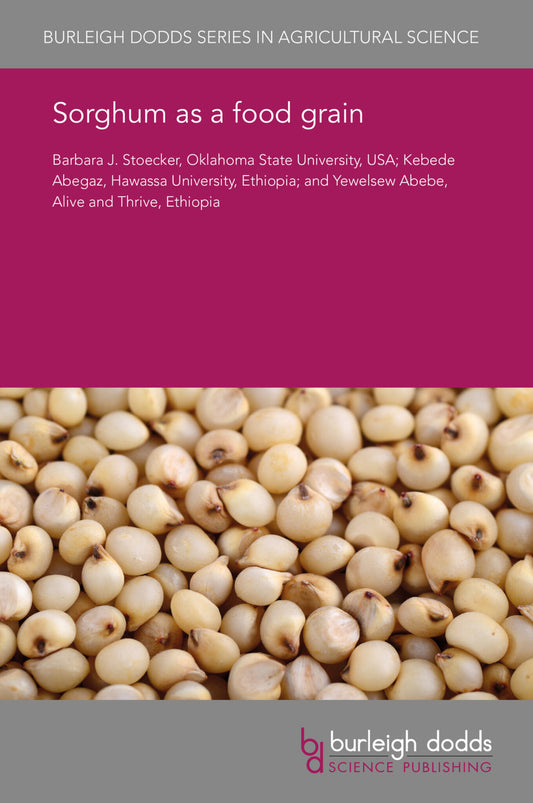
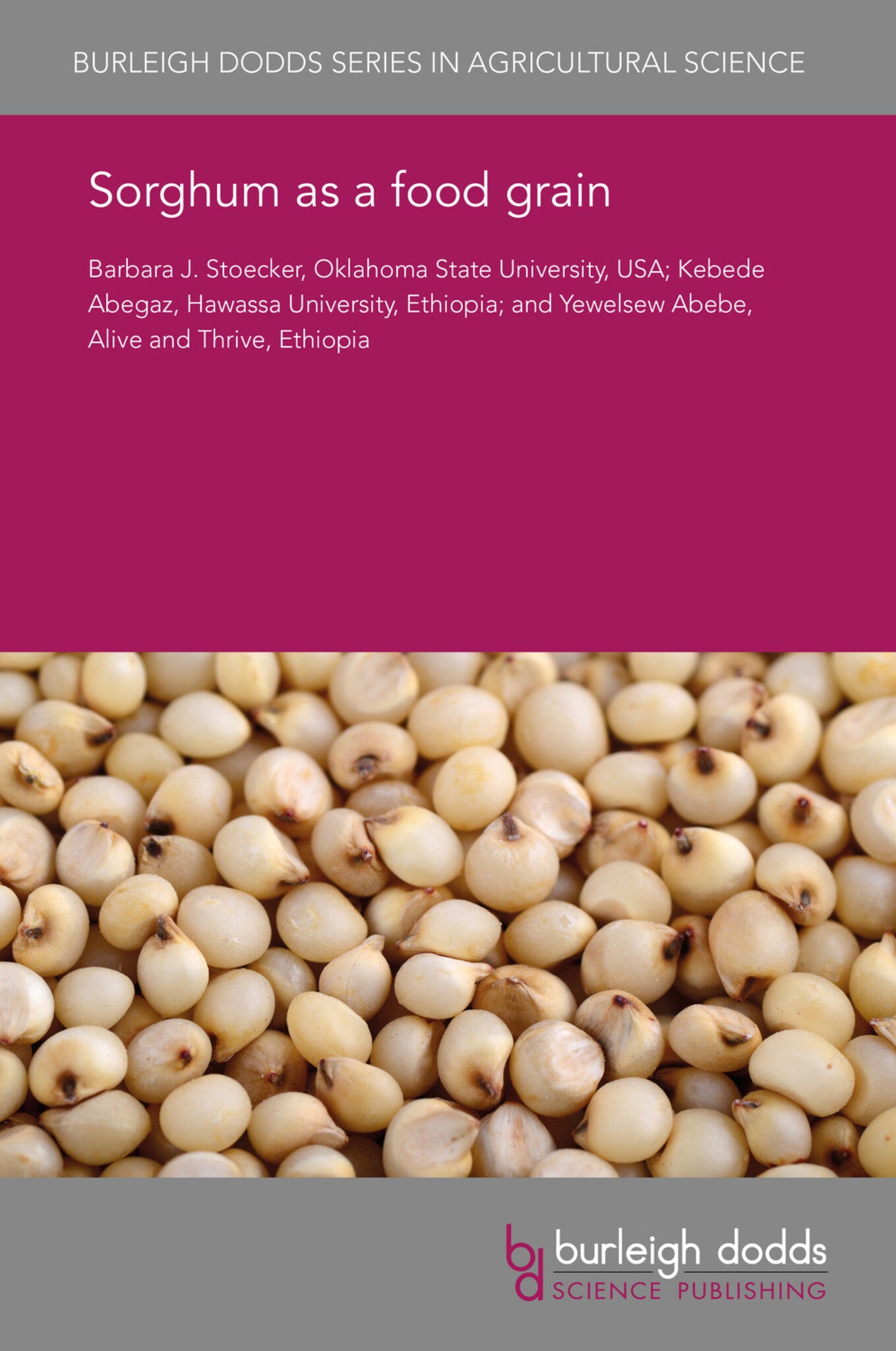
Sorghum as a food grain
Grain sorghum is the fifth most produced cereal crop in the world, preceded only by rice, wheat, corn and barley, and it is a dietary staple for more than half a billion people in more than 30 countries. Sorghum is a principal food in areas of Africa and Asia as well as being used as a raw materi...
Read MoreRegular price £25.00Sale price £25.00 Regular price £25.00Unit price per -
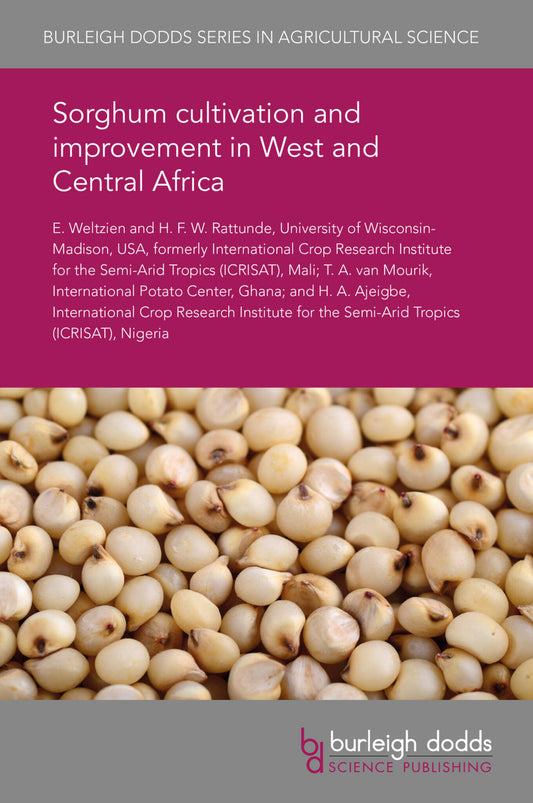
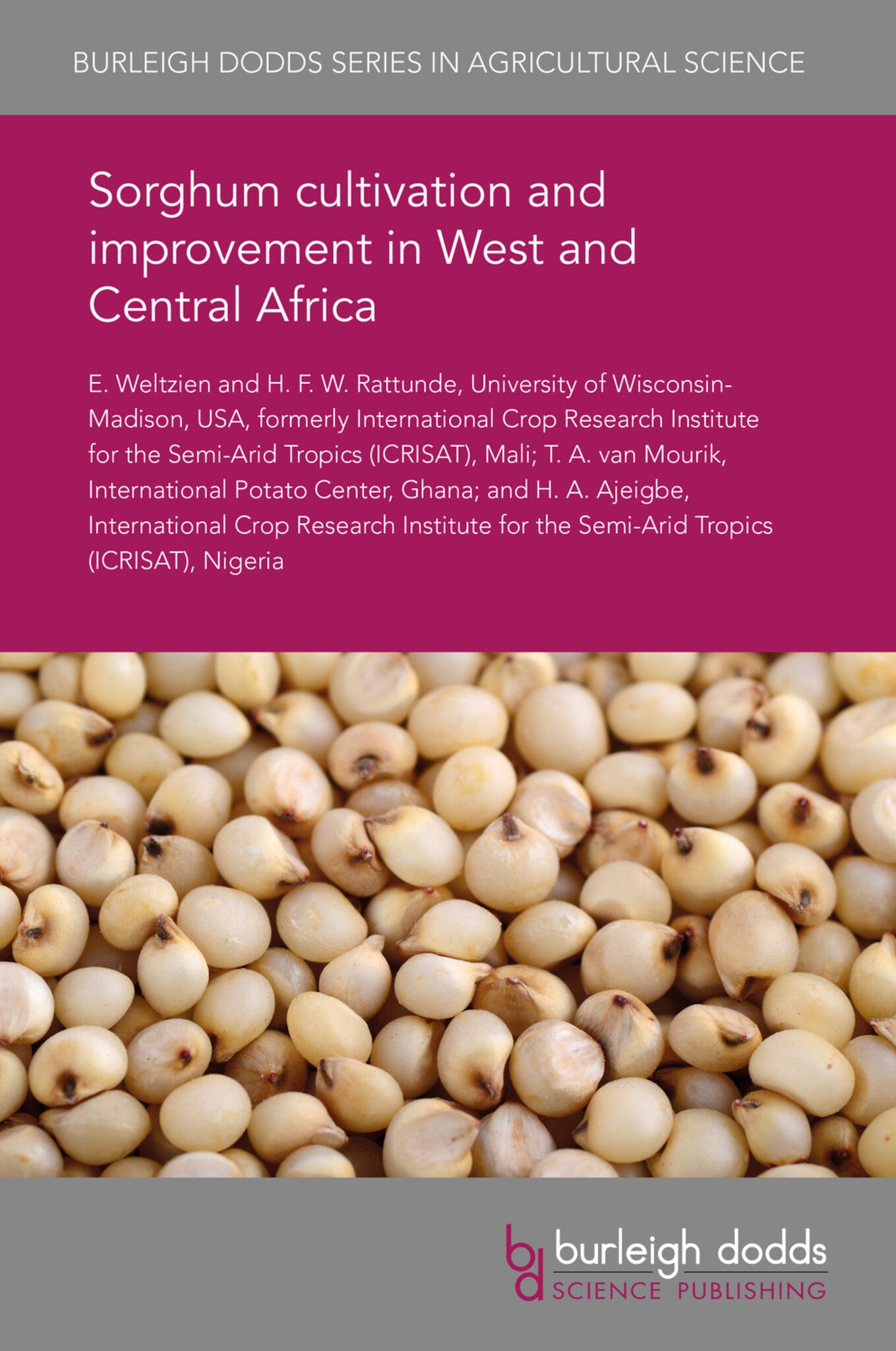
Sorghum cultivation and improvement in west and central africa
The diversity of sorghum cultivated in Africa attests to the African origin of this crop. Farmers in West and Central Africa (WCA) have developed strategies of using varietal diversity to minimize risk and maximize productivity in the context of complex and diverse adaptive challenges. This chapt...
Read MoreRegular price £25.00Sale price £25.00 Regular price £25.00Unit price per -
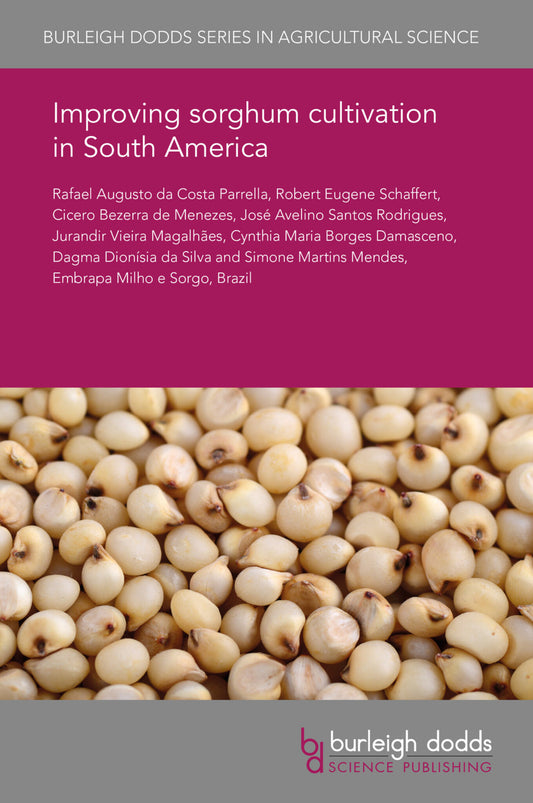
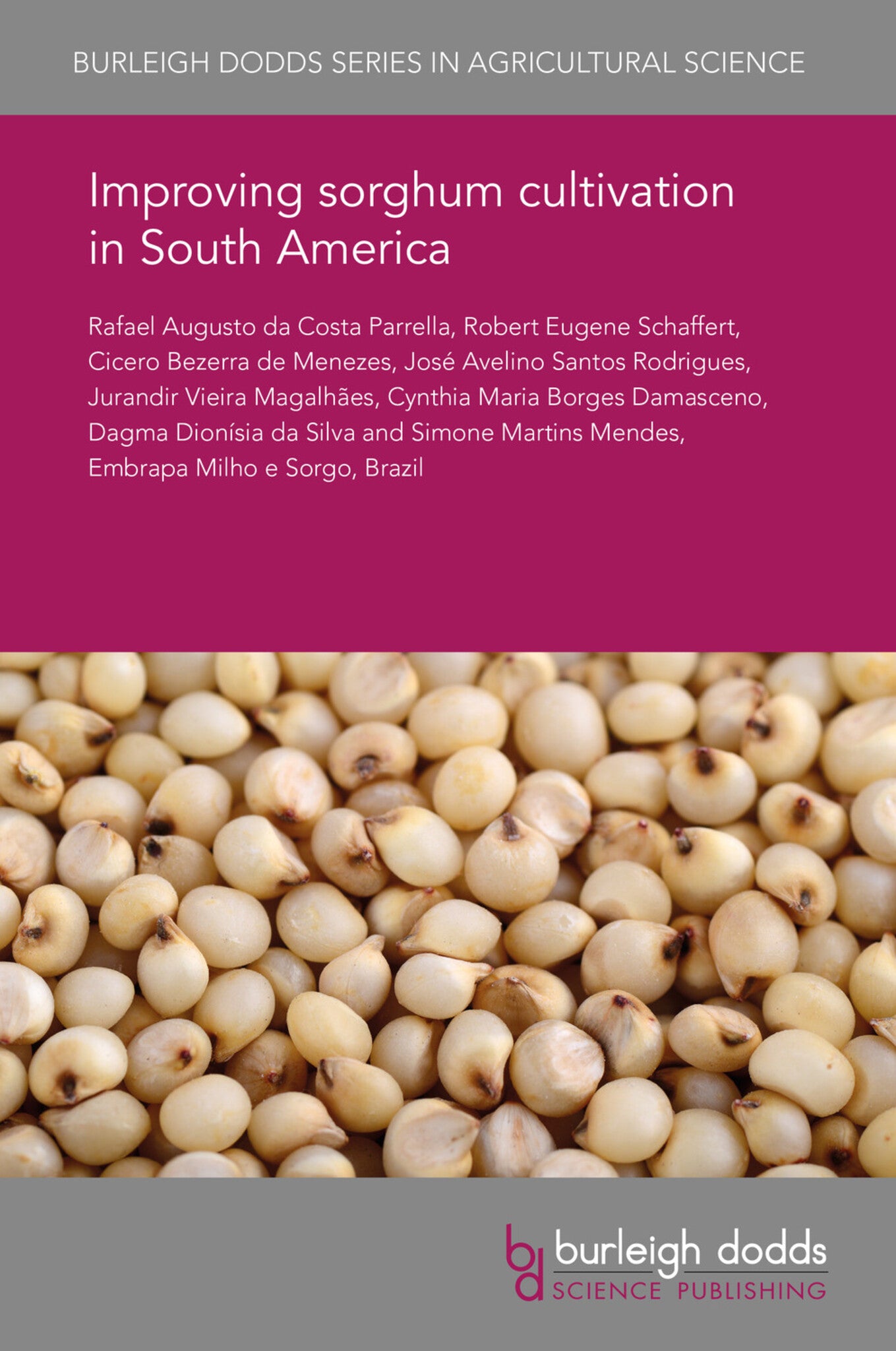
Improving sorghum cultivation in south america
Sorghum production in Brazil has expanded significantly in recent years, with a current planted area of close to one and a half million hectares. Sorghum provides an excellent source of grain to feed cattle, poultry and swine, as well as forage for cattle, especially in situations of drought and ...
Read MoreRegular price £25.00Sale price £25.00 Regular price £25.00Unit price per -
Sorghum as a forage and energy crop
Sorghum is an important source of grain and fodder, forage and biomass throughout the world. In the United States, grain sorghum is the prominent crop; however, non-grain sorghum plays an important role as a feedstock globally. This chapter reviews the different types of sorghum and their uses. W...
Read MoreRegular price £25.00Sale price £25.00 Regular price £25.00Unit price per -
Introducing new technologies and market strategies for sorghum producers in developing countries: the sahel case
Sorghum producers are faced with the simultaneous problems of low yields, difficult access to inputs, and are at the bottom of the marketing chain hence the lowest prices received. So a yield increasing strategy needs to confront all of these constraints. This chapter reports on the field researc...
Read MoreRegular price £25.00Sale price £25.00 Regular price £25.00Unit price per -
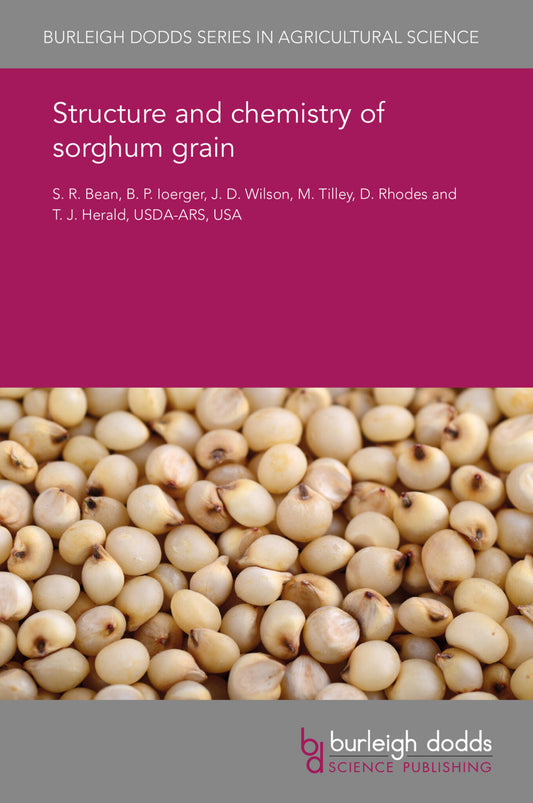
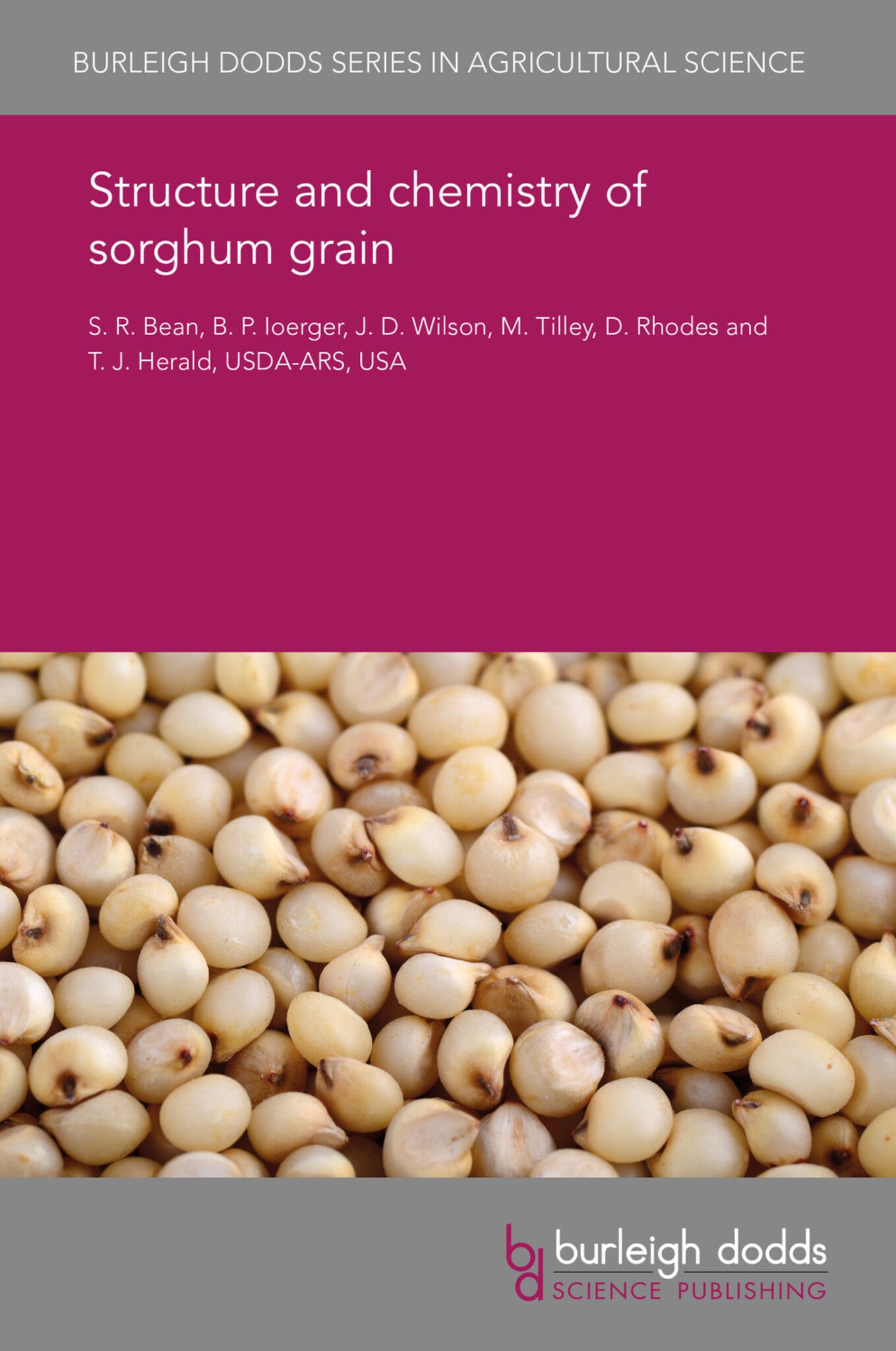
Structure and chemistry of sorghum grain
Sorghum is grown around the world under diverse environmental conditions. Combined with the high degree of genetic diversity present in sorghum, this can result in substantial variability in grain composition and grain quality. While similar to other cereal grains such as maize and millets in som...
Read MoreRegular price £25.00Sale price £25.00 Regular price £25.00Unit price per -
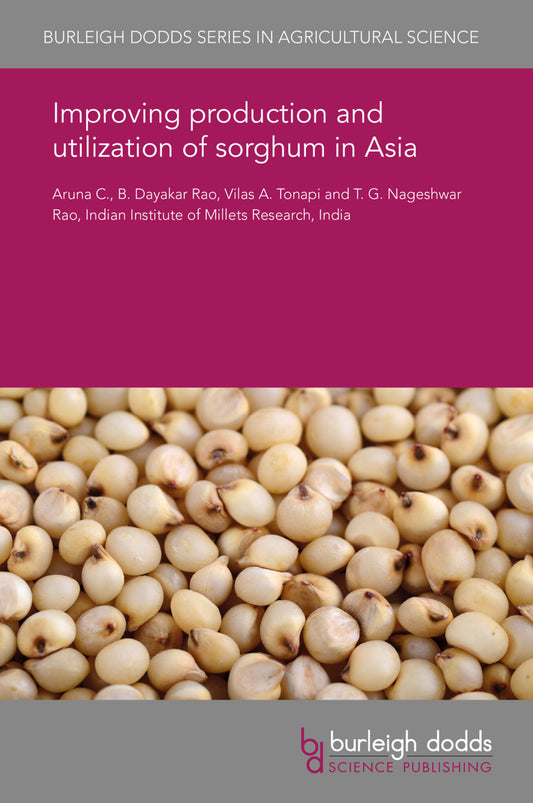
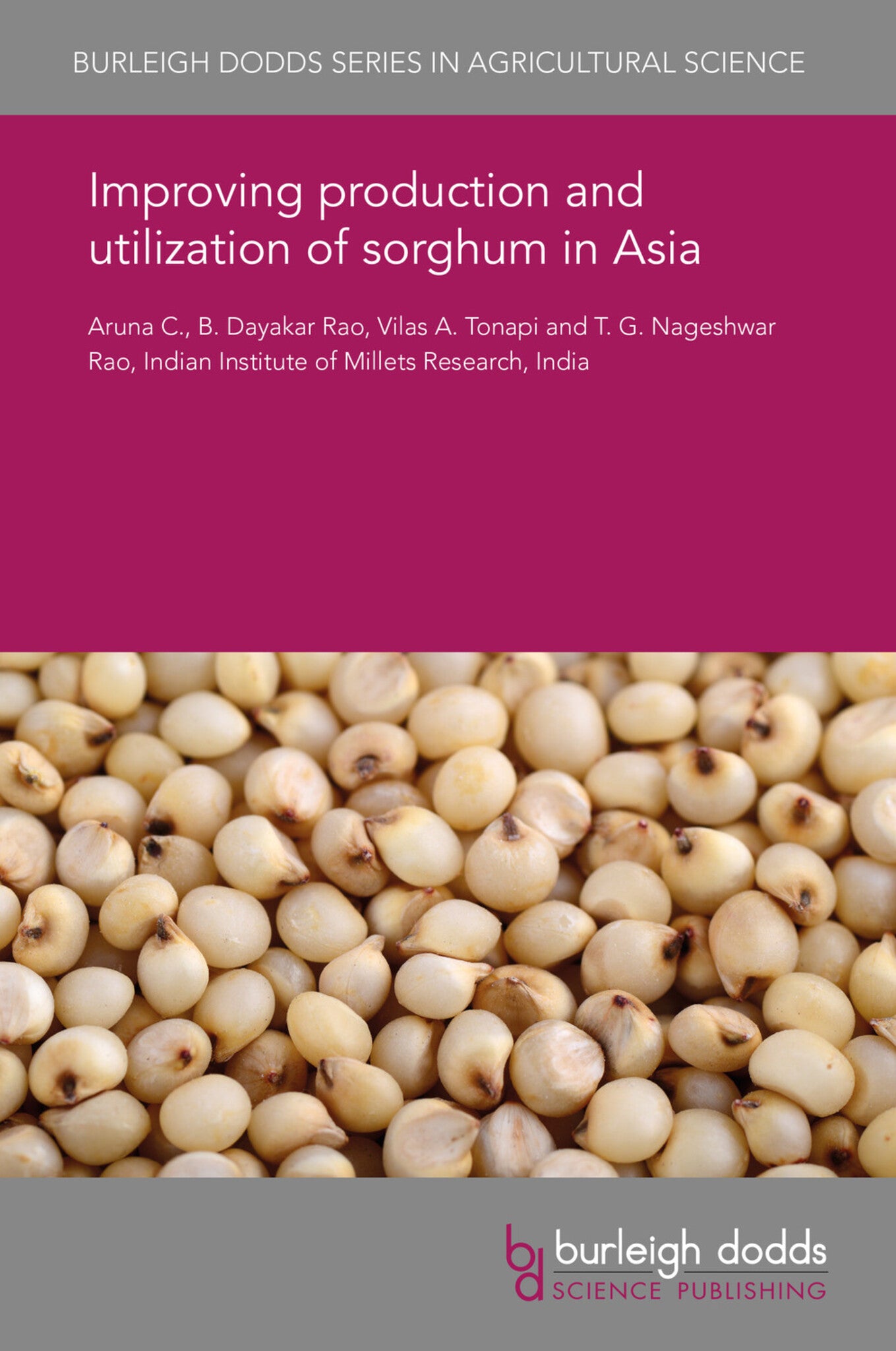
Improving production and utilization of sorghum in asia
Sorghum was once a major crop in dry regions. However, its production area has decreased drastically, especially in Asia. In order to revitalize sorghum production, we must reorient sorghum research in the contexts of present and future demands, and resolve specific production constraints, thereb...
Read MoreRegular price £25.00Sale price £25.00 Regular price £0.00Unit price per -
Achieving sustainable cultivation of grain legumes volume 1
Grain legumes are widely seen as a key food security crop in the developing world. This major two-collection reviews the wealth of recent research on improving cultivation of this major crop. This first volume ranges from plant physiology and breeding through to better cultivation techniques.
Regular price £160.00Sale price £160.00 Regular price £160.00Unit price per -
Growth, development and physiology of grain sorghum
A thorough understanding of how grain sorghum develops is essential in determining how best to manage this crop. Grain sorghum has three predictable phases of growth: vegetative (planting to panicle initiation); reproductive (panicle initiation to flowering) and grain filling (after flowering to ...
Read MoreRegular price £25.00Sale price £25.00 Regular price £25.00Unit price per -


Supporting smallholders in improving wheat cultivation
We present an overview of how research and development (R&D) can support smallholder wheat farmers (i.e. wheat farmers with limited access to resources and services), reviewing published research and presenting a case study based on our ongoing wheat technology transfer project in Kenya. Glob...
Read MoreRegular price £25.00Sale price £25.00 Regular price £25.00Unit price per -
Supporting smallholders in maize cultivation: using an agricultural innovation systems approach
An innovation system can be defined as a network of organizations, enterprises and individuals focused on bringing new products, new processes and new forms of organization into use, together with the institutions and policies that affect their behaviour and performance. In this chapter, we prese...
Read MoreRegular price £25.00Sale price £25.00 Regular price £25.00Unit price per -
Achieving sustainable cultivation of potatoes volume 2
The second of this two-volume collection discusses ways of improving cultivation across the supply chain from seed selection and planting to post-harvest storage. It also reviews research on the better understanding and management of key pests and diseases.
Regular price £160.00Sale price £160.00 Regular price £160.00Unit price per -
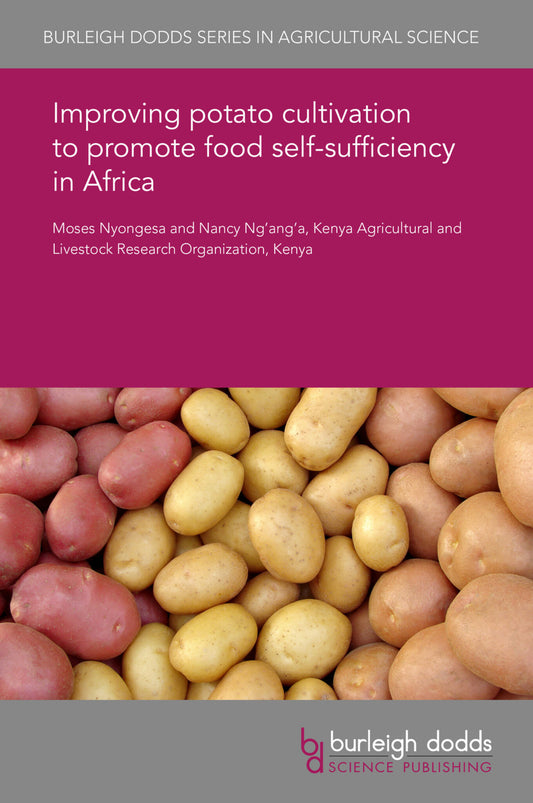
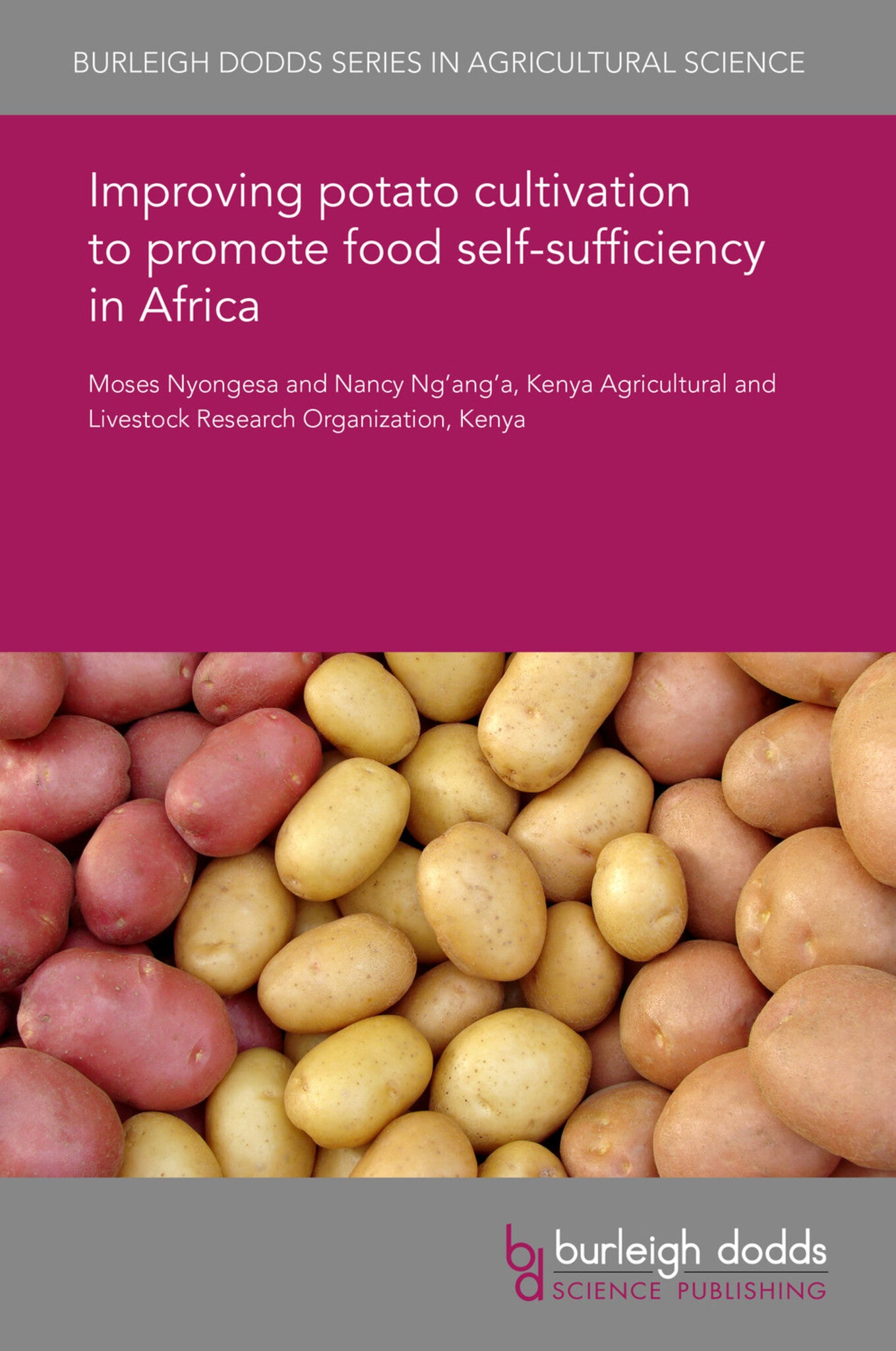
Improving potato cultivation to promote food self-sufficiency in africa
Demand for potato in sub-Saharan Africa is growing, but the projected growth in demand is not matched by the projected growth rate in local potato production. An interplay of factors ensure the production gains achieved are small and slow. This chapter reviews the current state of potato producti...
Read MoreRegular price £25.00Sale price £25.00 Regular price £25.00Unit price per -
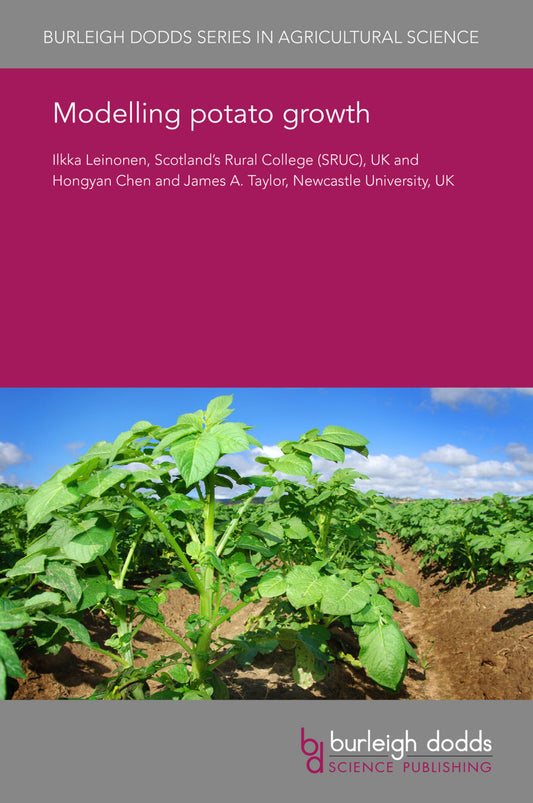
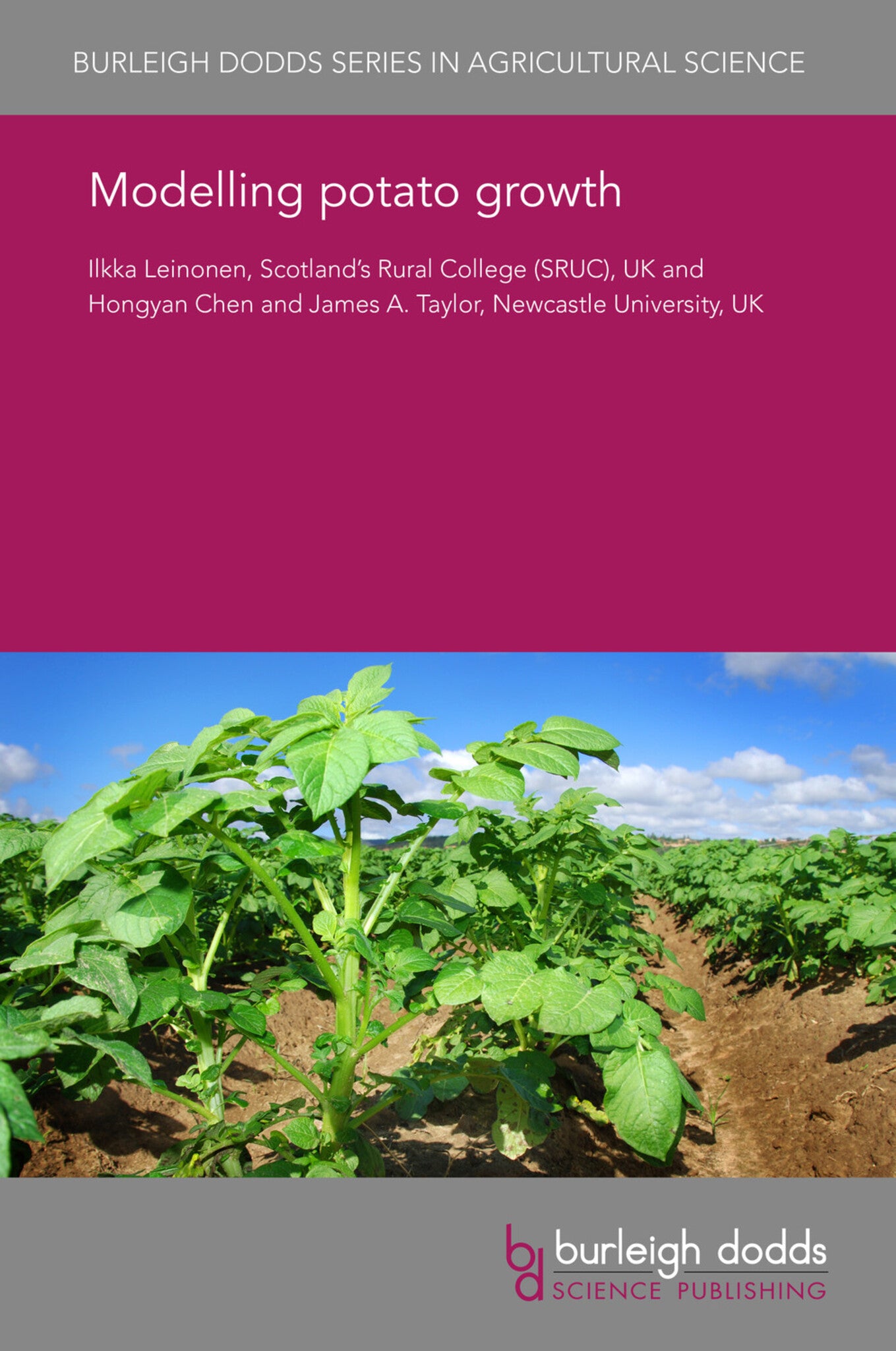
Modelling potato growth
The development of mechanistic models for predicting growth of various crops (including potatoes) has continued for several decades, and new applications of such models are increasingly becoming available. Despite the benefits of this development, it may be difficult for the user to choose partic...
Read MoreRegular price £25.00Sale price £25.00 Regular price £25.00Unit price per -
Acrylamide formation in fried potato products and its mitigation
Acrylamide is carcinogenic to rodents and also a ‘probable’ human carcinogen. No regulatory limits have yet been established on the levels of this contaminant in food, but food industries are nevertheless under pressure to find ways of reducing acrylamide formation. The greatest contribution to d...
Read MoreRegular price £25.00Sale price £25.00 Regular price £25.00Unit price per -
Improving nutrient management in potato cultivation
Potatoes require 14 mineral nutrients, which are often applied in fertilisers. This chapter describes management practices that maximise crop production and minimise nutrient losses to the environment. First, it describes the development of the crop and its temporal demands for macronutrients (ni...
Read MoreRegular price £25.00Sale price £25.00 Regular price £0.00Unit price per -
Constraints in adopting improved technologies for maize cultivation: the case of africa
The adoption of improved technology is essential for increasing productivity in the production of maize in Africa. This, in turn, will contribute to food self-sufficiency and the alleviation of poverty and food insecurity. This chapter reviews the importance of increasing the adoption rate of imp...
Read MoreRegular price £25.00Sale price £25.00 Regular price £25.00Unit price per -
Post-harvest storage of potatoes
Storage is one component of the field to fork cycle and good storage can maintain the quality of the input tubers with positive benefits for the rest of the supply chain. This chapter reviews the mechanisms underlying potato spoilage and discusses key techniques for storing potatoes to maintain q...
Read MoreRegular price £25.00Sale price £25.00 Regular price £25.00Unit price per -
Improving the breeding, cultivation and use of sweetpotato in africa
Sweetpotato is a low-input crop with significant potential for improving public health and nutrition and developing food security in sub-Saharan Africa. This chapter examines the nutritional contribution made by OFSP (orange-fleshed sweetpotato) in poor rural communities in Malawi, Ghana, Nigeria...
Read MoreRegular price £25.00Sale price £25.00 Regular price £25.00Unit price per -
Advances in postharvest management of horticultural produce
Postharvest losses remain a serious problem in the fresh produce sector. This collection reviews advances in preservation and disinfection, monitoring and management techniques to optimise safety and quality of fresh fruit and vegetables.
Regular price £150.00Sale price £150.00 Regular price £150.00Unit price per -
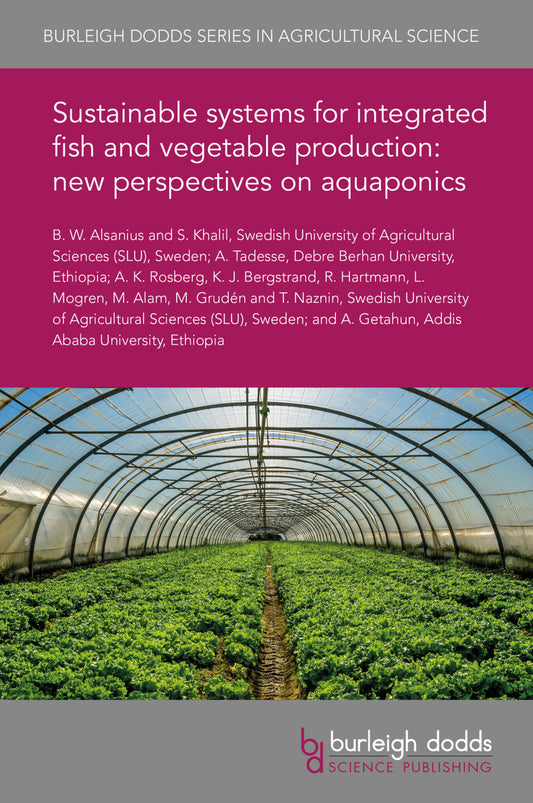
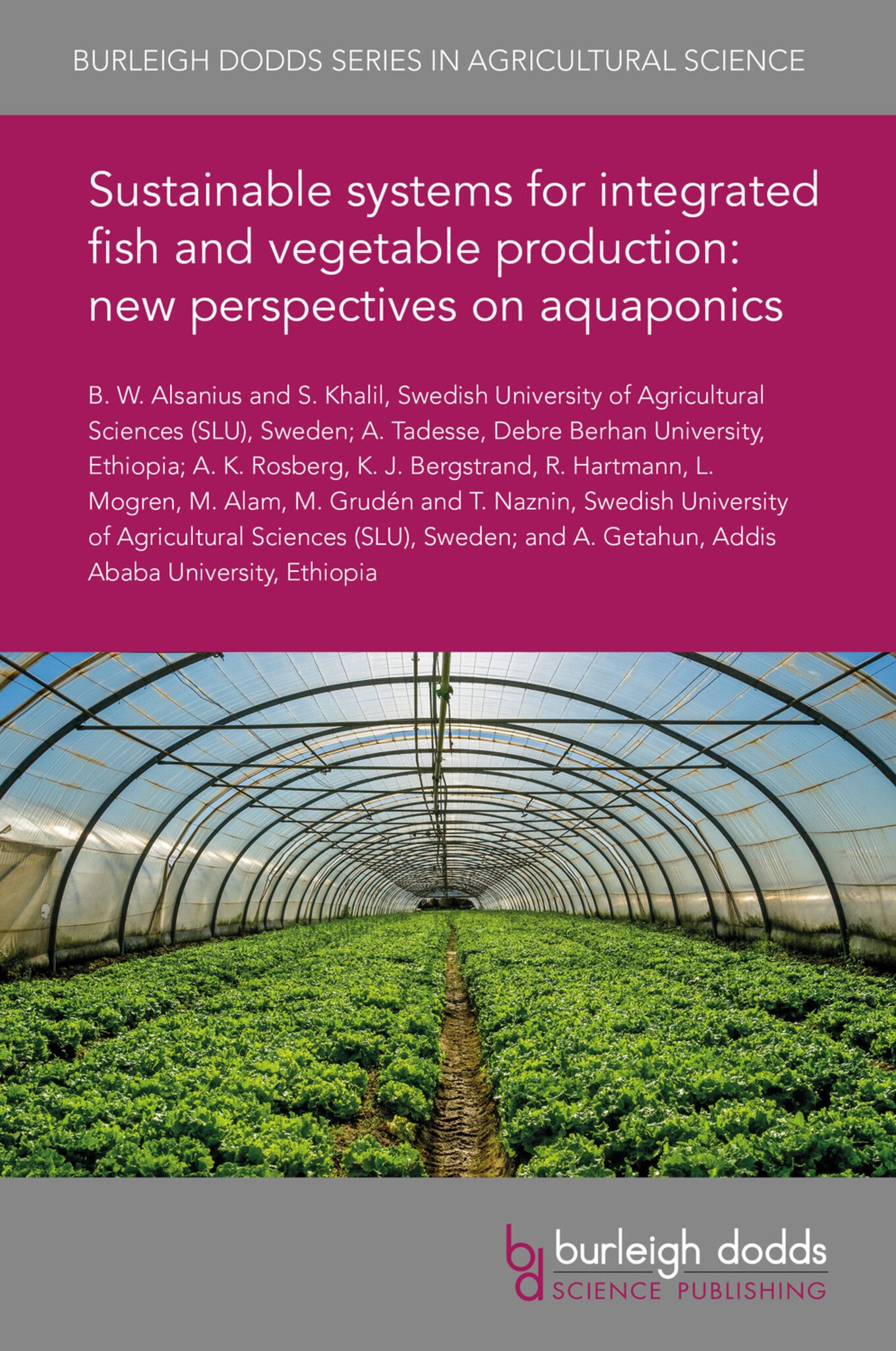
Sustainable systems for integrated fish and vegetable production: new perspectives on aquaponics
Aquaponics integrates fish and seafood rearing (aquaculture) with soilless production of horticultural produce (hydroponics). Engineered systems of this kind meet the challenges posed by global population growth, urbanization, global climate change, limited access to resources for agricultural ac...
Read MoreRegular price £25.00Sale price £25.00 Regular price £25.00Unit price per -
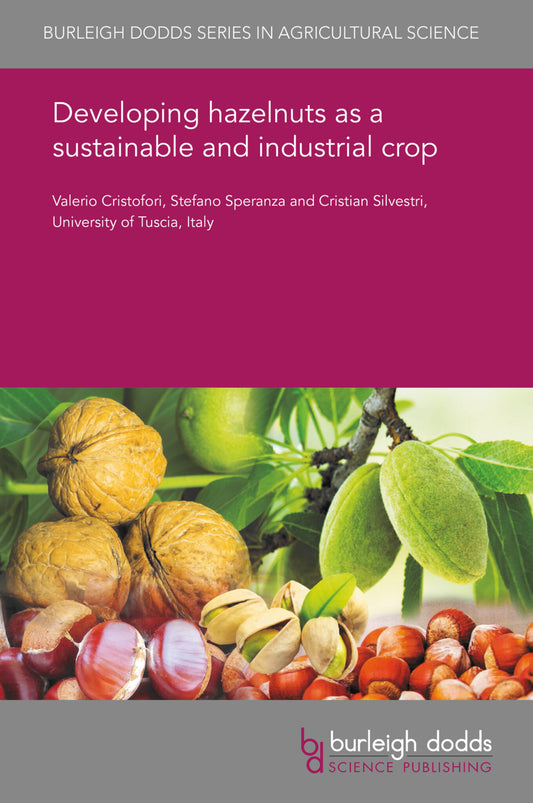
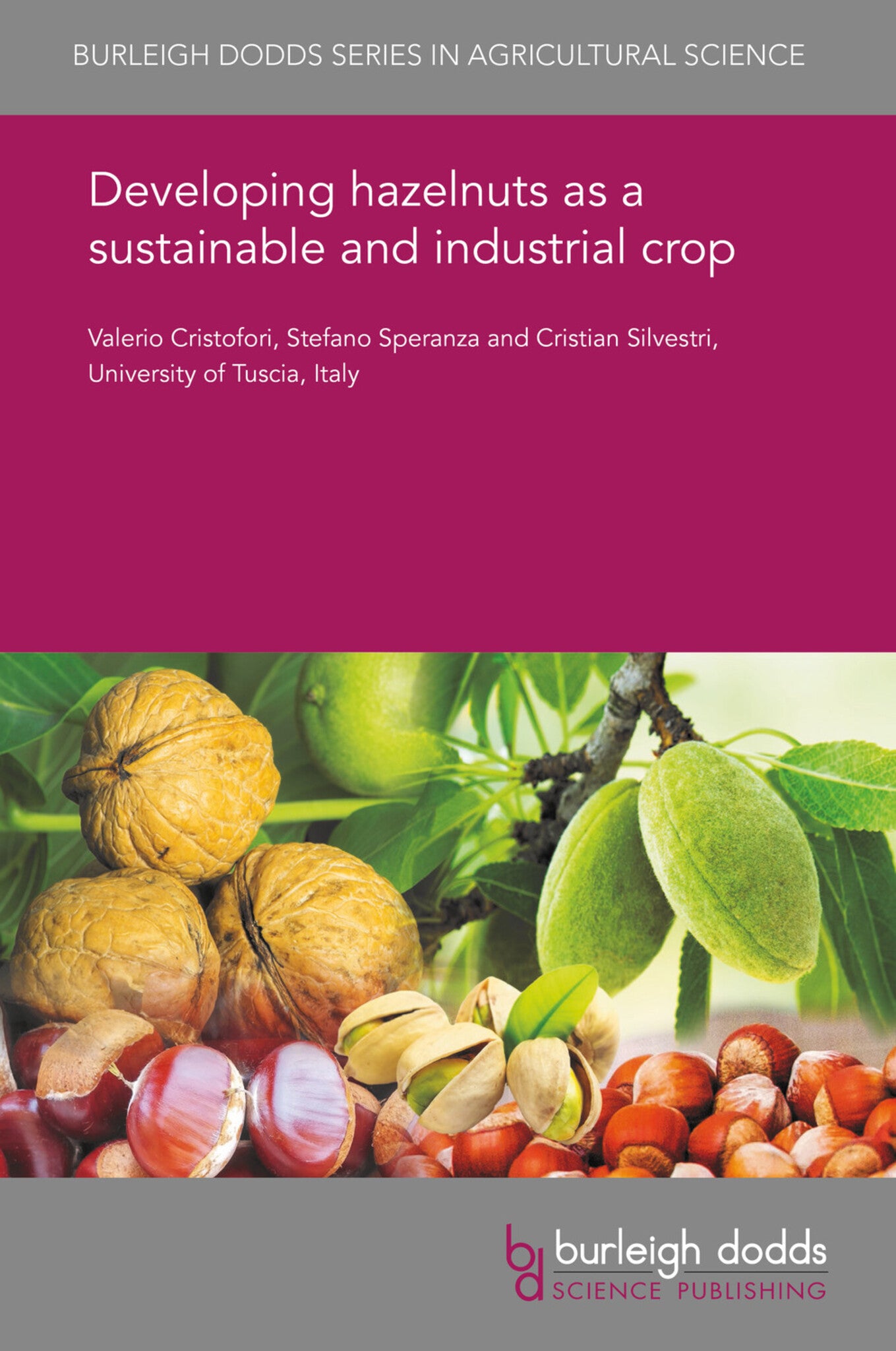
Developing hazelnuts as a sustainable and industrial crop
European hazelnut (Corylus avellana) is a major species of interest for food use and one of the few economically valuable commercial tree nut crops within the Betulaceae. Cultivated mainly in Turkey and Italy, this nut crop has been introduced into cultivation around the world, and global product...
Read MoreRegular price £25.00Sale price £25.00 Regular price £25.00Unit price per -
Advances in cultivation of chestnuts
Chestnut (Castanea), within the family Fagaceae, is a multipurpose tree that produces nuts and timber, as well as holds an important place in landscape and culture. The aim of this chapter is to present the current state of global cultivation of the Castanea species, in terms of its ecological ch...
Read MoreRegular price £25.00Sale price £25.00 Regular price £25.00Unit price per -
Advances in understanding health benefits of pistachio
The health benefits of nuts, mainly in relation to cardiovascular disease (CVD) but also for other chronic conditions, have been widely demonstrated in epidemiological studies and clinical trials. Among nuts, pistachio is a nut with a moderate amount of macronutrients and micronutrients. It is sp...
Read MoreRegular price £25.00Sale price £25.00 Regular price £25.00Unit price per -
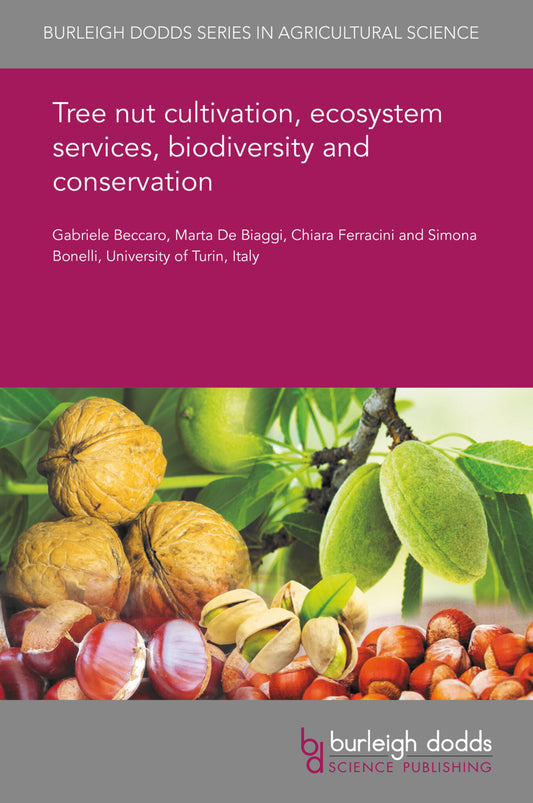
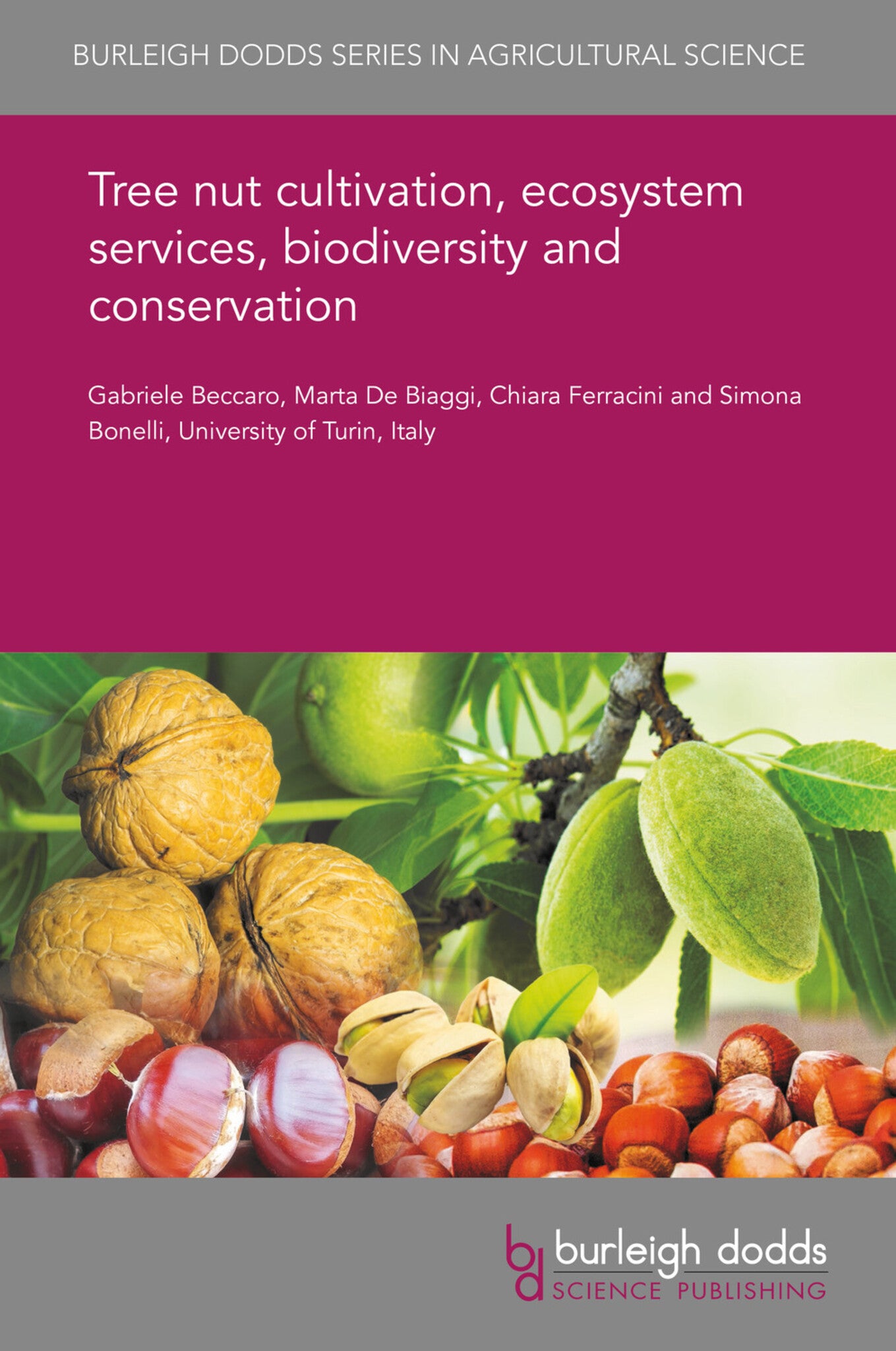
Tree nut cultivation, ecosystem services, biodiversity and conservation
There is growing concern about the impact of overuse of agricultural inputs on the environment which in turn has created a challenge for food production systems that should sustain acceptable production levels while preserving natural resources. It is now well-accepted that a holistic approach is...
Read MoreRegular price £25.00Sale price £25.00 Regular price £25.00Unit price per -
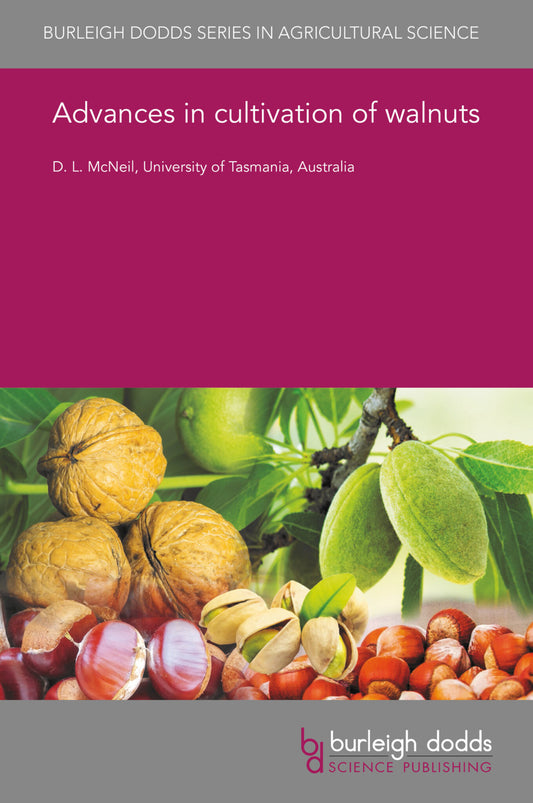
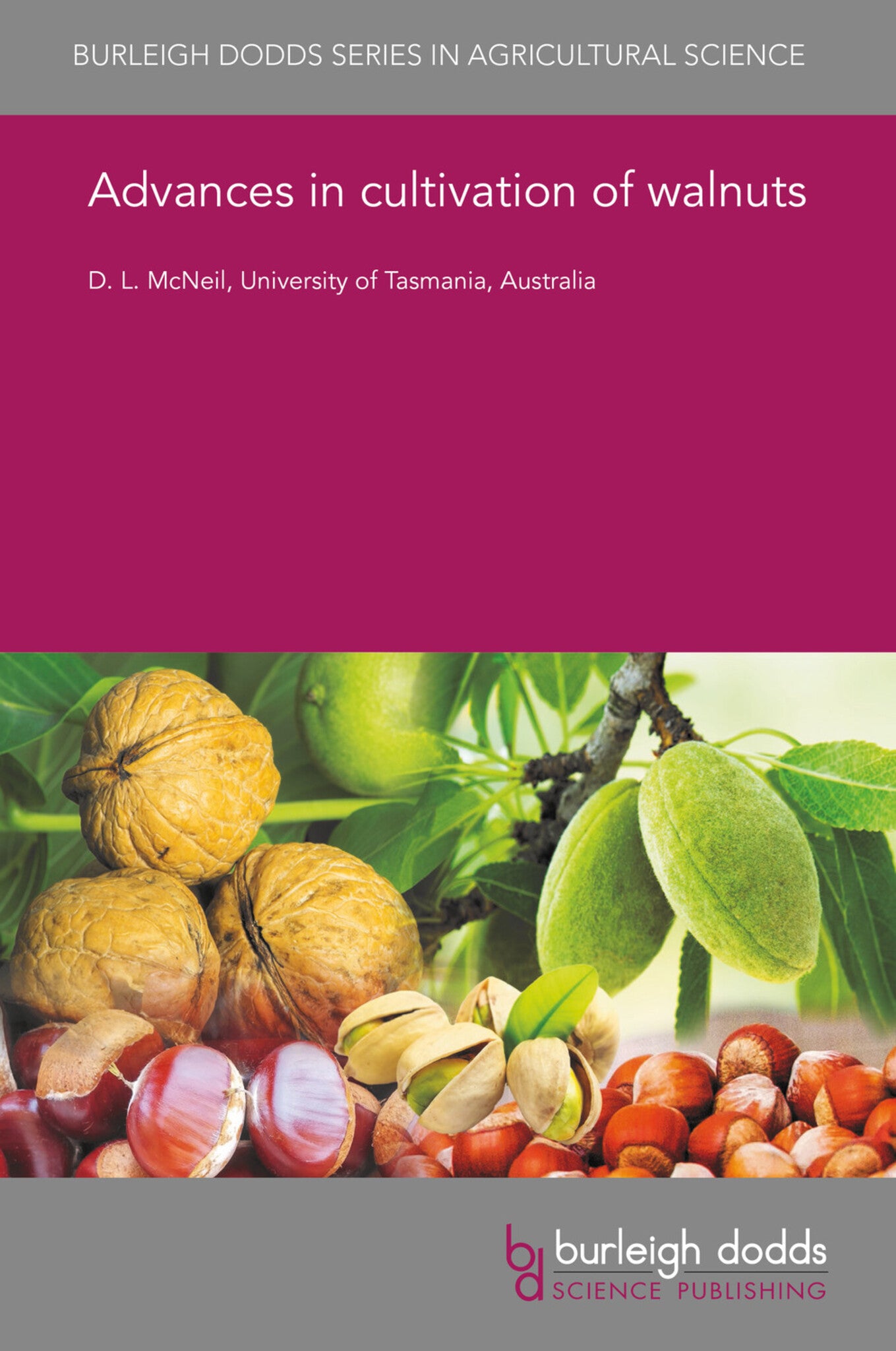
Advances in cultivation of walnuts
Walnuts as a crop has expanded considerably in production and value over the last 30 years. There has been a shift in dominant production area from California to China. While the United States is still the world’s largest exporter of walnuts China now dominates world production. This chapter prov...
Read MoreRegular price £25.00Sale price £25.00 Regular price £25.00Unit price per -
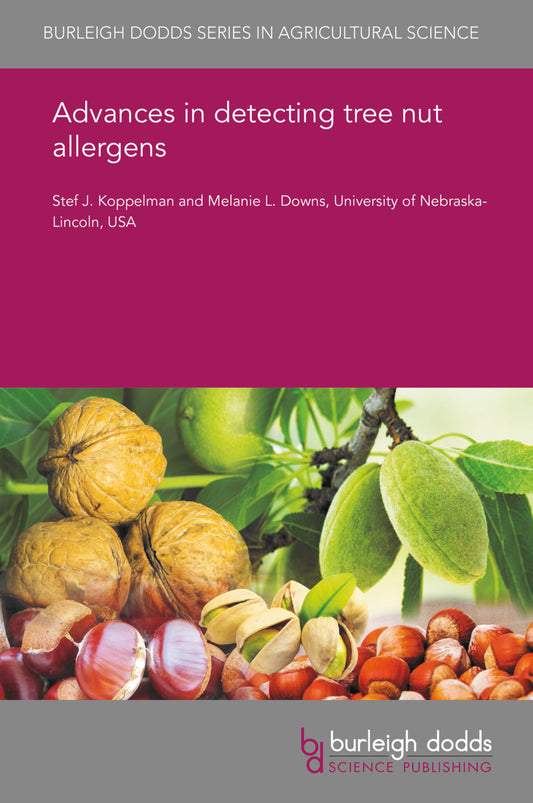
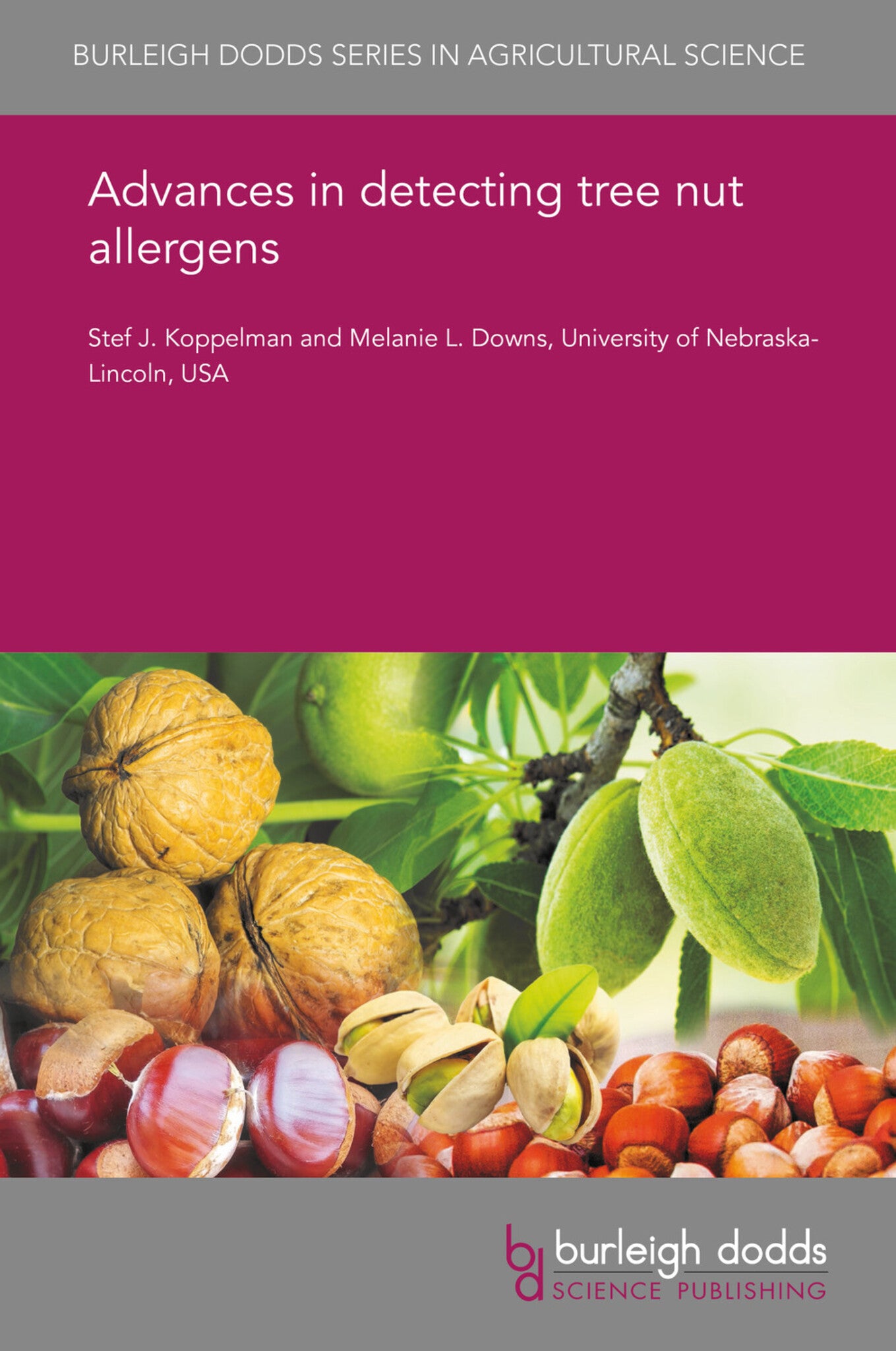
Advances in detecting tree nut allergens
Food allergy remains a major problem affecting consumers. Together with peanut, tree nuts belong to a small group of allergens responsible for the great majority of food allergies. This chapter begins by providing an overview of tree nut allergies and their prevalence. It then discusses allergeni...
Read MoreRegular price £25.00Sale price £25.00 Regular price £0.00Unit price per -
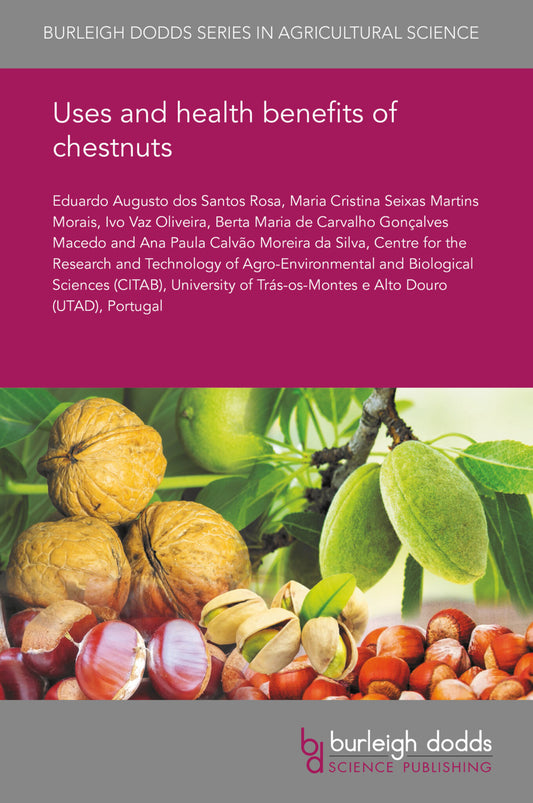
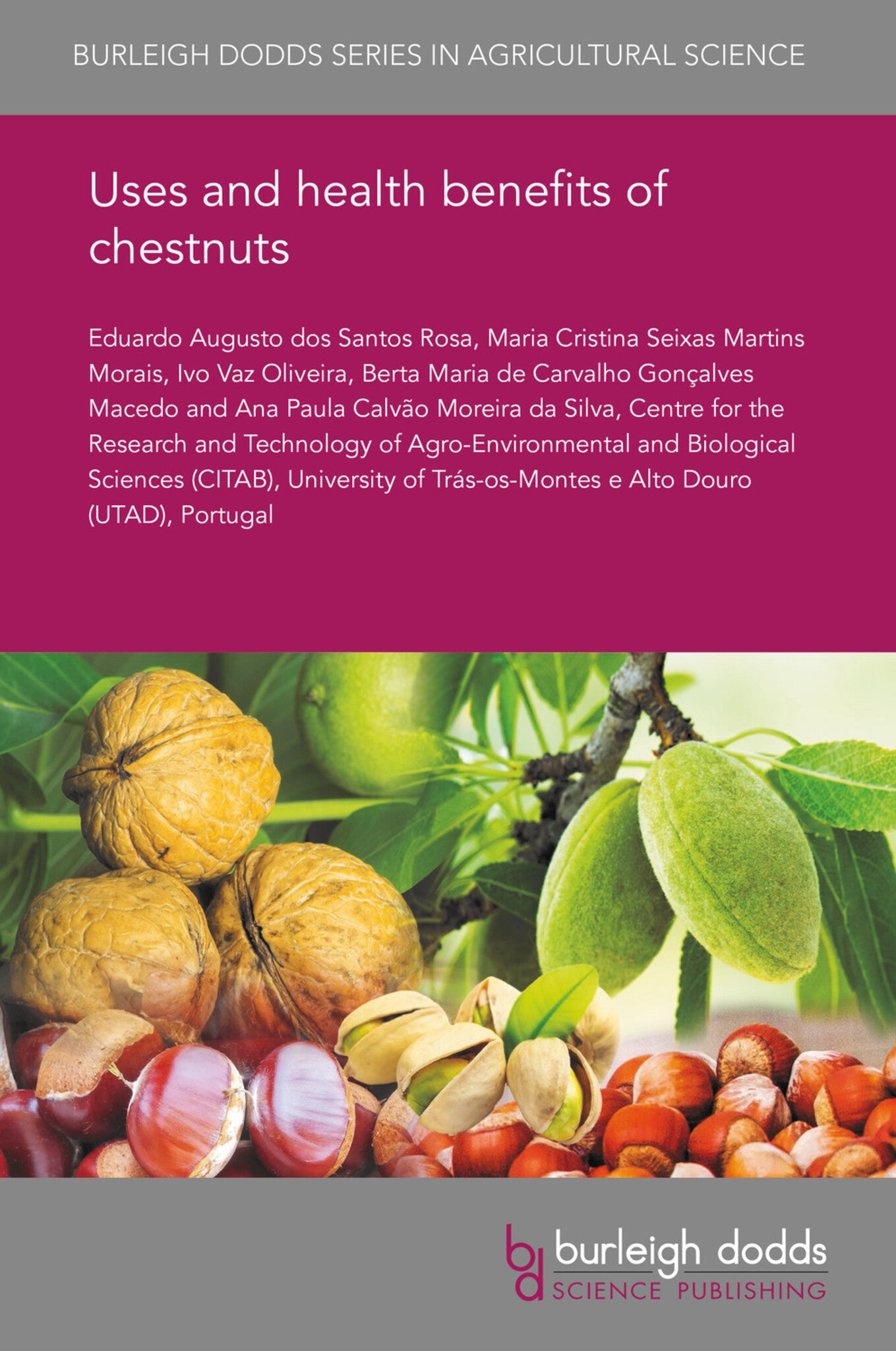
Uses and health benefits of chestnuts
Production and consumption of chestnut has shown a steady increase in recent years, driven by both increased consumer awareness about food composition and the health benefits of a nut-rich diet. This chapter provides an overview of the uses and health benefits of chestnuts (Castanea spp.). Starti...
Read MoreRegular price £25.00Sale price £25.00 Regular price £25.00Unit price per -
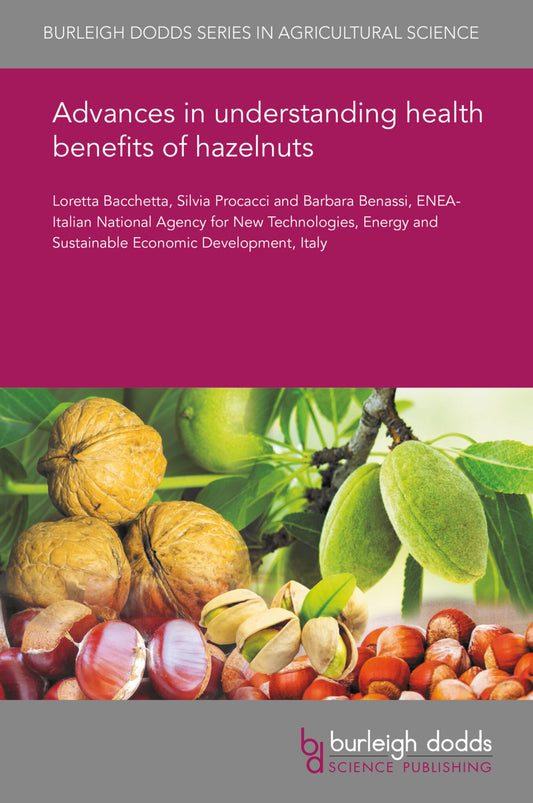
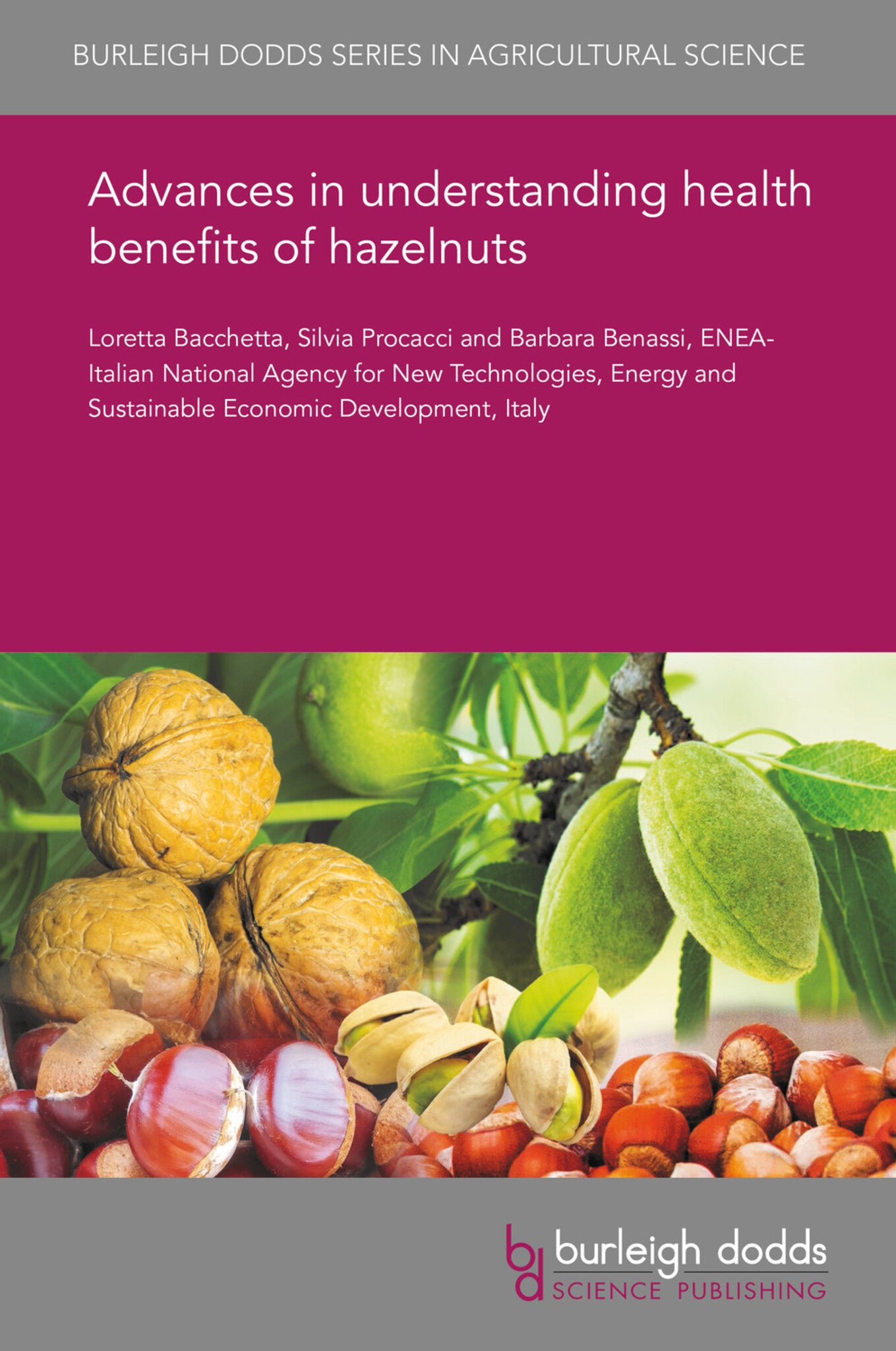
Advances in understanding health benefits of hazelnuts
Hazelnuts (Corylus avellana L.) are rich in fats, protein, valuable fibre content, phytonutrients and antioxidants such as vitamin E. The health benefits of hazelnut consumption arise from the synergic action of unsaturated fat or bioactive compounds including plant sterols and dietary fibre. Aft...
Read MoreRegular price £25.00Sale price £25.00 Regular price £25.00Unit price per -
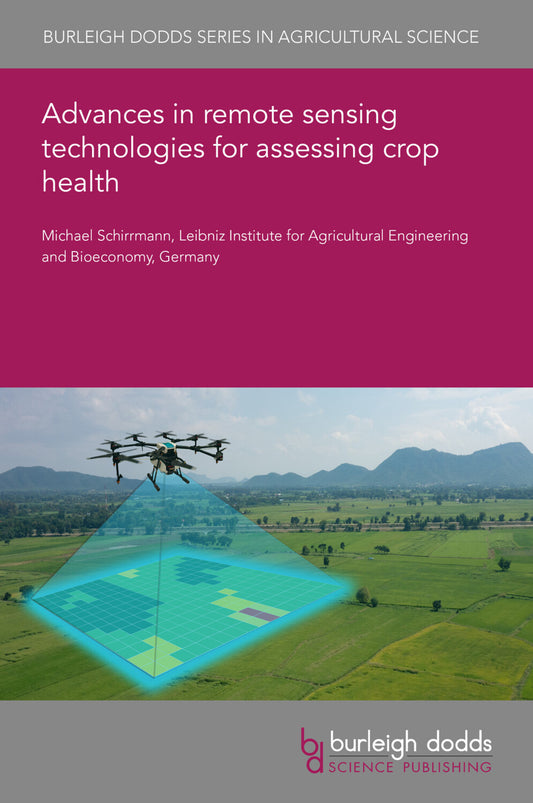
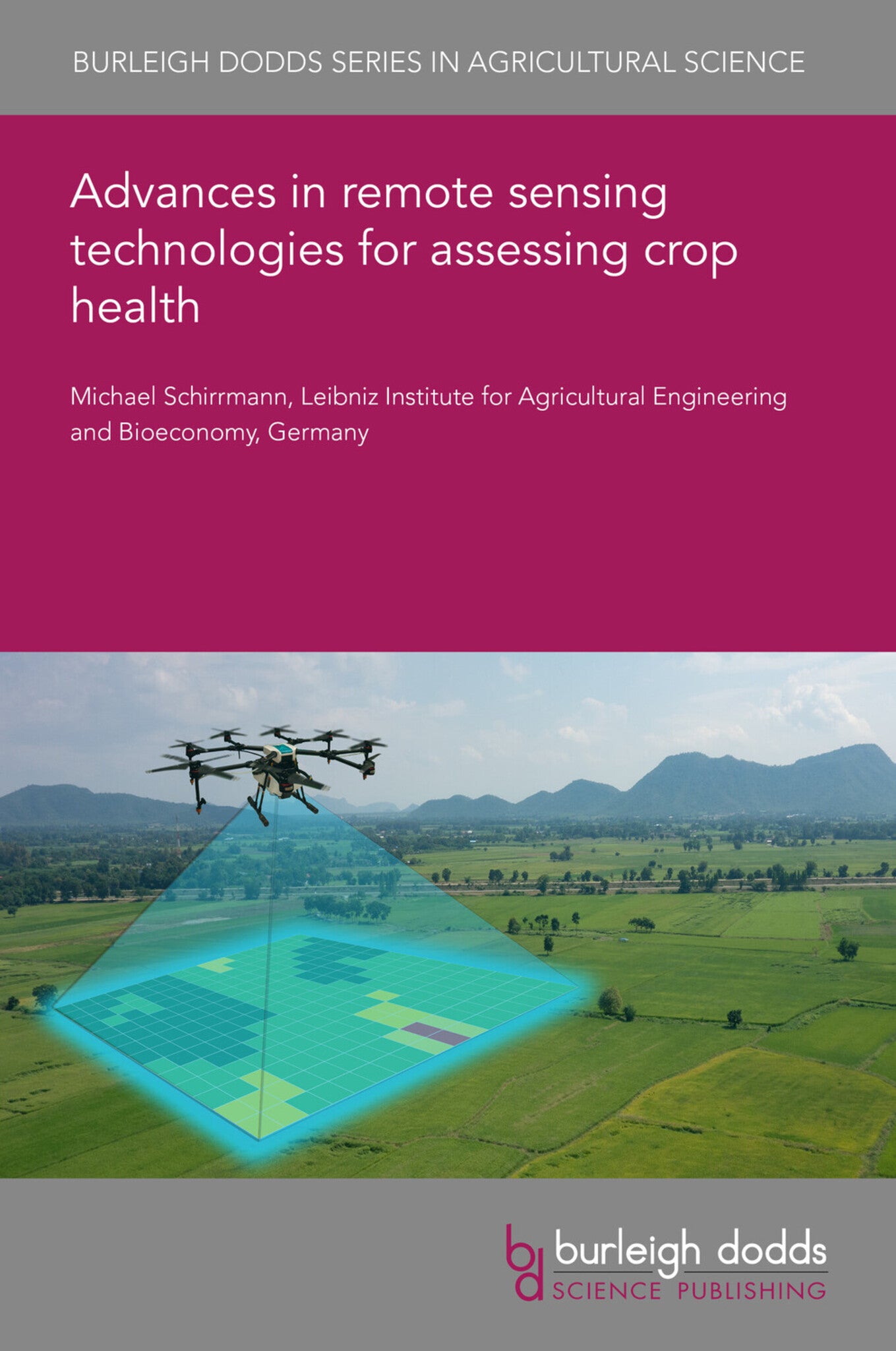
Advances in remote sensing technologies for assessing crop health
Advances in crop health monitoring would help farmers use resources more efficiently and accurately. Higher-quality spatiotemporal information on changes in crop characteristics will enable more precise and timely management of crop health, by providing early indication of crop disease outbreaks ...
Read MoreRegular price £25.00Sale price £25.00 Regular price £25.00Unit price per -
Instant insights: improving crop nutrient use efficiency
This specially curated collection features four reviews of current and key research on improving crop nutrient use efficiency.
Regular price £37.99Sale price £37.99 Regular price £37.99Unit price per -
Wheat crop modelling to improve yields
Crop simulation models are robust tools for scientists, farmers and policymakers that can be used to develop practices and strategies to increase agricultural productivity and sustainability on a local, regional or global scale under conditions and treatments difficult or impossible to test using...
Read MoreRegular price £25.00Sale price £25.00 Regular price £25.00Unit price per -
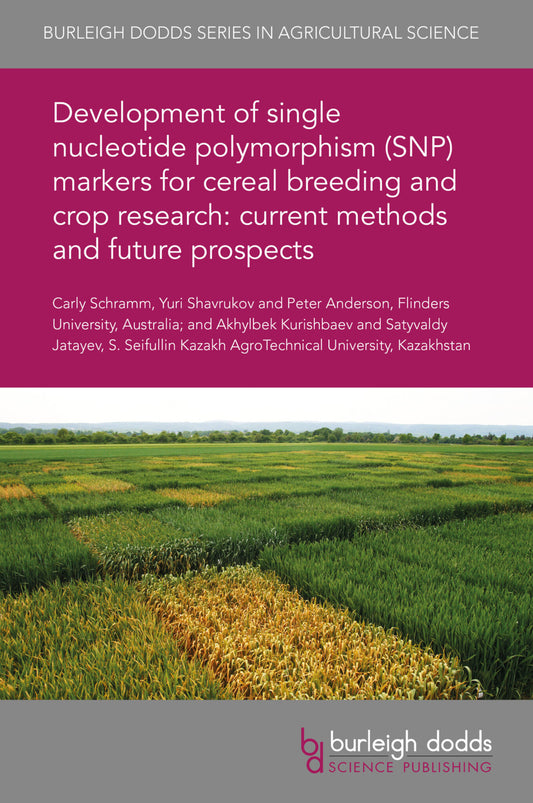
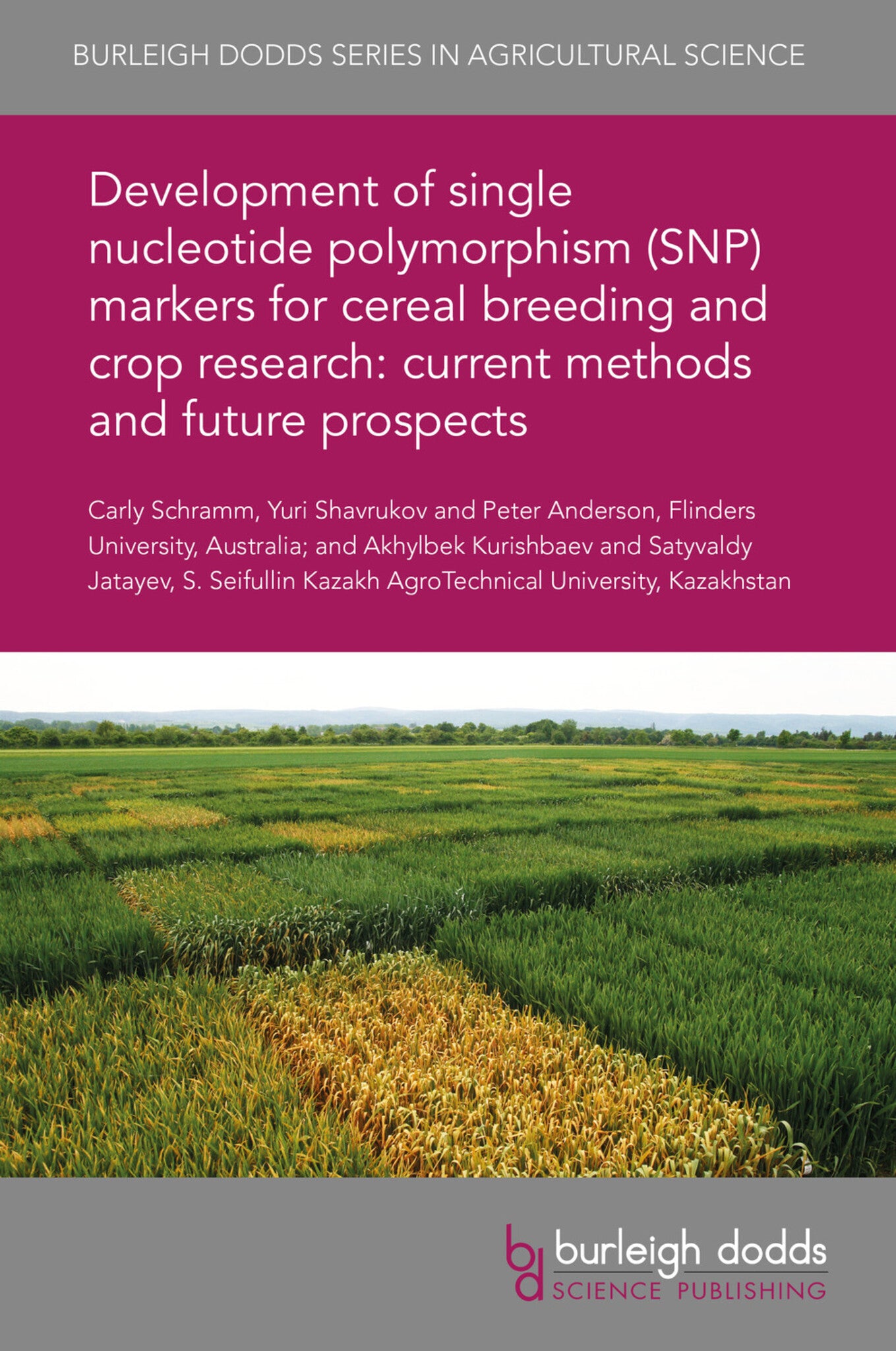
Development of single nucleotide polymorphism (snp) markers for cereal breeding and crop research: current methods and future prospects
Modern cereal breeding and research increasingly relies upon the application of molecular genetics. This chapter provides an overview of the development of single nucleotide polymorphism (SNP) markers for use in such breeding and research. Fluorescence detection methods are fully reviewed as this...
Read MoreRegular price £25.00Sale price £25.00 Regular price £25.00Unit price per -
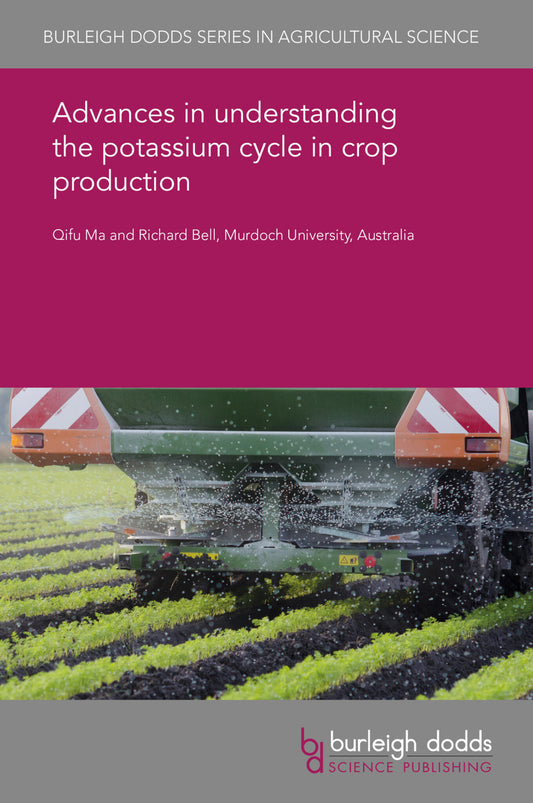
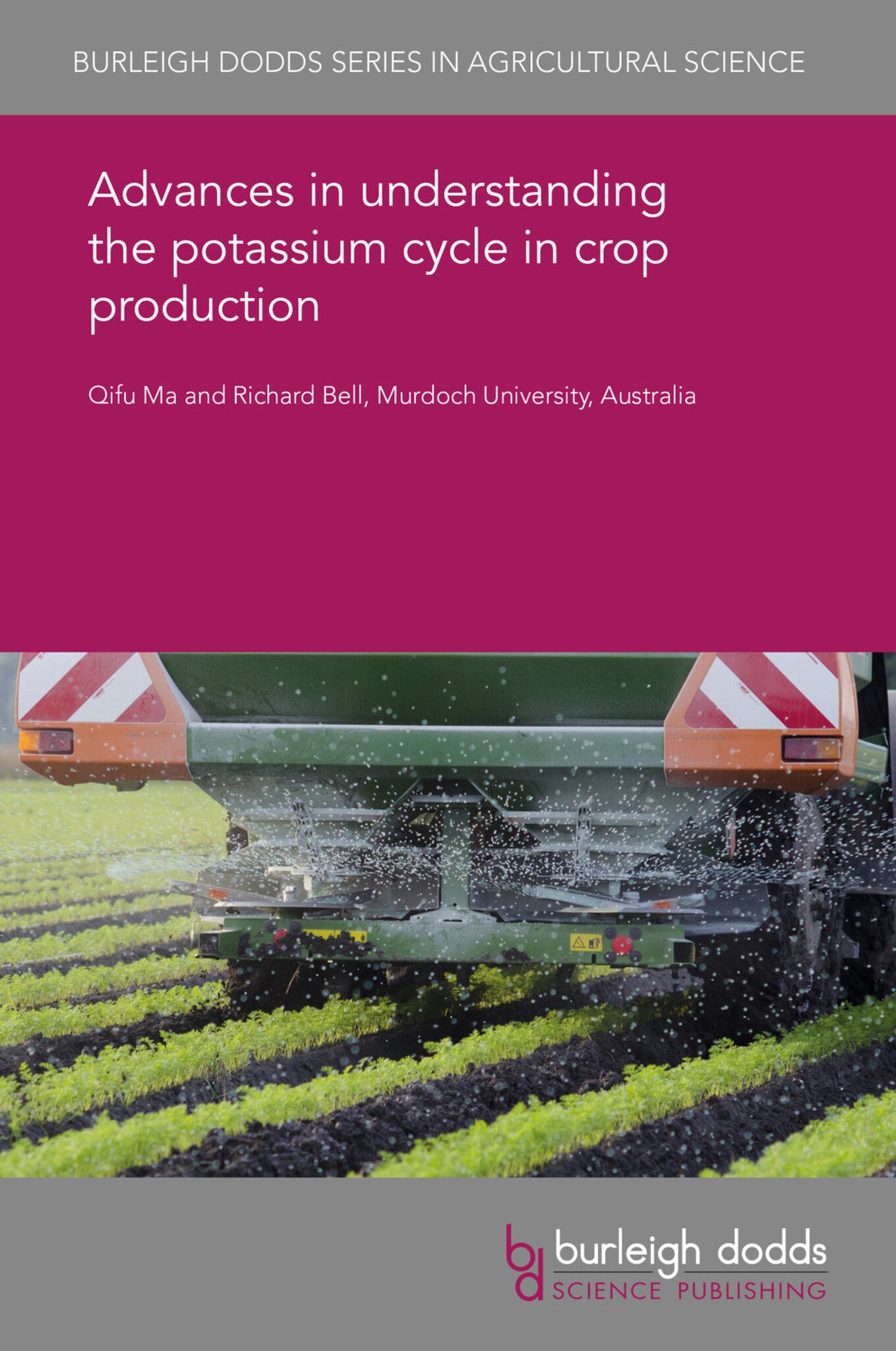
Advances in understanding the potassium cycle in crop production
Soil reserves of potassium are generally large, but most of it is not plant-available. On crop farms, negative potassium balance is common due to greater removal of potassium in hay, straw and grain than fertilizer potassium. Consequently, soil potassium depletion is increasing the prevalence of ...
Read MoreRegular price £25.00Sale price £25.00 Regular price £25.00Unit price per -
Zero-tillage cultivation of maize
Zero-till cultivation of maize (Zea mays L.) is a relatively widely used production system whereby the only soil disturbance occurs with the seeding operation. The system aims to reduce erosion, improve soil physical attributes, decrease costs, and improve long-term sustainability of maize cultiv...
Read MoreRegular price £25.00Sale price £25.00 Regular price £25.00Unit price per -
Conservation agriculture for sustainable intensification of maize and other cereal systems: the case of latin america
Latin American agriculture faces many challenges, including extensive soil degradation and the prospect of increasing rainfall variability due to climate change. Conservation agriculture offers a way of responding to these challenges through improved management practices to prevent further soil d...
Read MoreRegular price £25.00Sale price £25.00 Regular price £25.00Unit price per -
Achieving sustainable crop nutrition
This collection reviews current research on understanding nutrient cycles, the ways crops process nutrients, the environmental effects of fertilizer use and how this understanding can be used to improve nutrient use efficiency for a more resource-efficient and climate-smart agriculture.
Regular price £190.00Sale price £190.00 Regular price £190.00Unit price per -
Achieving sustainable cultivation of grain legumes volume 2
Grain legumes are characterised by their nutritional value, an ability to grow rapidly and improve soil health. This makes them a key rotation crop in promoting food security. However, yields are constrained by factors such as pests and diseases as well as vulnerability to poor soils, drought and...
Read MoreRegular price £160.00Sale price £160.00 Regular price £160.00Unit price per -
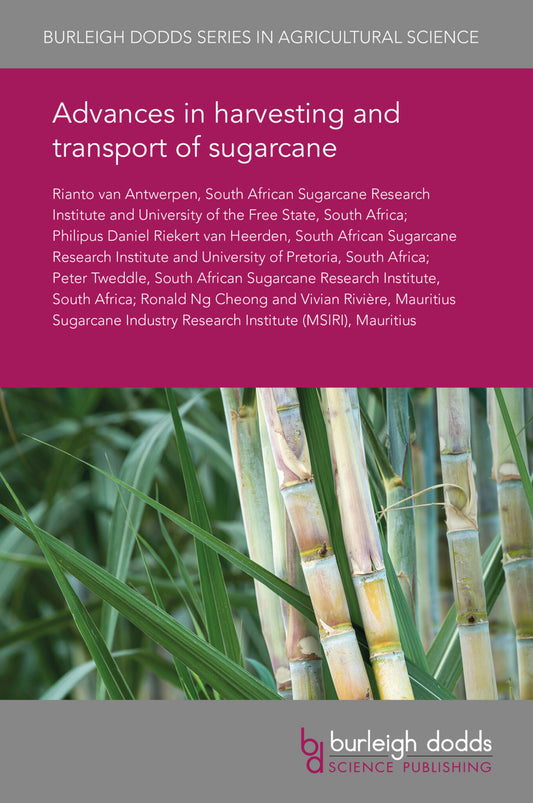
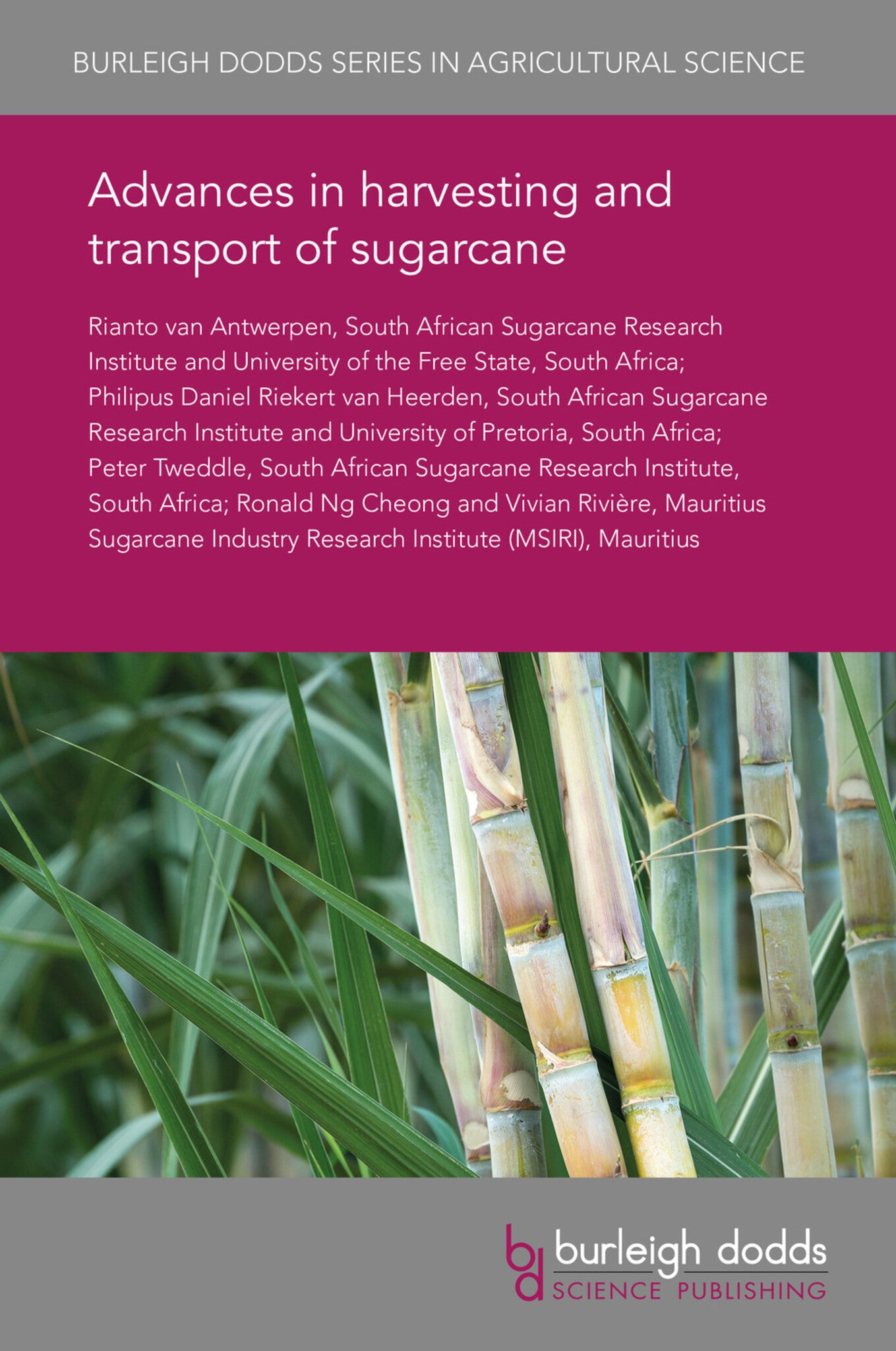
Advances in harvesting and transport of sugarcane
The chapter describes preparation of sugarcane for harvesting, harvesting options, in-field loading and transport. It considers two harvesting systems: manual and mechanical harvesting, each of which is affected by whether the crop is burnt or not burnt immediately before harvest. The chapter exp...
Read MoreRegular price £25.00Sale price £25.00 Regular price £25.00Unit price per -
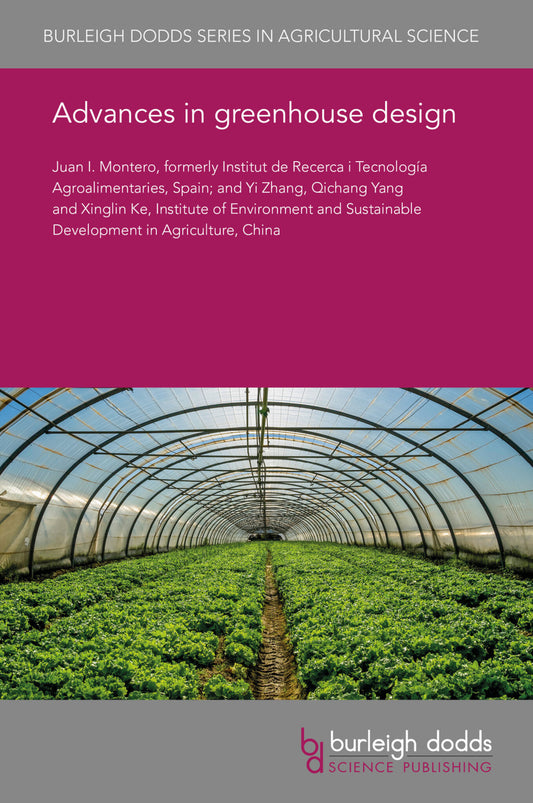
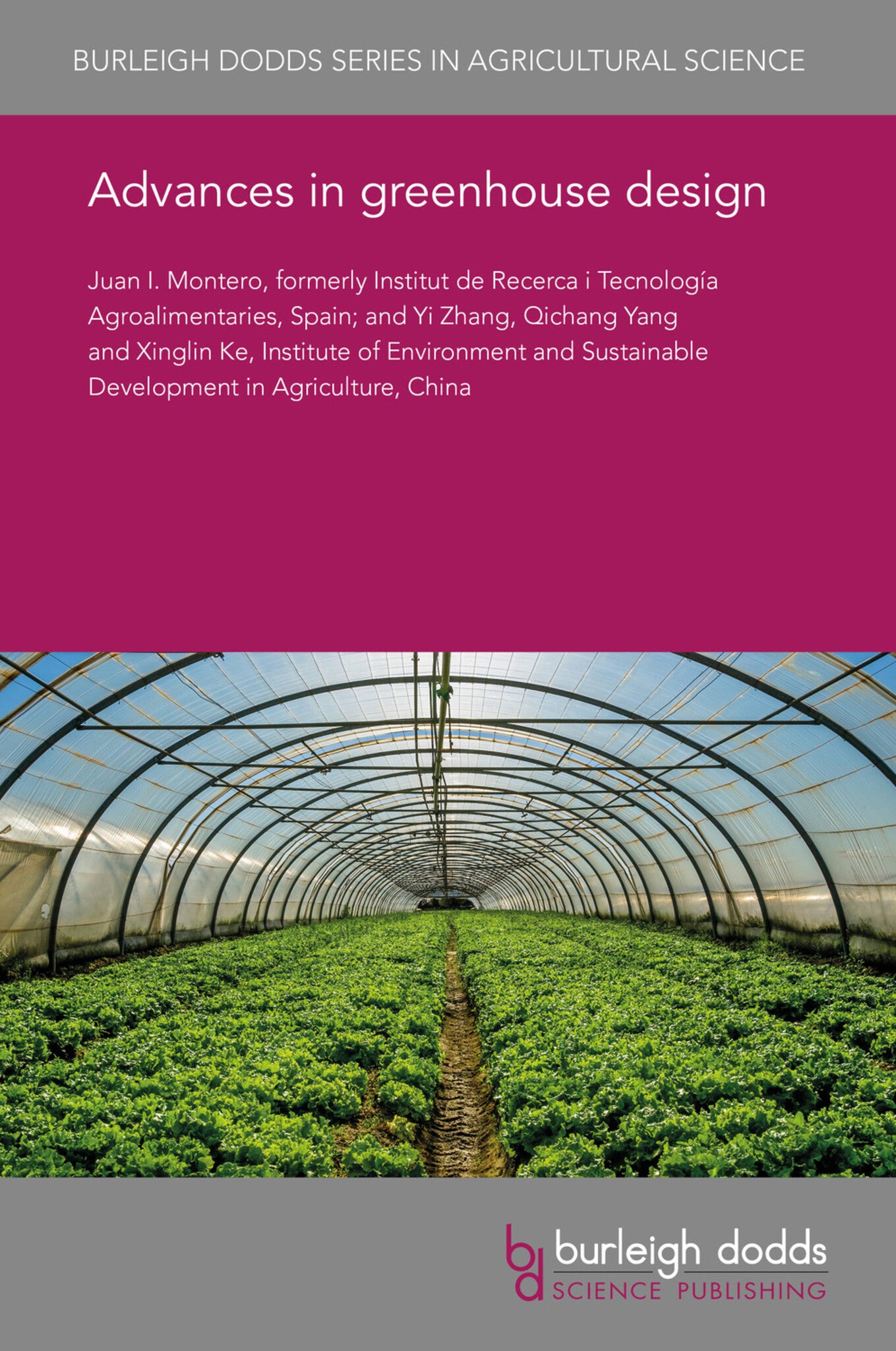
Advances in greenhouse design
Greenhouses are effective structures for producing high-value crops since they use natural resources as well as production inputs very efficiently. Consequently, greenhouses occupy large areas of the world. This chapter examines recent developments in greenhouse designs on three relevant producti...
Read MoreRegular price £25.00Sale price £25.00 Regular price £25.00Unit price per -
Instant insights: crop biofortification
This collection features four peer-reviewed literature reviews on crop biofortification in agriculture.
Regular price £37.99Sale price £37.99 Regular price £37.99Unit price per -
Maize seed variety selection and seed system development: the case of southern africa
Maize is the most important staple food crop in southern Africa. It is predominantly grown by smallholder farmers, but seed companies generally target large commercial farmers in high potential areas when developing new varieties. To address the needs of smallholder farmers in maize genetic impro...
Read MoreRegular price £25.00Sale price £25.00 Regular price £25.00Unit price per -
Secondary macronutrients: advances in understanding calcium cycling in soils, uptake/use by plants and ways of optimizing calcium-use efficiency in crop production
The importance of calcium as a secondary macronutrient can be described in different ways because of its role in soils and its function in plant nutrition. The majority of chemical and some physical soil properties are heavily influenced by calcium content in soil profiles. The available content ...
Read MoreRegular price £25.00Sale price £25.00 Regular price £25.00Unit price per -
Modelling the environmental impacts of pesticides in agriculture
The active ingredients of pesticides, which are widely applied in agriculture worldwide, are important contributors to global human and ecological health burden. Modelling emissions and related human toxicity and ecotoxicity impacts of agricultural pesticides in environmental and life cycle asses...
Read MoreRegular price £25.00Sale price £25.00 Regular price £25.00Unit price per -
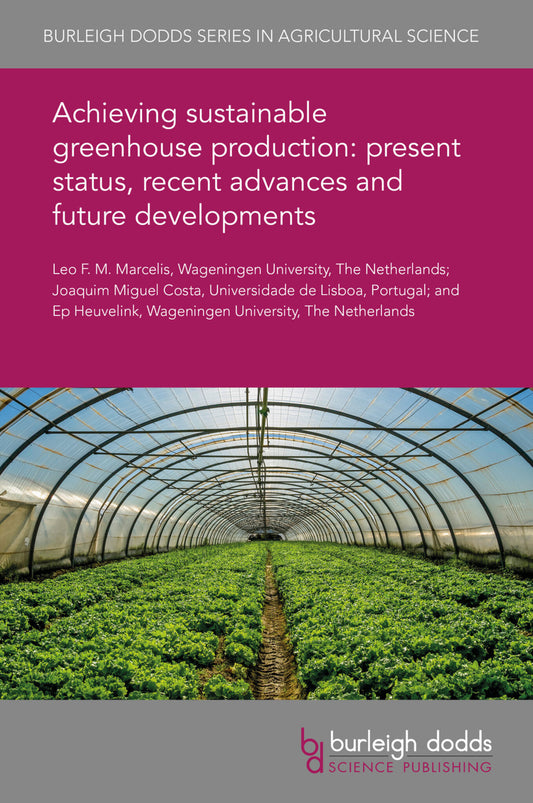
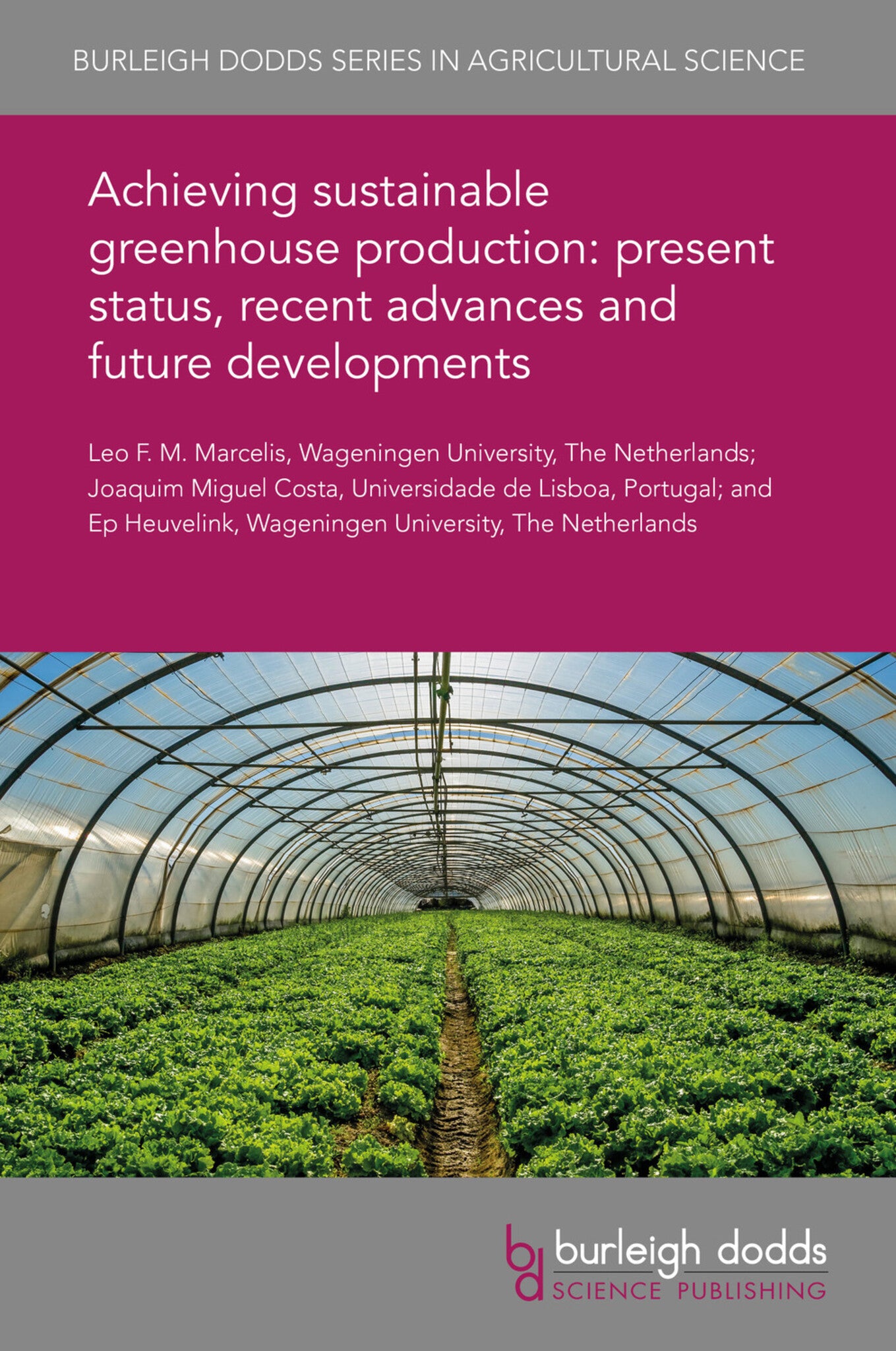
Achieving sustainable greenhouse production: present status, recent advances and future developments
Greenhouse production systems have been introduced to improve growth conditions for plants to increase yield and quality. While initially greenhouses were mainly found in cool climates, water saving has become an important driver for the expansion of the greenhouse industry, particularly in arid ...
Read MoreRegular price £25.00Sale price £25.00 Regular price £25.00Unit price per -
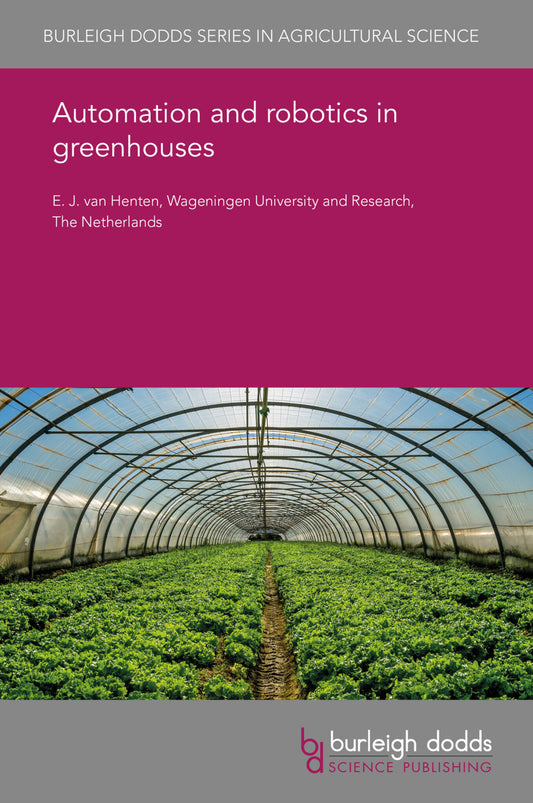
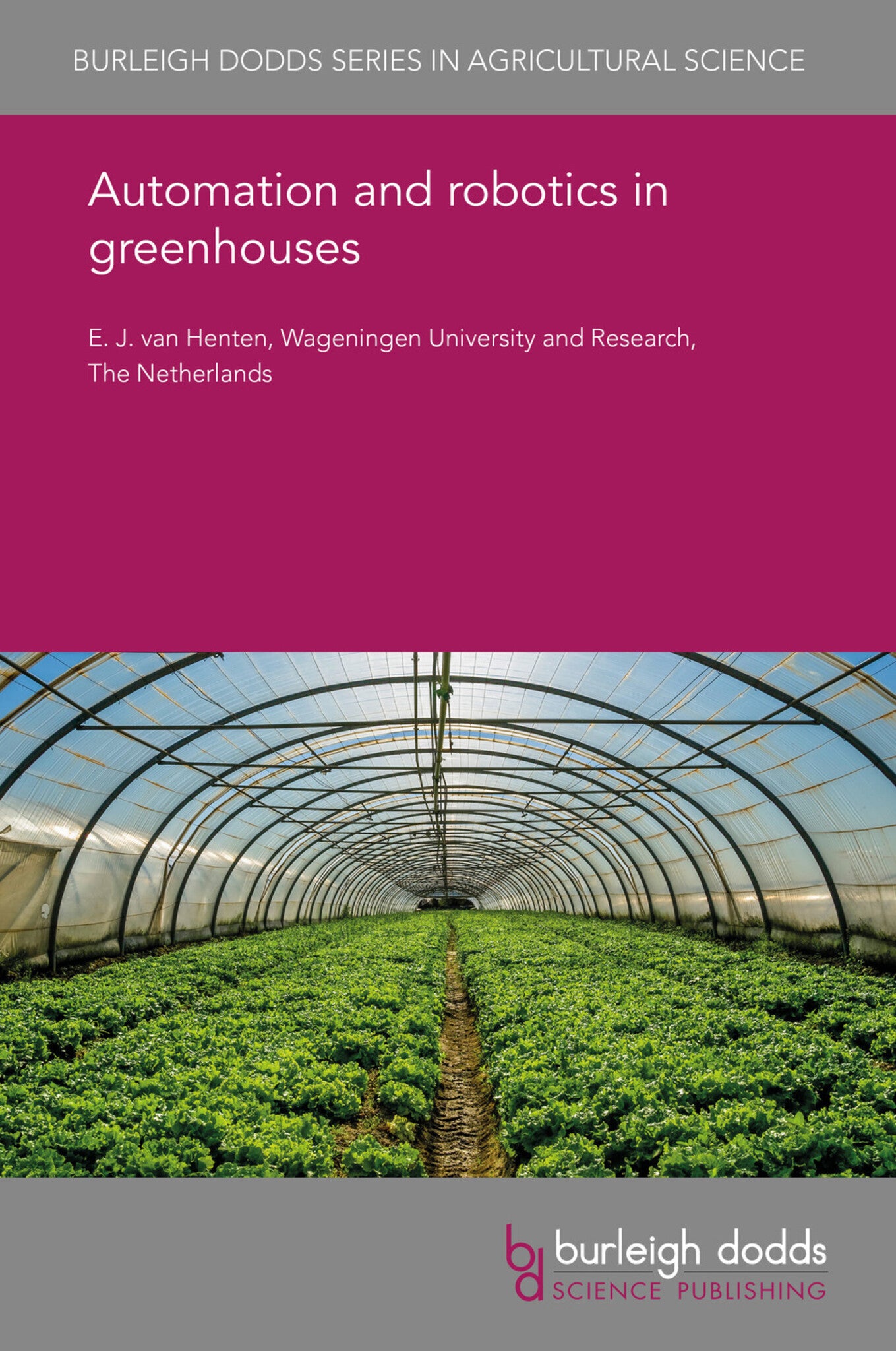
Automation and robotics in greenhouses
This chapter provides an overview of the state of the art of automation technology in protected cultivation and looks ahead to future directions for achieving further progress in this field. The chapter provides a generic description of the greenhouse crop production process and then uses it as a...
Read MoreRegular price £25.00Sale price £25.00 Regular price £25.00Unit price per -
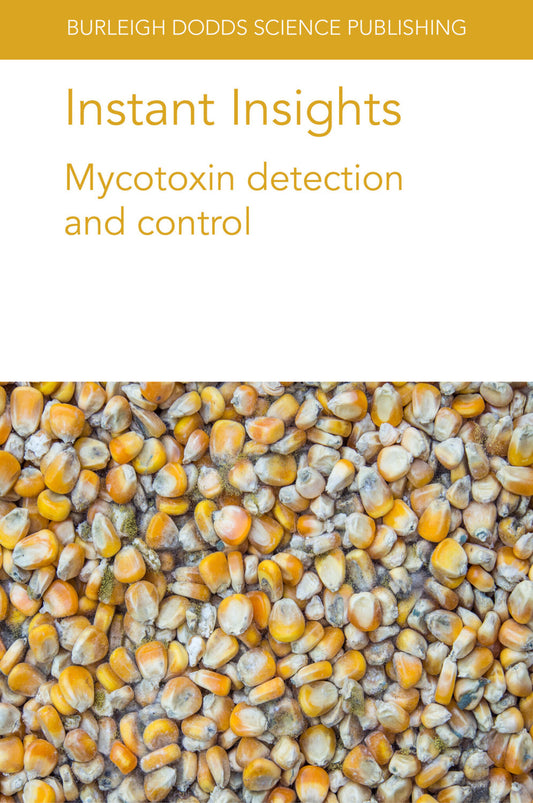
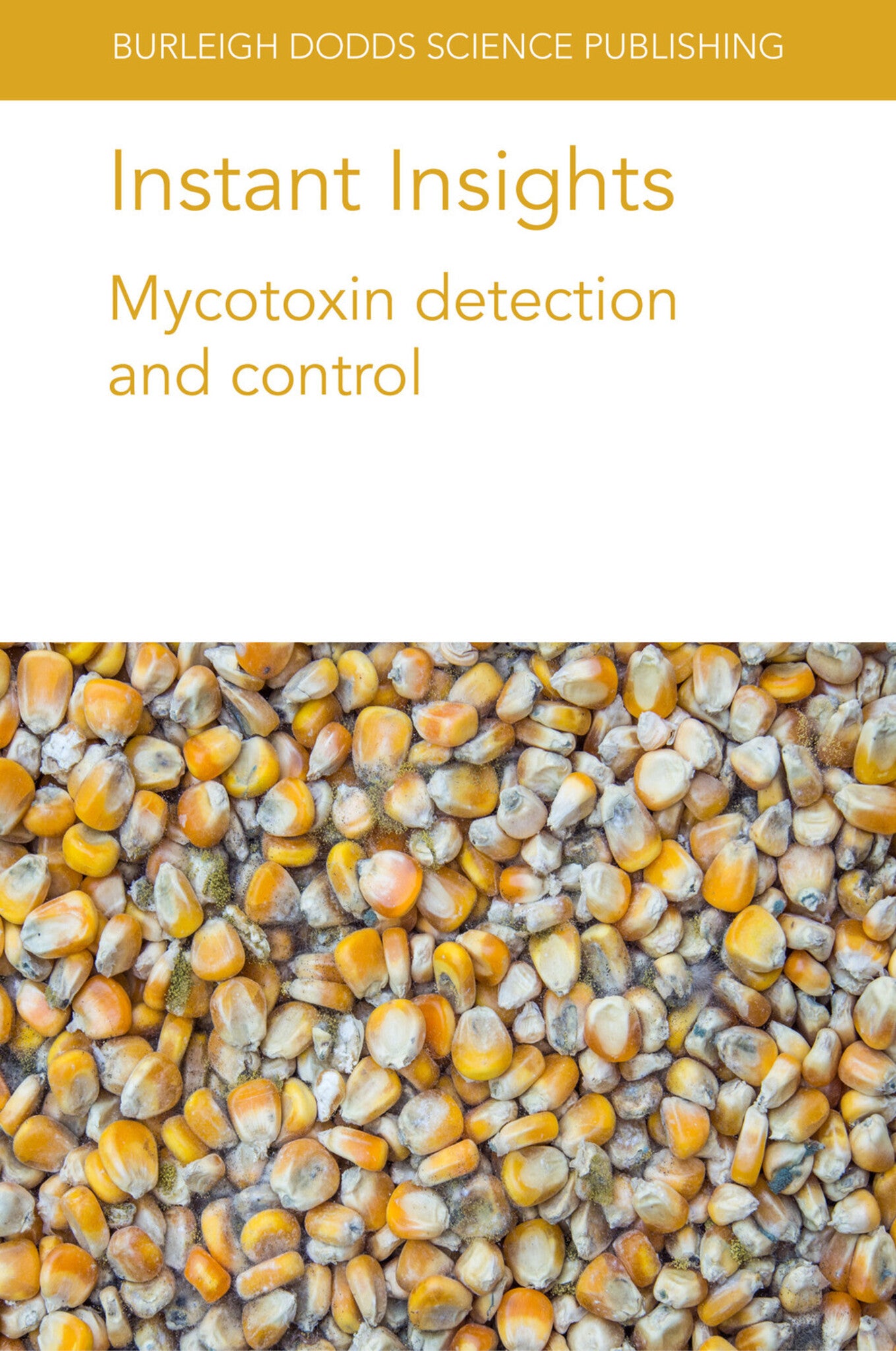
Instant insights: mycotoxin detection and control
This collection features five peer-reviewed literature reviews on mycotoxin control in agriculture.
Regular price £37.99Sale price £37.99 Regular price £37.99Unit price per -
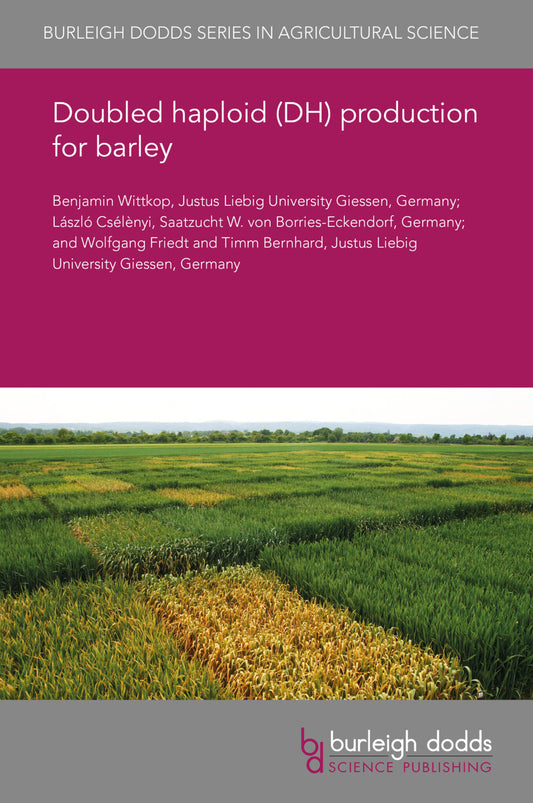
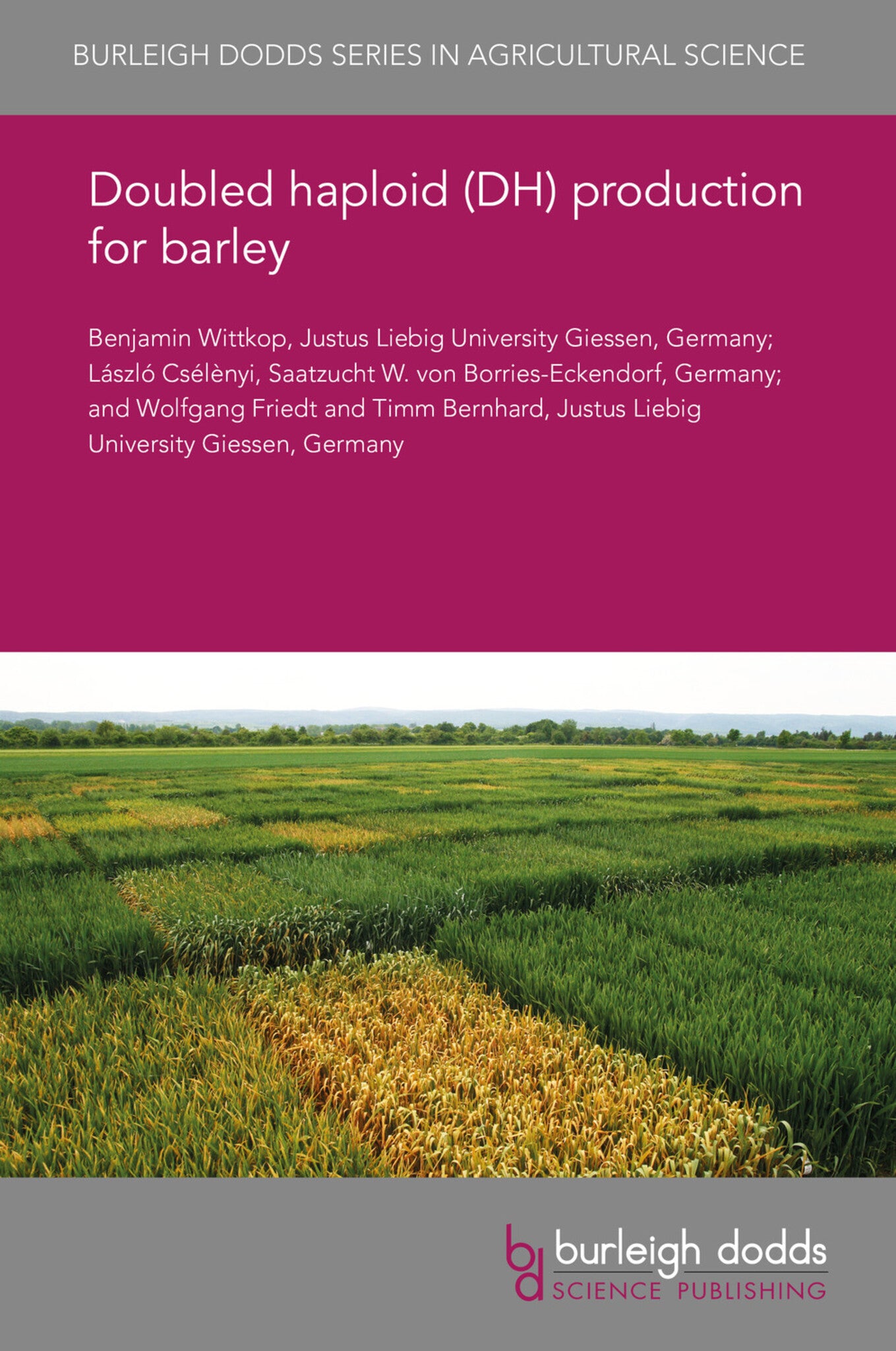
Doubled haploid (dh) production for barley
Current European barley breeding programs predominately rely on doubled haploid (DH) technology delivering several essential advantages, such as accelerated development of homozygous genotypes, early recognition of major recessive traits, enabling to select faster and much more robust, and facili...
Read MoreRegular price £25.00Sale price £25.00 Regular price £25.00Unit price per -


Dry-seeded and aerobic cultivation of rice
Finding an efficient irrigation strategy that would minimize water consumption in rice cultivation is a key objective in dealing with the potential future competition for and scarcity of water as a resource. Several water-saving techniques have been developed, including dry-seeded rice and aerobi...
Read MoreRegular price £25.00Sale price £25.00 Regular price £25.00Unit price per -
Theory and application of phenotyping in wheat for different target environments
Phenotyping serves both research and breeding purposes. For research, precise and often costly procedures are employed to phenotype strategic traits in order to gain a better understanding of how genotypes adapt to different environments. For breeding, both strategic and screening traits are cons...
Read MoreRegular price £25.00Sale price £25.00 Regular price £25.00Unit price per -
Nested association mapping in barley to identify extractable trait genes
Wild germplasm contains a wealth of alleles, which are useful in modern agriculture. Nested association mapping (NAM) makes use of wild germplasm by developing multi-parental populations after crossing a single elite cultivar to a number of exotic donors. The resulting NAM lines are subsequently ...
Read MoreRegular price £25.00Sale price £25.00 Regular price £25.00Unit price per -
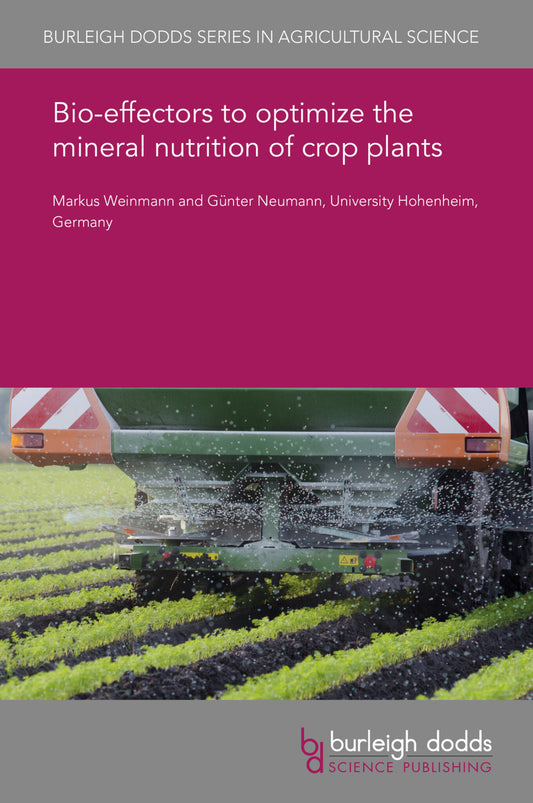
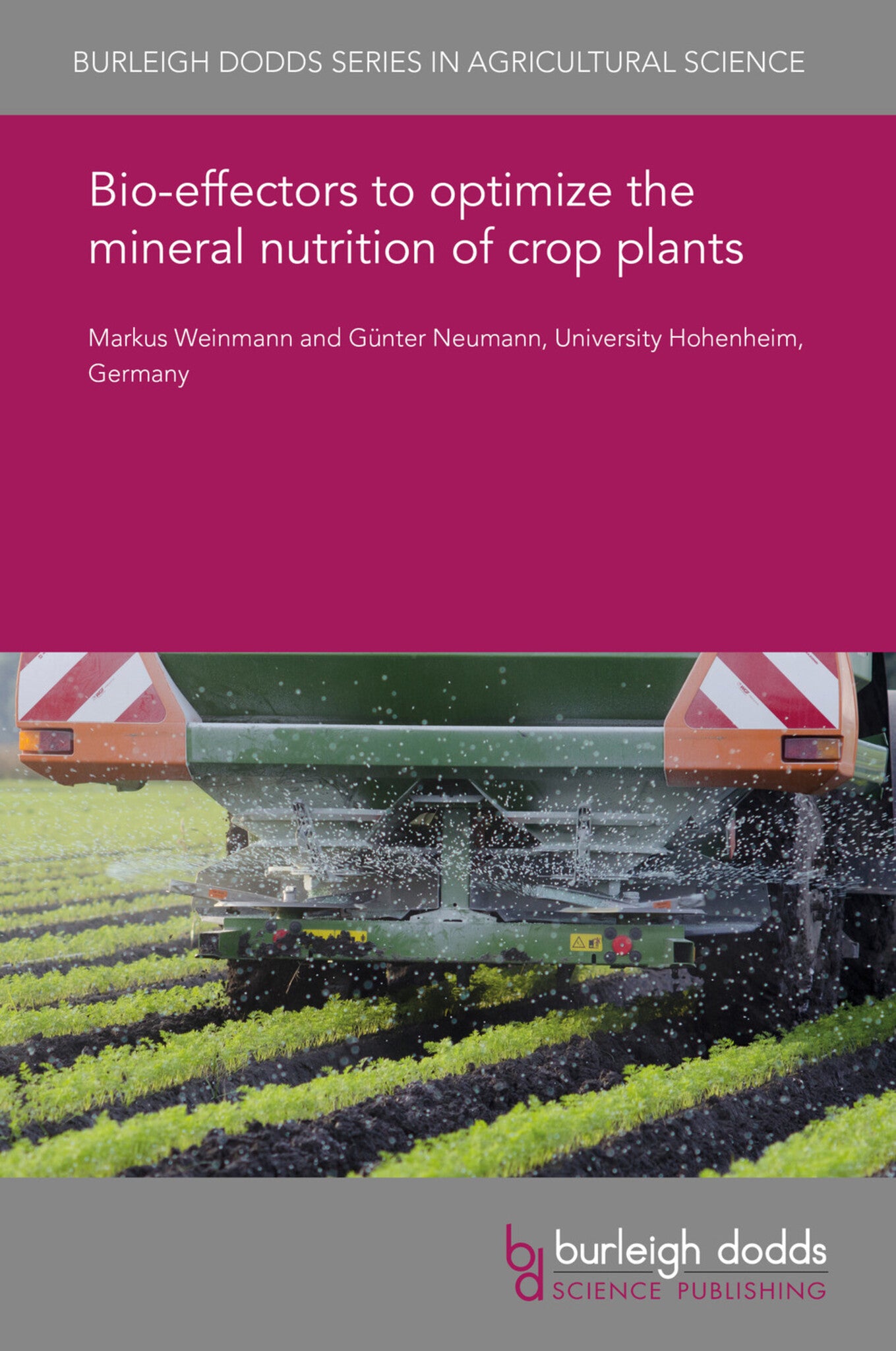
Bio-effectors to optimize the mineral nutrition of crop plants
The generic term “bio-effector” refers to the wide range of living organisms and natural compounds that can be used as active agents in biological approaches for crop production. They provide components in bio-stimulants and other products that improve the ability of crops to metabolize nutrients...
Read MoreRegular price £25.00Sale price £25.00 Regular price £25.00Unit price per -
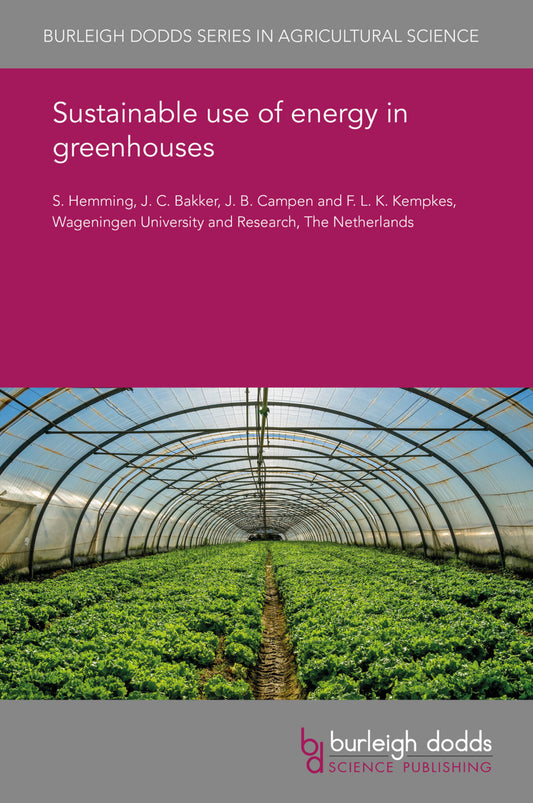
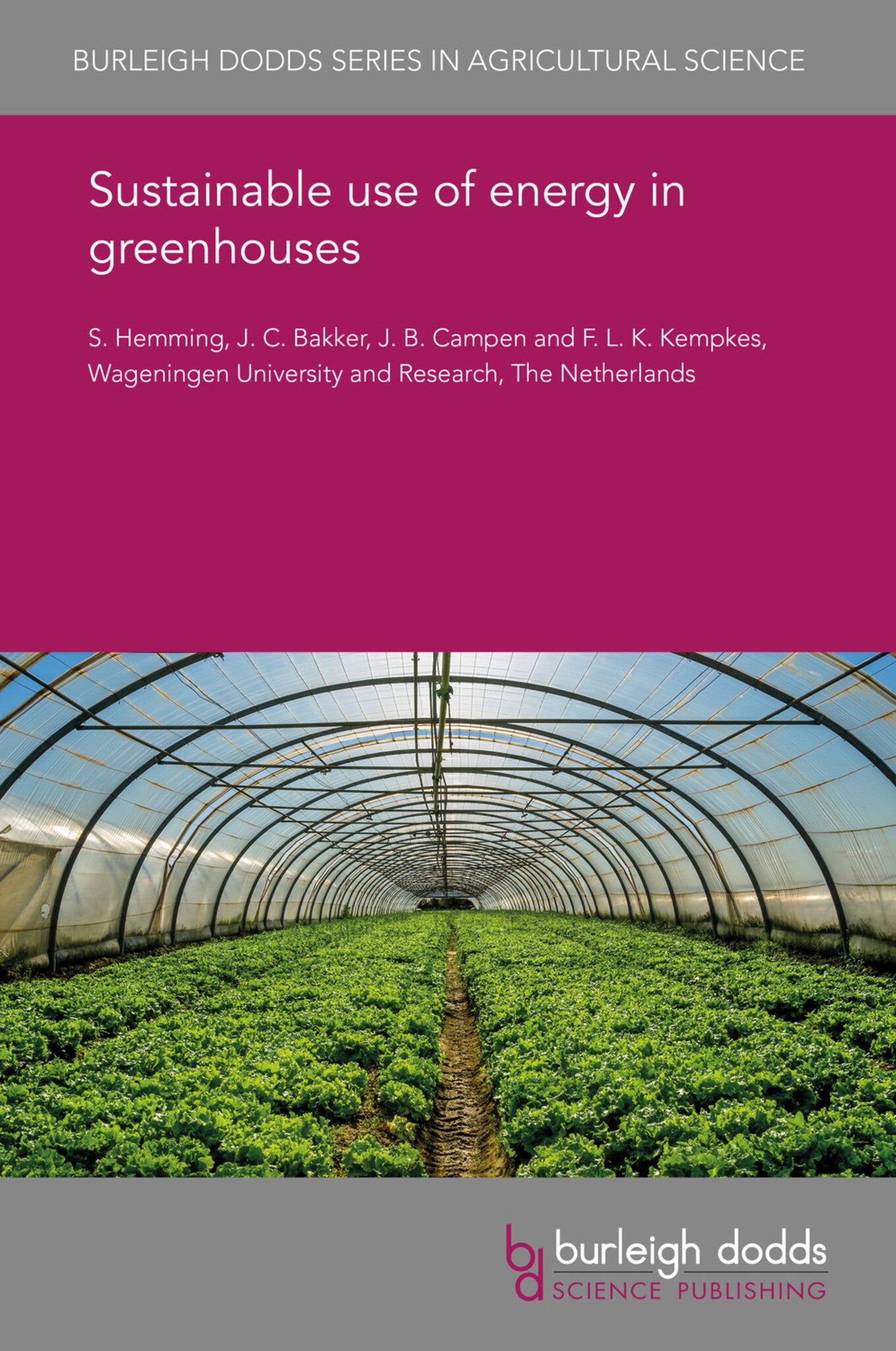
Sustainable use of energy in greenhouses
Greenhouse crops are continuously under pressure of infestations by a wide range of pests and diseases. This chapter describes the myriad practices that can contribute to managing pests and diseases, and how to integrate these practices in an ecologically based integrated pest management (IPM) ap...
Read MoreRegular price £25.00Sale price £25.00 Regular price £25.00Unit price per -
Current advances in zinc in soils and plants: implications for zinc efficiency and biofortification studies
Zinc (Zn) deficiency is one of the critical abiotic stress factors that often limits crop production, yield, and quality worldwide. It is estimated over one third of the global arable lands are affected by Zn deficiency and so there is a need for more Zn-efficient crops. This chapter critically e...
Read MoreRegular price £25.00Sale price £25.00 Regular price £25.00Unit price per -
Modelling impacts of agriculture on freshwater
Agriculture greatly impacts water resources due to the high volumes of irrigation water consumed in crop production. Additionally, agricultural activities affect hydrological cycles through land-use changes and soil modifications, which may lead to pollution of water bodies. On a local level, the...
Read MoreRegular price £25.00Sale price £25.00 Regular price £25.00Unit price per -
Potassium in crop physiology
Potassium is an essential plant nutrient. This chapter describes the physiological roles of potassium: in activating enzymes, as a cellular osmoticum, and as a counter cation for anion accumulation and electrogenic transport processes. The chapter then describes the molecular biology of potassium...
Read MoreRegular price £25.00Sale price £25.00 Regular price £25.00Unit price per -
Developing barley crops for improved malt quality
This chapter introduces current key challenges for improving malting barley such as the rise in the craft brewing industry. It goes on to review typical traits of malting quality, such as grain size, protein and germination. It also highlights the importance of malt extract which is obtained afte...
Read MoreRegular price £25.00Sale price £25.00 Regular price £25.00Unit price per -
The nutritional and nutraceutical value of walnut
Walnut fruit is rich in vitamins, carbohydrates, minerals, proteins and unsaturated fats which promote human health. Walnut kernels also contain a very high amount of serotonin which is a neurotransmitter involved in regulating moods, feelings of happiness, sleep, anxiety and blood pressure. Waln...
Read MoreRegular price £25.00Sale price £25.00 Regular price £25.00Unit price per -
Improving wheat cultivation in asia
It has been estimated that wheat production in South Asia needs to grow at the rate of 2-2.5% annually until the middle of 21st century to feed its population. This chapter reviews some of the key issues which must be addressed in order to improve wheat cultivation in Asia. We begin by considerin...
Read MoreRegular price £25.00Sale price £25.00 Regular price £25.00Unit price per -
Developments in the use of fertilizers
Fertilizers are a blessing and a curse. Fertilization was a large component of the Green Revolution, resulting in unprecedented and continued yield increases; enabling abundant food, fuel, and fiber and leading to longer and better quality lives for much of earth’s population. However, progress c...
Read MoreRegular price £25.00Sale price £25.00 Regular price £25.00Unit price per -
Advances in optimizing potassium-use efficiency in crop production
Potassium-use efficiency (KUE) is the outcome of a complex interaction among crop internal physiology, the environment and the management practices imposed on the production system. Four metrics of KUE are discussed: partial factor productivity (PFPK), partial nutrient balance (PNBK), agronomic e...
Read MoreRegular price £25.00Sale price £25.00 Regular price £25.00Unit price per -
The use of farm-level models to assess the environmental impact of livestock production
In light of a changing climate, the international community is committed to taking action to reduce overall levels of greenhouse gas emissions. Agriculture will play an important role here given that agriculture and land use are responsible globally for around 24% of such greenhouse gas emissions...
Read MoreRegular price £25.00Sale price £25.00 Regular price £25.00Unit price per -
Advances and improvements in modeling plant processes
This chapter provides an overview of the advances made historically and today in modeling key plant processes with a focus on the processes associated with carbon acquisition and allocation (photosynthesis, stomatal conductance, respiration, and assimilate partitioning), and the timing of plant d...
Read MoreRegular price £25.00Sale price £25.00 Regular price £25.00Unit price per -
Post-harvest wheat losses in africa: an ethiopian case study
This chapter discusses the results of a 2014 questionnaire-based survey instrument used to gauge perceptions of 200 Ethiopian wheat farmers on a wide range of wheat production and post-harvest handling and storage- related topics. It outlines the methods employed in the study, the demographics of...
Read MoreRegular price £25.00Sale price £25.00 Regular price £25.00Unit price per -
Assessing the impact of environmental factors on the quality of greenhouse produce
In recent years, product quality has become more and more important, due to consumer concerns paired with well-being and a healthy lifestyle. Product quality is a complex, multidimensional and multi-factorial issue that relates to different factors. In this chapter, the objective, measurable and ...
Read MoreRegular price £25.00Sale price £25.00 Regular price £25.00Unit price per -
Optimising the use of barley as an animal feed
Barley is a highly significant feed grain, especially in colder regions where other feed grain crops such as wheat, sorghum and corn cannot easily grow. It is used to feed ruminant and non-ruminant species. Despite 80% of the worlds barley being used as feed, most of the emphasis on breeding an...
Read MoreRegular price £25.00Sale price £25.00 Regular price £25.00Unit price per -
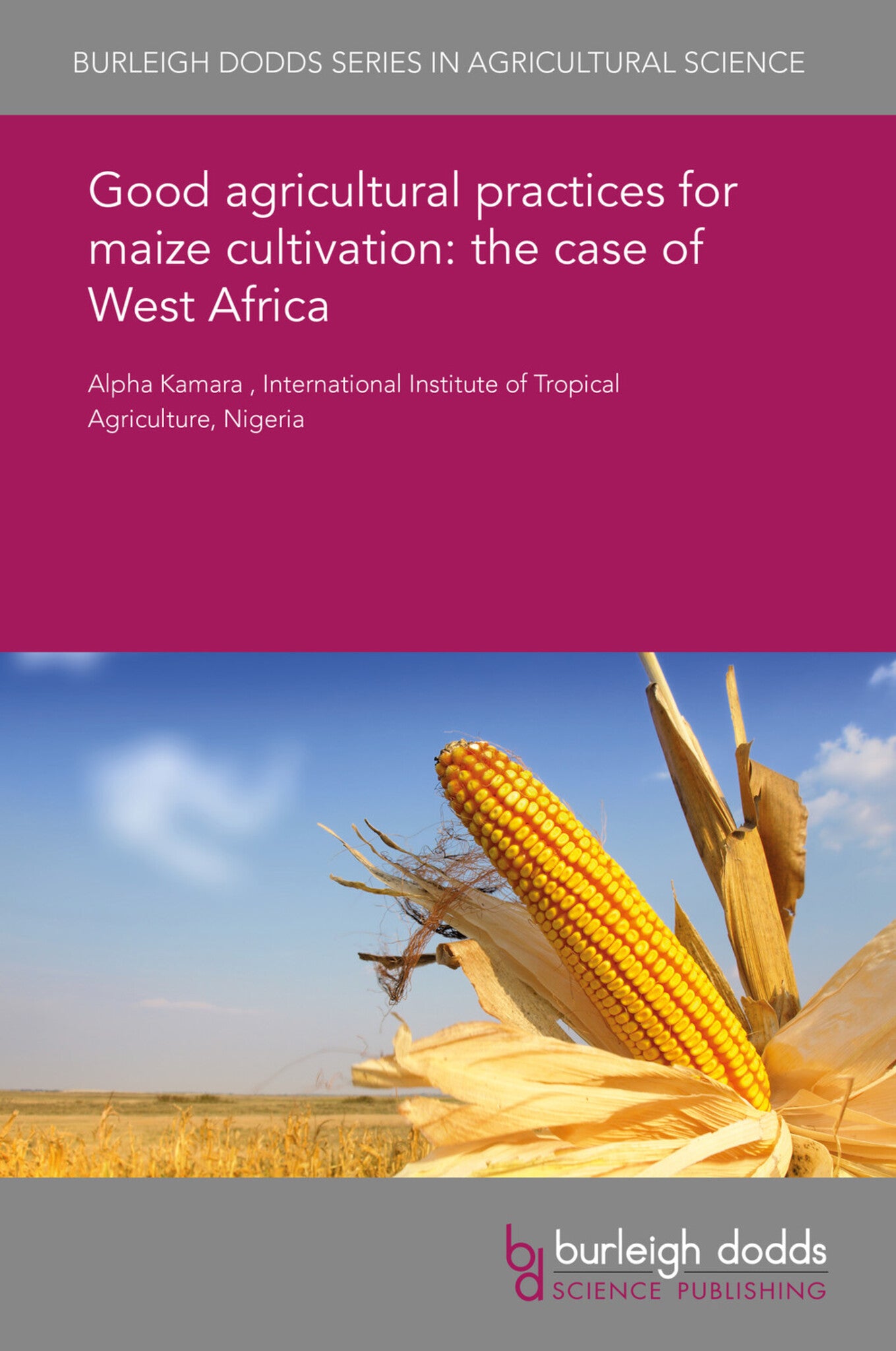
Good agricultural practices for maize cultivation: the case of west africa
Maize is the most important staple food crop for over 300 million people in sub-Saharan Africa but poor management practices and problems related to climate and soil quality mean that yields regularly fall below what is needed to feed the population. This chapter describes the effect of poor soil...
Read MoreRegular price £25.00Sale price £25.00 Regular price £25.00Unit price per -
Yield gap analysis towards meeting future rice demand
Rice provides 20% of the world’s food energy, and increased rice production owing to growing demand needs to be derived mainly from existing agricultural land. This requires reducing the ‘yield gap’, which is defined as the difference between potential yield and average on-farm yield obtained by ...
Read MoreRegular price £25.00Sale price £25.00 Regular price £25.00Unit price per -
Advances in foliar fertilizers to optimize crop nutrition
Foliar fertilizer sprays are increasingly used in agriculture for improving crop yield and quality, and also for improving plant performance under potential abiotic and/or biotic stress threats. This chapter focuses on new findings related to the nature of plant surfaces as a barrier for the abso...
Read MoreRegular price £25.00Sale price £25.00 Regular price £25.00Unit price per -
Whole-farm system models in practice: diverse applications
The challenges of contemporary agriculture are causing farmers to seek models of whole-farm goals, which requires mathematically-based modeling grounded in the latest scientific understanding of animal growth and reproduction, crop physiology, soil and environmental sciences, as well as economics...
Read MoreRegular price £25.00Sale price £25.00 Regular price £25.00Unit price per -
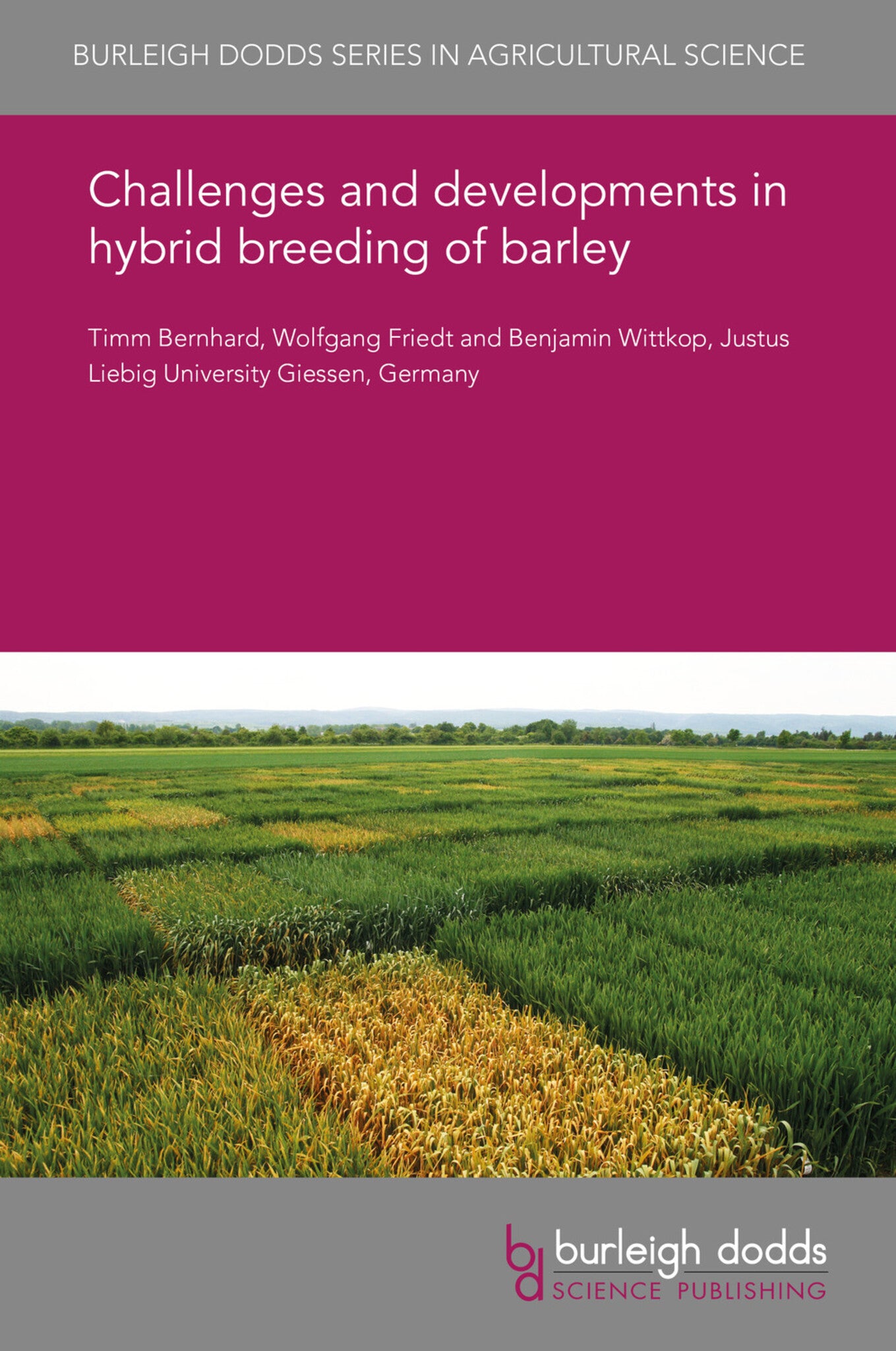
Challenges and developments in hybrid breeding of barley
Over a long period of more than a century, breeding and improvements in cropping systems have led to a constant increase in grain yield in barley. Due to its autogamous propagation, commercial barley varieties are normally true inbred lines or doubled haploid lines normally having completely homo...
Read MoreRegular price £25.00Sale price £25.00 Regular price £25.00Unit price per -
Integrated crop management of wheat
Integrated crop management (ICM) is the practice of using multiple agronomic and pest control methods to maximize yield and net returns and to minimize inputs while maintaining economic and environmental sustainability. This chapter describes the role of agronomists in developing ICM strategies a...
Read MoreRegular price £25.00Sale price £25.00 Regular price £25.00Unit price per -
Functional–structural plant modeling of plants and crops
Crop models have been instrumental in predicting yields in wide ranges of current and future environmental conditions. However, they encounter problems in representing spatial heterogeneity of a plant stand and the associated plant responses to local conditions, as well as in simulating the effec...
Read MoreRegular price £25.00Sale price £25.00 Regular price £25.00Unit price per -
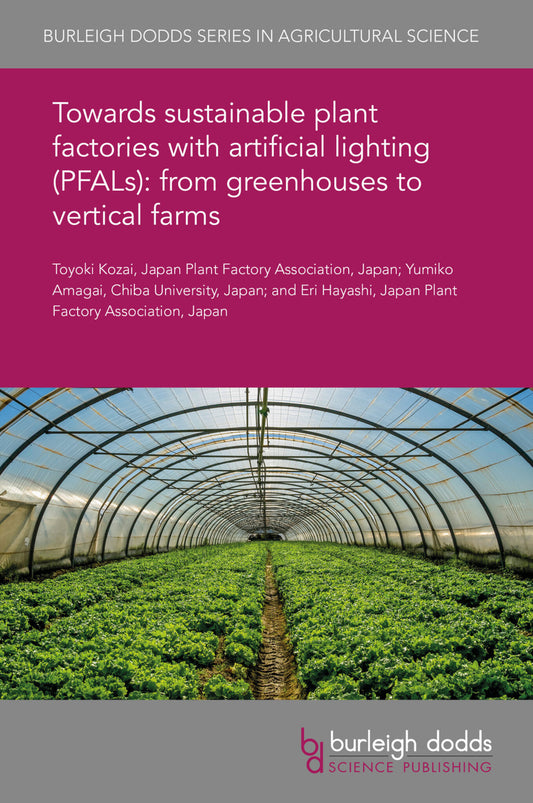
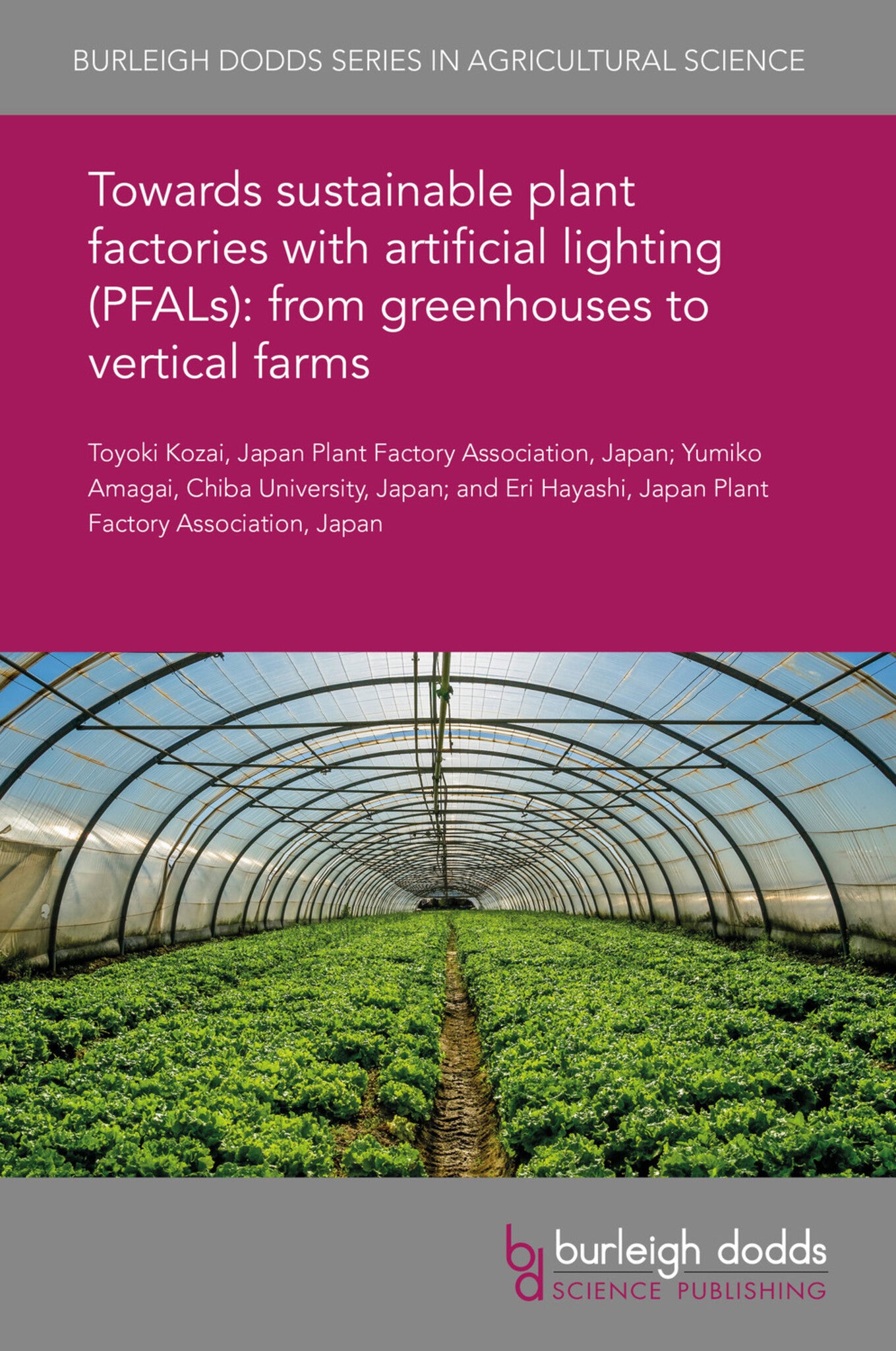
Towards sustainable plant factories with artificial lighting (pfals): from greenhouses to vertical farms
Plant factories with artificial lighting (PFALs) have hitherto proved too costly to be economically viable, consuming too much electricity to be considered truly sustainable. However, recent advances are changing this, and the potential advantages of PFALs are making them an attractive option. T...
Read MoreRegular price £25.00Sale price £25.00 Regular price £25.00Unit price per -
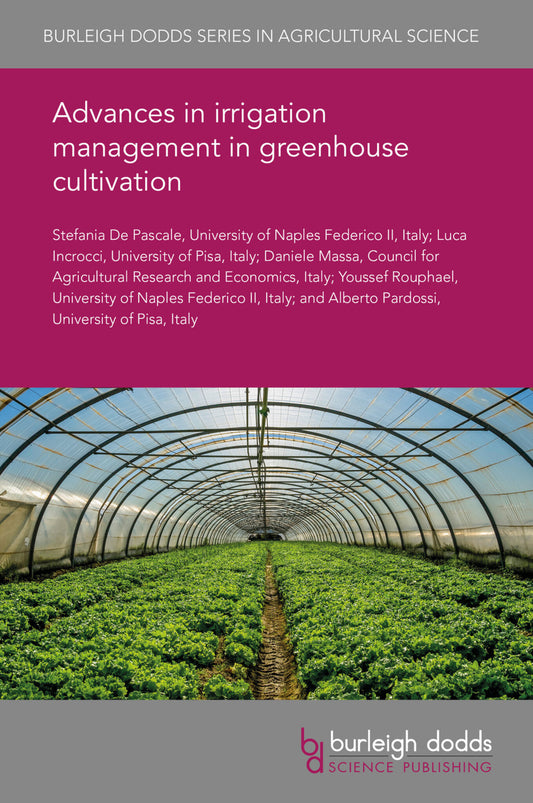
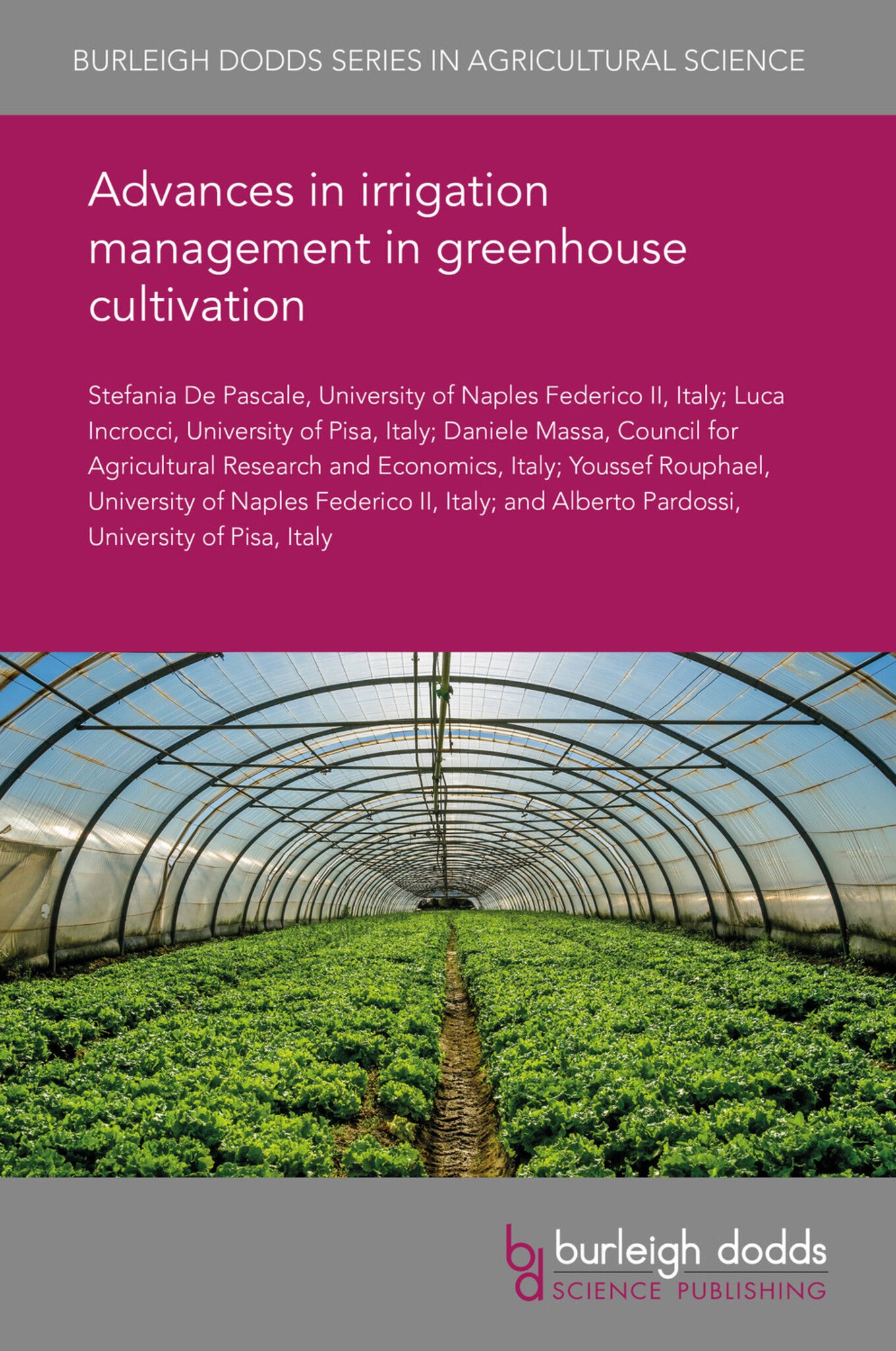
Advances in irrigation management in greenhouse cultivation
The advantages of greenhouse include the ability to secure better conditions than outdoor environment for crop growth and development, increased off-season production and autonomy from external weather conditions. This chapter provides an up-to-date critical overview of scientific advances in irr...
Read MoreRegular price £25.00Sale price £25.00 Regular price £25.00Unit price per

We're sorry. An error has occurred
Please cancel or retry.


