


-
Smart post-harvest technology to maintain quality and safety in fresh produce supply chains
In this chapter the main challenges for the postharvest management of fresh produce are summarised. Key areas where the use of new smart technologies can improve crop management are explored, starting with how environmental sensors can be integrated into internet of things (IoT) systems with pote...
Read MoreRegular price £25.00Sale price £25.00 Regular price £25.00Unit price per -
Foodomics: advances in product testing in agri-food supply chains
This chapter is written to describe the concept of product testing in agri-food supply chains and the methods that are being developed to identify instances of product non-conformance with either regulatory requirements, market requirements or both. The emergence of a range of new technologies pr...
Read MoreRegular price £25.00Sale price £25.00 Regular price £0.00Unit price per -
Developing smart agri-food supply chains
This collection provides an authoritative assessment of the current issues challenging the safety of agri-food supply chains and the recent technological developments implemented to improve safety and quality at all levels.
Regular price £150.00Sale price £150.00 Regular price £0.00Unit price per -

Instant insights: good agricultural practices
This book provides a detailed overview of the development and deployment of good agricultural practices (GAPs) across the agricultural sector and their role in contributing to a sustainable, safe and secure agri-food supply chain.
Regular price £37.99Sale price £37.99 Regular price £0.00Unit price per -
Instant insights: optimising agri-food supply chains
This book provides a detailed overview of current agri-food supply chains, as well as the ways in which they can be optimised to mitigate some of agriculture’s biggest challenges, including food loss and waste.
Regular price £37.99Sale price £37.99 Regular price £37.99Unit price per -


Chemical contaminants in foods
Diet has consistently been shown to be the dominant source of exposure to the majority of contaminants that pose a threat to human health. However, there is concern that current methods for detection, analysis and risk assessment of chemical residues in food may not accurately reflect the complex...
Read MoreRegular price £175.00Sale price £175.00 Regular price £175.00Unit price per -
Frontiers in agri-food supply chains
This collection reviews differing types of agri-food supply chain around the world and the challenges they face in ensuring a safe, efficient and environmentally-sustainable supply of food to customers. It assesses tools and techniques for analysing and improving supply chains as well as differin...
Read MoreRegular price £150.00Sale price £150.00 Regular price £150.00Unit price per -
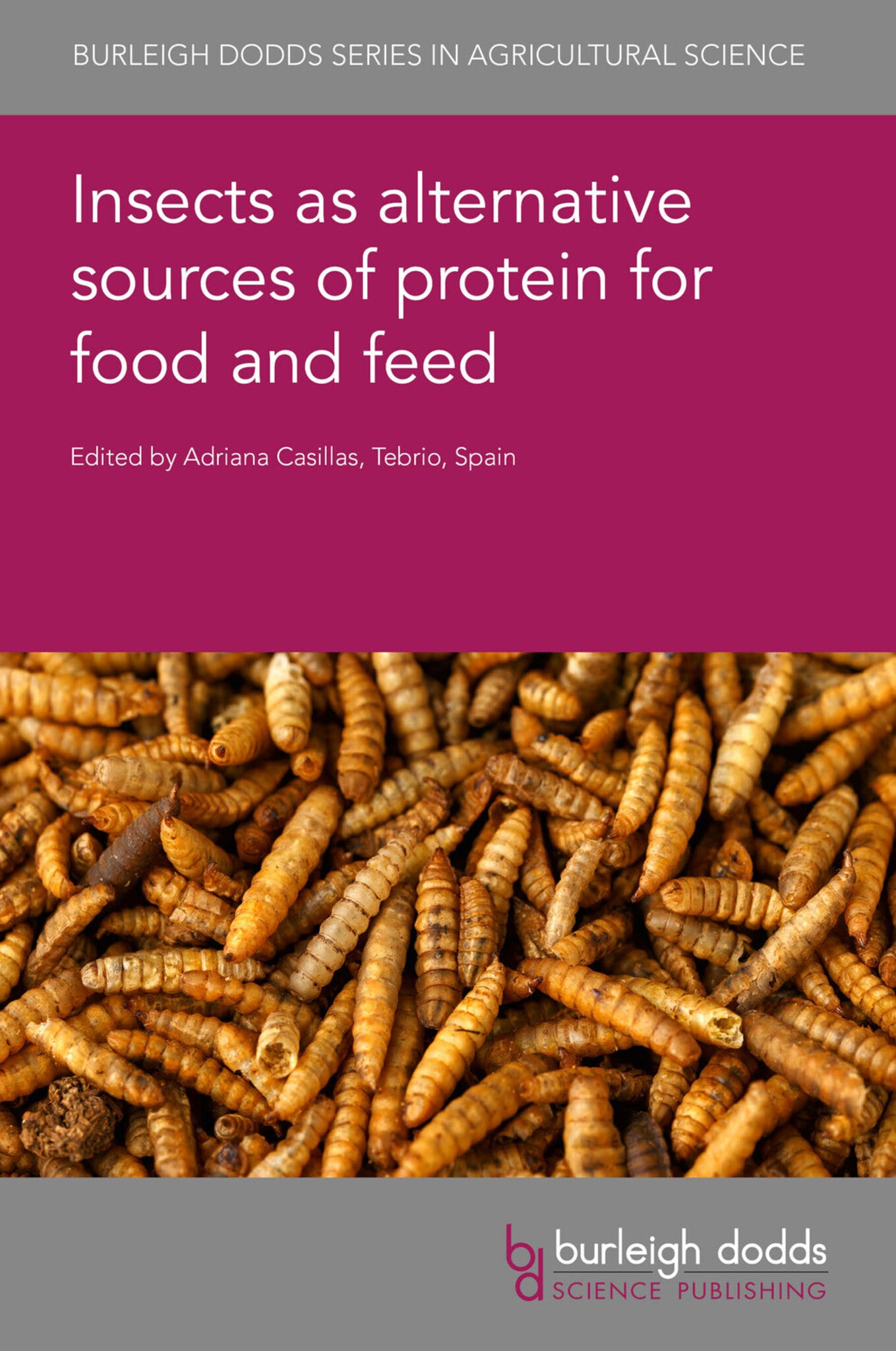
Insects as alternative sources of protein for food and feed
This collection reviews the wealth of current research on the use of insect species as sources of protein in both human and animal diets. The book considers recent advances in the production and application of black soldier flies, yellow mealworms and other insects primarily as feed for swine, po...
Read MoreRegular price £150.00Sale price £150.00 Regular price £150.00Unit price per -
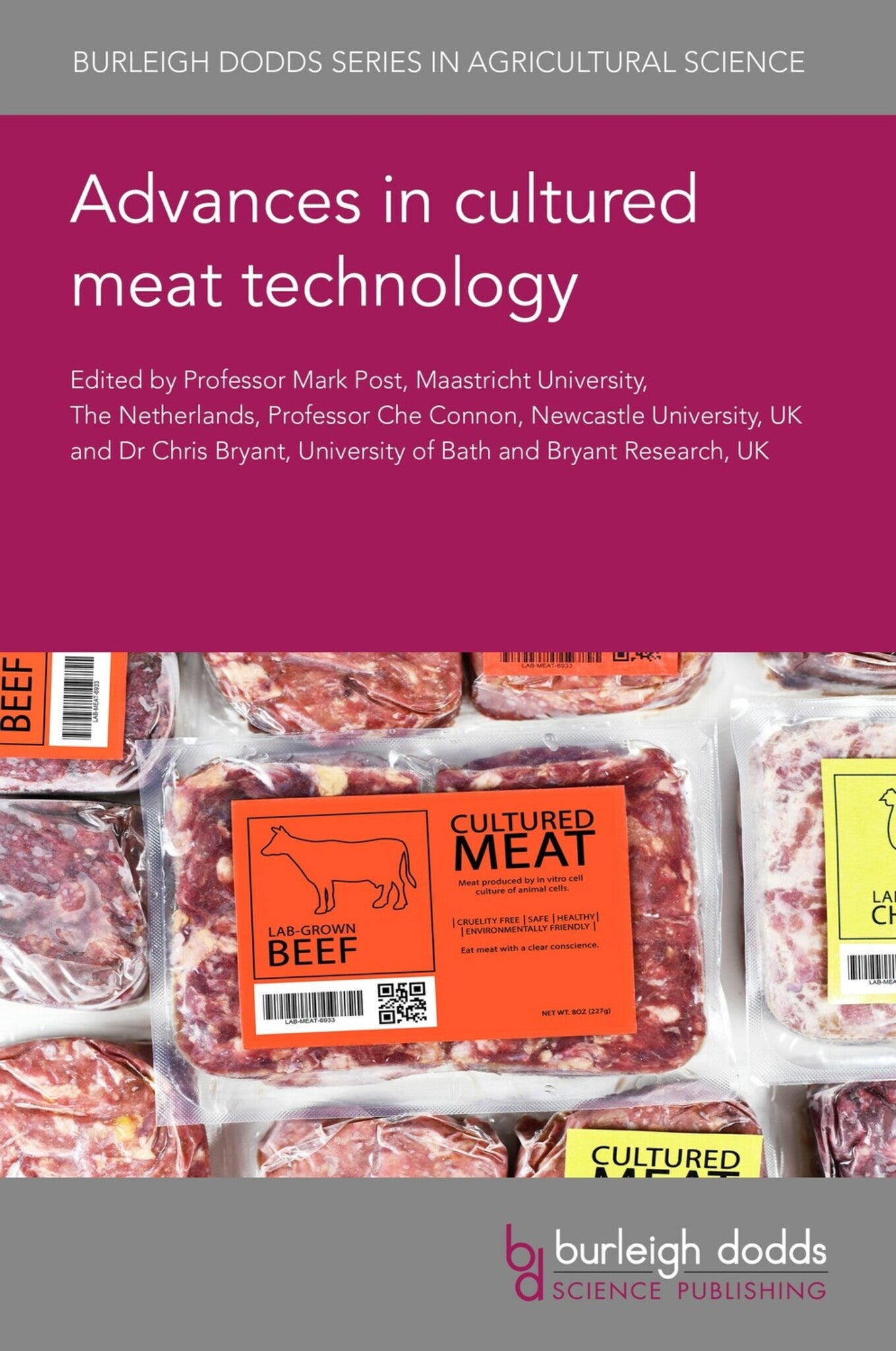
Advances in cultured meat technology
This collection reviews current advances in cellular agriculture, focussing primarily on the emerging research in cultured meat technology. The book considers the establishment of regulatory frameworks for cultured meat in the USA and Singapore and highlights the quality and sustainability issues...
Read MoreRegular price £140.00Sale price £140.00 Regular price £140.00Unit price per -
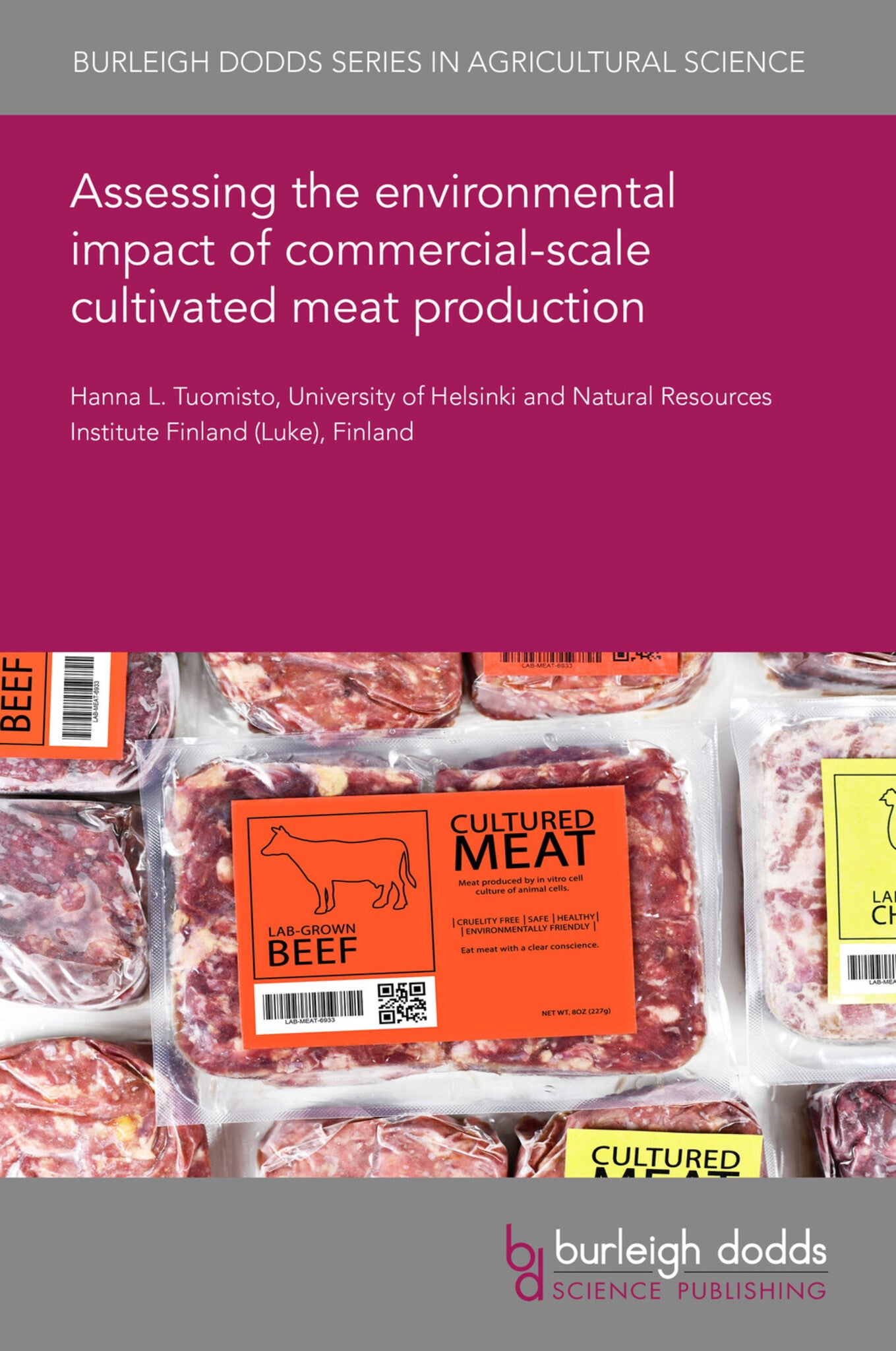
Assessing the environmental impact of commercial-scale cultivated meat production
This chapter draws attention to assessing the environmental impact of commercial cultivated meat production. To provide some context, the chapter first focuses on the environmental impacts of livestock production, specifically the impact of land use and biodiversity, climate change as well as the...
Read MoreRegular price £25.00Sale price £25.00 Regular price £25.00Unit price per -
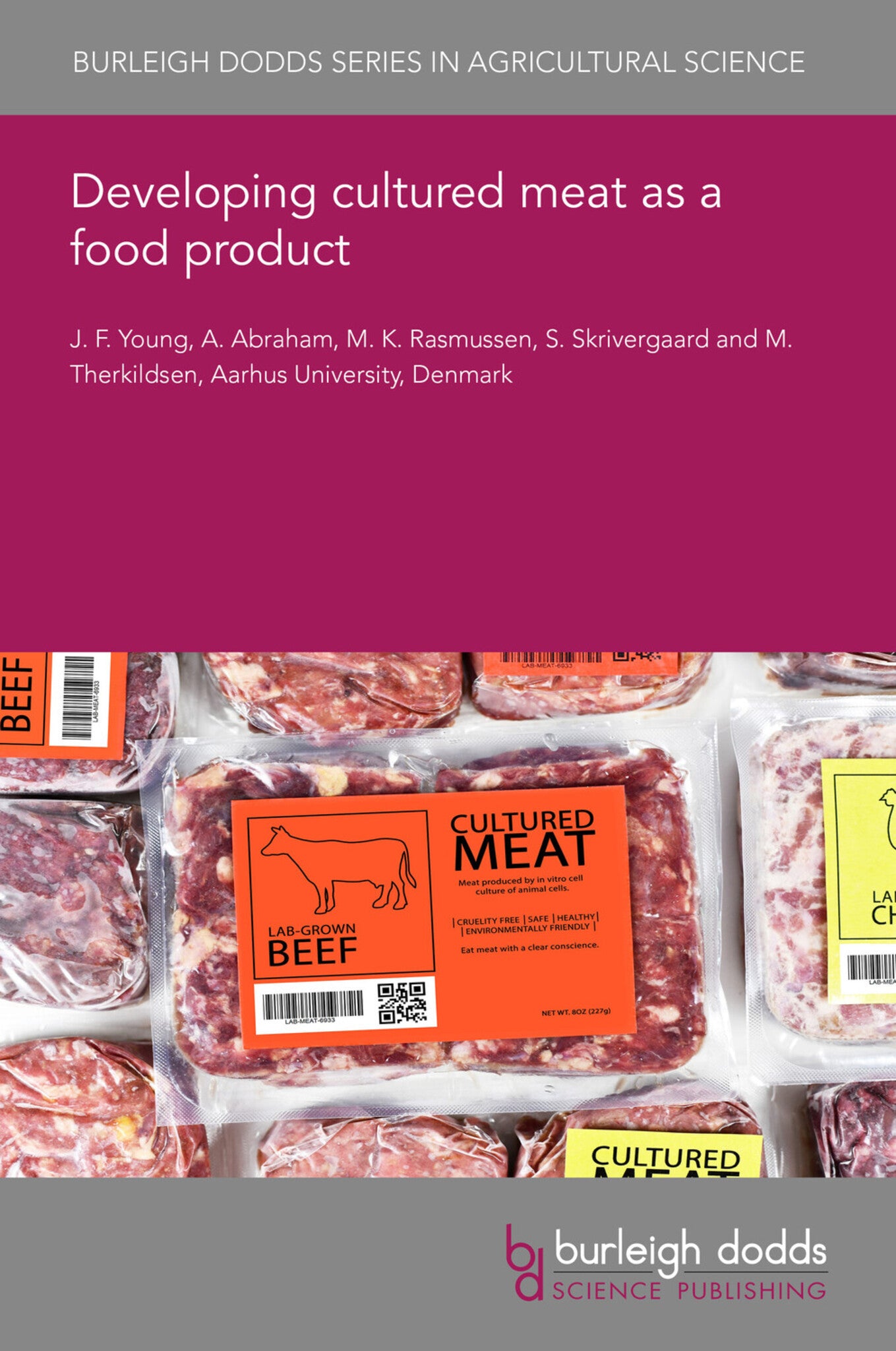
Developing cultured meat as a food product
This chapter examines developing cultured meat as a food product. It first focuses on the importance of meat structure when considering the development of cultured meat products, which is then followed by an analysis of appearance and consumer attitudes. The chapter also reviews the importance of...
Read MoreRegular price £25.00Sale price £25.00 Regular price £25.00Unit price per -
Consumer attitudes to cultured meat products: improving understanding and acceptance
This chapter reviews consumer attitudes to cultured meat products, focusing on improving understanding and acceptance of these products. Chapter 12 begins by examining the challenges regarding consumer acceptance of novel food technologies and cultured meat, drawing specific attention to perceive...
Read MoreRegular price £25.00Sale price £25.00 Regular price £25.00Unit price per -
Scaling cell production sustainably in cultured meat product development
Cultured meat is an emerging novel food with potential to address many of the shortcomings of meat produced through intensified animal farming. To date, only one cultured meat product has received regulatory approval for commercialisation in Singapore. However these are still available on an orde...
Read MoreRegular price £25.00Sale price £25.00 Regular price £25.00Unit price per -


Cell line sourcing and characterization for cultured meat product development
This chapter explores the use of bioreactors for cell multiplication in cultured meat product development. The chapter begins by first providing an overview of the principles and structure of a bioreactor, which is followed by a breakdown of bioreactor operation modes: batch cultivation, fed-batc...
Read MoreRegular price £25.00Sale price £25.00 Regular price £25.00Unit price per -
Developments in cell culture media for cultured meat applications
Cell culture media is one of the key inputs for cultured meat production. It provides a physiologically favorable environment for cells, nutrients for cell consumption and utilization, and signaling molecules to instruct cell behavior. For all cell culture, media should be optimized towards speci...
Read MoreRegular price £25.00Sale price £25.00 Regular price £25.00Unit price per -
Tissue engineering using scaffolds in cultured meat product development
This chapter focuses on tissue engineering using scaffolds in cultured meat product development. The chapter first provides an overview of the key scaffold properties as 3D meat cultivation platforms, focusing on aspects such as tissue engineering-related criteria and additional scaffold constrai...
Read MoreRegular price £25.00Sale price £25.00 Regular price £25.00Unit price per -
Extraction of proteins and other functional components from red seaweed (rhodophyta)
Red seaweeds are a major industrial source of agar and carrageenan. They also contain high amounts of other polysaccharides and higher amounts of proteins than brown seaweeds. Some species of red seaweed also contain polyphenols with antioxidant activities as well as being a source of carotenoids...
Read MoreRegular price £25.00Sale price £25.00 Regular price £25.00Unit price per -
Developing seaweed/macroalgae as feed for pigs
Macroalgae are a promising source of nutritional ingredients including proteins, polysaccharides and minerals. The need to increase animal and feed production has increased interest in macroalgae as underutilised resources with promising applications as alternative animal feeds. This chapter summ...
Read MoreRegular price £25.00Sale price £25.00 Regular price £25.00Unit price per -
Developing macroalgae and microalgae as feed for fish
The rapid expansion of aquaculture industry is severely restricted by the shortage of key feed ingredients such as fishmeal and fish oil. Application of marine plants (macro and microalgae) as dietary ingredients could potentially overcome the limitation of key feed ingredients used in aquafeed. ...
Read MoreRegular price £25.00Sale price £25.00 Regular price £25.00Unit price per -
Bioprocessing of microalgal proteins and their applications in the cosmetic, nutraceutical and food industries
Microalgae have long been recognised for their nutritional value and high protein contents. With the increasing demand for “vegan protein” and concerns for global food security, microalgal protein is finding renewed interest. Microalgae are highly productive and can be grown without competing for...
Read MoreRegular price £25.00Sale price £25.00 Regular price £25.00Unit price per -
Developments in algal processing
Macroalgae and microalgae, including cyanobacteria, are primarily photosynthetic organisms grown for the production of renewable biomass for foods, feedstocks, and high-value specialty chemicals. While there are differences in cultivating and harvesting macro- and microalgae due to scale, many of...
Read MoreRegular price £25.00Sale price £25.00 Regular price £25.00Unit price per -
Seaweed as a potential protein supplement in animal feeds
With increasing demand for meat and dairy products but limited capacity for expanding crop production, there is need for alternative feed sources. Careful selection of seaweed species based on nutrient content and profiles could allow successful use of seaweed as an alternative protein supplement...
Read MoreRegular price £25.00Sale price £25.00 Regular price £25.00Unit price per -
Solar energy conversion, oxygen evolution and carbon assimilation in cyanobacteria and eukaryotic microalgae
This chapter focuses on the solar energy conversion in light harvesting and light-driven electron transport for production of reducing power for CO2 fixation in prokaryotic cyanobacteria and eukaryotic microalgae.
Regular price £25.00Sale price £25.00 Regular price £25.00Unit price per -
Seaweed and microalgae as alternative sources of protein
This collection summarises current developments in utilising seaweed and microalgae as alternative sources of protein. Chapters focus on identifying the different types of macroalgae and microalgae, cultivation and processing, as well as the practical application in human and livestock diets.
Regular price £140.00Sale price £140.00 Regular price £140.00Unit price per -


Studies in imagery volume ii
Volume 1 of "Studies in Imagery, Text, and Images" presents 25 studies spanning Classical Art, Symbolic Languages, Saints and Devils, and Comets, Dreams, and Stars. Volume 2, "The World Discovered," explores intercultural interactions, cartography, depictions of foreign cultures, and imagery of b...
Read MoreRegular price £150.00Sale price £150.00 Regular price £150.00Unit price per -
Integrated management of arthropod pests of cassava: the case of southeast asia
High-yielding varieties and improved agronomy have led to substantial increases in cassava crop productivity throughout Southeast Asia; however, in recent years, those advances are being jeopardized by recurrent outbreaks of several non-native arthropod pests and (insect-vectored) pathogens. In t...
Read MoreRegular price £25.00Sale price £25.00 Regular price £25.00Unit price per -
Weed control in cassava cropping systems
Weed control in cassava fields appears to have received highly variable levels of attention on the different continents where cassava is grown, despite clear messages from farming communities on its importance. Moreover, although grasses and broadleaved weeds are perceived as a major problem in c...
Read MoreRegular price £25.00Sale price £25.00 Regular price £25.00Unit price per -


Conservation and distribution of cassava
Significant germplasm collections of cassava (Manihot esculenta) have been established in international and regional genebanks and have been used extensively by plant breeders. This chapter describes both ex situ and in situ techniques of conserving cassava genetic material. The chapter demonstra...
Read MoreRegular price £25.00Sale price £25.00 Regular price £25.00Unit price per -
Cassava cultivation and soil productivity
Cassava is becoming an ever more important crop, and over the past 20–30 years its planted area has increased faster than that of any other food crop. However, yields are still low due to the fact that the crop is usually grown on infertile soils and without adequate soil and crop management. Thi...
Read MoreRegular price £25.00Sale price £25.00 Regular price £25.00Unit price per -
Nutrient sources and their application in cassava cultivation
This chapter discusses various sources of nutrients to be applied to prevent soil nutrient depletion, as well as the optimum rates, times and methods of their application. It also describes how computer models can predict site-specific nutrient requirements and balanced fertilizer rates to maximi...
Read MoreRegular price £25.00Sale price £25.00 Regular price £25.00Unit price per -
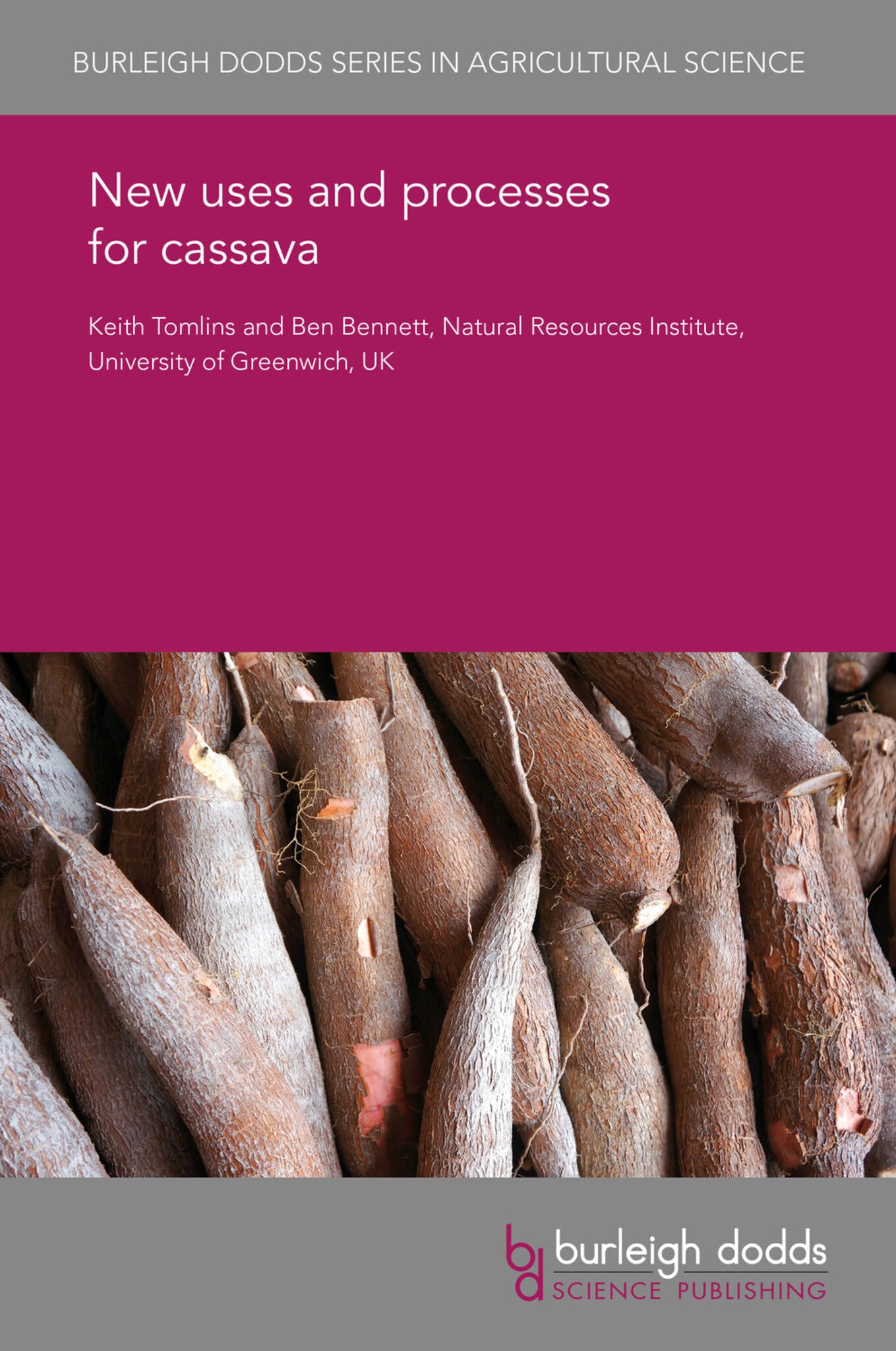
New uses and processes for cassava
Cassava’s versatility, resilience to climate stress and huge potential for yield increase make it increasingly popular for both food security and industrial applications. This chapter investigates current uses of cassava and considers new processes which might be introduced to promote greater uti...
Read MoreRegular price £25.00Sale price £25.00 Regular price £25.00Unit price per -
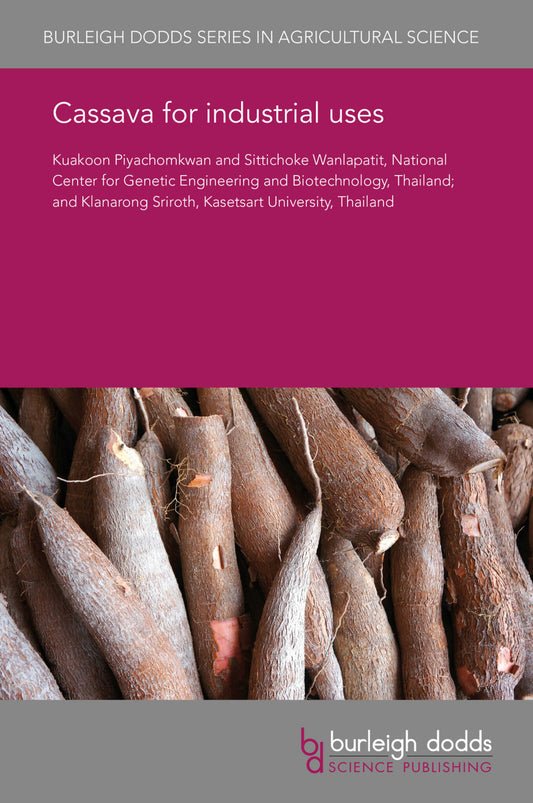
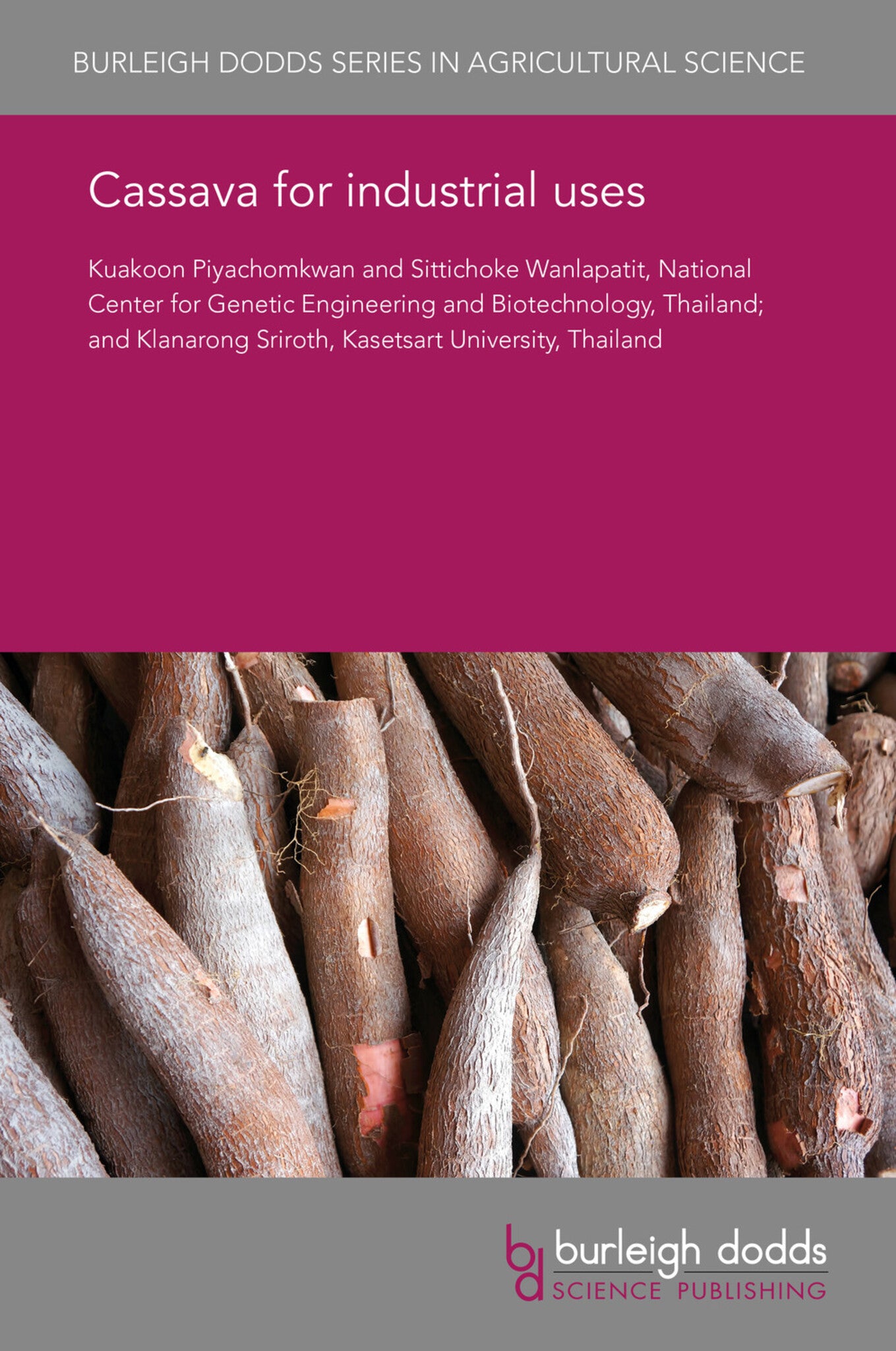
Cassava for industrial uses
Cassava serves not only as a staple food for mankind but also as an industrial crop for food and non-food applications. The roots with high starch contents are processed to dried chips and extracted pure starch. The production scale varies from household level, small and medium-sized enterprises ...
Read MoreRegular price £25.00Sale price £25.00 Regular price £25.00Unit price per -
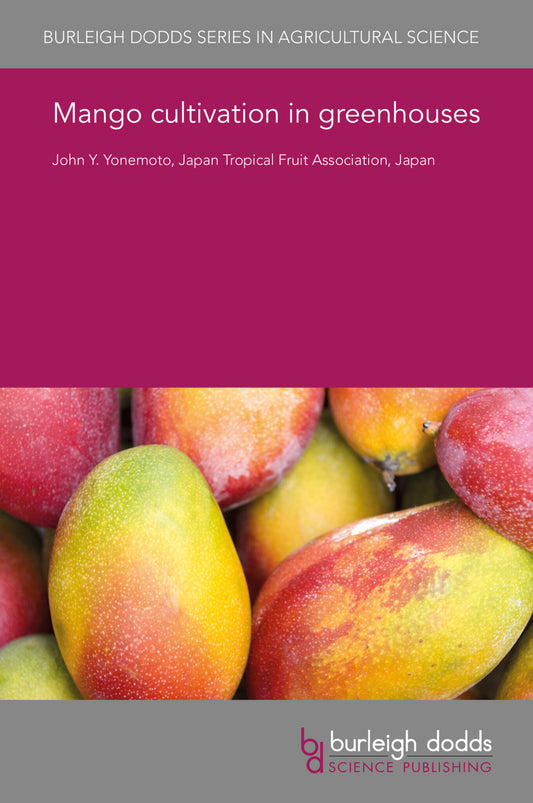
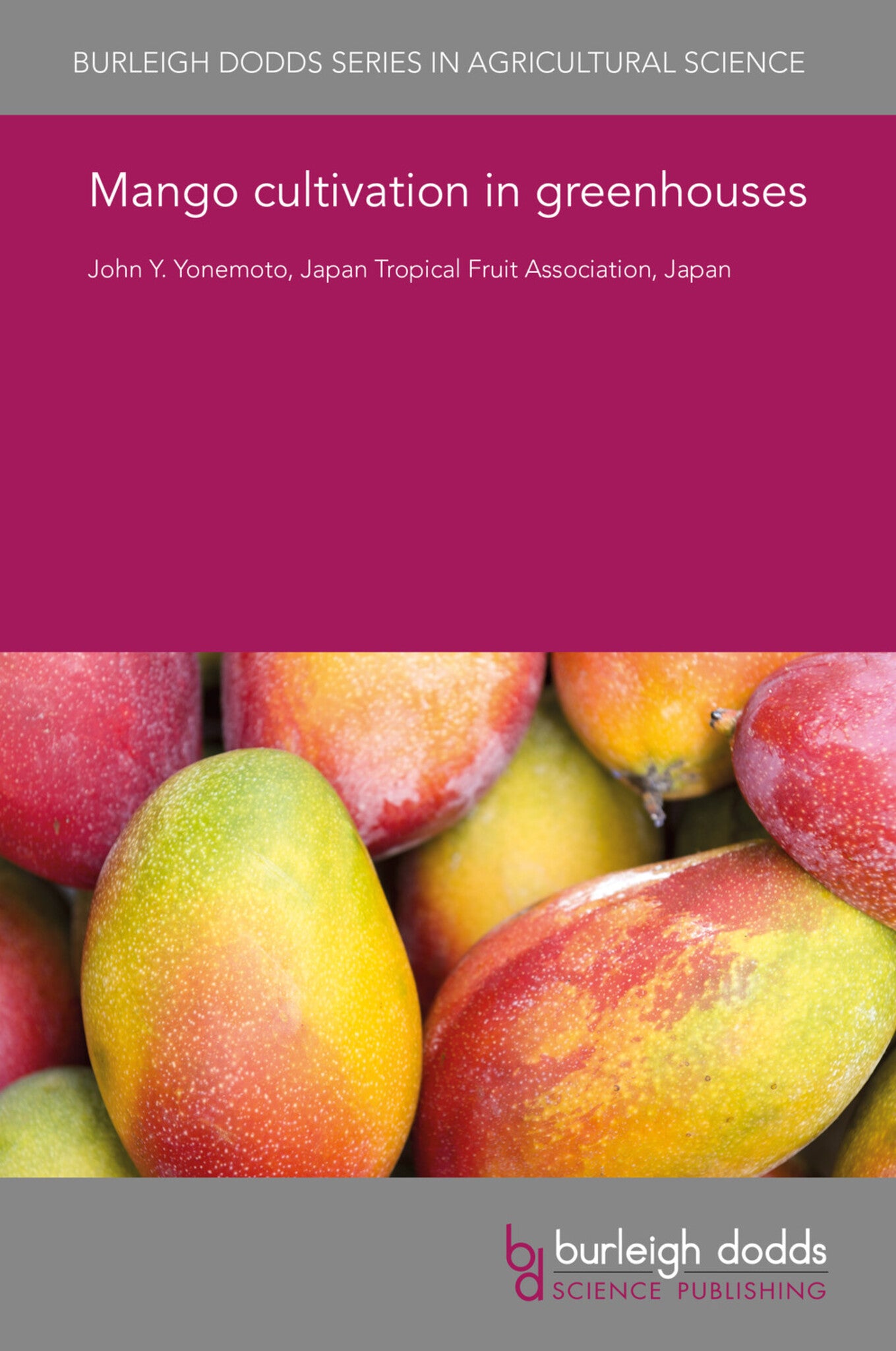
Mango cultivation in greenhouses
Mangoes are grown throughout South East Asia and in around one hundred countries all over the tropical and subtropical belt. In Japan, as well as in Spain and Portugal, they are cultivated in greenhouses and specific techniques are used to maximise the production and quality and to ensure efficie...
Read MoreRegular price £25.00Sale price £25.00 Regular price £25.00Unit price per -
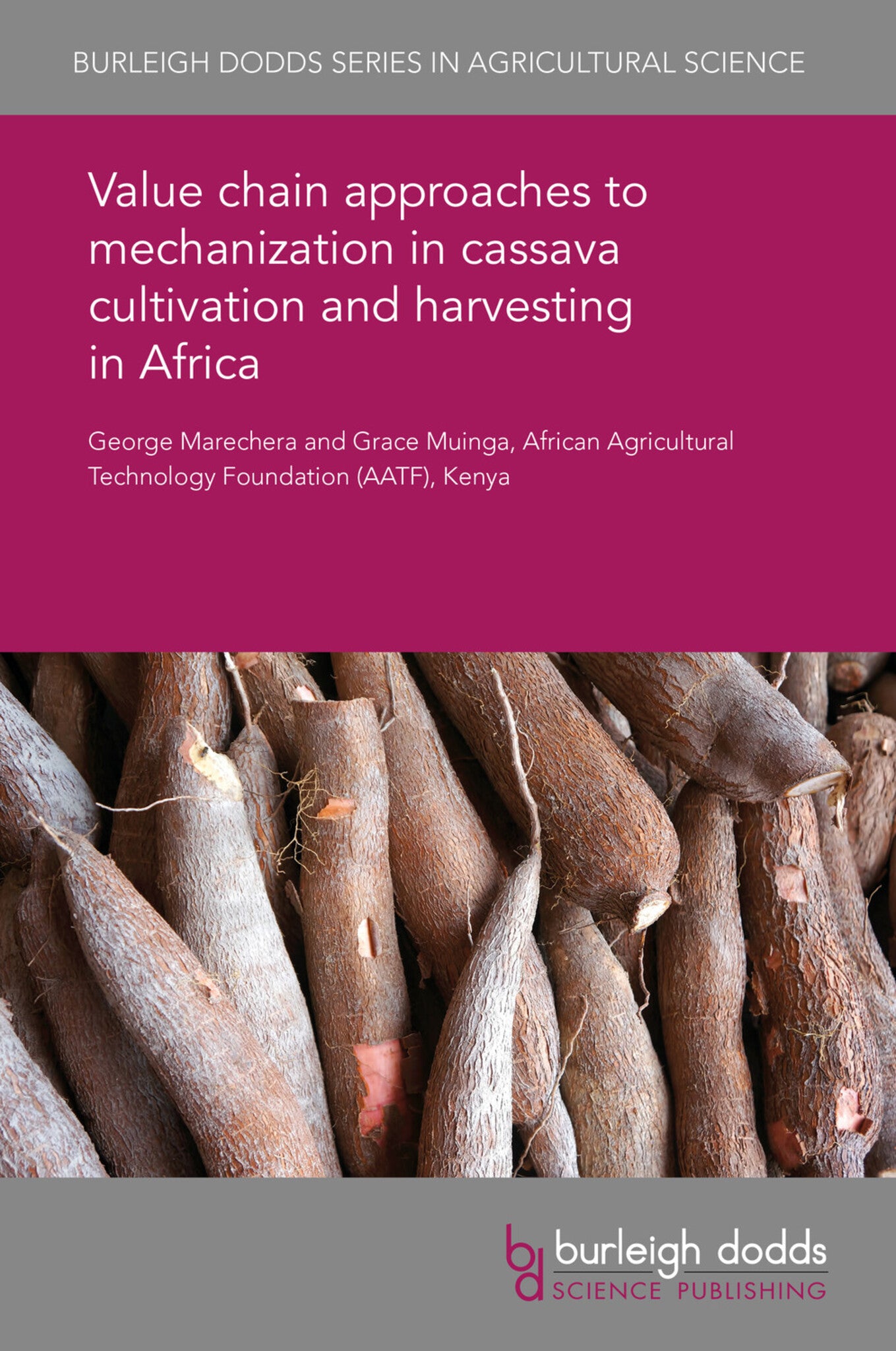
Value chain approaches to mechanization in cassava cultivation and harvesting in africa
Cassava is a basic staple food in sub-Saharan African (SSA) countries. However, despite the use of improved varieties in some areas, yield levels have remained low due to inefficient production systems. Cassava production in SSA is mainly through manual labour, which is time consuming and ineffic...
Read MoreRegular price £25.00Sale price £25.00 Regular price £25.00Unit price per -
Gcp21: a global cassava partnership for the 21st century
Since 1998, cassava has outperformed all the world’s major crops in relative production increase. It is also recognized as being resilient to climate change. Its global average yield, however, is only 13 Mt/ha, compared to a potential of at least 65 Mt/ha, partly due to the impact of pests and di...
Read MoreRegular price £25.00Sale price £25.00 Regular price £0.00Unit price per -
Targeting smallholder farmers to adopt improved cassava technologies: challenges and opportunities
This chapter examines the challenges and opportunities for targeting smallholder farmers to adopt improved cassava technologies for yield and profitability. Smallholder farmers are not a homogenous group and, therefore, a static technology promotion system cannot address the needs of a dynamic cl...
Read MoreRegular price £25.00Sale price £25.00 Regular price £25.00Unit price per -
Breeding cassava to meet consumer preferences for product quality
New, high-yielding varieties have transformed cassava from a low-yielding, famine-reserve crop to a high-yielding cash crop for both rural and urban consumers in Africa. The opportunity provided by this high yield in terms of lower production cost per hectare has made cassava a potential crop for...
Read MoreRegular price £25.00Sale price £25.00 Regular price £0.00Unit price per -
Breeding cassava for higher yield
Cassava is a root crop that adapts well to a wide range of environments. A key factor for grower decisions regarding when to plant cassava is whether a profit can be expected from the crop; increasingly, only cassava growers with high productivity can survive in the volatile price environment. Th...
Read MoreRegular price £25.00Sale price £25.00 Regular price £0.00Unit price per -


Diseases affecting cassava
Cassava diseases are major production constraints wherever the crop is grown. Although diseases will continue to pose a challenge to cassava producers in the immediate future, tremendous progress is being made in developing control tactics. These range from biotechnological approaches for enhanci...
Read MoreRegular price £25.00Sale price £25.00 Regular price £0.00Unit price per -
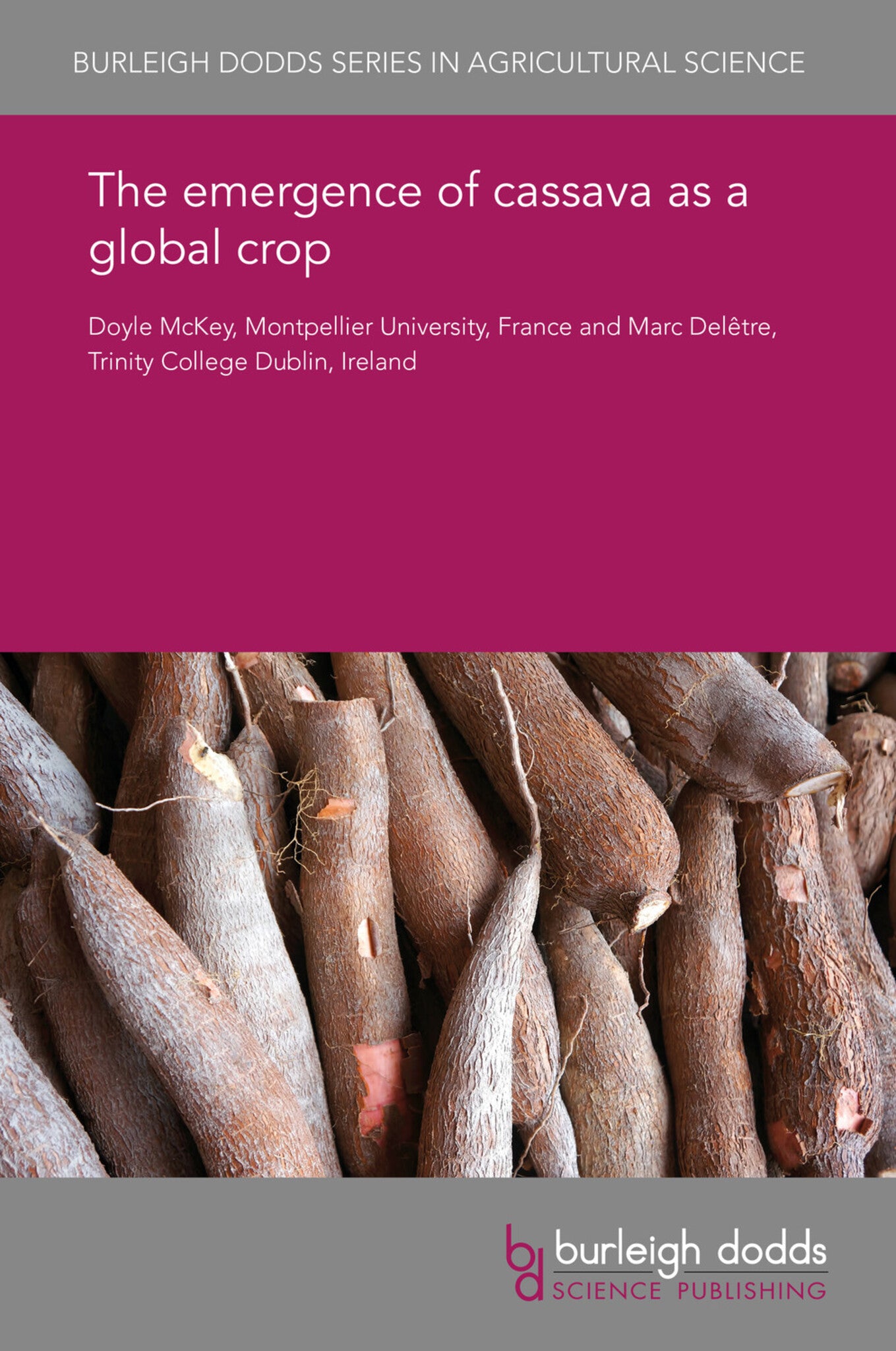
The emergence of cassava as a global crop
This chapter outlines current knowledge about cassava’s origin in Amazonia and summarizes the history of its introduction and diffusion in the Old World. The chapter examines the evolution of the traits that led to its success, focusing on two aspects under-appreciated by cassava breeders, extens...
Read MoreRegular price £25.00Sale price £25.00 Regular price £25.00Unit price per -
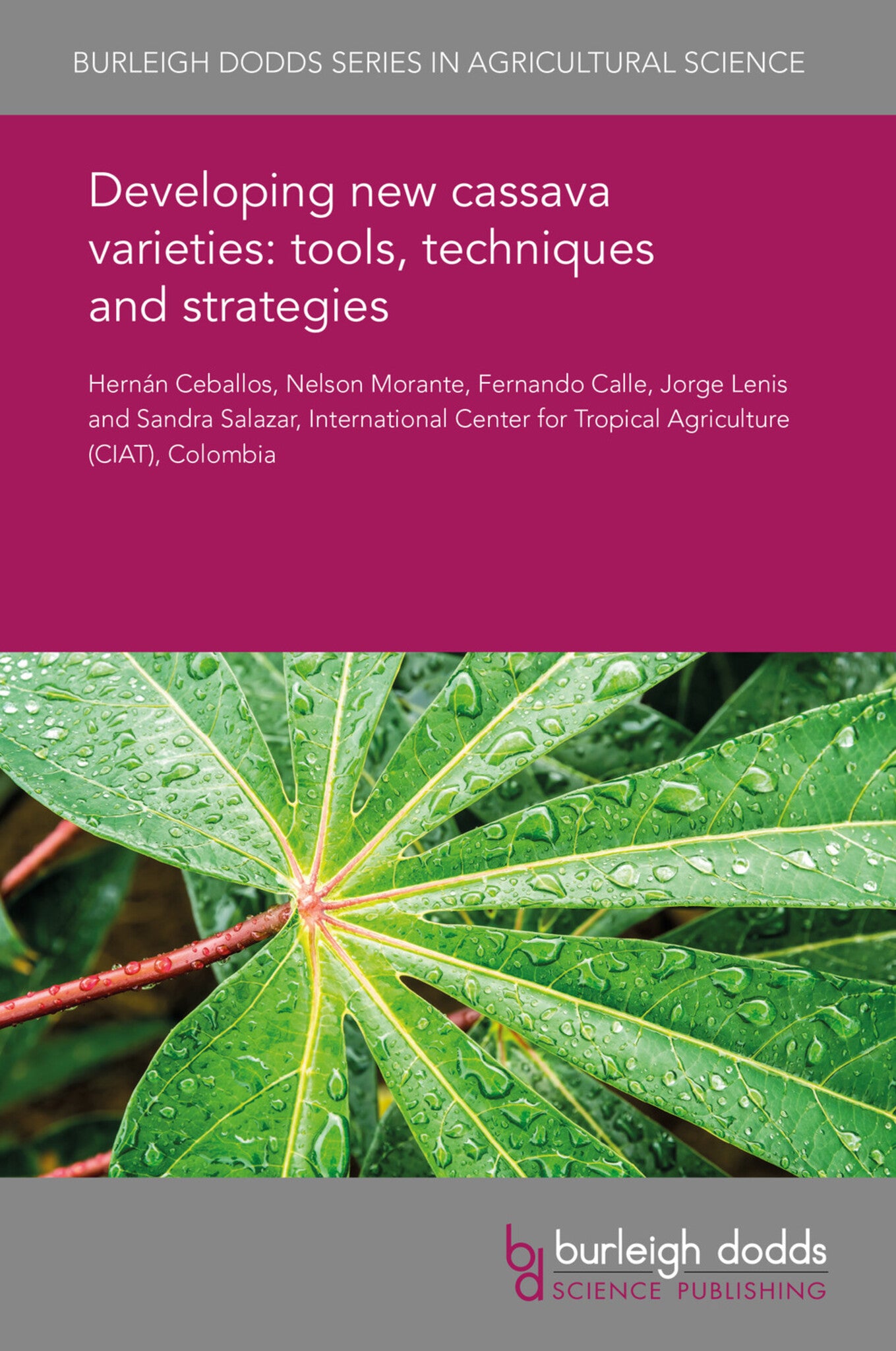
Developing new cassava varieties: tools, techniques and strategies
The significance of cassava as a crop in tropical countries means that developing improved varieties is key to the sustainability of cassava production. This chapter examines how understanding the utilization of cassava can inform breeding objectives for developing improved varieties of cassava. ...
Read MoreRegular price £25.00Sale price £25.00 Regular price £25.00Unit price per -
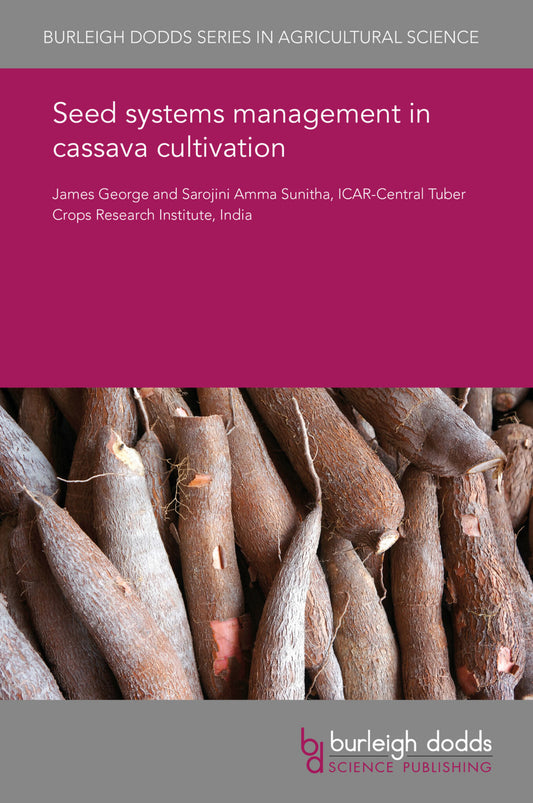
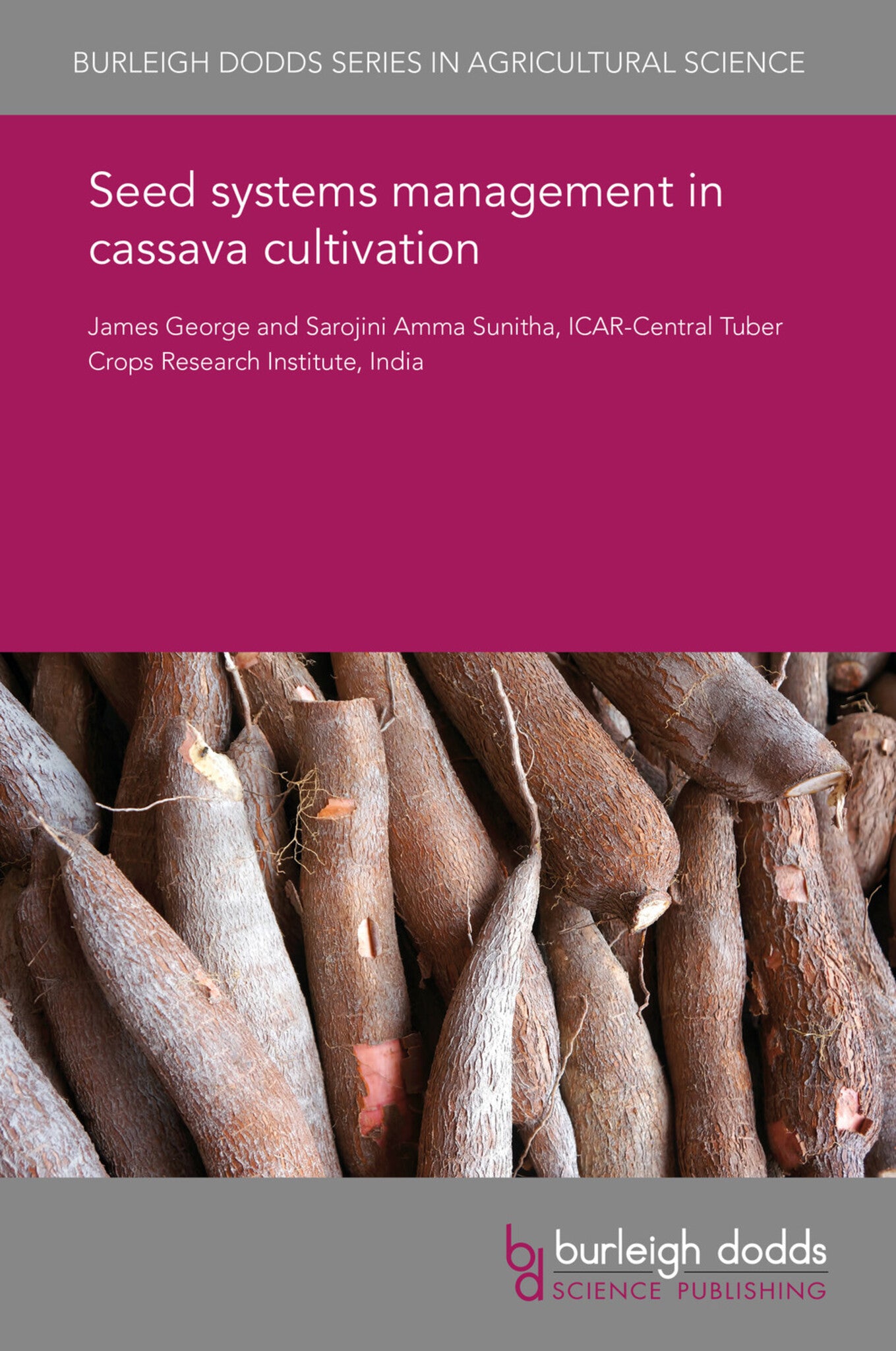
Seed systems management in cassava cultivation
A sustainable cassava seed system will ensure that high-quality seeds of farmer-demanded varieties and crops are produced and fully available on time and affordable to farmers and other stakeholders. This chapter describes the production and management of high-quality cassava seed under both info...
Read MoreRegular price £25.00Sale price £25.00 Regular price £25.00Unit price per -
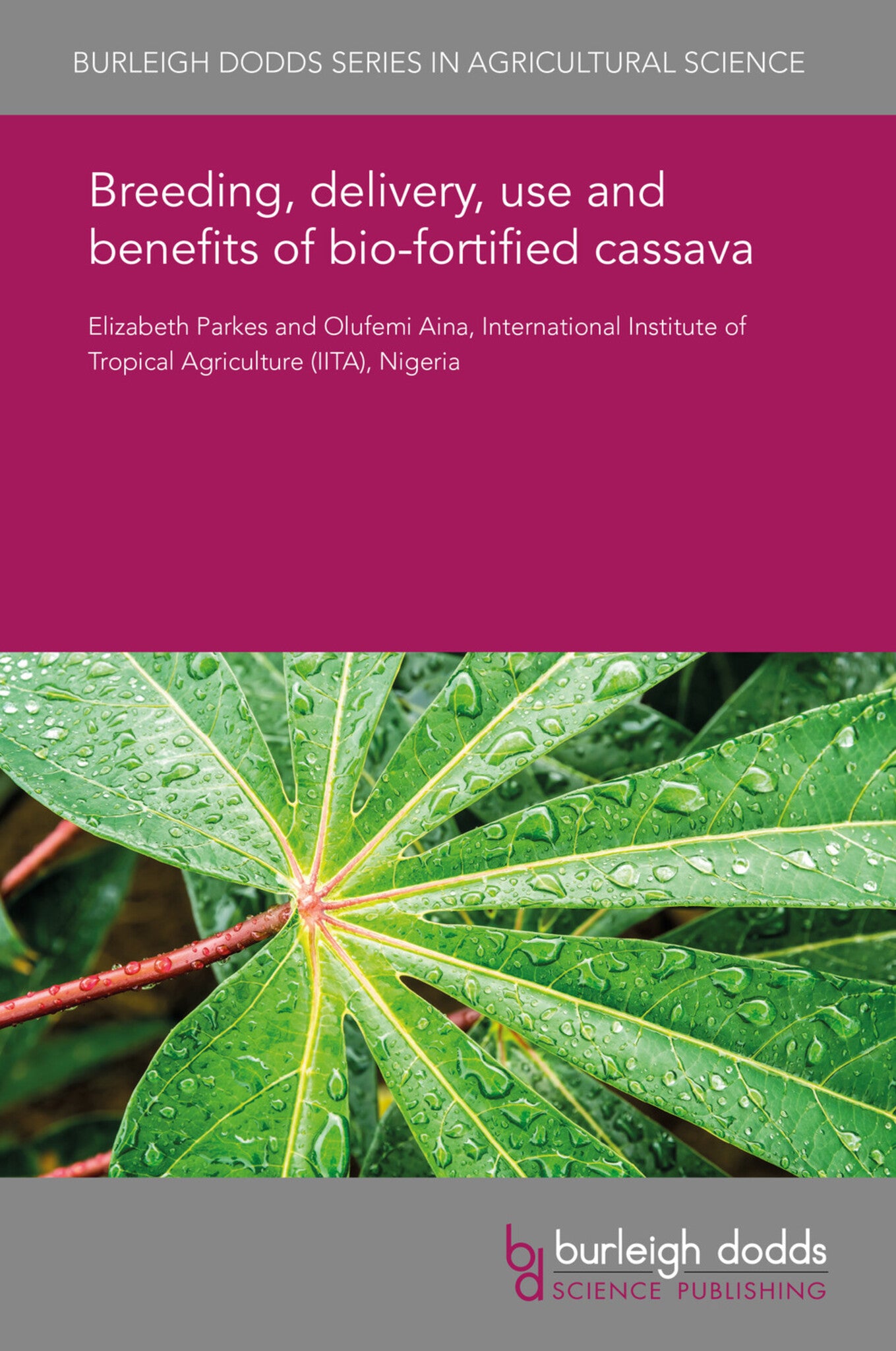
Breeding, delivery, use and benefits of bio-fortified cassava
Cassava’s high caloric value, as well as its ability to tolerate dry conditions and poor soils, makes it a key food security crop in developing countries, particularly in Africa. It serves as a rich source of carbohydrates, and also contains appreciable amounts of calcium and vitamin C. However, ...
Read MoreRegular price £25.00Sale price £25.00 Regular price £25.00Unit price per -
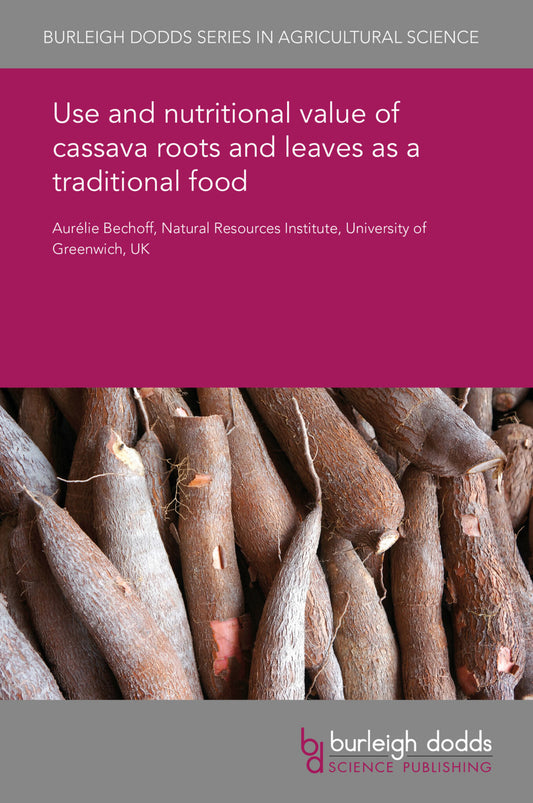

Use and nutritional value of cassava roots and leaves as a traditional food
Cassava is an important staple crop for the food security of millions of people in developing countries. This chapter examines the strengths and weaknesses of cassava roots and leaves as a source of nutrients, and describes and analyses efforts to promote biofortified varieties of cassava with hi...
Read MoreRegular price £25.00Sale price £25.00 Regular price £0.00Unit price per -
Molecular approaches in cassava breeding
In cassava, as for other major crops, molecular markers can reveal the genetic basis for both qualitative and quantitative phenotypic changes. This chapter examines the genetic diversity of cassava, the process of marker-assisted selection (MAS) and the application of genome sequencing to cassava...
Read MoreRegular price £25.00Sale price £25.00 Regular price £25.00Unit price per -


Cassava cultivation in sub-saharan africa
In sub-Saharan Africa, cassava is cultivated under a wide range of ecological and agronomic conditions. Cassava’s adaptability to relatively marginal soils and erratic rainfall conditions, its high productivity per unit of land and labour, the certainty of obtaining some yield even under the most...
Read MoreRegular price £25.00Sale price £25.00 Regular price £25.00Unit price per -
Integrated crop management for cassava cultivation in asia
The demand for cassava in Asia is expected to grow in the years to come, largely because of an increasing demand for animal feed, biofuels and multiple uses of starch. Increasing the quantity and quality of cassava products in response to growing demand requires careful and sustainable increases ...
Read MoreRegular price £25.00Sale price £25.00 Regular price £25.00Unit price per -
Achieving sustainable cultivation of cassava volume 2
Volume 2 reviews genetic resources and breeding techniques as well as their use to produce varieties with traits such as enhanced resistance to biotic and abiotic stresses. It also discusses key pests and diseases and their management in making cultivation more efficient and sustainable.
Regular price £140.00Sale price £140.00 Regular price £140.00Unit price per -
Achieving sustainable cultivation of cassava volume 1
This collection begins by reviewing the current state of cassava cultivation, before going on to review the range of techniques enabling sustainable intensification, from seed systems management to intercropping and post-harvest management.
Regular price £160.00Sale price £160.00 Regular price £160.00Unit price per -
Improving fertilizer and water-use efficiency in mango cultivation
The irrigation requirements of mango have not been adequately investigated, and very few studies have been conducted on regulated deficit irrigation (RDI) strategies at different phenological stages. The aim of this chapter is to suggest how research in the field of irrigation and fertilization c...
Read MoreRegular price £25.00Sale price £25.00 Regular price £25.00Unit price per -
Post-harvest storage management of mango fruit
As soon as a high-quality fruit and good yield are achieved, the mango fruit is harvested and the post-harvest-handling venture begins. It is estimated that, from harvest to plate, more than one-third of the fruit yield is lost. The purpose of this chapter is to review existing information and re...
Read MoreRegular price £25.00Sale price £25.00 Regular price £25.00Unit price per -
Understanding post-harvest deterioration of mangoes
Post-harvest deterioration in the quality of mangoes is determined in large measure by pre-harvest factors ranging from the cultivar grown to orchard management and harvest practices. This chapter describes the changes related to ripening in mangoes and the pre-harvest, in-harvest and post-harves...
Read MoreRegular price £25.00Sale price £25.00 Regular price £25.00Unit price per -
Mango cultivation practices in the tropics: good agricultural practices to maximize sustainable yields
Mango is grown in more than 100 countries and is a commercially important fruit for many countries in the tropics. However, mango cultivation faces various problems which require urgent attention if sustainable production is to be achieved. This chapter reviews the factors which affect mango prod...
Read MoreRegular price £25.00Sale price £25.00 Regular price £25.00Unit price per -
Advances in understanding mango tree growth and canopy development
The mango tree canopy acts not only as a carbohydrate factory, through photosynthesis, and as a support for reproduction; it is also the place where vegetative growth occurs and the tree develops. The spatial and temporal proximity of vegetative and reproductive growth in the mango tree canopy le...
Read MoreRegular price £25.00Sale price £25.00 Regular price £25.00Unit price per -
The genetic diversity of mangoes
This chapter provides a list of the principal mango cultivars, selected on the basis of their local and global importance. The description of cultivars is based on evaluations conducted by Fairchild Tropical Botanic Garden in Miami, Florida. The data reflects some 30 years of research. Descriptio...
Read MoreRegular price £25.00Sale price £25.00 Regular price £25.00Unit price per -
Integrated disease management in mango cultivation
Mango, Mangifera indica L., is affected by a great number of fruit, foliar, stem and root diseases. This chapter covers diseases that seriously impact the crop. Their significance, geographical distribution and history are outlined, and the symptoms, causal agent(s) and epidemiology of each are...
Read MoreRegular price £25.00Sale price £25.00 Regular price £25.00Unit price per -
Life cycle assessment of mango systems
Mango production systems have seldom been studied using the methodology of life cycle assessment (LCA). Important challenges are associated with the application of LCA to the environmental evaluation of fruit systems in general and mango in particular. This chapter describes the core principles o...
Read MoreRegular price £25.00Sale price £25.00 Regular price £25.00Unit price per -
Monitoring fruit quality and quantity in mangoes
This chapter explores quality of mango from the perspectives of the grower, the packer, the retailer and the consumer. The chapter examines specifications for fruit at harvest maturity and at commercial maturity (eating stage), as well as technologies for monitoring relevant attributes, including...
Read MoreRegular price £25.00Sale price £25.00 Regular price £25.00Unit price per -
Integrated pest management and biological pest control strategies in mango cultivation
Integrated pest management (IPM) is the compatible use of various methods to control pests; methods include biological control, cultural control and chemical control. Chemical control should be used as a last resort and should be restricted to selective and less disruptive insecticides. This chap...
Read MoreRegular price £25.00Sale price £25.00 Regular price £25.00Unit price per -
Organic mango production: a review
In recent years the demand for organic mango, along with the health concerns of consumers, has increased. Few technologies are currently available to support organic mango production systems in the main mango-growing regions. This chapter explains current technologies for field sustainable and or...
Read MoreRegular price £25.00Sale price £25.00 Regular price £25.00Unit price per -


The nutritional and nutraceutical/functional properties of mangoes
Mangoes can be considered a major source of bioactive compounds, notably vitamin C, phenolics (mainly gallic acid) and carotenoids, among which many are provitamin A. This chapter describes the claimed health benefits associated with the antioxidant properties of these compounds, which potentiall...
Read MoreRegular price £25.00Sale price £25.00 Regular price £25.00Unit price per -
Advances in understanding flowering, pollination and fruit development in mangoes
The number of flowers produced by a mango plant is determined a year before production via induction, initiation and floral differentiation processes. The number of fruits will depend the success of the pollination, fecundation and fruit set processes. This chapter addresses flowering, pollinatio...
Read MoreRegular price £25.00Sale price £25.00 Regular price £25.00Unit price per -


Mango cultivation practices for the subtropics
Mango is well adapted to hot, tropical climates. However, it can also be grown in the mild subtropics, where cooler winter temperatures improve flower induction and cause early bearing and lower annual growth rates, which help to control size and favour high-density plantings. There are also disa...
Read MoreRegular price £25.00Sale price £25.00 Regular price £0.00Unit price per -
Intercropping and crop rotations in cassava cultivation: a production systems approach
Cassava does not have a specific and determined maturity period and it can therefore be harvested over a range of ages, depending on cropping system and socio-economic conditions. This chapter reviews current knowledge on mixed cropping systems (both intercropping and crop rotations) in which cas...
Read MoreRegular price £25.00Sale price £25.00 Regular price £25.00Unit price per -
Exploiting the mango genome: molecular markers
As in other crops, the development of molecular tools is allowing significant progress in understanding different aspects of mango biology. This chapter reviews advances made in the use of different molecular tools in mango in the last decades, including biochemical markers and DNA research. The ...
Read MoreRegular price £25.00Sale price £25.00 Regular price £25.00Unit price per -
Pest management for urban agriculture
Agriculture in urban contexts largely differs from “conventional” and industrial agriculture. Pest management strategies must address a plethora of peculiar factors, such as: proximity to citizens living environments, microclimate and environmental conditions, plot and field size, multiplicity of...
Read MoreRegular price £25.00Sale price £25.00 Regular price £25.00Unit price per -
Optimising urban forestry: the food connection
Urban forestry, defined as the planning and management of trees and associated vegetation in urban areas, has become well established across the globe. Its many contributions to resilient, sustainable and attractive cities have become well documented. This chapter focusses on urban forestry’s con...
Read MoreRegular price £25.00Sale price £25.00 Regular price £25.00Unit price per -
Achieving sustainable urban agriculture
This volume reviews research on building urban and peri-urban agricultural networks, the use of technologies such as rooftop and vertical farming systems, as well as providing case studies of particular products from urban farming.
Regular price £150.00Sale price £150.00 Regular price £150.00Unit price per -
Optimizing urban beekeeping
Beekeeping, or apiculture, is an agricultural pursuit that has witnessed a dramatic rise in popularity in the past decade in many urban areas across the world as individuals and groups react to the widespread concern about the global decline populations of pollinating insects. This chapter provid...
Read MoreRegular price £25.00Sale price £25.00 Regular price £25.00Unit price per -


Optimizing livestock farming in urban agriculture
This chapter summarizes the importance of urbanization and how this increases the consumption of livestock products (LP). This increased demand, alongside infrastructure challenges making transporting and storing LP challenging, encourages urban livestock, close to the final consumer. While data ...
Read MoreRegular price £25.00Sale price £25.00 Regular price £25.00Unit price per -
Redirecting nutrients in urban waste to urban agriculture
Until the nineteenth century, ‘nightsoil’ and organic waste were recycled to agriculture to replenish farmland with nutrients and organic matter in (peri-)urban areas. However, with the onset of cheap chemical fertilizer production, nightsoil use was abandoned. This development facilitated the ge...
Read MoreRegular price £25.00Sale price £25.00 Regular price £25.00Unit price per -
Urban agriculture and local communities: encouraging engagement, building cohesion, and linking to global agreements
Urban agriculture (UA) is more than just the growth of food and raising of animals in urban and peri-urban spaces. It brings communities together, benefits people’s livelihoods, and helps to mitigate environmental issues in cities and surrounding regions. UA can be used within community-based res...
Read MoreRegular price £25.00Sale price £25.00 Regular price £25.00Unit price per -
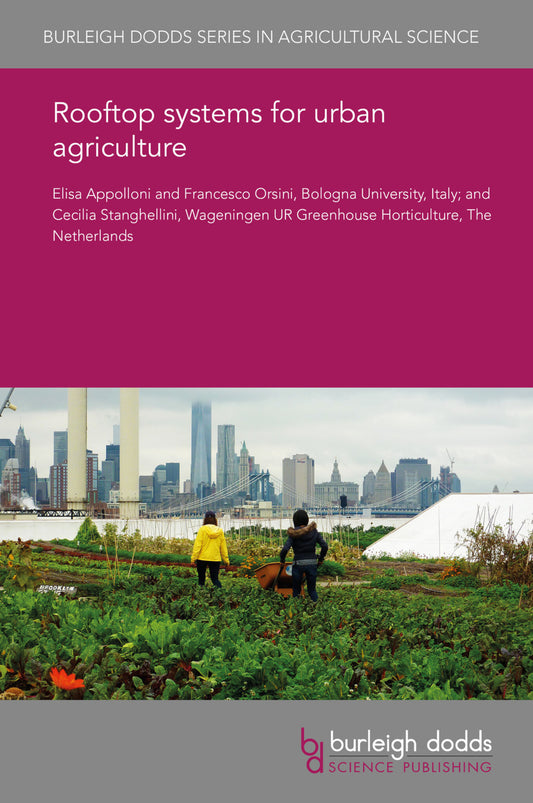
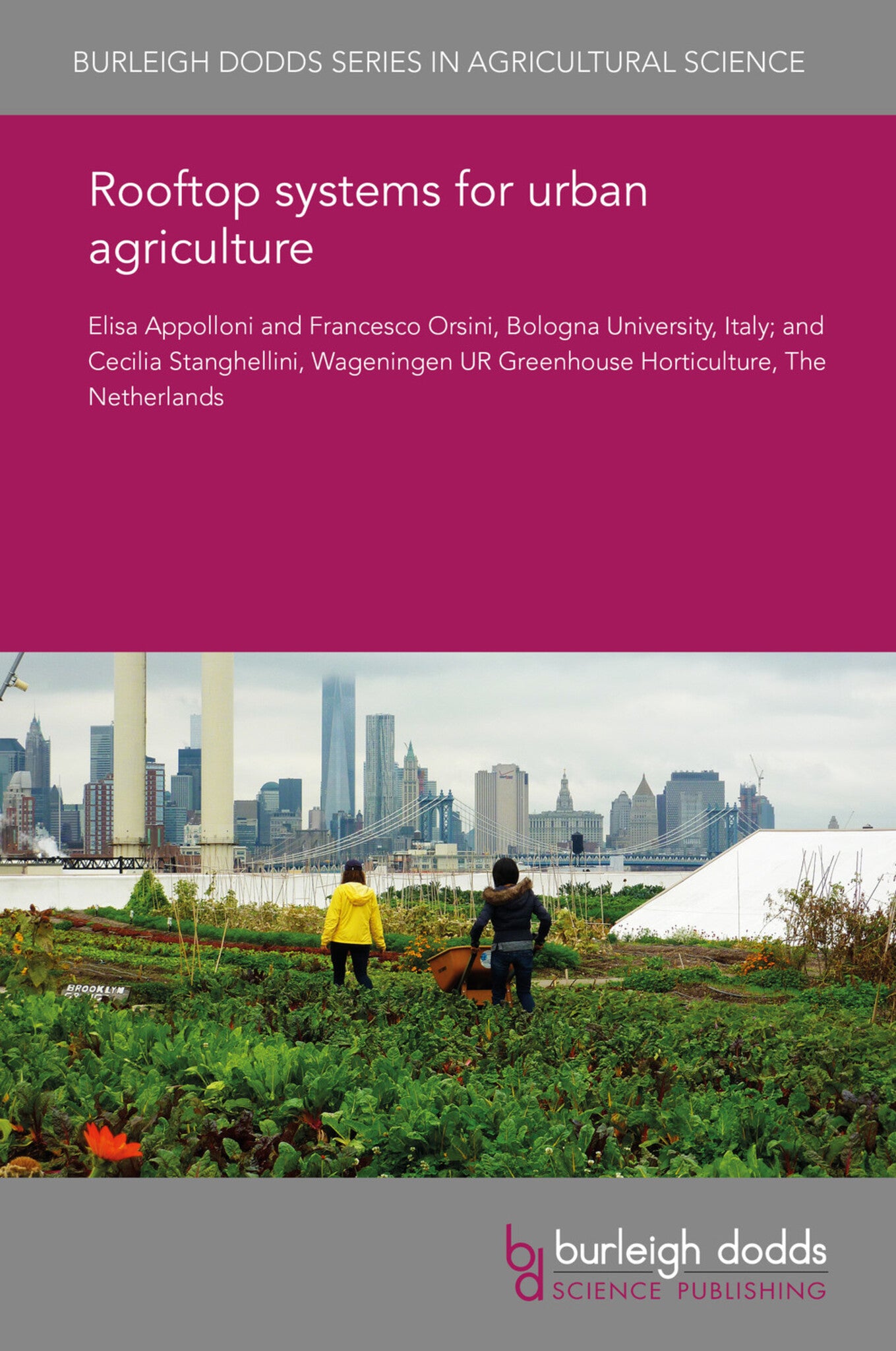
Rooftop systems for urban agriculture
Urban population growth, consequent competition in land use, climate change and lack of productive resources are some of the problems that are currently making necessary a new form of agriculture free from soil exploitation and able to ensure food security to urban dwellers in the most sustainabl...
Read MoreRegular price £25.00Sale price £25.00 Regular price £25.00Unit price per -
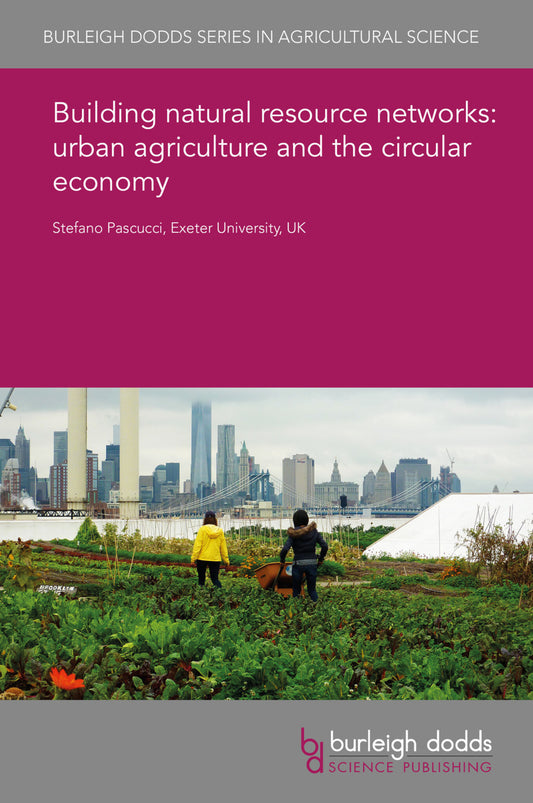
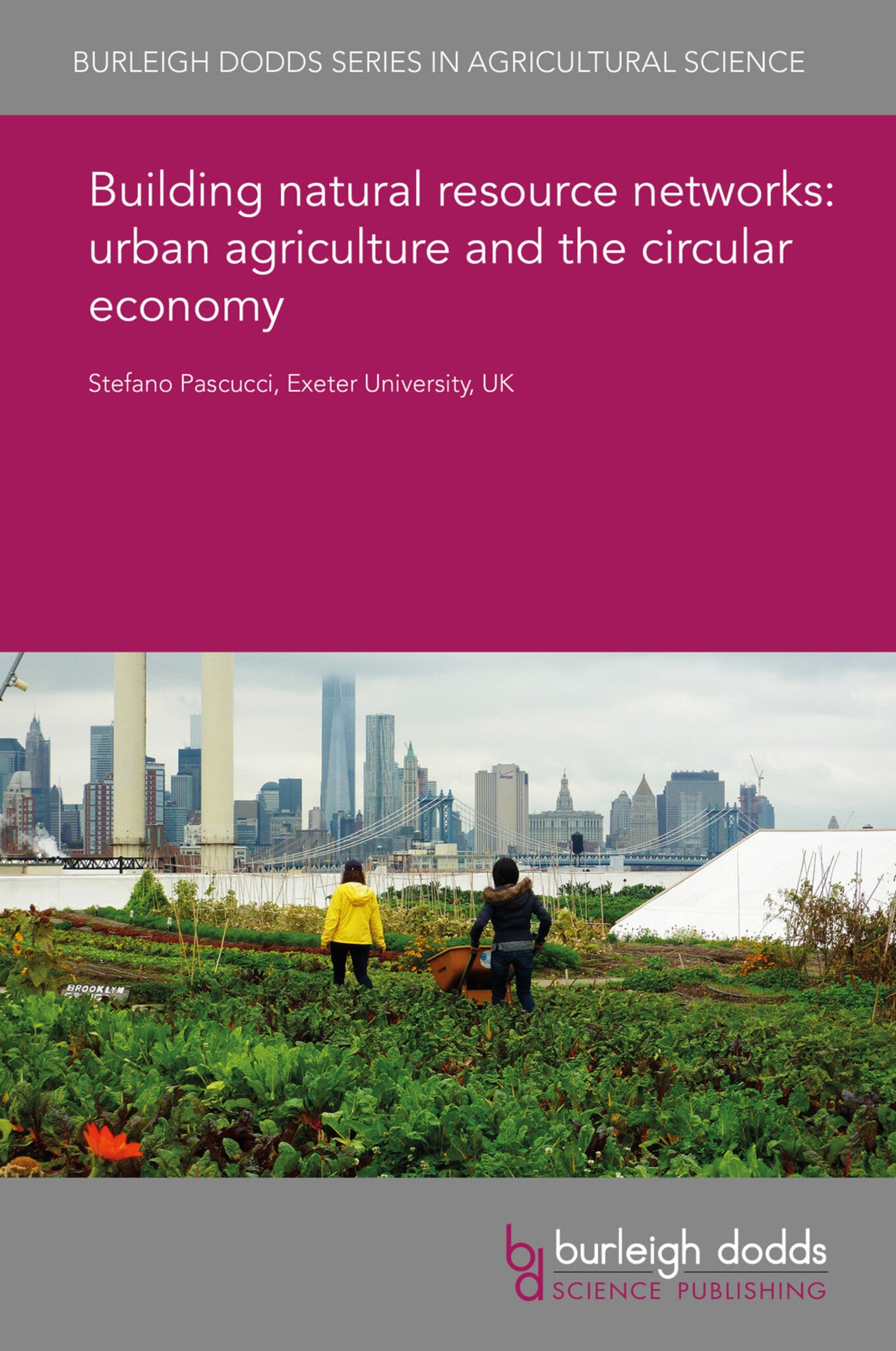
Building natural resource networks: urban agriculture and the circular economy
This chapter discusses how to re-think socio-ecological functions for urban areas in an economy inspired by the principles of circular and regenerative practices. It begins by showing how existing food systems have been trapped in the paradigm of a linear economy model. It then shows how regenera...
Read MoreRegular price £25.00Sale price £25.00 Regular price £25.00Unit price per -
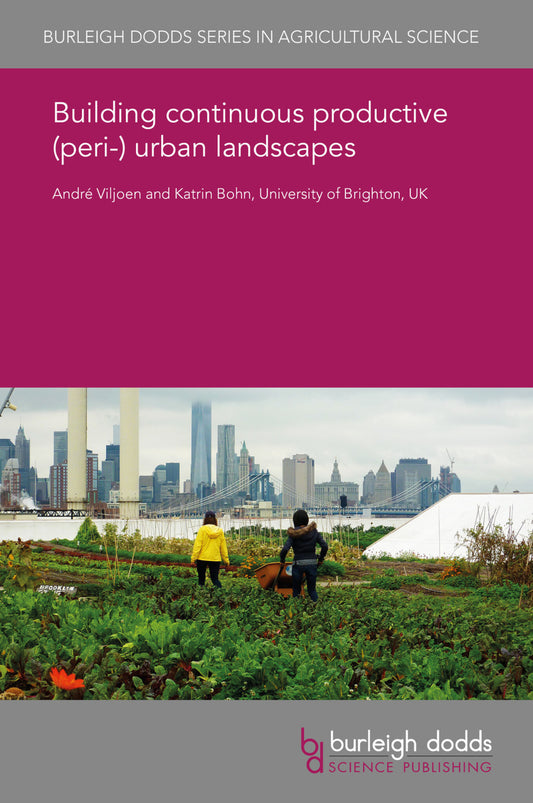
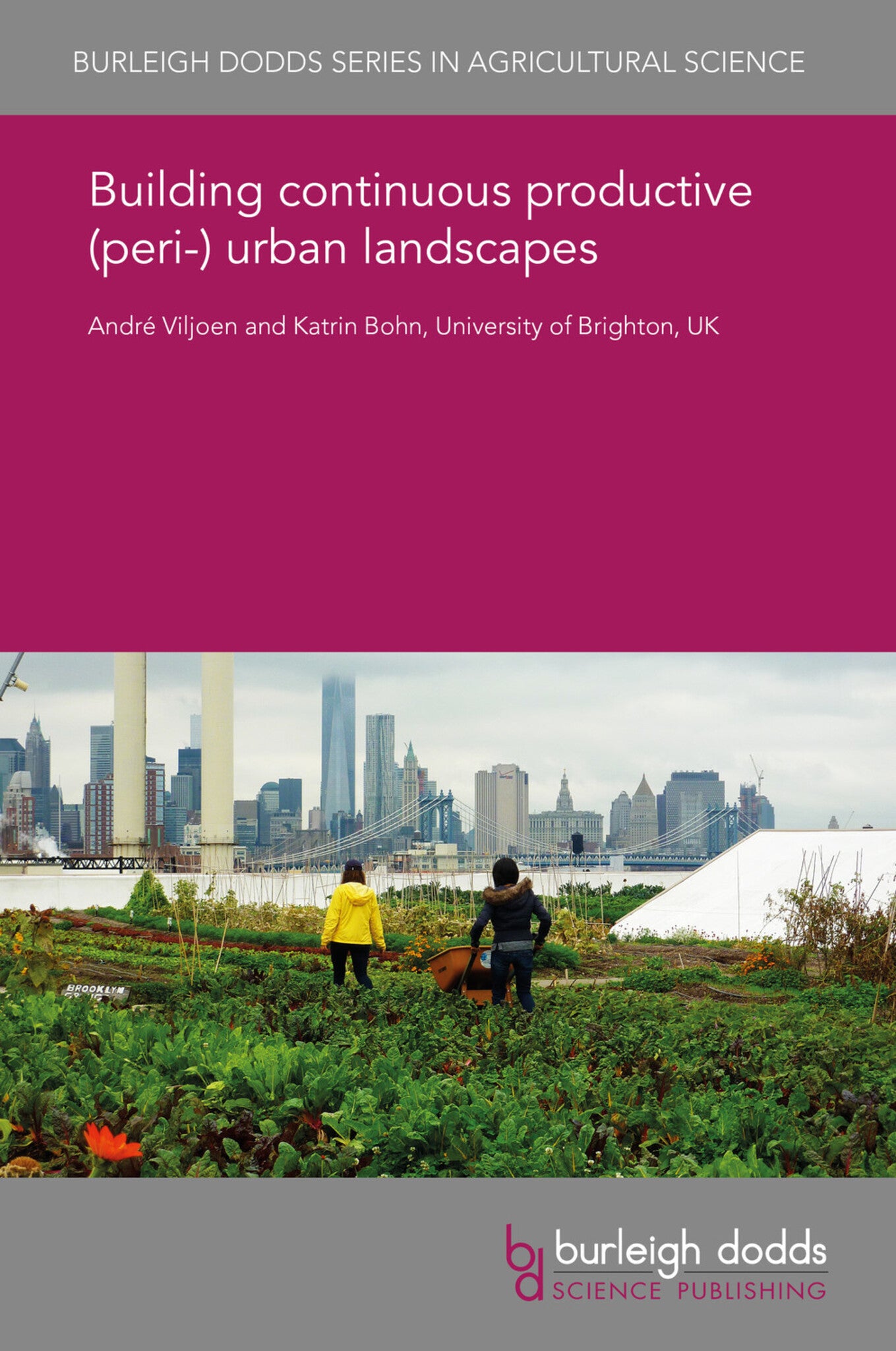
Building continuous productive (peri-)urban landscapes
Increased prominence is being given to the essential role that nature and landscape play in cities by contributing to climate change adaptation and mitigation while advancing biodiversity and enhancing the quality of urban life. Evidence also shows that urban and peri-urban agriculture provide on...
Read MoreRegular price £25.00Sale price £25.00 Regular price £25.00Unit price per -


Optimising aquaculture/aquaponics in urban agriculture: developing rooftop water farms
Fresh fish and fresh vegetables harvested directly from the roof, produced with treated wastewater from the building. This is the vision of the Roof water-farm (RWF) Project. This chapter describes how the project has developed by combining a range of existing technologies such as new housing des...
Read MoreRegular price £25.00Sale price £25.00 Regular price £25.00Unit price per -
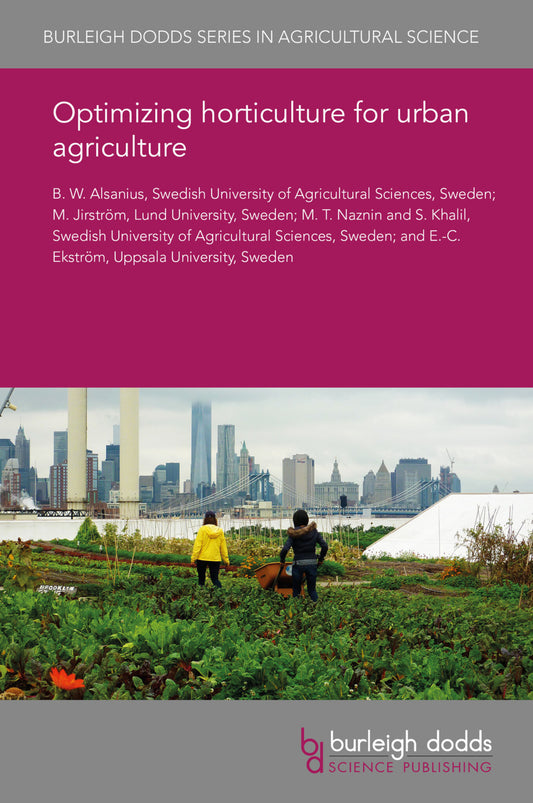
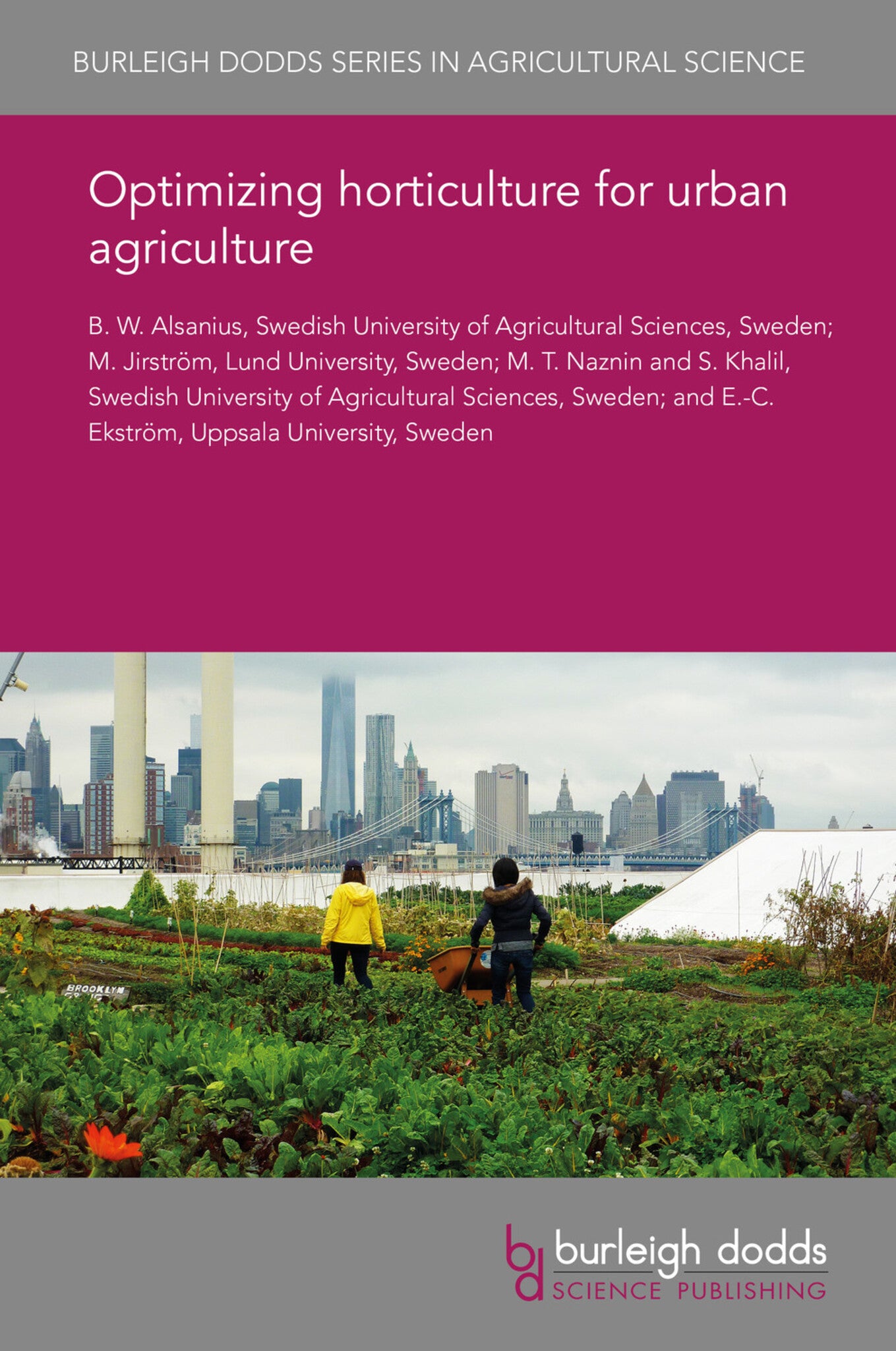
Optimizing horticulture for urban agriculture
Urban horticulture is attracting increasing attention in both low- and high-income countries. The practice can be needs-driven, i.e., providing and securing food and livelihoods, or based on environmental considerations, social integration, and human wellbeing. This chapter focuses on the potenti...
Read MoreRegular price £25.00Sale price £25.00 Regular price £25.00Unit price per -
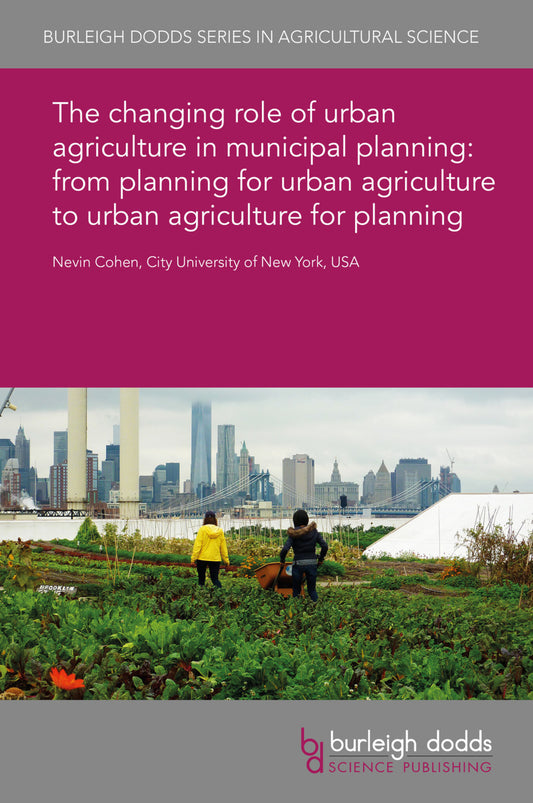
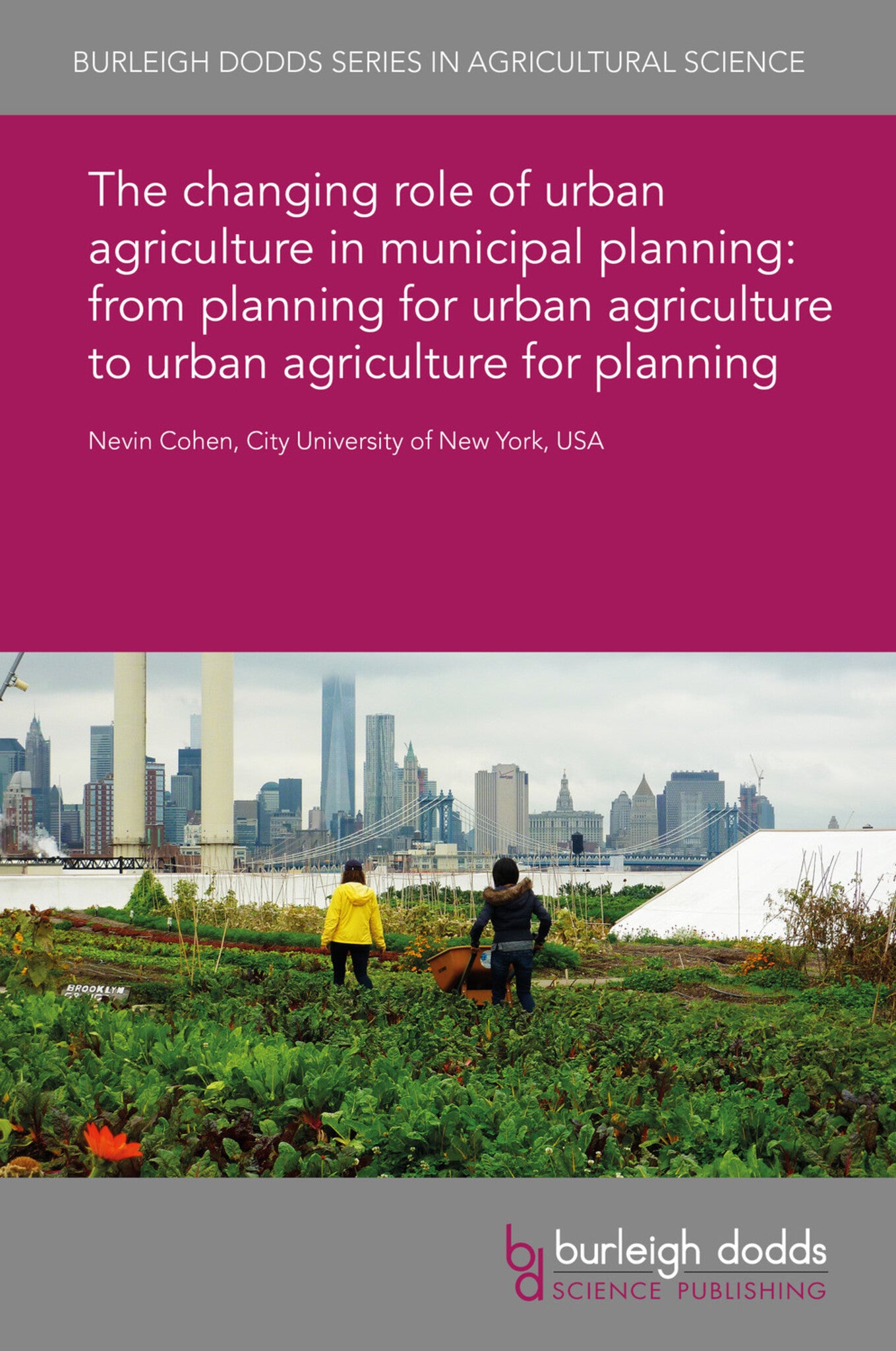
The changing role of urban agriculture in municipal planning: from planning for urban agriculture to urban agriculture for planning
Urban agriculture’s popularity over the past few decades has required cities to address whether, to what extent, and how food production fits into the cityscape. Planners have used various policy levers, from revised zoning codes to tax incentives, to protect existing farms and gardens and expand...
Read MoreRegular price £25.00Sale price £25.00 Regular price £25.00Unit price per -
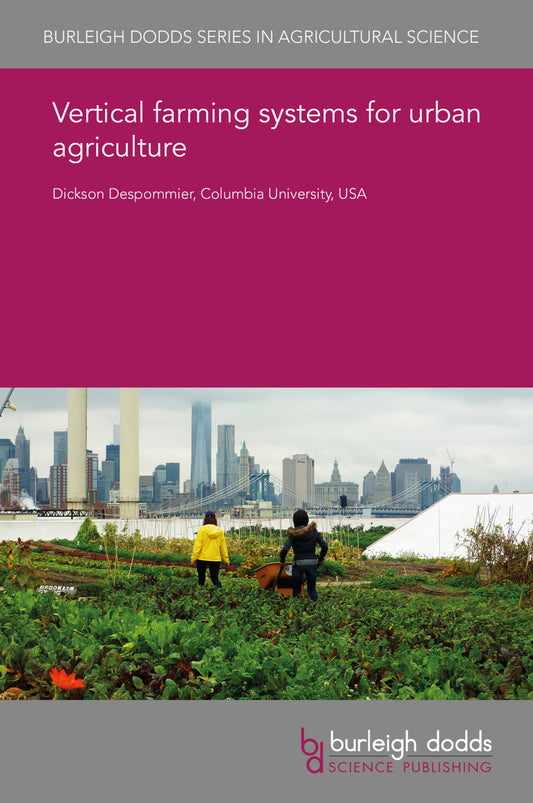
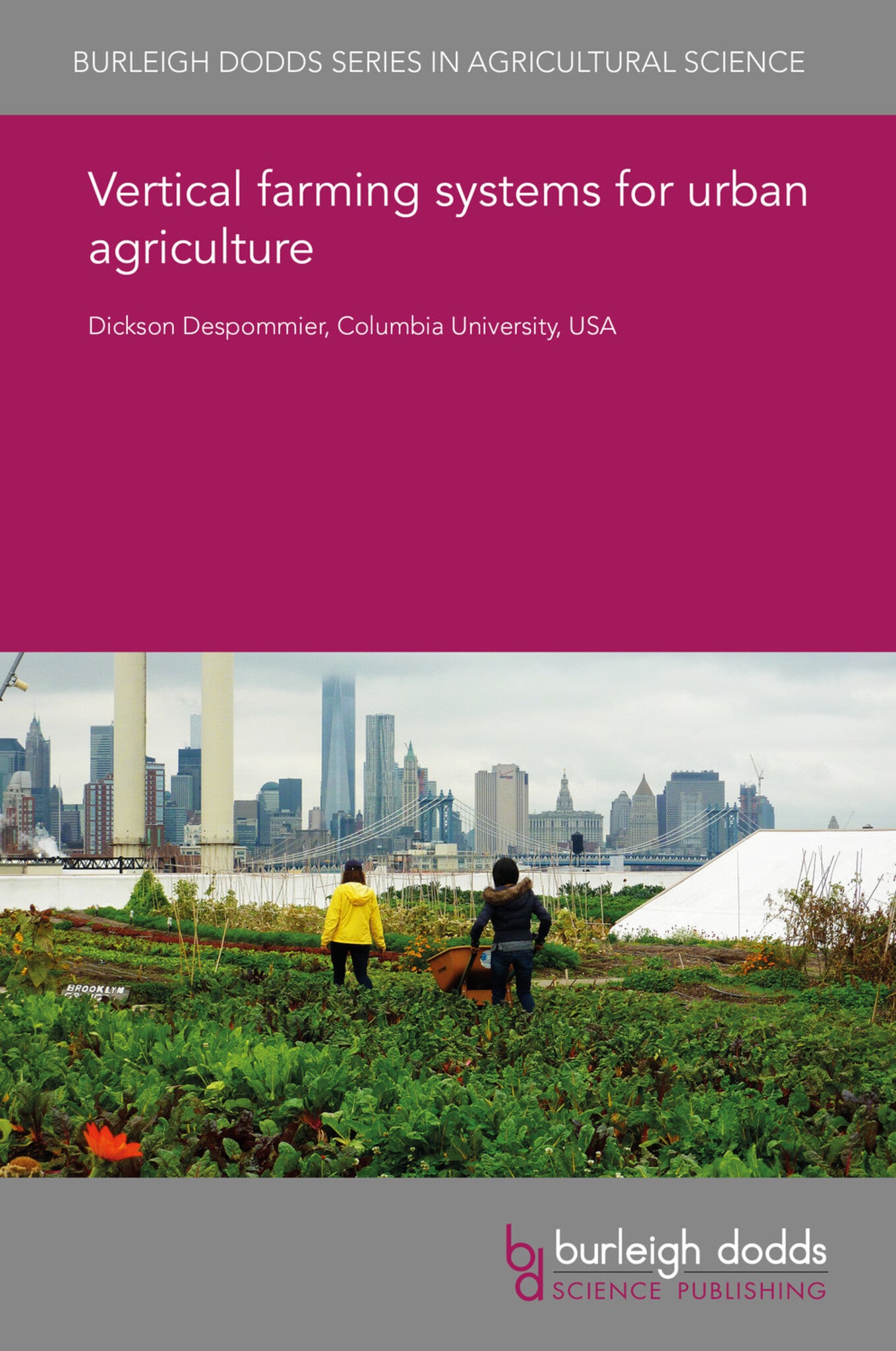
Vertical farming systems for urban agriculture
Judging by the rapid growth of the vertical farm industry over recent years, vertical farming is projected to become a common feature of the built environment on a global scale within the next 10–20 years. This chapter describes and evaluates technologies and methods for growing edible plants ind...
Read MoreRegular price £25.00Sale price £25.00 Regular price £25.00Unit price per -
Sustainability pathways in oil palm cultivation: a comparison of indonesia, colombia and cameroon
Oil palm development is a major subject in controversies over sustainable agriculture. Economic benefits are very high due to the crop characteristics and its impact on smallholder development and economic growth. Producer countries have targeted oil palm expansion to meet national and global dem...
Read MoreRegular price £25.00Sale price £25.00 Regular price £25.00Unit price per -
Supporting smallholders in soybean cultivation: the example of zimbabwe
Low crop productivity due to soil fertility decline is a major challenge constraining maize-based smallholder farming systems in sub-Saharan Africa. The decline in soil fertility is largely due to continuous cropping without soil replenishment and reduced N2 fixation. In Zimbabwe, soybean has eme...
Read MoreRegular price £25.00Sale price £25.00 Regular price £25.00Unit price per -
Defining and implementing best management practices in soybean production
In order to optimize the profitability of soybean production while minimizing adverse effects on the environment, it is important to define and implement the most effective management, agronomic and technological practices. The present chapter considers the following components of soybean product...
Read MoreRegular price £25.00Sale price £25.00 Regular price £0.00Unit price per -
Research trends in oil palm cultivation
Since its establishment as a commercial crop in Malaysia in 1917, palm oil has become the most important vegetable oil traded in the world. Its standing in the world market is attributed to the oil’s versatile applications, stable supply and affordability. With the estimated global world populati...
Read MoreRegular price £25.00Sale price £25.00 Regular price £25.00Unit price per -
Sustainable soybean production research and practice: contrasting case studies from three soybean production areas
Good agricultural practices (GAPs) vary within and among production systems. Improved production technology and favourable weather result in increased productivity in many parts of the world, but not everywhere. Our objective here is to address the question of whether we produce soybean sustainab...
Read MoreRegular price £25.00Sale price £25.00 Regular price £25.00Unit price per -
The palm oil market: growth and trends
For many years, palm oil has proved to be the most productive, highest yielding oil crops, with a yield 4 to 10 times higher than any other vegetable oil, a factor that has helped palm oil become the most consumed vegetable oil in the world. This chapter provides an overview of oil palm cultivati...
Read MoreRegular price £25.00Sale price £25.00 Regular price £25.00Unit price per -
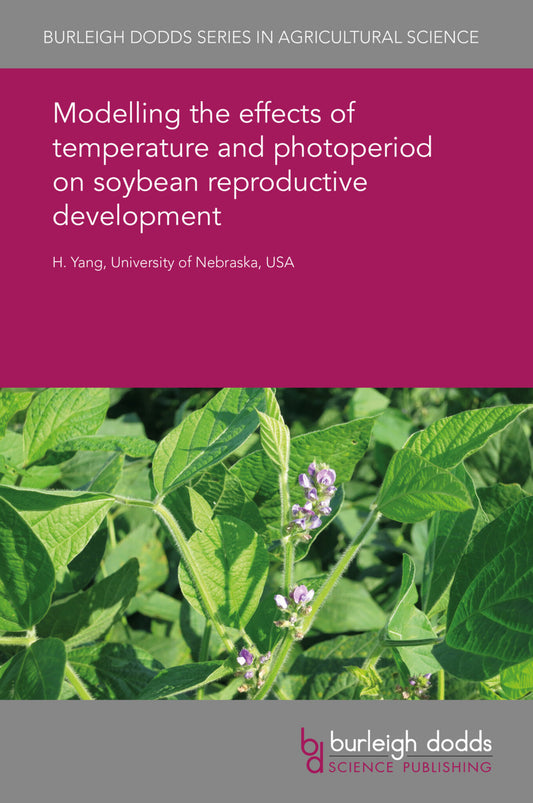
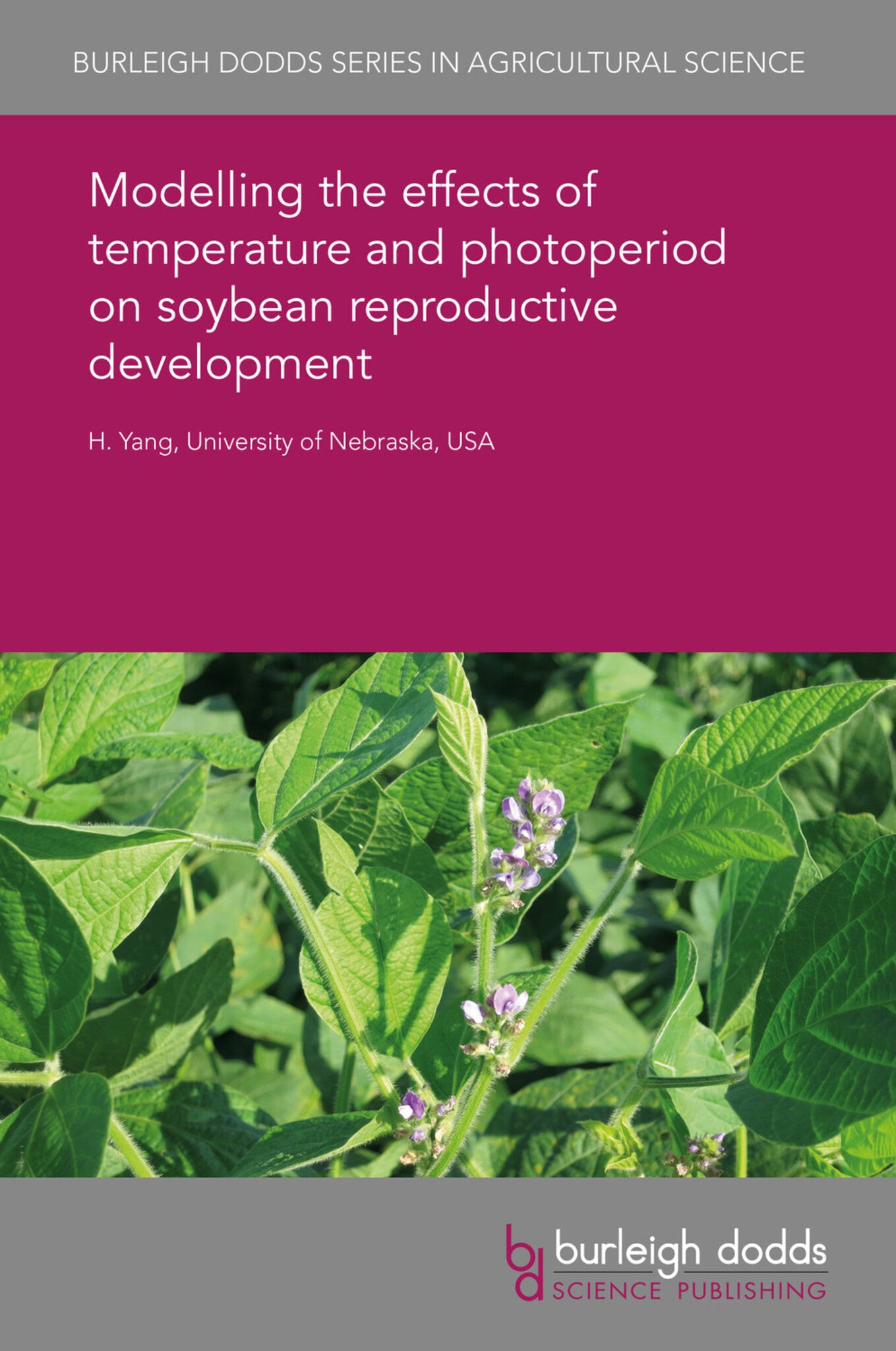
Modelling the effects of temperature and photoperiod on soybean reproductive development
It has long been recognized that the development rate and yield of soybean are sensitive to temperature and photoperiod. This chapter considers a range of experimental evidence concerning the precise effects of these factors on soybean reproductive development, and reviews ten diverse methods of ...
Read MoreRegular price £25.00Sale price £25.00 Regular price £25.00Unit price per -
Instant insights: economics of agriculture
This book provides a comprehensive overview of the economics of key elements of agriculture, including irrigation, agricultural robotics and integrated weed management.
Regular price £37.99Sale price £37.99 Regular price £37.99Unit price per

We're sorry. An error has occurred
Please cancel or retry.


