





Some error occured while loading the Quick View. Please close the Quick View and try reloading the page.
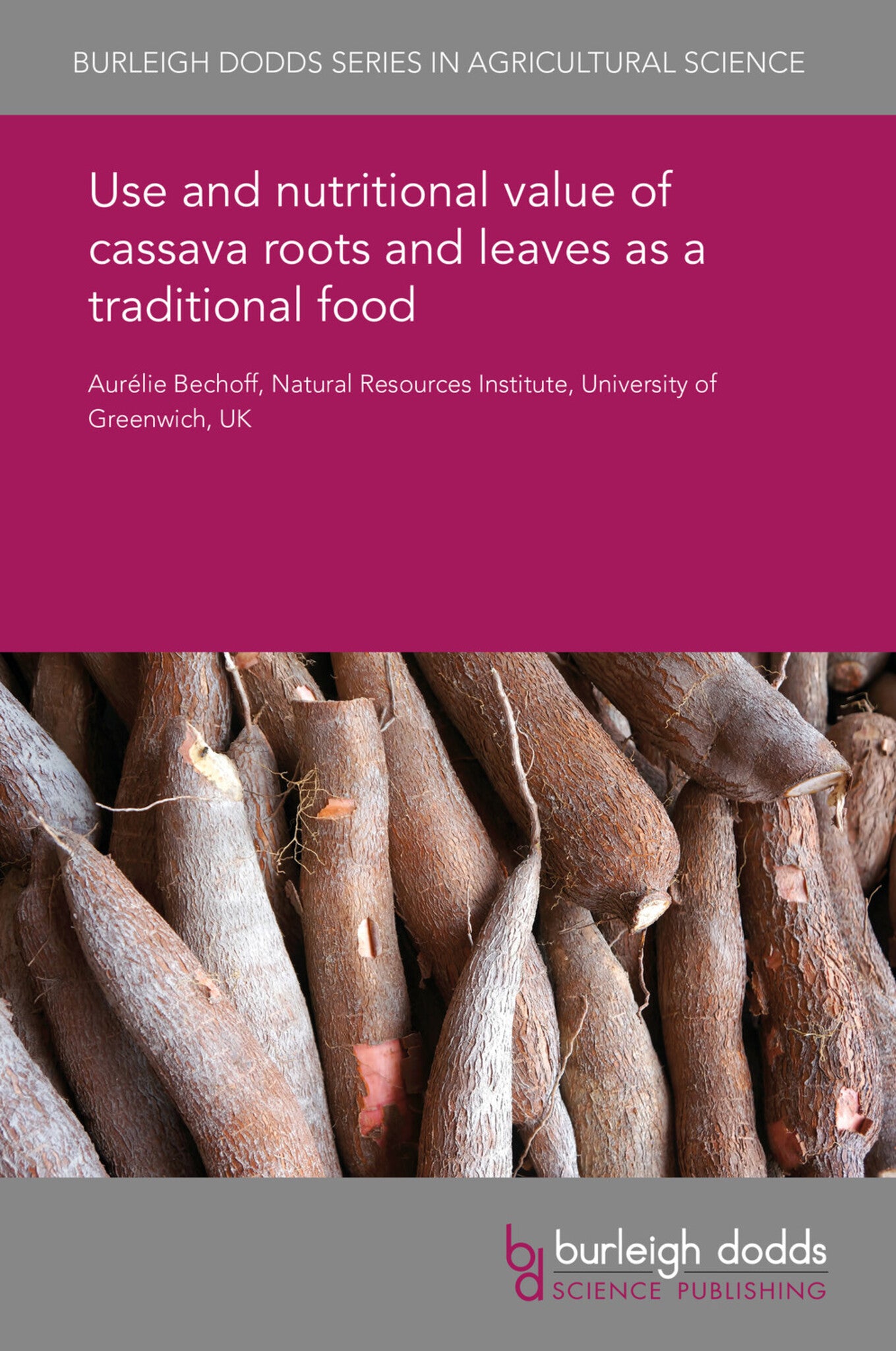
Cassava is an important staple crop for the food security of millions of people in developing countries. This chapter examines the strengths and weaknesses of cassava roots and leaves as a source of nutrients, and describes and analyses efforts to promote biofortified varieties of cassava with higher carotenoid levels that could help tackle vitamin A deficiency. The chapter describes in detail the range of products that can be processed from cassava roots and leaves and assesses their nutritional value, as well as analyses the chemical composition of roots and leaves. The chapter includes a case study on the use of biofortified cassava to make two traditional products, gari and fufu, in Nigeria, and suggests future directions that research may take in this area.

Price: £25.00
Publisher: Burleigh Dodds Science Publishing
Imprint: Burleigh Dodds Science Publishing
Series: Burleigh Dodds Series in Agricultural Science
Publication Date:
12 July 2017
ISBN: 9781838790509
Format: eBook
BISACs:

1 Introduction 2 Diversity in traditional cassava products 3 Products from cassava roots 4 Products from cassava leaves 5 Chemical composition of cassava roots 6 Chemical composition of cassava leaves 7 Anti-nutrients in roots and leaves 8 Case study: biofortified cassava roots made into gari and fufu in Nigeria 9 Future trends 10 Conclusion 11 Where to look for further information 12 References