


-
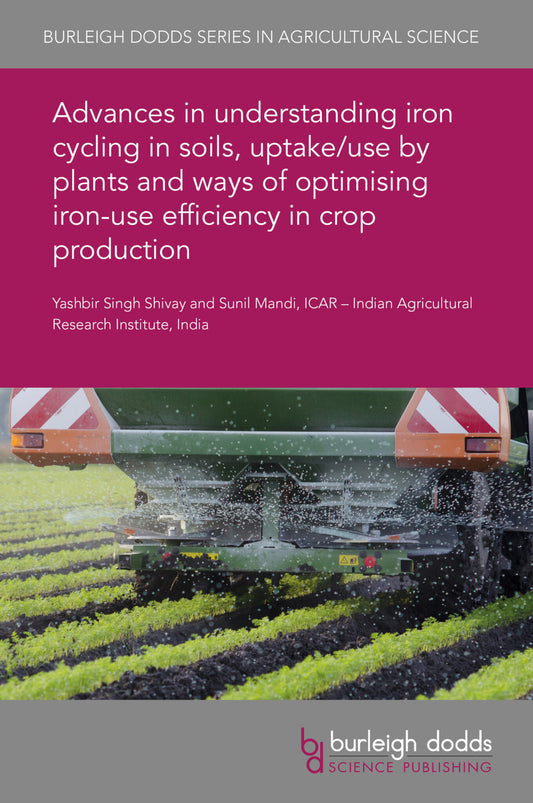
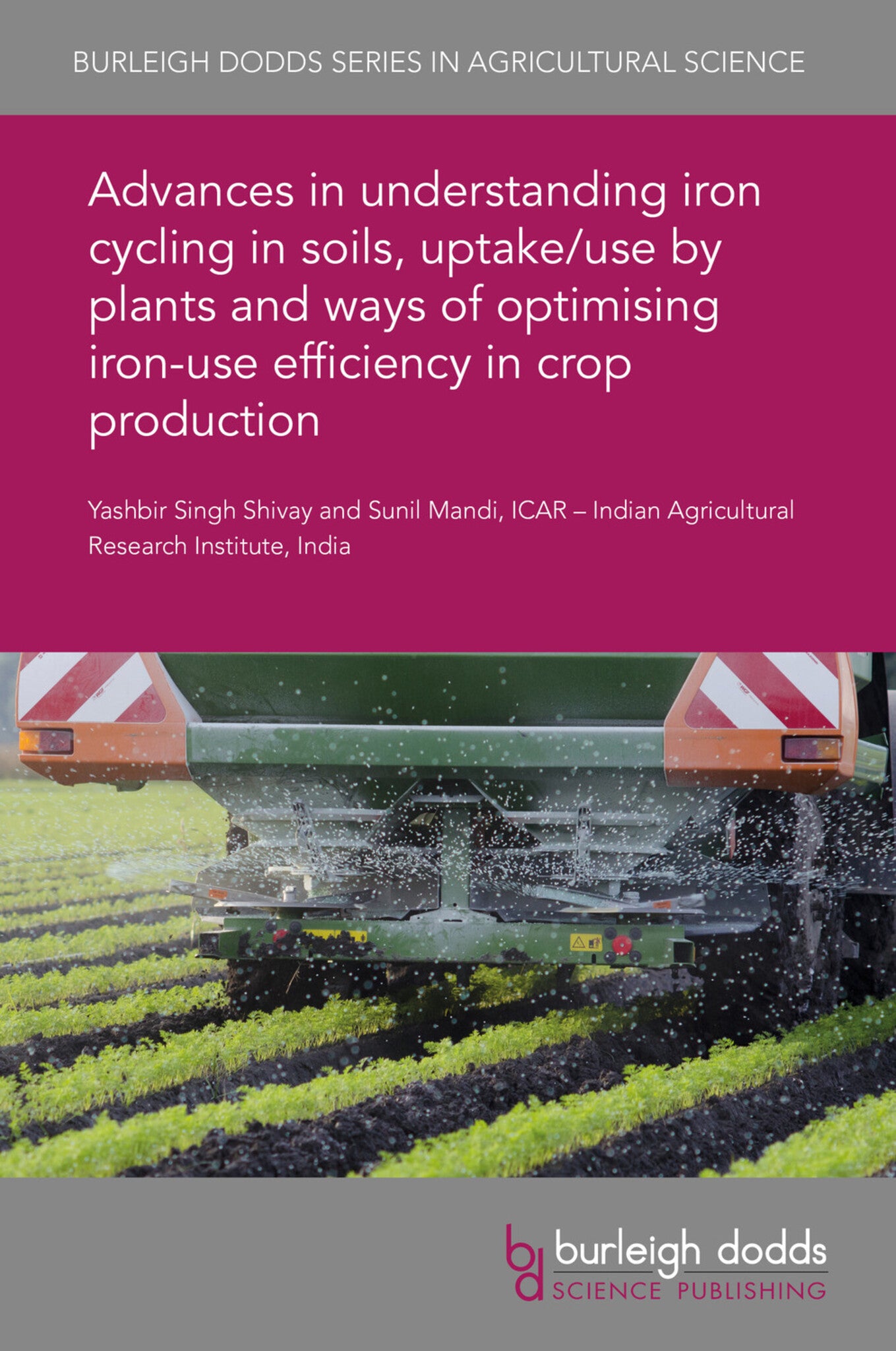
Advances in understanding iron cycling in soils, uptake/use by plants and ways of optimising iron-use efficiency in crop production
About 1.6 billion people worldwide suffer from anaemia caused by iron (Fe) deficiency. In plants, Fe is involved in photosynthesis, respiration and activation of enzymes. Low iron availability exists in calcareous and aerobic soil because most Fe is present in the fixed or oxidized form. The crit...
Read MoreRegular price £25.00Sale price £25.00 Regular price £25.00Unit price per -
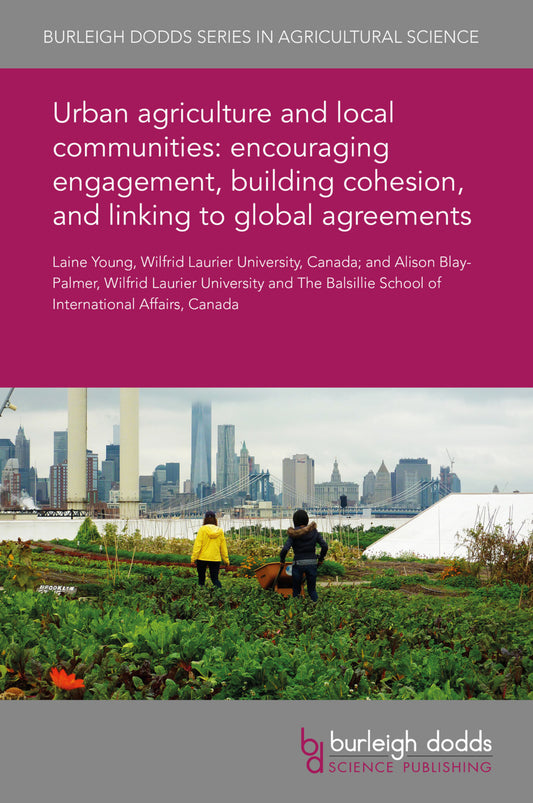
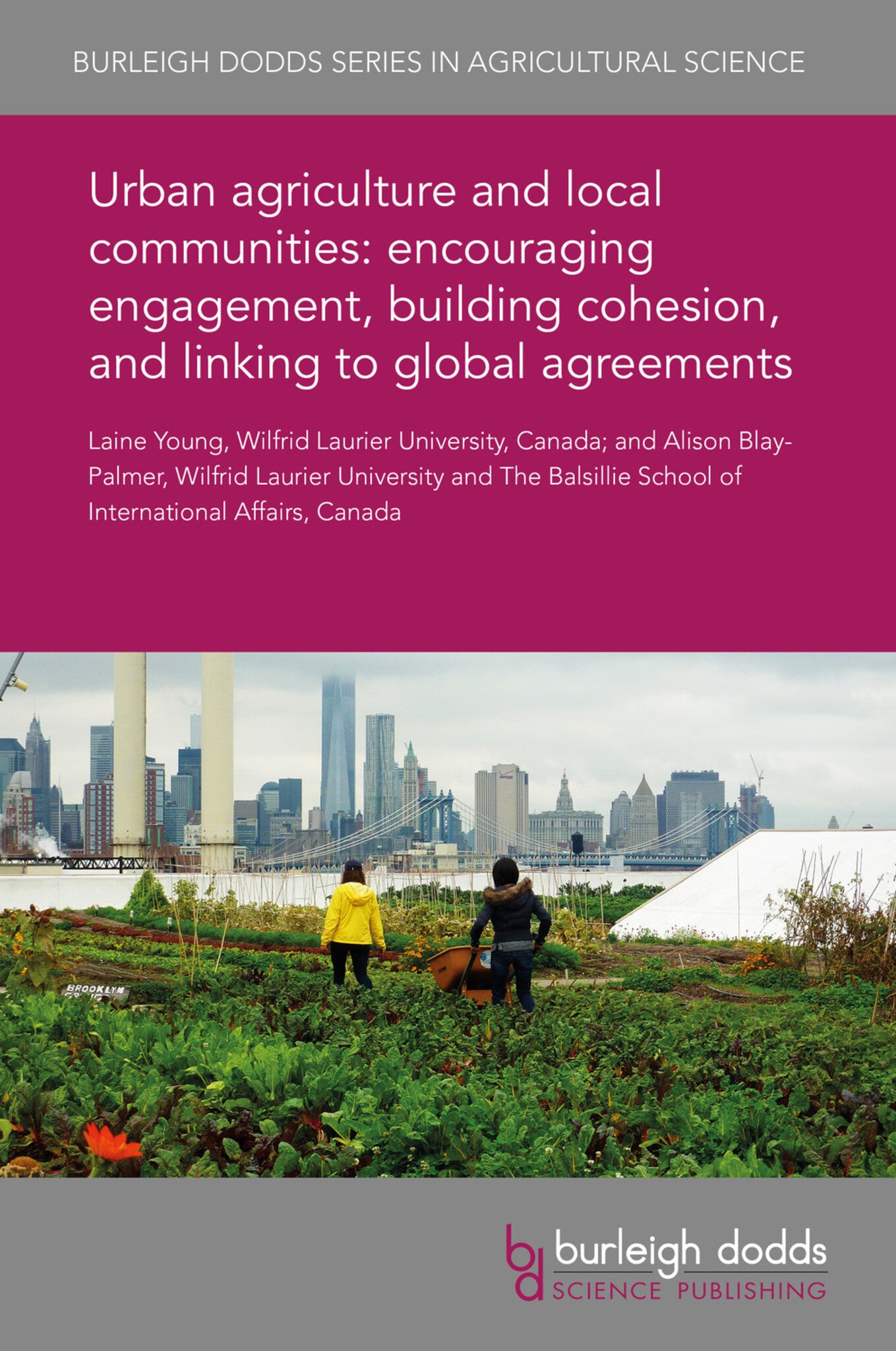
Urban agriculture and local communities: encouraging engagement, building cohesion, and linking to global agreements
Urban agriculture (UA) is more than just the growth of food and raising of animals in urban and peri-urban spaces. It brings communities together, benefits people’s livelihoods, and helps to mitigate environmental issues in cities and surrounding regions. UA can be used within community-based res...
Read MoreRegular price £25.00Sale price £25.00 Regular price £25.00Unit price per -
Optimizing urban beekeeping
Beekeeping, or apiculture, is an agricultural pursuit that has witnessed a dramatic rise in popularity in the past decade in many urban areas across the world as individuals and groups react to the widespread concern about the global decline populations of pollinating insects. This chapter provid...
Read MoreRegular price £25.00Sale price £25.00 Regular price £25.00Unit price per -
Advances in understanding the environmental effects of phosphorus fertilization
Agriculture has dramatically increased the efficiency of grain and protein production for the world’s growing population for a given unit of land area. In most cases, this increase has been achieved through crop and animal breeding, increased use of fertilizers, while using less land area. With i...
Read MoreRegular price £25.00Sale price £25.00 Regular price £0.00Unit price per -
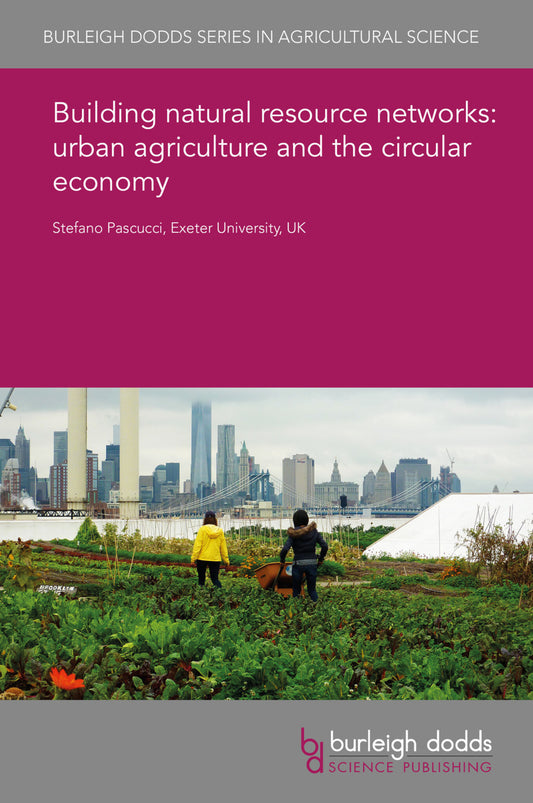
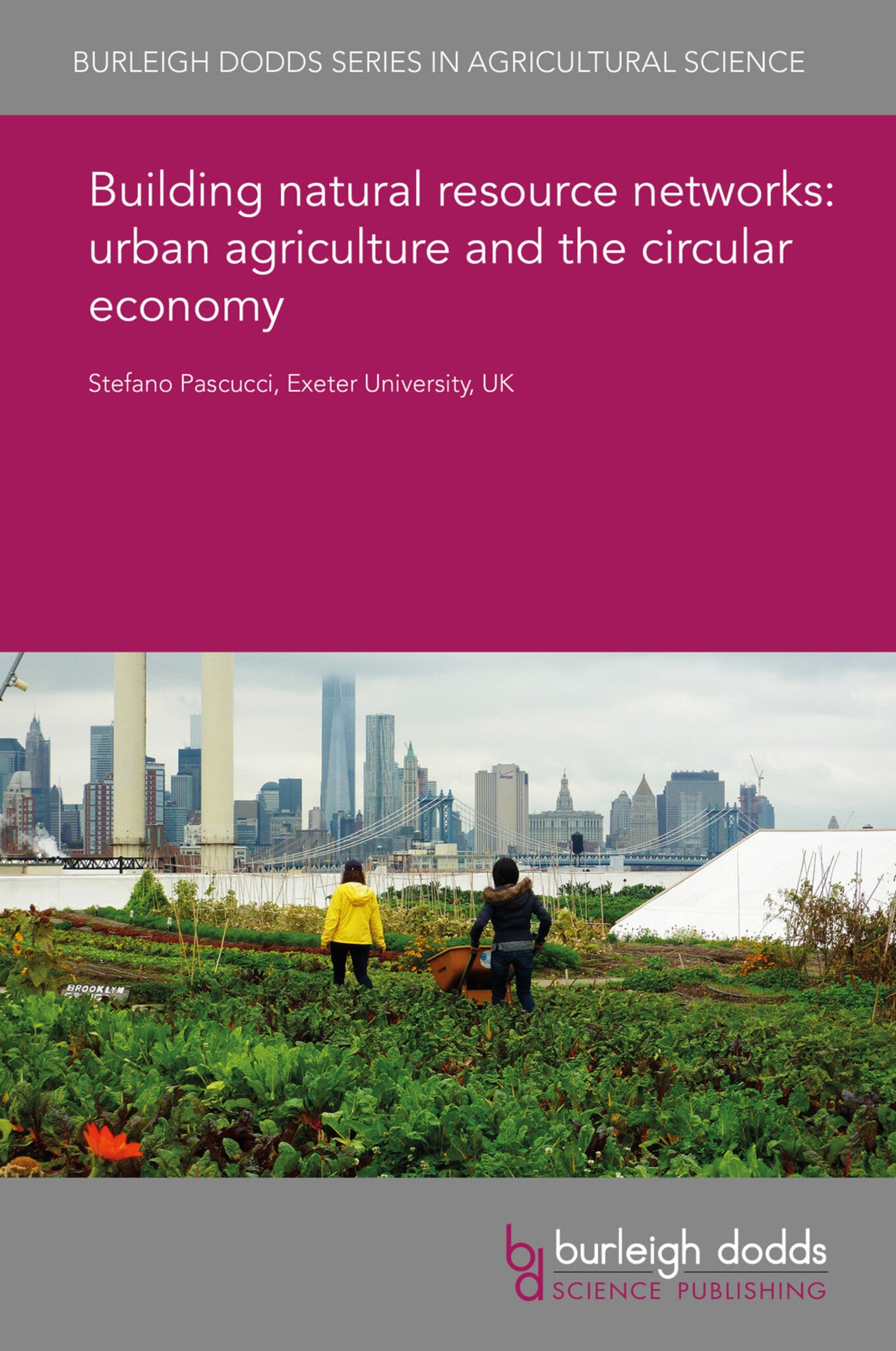
Building natural resource networks: urban agriculture and the circular economy
This chapter discusses how to re-think socio-ecological functions for urban areas in an economy inspired by the principles of circular and regenerative practices. It begins by showing how existing food systems have been trapped in the paradigm of a linear economy model. It then shows how regenera...
Read MoreRegular price £25.00Sale price £25.00 Regular price £25.00Unit price per -
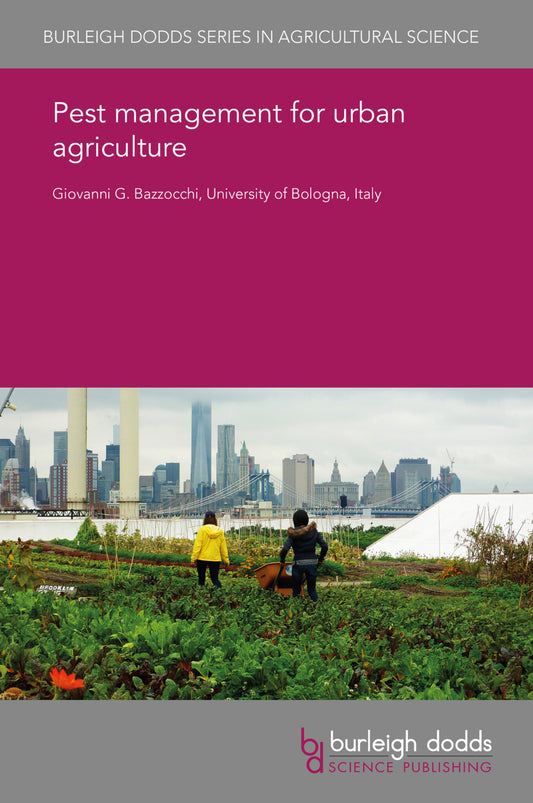
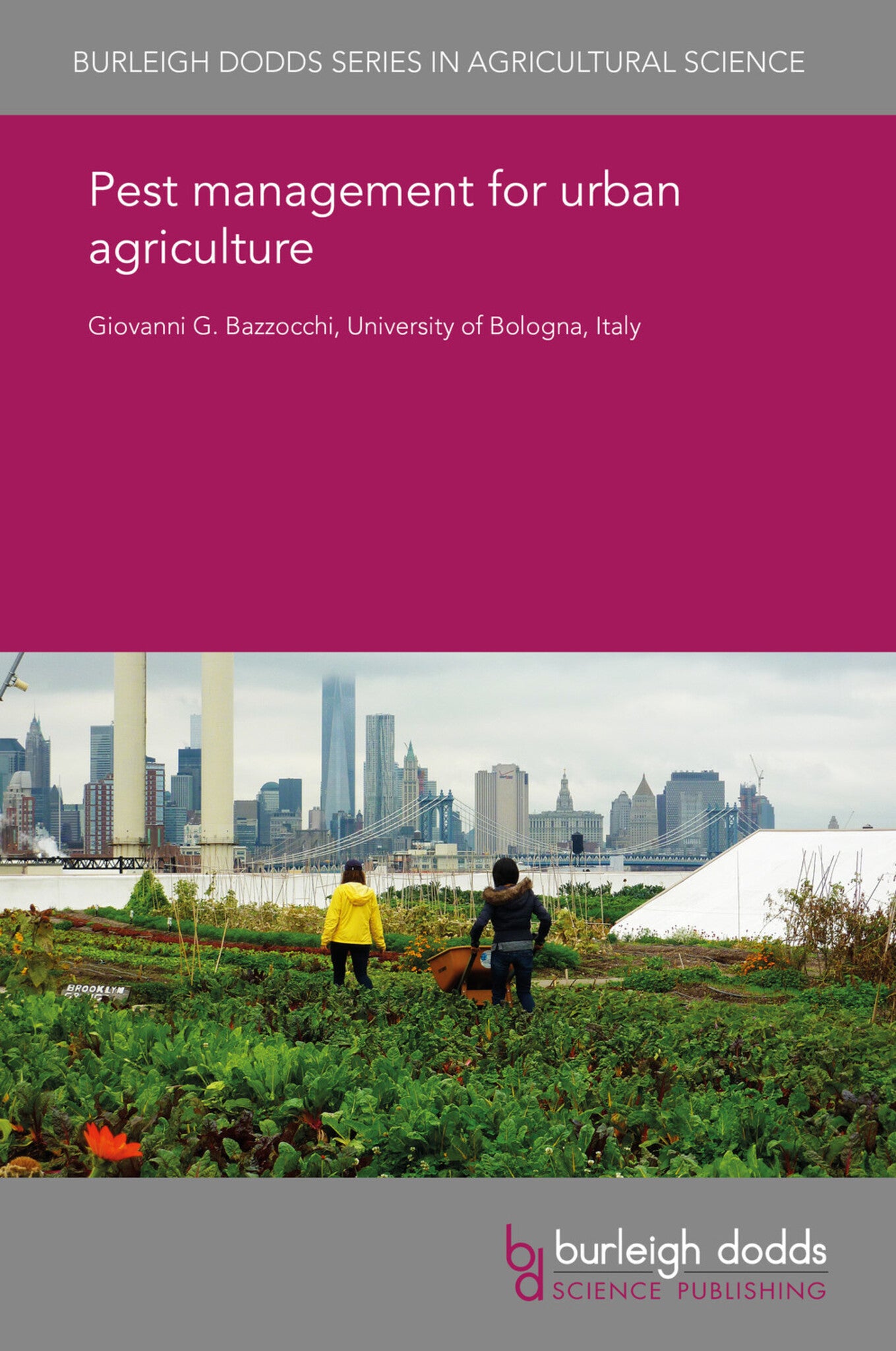
Pest management for urban agriculture
Agriculture in urban contexts largely differs from “conventional” and industrial agriculture. Pest management strategies must address a plethora of peculiar factors, such as: proximity to citizens living environments, microclimate and environmental conditions, plot and field size, multiplicity of...
Read MoreRegular price £25.00Sale price £25.00 Regular price £25.00Unit price per -
Advances in optimizing potassium-use efficiency in crop production
Potassium-use efficiency (KUE) is the outcome of a complex interaction among crop internal physiology, the environment and the management practices imposed on the production system. Four metrics of KUE are discussed: partial factor productivity (PFPK), partial nutrient balance (PNBK), agronomic e...
Read MoreRegular price £25.00Sale price £25.00 Regular price £25.00Unit price per -
Secondary macronutrients: advances in understanding calcium cycling in soils, uptake/use by plants and ways of optimizing calcium-use efficiency in crop production
The importance of calcium as a secondary macronutrient can be described in different ways because of its role in soils and its function in plant nutrition. The majority of chemical and some physical soil properties are heavily influenced by calcium content in soil profiles. The available content ...
Read MoreRegular price £25.00Sale price £25.00 Regular price £25.00Unit price per -
Redirecting nutrients in urban waste to urban agriculture
Until the nineteenth century, ‘nightsoil’ and organic waste were recycled to agriculture to replenish farmland with nutrients and organic matter in (peri-)urban areas. However, with the onset of cheap chemical fertilizer production, nightsoil use was abandoned. This development facilitated the ge...
Read MoreRegular price £25.00Sale price £25.00 Regular price £25.00Unit price per -
Advances in foliar fertilizers to optimize crop nutrition
Foliar fertilizer sprays are increasingly used in agriculture for improving crop yield and quality, and also for improving plant performance under potential abiotic and/or biotic stress threats. This chapter focuses on new findings related to the nature of plant surfaces as a barrier for the abso...
Read MoreRegular price £25.00Sale price £25.00 Regular price £25.00Unit price per -
Optimising urban forestry: the food connection
Urban forestry, defined as the planning and management of trees and associated vegetation in urban areas, has become well established across the globe. Its many contributions to resilient, sustainable and attractive cities have become well documented. This chapter focusses on urban forestry’s con...
Read MoreRegular price £25.00Sale price £25.00 Regular price £25.00Unit price per -
Developments in the use of fertilizers
Fertilizers are a blessing and a curse. Fertilization was a large component of the Green Revolution, resulting in unprecedented and continued yield increases; enabling abundant food, fuel, and fiber and leading to longer and better quality lives for much of earth’s population. However, progress c...
Read MoreRegular price £25.00Sale price £25.00 Regular price £25.00Unit price per -
Current advances in zinc in soils and plants: implications for zinc efficiency and biofortification studies
Zinc (Zn) deficiency is one of the critical abiotic stress factors that often limits crop production, yield, and quality worldwide. It is estimated over one third of the global arable lands are affected by Zn deficiency and so there is a need for more Zn-efficient crops. This chapter critically e...
Read MoreRegular price £25.00Sale price £25.00 Regular price £25.00Unit price per -
Bio-effectors to optimize the mineral nutrition of crop plants
The generic term “bio-effector” refers to the wide range of living organisms and natural compounds that can be used as active agents in biological approaches for crop production. They provide components in bio-stimulants and other products that improve the ability of crops to metabolize nutrients...
Read MoreRegular price £25.00Sale price £25.00 Regular price £25.00Unit price per -
Potassium in crop physiology
Potassium is an essential plant nutrient. This chapter describes the physiological roles of potassium: in activating enzymes, as a cellular osmoticum, and as a counter cation for anion accumulation and electrogenic transport processes. The chapter then describes the molecular biology of potassium...
Read MoreRegular price £25.00Sale price £25.00 Regular price £25.00Unit price per -
The changing role of urban agriculture in municipal planning: from planning for urban agriculture to urban agriculture for planning
Urban agriculture’s popularity over the past few decades has required cities to address whether, to what extent, and how food production fits into the cityscape. Planners have used various policy levers, from revised zoning codes to tax incentives, to protect existing farms and gardens and expand...
Read MoreRegular price £25.00Sale price £25.00 Regular price £25.00Unit price per -
Advances in understanding the potassium cycle in crop production
Soil reserves of potassium are generally large, but most of it is not plant-available. On crop farms, negative potassium balance is common due to greater removal of potassium in hay, straw and grain than fertilizer potassium. Consequently, soil potassium depletion is increasing the prevalence of ...
Read MoreRegular price £25.00Sale price £25.00 Regular price £25.00Unit price per -
Advances in understanding boron cycling in soils, uptake/use by plants and ways of optimizing boron use efficiency in crop production
This chapter starts with a short overview of the actual knowledge about functions of boron (B) in all living systems. Thereafter, a more detailed insight into the special topics of B chemistry is given. The behaviour of B in soils, the factors leading to low or phytotoxic concentrations of B in s...
Read MoreRegular price £25.00Sale price £25.00 Regular price £25.00Unit price per -
Creating a public policy framework to support urban agriculture
This chapter reviews the development of urban agriculture policy making. It assesses the key dilemmas, challenges and tensions involved in creating policy frameworks for urban agriculture. The chapter discusses examples of cities that have developed an urban (food and) agriculture policy: Rosario...
Read MoreRegular price £25.00Sale price £25.00 Regular price £25.00Unit price per -
The effect of soil organic matter on plant mineral nutrition
The role of soil humus in soil fertility and crop production has been well established by many studies and practical farming experience. This role is related to the presence of a family of organic substances, known as humic substances, with the capacity to increase the pool of plant-available nut...
Read MoreRegular price £25.00Sale price £25.00 Regular price £25.00Unit price per -


Production of biodiesel from oilseeds: jatropha curcas
Our earth is on the verge of a severe global energy crisis with less energy reserves which are soon to be named as ‘extinct’. Liquid biofuels such as biodiesel serve as an importance sustainable energy to replace fossil derived diesel fuel. Competition of edible oils for food and fuel make the no...
Read MoreRegular price £25.00Sale price £25.00 Regular price £25.00Unit price per -
Sustainable use of seaweed for biofuel
In the last two decades, biofuel research has intensified as they are being increasingly considered as a viable replacement for crude oil derivatives. In comparison to crude oil reserves, biological feedstocks for bio-fuel production are globally widespread. On the other hand, biofuel production ...
Read MoreRegular price £25.00Sale price £25.00 Regular price £0.00Unit price per -
Producing biofuels with torrefaction
Biomass of various types is being used as coal substitute in power generation and industrial usage around the world. Significant investments have been made in Europe and elsewhere to accommodate the use of dried and pelleted biomass materials in various power plants. Substituting biomass for c...
Read MoreRegular price £25.00Sale price £25.00 Regular price £25.00Unit price per -
Fast pyrolysis for biofuel production
Pyrolysis is a thermal depolymerization and fragmentation process carried out at moderate temperatures in the absence of oxygen and with a wide range of reaction residence times. It can convert a wide range of solid materials, ranging from woody biomass and algae to waste plastics, into complex m...
Read MoreRegular price £25.00Sale price £25.00 Regular price £25.00Unit price per -
Production of biodiesel from oilseeds: canola/rapeseed
Since biodiesel has been commercialized and is widely adopted by the public, the demand for a sufficient and consistent supply of feedstock is the decisive factor for a sustainable biodiesel industry. Currently, rapeseed oil is the dominant feedstock for biodiesel production in Europe, while soyb...
Read MoreRegular price £25.00Sale price £25.00 Regular price £25.00Unit price per -
Production of biodiesel from renewable sources
There is increasing interest in the production of biodiesel from non-edible oil sources such as waste or recycled oil and animal fats. Transesterification is the most commonly used method to convert triglycerides (TG) from different types of lipids. After reviewing the range of available feedstoc...
Read MoreRegular price £25.00Sale price £25.00 Regular price £25.00Unit price per -
Biomass gasification for bioenergy
Thermal gasification is a very relevant technological platform to assess in relation to production of carbon negative bioenergy from plant materials as it offers high feed- and product flexibility combined with high energy efficiency. Many different biomass feedstock and organic secondary resourc...
Read MoreRegular price £25.00Sale price £25.00 Regular price £25.00Unit price per -
Sustainable use of switchgrass for biofuel
Switchgrass, a productive, perennial warm-season grass, native to much of North America, has much potential as a sustainable biofuel crop. The species is productive, has capacity to sequester carbon, and it offers supporting services such as filtering water and provisioning of wildlife habitat. C...
Read MoreRegular price £25.00Sale price £25.00 Regular price £25.00Unit price per -
Advances in postharvest storage and handling of barley: methods to prevent or reduce mycotoxin contamination
This chapter focuses on post-harvest storage and handling practices of barley grain and how these methods can be used to mitigate mycotoxin issues. It also discusses management of insect pests in stored barley and how controlling them can help to prevent huge losses in stored grains. The chapter ...
Read MoreRegular price £25.00Sale price £25.00 Regular price £0.00Unit price per -
Advances in molecular breeding techniques for barley: genome-wide association studies (gwas)
Barley breeders cross complementary parents for desirable characters and use suitable screening systems to select superior recombinant lines. The advent of molecular markers, especially high throughput genome-wide systems, means that selection for characters, e.g. quality can be conducted indirec...
Read MoreRegular price £25.00Sale price £25.00 Regular price £25.00Unit price per -
Nutritional and bioactive compounds in barley
Whole grain barley has been widely recognized as a valuable source of a number of biologically active compounds with unique health benefits. The great number of bioactive nutrients and their pleiotropic physiological effects make barley an ideal grain, raw material, and ingredient for the develop...
Read MoreRegular price £25.00Sale price £25.00 Regular price £0.00Unit price per -
Developing barley crops for improved brewing quality
Barley remains the most important raw material for the brewing industry. Consequently, breeders strive to develop barley varieties for the brewhouse that enable an energy efficient and economical industrial brewing process. However, converting barley into beer is a complex process involving sever...
Read MoreRegular price £25.00Sale price £25.00 Regular price £25.00Unit price per -
Fungal diseases affecting barley
This chapter reviews current research on the main fungal diseases affecting barley. It first reviews what we know about the mecanisms of barley genetic resistance to fungal pathogens. The chapter then focuses on the description of major fungal pathogens effecting barley production, new insights i...
Read MoreRegular price £25.00Sale price £25.00 Regular price £25.00Unit price per -
Advances in molecular breeding techniques for barley: targeted induced local lesions in genomes (tilling)
TILLING (Targeting Induced Local Lesions IN Genomes) is a reverse genetics method which identifies individuals carrying allelic variants at a gene of interest, within a chemically mutagenized population. TILLING has a number of positive features, including the capacity to provide the investigator...
Read MoreRegular price £25.00Sale price £25.00 Regular price £25.00Unit price per -
Optimising the use of barley as an animal feed
Barley is a highly significant feed grain, especially in colder regions where other feed grain crops such as wheat, sorghum and corn cannot easily grow. It is used to feed ruminant and non-ruminant species. Despite 80% of the worlds barley being used as feed, most of the emphasis on breeding an...
Read MoreRegular price £25.00Sale price £25.00 Regular price £25.00Unit price per -
Integrated disease management of barley
Integrated Pest Management (IPM) is an ecosystem approach to crop production and protection that combines different management strategies and practices to grow healthy crops and minimize the use of pesticides. This chapter looks at how IPM can be applied to barley production, considering the diff...
Read MoreRegular price £25.00Sale price £25.00 Regular price £25.00Unit price per -
Mapping and exploiting the barley genome: techniques for mapping genes and relating them to desirable traits
Barley is the fourth most cultivated cereal in the world and is thus an important crop in breeding. A large variety of traits are needed for resistance to various stresses as well as to meet the requirements of its several uses. To breed efficiently for those traits, identification of the causal ...
Read MoreRegular price £25.00Sale price £25.00 Regular price £25.00Unit price per -
Exploring barley germplasm for yield improvement under sulphur-limiting environments
This chapter reviews genetic diversity in barley and its role in improving varieties, including adaptation to abiotic stresses. Sulphur is an essential macronutrient required in plants for normal growth and development. Its deficiency in agricultural soils reduces grain yield and grain quality tr...
Read MoreRegular price £25.00Sale price £25.00 Regular price £25.00Unit price per -

Advances in understanding barley plant physiology: responses to abiotic stress
The full expression of barley yield potential depends on its resilience capacity, which allows the crop to face a multiplicity of different abiotic stress conditions. The impact of abiotic stresses is expected to increase in the future because of the climatic changes that modify the annual temper...
Read MoreRegular price £25.00Sale price £25.00 Regular price £25.00Unit price per -
Developing barley crops for improved malt quality
This chapter introduces current key challenges for improving malting barley such as the rise in the craft brewing industry. It goes on to review typical traits of malting quality, such as grain size, protein and germination. It also highlights the importance of malt extract which is obtained afte...
Read MoreRegular price £25.00Sale price £25.00 Regular price £25.00Unit price per -
Advances in understanding of barley plant physiology: plant development and architecture
This chapter summarizes recent advances in understanding the genetics of barley development and architecture. In particular it discusses developments in understanding: barley plant structure and morphology; molecular control of vegetative development; and molecular control of reproductive develop...
Read MoreRegular price £25.00Sale price £25.00 Regular price £25.00Unit price per -
Advanced designs for barley breeding experiments
This chapter provides a review of key developments in experimental design in barley breeding. After a brief history to set the scene, the chapter covers the background of experimental design for field trials, highlighting the key principles that are still fundamental for modern comparative exper...
Read MoreRegular price £25.00Sale price £25.00 Regular price £25.00Unit price per -
Integrated weed management in barley cultivation
Weed infestations in barley can cause yield reductions and reduce the quality of harvested product. Weed management before, during and after the crop is important to reduce weed populations. Weed management in barley is currently heavily reliant on herbicides for weed control, and this reactive a...
Read MoreRegular price £25.00Sale price £25.00 Regular price £25.00Unit price per -


Advances in understanding pathogens contaminating horticultural produce
There is an overall trend in most of the developed countries that confirms the rise in the number of microbial contamination outbreaks associated with fresh products. Major contributing factors are global consumer demand, increasing worldwide trade and the development of new molecular tools that ...
Read MoreRegular price £25.00Sale price £25.00 Regular price £25.00Unit price per -
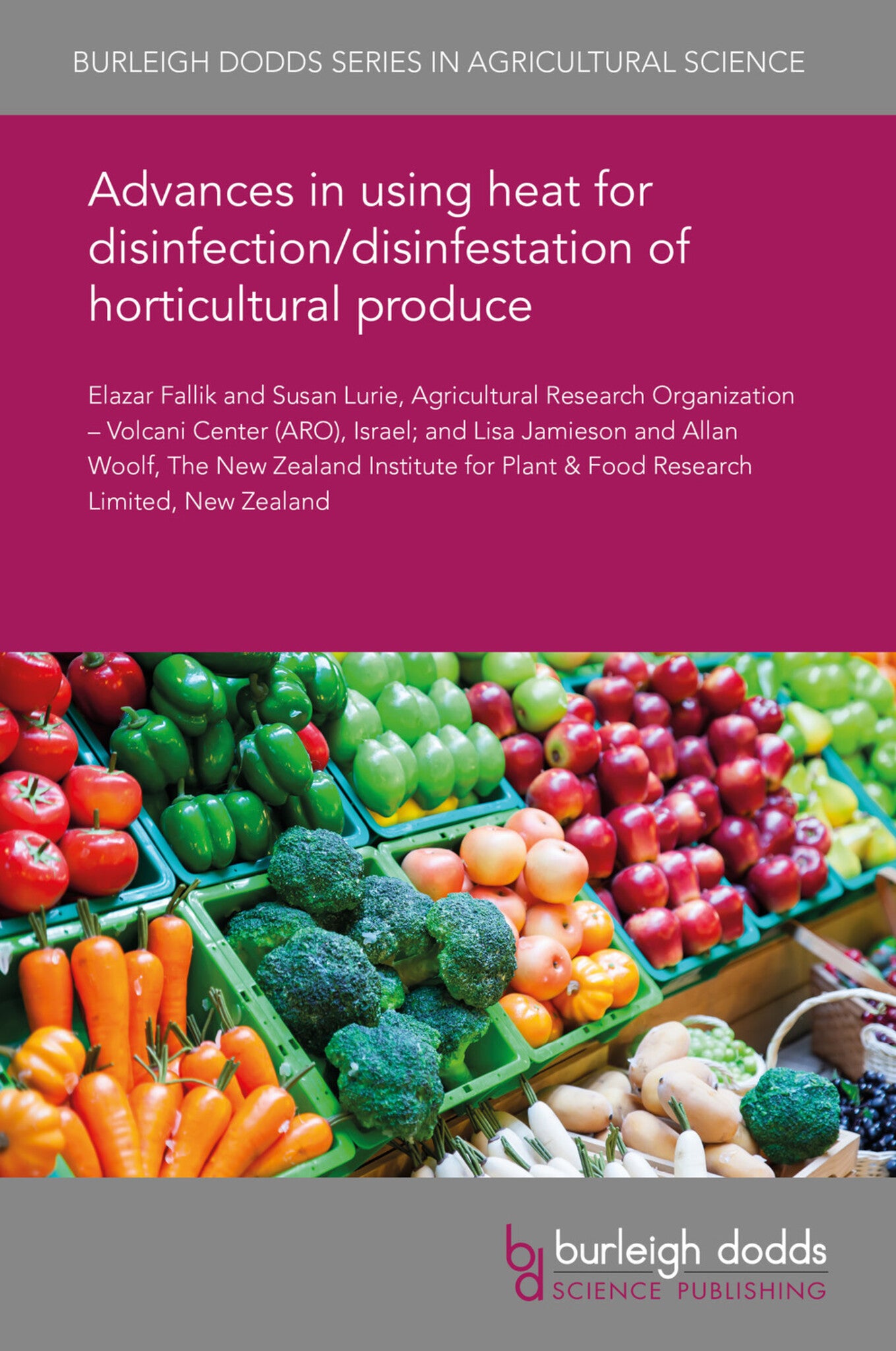
Advances in using heat for disinfection/disinfestation of horticultural produce
Research into the development of pre-storage heat treatments is continuing for both disinfection (postharvest decay) and disinfestation (insect control) outcomes. This is driven by loss in availability or efficacy of postharvest fungicides, or treatments for insects such as methyl bromide. This c...
Read MoreRegular price £25.00Sale price £25.00 Regular price £25.00Unit price per -
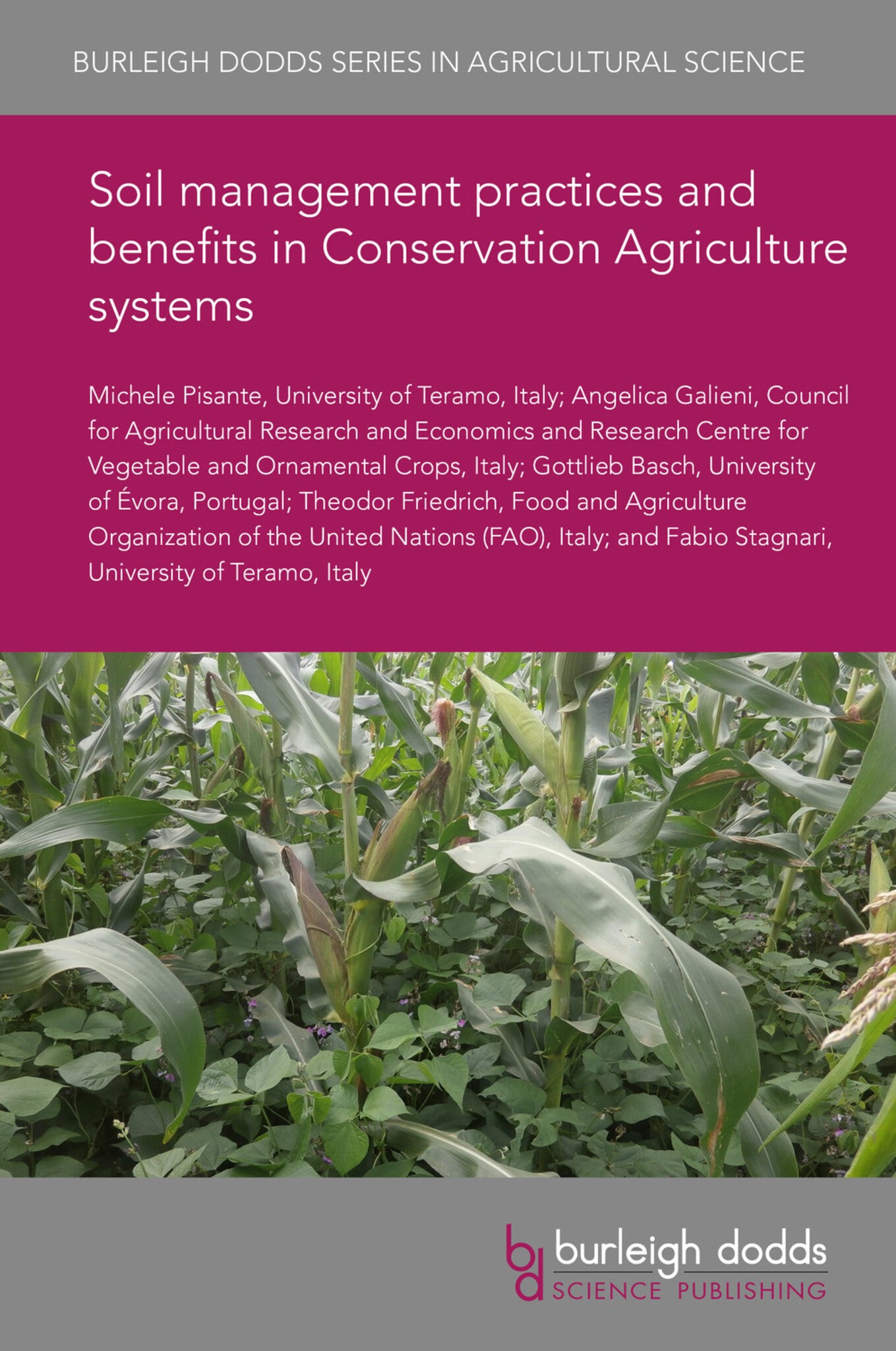
Soil management practices and benefits in conservation agriculture systems
Conservation Agriculture (CA) is known to deliver ecosystem services, maintain the soil potential productivity and improve the resource-use efficiency as well as the natural resources. It adapts to and mitigates climate change and leads to a more efficient use of inputs hence reducing production ...
Read MoreRegular price £25.00Sale price £25.00 Regular price £0.00Unit price per -
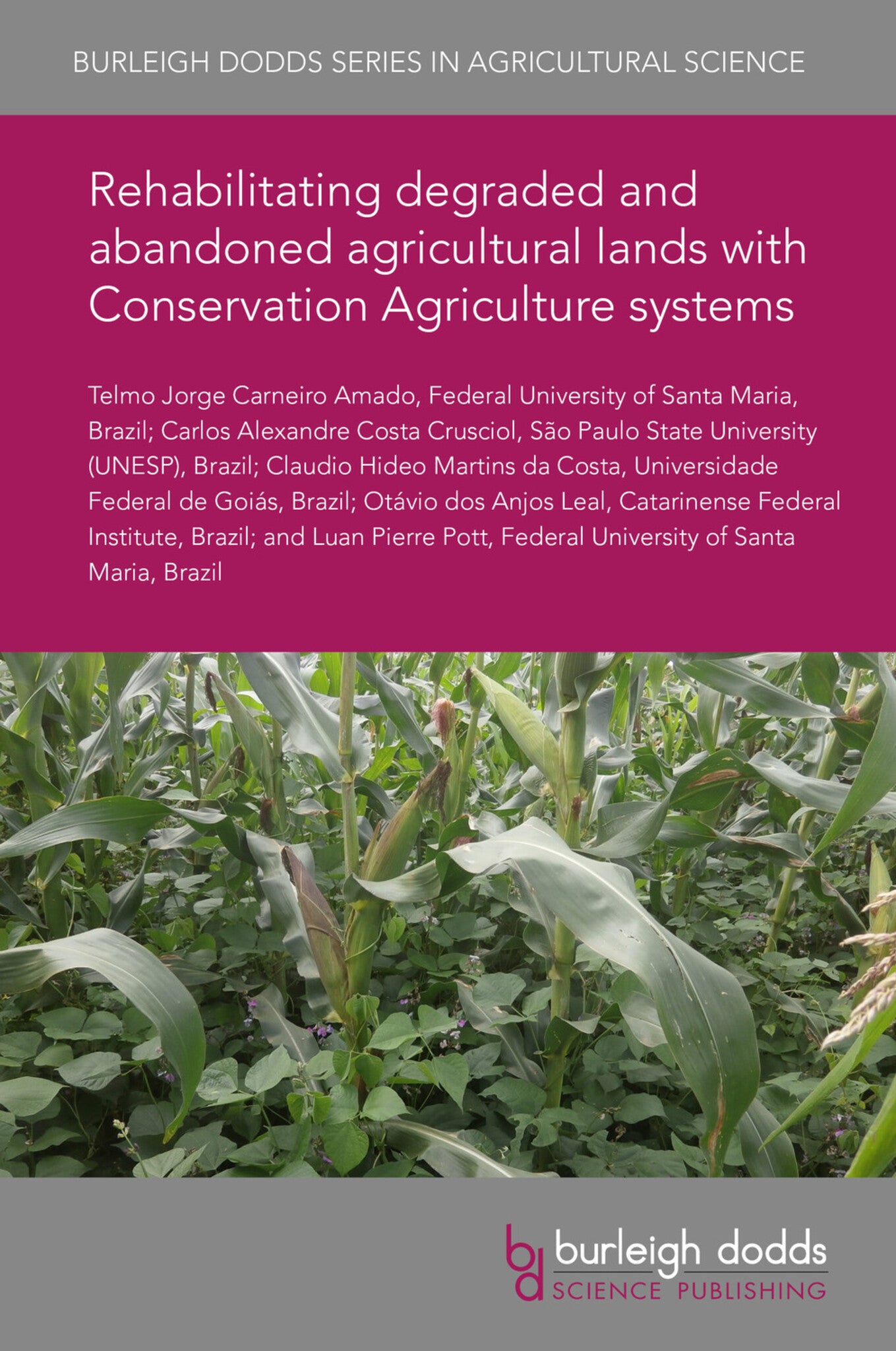
Rehabilitating degraded and abandoned agricultural lands with conservation agriculture systems
Soil degradation worldwide is a serious concern since global demands for food production and security and environmental preservation have increased substantially. In Brazil, intensive tillage, low soil cover and residue input, monocropping, soil organic matter depletion, erosion, compaction and s...
Read MoreRegular price £25.00Sale price £25.00 Regular price £25.00Unit price per -
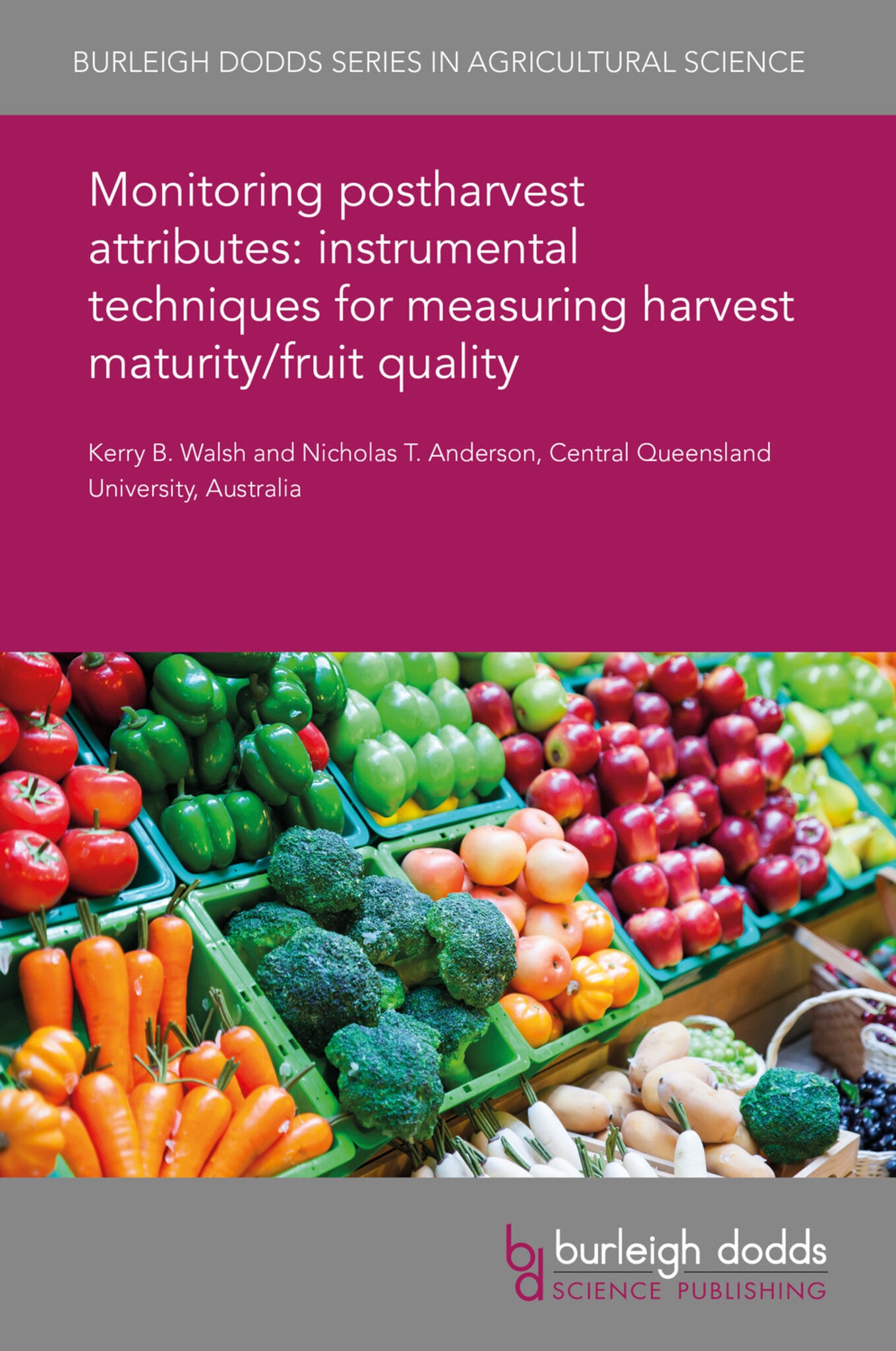
Monitoring postharvest attributes: instrumental techniques for measuring harvest maturity/fruit quality
Measurement precedes management. In this chapter, measurement technologies relevant to postharvest management are reviewed, both in context of technologies in current industry use and those with apparent promise for future use. A brief description of these techniques is made in relation to their ...
Read MoreRegular price £25.00Sale price £25.00 Regular price £25.00Unit price per -
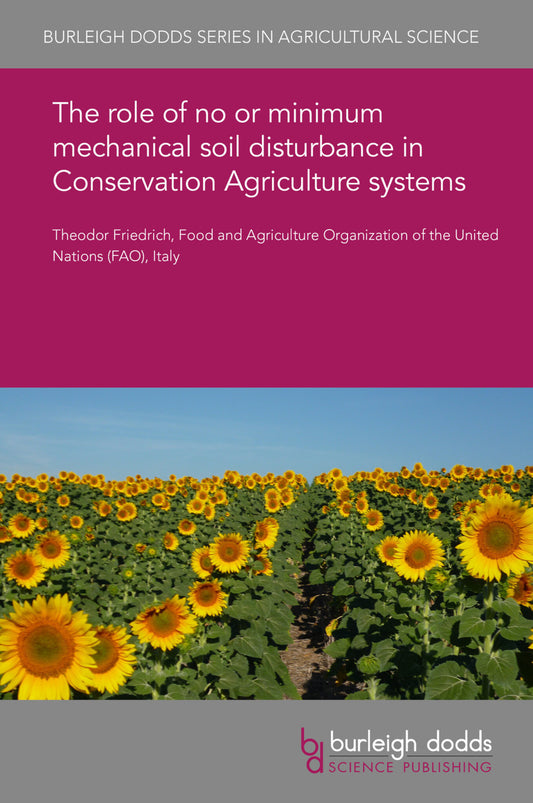
The role of no or minimum mechanical soil disturbance in conservation agriculture systems
Minimum mechanical soil disturbance is one of the pillars of Conservation Agriculture (CA). It is the core concept, which distinguishes CA as a sustainable farming system from tillage-based systems. This chapter introduces concepts of tillage and soil disturbance and the issues and solutions rela...
Read MoreRegular price £25.00Sale price £25.00 Regular price £25.00Unit price per -
Nutrient management practices and benefits in conservation agriculture systems
Nutrient cycling is considered as a key agroecosystem service of Conservation Agriculture (CA). CA brings together major nutrients and organic matter fluxes within the soil-micro-organism-plant system. It also generates organic and inorganic nutrient pools accessible through new biological pathwa...
Read MoreRegular price £25.00Sale price £25.00 Regular price £0.00Unit price per -


Conservation agriculture systems: soil health and landscape management
At the core of Conservation Agriculture (CA) is the transformation towards soil health and systems management innovation with emphasis on regenerative carbon management. This chapter documents the role of CA systems in relation to soil health and soil function. The three principles of: 1) permane...
Read MoreRegular price £25.00Sale price £25.00 Regular price £25.00Unit price per -


Advances in the use of barrier coatings and additives in the preservation of fresh horticultural produce
This chapter reviews developments in edible coatings and surface treatments to preserve whole and fresh-cut fruits and vegetables. The chapter reviews the different purposes and properties of coatings and their applications in such areas as maintaining appearance, preventing water loss and decay ...
Read MoreRegular price £25.00Sale price £25.00 Regular price £25.00Unit price per -


Certification schemes for conservation agriculture systems
For many centuries, soil health or soil quality has been defined as the capacity of soil to function as a vital living ecosystem for sustaining plants, animals, and humans; being the base of life. Hence, the concept of a correct soil management as an essential tool to keep soils sustainable for f...
Read MoreRegular price £25.00Sale price £25.00 Regular price £25.00Unit price per -
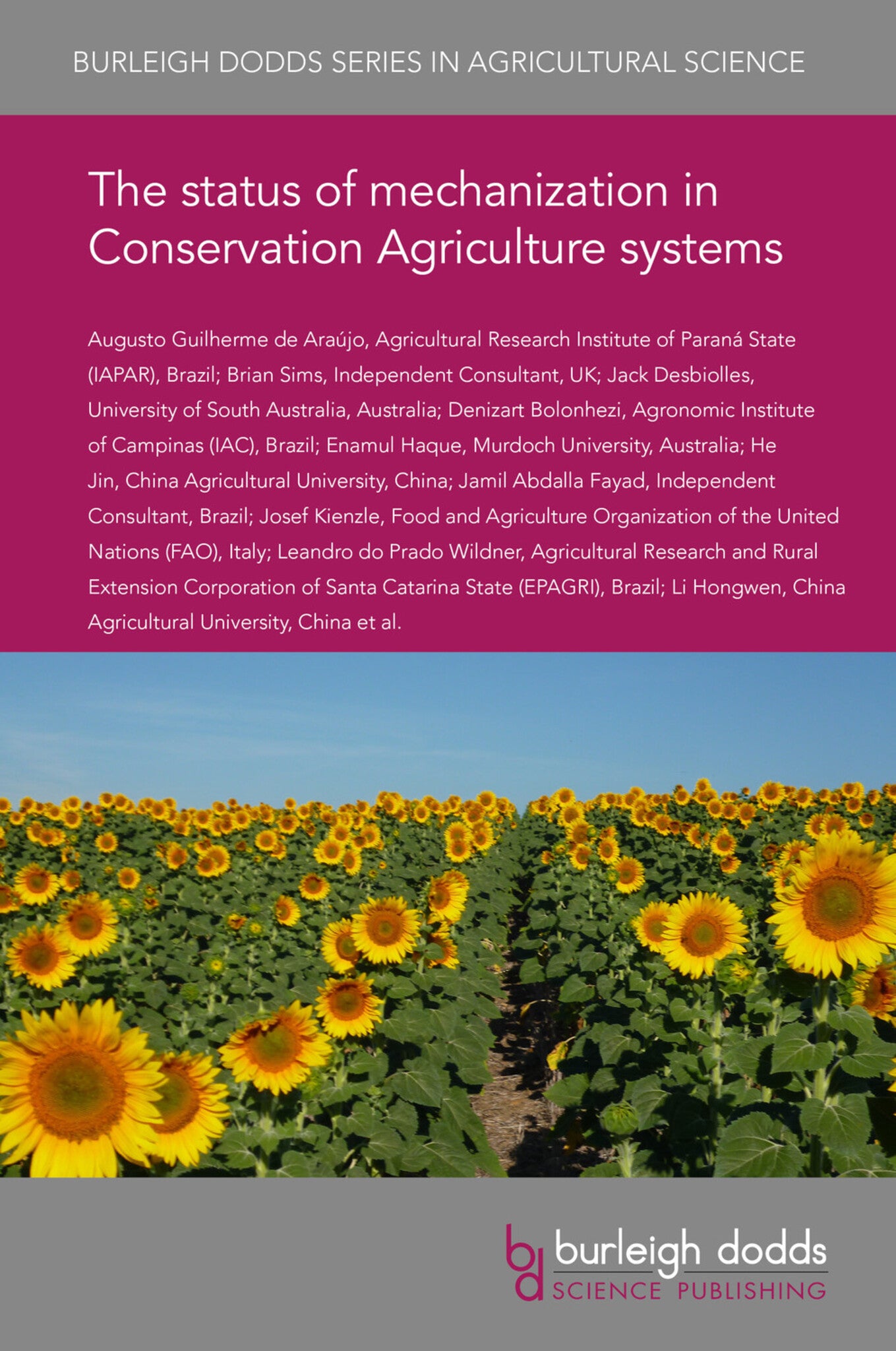
The status of mechanization in conservation agriculture systems
Mechanization is a fundamental input in sustainable agriculture. The global scaling-up of Conservation Agriculture (CA) has been followed by the development of new machinery designs, for different field and crop conditions, with participation of farmers, industries, researchers and other stakehol...
Read MoreRegular price £25.00Sale price £25.00 Regular price £0.00Unit price per -
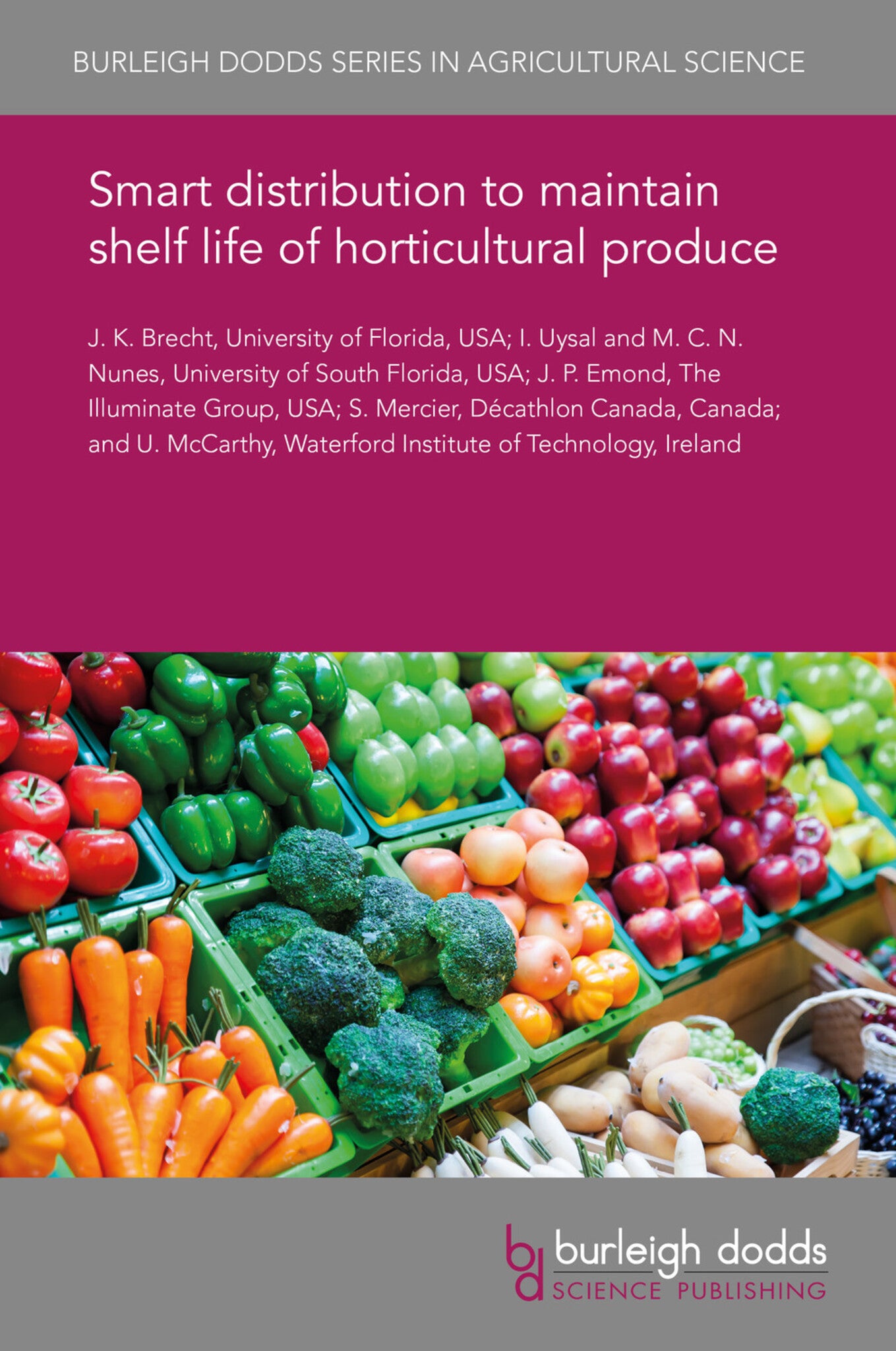
Smart distribution to maintain shelf life of horticultural produce
Most fresh horticultural crops in developed countries that are harvested but not consumed (40 to 50%) are wasted because the quality is inadequate for marketing or does not meet consumer quality requirements. Reducing quality deterioration can both extend shelf life and reduce waste of fresh hort...
Read MoreRegular price £25.00Sale price £25.00 Regular price £25.00Unit price per -
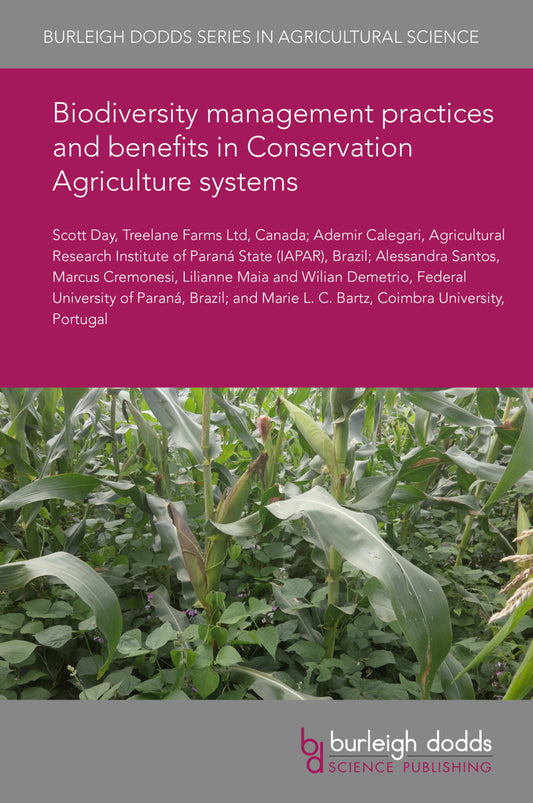
Biodiversity management practices and benefits in conservation agriculture systems
Biodiversity in agriculture is one of the most effective ways to achiebe sustainable crop production without damaging the environment. This chapter reviews biodiversity management practices and benefits in Conservation Agriculture systems. After looking at the importance of soil microorganisms, t...
Read MoreRegular price £25.00Sale price £25.00 Regular price £25.00Unit price per -
Practice and benefits of conservation agriculture systems
This chapter discusses Conservation Agriculture as a basis for sustainable soil, land and natural resource management and production intensification. It reviews the process of transforming conventional systems into Conservation Agriculture systems and provides an overview of the main practices an...
Read MoreRegular price £25.00Sale price £25.00 Regular price £25.00Unit price per -
The role and management of soil mulch and cover crops in conservation agriculture systems
This chapter discusses the main components of an adequate Conservation Agriculture system and the role of soil mulching within these systems. It highlights the use of different cover crops species to promote live or dead soil mulch cover. The chapter also reviews how cover crops effect aspects su...
Read MoreRegular price £25.00Sale price £25.00 Regular price £25.00Unit price per -


Advances in the use of ozone in the disinfection of horticultural produce
Fruit and vegetables are recognised for their health-promoting properties, while at the same time being associated with numerous bacterial illnesses caused by foodborne pathogens. A sanitation step is crucial to ensure that the produce is safe for consumption. Ozone has been identified as a feasi...
Read MoreRegular price £25.00Sale price £25.00 Regular price £25.00Unit price per -
Development of conservation agriculture systems globally
This chapter outlines the development of Conservation Agriculture (CA) system globally in terms of its origins, pioneers and champions, main drivers for its spread, CA systems involved, regional adoption, challenges and future prospects. Reducing soil disturbance by tillage began in the USA in th...
Read MoreRegular price £25.00Sale price £25.00 Regular price £25.00Unit price per -
Conservation agriculture: climate change mitigation and adaptation benefits
This chapter discusses how Conservation Agriculture can be used to tackle the challenges posed by climate change to agricultural ecosystems. It focuses on the fundamentals of climate change mitigation and benefits of adapting to climate change. The chapter also includes a case study on the LIFE+ ...
Read MoreRegular price £25.00Sale price £25.00 Regular price £25.00Unit price per -
Advances in the potential use of non-thermal plasma in postharvest treatment of fresh horticultural produce
Fresh horticultural produce related foodborne illnesses outbreaks have increased around the world, and despite the adoption of good on-farm and postharvest practices, microbial contamination of fresh produce can still occur. Non-thermal plasma (NTP) has recently emerged as an option for killing/i...
Read MoreRegular price £25.00Sale price £25.00 Regular price £0.00Unit price per -
Institutional and policy support for conservation agriculture uptake
Conservation Agriculture (CA) has been adopted by farmers in at least 78 countries around the world in response to land degradation from intensive tillage and monoculture production systems. Since pioneer farmers started the CA development journey five decades ago it has been refined into a susta...
Read MoreRegular price £25.00Sale price £25.00 Regular price £0.00Unit price per -
Benefits of conservation agriculture to farmers and society
Conservation Agriculture (CA) describes farming systems where the soil is not tilled, crop residues remain on the soil surface, and crop rotation is practised. CA emulates as closely as possible natural vegetation systems. This chapter presents the benefits of CA to farmers and society. The first...
Read MoreRegular price £25.00Sale price £25.00 Regular price £25.00Unit price per -
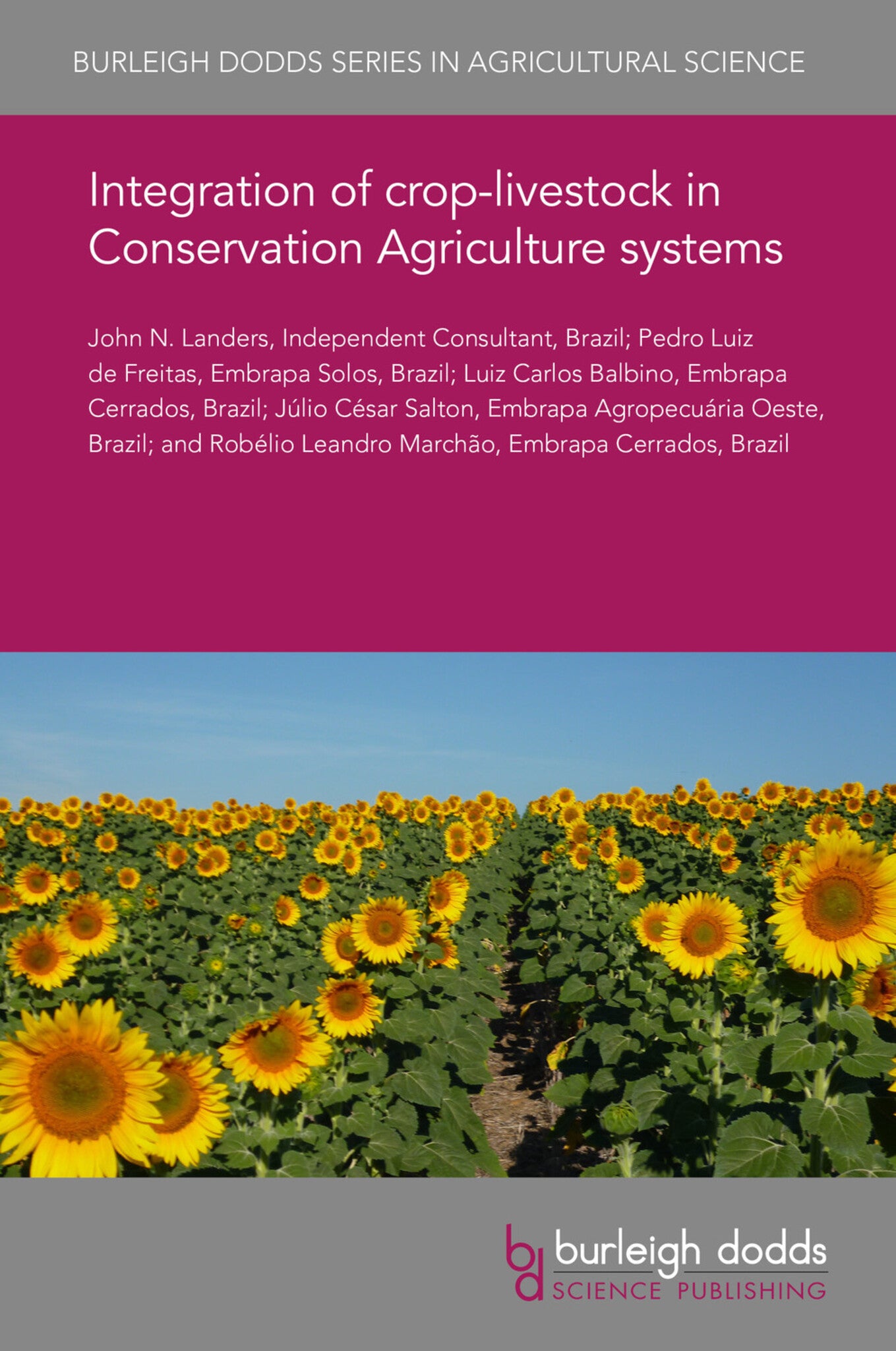
Integration of crop-livestock in conservation agriculture systems
This chapter draws heavily on Brazilian experience, not only because of author affiliations, but due to the fact that Brazil is a current world leader in ICL-CA and in Integrated Crop-Livestock-Forestry management systems under CA (ICLF-CA) adoption and research, currently with 11.5 million hecta...
Read MoreRegular price £25.00Sale price £25.00 Regular price £25.00Unit price per -
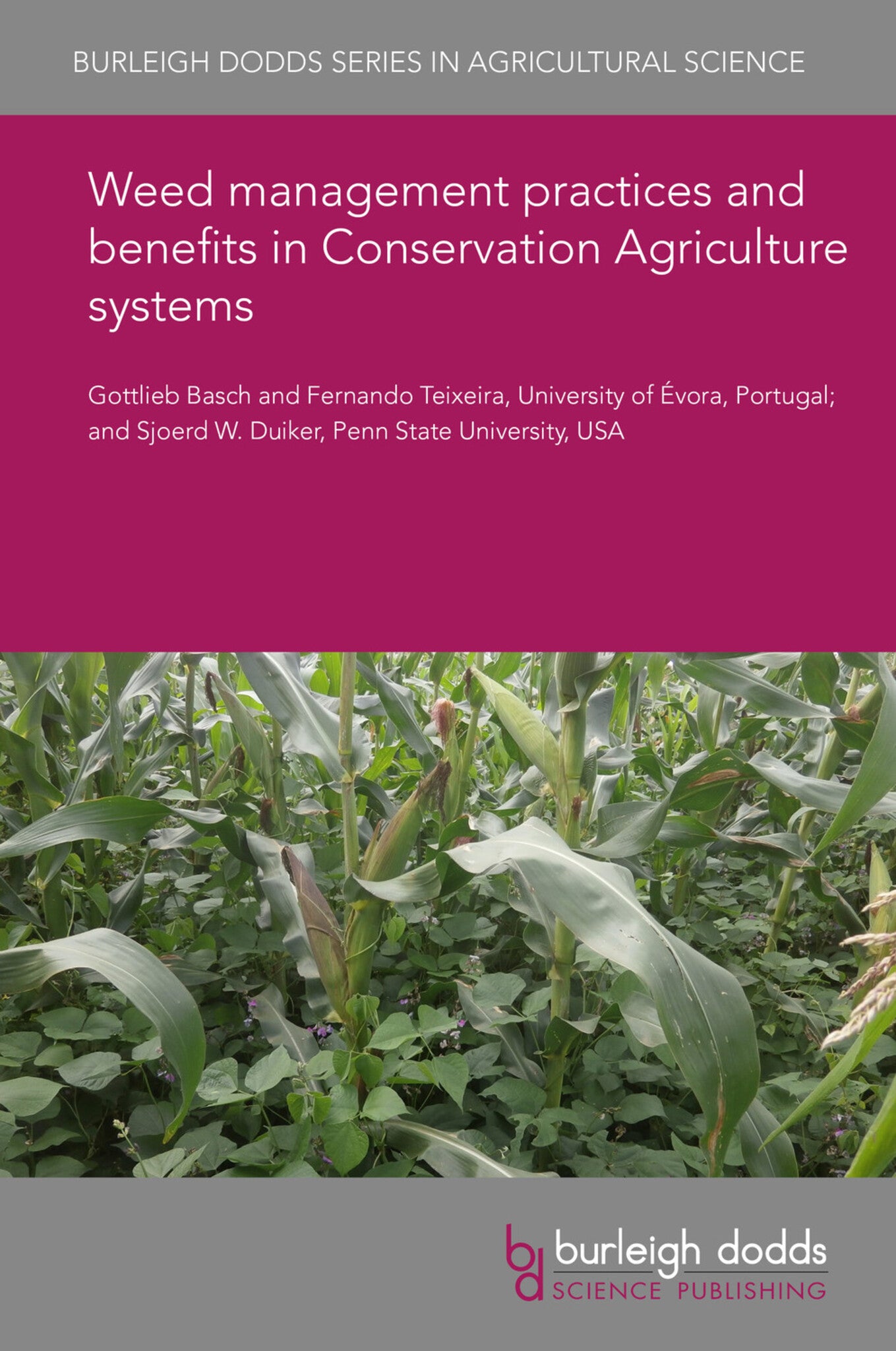
Weed management practices and benefits in conservation agriculture systems
Conservation Agriculture (CA) systems are often perceived as relying heavily on herbicides for weed management with no margin for herbicide input reduction. This perception results from production systems that are focussed mainly on the minimum soil disturbance component or no-till, but neglectin...
Read MoreRegular price £25.00Sale price £25.00 Regular price £25.00Unit price per -
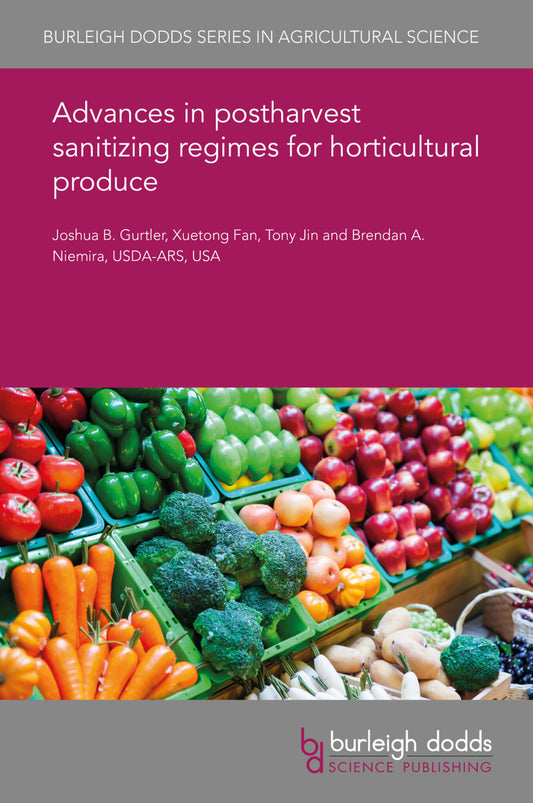
Advances in postharvest sanitizing regimes for horticultural produce
Fresh and fresh cut fruits and vegetables are occasionally contaminated with foodborne pathogens, which has led to numerous recalls and outbreaks of foodborne illness, affecting consumer confidence. Leafy greens are more difficult to decontaminate from foodborne pathogens than other types of fres...
Read MoreRegular price £25.00Sale price £25.00 Regular price £0.00Unit price per -
Management of vegetable conservation agriculture systems
This chapter discusses the principles and practices of no-tillage systems for vegetables (NTV), focusing primarily on tomato, onion and parsley cassava cultivation. It presents research regarding a long-term experiment of NTV for onion with winter crops and the effects on chemical, physical and b...
Read MoreRegular price £25.00Sale price £25.00 Regular price £25.00Unit price per -
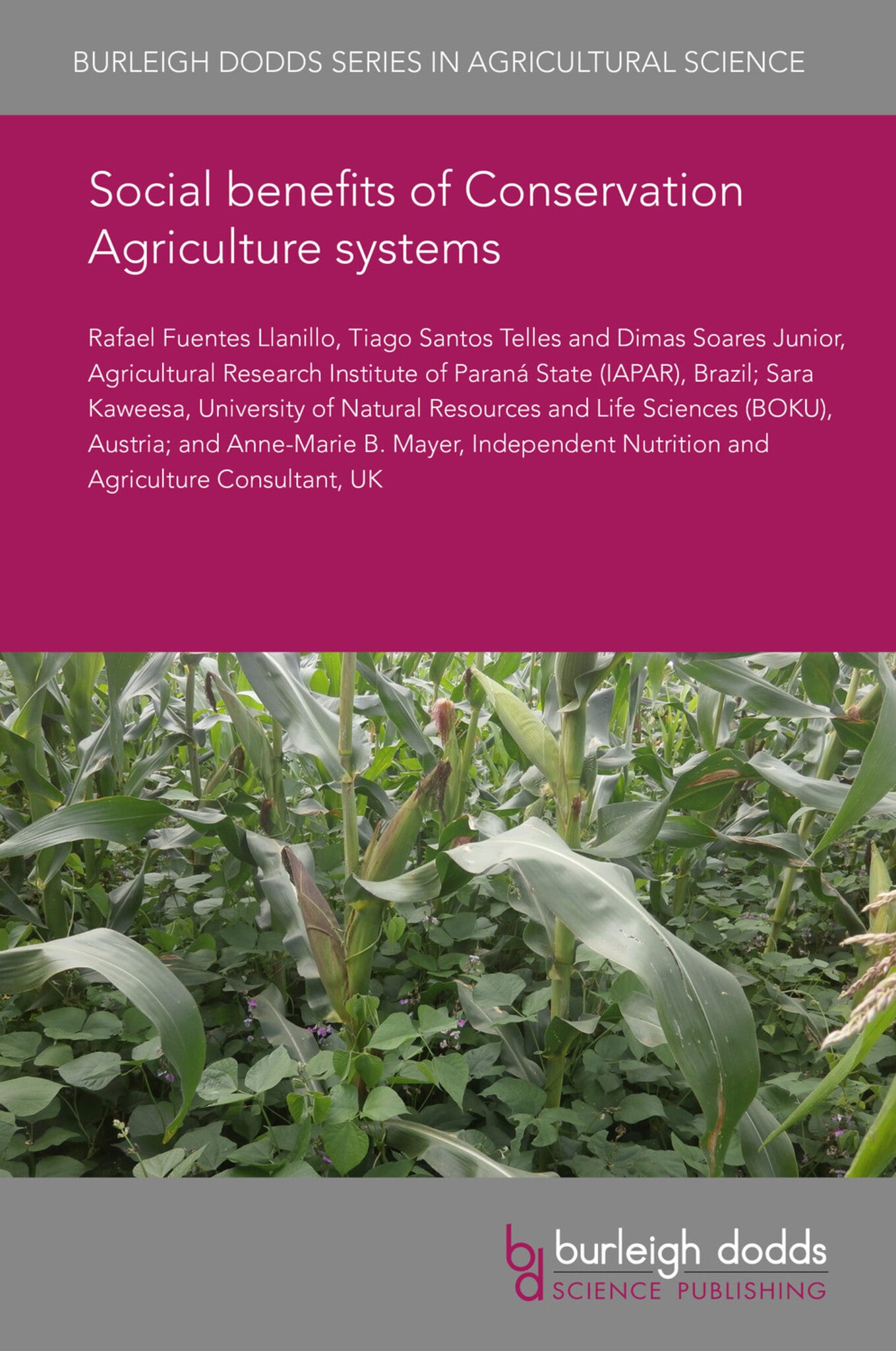
Social benefits of conservation agriculture systems
Despite the small number of specific articles and reports on the subject, social benefits of CA cover several areas such as farmers’ organisation, soil governance and water conservation, social capital and community development, food security and nutritional aspects that are reviewed in this chap...
Read MoreRegular price £25.00Sale price £25.00 Regular price £25.00Unit price per -
Advances in cooling technologies to preserve horticultural produce
Fruit and vegetables are living organisms that continue to respire after harvest, deteriorating over time, in a process known as senescence. Although it is impossible to halt senescence, removing the field-heat, and reducing the temperature of the product at the time of harvest, has substantial e...
Read MoreRegular price £25.00Sale price £25.00 Regular price £25.00Unit price per -
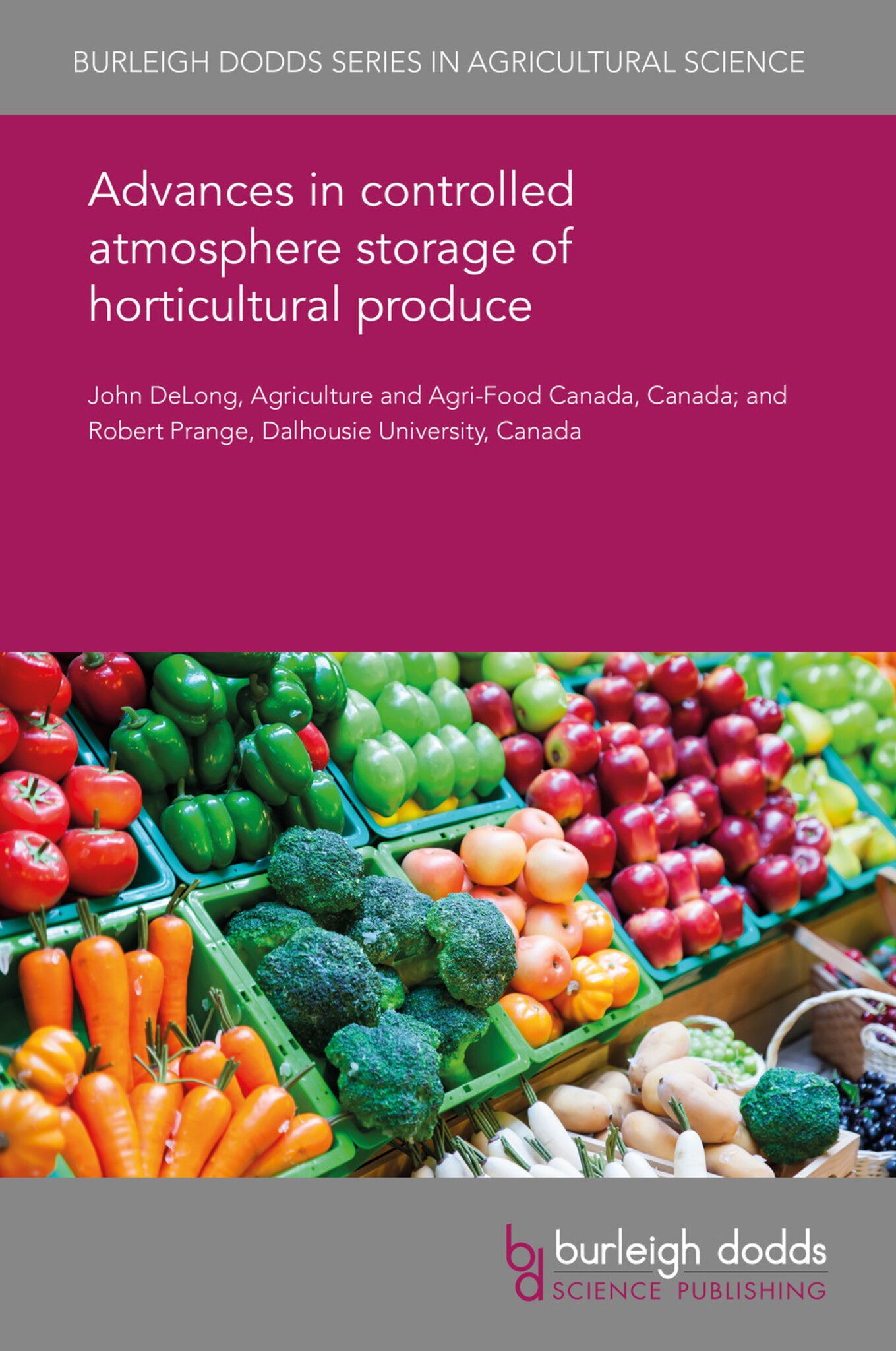
Advances in controlled atmosphere storage of horticultural produce
This chapter highlights advances in controlled atmosphere (CA) storage science of horticultural crops (mainly apples and pears) over the last two decade, emphasizing the connection between technical/managerial aspects of the CA regime and retention of product quality during and after the storage ...
Read MoreRegular price £25.00Sale price £25.00 Regular price £25.00Unit price per -
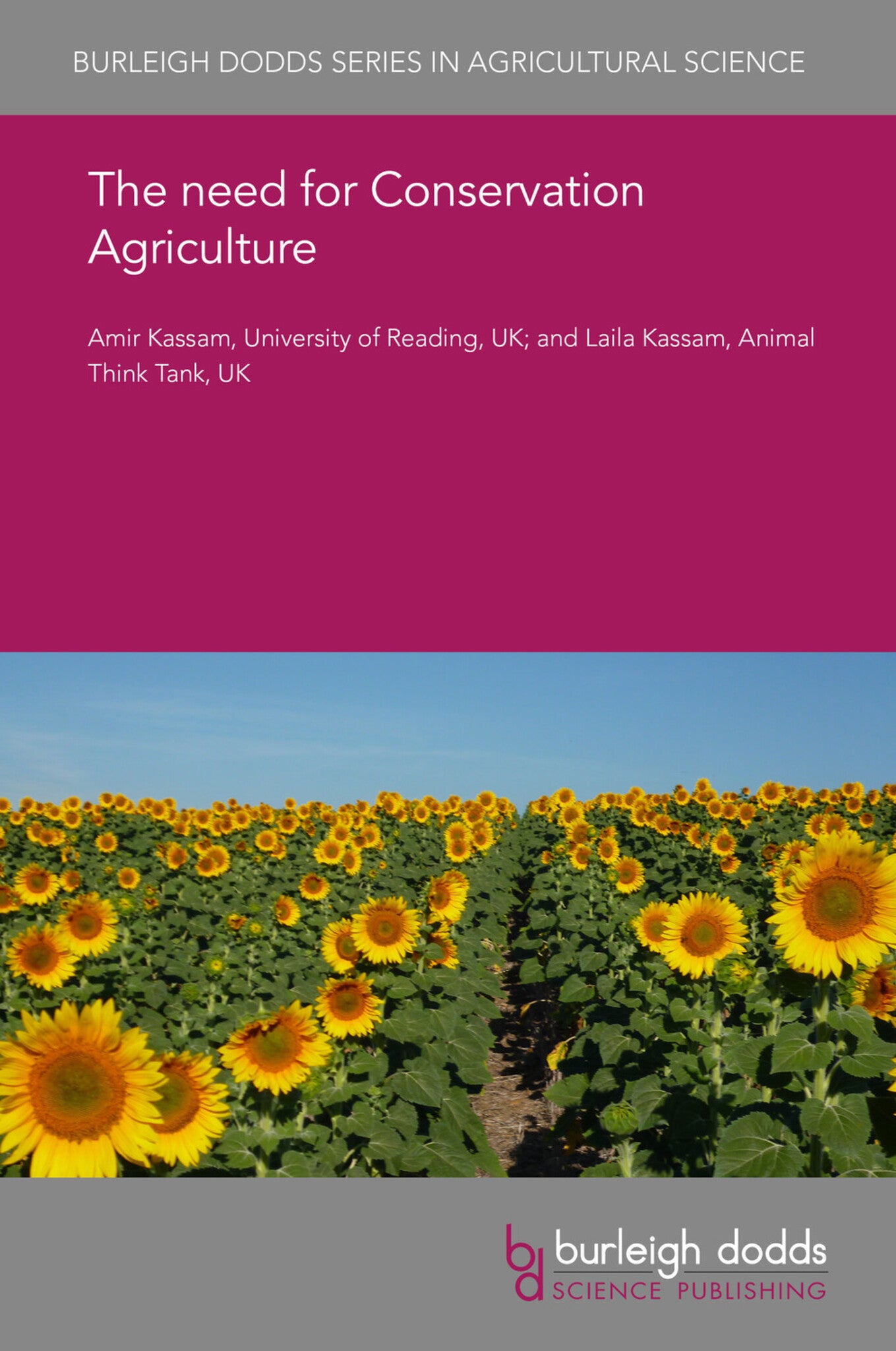
The need for conservation agriculture
The chapter describes the root causes of the degrading nature of the dominant conventional tillage agriculture. It argues that the paradigm of conventional tillage agriculture is ecologically unsustainable and not fit for purpose, at any level of development, to meet present and future societal n...
Read MoreRegular price £25.00Sale price £25.00 Regular price £25.00Unit price per -
Advances in modified atmosphere and active packaging of horticultural produce
The science and technology of modified atmosphere packaging (MAP), continues to expand not only within the industry but also in terms of the technologies that are becoming available. MAP has transitioned from a standalone technology to a platform where unique science and technologies can be incor...
Read MoreRegular price £25.00Sale price £25.00 Regular price £25.00Unit price per -
Harnessing ecosystem services with conservation agriculture
This chapter presents the relationship between Conservation Agriculture (CA) and ecosystem services. Ecosystem services comprise resources and processes supplied by nature that benefit farmers and societies. Services that benefit farmers operate in production fields and those that benefit societi...
Read MoreRegular price £25.00Sale price £25.00 Regular price £25.00Unit price per -
Post-harvest risk management of biological hazards encountered in horticultural produce
Fresh produce remains the main cause of foodborne illness outbreaks implicating a diverse range of enteric pathogens. The primary source of pathogens is pre-harvest contamination, which then become disseminated during processing. This chapter provides an overview of fresh produce related foodborn...
Read MoreRegular price £25.00Sale price £25.00 Regular price £25.00Unit price per -
Insect pest and disease management practices and benefits in conservation agriculture systems: a case of push–pull practice
This chapter reviews the dissemination, adoption and benefits of the push-pull cropping system in Conservation Agriculture (CA), an innovation that was developed and promoted by the International Centre of Insect Physiology and Ecology (ICIPE) and partners with a view to addressing some of the bi...
Read MoreRegular price £25.00Sale price £25.00 Regular price £25.00Unit price per -
Crop and cropping systems management practices and benefits in conservation agriculture systems
Conservation Agriculture (CA) offers a pragmatic option for improving soil health, crop productivity and resilience, generating biomass, increasing factor productivity and total output, and reducing greenhouse gas emissions. Most crops, including cereal, legume, oilseed, fibre and vegetable crops...
Read MoreRegular price £25.00Sale price £25.00 Regular price £25.00Unit price per -
Advances in the use of irradiation for the market access of fresh horticultural produce
Commercial and research interest in the irradiation of fresh fruit and vegetables as a market access treatment is growing. Irradiation has been approved for use in many markets as an approved phytosanitary/quarantine treatment to allow international trade. This chapter focuses on the effects of i...
Read MoreRegular price £25.00Sale price £25.00 Regular price £25.00Unit price per -
Carbon management practices and benefits in conservation agriculture systems: carbon sequestration rates
The adoption of Conservation Agriculture (CA) and the maintenance of crop residues on the soil surface result in the long-term increase of carbon (C) in the system, promoting C sequestration and reducing C-CO2 emissions to the atmosphere. The present study conducted in subtropical and tropical re...
Read MoreRegular price £25.00Sale price £25.00 Regular price £25.00Unit price per -
Managing perennial conservation agriculture systems: orchards, plantations and agroforestry
Perennial CA systems offer a range of productivity and ecosystem benefits to resource-poor smallholder farmers as well as to larger-scale producers managing orchards and plantations. Given the attractive economic and environmental value-adding characteristics of perennial CA systems, it is expect...
Read MoreRegular price £25.00Sale price £25.00 Regular price £25.00Unit price per -
The role of crop and cropping system management in conservation agriculture systems
This chapter describes the issues of adopting Conservation Agriculture (CA) agronomy in three distinct geographic areas of the world. Firstly, the rice-wheat systems of the Indo-Gangetic Plains of South Asia are presented, looking at the contrasting methods of rice and wheat production in the are...
Read MoreRegular price £25.00Sale price £25.00 Regular price £25.00Unit price per -
Advances in the use of biological control agents in the disinfection of horticultural produce
This chapter reviews advances in the use of biological control agents in the disinfection of horticultural produce. It discusses plant extracts and animal-based materials as postharvest treatments, the discovery of microbial antagonists and their mode of action. It also reviews the integration of...
Read MoreRegular price £25.00Sale price £25.00 Regular price £25.00Unit price per -
Carbon management practices and benefits in conservation agriculture systems: soil organic carbon fraction losses and restoration
The conversion of native vegetation (NV) into agricultural land by clearing and tillage disrupts the soil structure, and depletes soil organic carbon (SOC) pool. Data on changes in SOC pools are needed to enhance scientific knowledge regarding the effects of land use and Conservation Agriculture ...
Read MoreRegular price £25.00Sale price £25.00 Regular price £25.00Unit price per -
Postharvest handling of organically produced specialty crops
Worldwide demand for organically produced specialty crops continues to increase. Both conventional and organic postharvest handling practices require a comprehensive approach from selection of plant material through production, harvest, storage, and marketing. This chapter discusses the differen...
Read MoreRegular price £25.00Sale price £25.00 Regular price £25.00Unit price per -
Challenges and initiatives in reducing postharvest food losses and food waste: sub-saharan africa
This chapter reviews food losses and waste in sub-Saharan Africa. It gives a general introduction to the terms ‘food loss’ and ‘food waste’ and how they differ. It focuses on the postharvest food losses occurring in sub-Saharan Africa and compares ‘objective measurements’ with ‘perceptions’ of fo...
Read MoreRegular price £25.00Sale price £25.00 Regular price £25.00Unit price per -
The role of food banks in food security and food loss and waste (flw) prevention
The current deficit of food supply in which more than 820 million people do not have enough to eat puts a real threat on the upcoming generations to satisfy their most basic need of food sufficiency. This chapter describes the development of food banks over the years, explains the difference betw...
Read MoreRegular price £25.00Sale price £25.00 Regular price £25.00Unit price per -
Advances in the understanding of barley plant physiology: factors determining grain development, composition, and chemistry
Crop improvement depends on fast and continuous scientific progress. Recent technological advances have led to remarkable breakthroughs in barley genomics and grain physiology. This chapter aims to highlight the progress in our understanding of barley grain, its functional architecture, and energ...
Read MoreRegular price £25.00Sale price £25.00 Regular price £25.00Unit price per -
International genomic evaluation methods for dairy cattle
The primary systems of data recording and genetic evaluation of dairy cattle are managed at a national level, with separate programs being run by each country, or in some cases for a small group of countries. However, international genomic evaluation methods for dairy cattle are needed so that si...
Read MoreRegular price £25.00Sale price £25.00 Regular price £25.00Unit price per -
The use of genomic information to improve selection response while controlling inbreeding in dairy cattle breeding programs
This chapter discusses the use of genomic information to improve selection response in dairy cattle breeding programs. It assesses population size and inbreeding, as well as discussing how genetic information can be used to reduce inbreeding. The chapter also provides an understanding of the gene...
Read MoreRegular price £25.00Sale price £25.00 Regular price £25.00Unit price per -

Genetic and genomic dairy cattle evaluations in developing countries
Genetic improvement programmes have delivered huge economic returns in developed countries. Supporting these successful genetic improvements are efficient genetic evaluation systems (GES) for the accurate evaluation of animals on which selection is based. Thus, GES is not only an integral and imp...
Read MoreRegular price £25.00Sale price £25.00 Regular price £0.00Unit price per -


Advances in dairy cattle breeding to improve fertility/reproductive efficiency
The decline in fertility over the last few decades, especially in high milk producing dairy cows, is a major concern in many countries with modern dairy industries. Fertility is a compound trait of many events leading up to successful calving and subsequent lactation. Fertility traits in cattle h...
Read MoreRegular price £25.00Sale price £25.00 Regular price £0.00Unit price per -
Advances in dairy cattle breeding to improve resistance to claw disorders/lameness
Foot and claw disorders are, along with reproductive and udder health problems, major reasons for involuntary culling in dairy cattle. Culling due to lameness accounts for 8-15% of all culls. This chapter describes the key factors needed to achieve genetic improvement of claw health and discusses...
Read MoreRegular price £25.00Sale price £25.00 Regular price £0.00Unit price per -
Assessing inbreeding and genetic diversity in the holstein breed using pedigree and genomic approaches
Various breeding strategies to improve dairy cattle production, conformation, health and, more recently, efficiency, have been developed. However, as selection intensity within these finite populations has increased, so has the relatedness within individual populations. This chapter looks at inb...
Read MoreRegular price £25.00Sale price £25.00 Regular price £25.00Unit price per -


Developments in the use of embryo technologies in dairy cows
Reproductive technologies offer the opportunity to produce far greater numbers of offspring from genetically valuable dams, than they would normally have in their lifetime. Technologies such as ovum-pickup when applied to harvest oocytes from prepubertal animals provide the means to dramatically ...
Read MoreRegular price £25.00Sale price £25.00 Regular price £25.00Unit price per -


Opportunities and challenges in crossbreeding dairy cattle in temperate regions
Crossbreeding is an old technology; however, when used in today’s dairy systems, crossbreeding can produce profitable results for dairy producers. Interest in crossbreeding of dairy cattle has become a topic of great interest in the last ten years and has developed in response to concerns dairy p...
Read MoreRegular price £25.00Sale price £25.00 Regular price £25.00Unit price per -
Development of dairy breeding programmes
Genomic selection has revolutionized dairy cattle breeding programs. Young bulls can be selected at a young age without progeny testing at a much lower cost than previously. This reduction in generation interval makes it possible to double genetic trend. This chapter explains the context of dairy...
Read MoreRegular price £25.00Sale price £25.00 Regular price £25.00Unit price per -
Finding causal variants for monogenic traits in dairy cattle breeding
Many of the most striking traits we recognise in cattle are caused by one or a small number of large effect mutations. These include breed-defining characteristics such as coat colours and patterns, hair length, and horn status. Many deleterious effects in cattle can also be attributed to single ...
Read MoreRegular price £25.00Sale price £25.00 Regular price £25.00Unit price per -
Genetic and phenotypic improvements in temperate dairy systems: an overview
In the past 50 years, the dairy industry has benefitted from major advances in management, nutrition practices, reproductive technologies, and genetic selection. The refinement of selection indices over time has been shown to be an effective way to make progress on a variety of economically impor...
Read MoreRegular price £25.00Sale price £25.00 Regular price £25.00Unit price per -
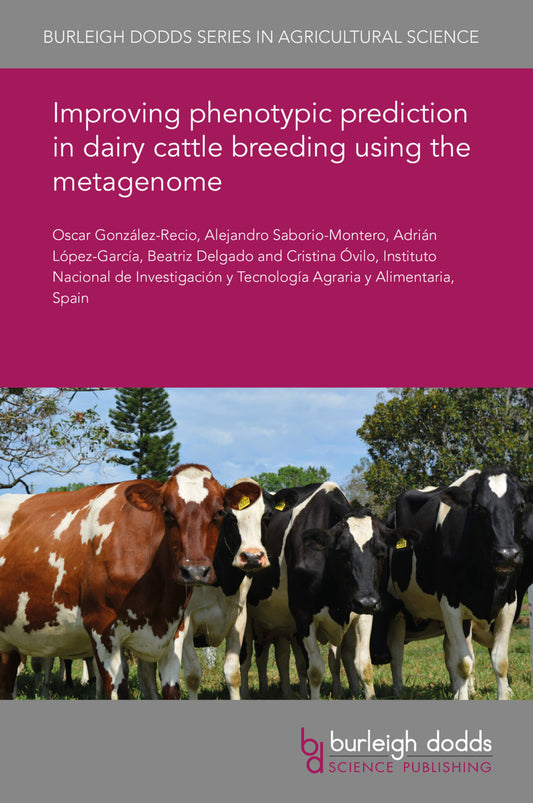
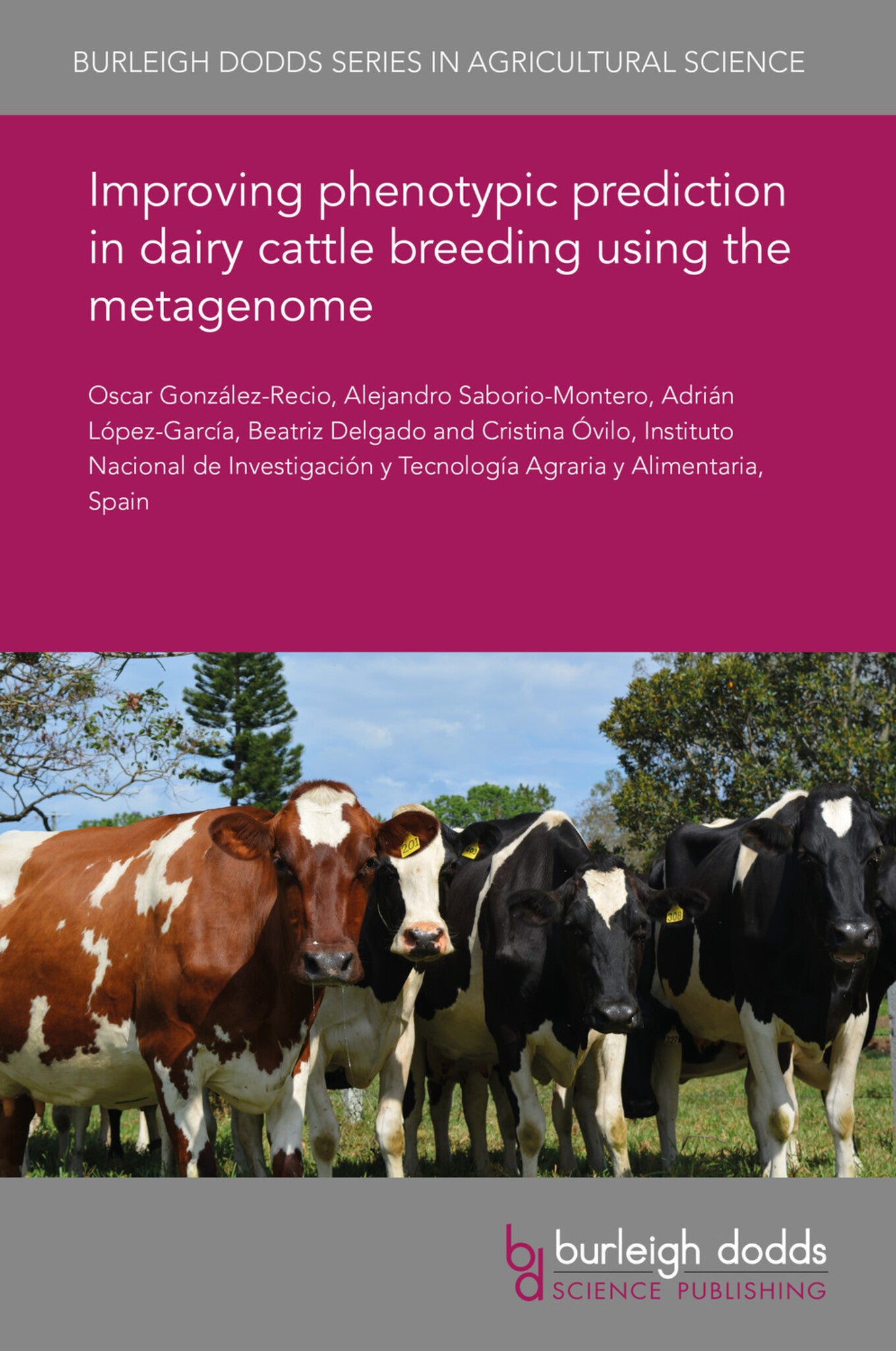
Improving phenotypic prediction in dairy cattle breeding using the metagenome
The microbiome can be considered as a holobiont organism that populates different niches in mammals. New advances in metagenomics studies offer new possibilities to incorporate the metagenome information into strategies to improve sustainability of animal production. This chapter explains the imp...
Read MoreRegular price £25.00Sale price £25.00 Regular price £25.00Unit price per -
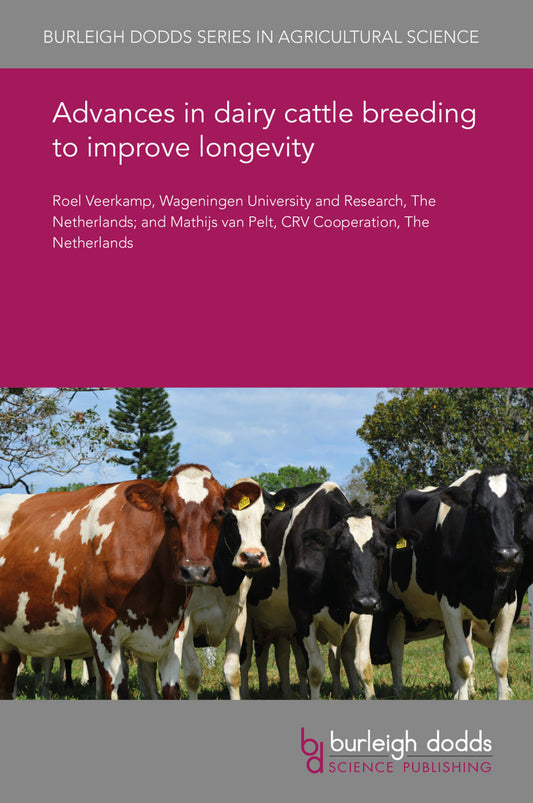
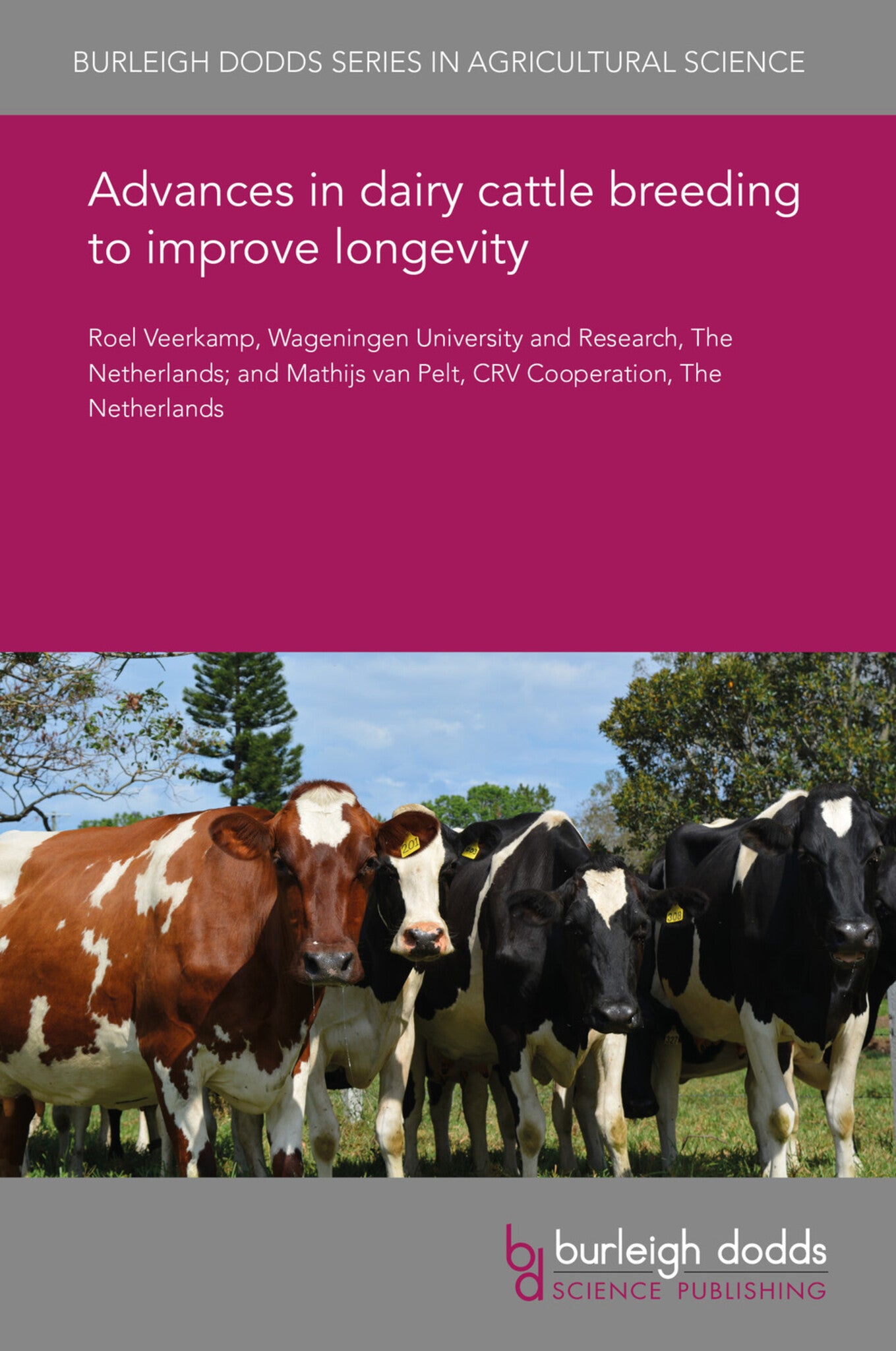
Advances in dairy cattle breeding to improve longevity
Improving longevity of dairy cows has long been of economic interest. There is also a societal interest in improving longevity and evidence suggests it is an important factor in mitigating greenhouse gases. Longevity is a complex trait to record and to improve genetically, despite considerable ge...
Read MoreRegular price £25.00Sale price £25.00 Regular price £25.00Unit price per

We're sorry. An error has occurred
Please cancel or retry.


