


-
Humane slaughter techniques for pigs
For pigs, the day of slaughter includes a variety of potentially stressful elements, and this leads to animal welfare concerns. This chapter reviews how recent research can be applied in the development of new technologies and procedures to ensure a high level of welfare for pigs, while also incr...
Read MoreRegular price £25.00Sale price £25.00 Regular price £25.00Unit price per -
Grain legume–cereal intercropping systems
There is currently renewed interest in intercropping in Europe in order to achieve sustainable, ecological or eco-functional intensification of agricultural production, particularly in organic farming. This chapter summarises data from over 50 field experiments undertaken since 2001 on cereal–gra...
Read MoreRegular price £25.00Sale price £25.00 Regular price £25.00Unit price per -


Recent progress in understanding three major bacterial diseases of sugarcane: gumming, leaf scald and ratoon stunting
This chapter describes recent insights provided by genomic and microscopy analyses of three bacterial pathogens of sugar cane, ‘Xanthomonas vasicola pv. vasculorum’, X. albilineans and Leifsonia xyli subsp. xyli, the causal agents of gumming, leaf scald and ratoon stunting, respectively. The chap...
Read MoreRegular price £25.00Sale price £25.00 Regular price £25.00Unit price per -
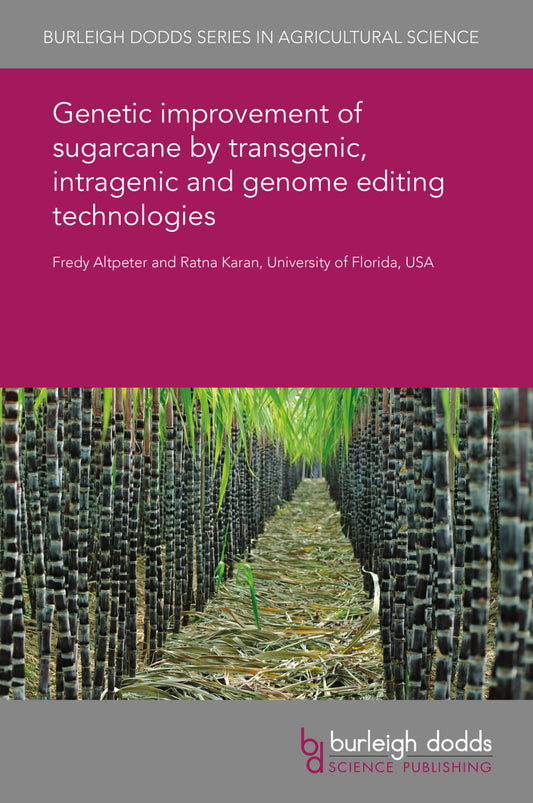
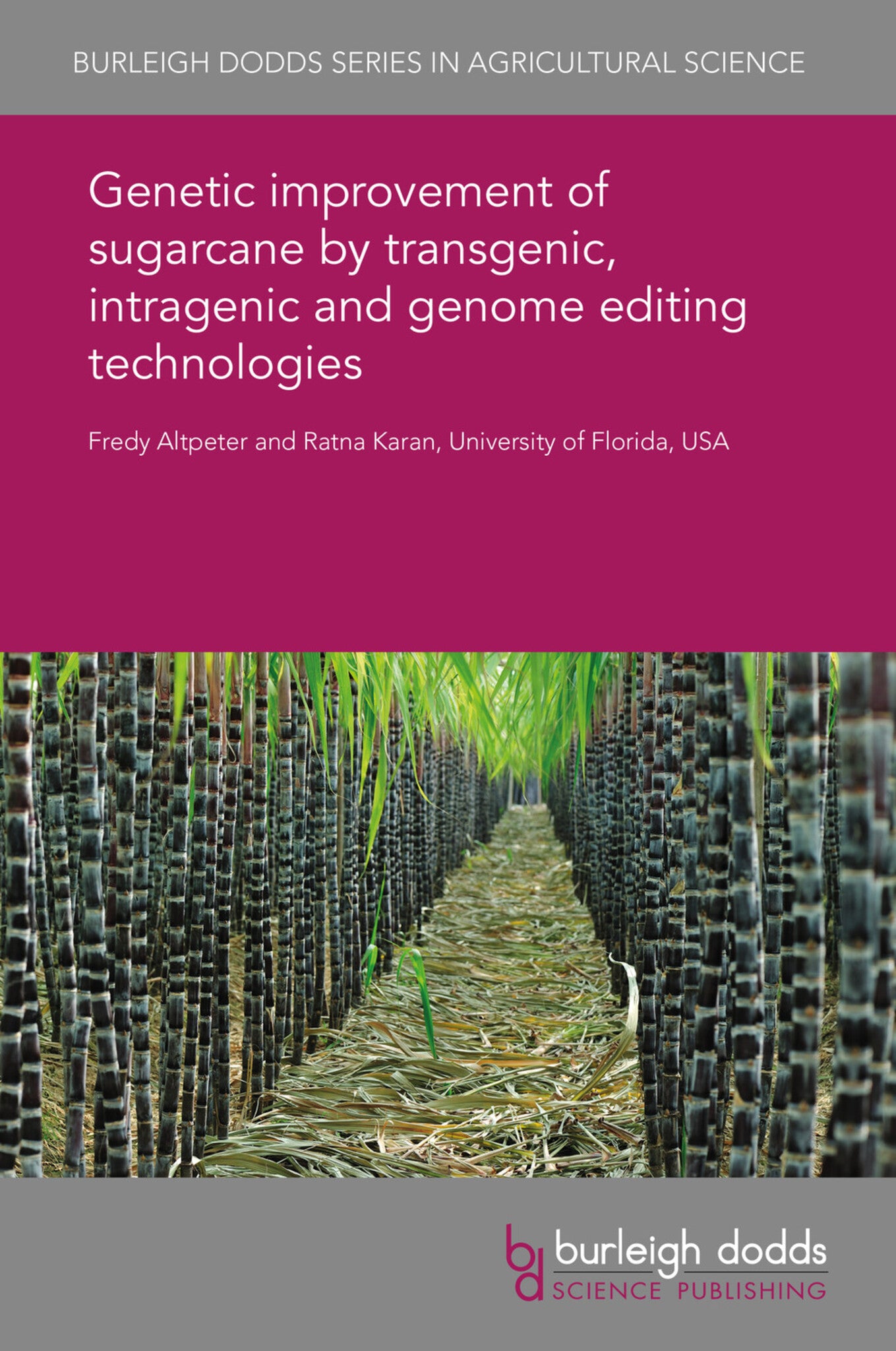
Genetic improvement of sugarcane by transgenic, intragenic and genome editing technologies
The grand social, economic and environmental challenges of the twenty-first century are demanding the acceleration of the genetic improvement of sugarcane to sustainably produce sugar and biofuel and to support the emerging bio-based economy. This chapter focuses on the contributions and future p...
Read MoreRegular price £25.00Sale price £25.00 Regular price £25.00Unit price per -
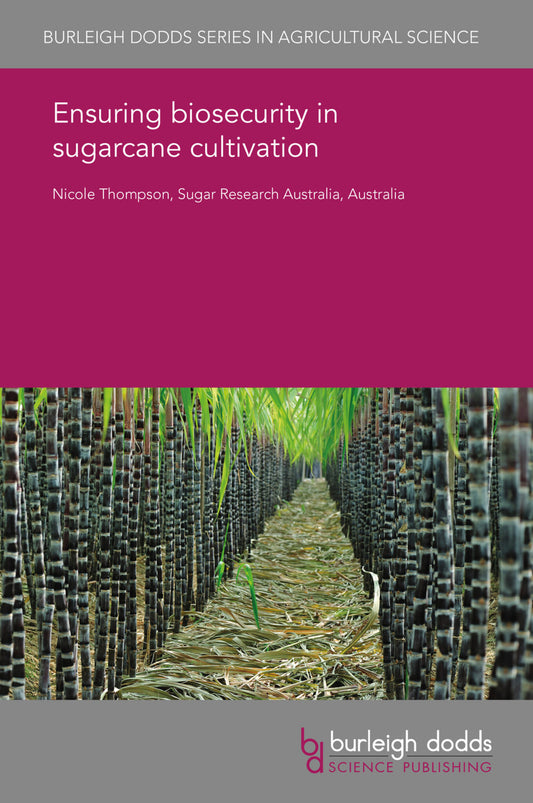
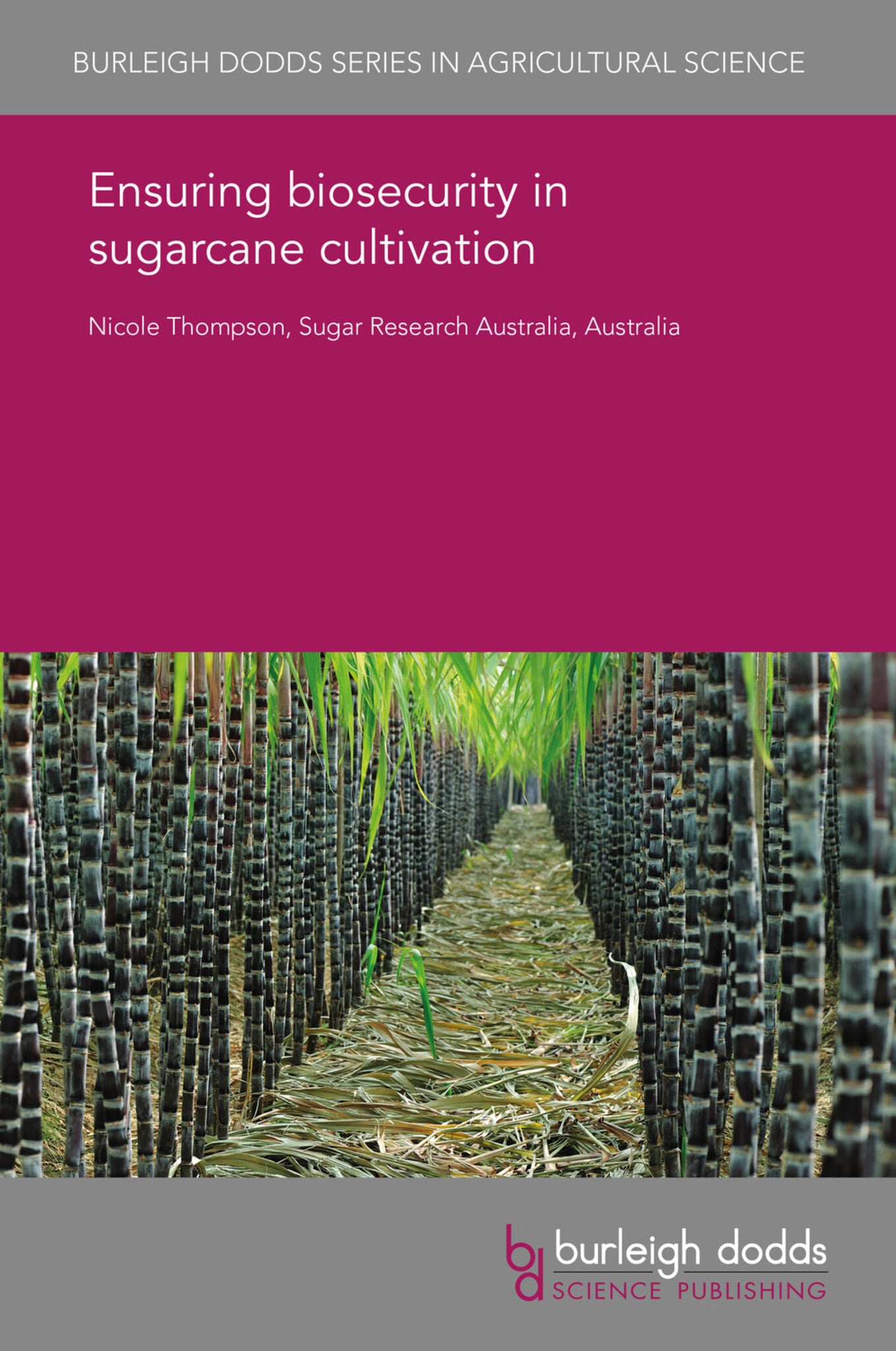
Ensuring biosecurity in sugarcane cultivation
Biosecurity in sugarcane cultivation is an important factor in maintaining and improving yields. It can refer to the day-to-day management of established pests, diseases and weeds, as well as preparing for unusual threats to the industry, and safeguarding agriculture and natural resources. This c...
Read MoreRegular price £25.00Sale price £25.00 Regular price £25.00Unit price per -
Integrated weed management in sugarcane cultivation
Weeds reduce sugarcane yield by competing for water, nutrients and light. They may also act as alternative hosts for disease and insect pests and increase production costs and lower land value. Implementation of integrated weed management (IWM) in sugarcane is essential to reduce the negative imp...
Read MoreRegular price £25.00Sale price £25.00 Regular price £0.00Unit price per -

Ensuring and exploiting the genetic diversity of sugarcane
The majority of cultivars in current commercial sugarcane breeding programmes trace back to a few key interspecific hybrids that were developed during the early 1900s. Sugarcane breeders have expressed concerns about the narrow sampling of ancestral clones in modern sugarcane breeding programmes,...
Read MoreRegular price £25.00Sale price £25.00 Regular price £25.00Unit price per -
Advances in marker-assisted breeding of sugarcane
Sugarcane breeding has until very recently been based solely on phenotype, and marker-assisted breeding of sugarcane remains in its infancy compared with that of row crops such as maize and soybean. A major reason for this is the complex genetics of sugarcane. This chapter reviews the uses of DNA...
Read MoreRegular price £25.00Sale price £25.00 Regular price £25.00Unit price per -
Progress in understanding fungal diseases affecting sugarcane: smut
Amongst the relevant issues impacting sugarcane agricultural practices are fungal diseases, such as sugarcane smut, that constitute a worldwide threat to the cultivation. Smut is caused by the biotrophic fungus Sporisorium scitamineum. After providing a historical perspective on the disease, this...
Read MoreRegular price £25.00Sale price £25.00 Regular price £25.00Unit price per -
Advances in understanding of sugarcane plant growth and physiology
Crop yield in sugarcane is the result of how well the source leaves can supply the assimilates needed for the growth and filling of the harvestable plant. This is the source–sink relationship, which in sugarcane is still poorly understood. This chapter discusses the significant advances made in t...
Read MoreRegular price £25.00Sale price £25.00 Regular price £25.00Unit price per -
Viral metagenomics and sugarcane pathogens
Plant viral metagenomics has recently proved effective for studying the collection of plant viruses. The advent of metagenomics-based approaches has led to the discovery and characterization of new plant viruses. This chapter describes the plant virus metagenomics methods developed during the las...
Read MoreRegular price £25.00Sale price £25.00 Regular price £0.00Unit price per -
Progress in understanding viruses affecting sugarcane
There are currently around ten diseases of sugarcane known to be caused by viruses. In recent years our understanding of these diseases has greatly benefited from access to low-cost sequencing technologies which have revolutionized virus discovery, improved our understanding of genetic variation ...
Read MoreRegular price £25.00Sale price £25.00 Regular price £25.00Unit price per -
Progress in understanding and managing insect pests affecting sugarcane
This chapter describes major achievements in pest management in sugarcane agroecosystems based on applied research conducted in different countries. The focus of the chapter is on two major groups of pests: stalk borers (Lepidoptera) and white grubs (Coleoptera). Chapter sections address determin...
Read MoreRegular price £25.00Sale price £25.00 Regular price £25.00Unit price per -
Integrated disease management strategies in sugarcane cultivation
Sugarcane diseases cause severe losses to sugar production around the world. More than 100 bacterial, fungal, phytoplasma and viral diseases are present in sugarcane-growing areas worldwide. Some diseases are present in most sugarcane-growing regions while others are confined to specific countrie...
Read MoreRegular price £25.00Sale price £25.00 Regular price £25.00Unit price per -
Sugarcane genome sequencing and genetic mapping
Sugarcane (Saccharum spp.) is one of the most important crops for producing sugar and bioethanol, and breeding for superior sugarcane cultivars would benefit significantly from available genetic and genomic resources. This chapter explains the difficulties of sequencing and mapping the genome of ...
Read MoreRegular price £25.00Sale price £25.00 Regular price £25.00Unit price per -
Progress in understanding fungal diseases affecting sugarcane: red rot
Red rot is a disease of sugarcane stalks caused by the fungal pathogen Colletotrichum falcatum. It has been recorded in 77 countries worldwide, but occurs most severely in South Asian countries, especially India, Nepal, Pakistan, Myanmar and Bangladesh, as well as in Thailand and Vietnam. Develop...
Read MoreRegular price £25.00Sale price £25.00 Regular price £25.00Unit price per -
Progress in understanding fungal diseases affecting sugarcane: rusts
Rust fungi (Uredinales or Pucciniales) are a globally distributed order of obligate parasitic fungi occurring on vascular plants. The typical symptom is a ‘rust-coloured’ (often orange or yellow) pustule on a plant leaf. Economically, rust fungi cause enormous crop losses, including in sugarcane....
Read MoreRegular price £25.00Sale price £25.00 Regular price £25.00Unit price per -
Advances in conventional sugarcane breeding programmes
All sugarcane cultivars currently grown throughout the world arise from breeding programmes which have used a reasonably similar approach sustained over many decades. This comprises a continuous pipeline of operations of regular (usually annual) crossing among selected parent clones to produce la...
Read MoreRegular price £25.00Sale price £25.00 Regular price £25.00Unit price per -
The role of microbes in tea cultivation
Tea crops can suffer from nutrient deficiencies, attack by a variety of pests and pathogens and climatic stresses, which result in considerable crop losses. However, the application of synthetic chemicals to alleviate crop loss has exerted a detrimental impact on the tea ecosystem. Plant growth–p...
Read MoreRegular price £25.00Sale price £25.00 Regular price £25.00Unit price per -


Tea cultivation under changing climatic conditions
Predicted climate change is likely to pose a major threat to normal tea cultivation. This chapter reviews the effects that climate change is likely to have on which regions are suitable for tea production and the duration of the plucking period. We consider how tea production might be improved by...
Read MoreRegular price £25.00Sale price £25.00 Regular price £25.00Unit price per -
Advances in genetic modification of tea
Due to its botanical characteristics, genetic improvement of tea is slow. Its high gestation period, the difficulty of producing homozygous lines, and the non-availability of mutant genotypes and a mapping population are all hindrances to development. This chapter describes and evaluates the pote...
Read MoreRegular price £25.00Sale price £25.00 Regular price £0.00Unit price per -
Supporting smallholders in tea cultivation
This chapter describes how smallholder organization can be strengthened to support tea cultivation. Smallholders are weak in terms of productivity owing to low yields and lack of working capital in comparison with large state-owned and private plantations. The chapter describes how the transition...
Read MoreRegular price £25.00Sale price £25.00 Regular price £25.00Unit price per -
Mapping and exploiting the tea genome
Long-term cross-pollination has produced considerable heritable variation within and between populations of the tea plant and related species, resulting in a high level of genetic diversity. A good understanding and management of this pool of genetic diversity is of vital importance for crop impr...
Read MoreRegular price £25.00Sale price £25.00 Regular price £0.00Unit price per -
Instrumentation and methodology for the quantification of phytochemicals in tea
Tea contains many phytochemicals, such as polyphenols, amino acids, vitamins, carbohydrates and purine alkaloids that possess important physiological properties and health-promoting benefits. Tea components are closely associated with tea variety, the growing conditions and regions of tea plants ...
Read MoreRegular price £25.00Sale price £25.00 Regular price £25.00Unit price per -
Diseases affecting tea plants
Tea plantations are attacked by a number of pathogens which reduce yields and shorten the lifespan of tea bushes. This chapter reviews major diseases which pose a threat to tea production. It considers recent advances in disease diagnosis, understanding of host-pathogen interactions and managemen...
Read MoreRegular price £25.00Sale price £25.00 Regular price £25.00Unit price per -
Cultivation, production and marketing of organic tea
This chapter provides an overview of the development of organic and biodynamic tea production in different producing countries, exploring cultivation practices, the global market for, and trade in, organic tea, and research priorities. The chapter assesses the pattern of yield trend after convers...
Read MoreRegular price £25.00Sale price £25.00 Regular price £25.00Unit price per -
Planting and cultivation of tea
Originating in natural forests characterized by warm and humid environmental conditions and nutrient-rich soils, tea’s growth and yield largely depend on climatic and soil factors of the land. Frequent removal of photosynthetically active tea shoots (harvesting) and periodic removal of leaf-beari...
Read MoreRegular price £25.00Sale price £25.00 Regular price £25.00Unit price per -
Pesticide residues in tea: challenges in detection and control
Tea growers require pesticides to prevent crop loss due to pest attacks, which are aggravated by climate change. As pesticides invariably leave residues, it is of utmost importance that samples of traded tea are monitored to ensure compliance to food safety standards. This chapter reviews researc...
Read MoreRegular price £25.00Sale price £25.00 Regular price £25.00Unit price per -
The role of arbuscular mycorrhizal fungi in tea cultivation
Continuous application of chemical fertilizers in tea gardens may increase production, but it adversely affects the quality of tea. There is therefore growing interest in rhizosphere associates of tea, including symbionts such as arbuscular mycorrhizal fungi (AMF). These colonize tea plant roots ...
Read MoreRegular price £25.00Sale price £25.00 Regular price £0.00Unit price per -
The potential role for tea in combating chronic diseases
Tea, made from the leaves of the plant Camellia sinensis, Theaceae, is a popular beverage worldwide. For the past 30 years, tea has been studied extensively for its beneficial health effects in the prevention of cancer, diabetes, cardiovascular diseases and neurodegenerative diseases; reduction o...
Read MoreRegular price £25.00Sale price £25.00 Regular price £25.00Unit price per -
Assessing and reducing the environmental impact of tea cultivation
Tea is one of the most popular beverages in the world. Consequently it has become an important plantation crop in many countries. As a perennial crop occupying a large proportion of arable land, assessing its environmental impact would benefit the economy of tea growing countries immensely. This ...
Read MoreRegular price £25.00Sale price £25.00 Regular price £25.00Unit price per -
The effect of cultivation techniques on tea quality
The profitability of tea production depends on whether the type of tea produced has the right quality that is acceptable to consumers. However, sensory evaluation of tea alone has been criticized as subjective. This chapter examines the environmental and agronomic factors lying behind tea quality...
Read MoreRegular price £25.00Sale price £25.00 Regular price £25.00Unit price per -
Insect pests of tea: caterpillars and other seasonal, occasional and minor pests
This chapter focuses on seasonal, occasional and minor pests of tea, which cause damage to tea plants largely through feeding processes. The chapter considers a variety of factors associated with each of these pests, including their geographical distribution, appearance, the damage caused and the...
Read MoreRegular price £25.00Sale price £25.00 Regular price £25.00Unit price per -
Insect pests of tea: shot hole borers, termites and nematodes
The tea plant (Camellia sinensis (L) O. Kuntze) is a perennial crop and every part of the plant is prone to infestation by some pest over its lifetime. The prevalence and occurrence of the pest is primarily determined by the specific agro-climatic conditions, the type of cultivar and the cultural...
Read MoreRegular price £25.00Sale price £25.00 Regular price £25.00Unit price per -
Integrated pest management of insect, nematode and mite pests of tea
This chapter describes the various strategies that are being implemented in different countries to manage pests of tea using integrated pest management (IPM) programmes to ensure they do not reach economic injury levels. The chapter explores methods of mechanical, biological, cultural and chemica...
Read MoreRegular price £25.00Sale price £25.00 Regular price £25.00Unit price per -
Ensuring the genetic diversity of tea plants
Long-term cross-pollination has produced considerable heritable variation within and between populations of the tea plant and related species, resulting in a high level of genetic diversity. A good understanding and management of this pool of genetic resource diversity is of vital importance to t...
Read MoreRegular price £25.00Sale price £25.00 Regular price £25.00Unit price per -
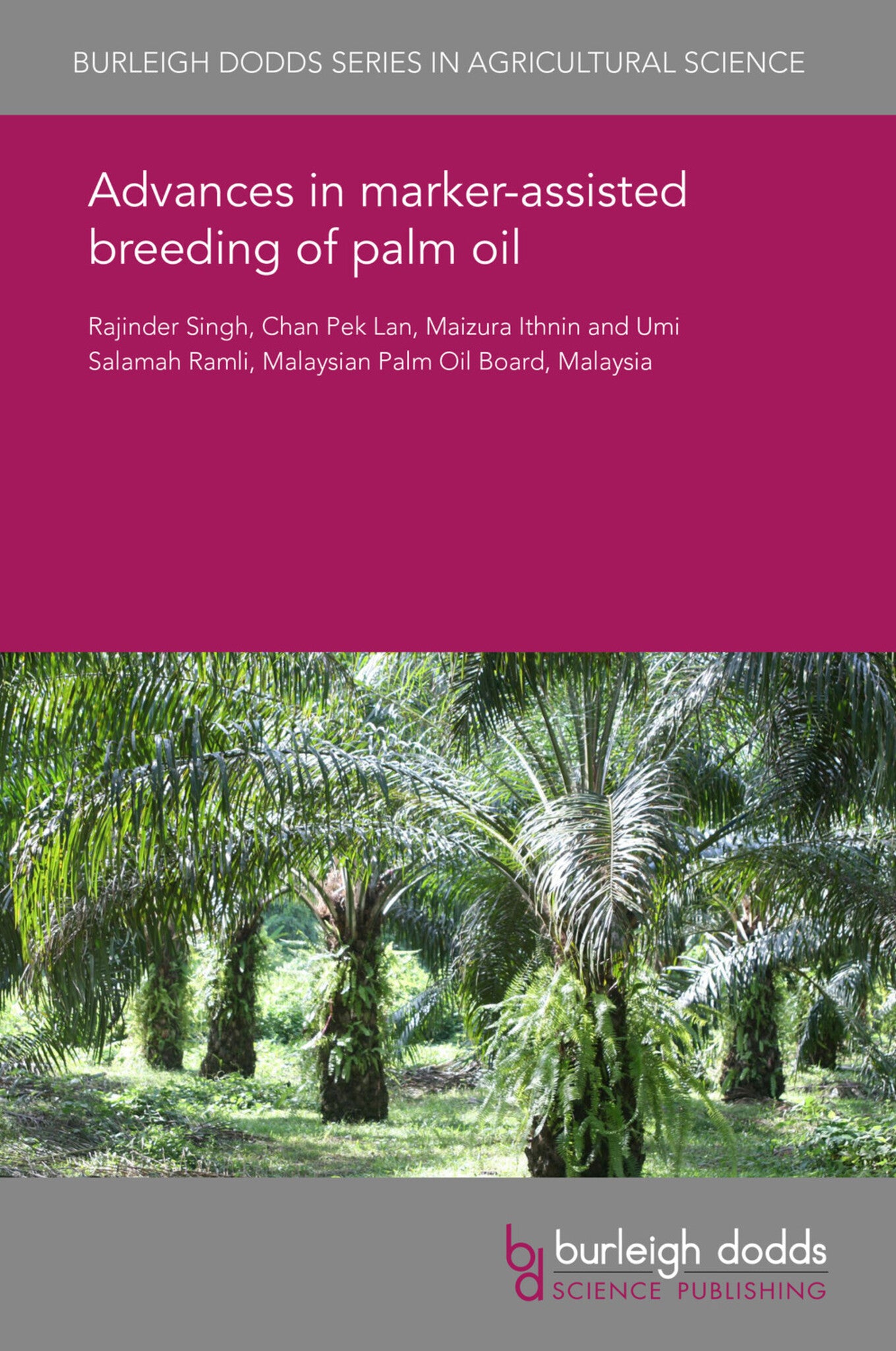
Advances in marker-assisted breeding of palm oil
Oil palm, with its long breeding cycle and large land requirement for breeding trials, can be considered as a suitable candidate crop for marker assisted selection (MAS) for breeding. This chapter explores the applications of MAS in oil palm breeding including paternity testing and prediction of ...
Read MoreRegular price £25.00Sale price £25.00 Regular price £0.00Unit price per -
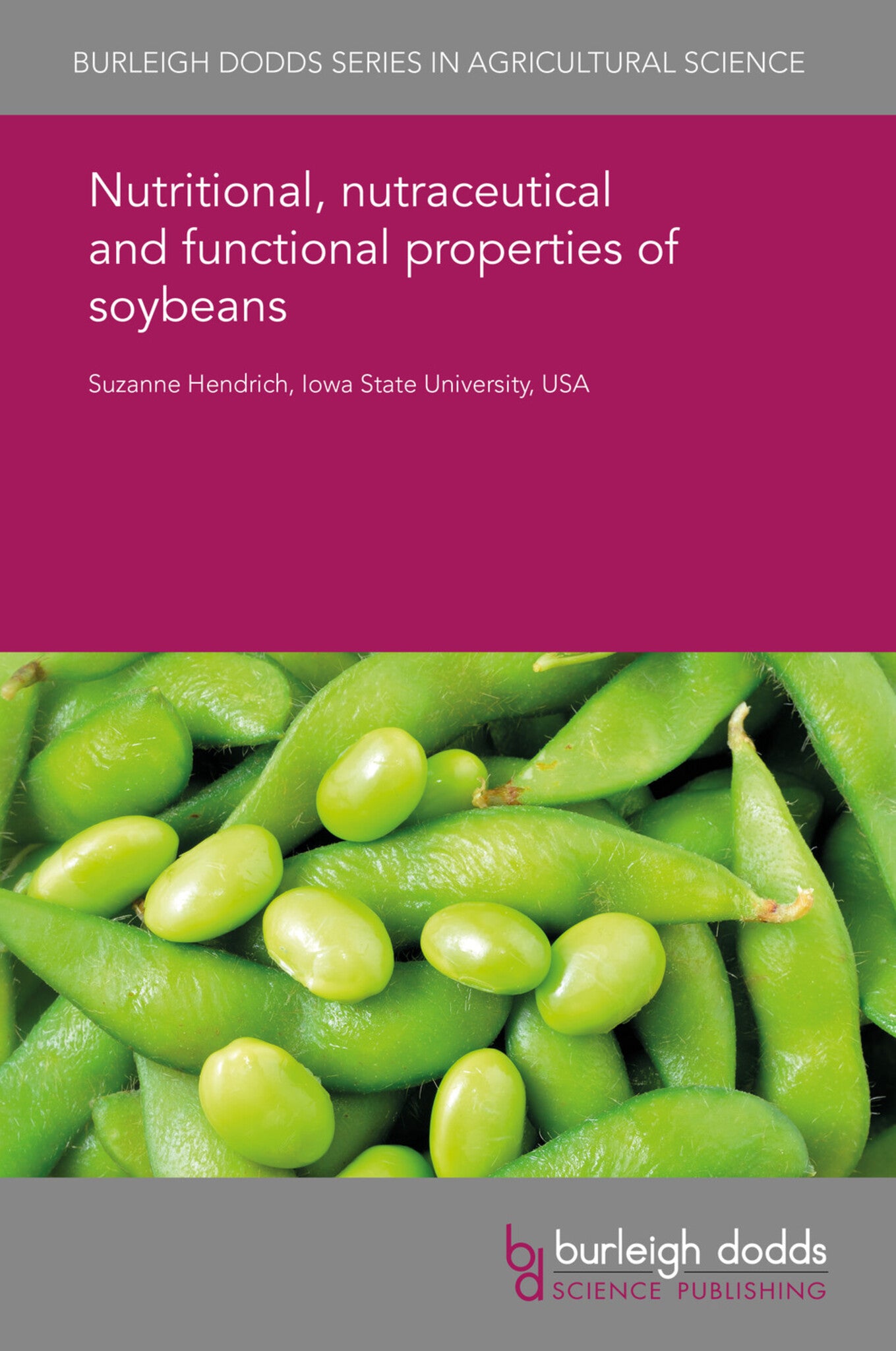
Nutritional, nutraceutical and functional properties of soybeans
Soybeans have desirable nutritional properties, since they contain about twice the protein of other legumes per serving. Some soybean protein ingredients have protein digestibility corrected amino acid scores commensurate with proteins thought to be optimal to meet human protein needs. This chapt...
Read MoreRegular price £25.00Sale price £25.00 Regular price £25.00Unit price per -
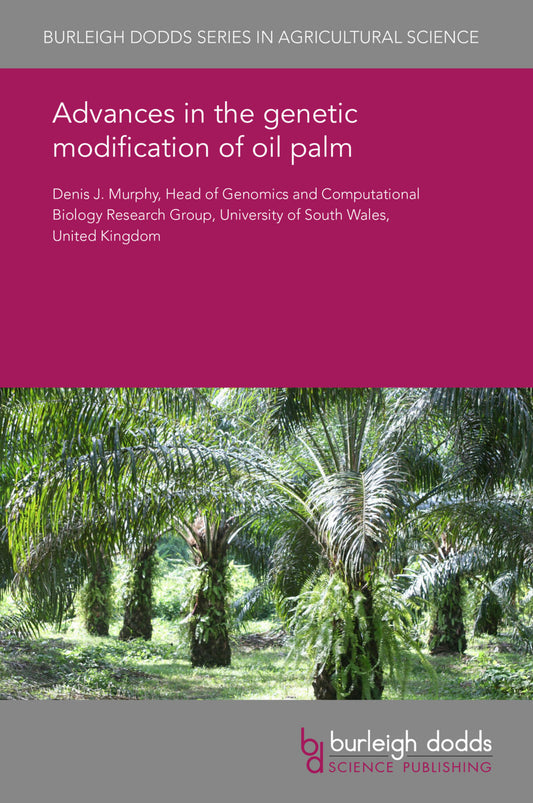
Advances in the genetic modification of oil palm
Transgenic crop modification uses recombinant DNA methods to alter gene expression in order to create new varieties for breeders that may be either difficult or impossible to produce using conventional approaches. Over the past few decades, transgenic methods have been successfully applied to dev...
Read MoreRegular price £25.00Sale price £25.00 Regular price £25.00Unit price per -
Advances in disease-resistant varieties of soybean
Soybean yields worldwide are reduced by a variety of diseases. Advances in breeding techniques have facilitated the development of soybean cultivars with broader and more durable resistance, but continued reliance on a small number of major resistance genes remains a concern. Introgression of res...
Read MoreRegular price £25.00Sale price £25.00 Regular price £25.00Unit price per -


Nutritional considerations for soybean meal use in poultry diets
The poultry feed industry uses about 50% of the soybean meal (SBM) produced in the United States each year. The meal is valuable to the animal feed industry because it is an excellent source of amino acids that would otherwise be lost to the human food chain after the oil has been removed from t...
Read MoreRegular price £25.00Sale price £25.00 Regular price £25.00Unit price per -
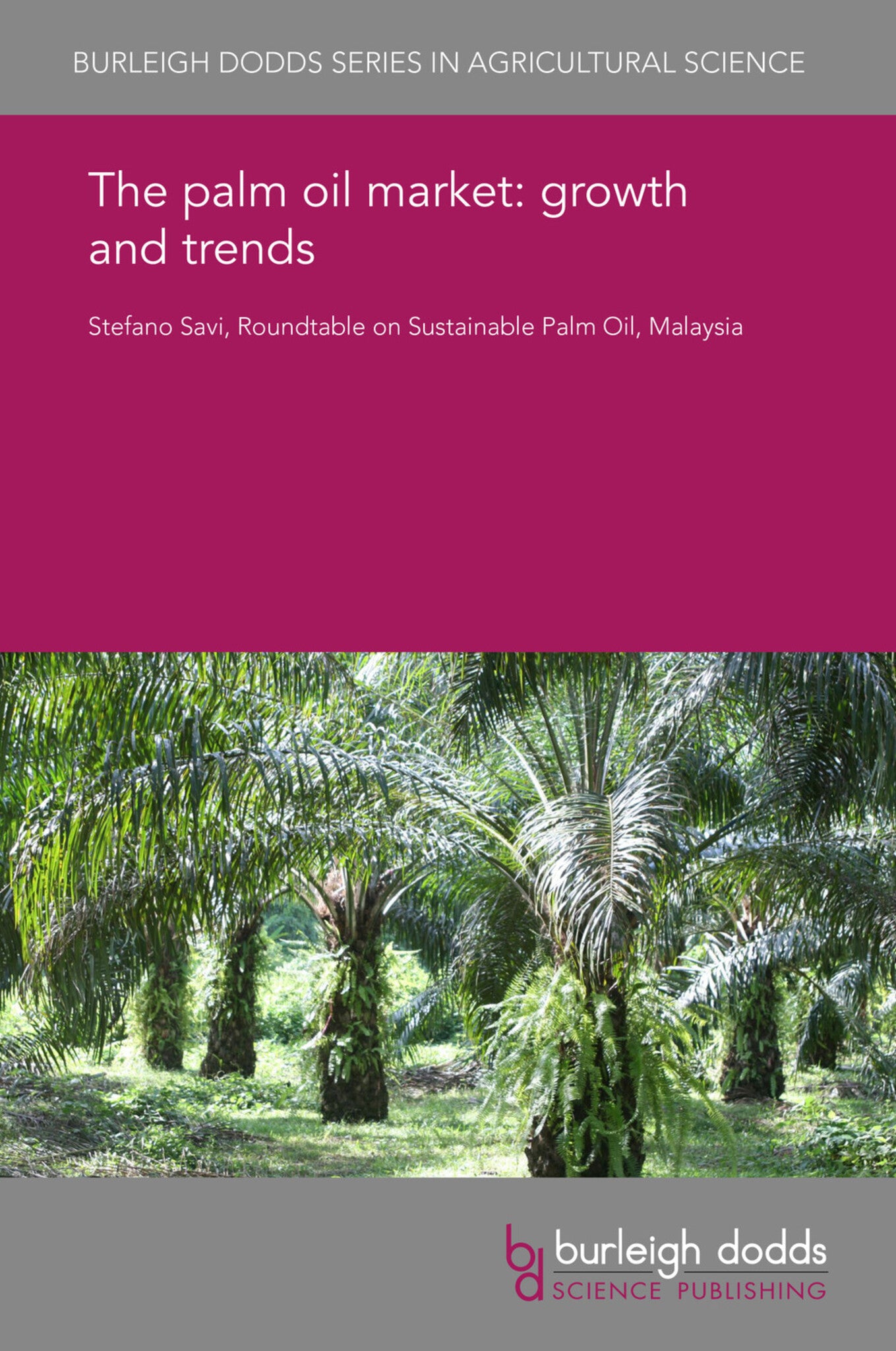
The palm oil market: growth and trends
For many years, palm oil has proved to be the most productive, highest yielding oil crops, with a yield 4 to 10 times higher than any other vegetable oil, a factor that has helped palm oil become the most consumed vegetable oil in the world. This chapter provides an overview of oil palm cultivati...
Read MoreRegular price £25.00Sale price £25.00 Regular price £25.00Unit price per -
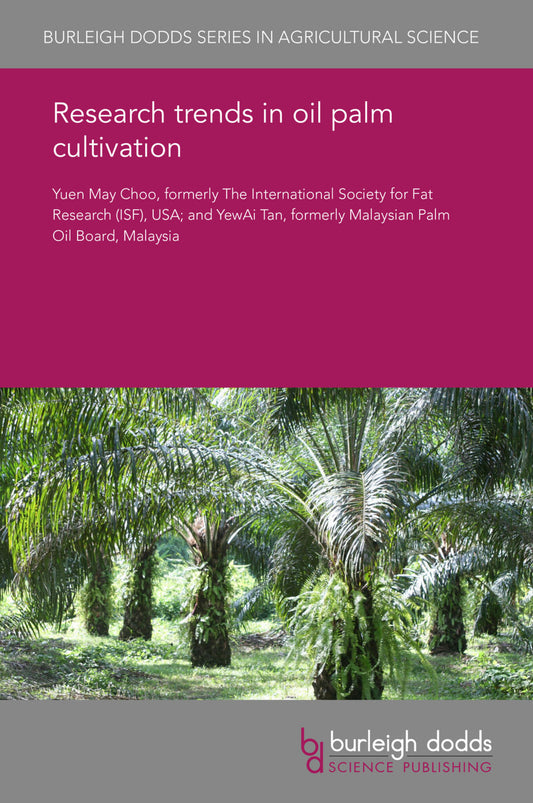
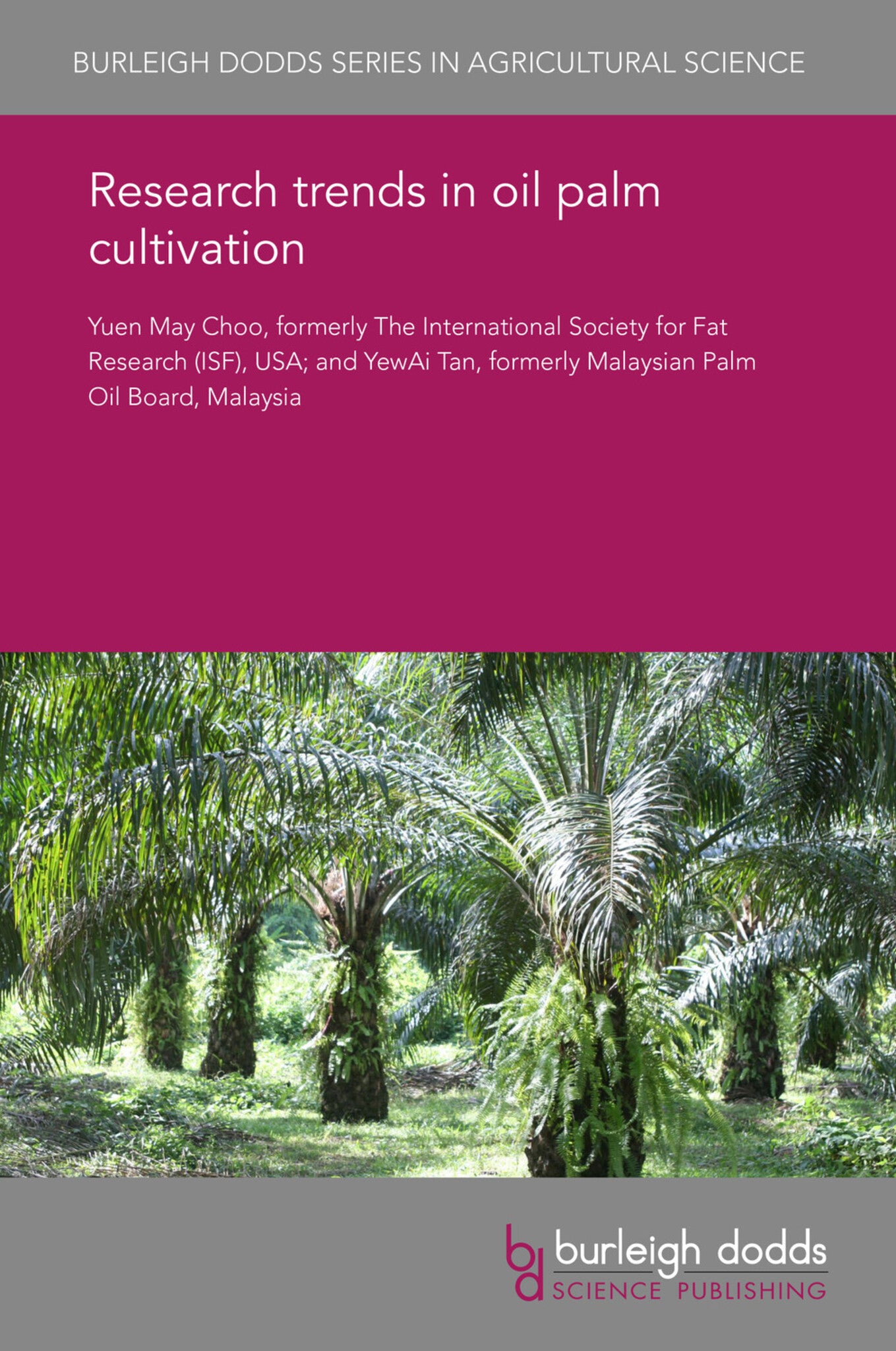
Research trends in oil palm cultivation
Since its establishment as a commercial crop in Malaysia in 1917, palm oil has become the most important vegetable oil traded in the world. Its standing in the world market is attributed to the oil’s versatile applications, stable supply and affordability. With the estimated global world populati...
Read MoreRegular price £25.00Sale price £25.00 Regular price £25.00Unit price per -
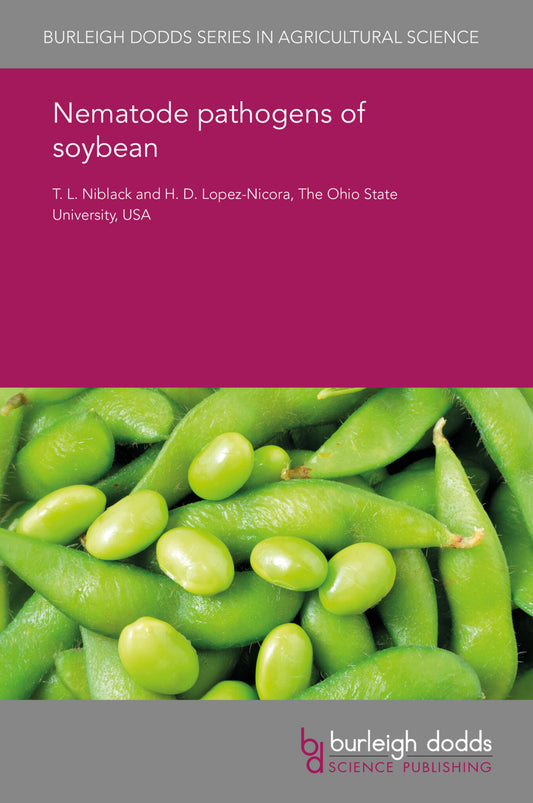
Nematode pathogens of soybean
In general, plant-parasitic nematodes that may detrimentally affect soybean production are microscopic roundworms that feed on or are in plant roots. This chapter examines the origins and management of a variety of parasitic nematodes affecting soybean, including soybean cyst nematodes, root-knot...
Read MoreRegular price £25.00Sale price £25.00 Regular price £25.00Unit price per -
Advances in conventional breeding techniques for oil palm
At the beginning of the 20th century, oil palm was a semi-wild crop which had not been subjected to breeding efforts. This chapter will review the history of oil palm breeding, starting from the beginning of the 20th century up to the present day. We will discuss breeding objectives, breeding met...
Read MoreRegular price £25.00Sale price £25.00 Regular price £25.00Unit price per -
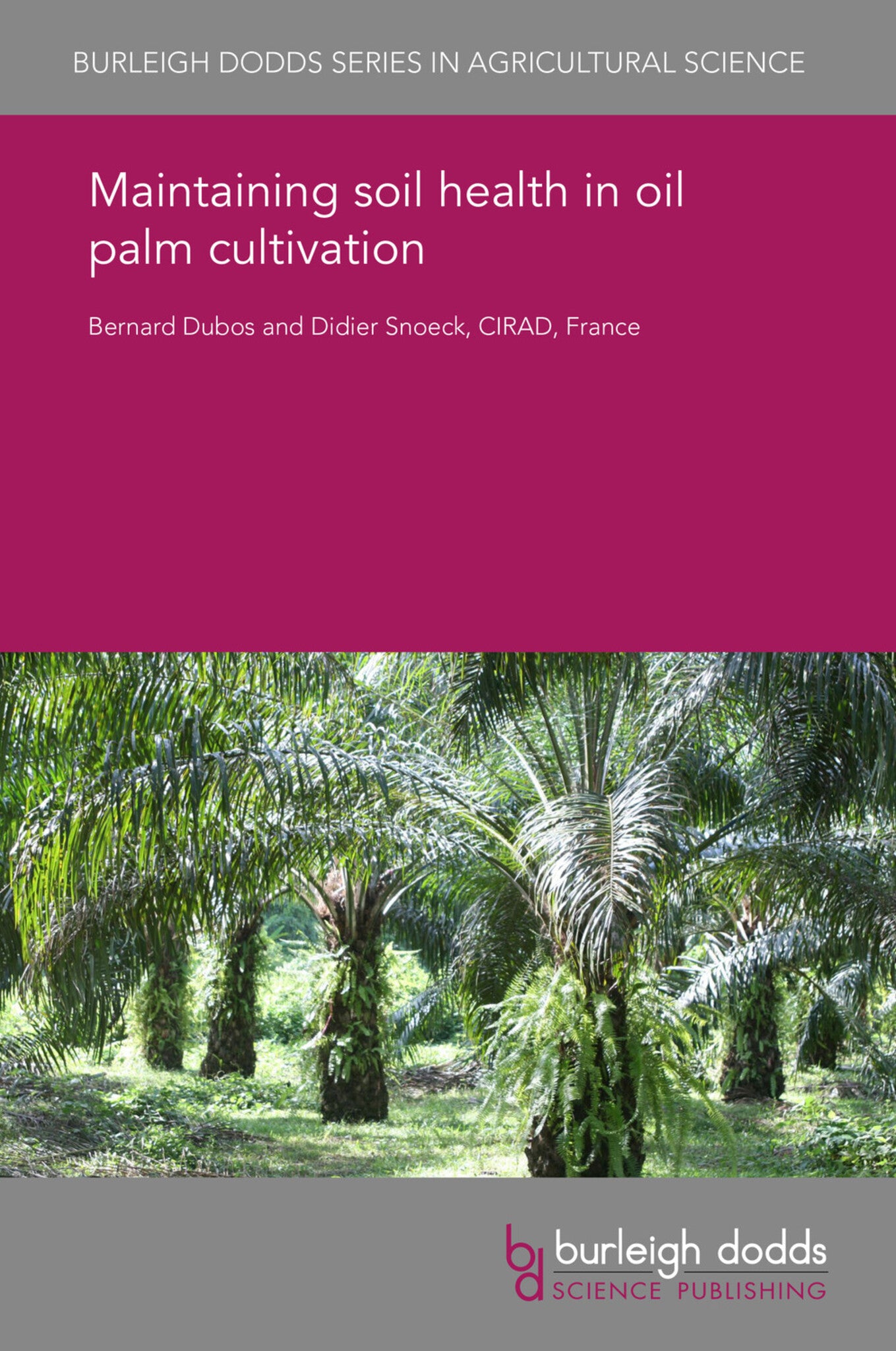
Maintaining soil health in oil palm cultivation
Many existing oil palm plantations were set up after clearing equatorial and tropical rainforests. In tropical forests, the topsoil is where the fertility lies due to its physico-chemical properties, developed through an accumulation of organic matter and intense biological activity. In the first...
Read MoreRegular price £25.00Sale price £25.00 Regular price £25.00Unit price per -
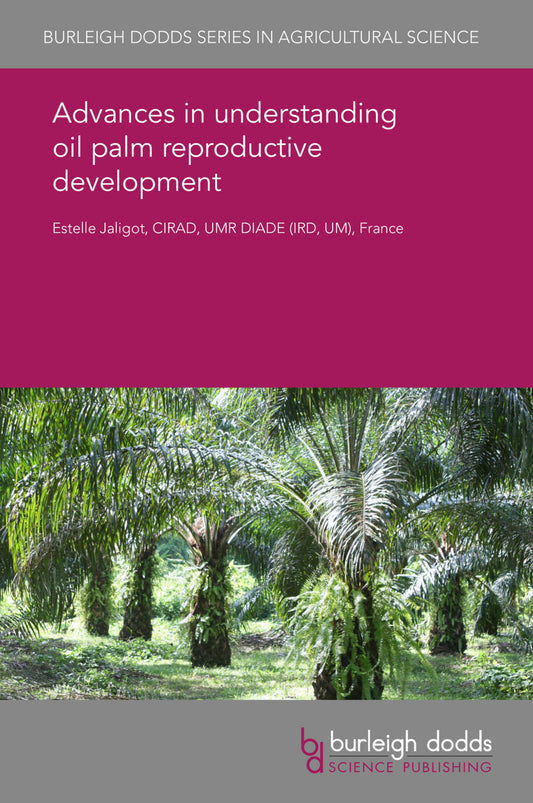
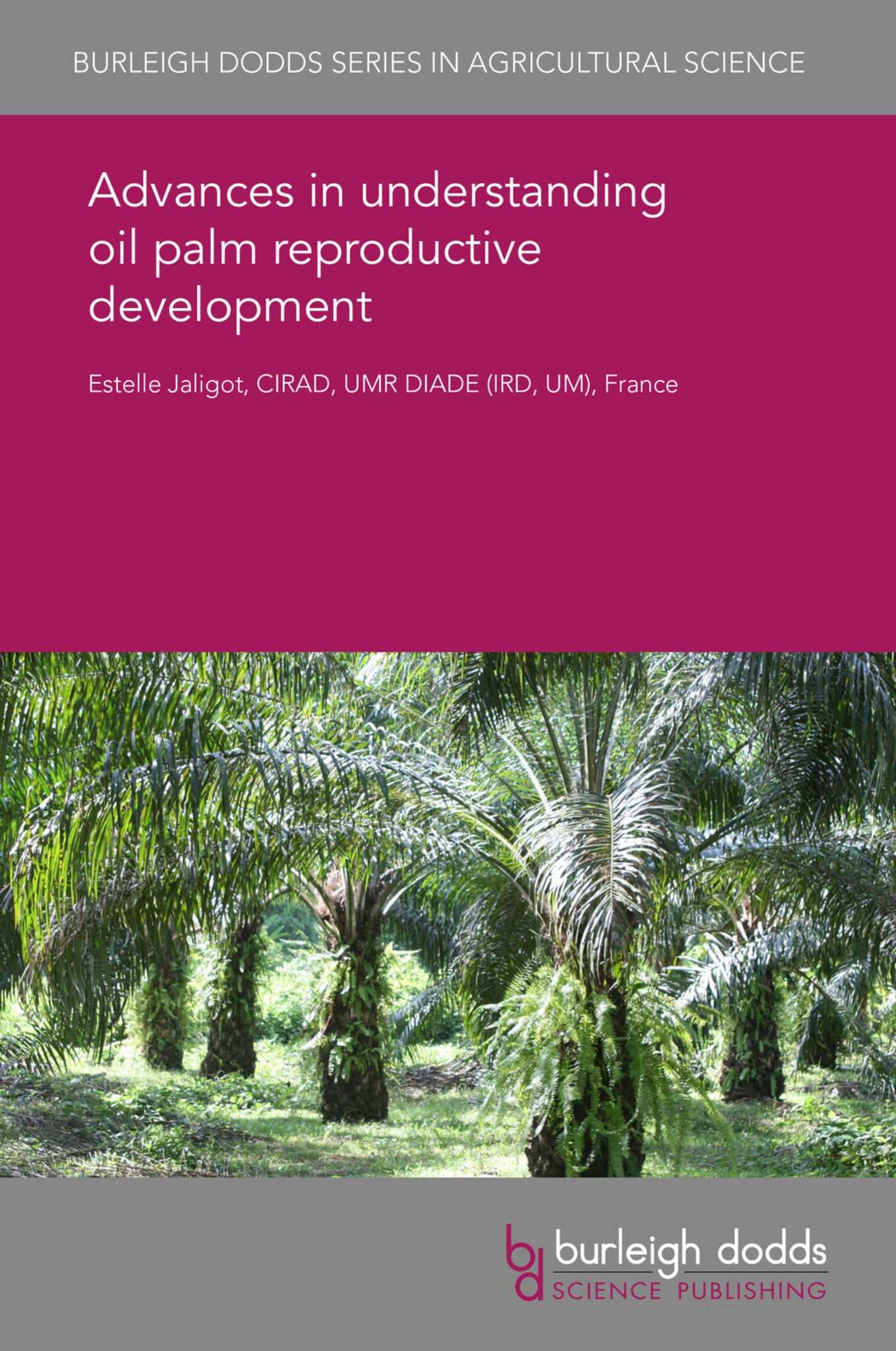
Advances in understanding oil palm reproductive development
As for many other crops, yield components of oil palm rely partly on the optimal implementation of its reproductive development. As a result, studies focusing on the mechanisms underlying sex ratio determination, inflorescence development or fruit maturation have rapidly multiplied, significantly...
Read MoreRegular price £25.00Sale price £25.00 Regular price £25.00Unit price per -
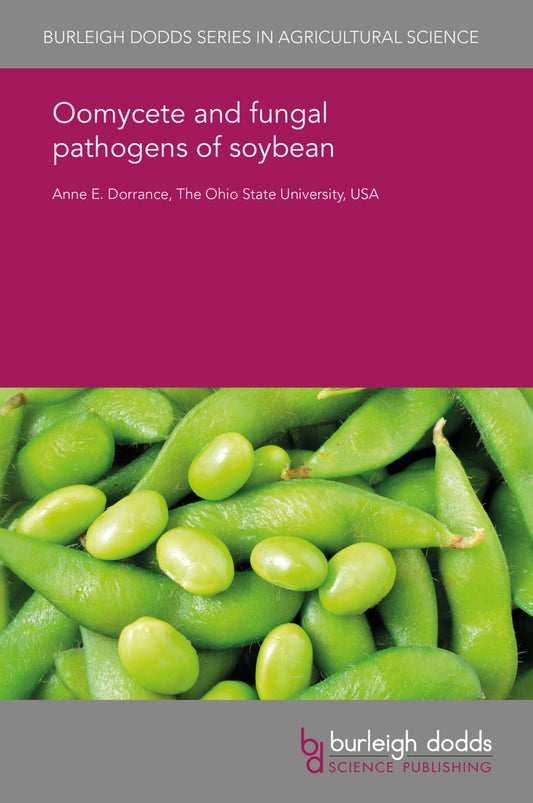
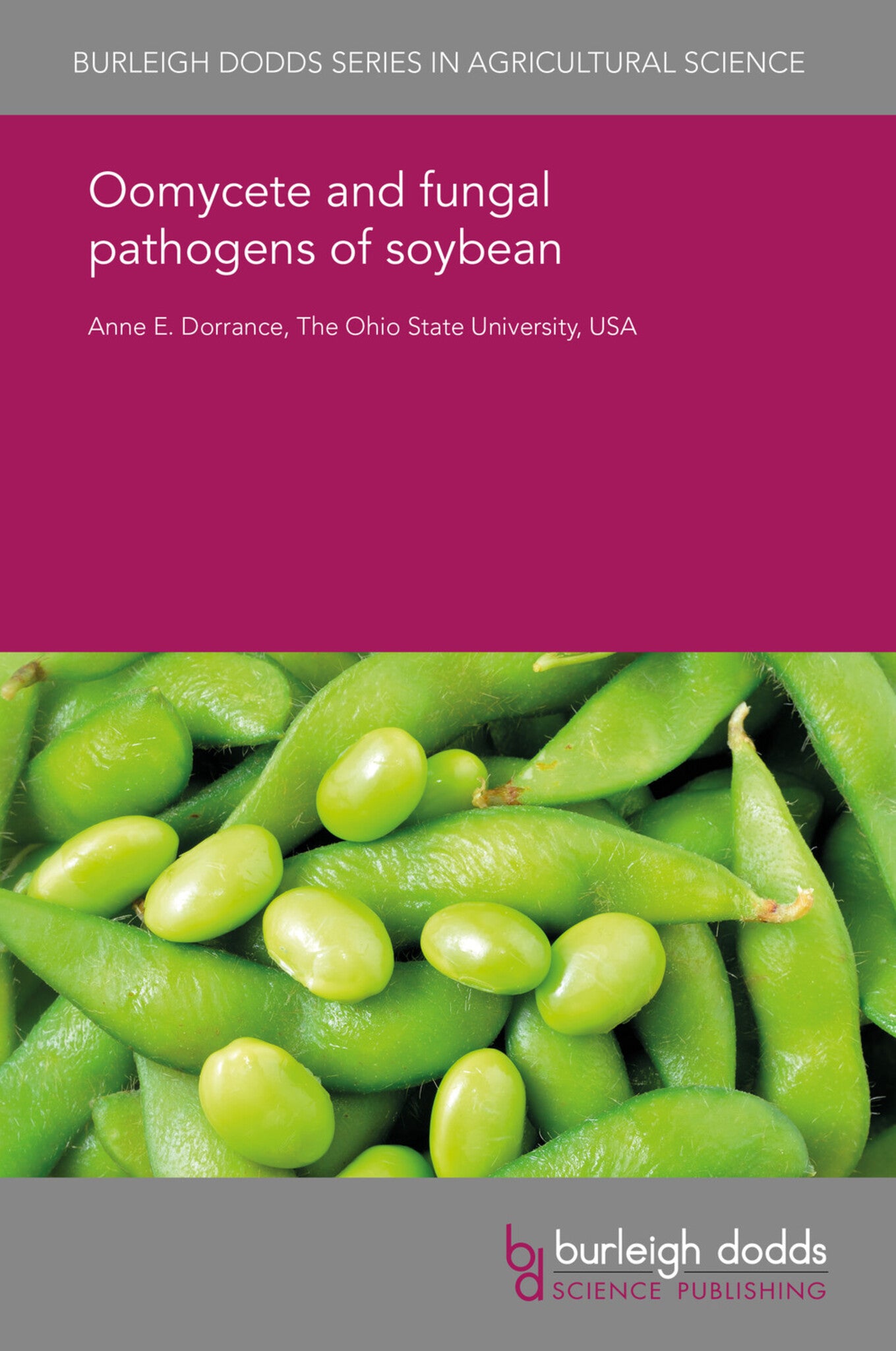
Oomycete and fungal pathogens of soybean
Soybean production faces numerous biotic challenges, leading to significant yield losses each year. This chapter addresses oomycete and fungal pathogens of soybean. Case studies on the oomycete pathogens Phytophthora sojae and Pythium species as well as the true fungi Cercospora sojina, Phakopsor...
Read MoreRegular price £25.00Sale price £25.00 Regular price £0.00Unit price per -
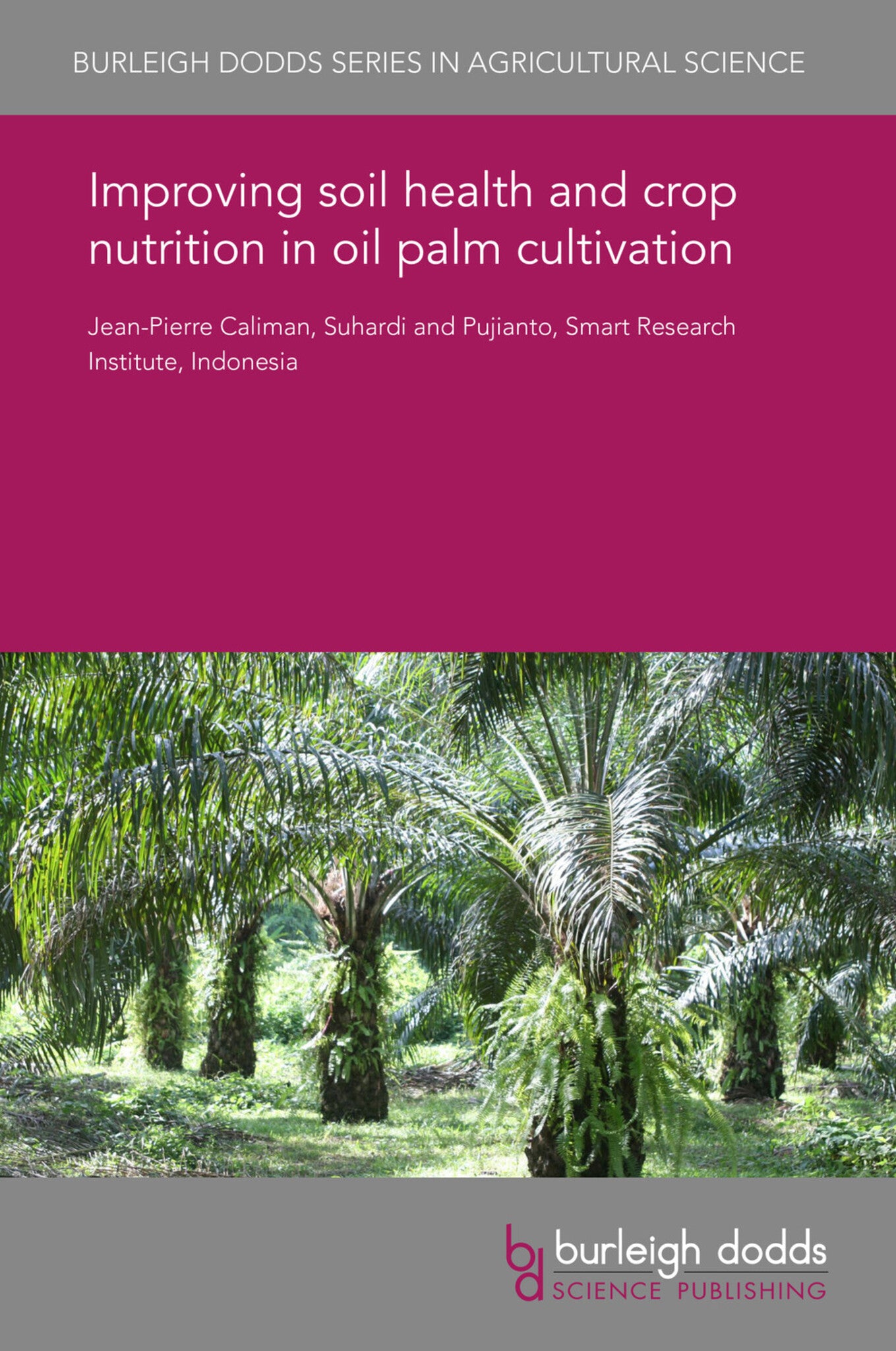
Improving soil health and crop nutrition in oil palm cultivation
Soil health is increasingly regarded as a key factor in oil palm nutrition and productivity. This chapter presents the current state of knowledge about soil and nutrient management through several examples of efficient and productive oil palm cultivation. The chapter highlights the challenges whi...
Read MoreRegular price £25.00Sale price £25.00 Regular price £25.00Unit price per -
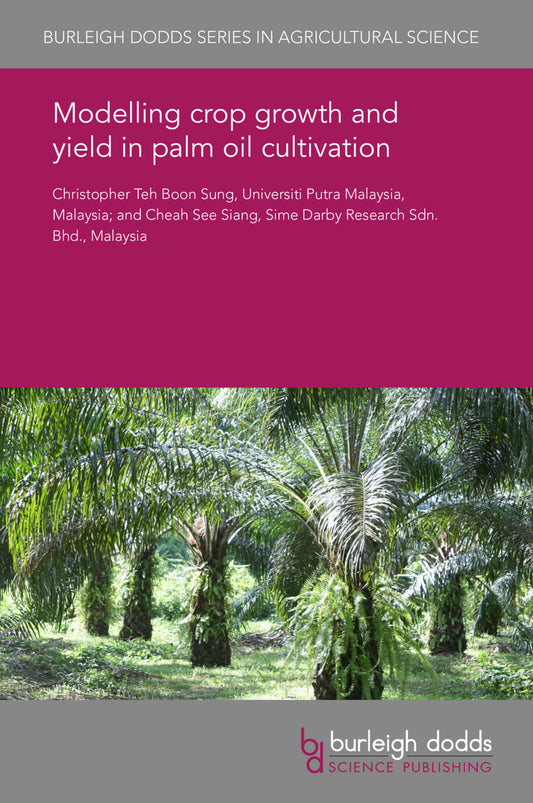
Modelling crop growth and yield in palm oil cultivation
Since the development of the first semi-mechanistic oil palm model, OPSIM, the development of new oil palm models has increased in frequency, aiming to take into account aspects of oil palm physiology and the physical processes and causal relationships between the environment and the crop. This c...
Read MoreRegular price £25.00Sale price £25.00 Regular price £25.00Unit price per -
Bacterial and viral diseases affecting soybean production
Pathogens of soybean include bacteria, fungi, nematodes, oomycetes, parasitic plants and viruses. Losses due to diseases are estimated to be about 14% of total soybean production. In this chapter, we review bacterial blight, pustule, tan spot and wilt, as well as a few other bacterial diseases af...
Read MoreRegular price £25.00Sale price £25.00 Regular price £25.00Unit price per -
Sustainability pathways in oil palm cultivation: a comparison of indonesia, colombia and cameroon
Oil palm development is a major subject in controversies over sustainable agriculture. Economic benefits are very high due to the crop characteristics and its impact on smallholder development and economic growth. Producer countries have targeted oil palm expansion to meet national and global dem...
Read MoreRegular price £25.00Sale price £25.00 Regular price £25.00Unit price per -
The palm oil governance complex: progress, problems and gaps
Oil palm expansion has delivered economic development in host countries, including indirect benefits for local infrastructure development and rural poverty reduction, and multiplier effects for the national economies. However, its development has often come at the cost of basic rights and of biod...
Read MoreRegular price £25.00Sale price £25.00 Regular price £25.00Unit price per -
Allergens in soybean
Soybean protein is one of the most significant sources of food allergens and intolerance, causing both IgE-mediated allergy and food protein-induced endocolitis syndrome (FPIES). This chapter first discusses the mechanisms causing allergies and infantile food intolerance. It reviews what we know ...
Read MoreRegular price £25.00Sale price £25.00 Regular price £25.00Unit price per -
Diversity in the genetic resources of oil palm
Oil palm planting materials are based on an extremely narrow genetic base, and it has been generally recognized that the narrowness of the gene pool is a major obstacle towards increasing yields in many crops including oil palm. This chapter discusses the rather narrow genetic base of current bre...
Read MoreRegular price £25.00Sale price £25.00 Regular price £25.00Unit price per -
Advances in pest-resistant varieties of soybean
A number of insect pests have been threatening soybean production in North America, including lepidopteran defoliators, coleopteran defoliators and hemipteran sapsuckers. Among various control methods, host-plant resistance has been of the greatest interest as it is economically and environmental...
Read MoreRegular price £25.00Sale price £25.00 Regular price £25.00Unit price per -
Integrated weed management in soybean cultivation
Almost all soybean fields have weed infestations that must be managed by farmers to sustain economic viability. This chapter reviews the integrated weed-management approach, which utilizes the contributions of plant breeding, cultural, mechanical and chemical practices in suppressing weed populat...
Read MoreRegular price £25.00Sale price £25.00 Regular price £25.00Unit price per -
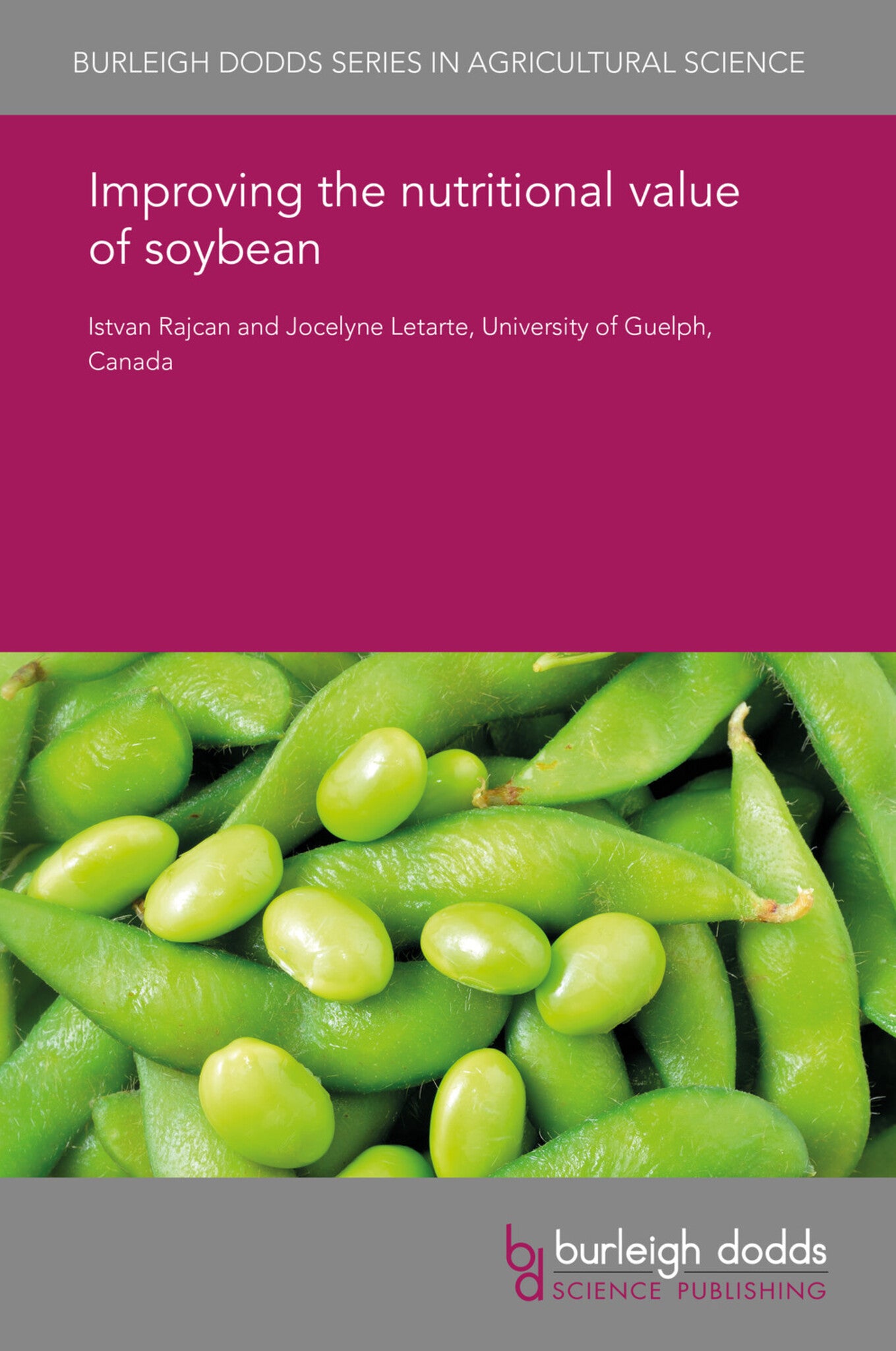
Improving the nutritional value of soybean
Soybean is grown for its high oil and protein concentration and profile in the seed. Numerous studies have been carried out to determine the underlying genetics of soybean seed composition traits and develop molecular markers that can aid in the breeding of soybean cultivars with enhanced nutriti...
Read MoreRegular price £25.00Sale price £25.00 Regular price £25.00Unit price per -
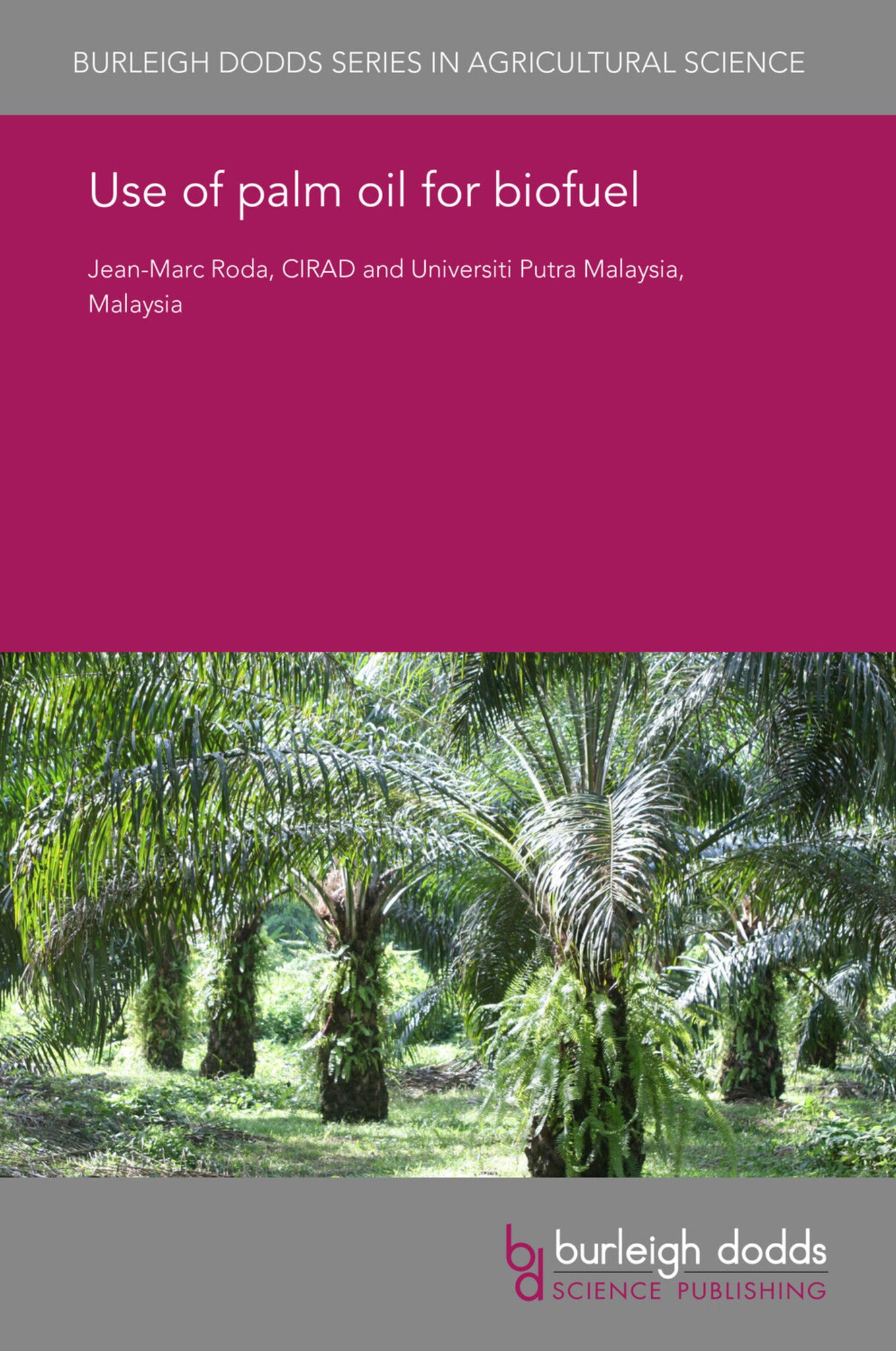
Use of palm oil for biofuel
The use of fossil fuels depletes the world’s limited supply of coal, oil and gas and releases stocked CO2 into the atmosphere. Biofuels, derived from biomass, are renewable and carbon neutral, because consumption merely releases CO2 that was taken from the atmosphere by the growing biomass a few ...
Read MoreRegular price £25.00Sale price £25.00 Regular price £25.00Unit price per -
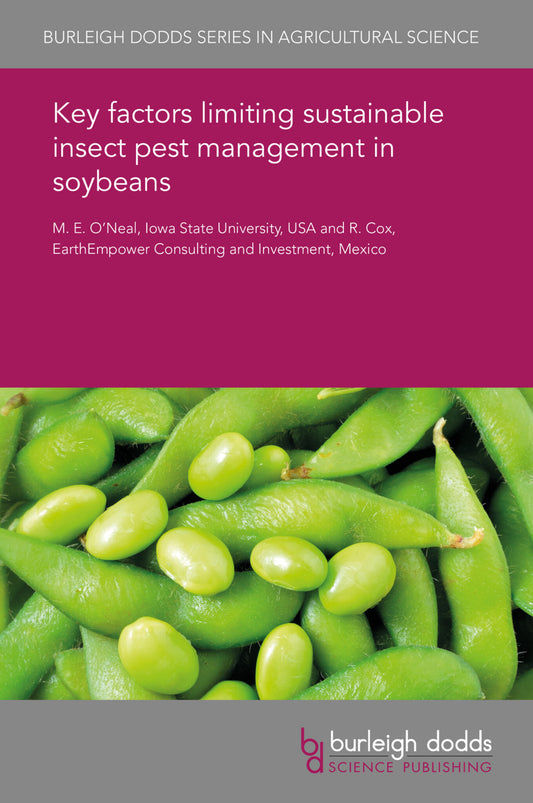
Key factors limiting sustainable insect pest management in soybeans
If sustainability implies the preservation of resources for future generations, then pest management tools, like insecticides and insect-resistant varieties, can be considered resources that should be preserved for future generations. Overuse of these tools can result in resistance such that thei...
Read MoreRegular price £25.00Sale price £25.00 Regular price £25.00Unit price per -
Managing the soil biological community to improve soil health and reduce losses from nematode pests
Plant-parasitic nematodes commonly cause yield losses of 10 to 20% in sugarcane, largely because varieties with resistance to key pests such as Pratylenchus and Meloidogyne are unavailable, rotation crops provide only temporary control and nematicides are prohibitively expensive. Given the inadeq...
Read MoreRegular price £25.00Sale price £25.00 Regular price £25.00Unit price per -
Diseases affecting barley: scald
Scald (leaf blotch), caused by the hemibiotrophic pathogen Rhynchosporium commune, is one of the major diseases of barley worldwide. Typical disease symptoms consist of necrotic areas on the leaf blades. Yield losses are manifested as reduced kernel quality, size and number per ear. This chapter ...
Read MoreRegular price £25.00Sale price £25.00 Regular price £25.00Unit price per -
Balancing oil palm cultivation with forest and biodiversity conservation
With the formation of the Roundtable for Sustainable Palm Oil, environmentalists and consumers anticipated a decrease in the indiscriminate destruction of tropical rainforests. Ten years later, thousands of hectares of tropical rainforests continue to be cleared for oil palm plantations in the tr...
Read MoreRegular price £25.00Sale price £25.00 Regular price £25.00Unit price per -


The nutritional and nutraceutical/functional properties of mangoes
Mangoes can be considered a major source of bioactive compounds, notably vitamin C, phenolics (mainly gallic acid) and carotenoids, among which many are provitamin A. This chapter describes the claimed health benefits associated with the antioxidant properties of these compounds, which potentiall...
Read MoreRegular price £25.00Sale price £25.00 Regular price £25.00Unit price per -
Organic mango production: a review
In recent years the demand for organic mango, along with the health concerns of consumers, has increased. Few technologies are currently available to support organic mango production systems in the main mango-growing regions. This chapter explains current technologies for field sustainable and or...
Read MoreRegular price £25.00Sale price £25.00 Regular price £25.00Unit price per -


Mango cultivation practices for the subtropics
Mango is well adapted to hot, tropical climates. However, it can also be grown in the mild subtropics, where cooler winter temperatures improve flower induction and cause early bearing and lower annual growth rates, which help to control size and favour high-density plantings. There are also disa...
Read MoreRegular price £25.00Sale price £25.00 Regular price £0.00Unit price per -
Advances in understanding flowering, pollination and fruit development in mangoes
The number of flowers produced by a mango plant is determined a year before production via induction, initiation and floral differentiation processes. The number of fruits will depend the success of the pollination, fecundation and fruit set processes. This chapter addresses flowering, pollinatio...
Read MoreRegular price £25.00Sale price £25.00 Regular price £25.00Unit price per -
Integrated pest management and biological pest control strategies in mango cultivation
Integrated pest management (IPM) is the compatible use of various methods to control pests; methods include biological control, cultural control and chemical control. Chemical control should be used as a last resort and should be restricted to selective and less disruptive insecticides. This chap...
Read MoreRegular price £25.00Sale price £25.00 Regular price £25.00Unit price per -
Improving fertilizer and water-use efficiency in mango cultivation
The irrigation requirements of mango have not been adequately investigated, and very few studies have been conducted on regulated deficit irrigation (RDI) strategies at different phenological stages. The aim of this chapter is to suggest how research in the field of irrigation and fertilization c...
Read MoreRegular price £25.00Sale price £25.00 Regular price £25.00Unit price per -
Monitoring fruit quality and quantity in mangoes
This chapter explores quality of mango from the perspectives of the grower, the packer, the retailer and the consumer. The chapter examines specifications for fruit at harvest maturity and at commercial maturity (eating stage), as well as technologies for monitoring relevant attributes, including...
Read MoreRegular price £25.00Sale price £25.00 Regular price £25.00Unit price per -
Integrated disease management in mango cultivation
Mango, Mangifera indica L., is affected by a great number of fruit, foliar, stem and root diseases. This chapter covers diseases that seriously impact the crop. Their significance, geographical distribution and history are outlined, and the symptoms, causal agent(s) and epidemiology of each are...
Read MoreRegular price £25.00Sale price £25.00 Regular price £25.00Unit price per -
Advances in understanding mango tree growth and canopy development
The mango tree canopy acts not only as a carbohydrate factory, through photosynthesis, and as a support for reproduction; it is also the place where vegetative growth occurs and the tree develops. The spatial and temporal proximity of vegetative and reproductive growth in the mango tree canopy le...
Read MoreRegular price £25.00Sale price £25.00 Regular price £25.00Unit price per -
Life cycle assessment of mango systems
Mango production systems have seldom been studied using the methodology of life cycle assessment (LCA). Important challenges are associated with the application of LCA to the environmental evaluation of fruit systems in general and mango in particular. This chapter describes the core principles o...
Read MoreRegular price £25.00Sale price £25.00 Regular price £25.00Unit price per -
Mango cultivation in greenhouses
Mangoes are grown throughout South East Asia and in around one hundred countries all over the tropical and subtropical belt. In Japan, as well as in Spain and Portugal, they are cultivated in greenhouses and specific techniques are used to maximise the production and quality and to ensure efficie...
Read MoreRegular price £25.00Sale price £25.00 Regular price £25.00Unit price per -
The genetic diversity of mangoes
This chapter provides a list of the principal mango cultivars, selected on the basis of their local and global importance. The description of cultivars is based on evaluations conducted by Fairchild Tropical Botanic Garden in Miami, Florida. The data reflects some 30 years of research. Descriptio...
Read MoreRegular price £25.00Sale price £25.00 Regular price £25.00Unit price per -
Understanding post-harvest deterioration of mangoes
Post-harvest deterioration in the quality of mangoes is determined in large measure by pre-harvest factors ranging from the cultivar grown to orchard management and harvest practices. This chapter describes the changes related to ripening in mangoes and the pre-harvest, in-harvest and post-harves...
Read MoreRegular price £25.00Sale price £25.00 Regular price £25.00Unit price per -
Mango cultivation practices in the tropics: good agricultural practices to maximize sustainable yields
Mango is grown in more than 100 countries and is a commercially important fruit for many countries in the tropics. However, mango cultivation faces various problems which require urgent attention if sustainable production is to be achieved. This chapter reviews the factors which affect mango prod...
Read MoreRegular price £25.00Sale price £25.00 Regular price £25.00Unit price per -
Exploiting the mango genome: molecular markers
As in other crops, the development of molecular tools is allowing significant progress in understanding different aspects of mango biology. This chapter reviews advances made in the use of different molecular tools in mango in the last decades, including biochemical markers and DNA research. The ...
Read MoreRegular price £25.00Sale price £25.00 Regular price £25.00Unit price per -
Post-harvest storage management of mango fruit
As soon as a high-quality fruit and good yield are achieved, the mango fruit is harvested and the post-harvest-handling venture begins. It is estimated that, from harvest to plate, more than one-third of the fruit yield is lost. The purpose of this chapter is to review existing information and re...
Read MoreRegular price £25.00Sale price £25.00 Regular price £25.00Unit price per -
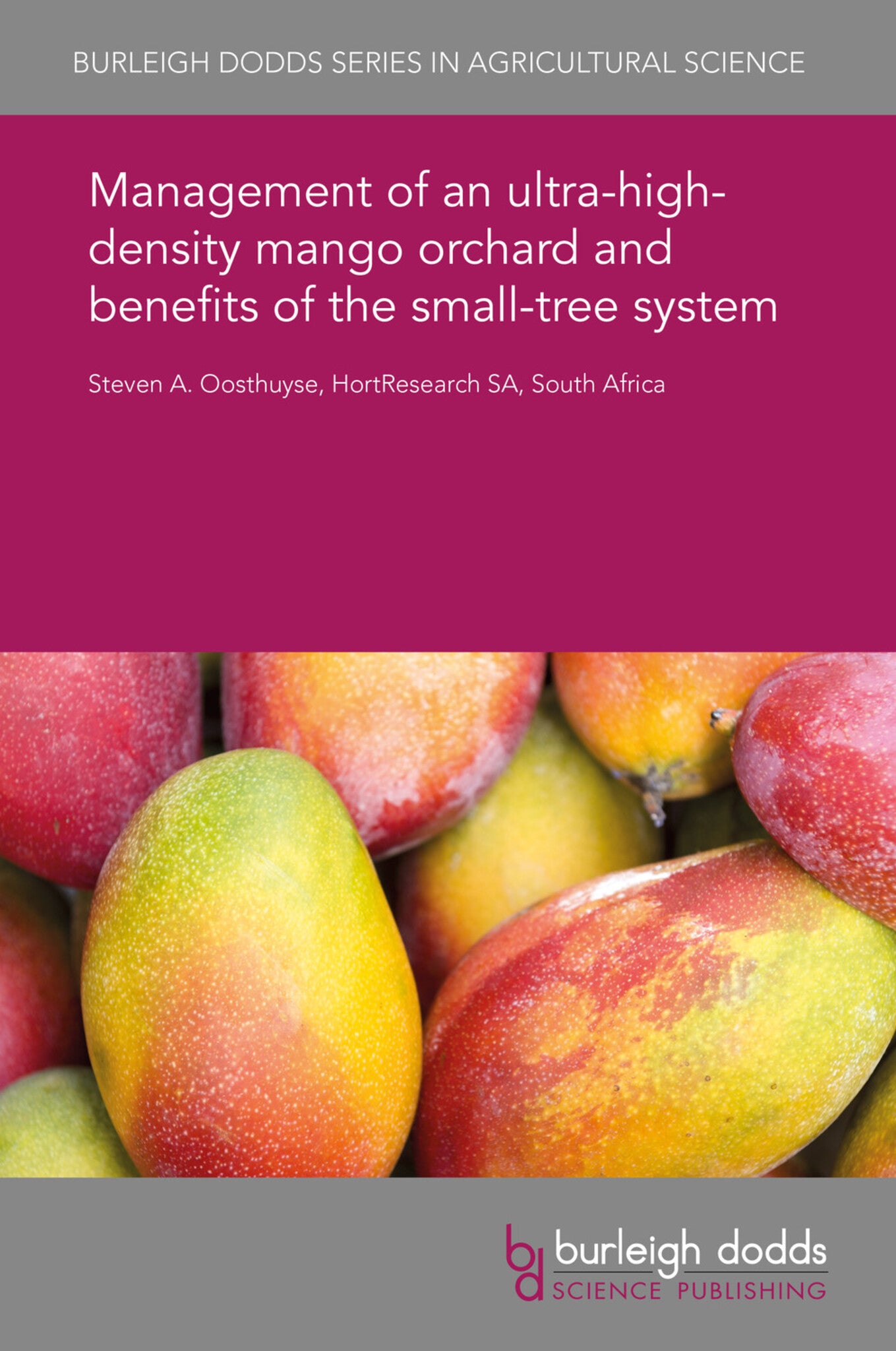
Management of an ultra-high-density mango orchard and benefits of the small-tree system
There are many advantages in establishing mango hedgerows in such a way that their height for optimal light utilization does not exceed 2m and their width 1m. The terminal shoots, inflorescences and fruits on such trees are within easy reach of farm workers. The fruits, as opposed to branches and...
Read MoreRegular price £25.00Sale price £25.00 Regular price £25.00Unit price per -
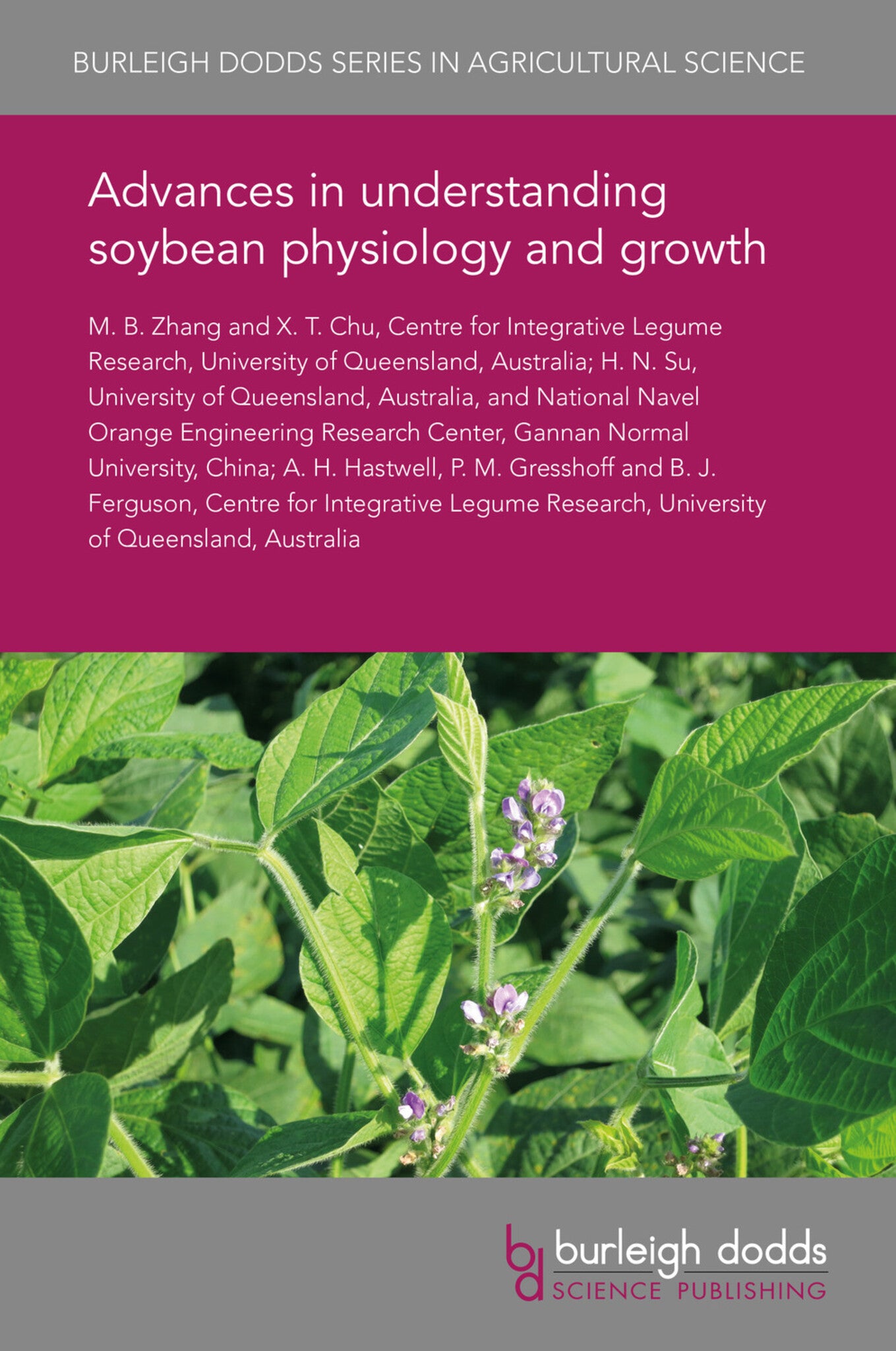
Advances in understanding soybean physiology and growth
Soybean is one of the world’s most widely grown and economically significant crops, having an extensive range of end uses. Understanding soybean growth and physiology is paramount to maximising its productivity and optimising its yield. This chapter highlights recent advances in understanding soy...
Read MoreRegular price £25.00Sale price £25.00 Regular price £0.00Unit price per -
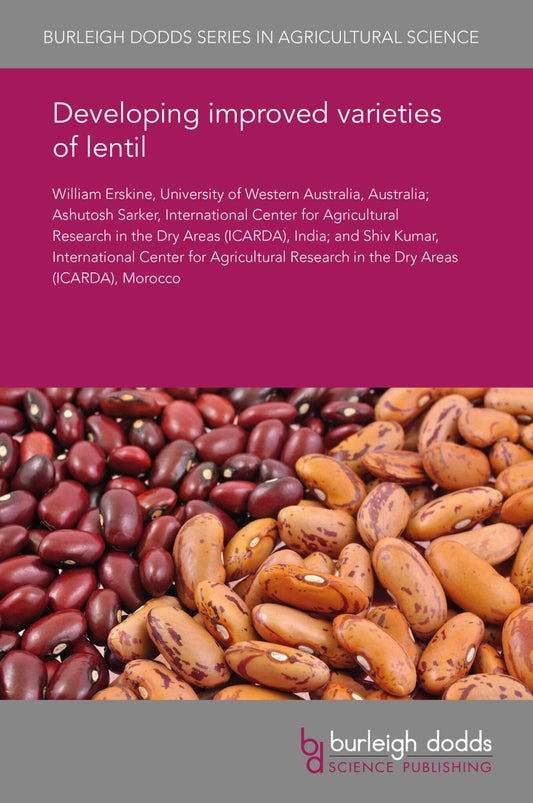
Developing improved varieties of lentil
Lentil is a popular pulse consumed primarily in Asia. It has a protein content of approx. 28% and also contains high amounts of macro- and micro-nutrients. Lentils are cropped under rainfed conditions and on residual/conserved soil moisture, and their inclusion in rotation benefits succeeding cro...
Read MoreRegular price £25.00Sale price £25.00 Regular price £25.00Unit price per -


The use of marker-assisted selection in developing improved varieties of soybean
Marker-assisted selection (MAS) for soybean improvement is based on over two thousand mapped loci. In genetics databases there are thousands of mapped loci that underlie quantitative traits, oligogenic traits and simple traits. This chapter describes examples of methods for developing and using D...
Read MoreRegular price £25.00Sale price £25.00 Regular price £25.00Unit price per -
Preventing mycotoxin contamination in groundnut cultivation
Aflatoxin contamination of crops and food poses a substantial threat to humans and livestock worldwide. Preventing various Aspergillus species from becoming established and growing on peanuts (groundnut, Arachis hypogaea L.) can reduce aflatoxin contamination. This chapter describes factors that...
Read MoreRegular price £25.00Sale price £25.00 Regular price £25.00Unit price per -


Improving cultivation of cowpea in west africa
Cowpea [Vigna unguiculata (L.) Walp.] is a legume crop of vital importance to the livelihoods of millions of people in West and Central Africa, providing a nutritious grain and an inexpensive source of protein for both rural poor and urban consumers. This chapter examines what constitutes an opti...
Read MoreRegular price £25.00Sale price £25.00 Regular price £0.00Unit price per -
Improving the cultivation of pigeonpea
Production of pigeonpea is constrained by agronomic management techniques such as improper methods of sowing, incorrect sowing time, inadequate seed rate, insufficient weeding, imbalance of fertilization, inadequate intercultural operations, insufficient irrigation and inadequate use of fertilize...
Read MoreRegular price £25.00Sale price £25.00 Regular price £25.00Unit price per -
Improving cultivation practices for common beans
The common bean (Phaseolus vulgaris L.) is perhaps the world’s most important, and the most widely cultivated grain legume. It serves as a food security crop and meets more than 50% of household dietary protein requirements, especially in sub-Saharan Africa. In addition, common bean contributes t...
Read MoreRegular price £25.00Sale price £25.00 Regular price £0.00Unit price per -
Improving cultivation of groundnuts
Genetic and management options are available to realize an optimal pod yield and quality of groundnut production that meets the needs of the processors and consumers, as well as ensuring food safety standards. This chapter discusses various options for groundnut cultivation, from the choice of th...
Read MoreRegular price £25.00Sale price £25.00 Regular price £0.00Unit price per -
Improving cultivation of lentil
Lentil is an important food legume in the semi-arid regions of the world where it can be grown successfully on limited soil moisture and in relatively poor soils. This chapter describes agronomic practices used in lentil-producing countries, addressing methods of land preparation, sowing, harvest...
Read MoreRegular price £25.00Sale price £25.00 Regular price £0.00Unit price per -
Developing improved varieties of pigeonpea
Pigeonpea [Cajanus cajan (L.) Millsp.] is a high protein pulse crop which grows well under biotic and abiotic stress situations. It could play a significant role in meeting the challenges of food security in the tropics and sub-tropics, under the looming threat of drought, warm climate, and risin...
Read MoreRegular price £25.00Sale price £25.00 Regular price £25.00Unit price per -

Improving cultivation practices for soybeans in sub-saharan africa
Soybean production in sub-Saharan Africa (SSA) has significantly increased due to the surge in demand arising from increasing populations and improved incomes. Analysis across SSA revealed an increase in soybean consumption of 7.4% between 1990 and 2011 with more than 50% of the production gap fi...
Read MoreRegular price £25.00Sale price £25.00 Regular price £25.00Unit price per -
Breeding improved varieties of cowpea
Cowpea is an important source of nutritious food and fodder and it is grown as an integral component of various cropping systems in the semi-arid tropics and sub-tropics covering over 65 countries. This chapter describes existing cowpea programs and past challenges, with a particular focus on cow...
Read MoreRegular price £25.00Sale price £25.00 Regular price £25.00Unit price per -
Developing improved varieties of groundnut
Groundnut is an important nutrient-dense crop grown in over 100 countries. Breeding for improved varieties is critical for increasing yields and enhancing quality. This chapter describes the genetic resources of groundnut and their potential for mining desirable traits, potential breeding targets...
Read MoreRegular price £25.00Sale price £25.00 Regular price £25.00Unit price per -
Efficient and sustainable production of faba bean
Faba bean is mainly grown under rain-fed conditions, although irrigated production is important in Egypt, parts of China and central Asia. China is the leading producer with a wide range of intensive rotation and inter-crop holistic cropping systems. The main focus of this chapter is faba bean cu...
Read MoreRegular price £25.00Sale price £25.00 Regular price £25.00Unit price per -
Developing improved varieties of faba bean
The faba bean is an important cool-season food legume crop grown under different cropping systems for dry grain and green pods, animal feed and a green manure worldwide. This chapter presents the major research achievements in producing new varieties of faba bean tolerant of heat, drought and her...
Read MoreRegular price £25.00Sale price £25.00 Regular price £25.00Unit price per -
Developing improved varieties of common bean
The genetic improvement of common bean (Phaseolus vulgaris) has been a century old endeavor at institutions in North America and Mexico. This chapter describes Improvement programs focussing on a wide range of biotic and abiotic production constraints, traits for local adaptation, and consumer qu...
Read MoreRegular price £25.00Sale price £25.00 Regular price £25.00Unit price per -
Developing varieties of robusta coffee
Coffee is one of the important agricultural commodities, contributing substantially to the national exchequers of growing countries. Coffee is generally obtained from two types of coffee plants, namely Arabica and Robusta; the two species differ from each other in their centre of origin, breeding...
Read MoreRegular price £25.00Sale price £25.00 Regular price £25.00Unit price per -
Developments in molecular breeding techniques in robusta coffee
As a perennial crop, faster breeding methods are needed for coffee to be able to cope with the challenges of climate change that lie ahead. This chapter focuses on the state of the art of developed molecular tools, characterized traits, quantitative trait loci and candidate genes already describe...
Read MoreRegular price £25.00Sale price £25.00 Regular price £25.00Unit price per -


Diversity and genome evolution in coffee
While the worldwide production of coffee relies on a small number of cultivars with reduced diversity, wild coffee trees represent huge reserves of genetic diversity that could help to mitigate the effects of unstable climate and plant diseases, as well as modify the wealth of health-related chem...
Read MoreRegular price £25.00Sale price £25.00 Regular price £25.00Unit price per -
Beneficial compounds from coffee leaves
Leaves are the leading source of carbon for plant growth and reproduction, and possess a wide range of protection systems against environmental stress. The leaves of the coffee plant, characterized by a high antioxidant potential, have a significant impact on fruit quality, and identifying marker...
Read MoreRegular price £25.00Sale price £25.00 Regular price £25.00Unit price per

We're sorry. An error has occurred
Please cancel or retry.


