


-

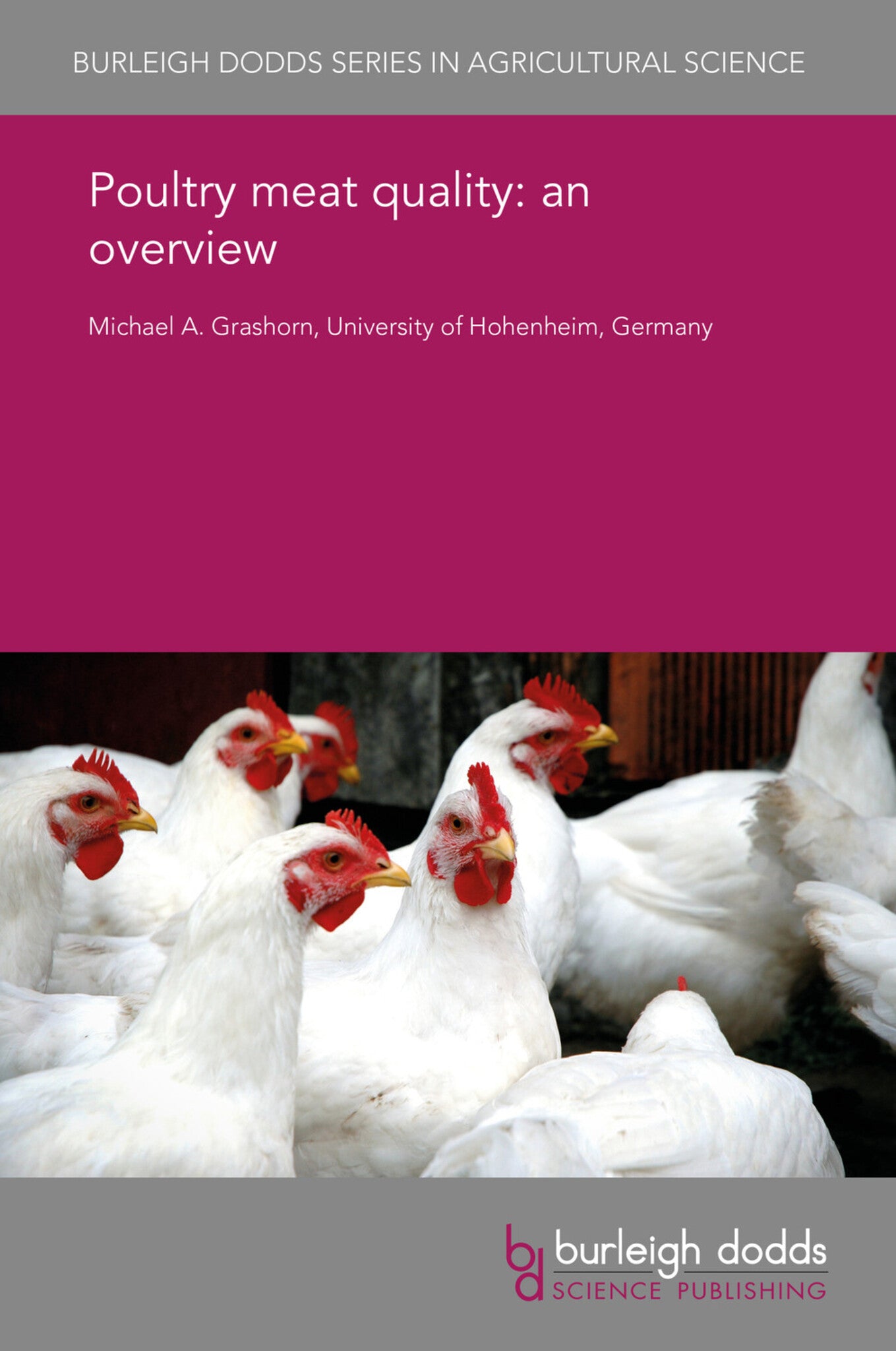
Poultry meat quality: an overview
Meat quality is a complex issue, with different requirements from consumers and processors. Consumption quality is based on an assessment of subjective sensory qualities, nutritive value and assurance that animal welfare issues have been respected. In contrast, processing quality is mainly based ...
Read MoreRegular price £25.00Sale price £25.00 Regular price £25.00Unit price per -
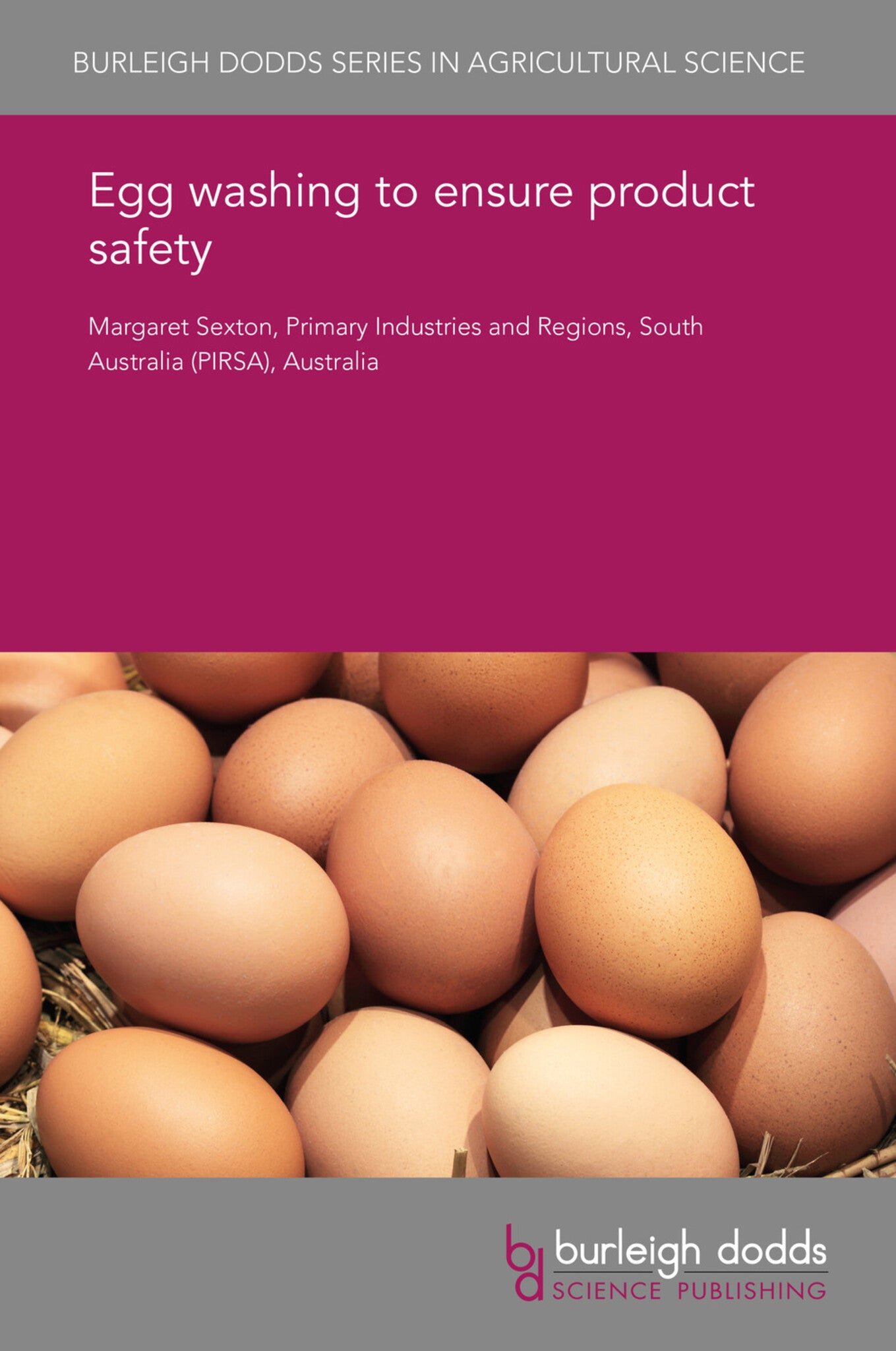
Egg washing to ensure product safety
The structure of eggs poses specific problems for washing, especially in large commercial operations. However, washing is a valuable process, both to make eggs look clean and to reduce the bacterial load on the shell. This chapter reviews those properties of eggs that are relevant to the washing ...
Read MoreRegular price £25.00Sale price £25.00 Regular price £25.00Unit price per -
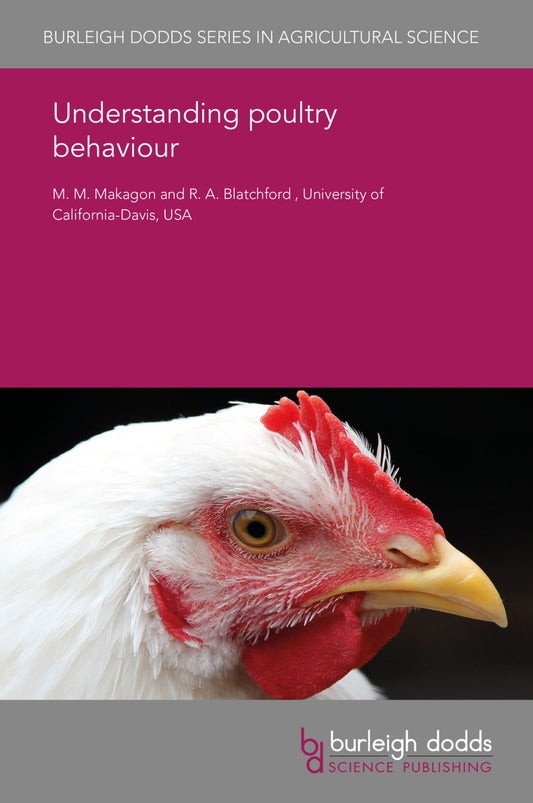
Understanding poultry behaviour
In the context of poultry production, behavioural studies have been particularly useful for optimizing management strategies and understanding the welfare of commercially raised poultry. This chapter aims to provide an overview of the contributions that the study of animal behaviour has made to p...
Read MoreRegular price £25.00Sale price £25.00 Regular price £25.00Unit price per -
Minimizing the environmental impact of poultry production through improved feed formulation
Every year, millions of broilers, turkeys and laying hens are raised to supply eggs and meat to an increasing number of consumers. Along with the growth of the commercial poultry industry, waste generated in live production operations and processing plants has become an important environmental co...
Read MoreRegular price £25.00Sale price £25.00 Regular price £25.00Unit price per -
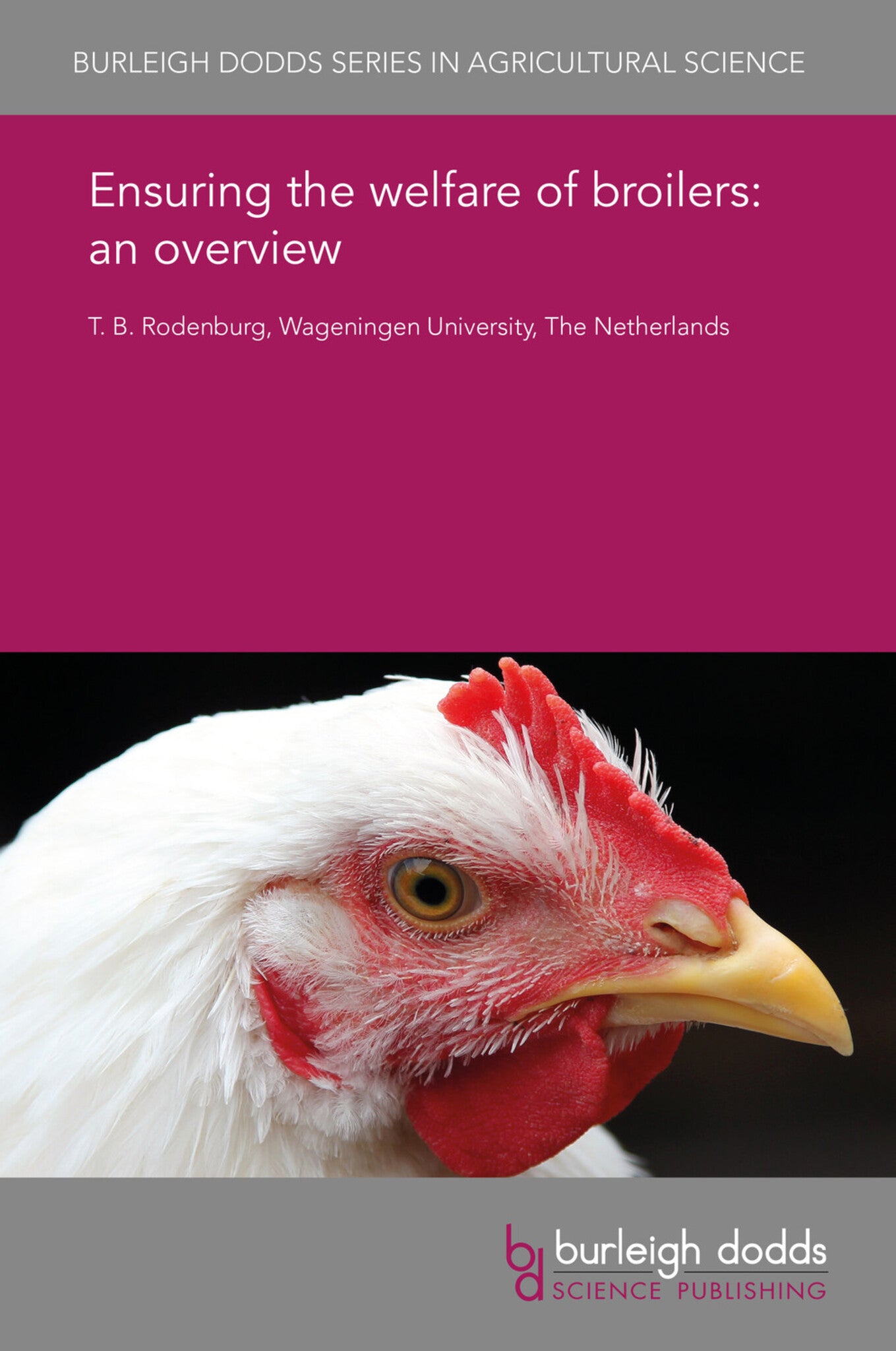
Ensuring the welfare of broilers: an overview
Genetic selection for highly efficient, fast-growing broilers has had negative effects on broiler welfare, and the high stocking densities used in some broiler production systems also have a negative impact on welfare. This chapter examines the welfare problems arising from these two factors, and...
Read MoreRegular price £25.00Sale price £25.00 Regular price £25.00Unit price per -
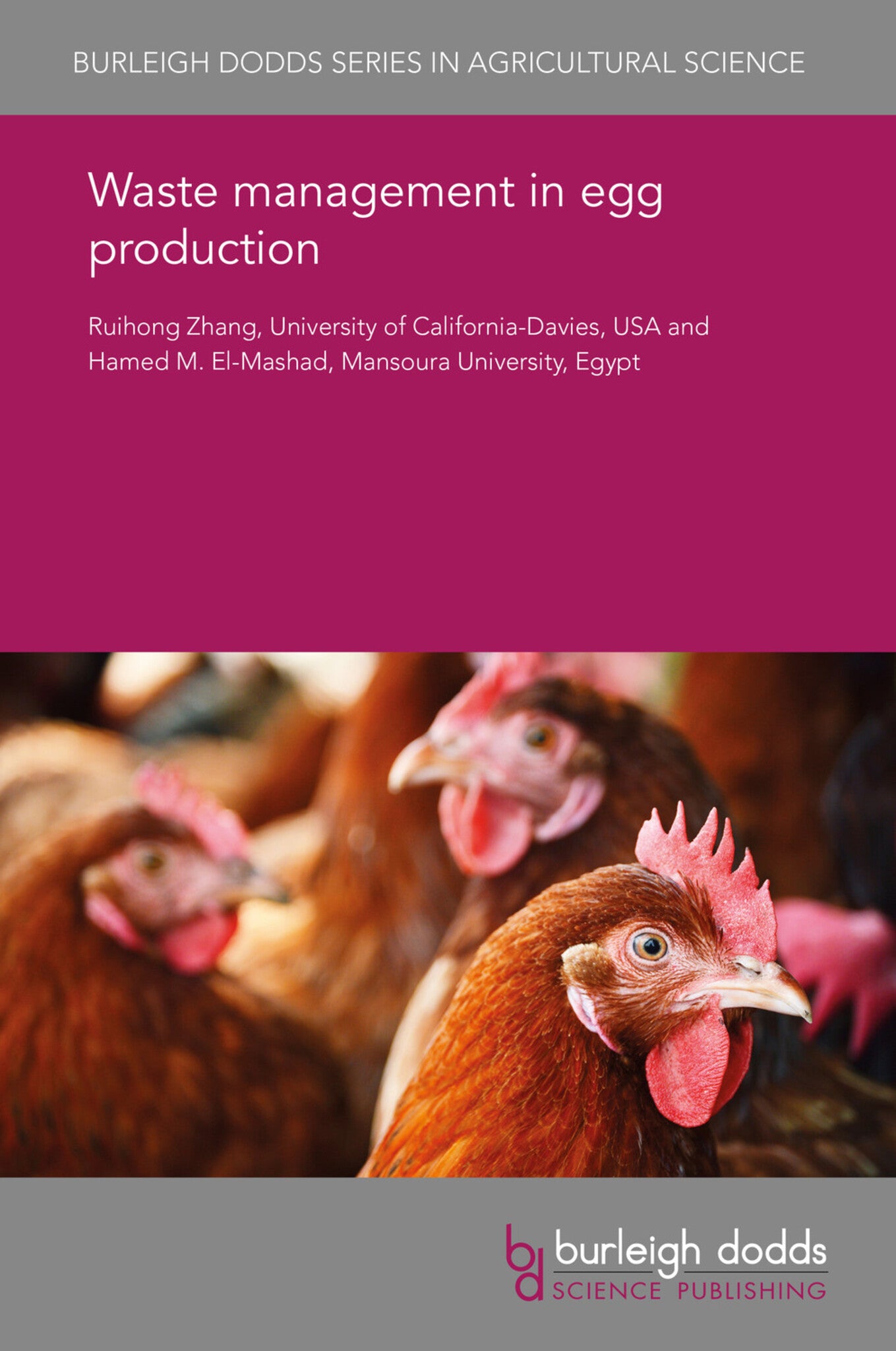
Waste management in egg production
Waste management is an essential component of an egg production system, affecting the environmental impact of production, food safety, worker safety, and animal health and safety. Manure, animal mortalities , and egg washing and processing wastewater are the major types of waste generated in an e...
Read MoreRegular price £25.00Sale price £25.00 Regular price £25.00Unit price per -
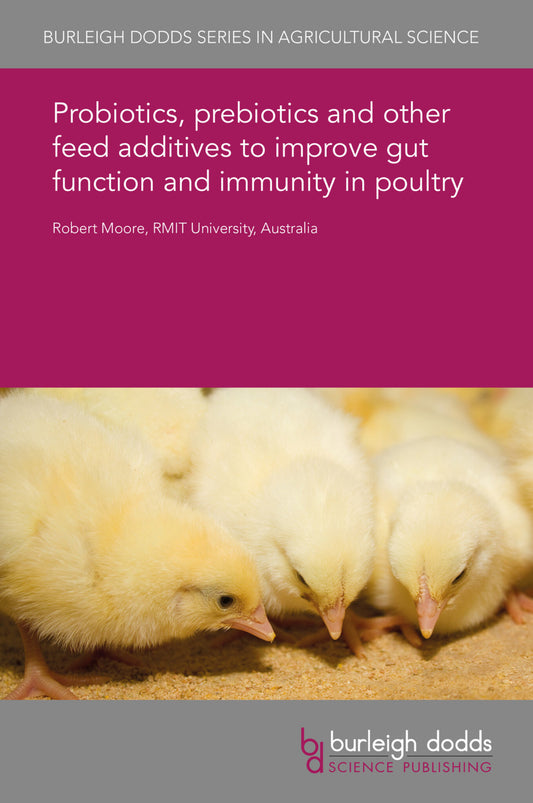
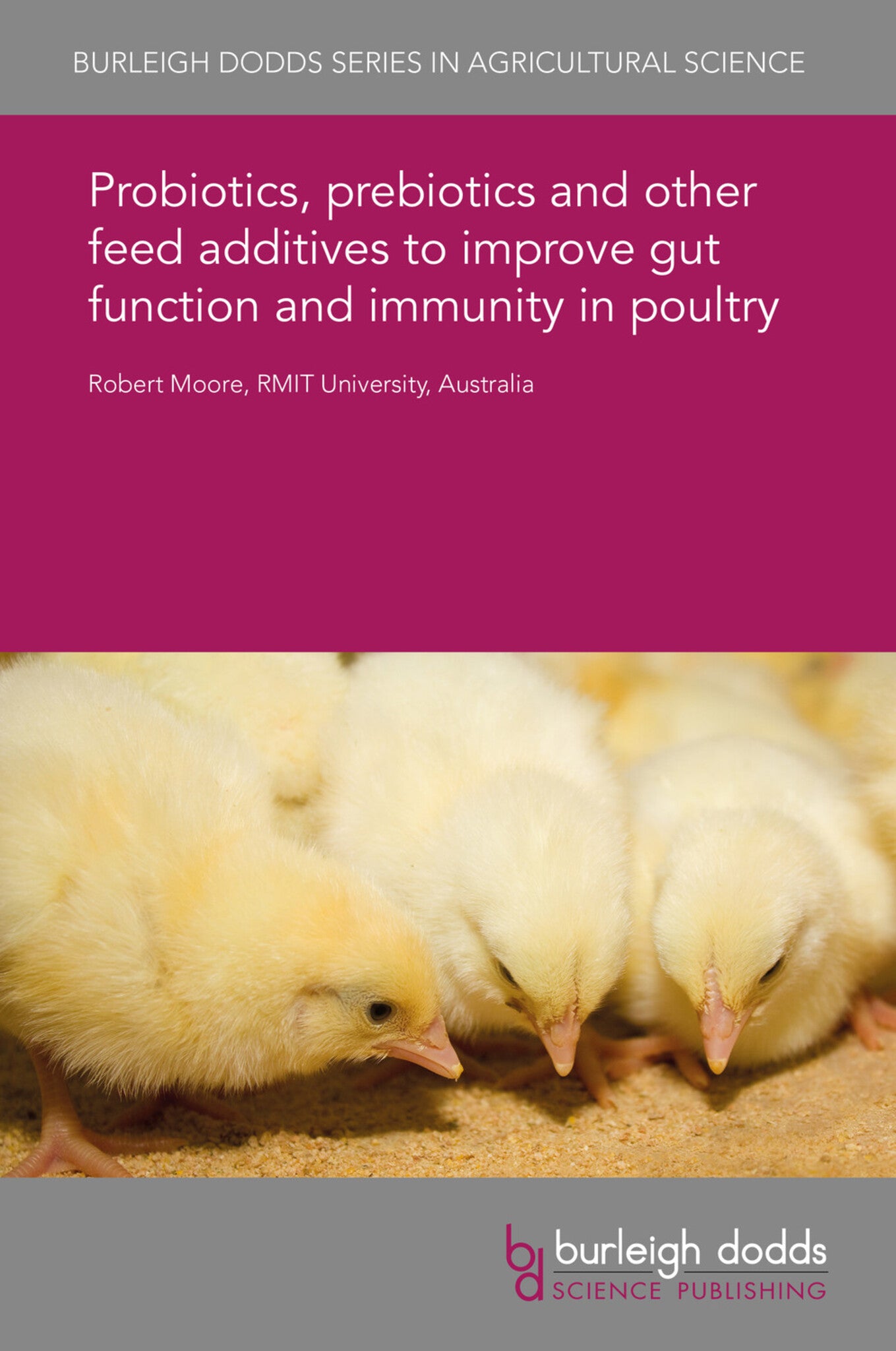
Probiotics, prebiotics and other feed additives to improve gut function and immunity in poultry
Poultry producers have been cautious in the application of probiotics, due to mixed experiences of their effectiveness and lack of knowledge regarding the scientific basis for their modes of action. Prebiotics have been more readily accepted because they can be added without any significant chang...
Read MoreRegular price £25.00Sale price £25.00 Regular price £25.00Unit price per -
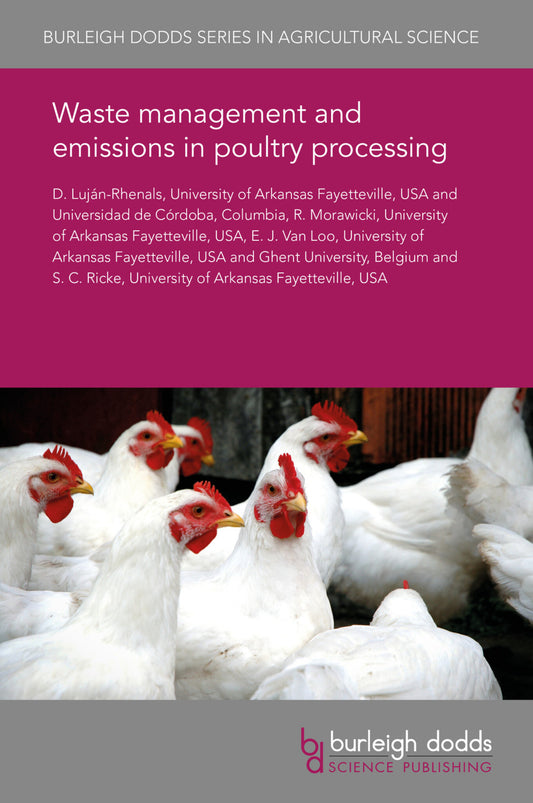
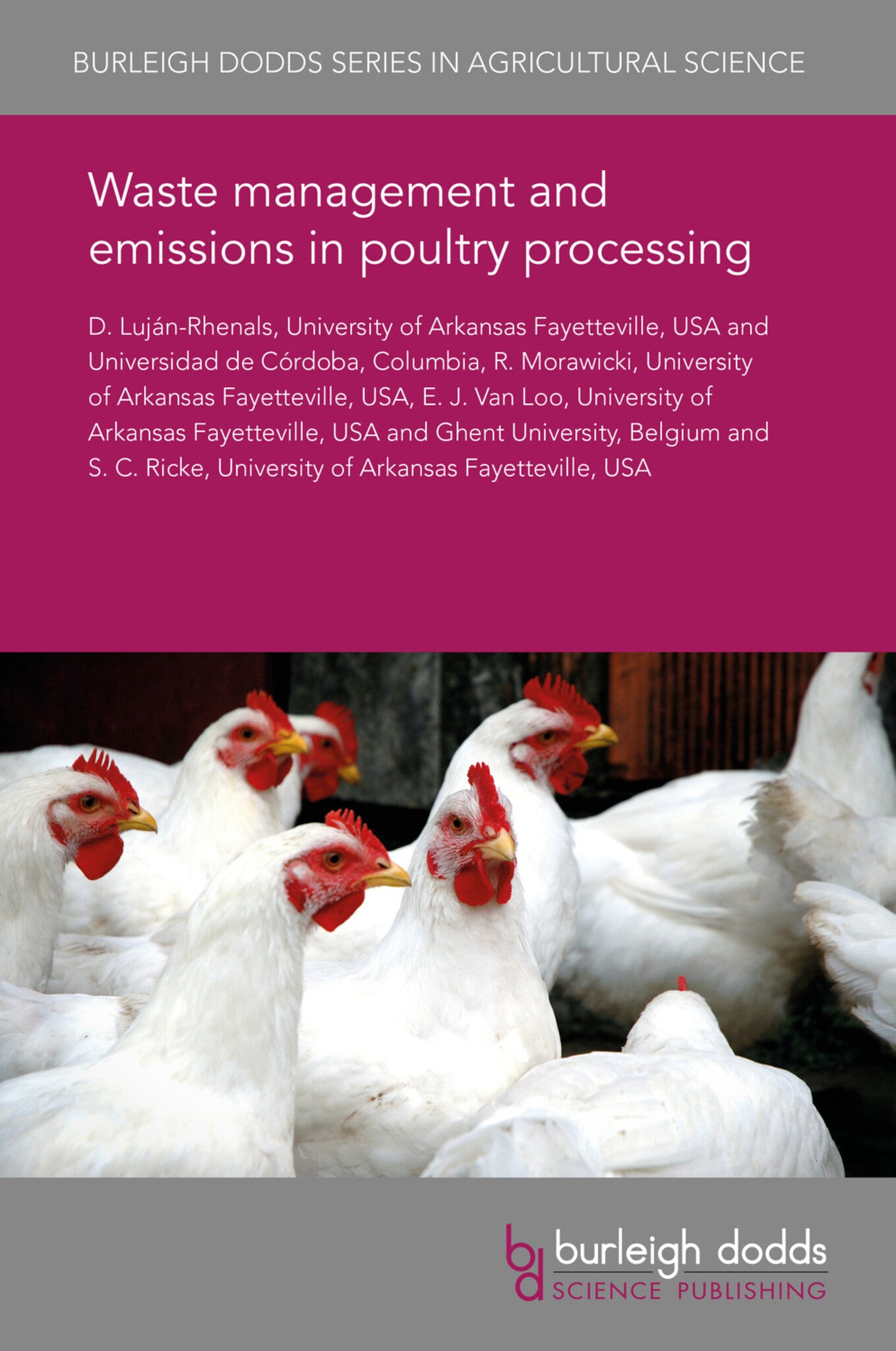
Waste management and emissions in poultry processing
A major contributor to emissions and to waste generation in food production is the poultry slaughter-processing plants, especially because one of the greatest sources of indirect emissions from food consumption in the European Union and the United States is the consumption of meat. Quantifying th...
Read MoreRegular price £25.00Sale price £25.00 Regular price £25.00Unit price per -
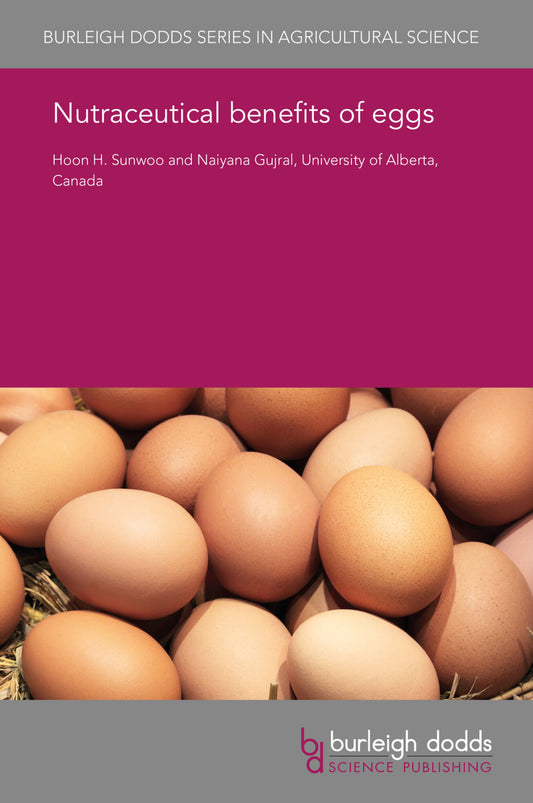
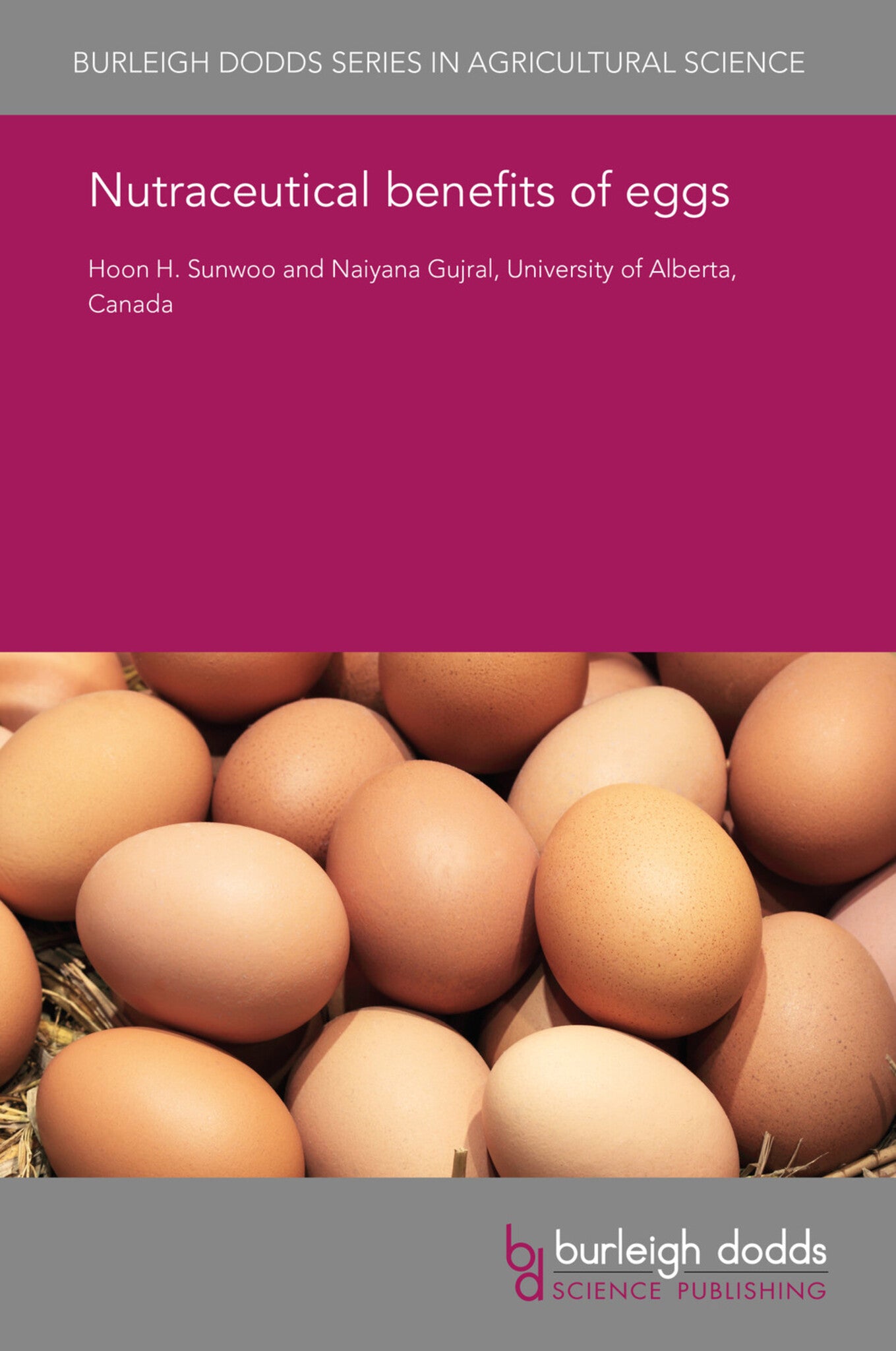
Nutraceutical benefits of eggs
Hen eggs are nature’s perfect source for the everyday diet worldwide. Several components of hen eggs have biofunctional properties in humans beyond normal nutrition and have the potential for being used as active ingredients for nutraceutical and pharmaceutical products. Consequently, extensive s...
Read MoreRegular price £25.00Sale price £25.00 Regular price £0.00Unit price per -
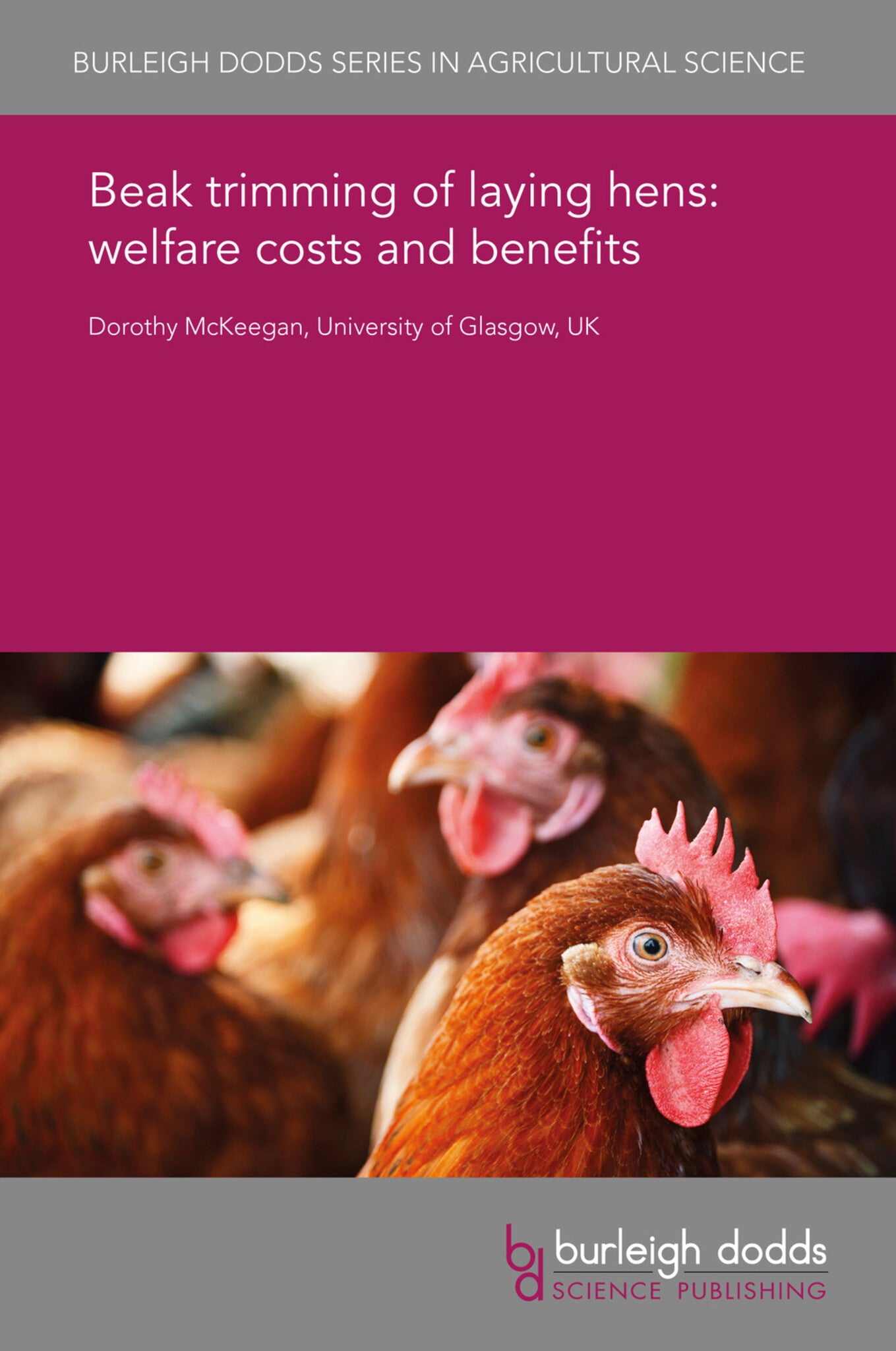
Beak trimming of laying hens: welfare costs and benefits
Beak trimming is a procedure routinely applied in the egg industry to prevent feather pecking and cannibalism. The traditional method of trimming by application of a hot blade (HB) has been superseded by infrared (IR) beak trimming. Both methods are associated with acute pain, but there is eviden...
Read MoreRegular price £25.00Sale price £25.00 Regular price £0.00Unit price per -
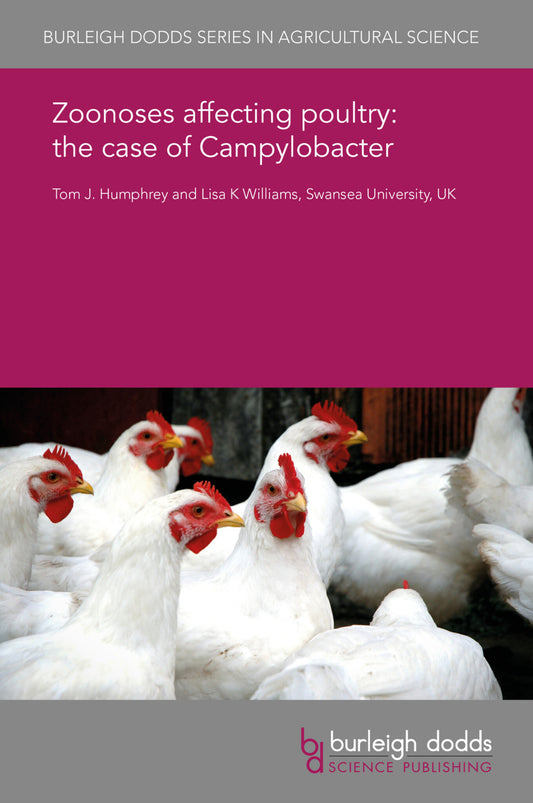
Zoonoses affecting poultry: the case of campylobacter
Campylobacter has been associated with poultry for many years. It is the leading cause of bacterial foodborne illness in developed countries, with C. jejuni and C. coli being identified in most cases in humans. These two species are also found in poultry. Campylobacter is ideally suited to the po...
Read MoreRegular price £25.00Sale price £25.00 Regular price £25.00Unit price per -
Zoonoses affecting poultry: the case of salmonella
Salmonella is a major causative organism of gastroenteritis in humans worldwide, and most cases are caused by the consumption of raw or undercooked poultry products. In response to public concern, many countries have introduced survey and control programmes for Salmonella in poultry. However, it ...
Read MoreRegular price £25.00Sale price £25.00 Regular price £25.00Unit price per -


Welfare issues affecting free-range laying hens
Free-range laying hen production systems involve providing flocks of hens with the chance to use minimally controlled outdoor areas, rather than keeping them in intensive, environmentally controlled, indoor housing. Such systems are considered more natural and ethical. However, highly productive ...
Read MoreRegular price £25.00Sale price £25.00 Regular price £25.00Unit price per -
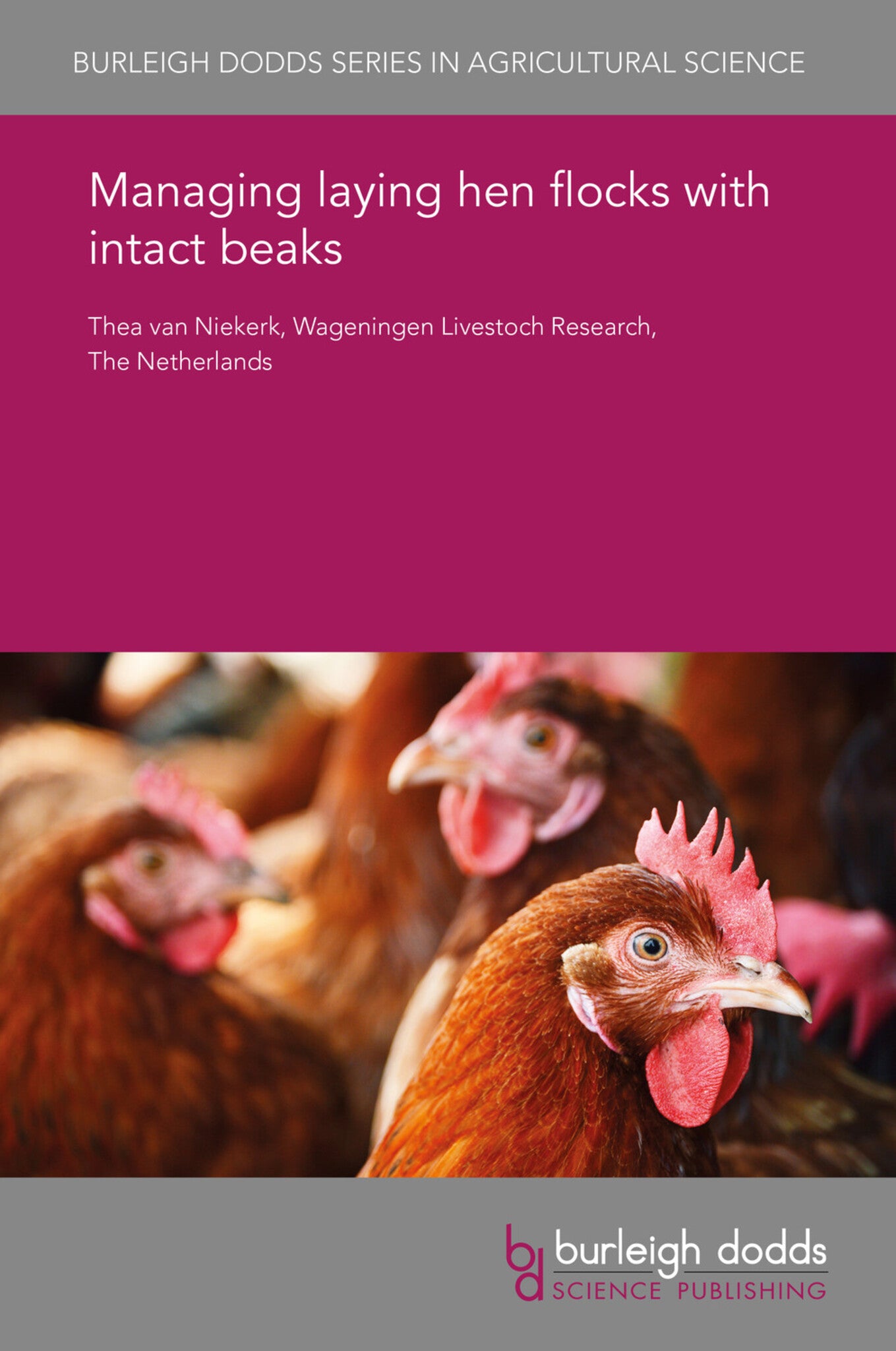
Managing laying hen flocks with intact beaks
Worldwide, the majority of laying hens are beak trimmed to prevent injurious pecking. However, a ban on beak treatments has come into force in some countries, while others are discussing instituting such a ban. European legislation also prohibits beak treatment of organic flocks. When beak trimmi...
Read MoreRegular price £25.00Sale price £25.00 Regular price £25.00Unit price per -
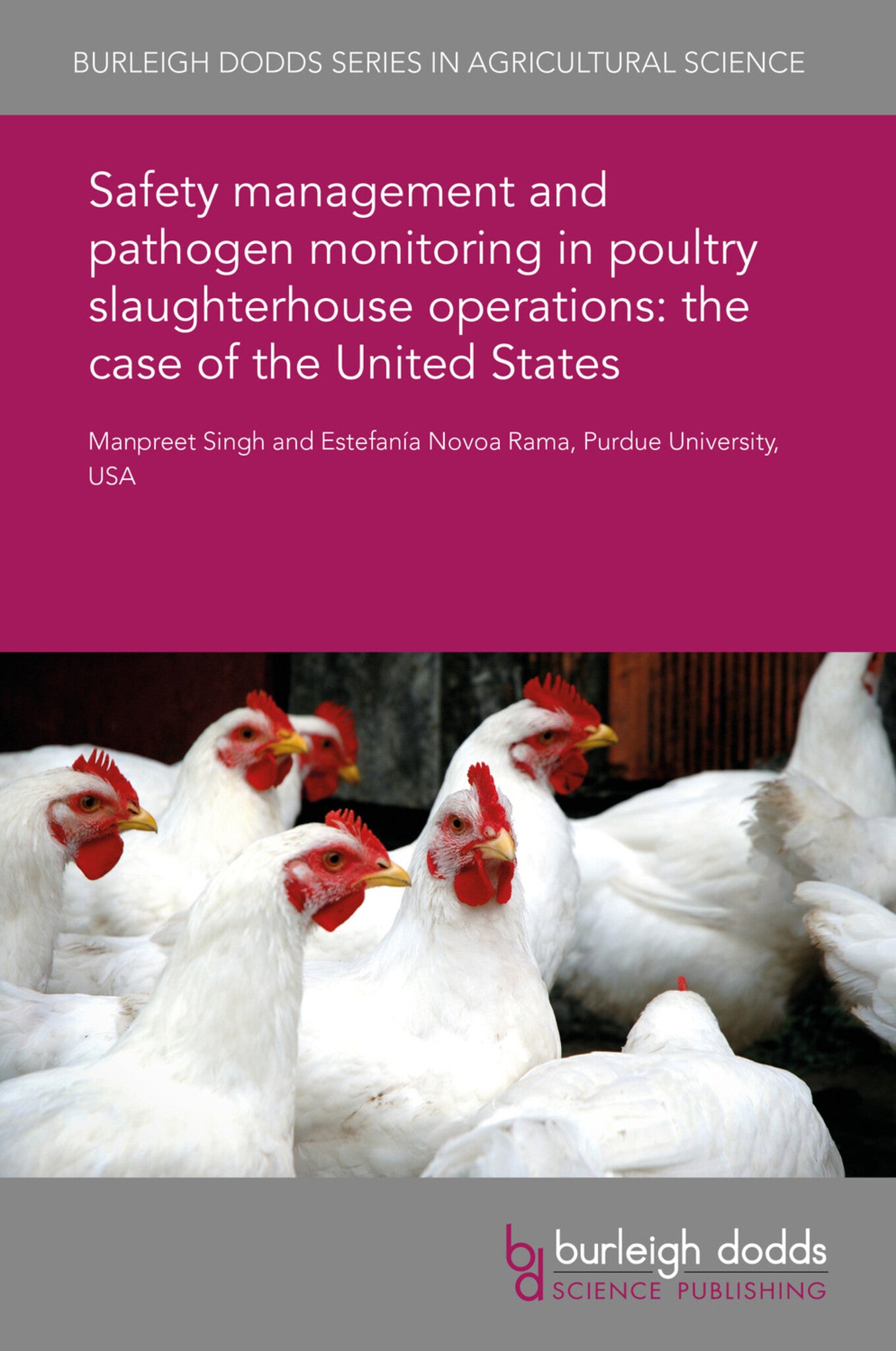
Safety management and pathogen monitoring in poultry slaughterhouse operations: the case of the united states
Preventing foodborne illnesses in a cost-effective way is an important challenge for the poultry industry. This chapter begins by reviewing the common foodborne pathogens associated with poultry. We then discuss processing operations from live transportation of birds, to slaughter, to post-chill ...
Read MoreRegular price £25.00Sale price £25.00 Regular price £25.00Unit price per -
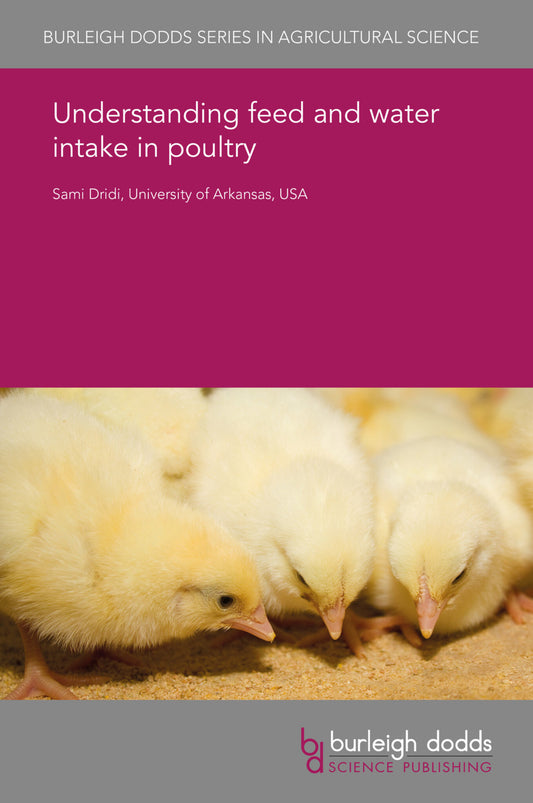
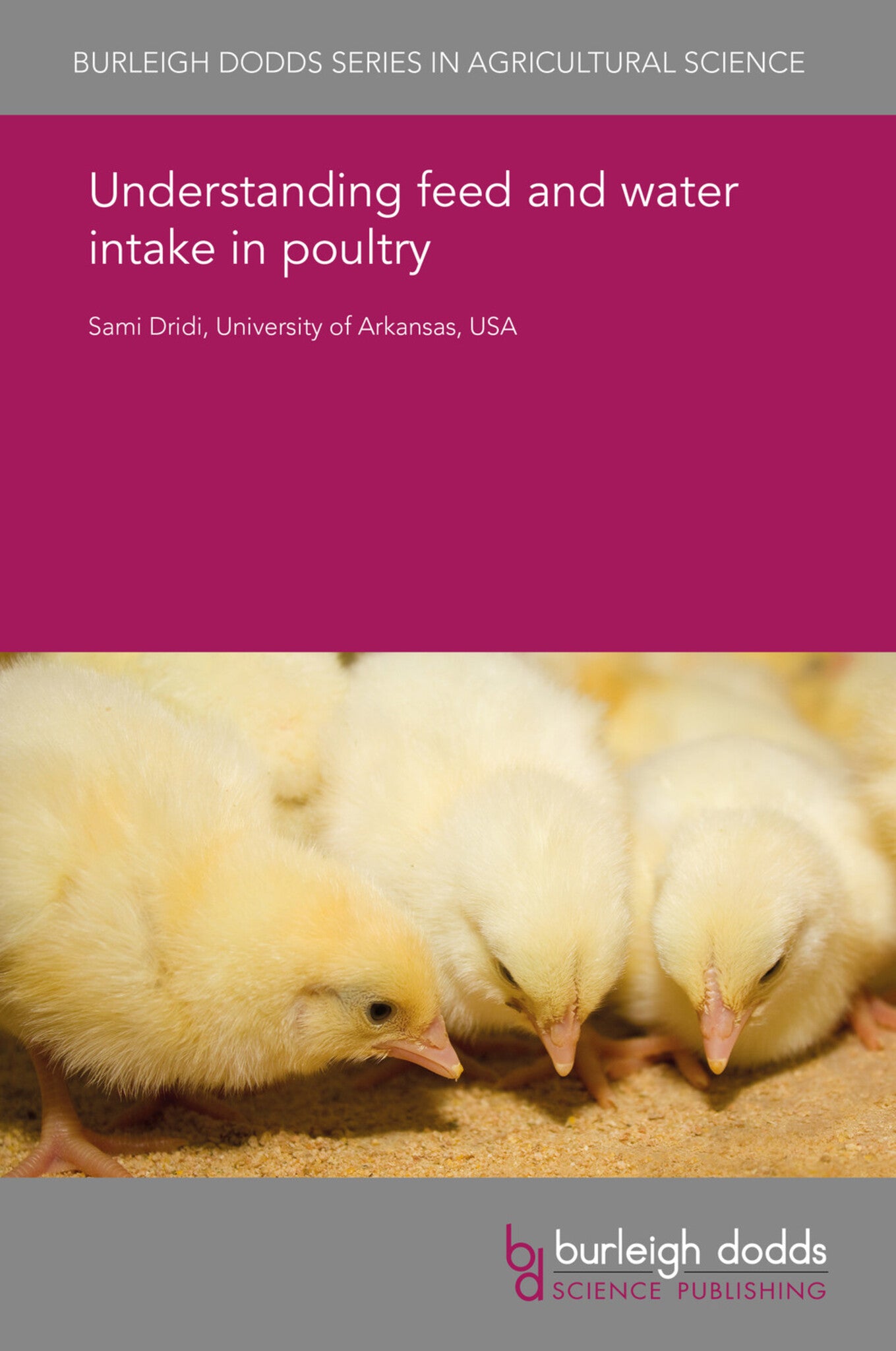
Understanding feed and water intake in poultry
Feed and water efficiency are two vital economic and agricultural traits. Selection for phenotypic feed efficiency has tremendously improved livestock productivity over the past 50 years. However, there have been a number of undesirable changes in the regulation of energy homeostasis and probably...
Read MoreRegular price £25.00Sale price £25.00 Regular price £25.00Unit price per -
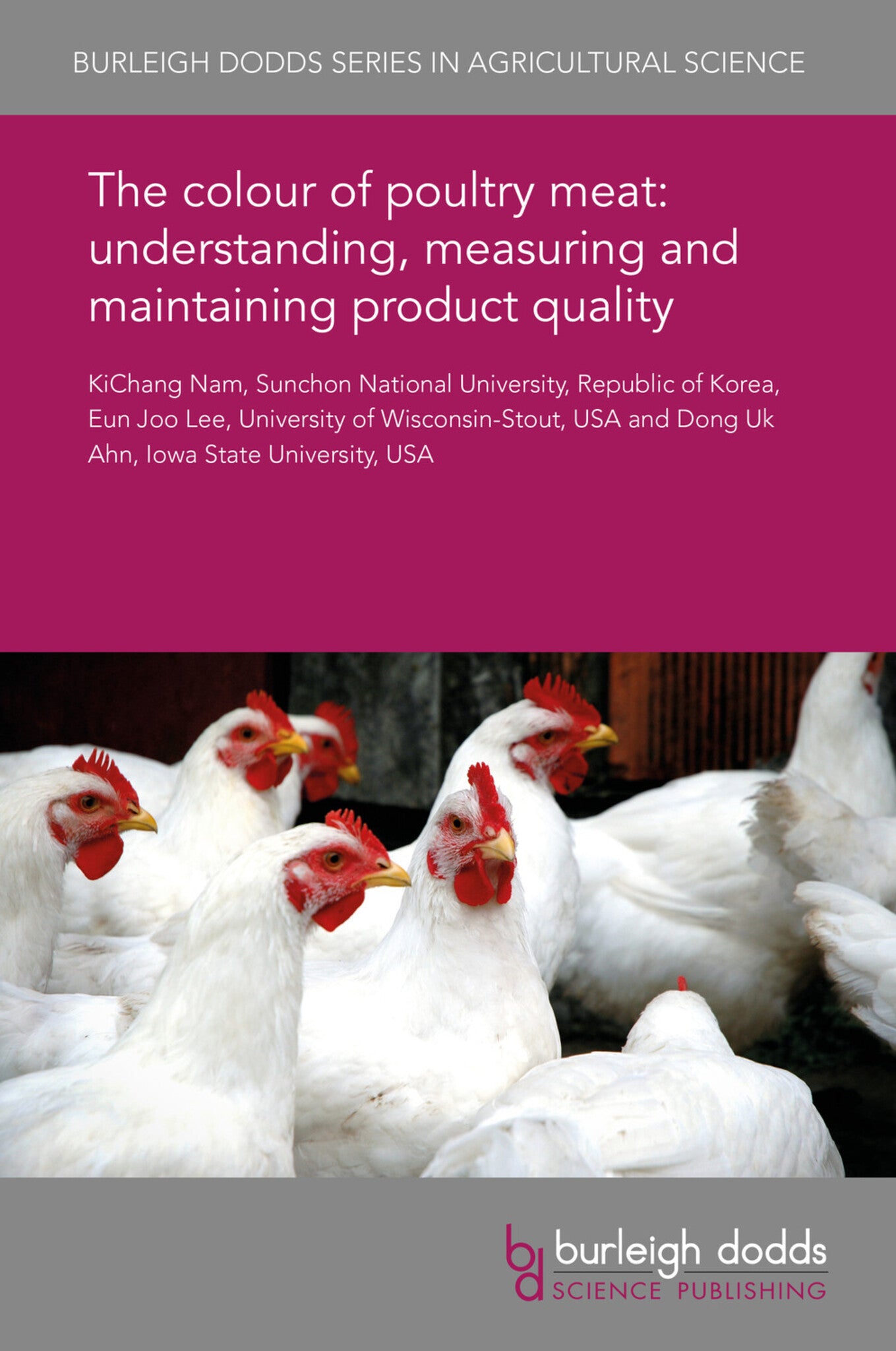
The colour of poultry meat: understanding, measuring and maintaining product quality
The colour of poultry meat is often the first thing used by consumers to assess meat quality, and so it plays a vital role in purchasing decisions. This chapter begins by reviewing the fundamentals of meat pigments, including the chemistry of haem pigments. It then considers the colours of fresh,...
Read MoreRegular price £25.00Sale price £25.00 Regular price £25.00Unit price per -
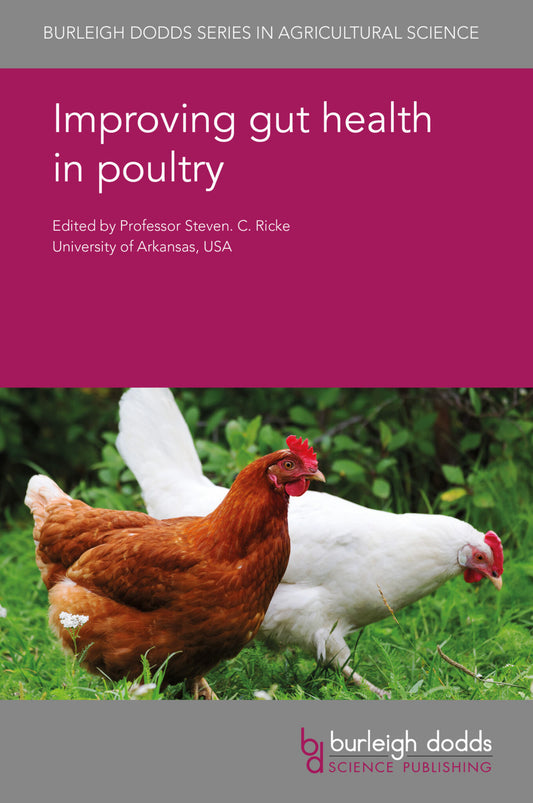
Improving gut health in poultry
This collection summarises current research on the composition and function of the gastrointestinal tract in poultry, the factors that affect its function, and nutritional strategies to optimise poultry nutrition, health and environmental impact.
Regular price £180.00Sale price £180.00 Regular price £180.00Unit price per -
The emergence of antibiotic resistance in poultry farms
The use of antibiotics in poultry farming has enhanced production via effectively controlling infectious diseases and promoting growth of birds, allowing the industry to cope with the increasing consumer demands and provide safe and affordable products. However, the use of antibiotics results in ...
Read MoreRegular price £25.00Sale price £25.00 Regular price £0.00Unit price per -
Advances in understanding the role of phytate in phosphorus and calcium nutrition of poultry
In plant seeds, the primary storage form of phosphorus (P) is phytic acid (InsP6), which is usually present in salt form (phytate). Utilization of P from InsP6 and lower forms of InsPx by animals requires stepwise cleavage of P from the inositol ring by phytases. In broiler chickens, the potentia...
Read MoreRegular price £25.00Sale price £25.00 Regular price £0.00Unit price per -


Ensuring safety in chilling and freezing of poultry meat
Poultry is the most traded meat worldwide, and its consumption has increased almost continuously since 1965. In order to achieve sustainable production, the poultry industry must continue to develop its methods and technologies, and in doing so must take into account the standards of safety requi...
Read MoreRegular price £25.00Sale price £25.00 Regular price £25.00Unit price per -
Developments in feed technology to improve poultry nutrition
Systematic evaluation of each stage of the feed manufacturing has the potential to identify opportunities for improvement in manufacturing efficiency and reduced nutrient variation in finished feed, ultimately resulting in lower cost sustainable poultry production. This chapter examines the role ...
Read MoreRegular price £25.00Sale price £25.00 Regular price £25.00Unit price per -
Laying hen nutrition: optimizing energy intake, egg size and weight
Hen nutrition must address a number of different goals, including maximizing egg production, maintaining egg quality, extending the laying cycle and ensuring hen health and welfare. This chapter focuses on the role of nutrition in optimizing energy intake, egg size and egg weight. It reviews the ...
Read MoreRegular price £25.00Sale price £25.00 Regular price £25.00Unit price per -


Competitive exclusion treatment to control pathogens in poultry
Competitive Exclusion (CE) describes the protective effect of the intestinal microflora against colonization of pathogenic bacteria. This review presents the background and current use of the CE concept to prevent Salmonella infections in poultry, by administration of cultures of intestinal origi...
Read MoreRegular price £25.00Sale price £25.00 Regular price £25.00Unit price per -
Advances in temperate grassland science and management
While grasslands face a number of challenges, such as land-use competition and the impact of climate change, there is a growing recognition of the critical role they play in supporting the transition to more resilient, sustainable and circular agricultural systems.Advances in temperate grassland ...
Read MoreRegular price £170.00Sale price £170.00 Regular price £170.00Unit price per -
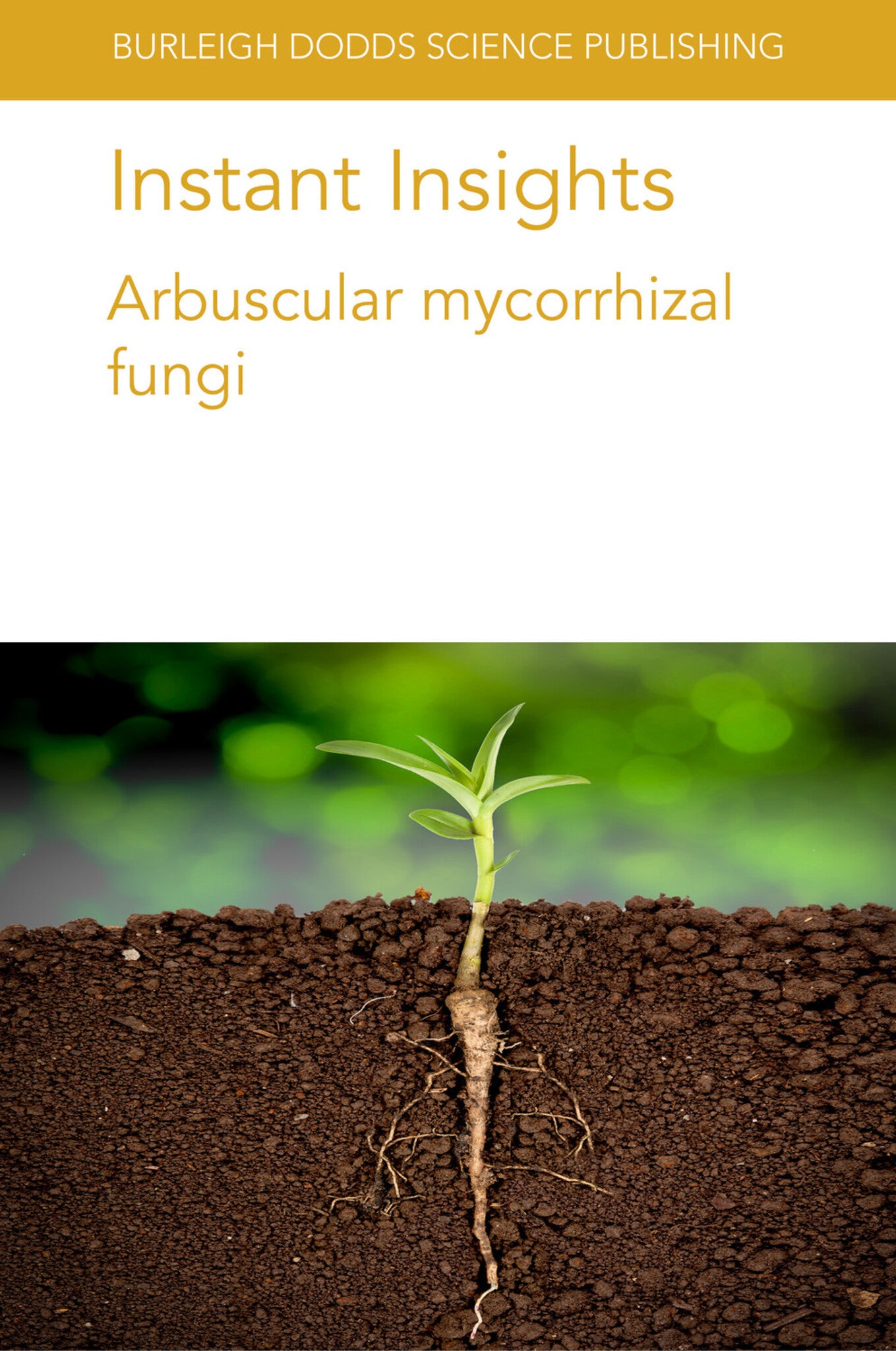
Instant insights: arbuscular mycorrhizal fungi
This collection features four peer-reviewed literature reviews on arbuscular mycorrhizal fungi in agriculture.
Regular price £37.99Sale price £37.99 Regular price £37.99Unit price per -
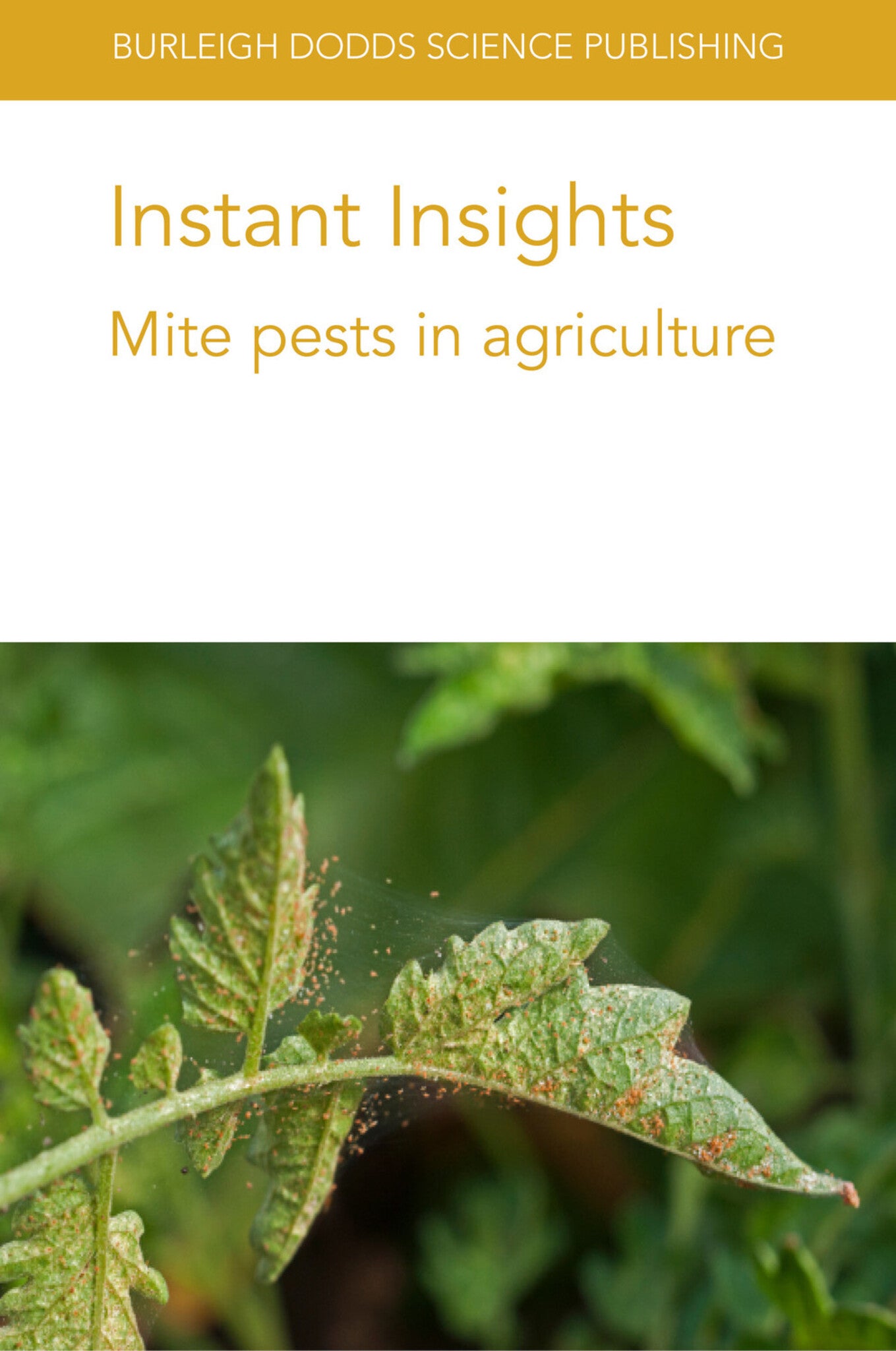
Instant insights: mite pests in agriculture
This collection features four peer-reviewed literature reviews on mite pests in agriculture.
Regular price £37.99Sale price £37.99 Regular price £37.99Unit price per -
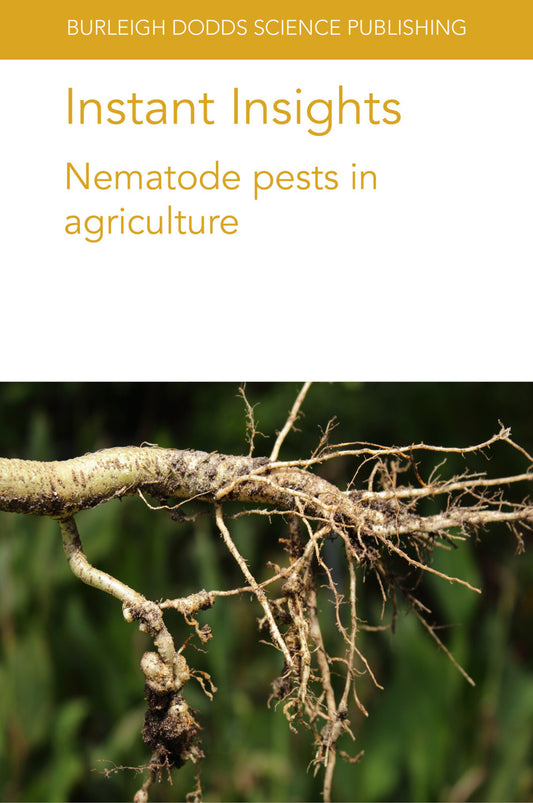
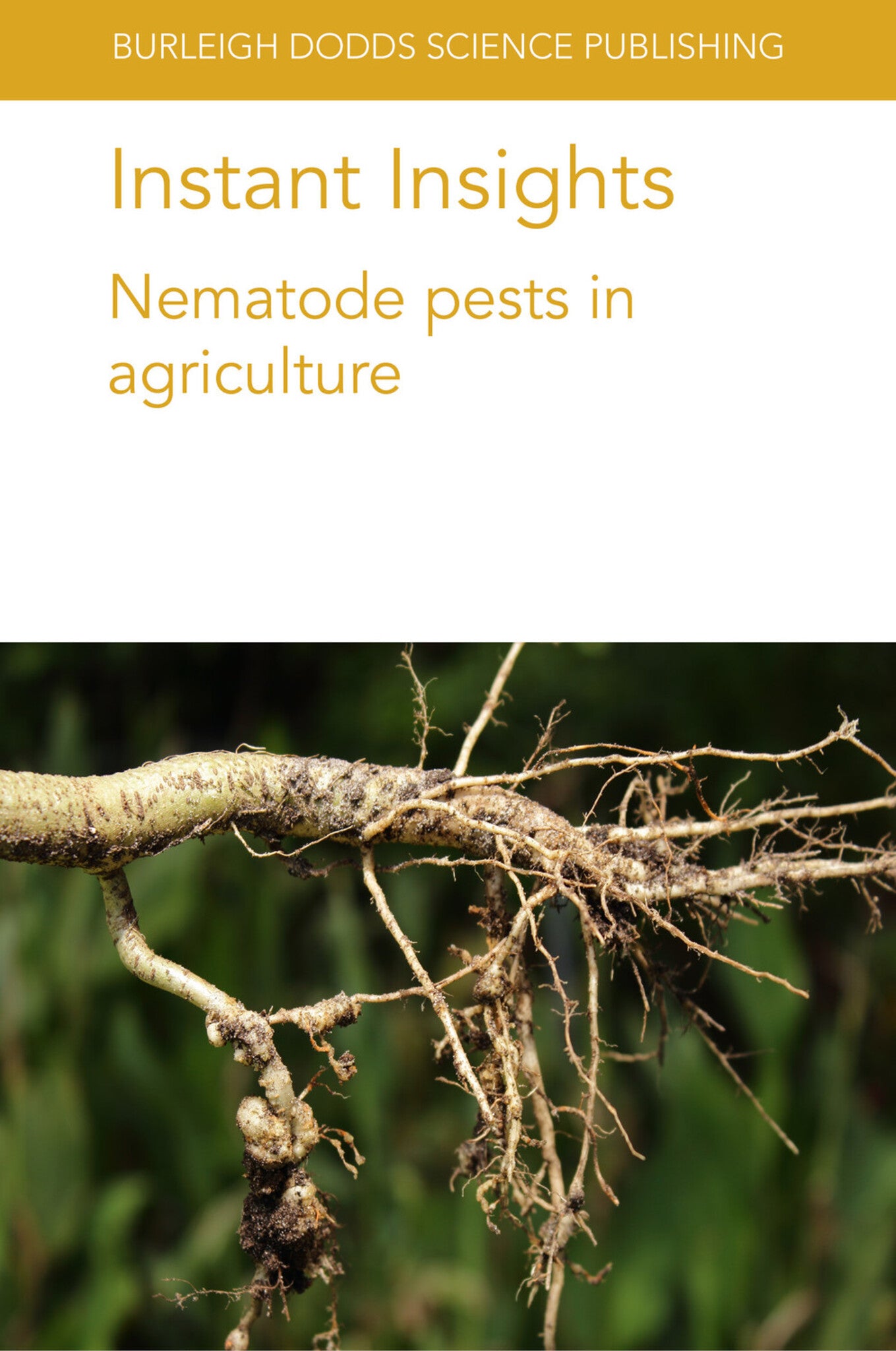
Instant insights: nematode pests in agriculture
This collection features five peer-reviewed literature reviews on nematode pests in agriculture.
Regular price £37.99Sale price £37.99 Regular price £37.99Unit price per -
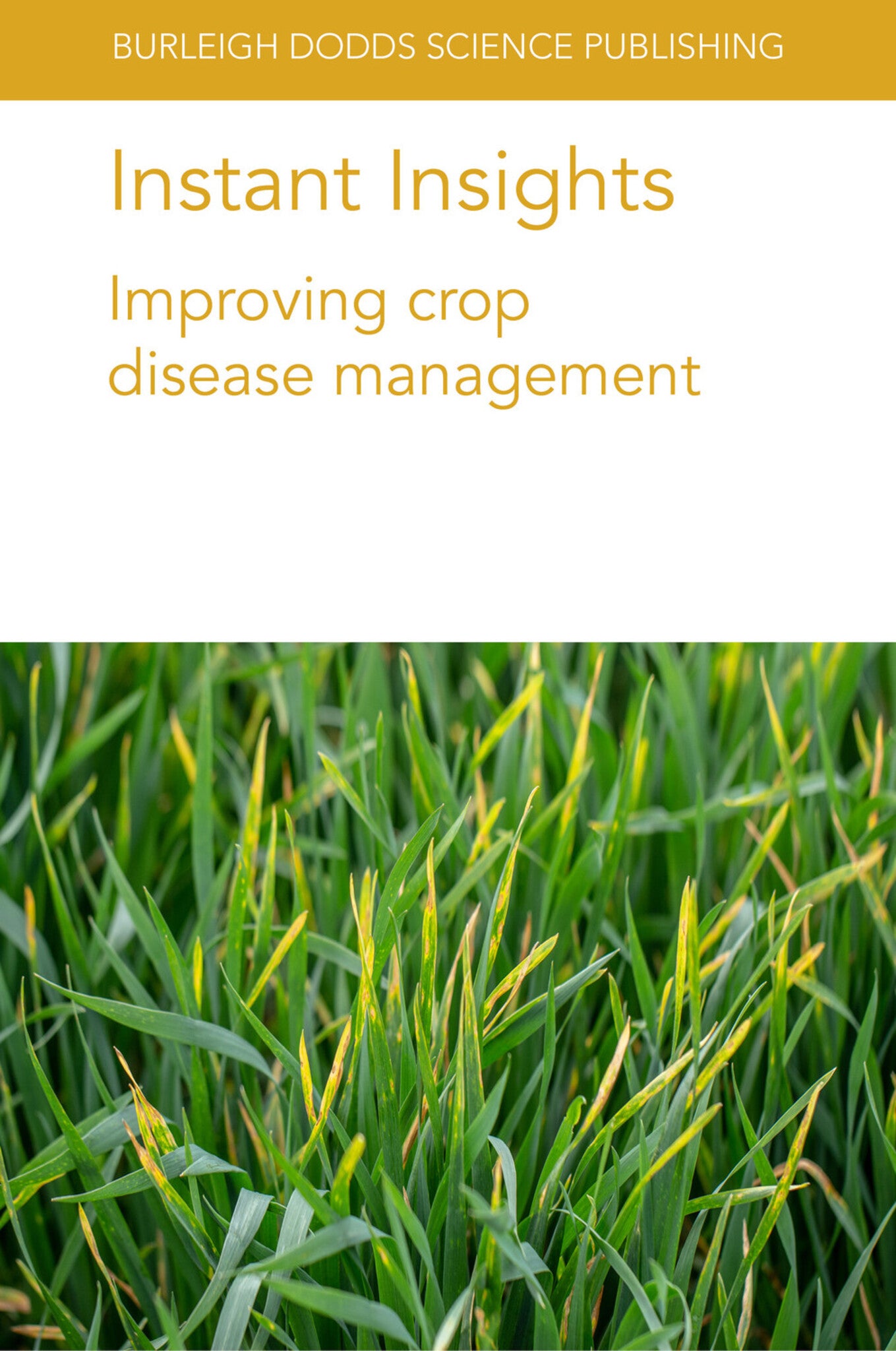
Instant insights: improving crop disease management
This specially curated collection features four reviews of current and key research on improving crop disease management
Regular price £37.99Sale price £37.99 Regular price £37.99Unit price per -
Nematode pests of cocoa
Plant-parasitic nematodes cause cocoa yield losses, a sudden death of trees and retardation of seedling growth in nurseries. This chapter explains the hidden nature and the masking effects of these nematodes and how these have led to erroneous control measures. The chapter describes the nematode ...
Read MoreRegular price £25.00Sale price £25.00 Regular price £25.00Unit price per -
Managing the soil biological community to improve soil health and reduce losses from nematode pests
Plant-parasitic nematodes commonly cause yield losses of 10 to 20% in sugarcane, largely because varieties with resistance to key pests such as Pratylenchus and Meloidogyne are unavailable, rotation crops provide only temporary control and nematicides are prohibitively expensive. Given the inadeq...
Read MoreRegular price £25.00Sale price £25.00 Regular price £25.00Unit price per -
Improving best practice with regard to pesticide use in cocoa
Consumer concerns about food safety have been translated into policy in consuming countries, including pesticide residues in cocoa. Such policy changes have an impact on cocoa producers and other supply chain stakeholders, as they have to comply with legislation or risk losing lucrative markets. ...
Read MoreRegular price £25.00Sale price £25.00 Regular price £25.00Unit price per -
Cocoa diseases: witches' broom
Witches' broom, caused by the hemibiotrophic basidiomycete Moniliophthora perniciosa, is one of the most important cocoa diseases. The pathogen co-evolved with cocoa in the Amazon River basin and is currently restricted to South and Central America. Other cocoa-producing regions of the world are ...
Read MoreRegular price £25.00Sale price £25.00 Regular price £25.00Unit price per -
Insect pests affecting cacao
Pests have a major impact on cacao production: estimates of losses due to pest and disease range from 30% to 40%. The use of chemical inputs, for example, pesticides and fertilizers, for pest and disease control and production enhancement, respectively, can have numerous negative impacts on the ...
Read MoreRegular price £25.00Sale price £25.00 Regular price £25.00Unit price per -

Cacao diseases: vascular-streak dieback
‘Vascular-streak dieback’ (VSD) was the name given to a devastating disease of cacao, first described in Papua New Guinea in the 1960s and later found to be caused by a previously undescribed tullasneloid basidiomycete, Oncobasidium theobromae (now Ceratobasidium theobromae). This chapter describ...
Read MoreRegular price £25.00Sale price £25.00 Regular price £0.00Unit price per -
Mycotoxins in cocoa: causes, detection and control
Mycotoxins are produced as secondary metabolites by various species of filamentous fungi, and may affect many agricultural crops and products. The potential health risks associated with these chemical compounds mean that significant attention has been given to their detection and control. However...
Read MoreRegular price £25.00Sale price £25.00 Regular price £25.00Unit price per -
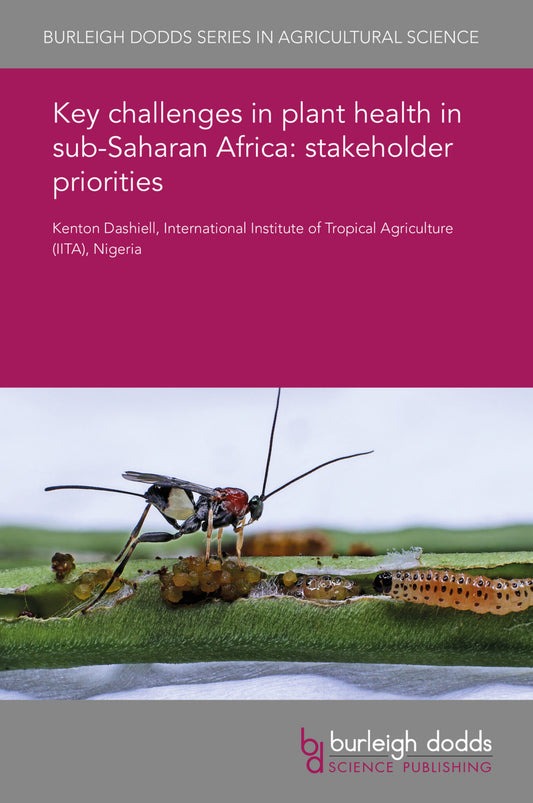
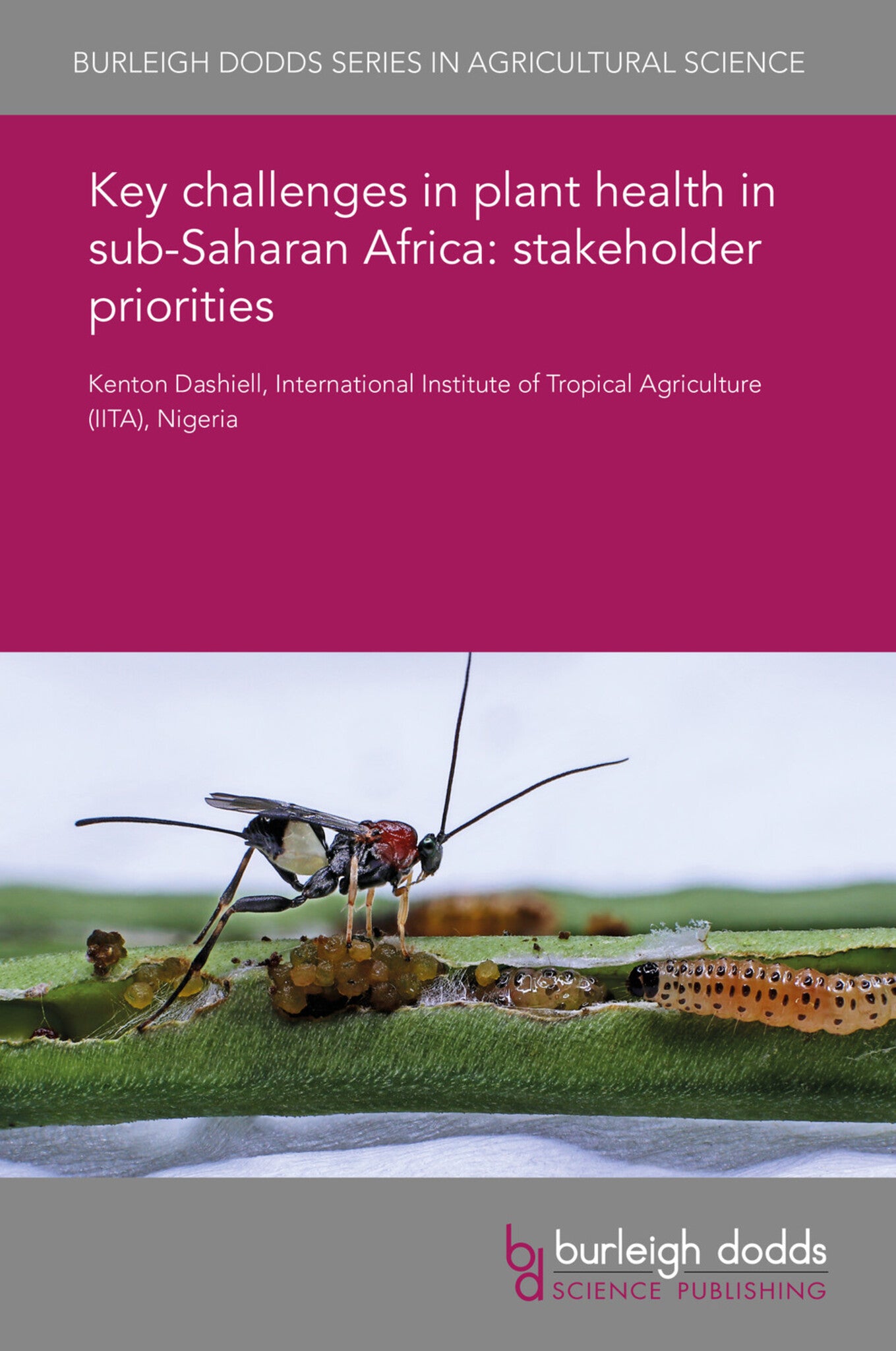
Key challenges in plant health in sub-saharan africa: stakeholder priorities
This chapter comprises short summaries of research priorities from key stakeholders who have worked with the International Institute of Tropical Agriculture (IITA) on plant health. Stakeholders were categorised into the following groups: international organisations (e.g. the FAO), universities, i...
Read MoreRegular price £25.00Sale price £25.00 Regular price £25.00Unit price per -
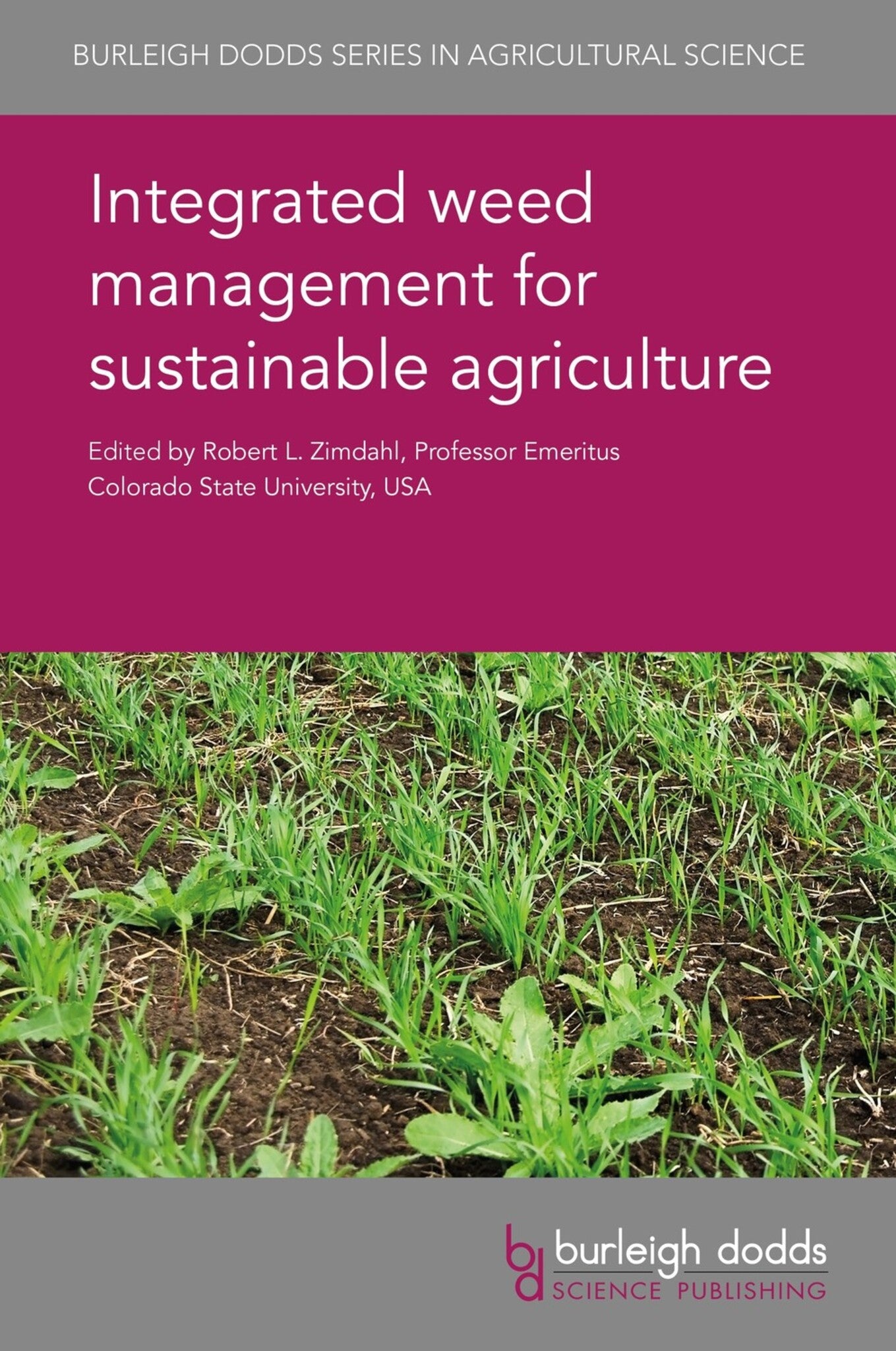
Integrated weed management for sustainable agriculture
Weeds remain a major obstacle to improved yields in agriculture. At the same time, established methods of control are being undermined by problems such as herbicide resistance. This major collection reviews key developments in integrated weed management (IWM) to manage weeds more sustainably.
Regular price £190.00Sale price £190.00 Regular price £190.00Unit price per -
Diseases affecting barley: scald
Scald (leaf blotch), caused by the hemibiotrophic pathogen Rhynchosporium commune, is one of the major diseases of barley worldwide. Typical disease symptoms consist of necrotic areas on the leaf blades. Yield losses are manifested as reduced kernel quality, size and number per ear. This chapter ...
Read MoreRegular price £25.00Sale price £25.00 Regular price £25.00Unit price per -
The use of insects in integrated weed management
Seed predation by insects is a potentially promising approach to the regulation of weeds that could offset herbicide use as part of integrated weed management. Using the example of carabid beetles, as the most intensively studied grouping of insect weed seed predators, this chapter describes the ...
Read MoreRegular price £25.00Sale price £25.00 Regular price £25.00Unit price per -
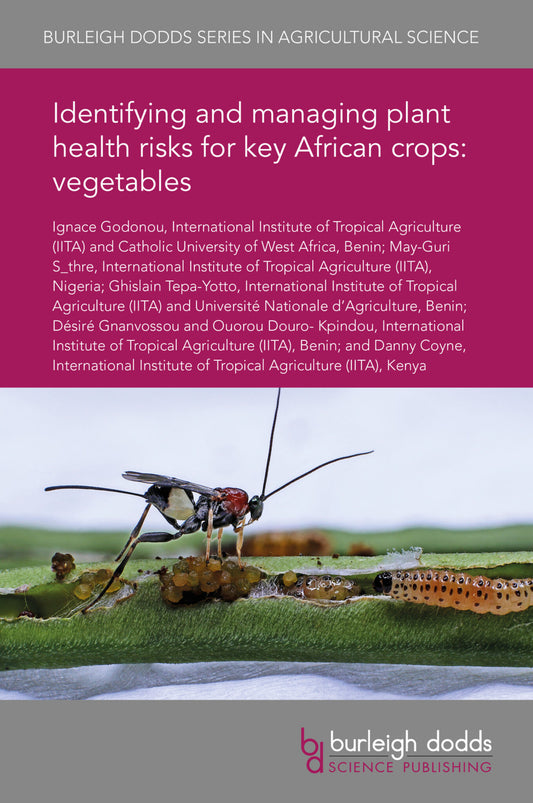
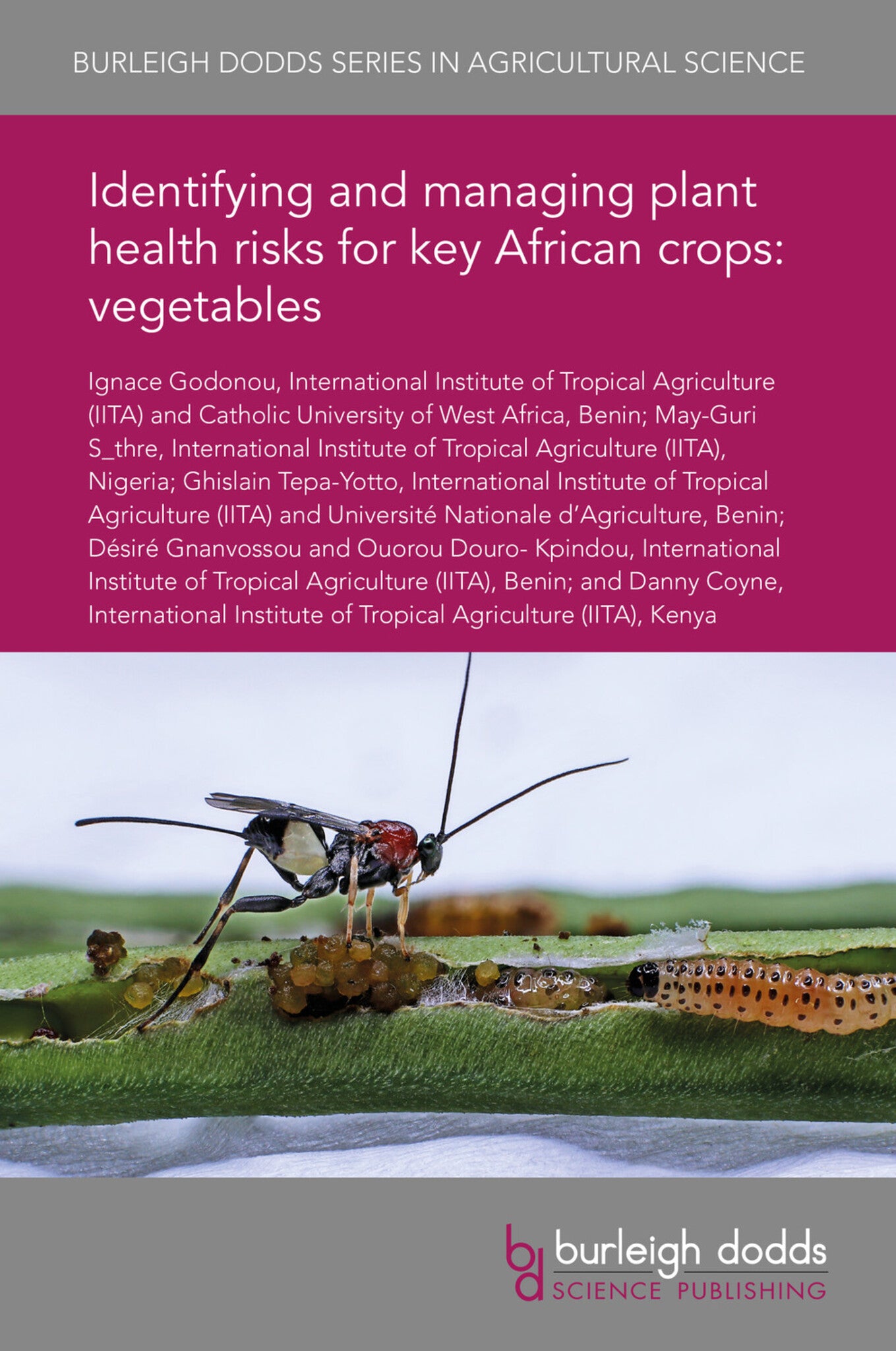
Identifying and managing plant health risks for key african crops: vegetables
In many West African countries, vegetable production is a key sector of urban and peri-urban agriculture. However, production is undermined by biotic constraints, mainly arthropod pests, disease-causing organisms and plant parasitic nematodes. In an attempt to combat this, farmers frequently use ...
Read MoreRegular price £25.00Sale price £25.00 Regular price £25.00Unit price per -
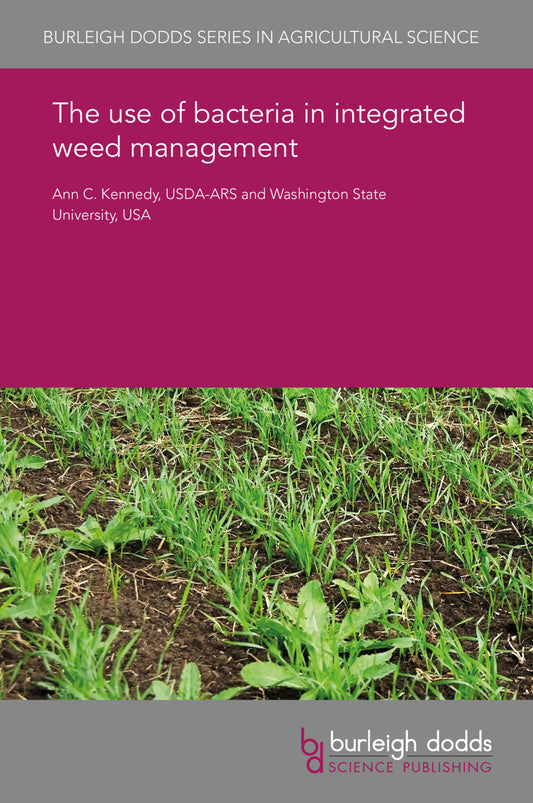
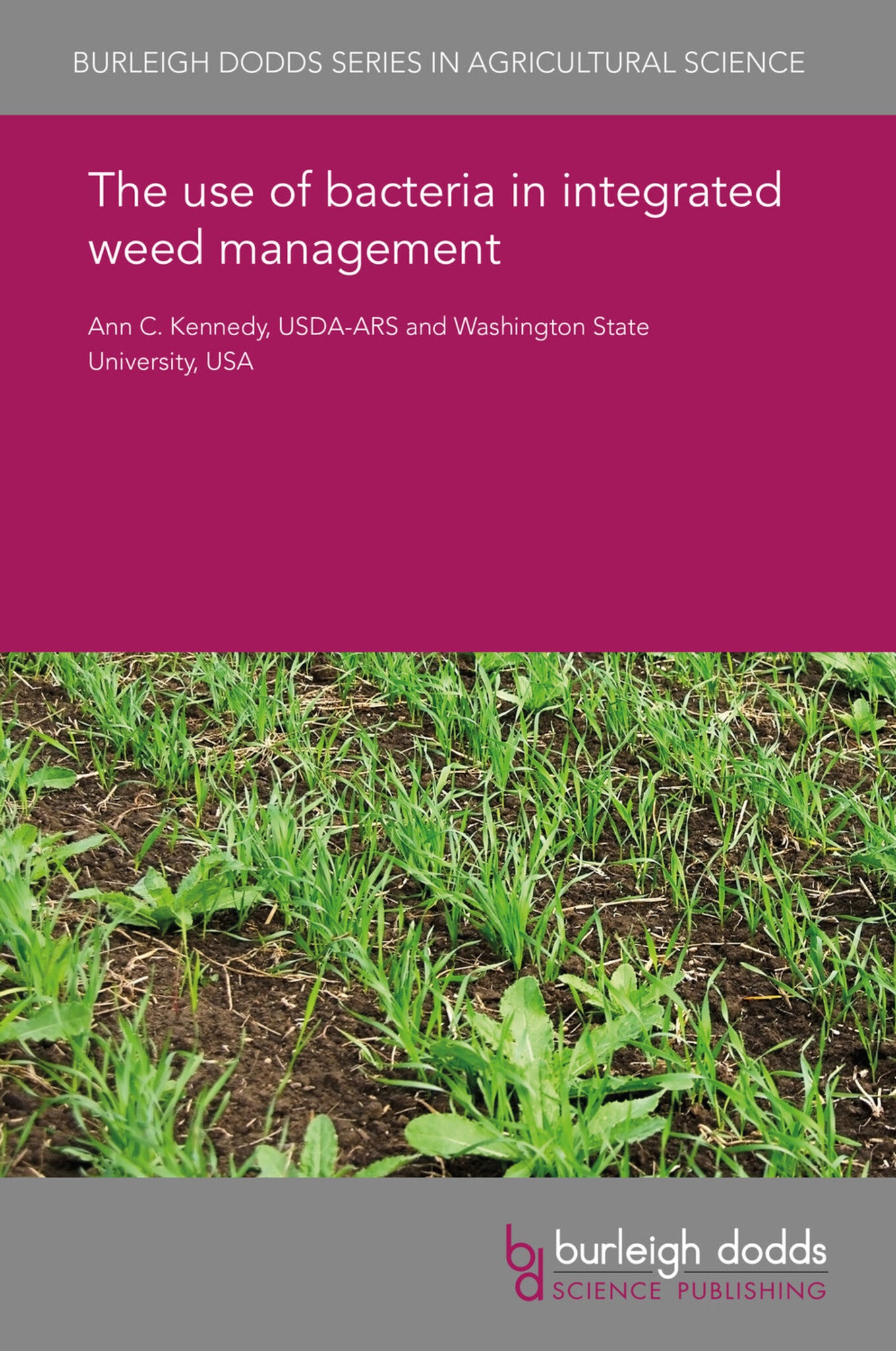
The use of bacteria in integrated weed management
Annual grass weeds are increasing as a dominant weed species in the western United States, Canada and Mexico. Downy brome, one of the most widespread, invasive annual grass weeds, negatively affects cereal yields, reduces forage quality in grazing lands, degrades rangelands, and increases the fir...
Read MoreRegular price £25.00Sale price £25.00 Regular price £25.00Unit price per -
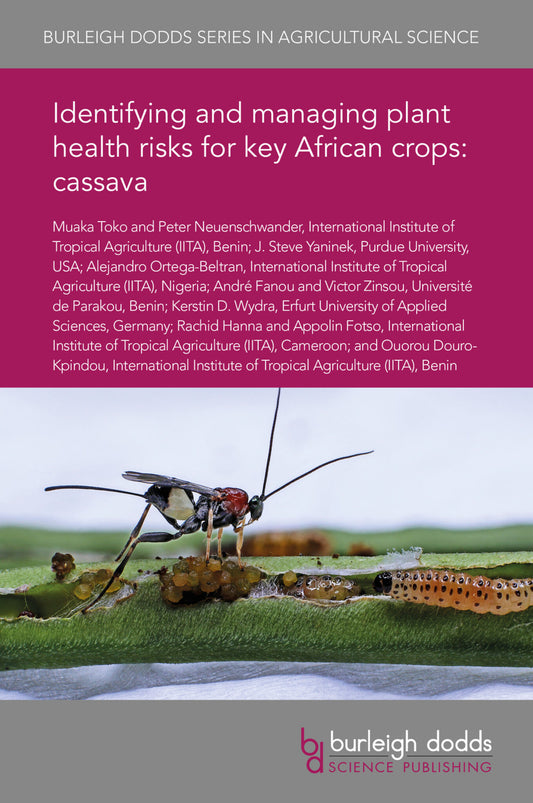
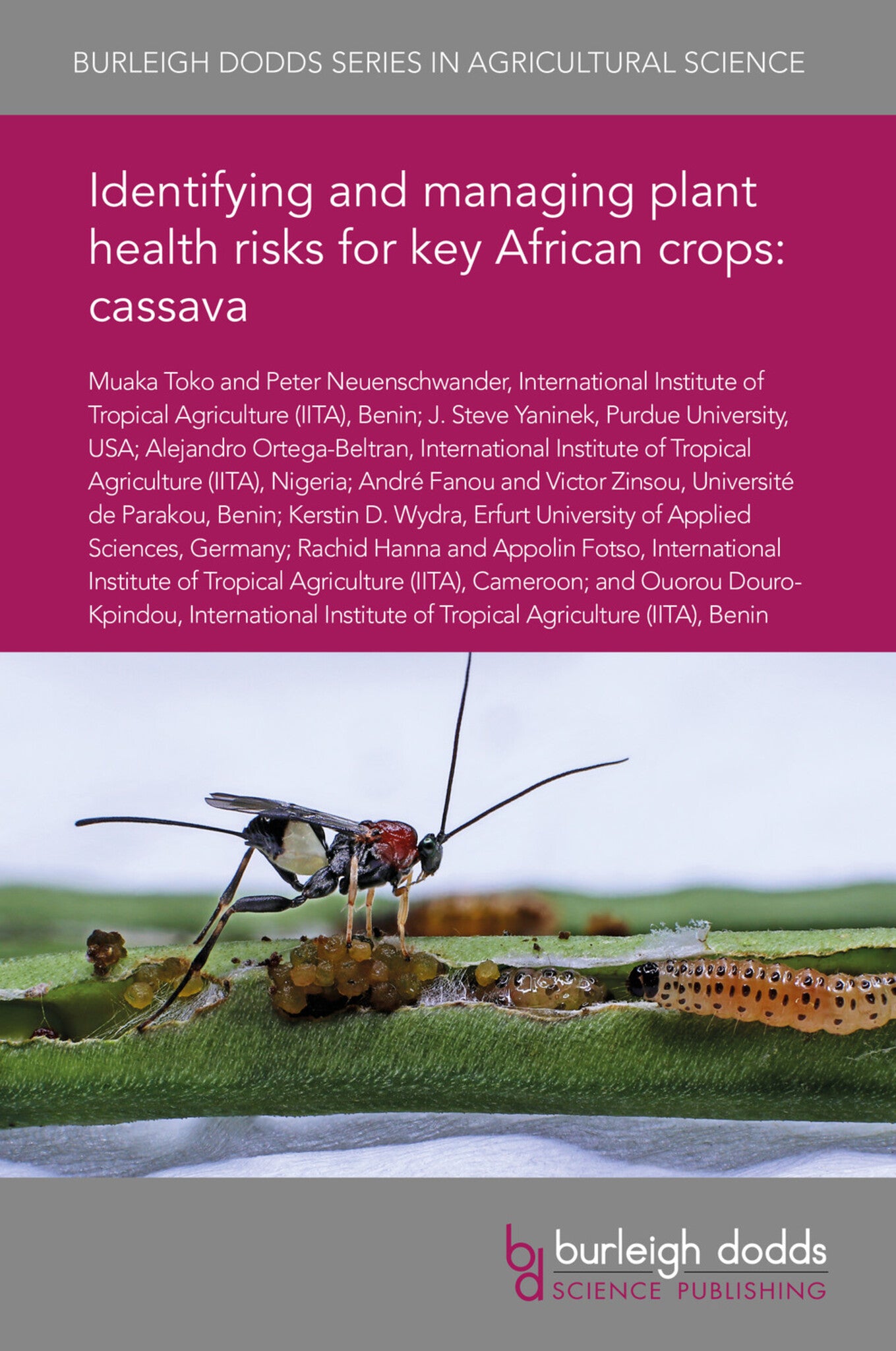
Identifying and managing plant health risks for key african crops: cassava
The long history of cassava as a hardy crop, relatively free from diseases and pests’ attacks, ended in the 1970s when the cassava mealybug Phenacoccus manihoti and the cassava green mite Mononychellus tanajoa invaded Africa and devastated the crop to the point of wiping it out as was the case w...
Read MoreRegular price £25.00Sale price £25.00 Regular price £25.00Unit price per -
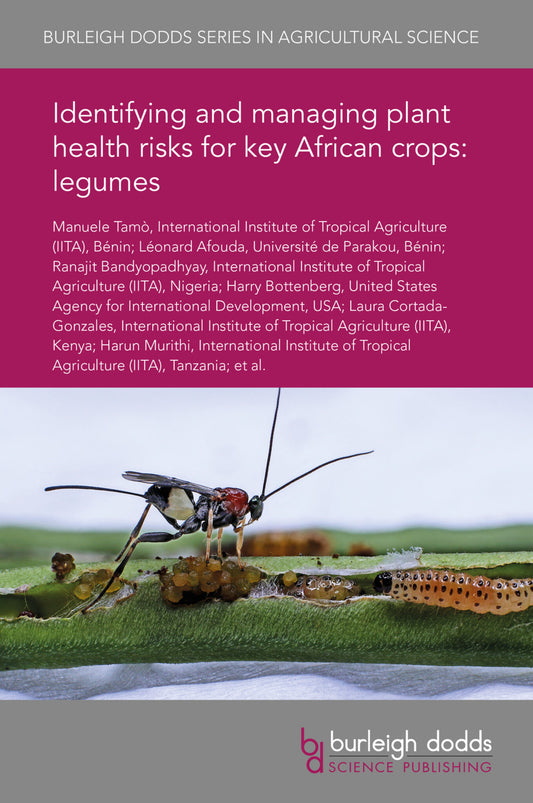
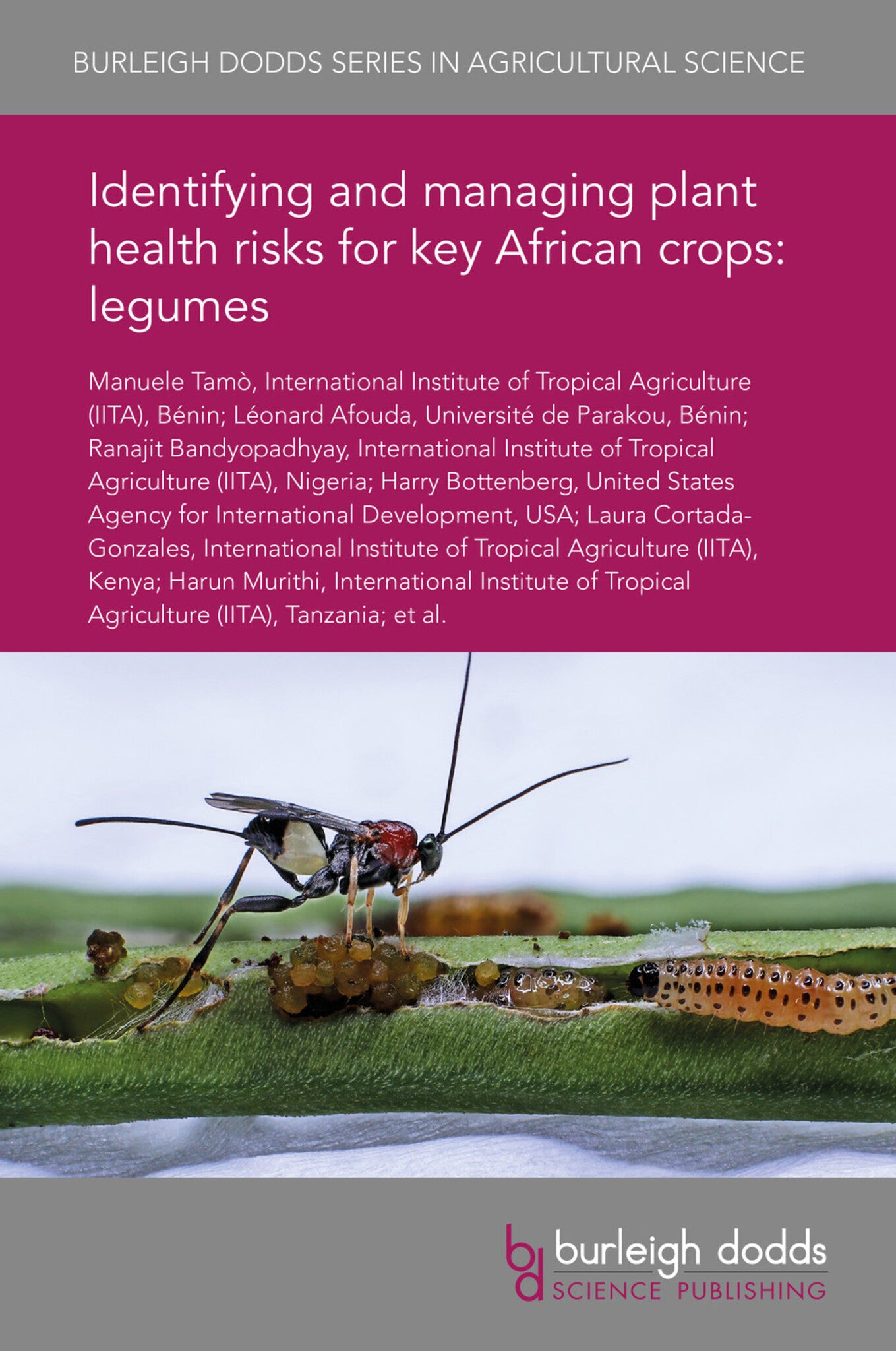
Identifying and managing plant health risks for key african crops: legumes
The yield potential of cowpea and soybean is severely constrained by several biotic stresses, negatively impacting on the livelihoods of farming communities. Resistant germplasm is often the first line of defence against plant pathogens inducing foliar diseases like Asian soybean rust, but needs ...
Read MoreRegular price £25.00Sale price £25.00 Regular price £25.00Unit price per -
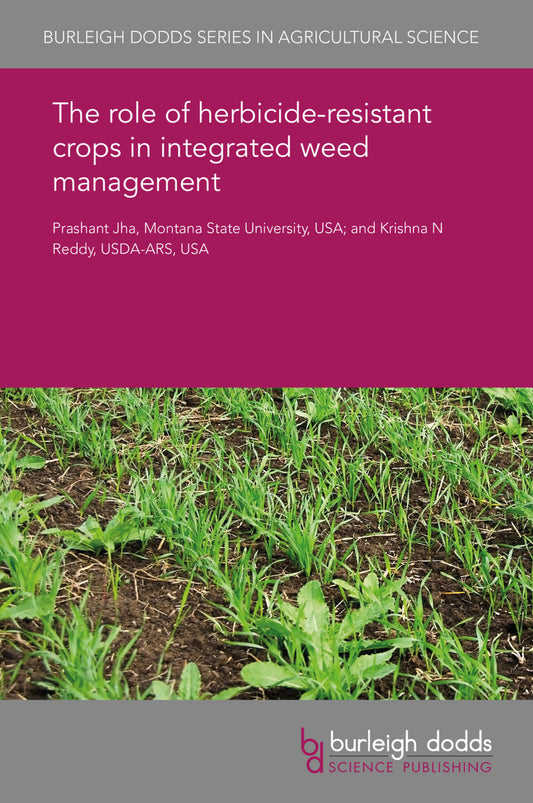
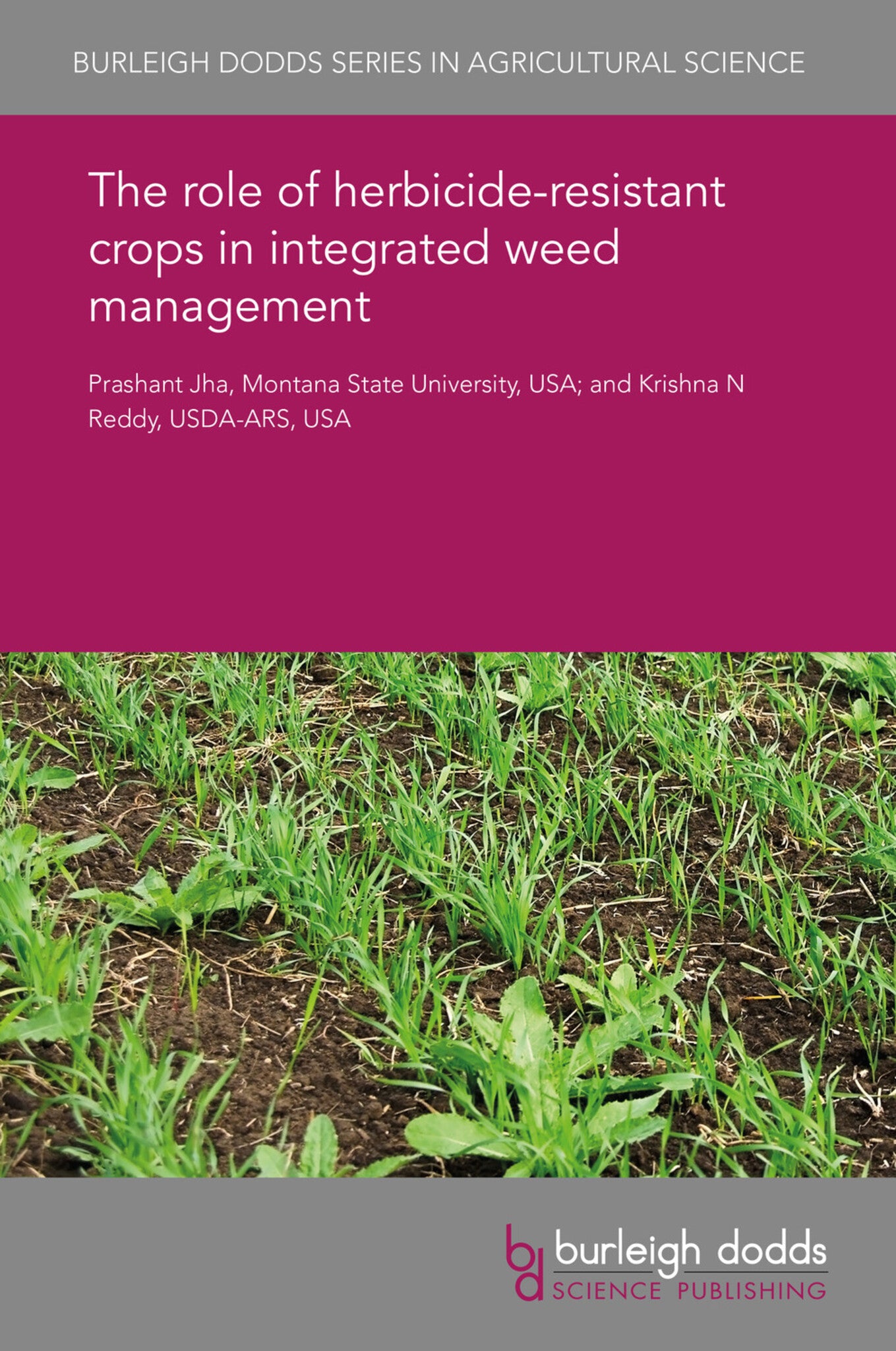
The role of herbicide-resistant crops in integrated weed management
Herbicide-resistant (HR) crops have been a boon for farmers who have adopted them as they provided simple, flexible and economical tool to manage a broad spectrum of weeds and weeds resistant to other herbicides. This chapter reviews the major types of HR crop (commercialized or under development...
Read MoreRegular price £25.00Sale price £25.00 Regular price £25.00Unit price per -
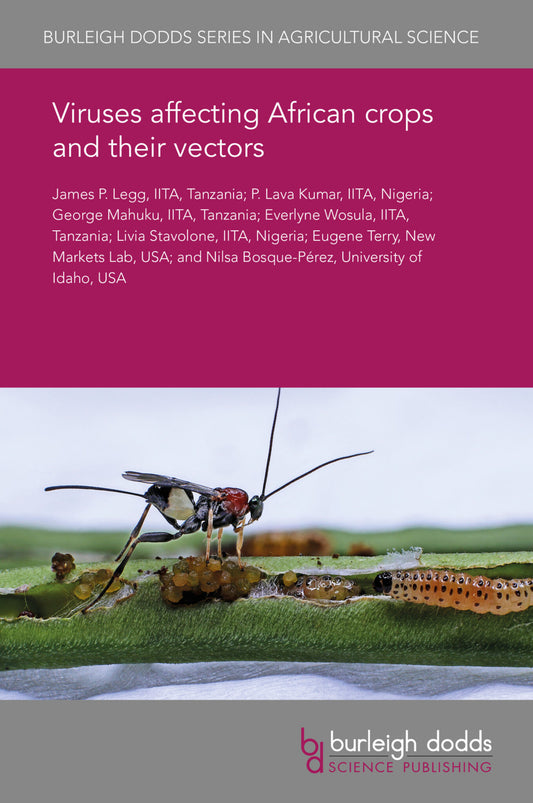
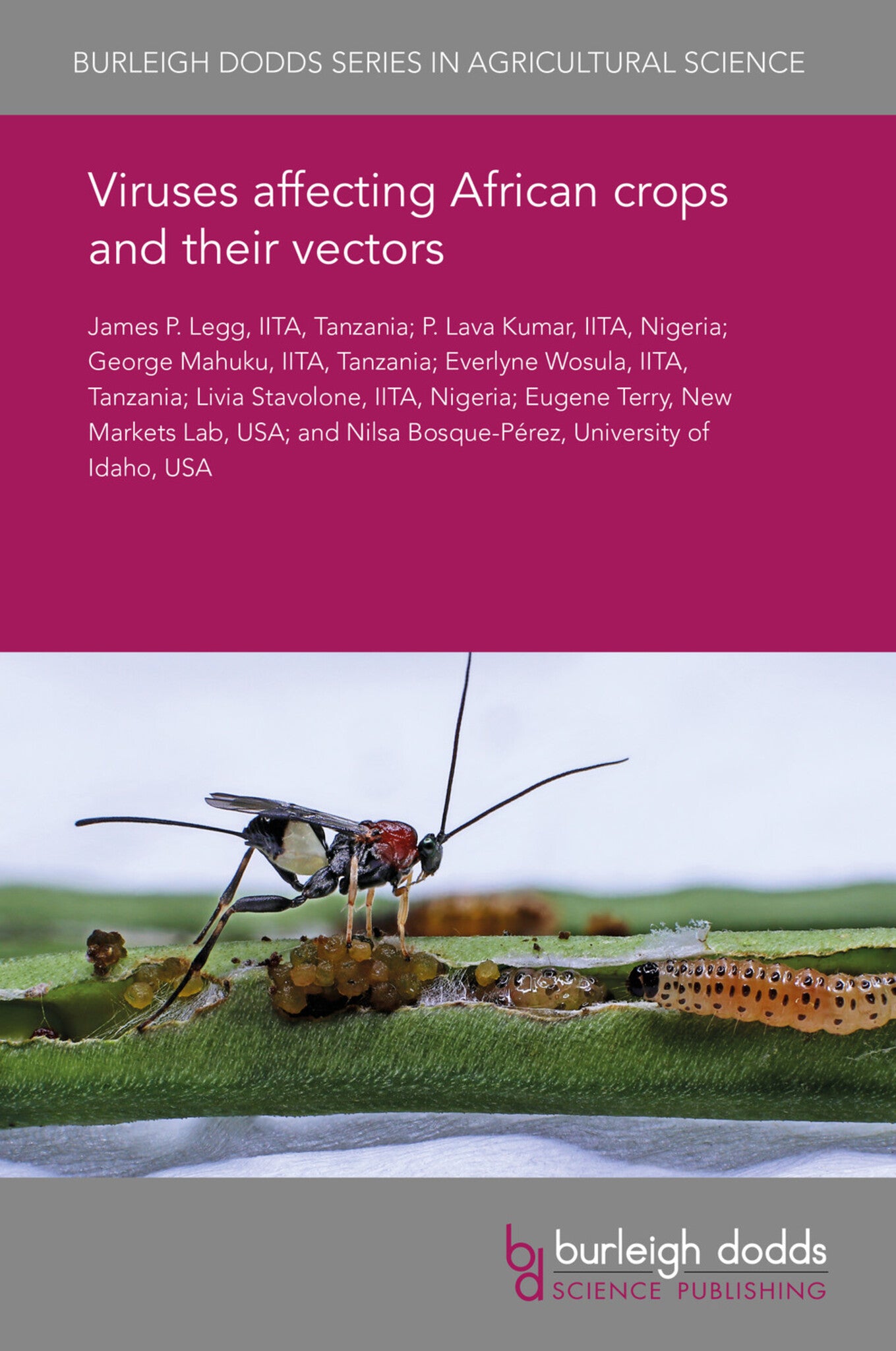
Viruses affecting african crops and their vectors
Plant viruses are one of the major constraints to crop production in Africa. Consequently, research into understanding and managing viruses has been a major theme of IITA’s work over its 50-year history. This chapter reviews the progress made in characterizing the major viruses affecting bananas,...
Read MoreRegular price £25.00Sale price £25.00 Regular price £25.00Unit price per -
Cultural techniques to manage weeds
Widespread problems with herbicide-resistant weeds, environmental contamination by herbicides, and soil degradation due to excessive cultivation have led to an increasing need for integrated weed management strategies that make use of a wide array of cultural techniques to reduce weed population ...
Read MoreRegular price £25.00Sale price £25.00 Regular price £25.00Unit price per -
The use of microorganisms in integrated weed management
Biological control of weeds by fungal pathogens, bacteria and viruses has been studied for more than three decades. The aim is to suppress or reduce the weed population below an ecological or economic threshold. This chapter describes the role of biopesticides in weed control, historical accompli...
Read MoreRegular price £25.00Sale price £25.00 Regular price £25.00Unit price per -
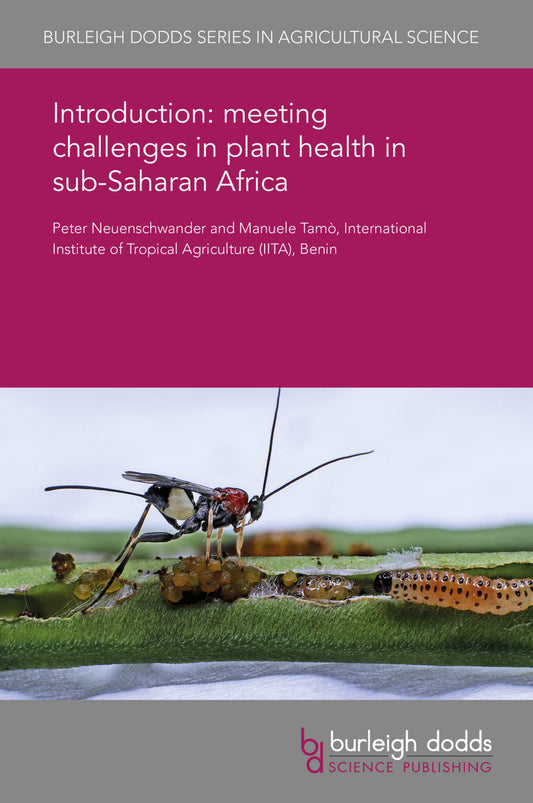
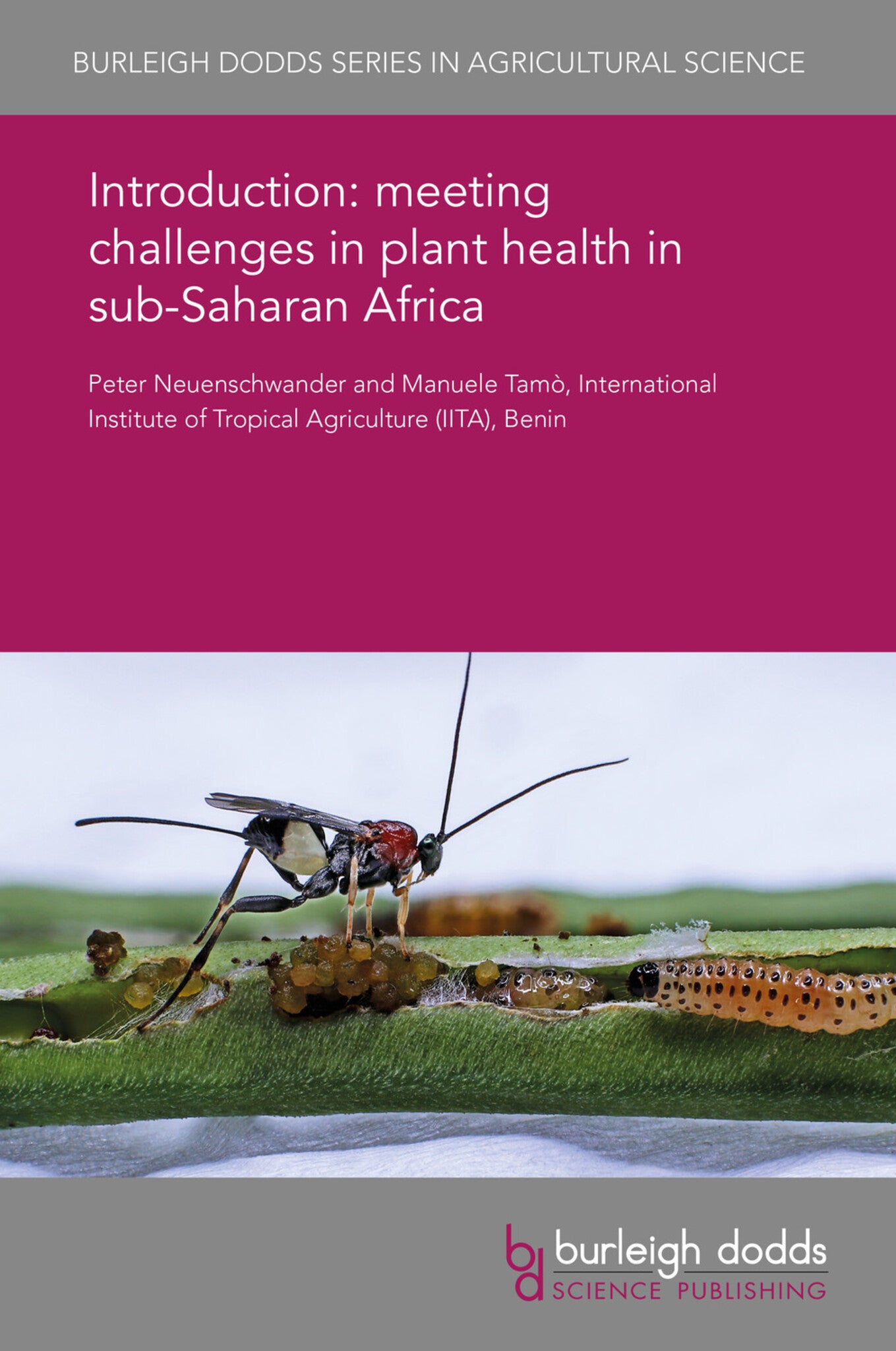
Introduction: meeting challenges in plant health in sub-saharan africa
This volume is a review of plant health research and its implementation by the International Institute of Tropical Agriculture (IITA) and its collaborators worldwide to celebrate IITA’s fiftieth anniversary. It addresses plant health issues of global importance in sub-Saharan Africa, including hu...
Read MoreRegular price £25.00Sale price £25.00 Regular price £25.00Unit price per -
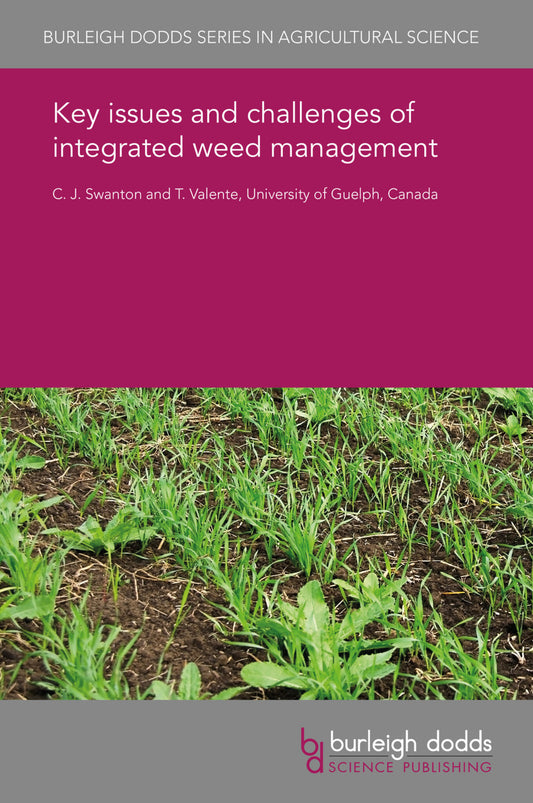
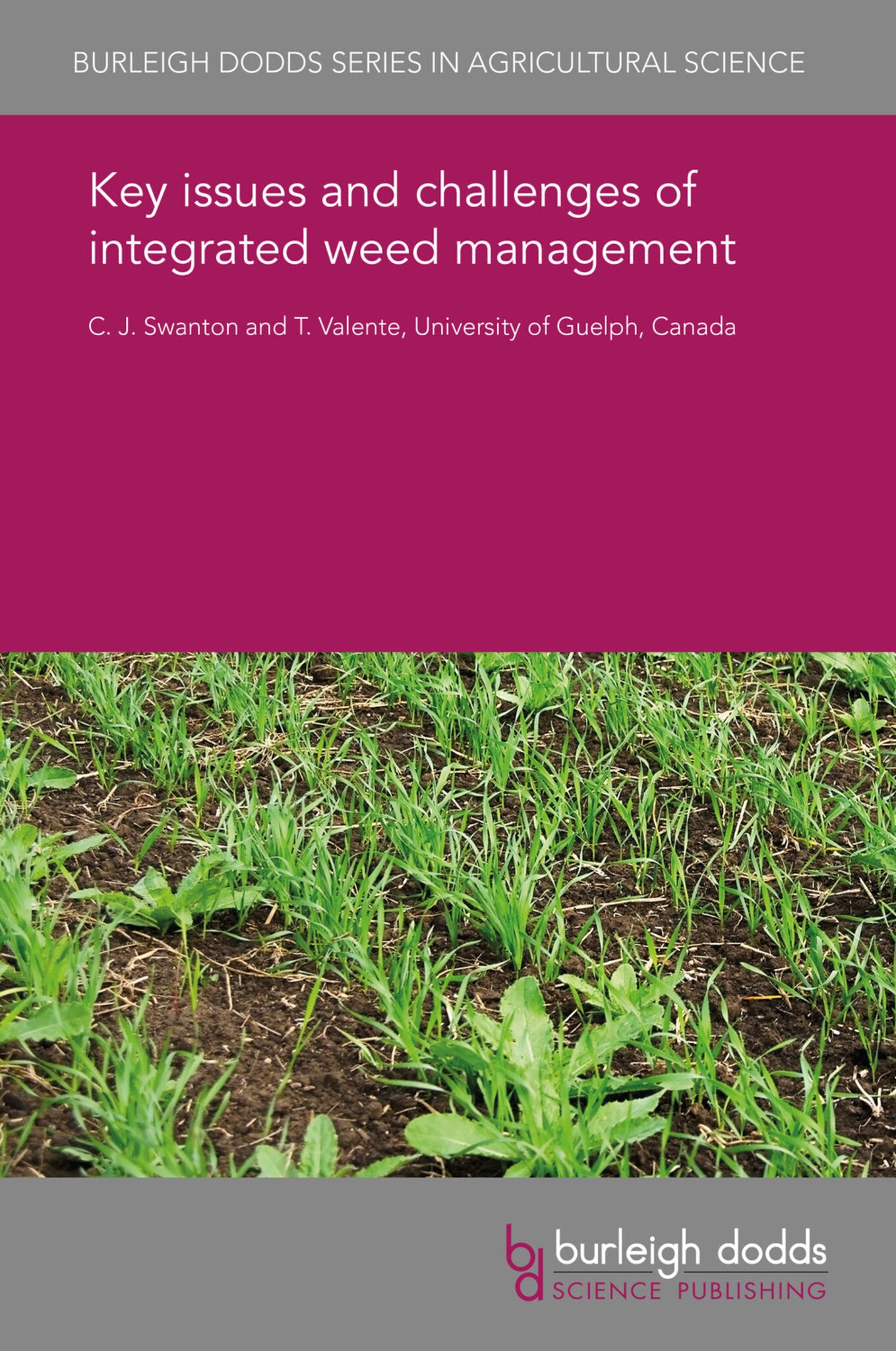
Key issues and challenges of integrated weed management
In order to intensify agricultural productivity while at the same time enhance ecosystem services, it is necessary to evaluate carefully how current weed-management technologies are deployed, including herbicides and herbicide-resistant crops. Herbicide chemistries and herbicide-resistant crops h...
Read MoreRegular price £25.00Sale price £25.00 Regular price £25.00Unit price per -
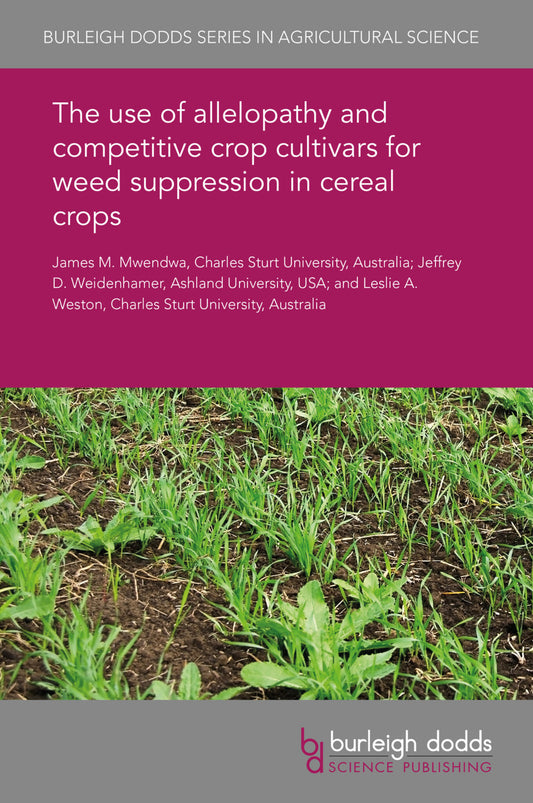
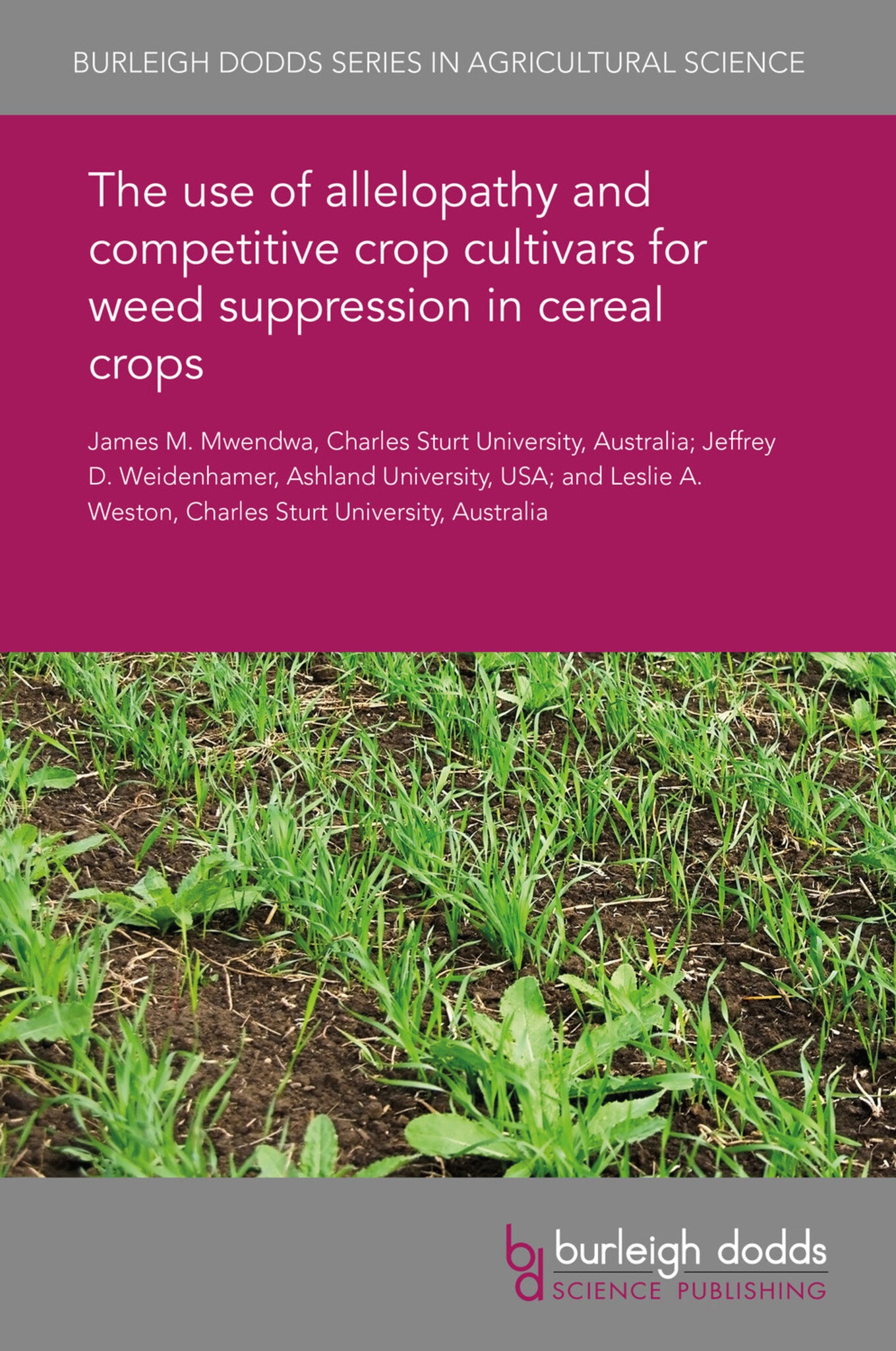
The use of allelopathy and competitive crop cultivars for weed suppression in cereal crops
Due to the rise of herbicide resistance, diverse weed management tools are required to ensure sustainable weed control. This chapter focuses on competitive cereal crops and cultural strategies for weed management, including the use of weed-suppressive cultivars, post-harvest crop residues, and co...
Read MoreRegular price £25.00Sale price £25.00 Regular price £25.00Unit price per -
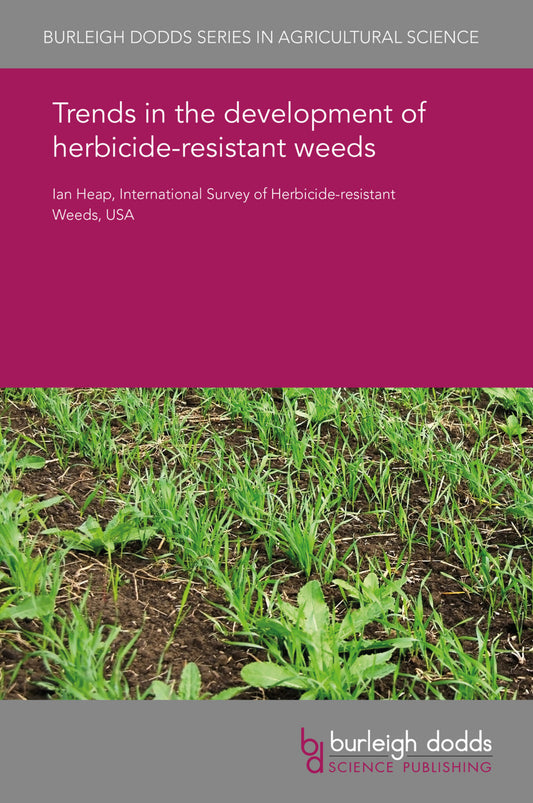
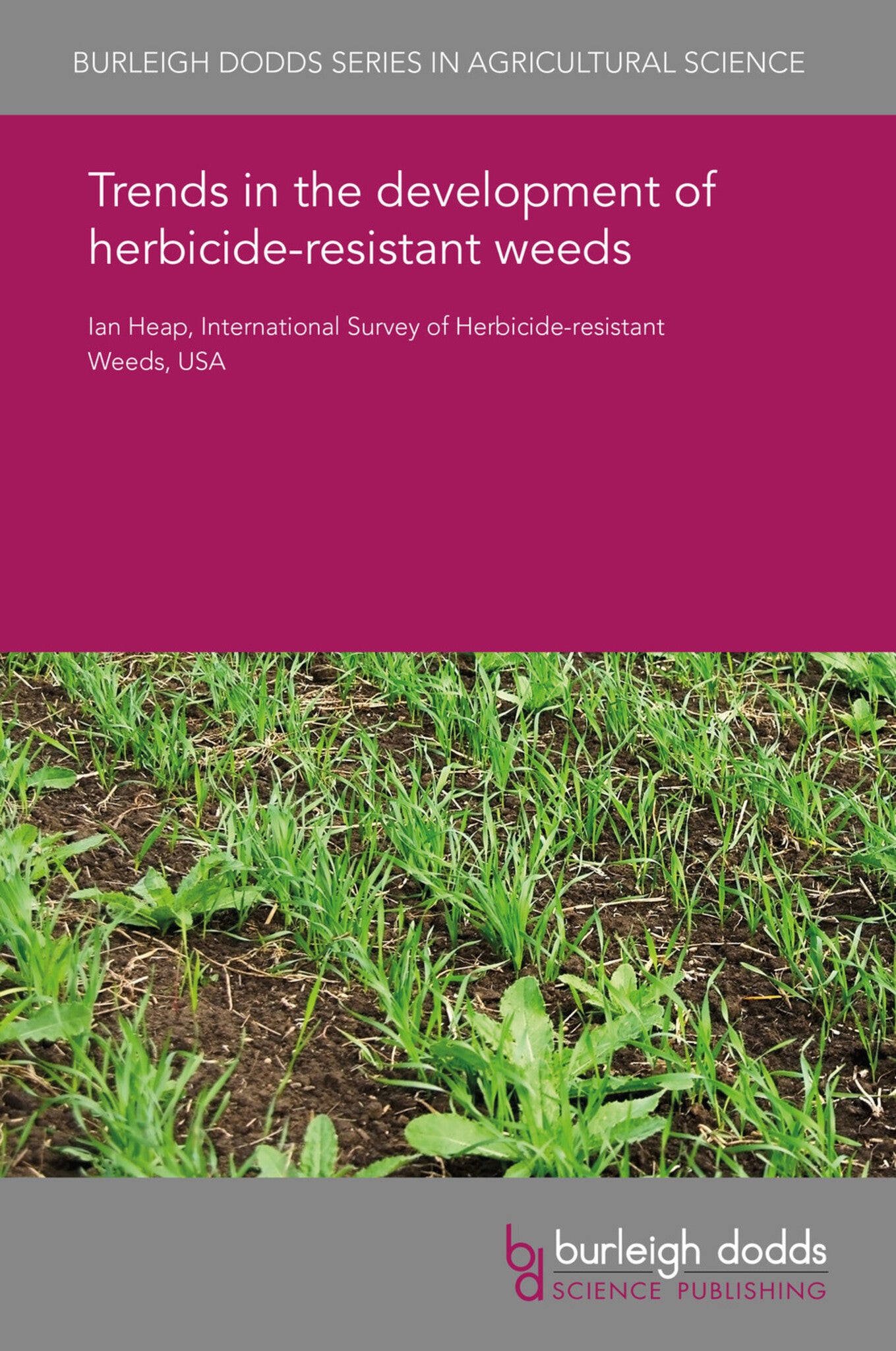
Trends in the development of herbicide-resistant weeds
Since the mid-1940s, herbicides have been the most cost-effective and efficient method of weed control for agronomic crops. Today, herbicide-resistant weeds, in combination with a decline in industry discovery programmes and a cessation in discovery of new herbicide sites of action, threaten the...
Read MoreRegular price £25.00Sale price £25.00 Regular price £25.00Unit price per -
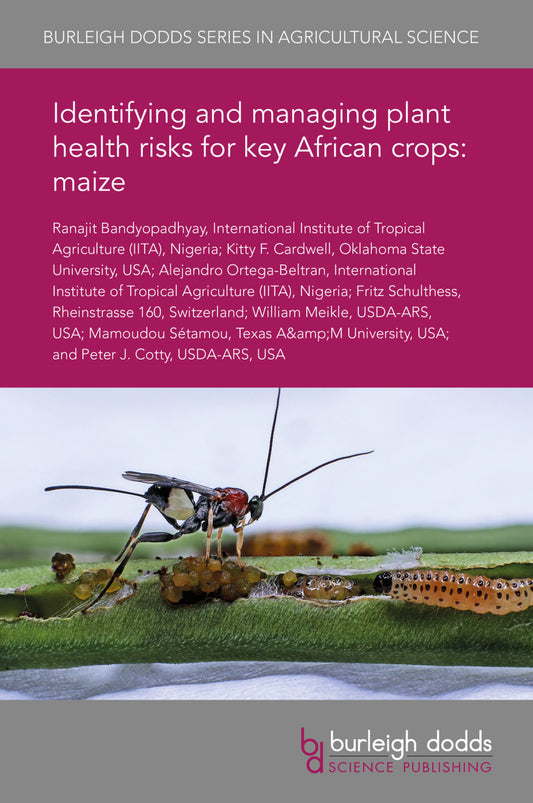
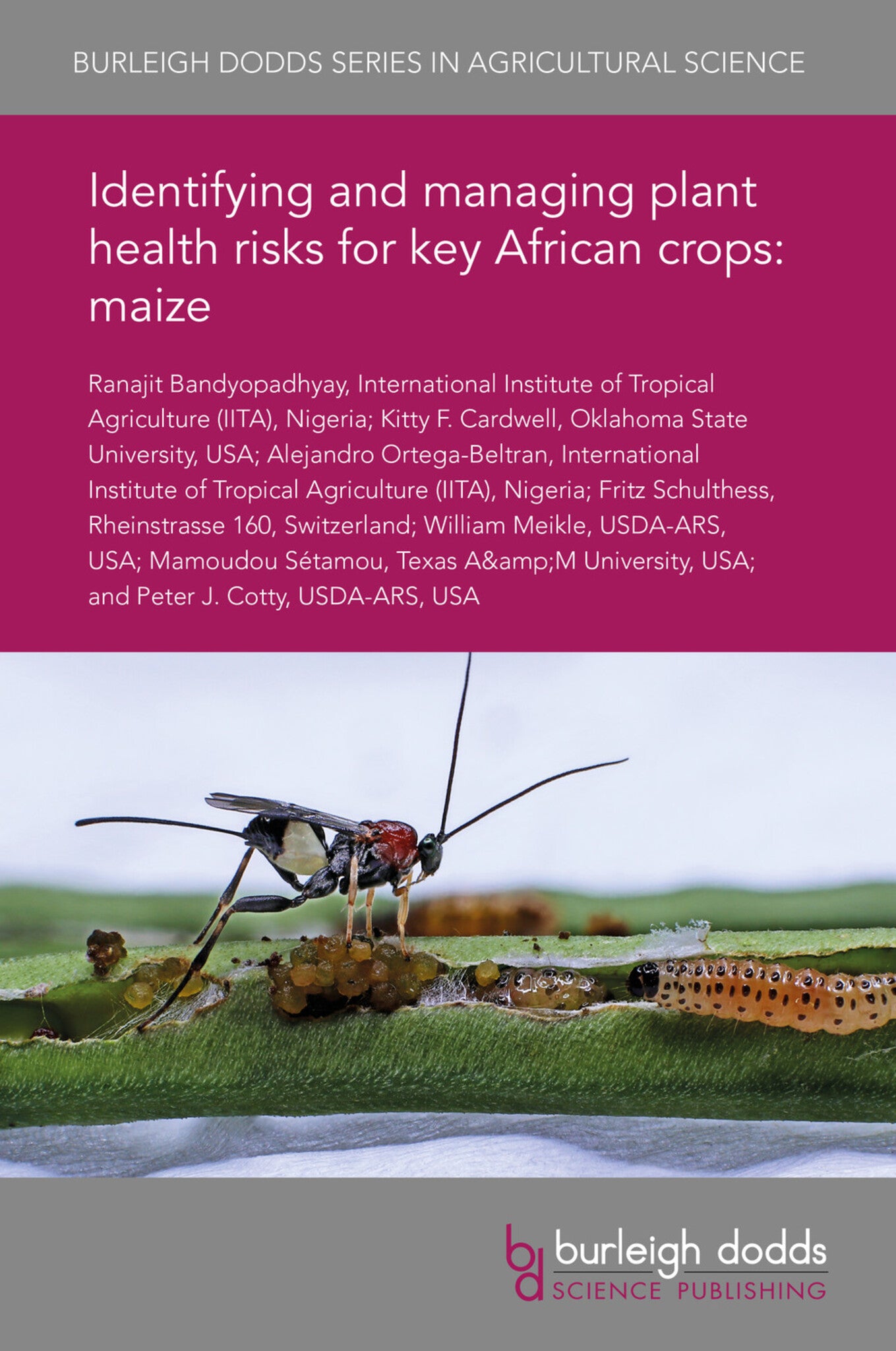
Identifying and managing plant health risks for key african crops: maize
A range of insect pests and diseases compromise the quantity, quality and safety of maize, with a negative impact on the food security, income generation and health of African people. This chapter highlights work conducted by the International Institute of Tropical Agriculture (IITA) on key insec...
Read MoreRegular price £25.00Sale price £25.00 Regular price £0.00Unit price per -
Improving plant health in sub-saharan africa: conclusions and future challenges
This chapter provides concluding comments for ‘Critical Issues in Plant Health: 50 Years of Research in African Agriculture’, a book focussing on research carried out by the International Institute of Tropical Agriculture (IITA) to improve the health of crops in Africa. In addition, it also outli...
Read MoreRegular price £25.00Sale price £25.00 Regular price £25.00Unit price per -
Bioherbicides: an overview
Weed control is one of the greatest concerns in agriculture and land management. Chemical control methods are widespread, but there are many invasive species for which these are not economically feasible. In addition, there are social, economic and political drivers that work towards reducing the...
Read MoreRegular price £25.00Sale price £25.00 Regular price £25.00Unit price per -
Identifying and managing plant health risks for key african crops: fruit and other tree crops
This chapter reviews control methods for the main pests affecting fruit and other tree crops. It describes the use of classical biological control for mango, papaya, cacao, coconut and citrus. Mango mealybug, Rastrococcus invadens, has been controlled with great success across West and Central Af...
Read MoreRegular price £25.00Sale price £25.00 Regular price £0.00Unit price per -
Flame weeding techniques
Flaming as a vegetation control method began in the mid-1800s. It is based on utilizing heat for plant control, and has the potential to be used effectively for at least six agronomic crops (field corn, sweet corn, popcorn, sorghum, soybean and sunflower) when conducted properly at the most toler...
Read MoreRegular price £25.00Sale price £25.00 Regular price £25.00Unit price per -
Identifying and managing plant health risks for key african crops: yams and cocoyams
A large proportion of the world’s yams, which are mostly indigenous to Africa, and the exotic taro and cocoyam are grown in West and Central Africa by resource-poor farmers. Surveys demonstrate recycling and build-up of pathogens and nematodes from one generation to the next because of their vege...
Read MoreRegular price £25.00Sale price £25.00 Regular price £0.00Unit price per -
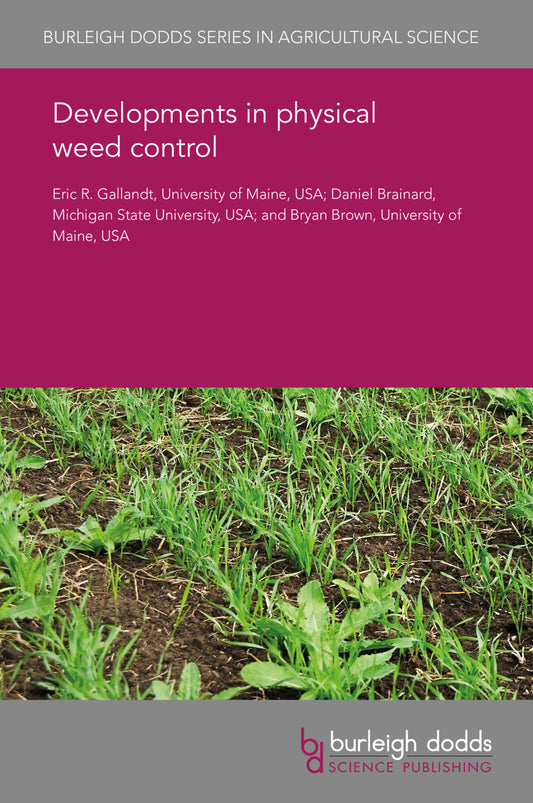
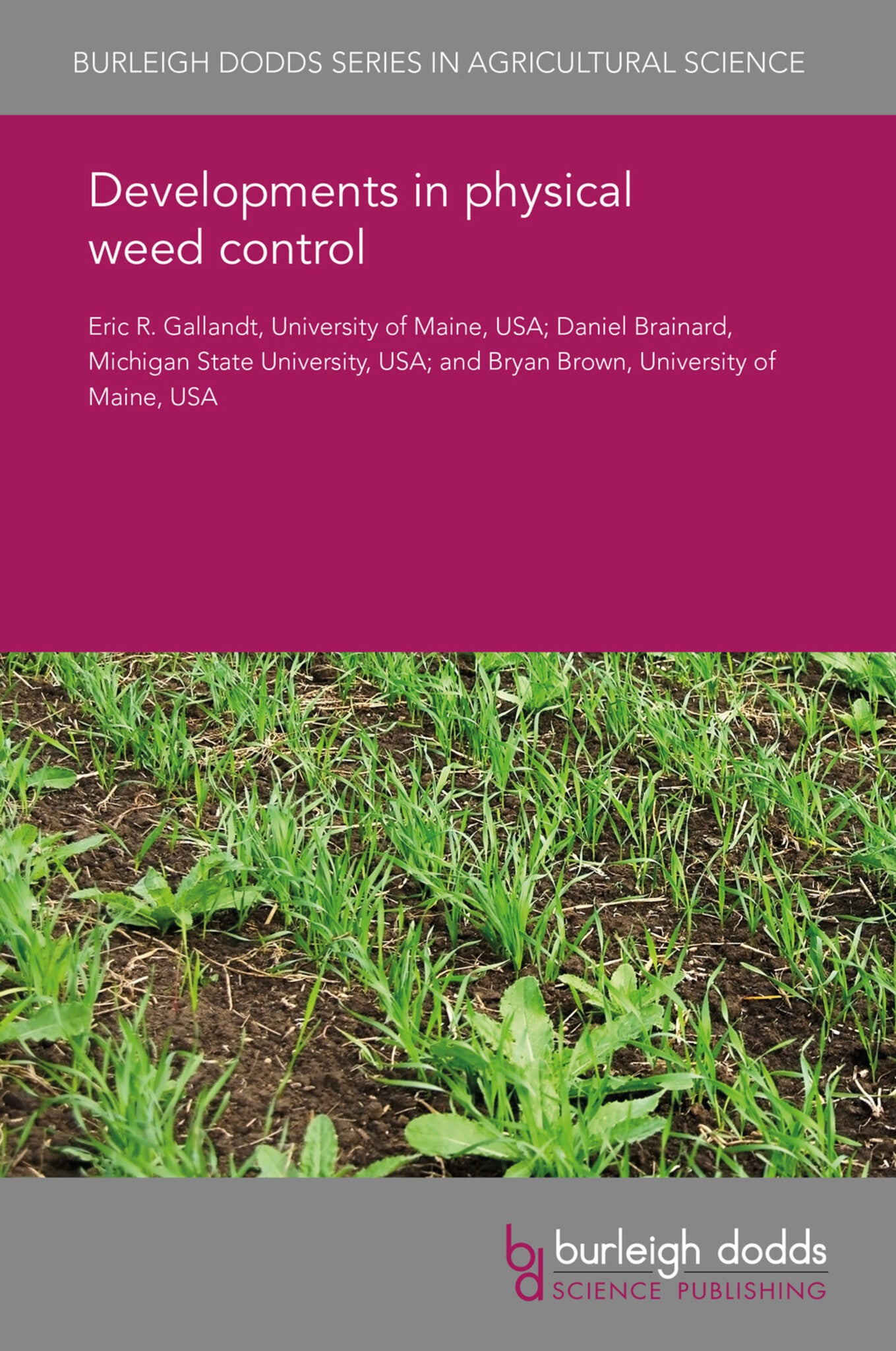
Developments in physical weed control
Physical weed control is the key method for reducing negative impacts of weeds in organic cropping systems, and remains important even on many conventional vegetable farms. Inter-row cultivation is generally effective, but controlling intra-row weeds remains a challenge. Well-timed use of torsion...
Read MoreRegular price £25.00Sale price £25.00 Regular price £0.00Unit price per -
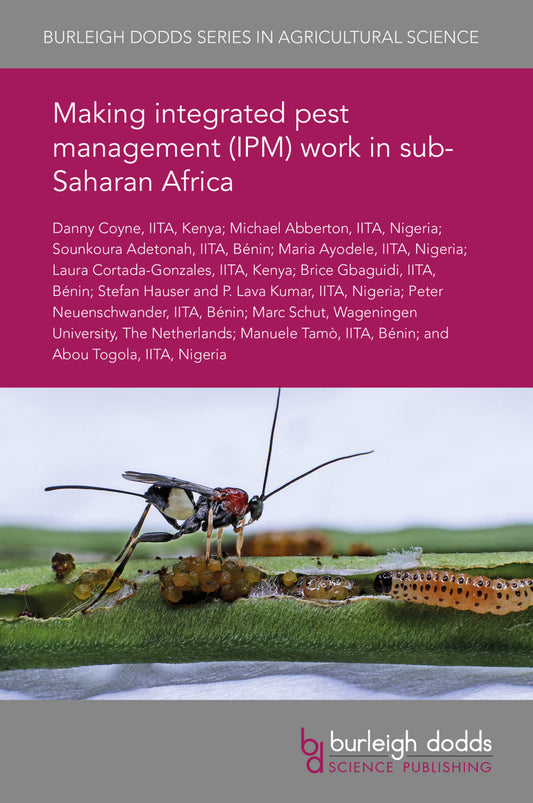
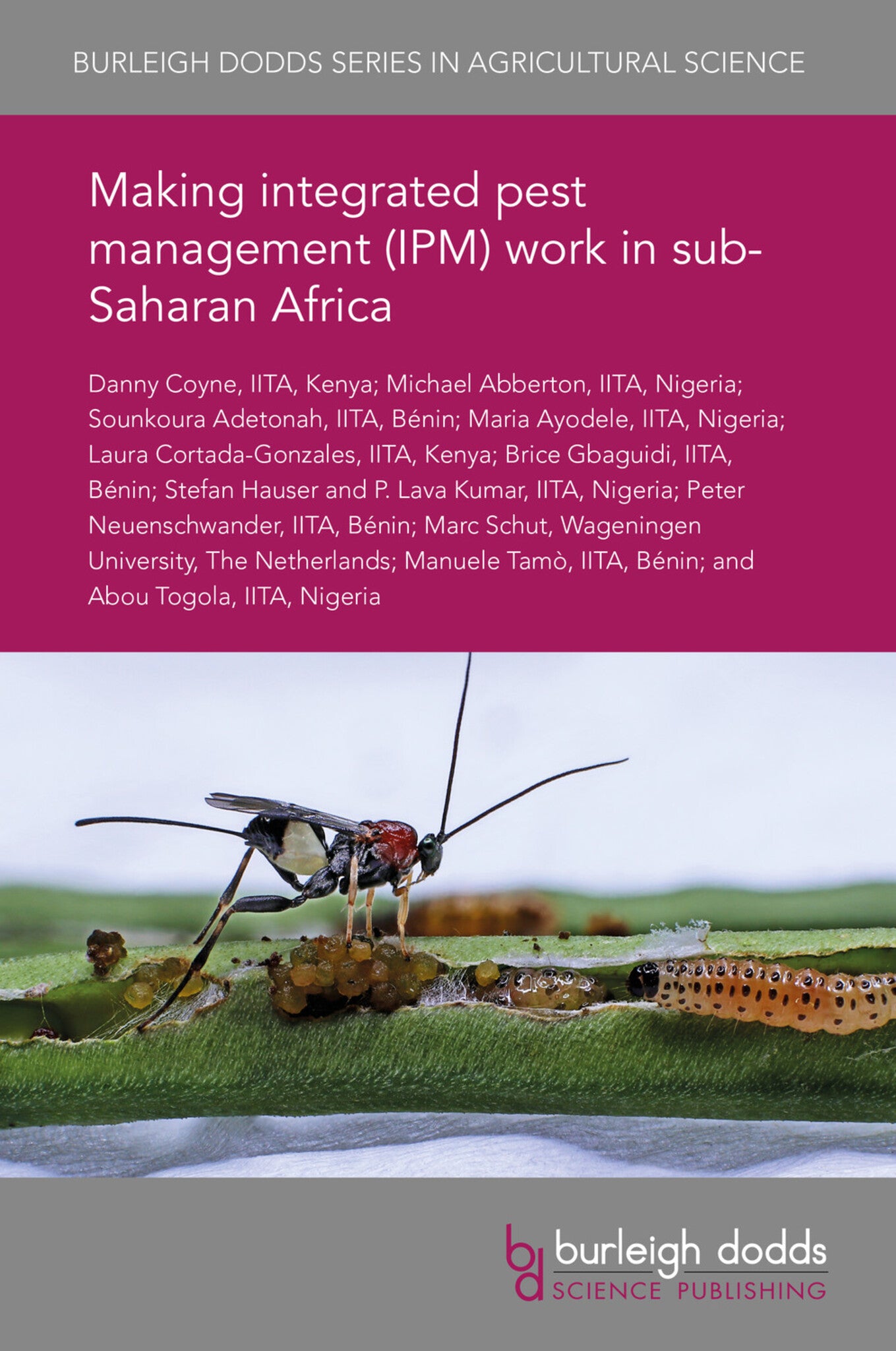
Making integrated pest management (ipm) work in sub-saharan africa
Losses to biotic threats remain among the most important factors affecting crop productivity in the predominantly complex smallholder systems of sub-Saharan Africa. The unavoidable intensification of crop production will further exacerbate pest problems, and pest management needs to respond accor...
Read MoreRegular price £25.00Sale price £25.00 Regular price £25.00Unit price per -
Surveillance and monitoring of weed populations
To implement integrated weed management more effectively, the temporal and spatial distribution of weed populations in a field need to be determined. Weed species tend to be patchy and this influences the ability to calculate average weed densities when conducting a survey. This chapter reviews c...
Read MoreRegular price £25.00Sale price £25.00 Regular price £25.00Unit price per -
Integrated pest management for sustainable rice cultivation: a holistic approach
This chapter describes a holistic approach to integrated pest management (IPM) using knowledge of the natural regulation of herbivore and weed populations and of natural succession in agricultural wetlands. It draws attention to the drivers of change in rice production systems, the forms that fut...
Read MoreRegular price £25.00Sale price £25.00 Regular price £25.00Unit price per -
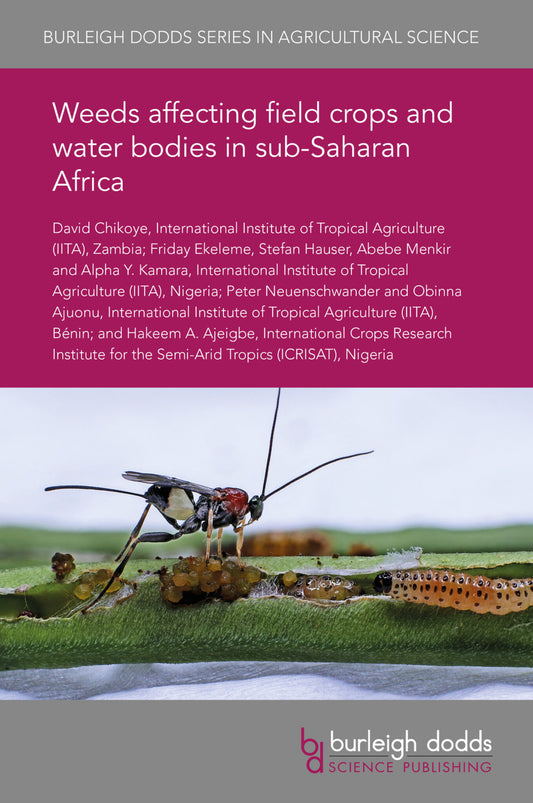
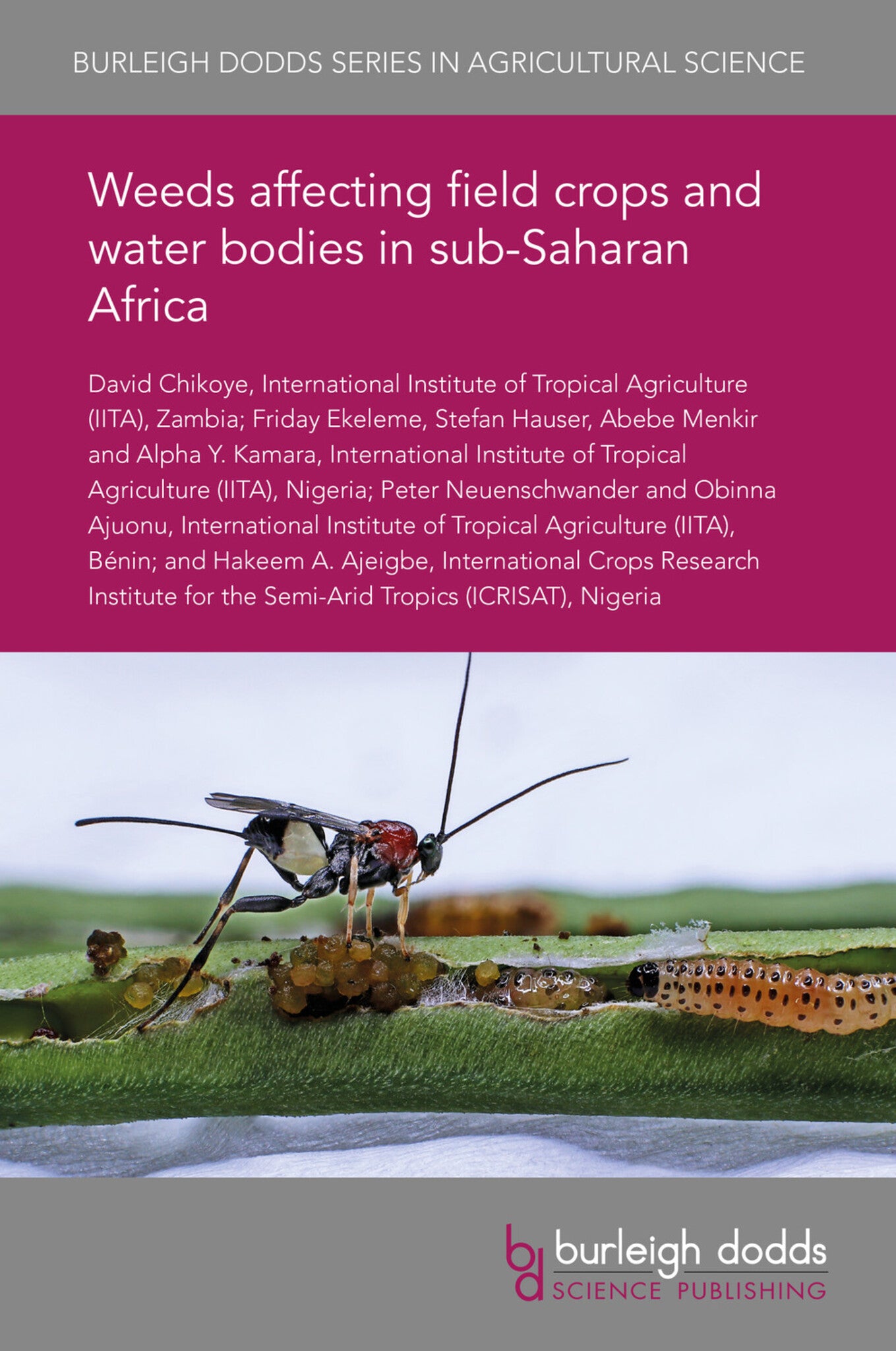
Weeds affecting field crops and water bodies in sub-saharan africa
In sub-Saharan Africa, weeds are a serious challenge, undermining food security and economic development. Weeds interfere with various human activities. Despite the different classes of weeds based on habitat (terrestrial or aquatic), life cycle (annual or perennial) or morphology (dicots or mono...
Read MoreRegular price £25.00Sale price £25.00 Regular price £25.00Unit price per -
Control of rodent pests in rice cultivation
Rodents cause significant damage to rice crops at all stages. The intensity of rice cropping and the level of asynchrony of cropping affects the level of rodent losses. It is important to understand the biology of rodent species causing damage in order to develop appropriate management strategies...
Read MoreRegular price £25.00Sale price £25.00 Regular price £25.00Unit price per -


Assessing and minimizing the environmental effects of herbicides
Herbicides are widely used to control weeds; however, they can have other effects on the environment. Herbicides can move from the site of application through spray drift, volatilization from surfaces, surface run-off or leaching to groundwater. This chapter examines the sources and fate of herbi...
Read MoreRegular price £25.00Sale price £25.00 Regular price £25.00Unit price per -

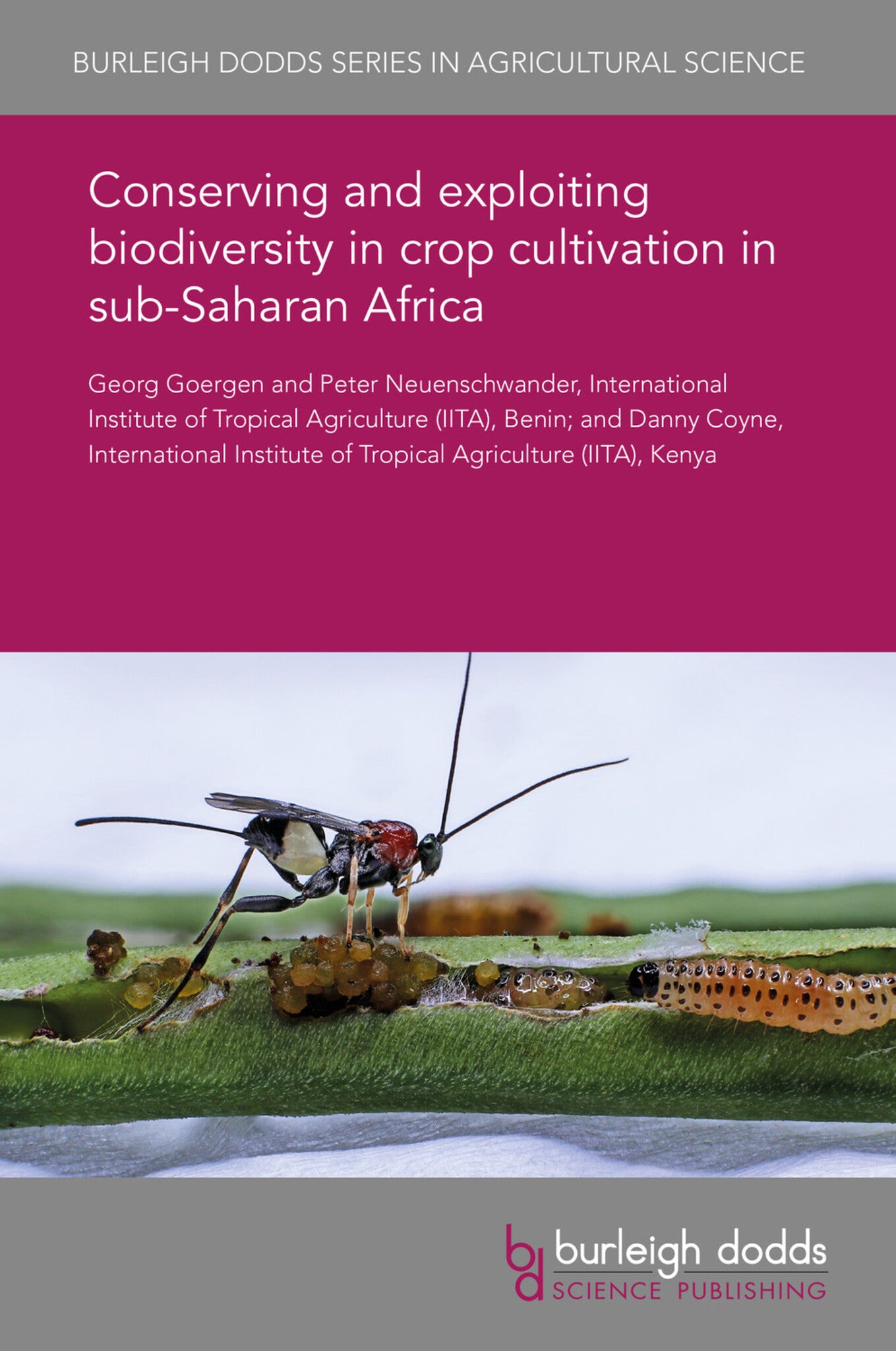
Conserving and exploiting biodiversity in crop cultivation in sub-saharan africa
Under relentless global population growth the key challenge is to increase agricultural production while preserving biodiversity and reducing the pressure on ecosystems and natural resources. As a first step, the development of sustainable agricultural practices requires thorough understanding of...
Read MoreRegular price £25.00Sale price £25.00 Regular price £0.00Unit price per -


Weed management in organic crop cultivation
Managing weeds in organic production systems is critical to the economic success of organic farmers, as well as long-term ecological sustainability. Problems with weeds are a major reason why organic operations fail, or never get started. This chapter provides an overview of the range of tools an...
Read MoreRegular price £25.00Sale price £25.00 Regular price £25.00Unit price per -


Weed-plant interactions
Crops or desired plant species co-occur with undesired species, and the co-occurring species thereby come to be classed as weeds. This human-imposed classification is based on the perception that there is an interaction that results in some negative effect of the weed on the crop or desired speci...
Read MoreRegular price £25.00Sale price £25.00 Regular price £25.00Unit price per -


The use of rotations and cover crops to manage weeds
Crop rotation has been known for many years as an effective strategy for controlling weeds because it has a disruptive effect on weed populations. Cover crops are important additions to cash crop rotations because they suppress weeds during rotational periods when crops are absent and provide eco...
Read MoreRegular price £25.00Sale price £25.00 Regular price £0.00Unit price per -
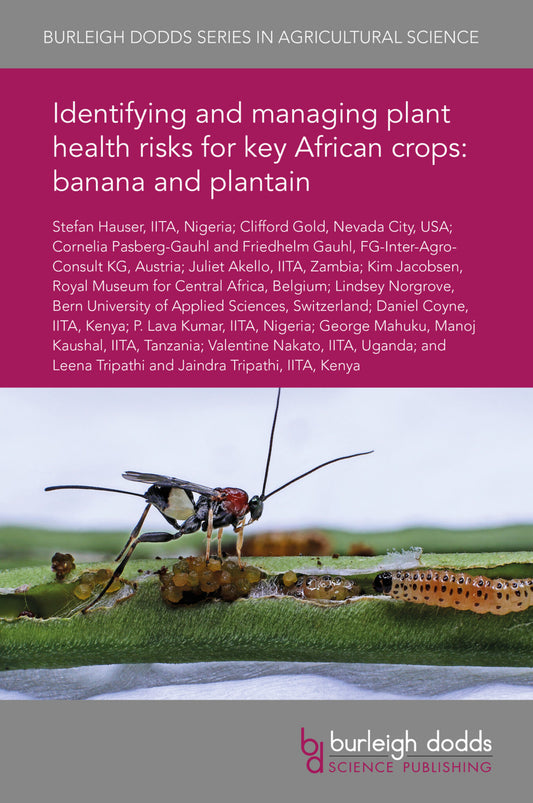
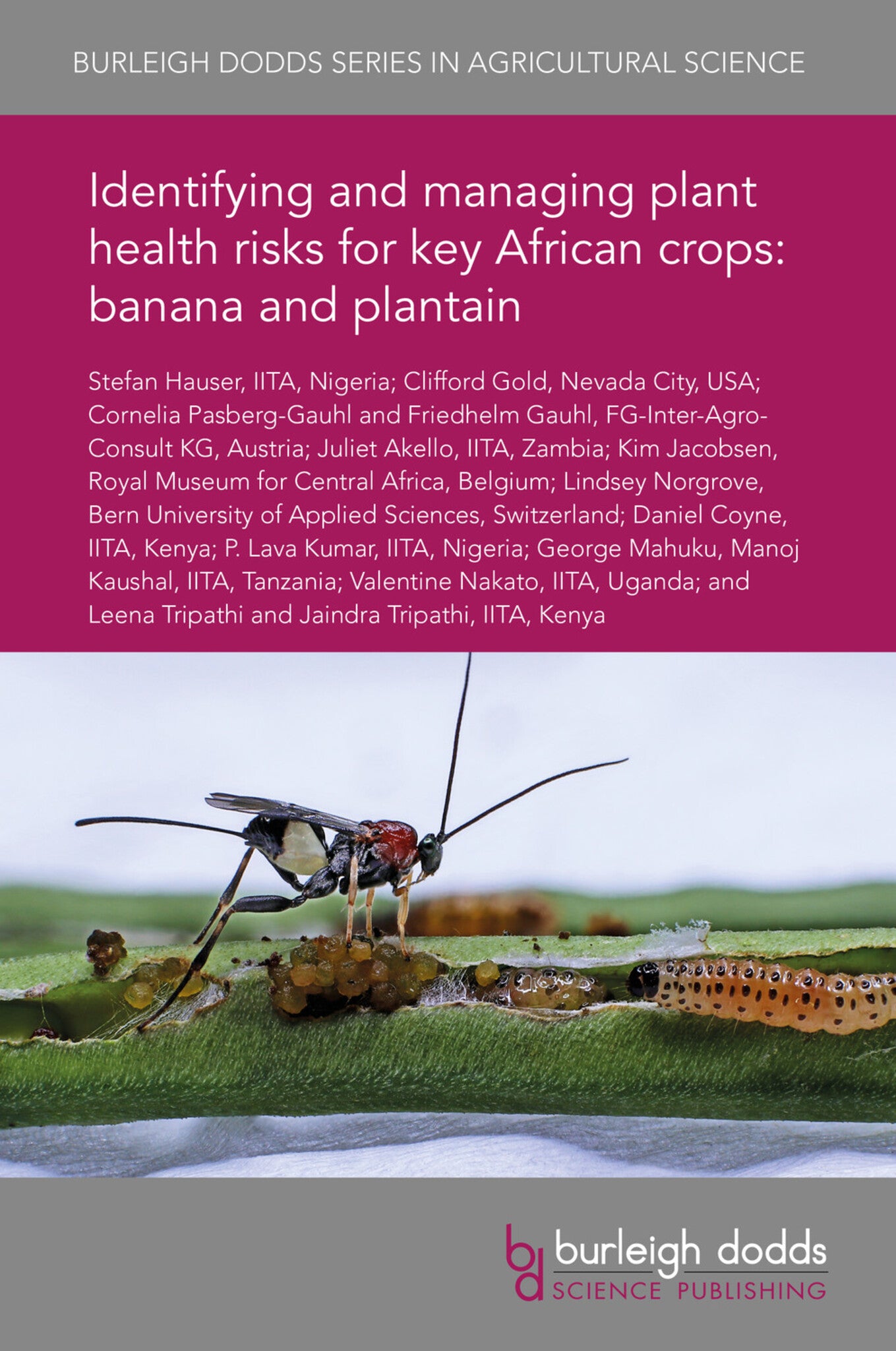
Identifying and managing plant health risks for key african crops: banana and plantain
Many smallholder farmers in humid sub-Saharan Africa rely on bananas and plantains (Musa spp.) as major staple food and income generating crops, with only a negligible portion traded internationally. Banana and plantain production is mainly threatened by various pathogens and pests. This chapter ...
Read MoreRegular price £25.00Sale price £25.00 Regular price £0.00Unit price per -
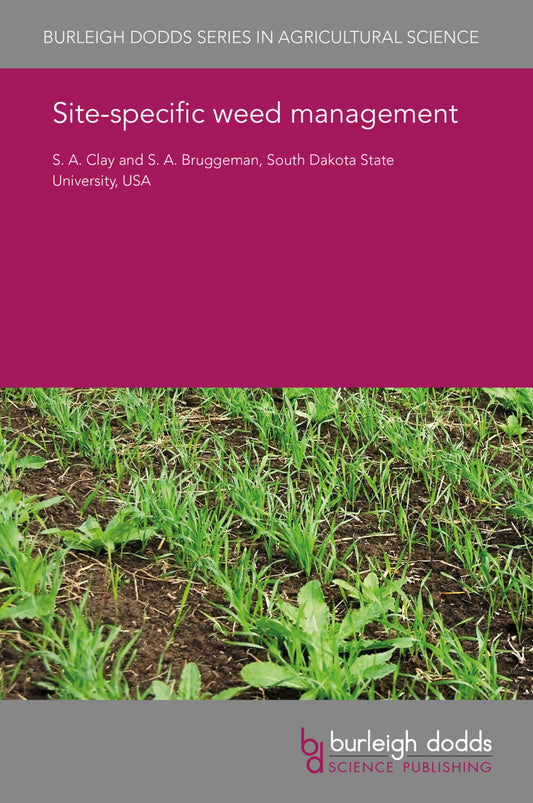
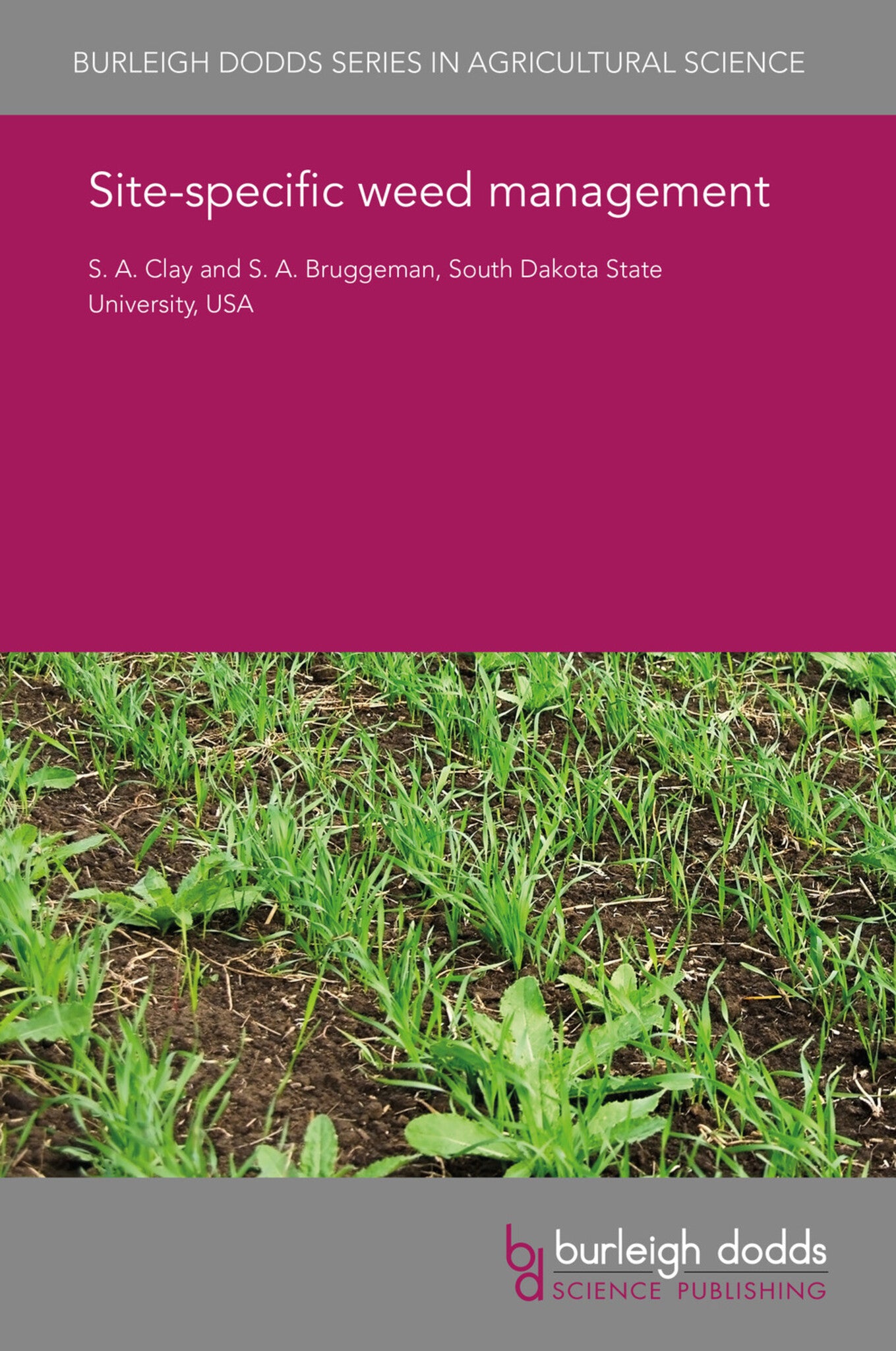
Site-specific weed management
Weeds vary in species and density across fields, but an attempt at uniform management is typically implemented. In this chapter, we review the definition and underpinnings of site-specific weed management, and discuss how information about weed spatial and temporal variability can be used to dete...
Read MoreRegular price £25.00Sale price £25.00 Regular price £25.00Unit price per -


Invasive weed species and their effects
An invasive weed exhibits a tendency to spread rapidly to occupy new niches. This chapter describes ten examples of situations in which invasive weeds directly affect agriculture. The chapter also examines indirect effects, and discusses how climate change and globalization interact to promote in...
Read MoreRegular price £25.00Sale price £25.00 Regular price £25.00Unit price per -
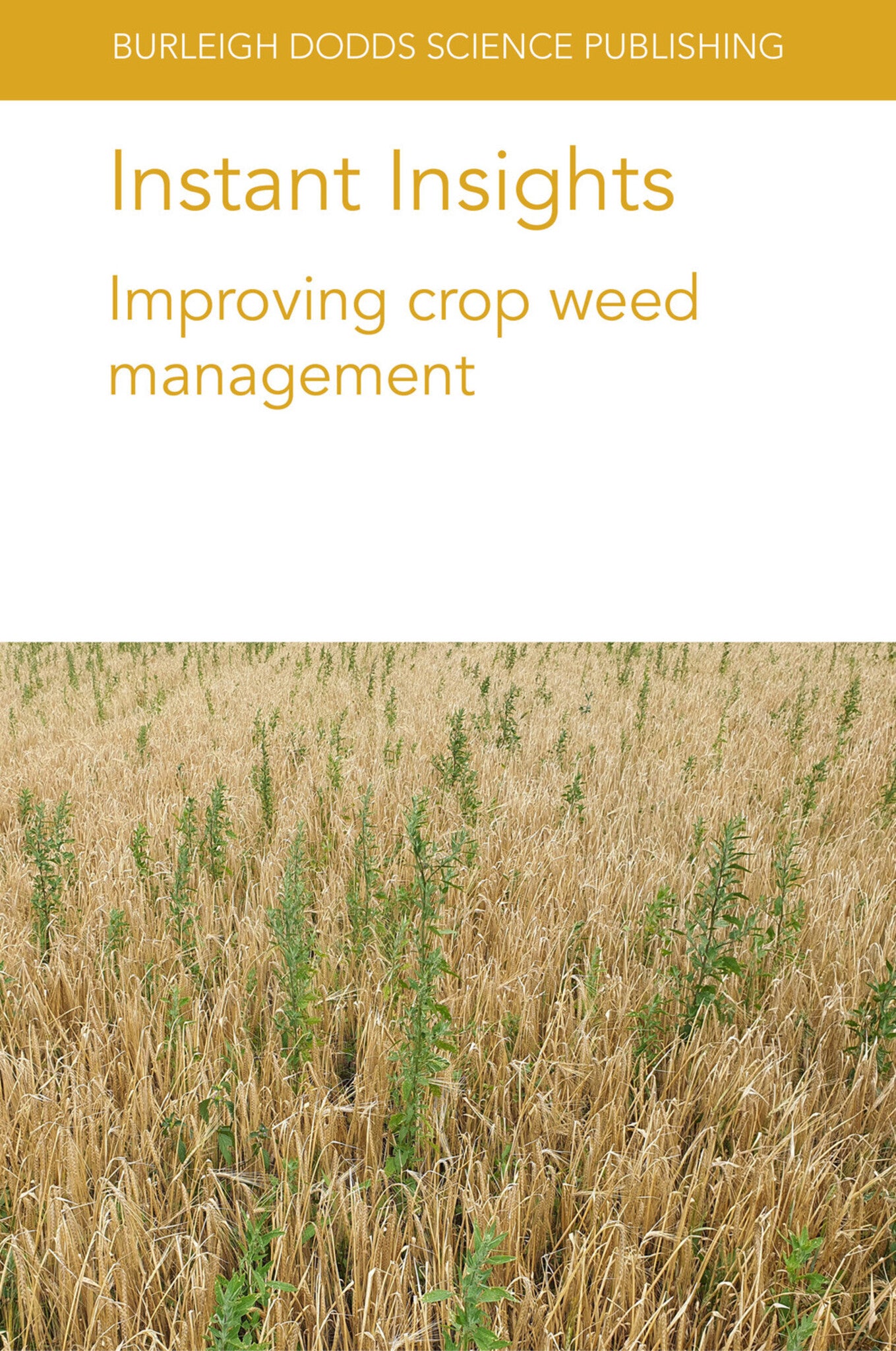
Instant insights: improving crop weed management
This specially curated collection features five reviews of current and key research on improving crop weed management.
Regular price £37.99Sale price £37.99 Regular price £37.99Unit price per -
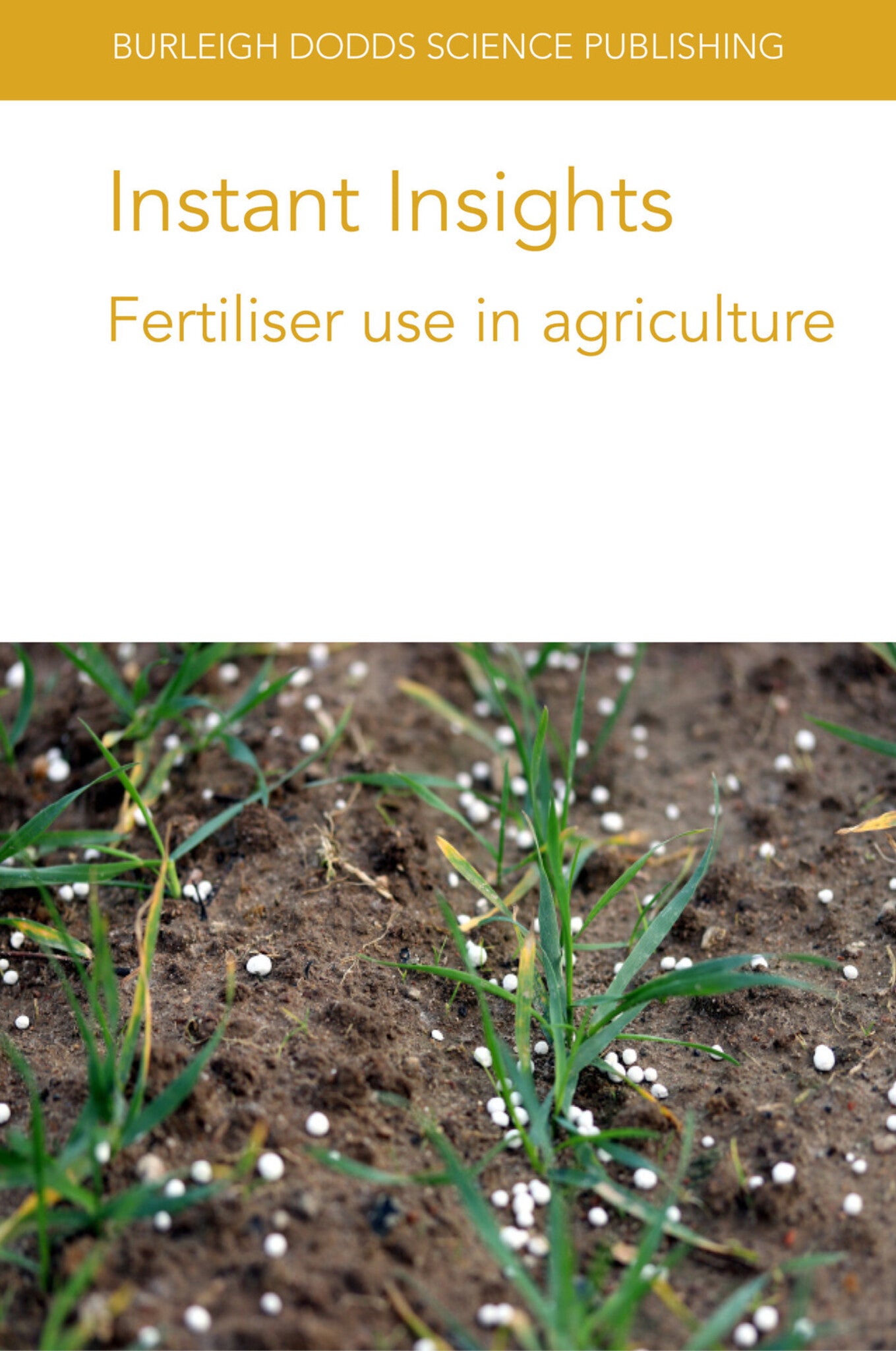
Instant insights: fertiliser use in agriculture
This collection features five peer-reviewed literature reviews on fertiliser use in agriculture.
Regular price £37.99Sale price £37.99 Regular price £37.99Unit price per -
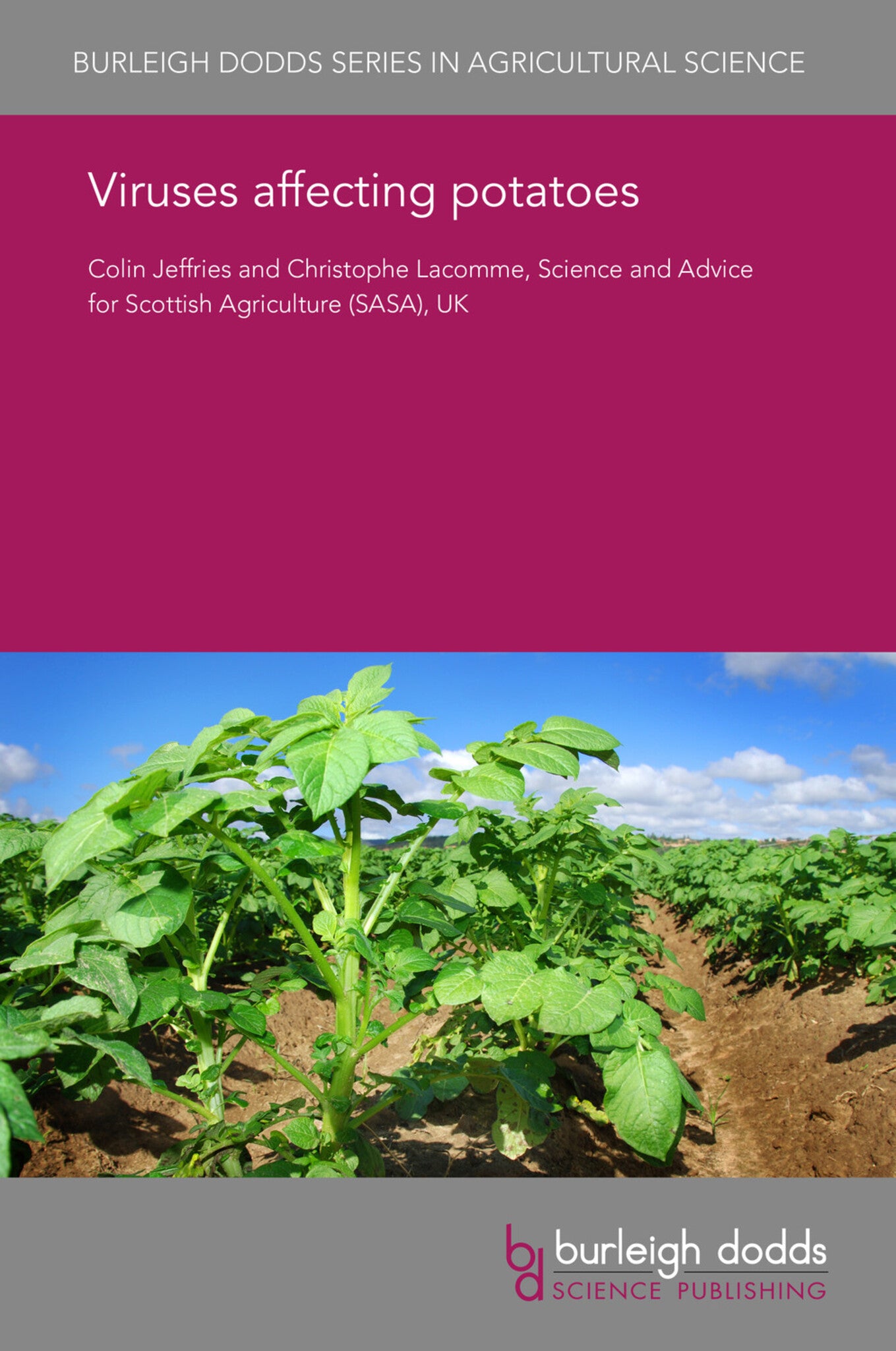
Viruses affecting potatoes
The impact of viruses on potato production can be devastating in many areas worldwide. Breeding for agronomic and resistance traits, knowledge of virus species and their epidemiology, together with the development of accurate diagnostic methods have been essential for the development of crop mana...
Read MoreRegular price £25.00Sale price £25.00 Regular price £0.00Unit price per -
Nematode pests of potatoes
Potatoes are particularly susceptible to attack from nematodes, with around 70 species from 24 genera several different reported. Nematodes reduce the value of the harvested crop by affecting yield, tuber size and marketability or indirectly through the transmission of viruses. After introducing ...
Read MoreRegular price £25.00Sale price £25.00 Regular price £25.00Unit price per -
Bacterial diseases affecting potatoes
Bacterial pathogens continue to pose a significant threat to potato production through in-field yield losses, storage rots and reduced marketability. Ralstonia solanacearum alone is estimated to cause US$1 billion losses worldwide. In this chapter we review current knowledge on principal bacteria...
Read MoreRegular price £25.00Sale price £25.00 Regular price £25.00Unit price per -
Non-infectious disorders affecting potatoes
There are a wide range of non-infectious disorders that can affect potatoes, generally as a result of imbalances within the plant caused by environmental stresses. Such disorders make tubers unappealing to consumers, and therefore have significant economic consequences. However, non-infectious di...
Read MoreRegular price £25.00Sale price £25.00 Regular price £25.00Unit price per -
Fungal diseases affecting potato storage
Fungal and oomycete pathogens responsible for causing potato storage diseases are both numerous and ubiquitous wherever potatoes are grown. These diseases can result in losses of 5–10% during storage, with additional losses caused in the field in subsequent growing seasons for affected seed crops...
Read MoreRegular price £25.00Sale price £25.00 Regular price £25.00Unit price per -
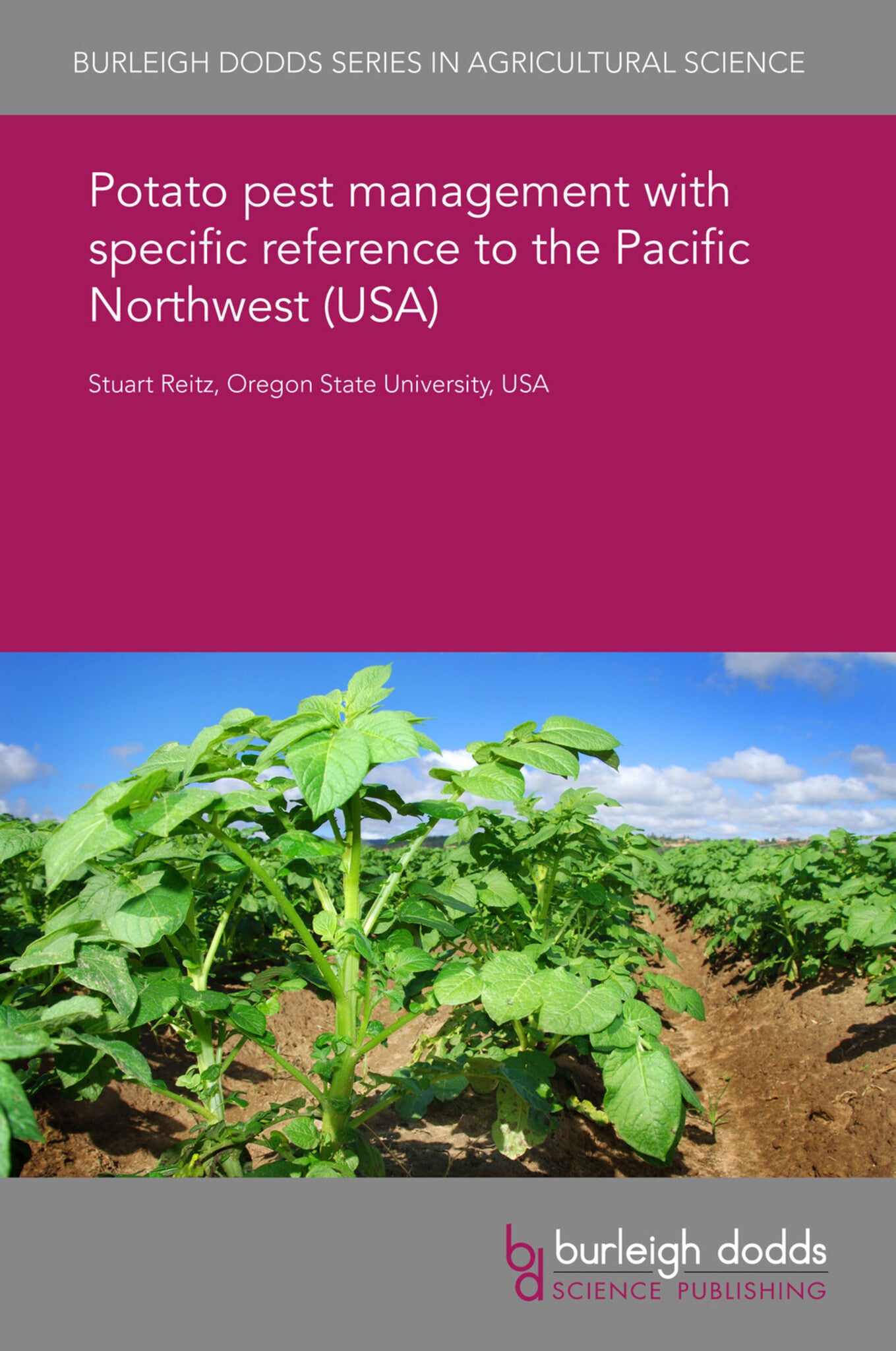
Potato pest management with specific reference to the pacific northwest (usa)
Over the past 20 years, potato pest management in the Pacific Northwest (PNW) region of the United States has changed dramatically with the emergence and resurgence of new insect pests, including vectors of new, devastating plant pathogens. This chapter reviews the status of pest management in th...
Read MoreRegular price £25.00Sale price £25.00 Regular price £0.00Unit price per -
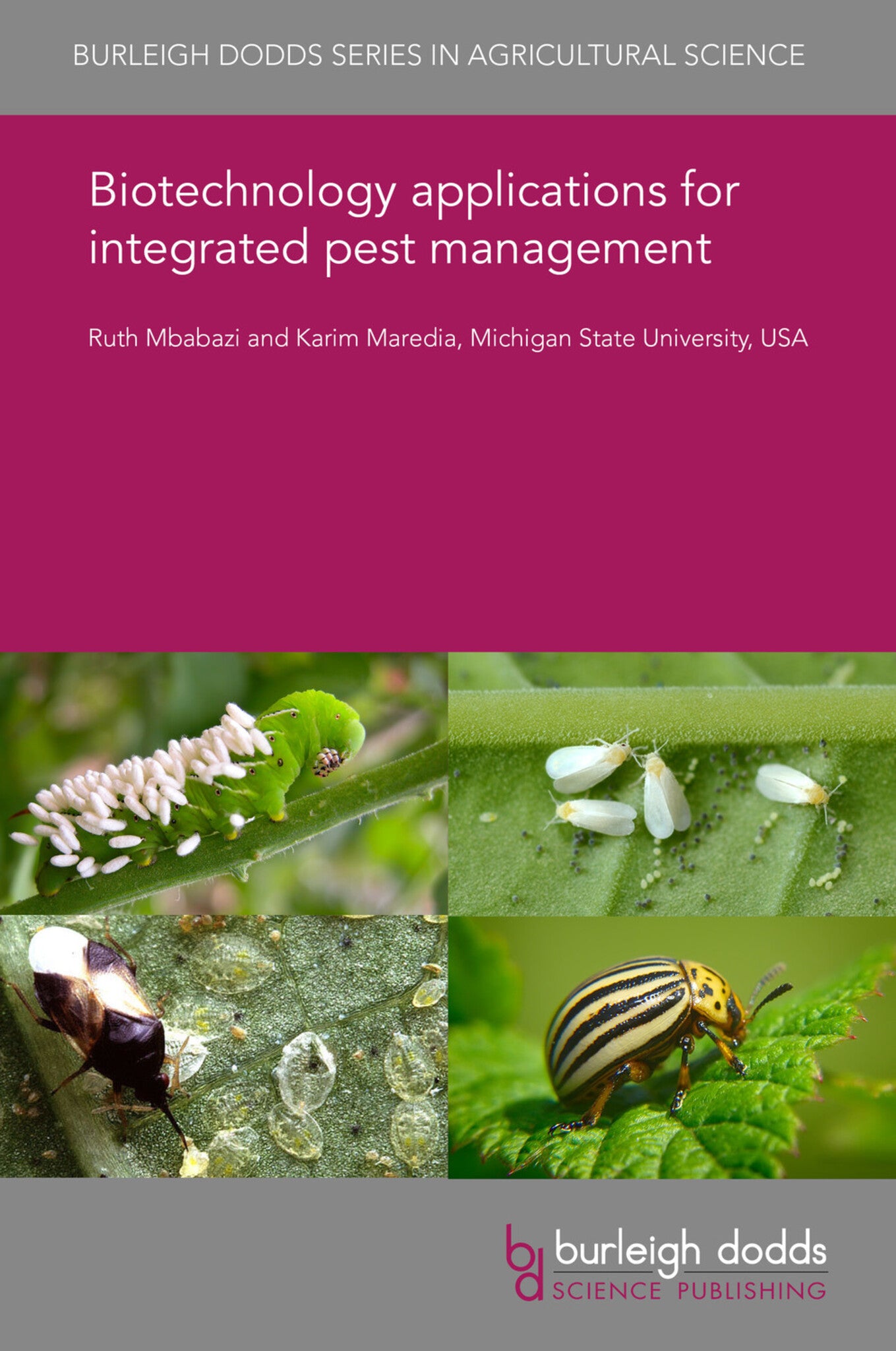
Biotechnology applications for integrated pest management
An exciting wave of discoveries in biotechnology is revolutionizing agriculture worldwide. Biotechnology tools and applications are offering great opportunities for integrated pest management (IPM) programs in agriculture. This chapter describes biotechnology applications for pest management incl...
Read MoreRegular price £25.00Sale price £25.00 Regular price £25.00Unit price per -

Rice insect pests: biology and ecology
Rice farmers face many abiotic and biotic constraints in their quest to increase rice production. In conjunction with the introduction of new high yielding drought and flood tolerant rice varieties, increasing yields will require a reduction in losses to insect pests. This chapter presents the kn...
Read MoreRegular price £25.00Sale price £25.00 Regular price £25.00Unit price per -

Management of rice insect pests
Rice farmers face many abiotic and biotic constraints in their quest to increase rice production. In conjunction with the introduction of new high yielding drought and flood tolerant rice varieties, increasing yields will require a reduction in losses to insect pests. This chapter discusses curre...
Read MoreRegular price £25.00Sale price £25.00 Regular price £0.00Unit price per -
Integrated pest management (ipm) of nematodes
Limited and fragmented information is available about long-term research efforts that demonstrate the value and impact of integrated pest management to combat nematodes. This particularly applies to major cereal (maize, wheat and rice) and leguminous (peanut, soybean and sunflower) crops on which...
Read MoreRegular price £25.00Sale price £25.00 Regular price £25.00Unit price per -
The impact of food loss and waste on human nutrition and health
In recent years, food loss and waste in the world have grown alarmingly, and destroy energy and resources that might otherwise be used for human nutrition. This chapter describes the nutritional compounds humans require, their main sources, and the functions they perform in the human body to main...
Read MoreRegular price £25.00Sale price £25.00 Regular price £25.00Unit price per -
The multidimensional socio-economic impacts of food losses and waste
Food losses and waste (FLW) occur at different levels of the food supply chains and have significant social, micro and macroeconomic impacts. Current knowledge, from food supply chain level cost-benefit analyses up to scenario analyses with general equilibrium models, indicates that FLW have majo...
Read MoreRegular price £25.00Sale price £25.00 Regular price £25.00Unit price per -
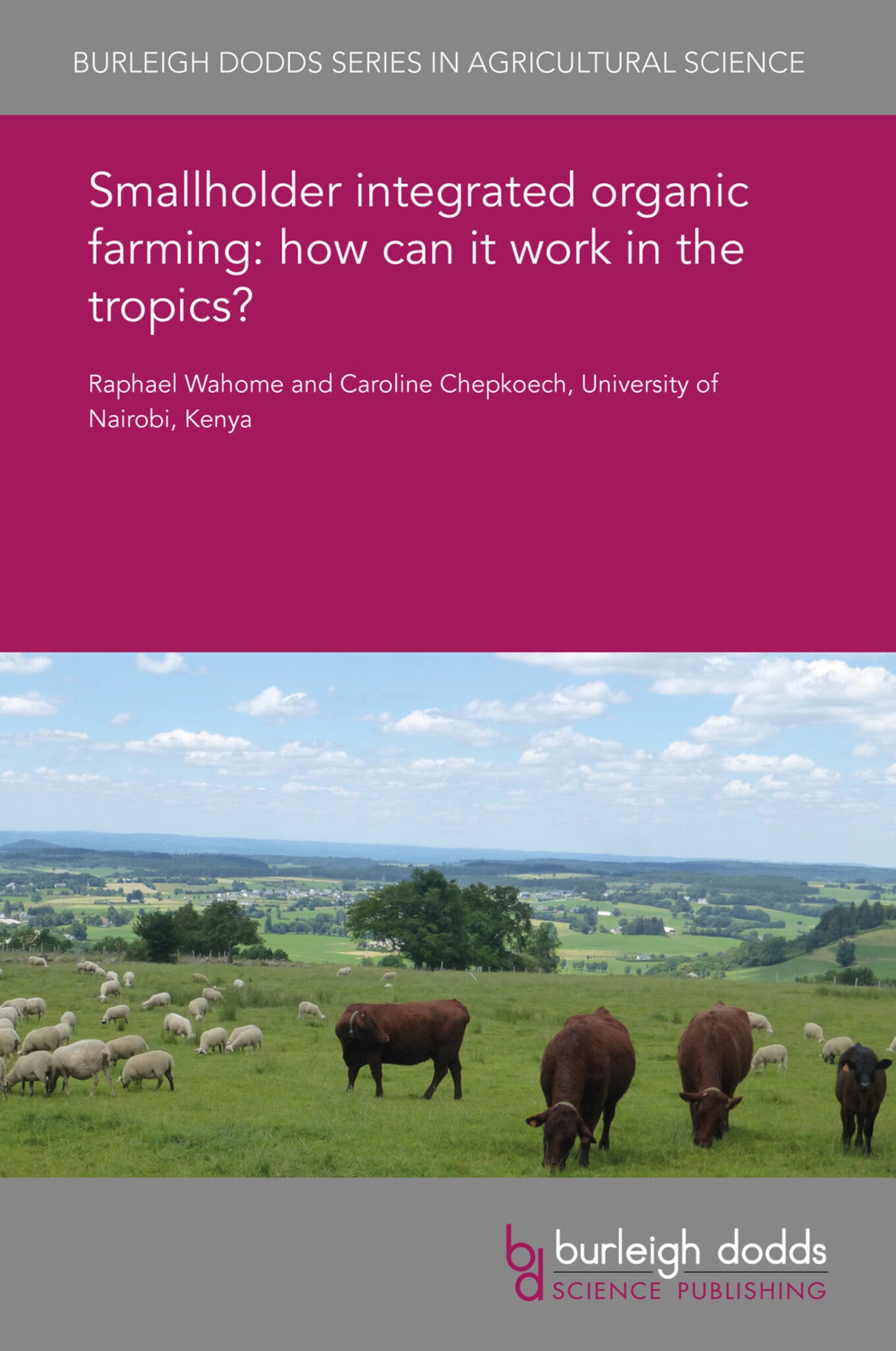
Smallholder integrated organic farming: how can it work in the tropics?
Organic animal farming in the tropics varies considerably across countries and regions, and comprises many different types of systems with significant variation in the degree to which animals are integrated into the systems. The chapter focuses on the issues associated with keeping animals on org...
Read MoreRegular price £25.00Sale price £25.00 Regular price £25.00Unit price per -
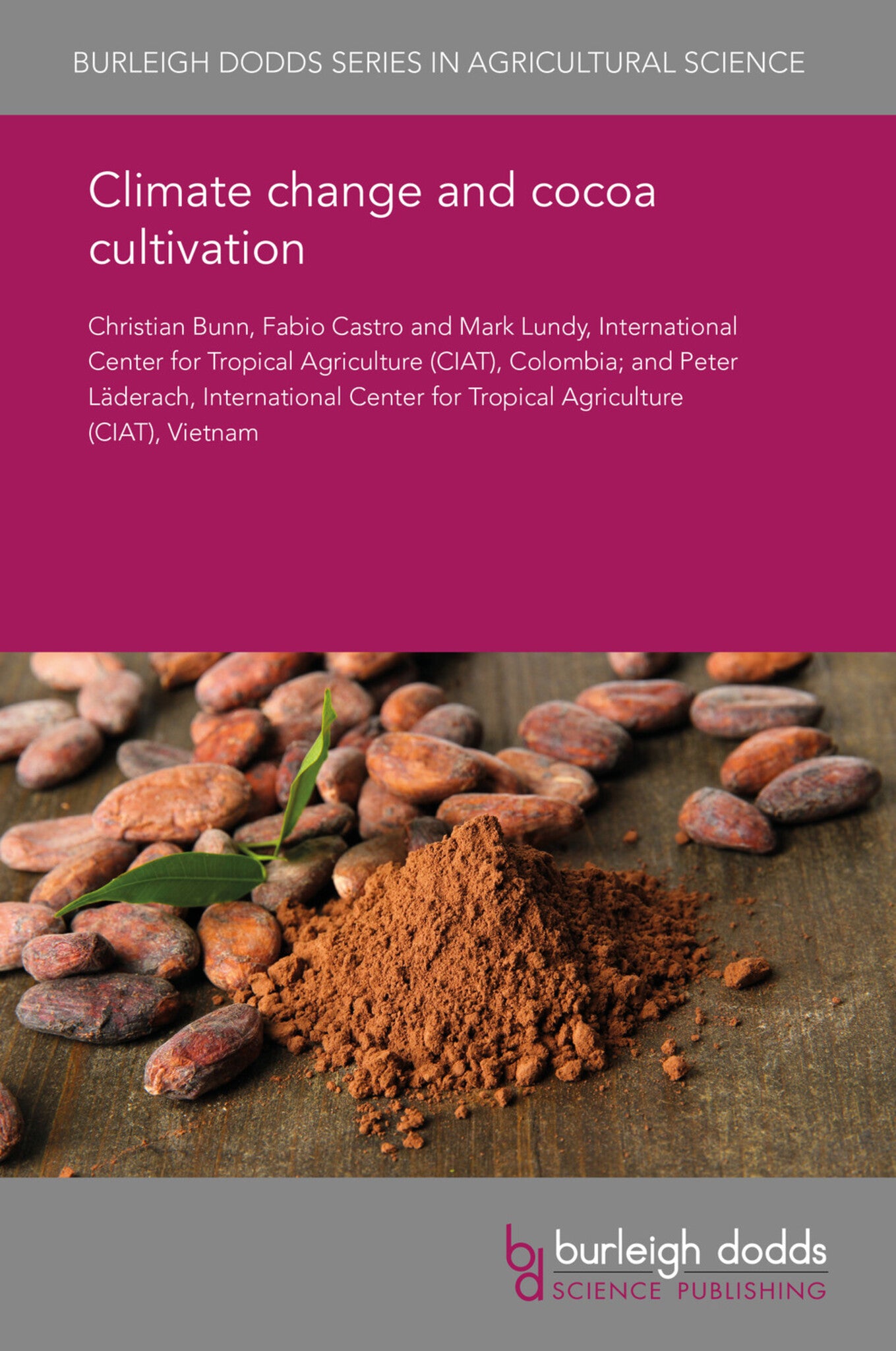
Climate change and cocoa cultivation
Climate change has been projected to impact cocoa production unless cultivation practices are adapted. Guiding effective adaptation is a challenging task because of the high model uncertainty for precipitation which is a vital consideration for cocoa producers. We focus on identifying preconditio...
Read MoreRegular price £25.00Sale price £25.00 Regular price £25.00Unit price per -
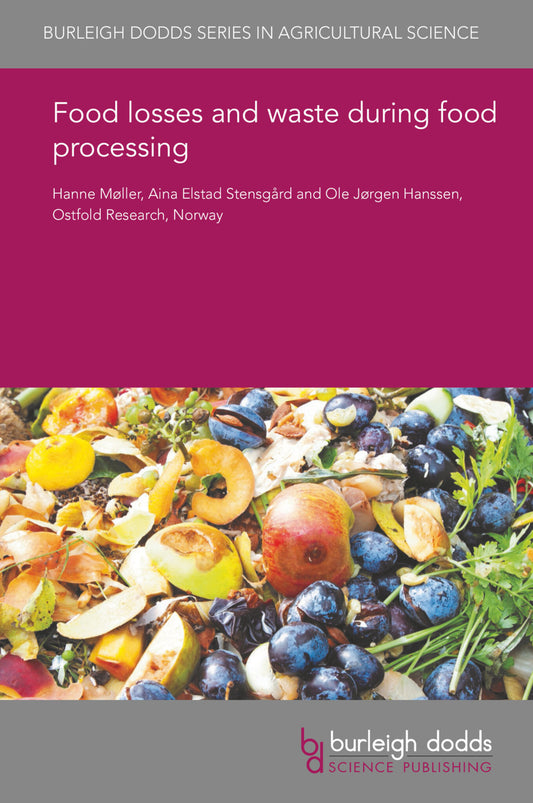
Food losses and waste during food processing
Approximately a third of world food production is not consumed and food waste has become an issue of importance to global food security and the environment. In Europe, processing makes the second largest contribution along the supply chain, equalling approximately a fifth of total food waste. Thi...
Read MoreRegular price £25.00Sale price £25.00 Regular price £25.00Unit price per -
Understanding and preventing seafood loss and waste
Food loss and waste causes environmental pollution, food insecurity, health problems and substantial economic losses. Seafood products provide excellent sources of high quality proteins, essential amino acids, fatty acids, vitamins and minerals, and generate large quantities of by-products not in...
Read MoreRegular price £25.00Sale price £25.00 Regular price £25.00Unit price per -
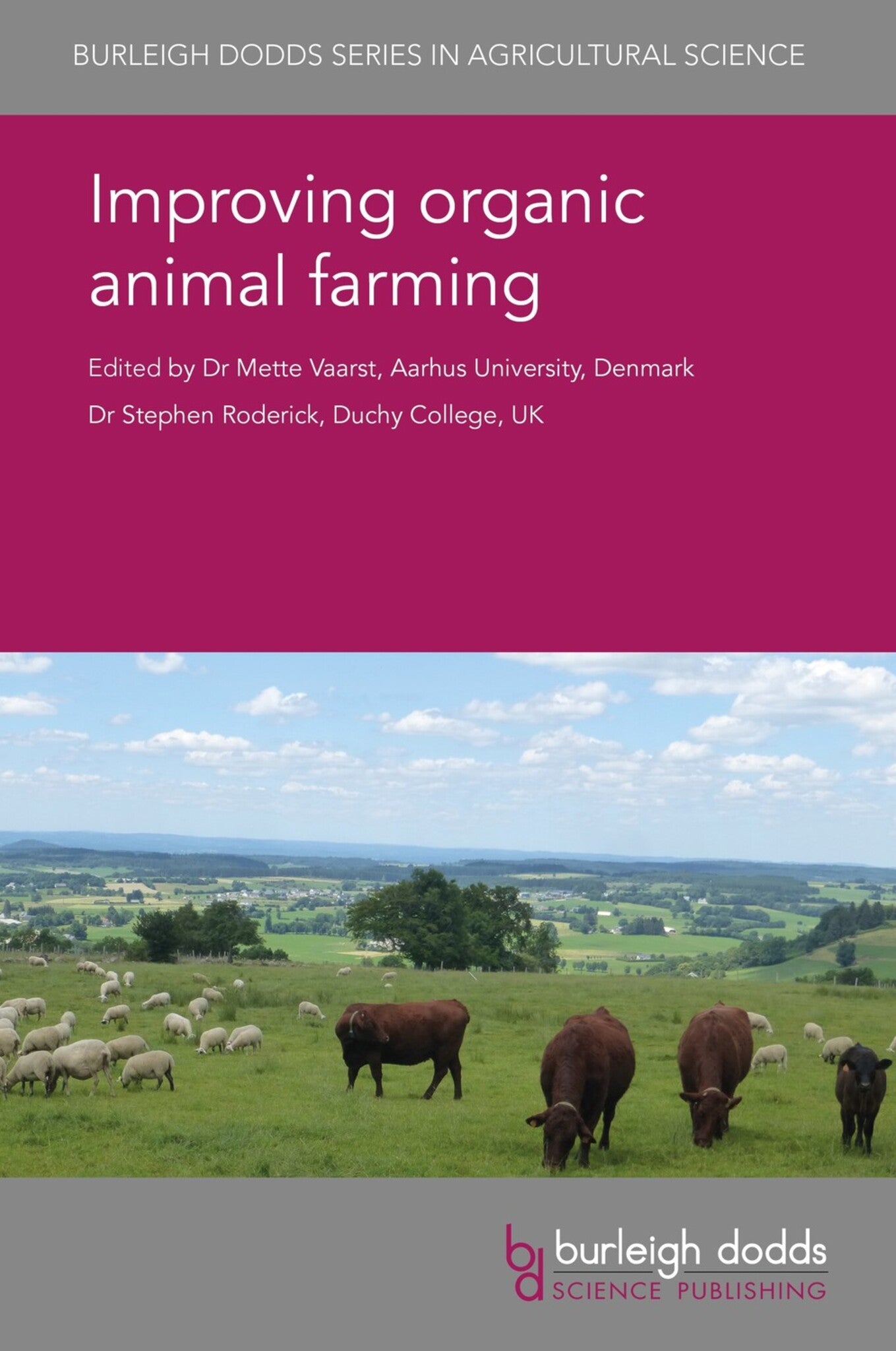
Improving organic animal farming
This collection addresses recent research on challenges facing organic animal farming such as more targeted breeding, improved grazing and feed rations, better methods of health and disease management as well as ways of enhancing animal welfare.
Regular price £170.00Sale price £170.00 Regular price £170.00Unit price per -
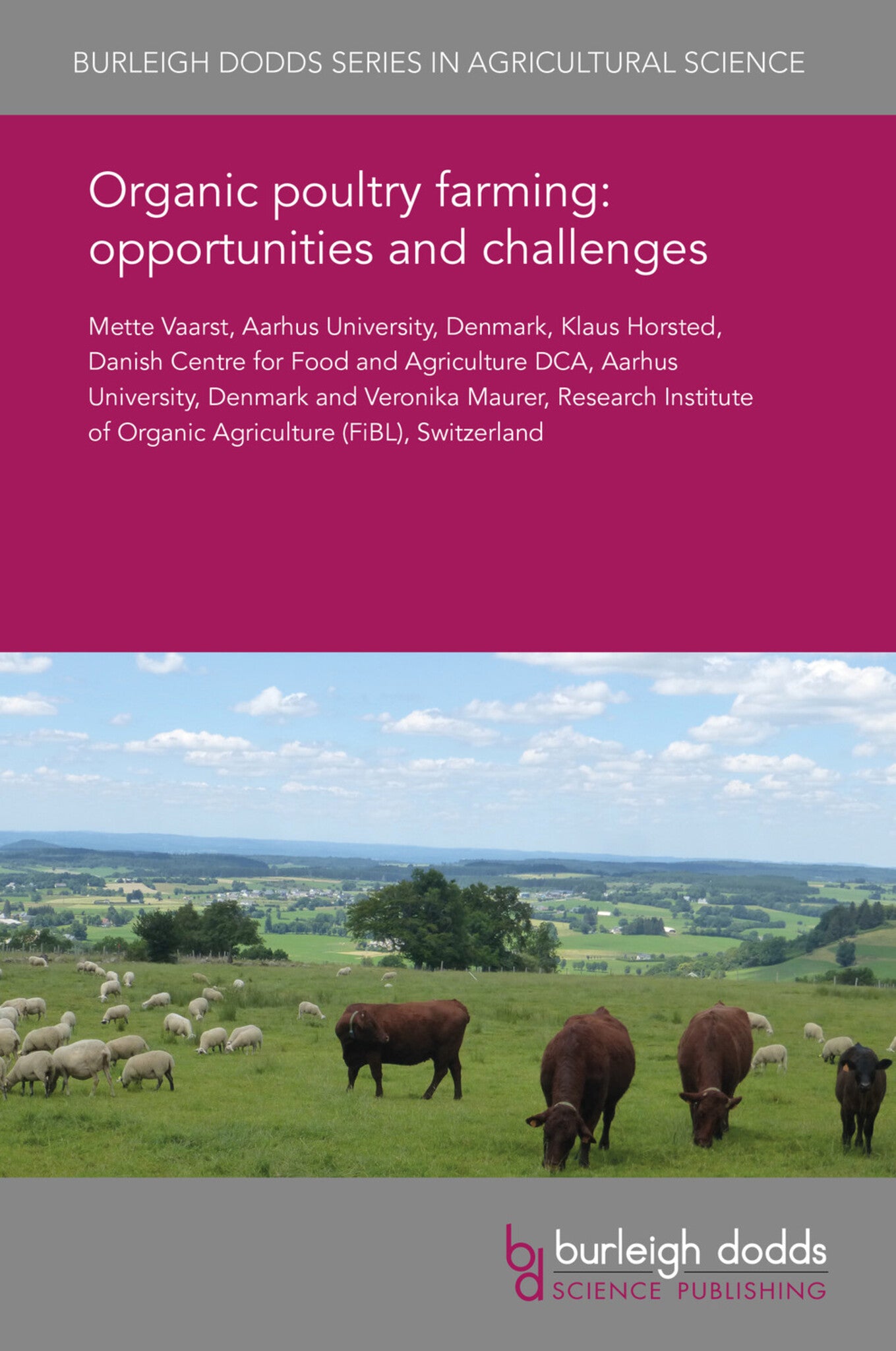
Organic poultry farming: opportunities and challenges
Poultry constitute a fascinating and diverse group of animals with huge potentials to adapt to many local conditions and to be integrated into a wide variety of organic farming systems throughout the world. Poultry herds fit into many different farm settings throughout the world, including the di...
Read MoreRegular price £25.00Sale price £25.00 Regular price £25.00Unit price per -


The role of food safety in food waste and losses
Food loss and waste from the initial stages of food production to consumption is causing a growing concern. As yet, no food safety issues have been linked to food loss and waste, but numerous incidences of failure to comply with regulatory criteria have resulted in outbreaks of foodborne disease ...
Read MoreRegular price £25.00Sale price £25.00 Regular price £25.00Unit price per -
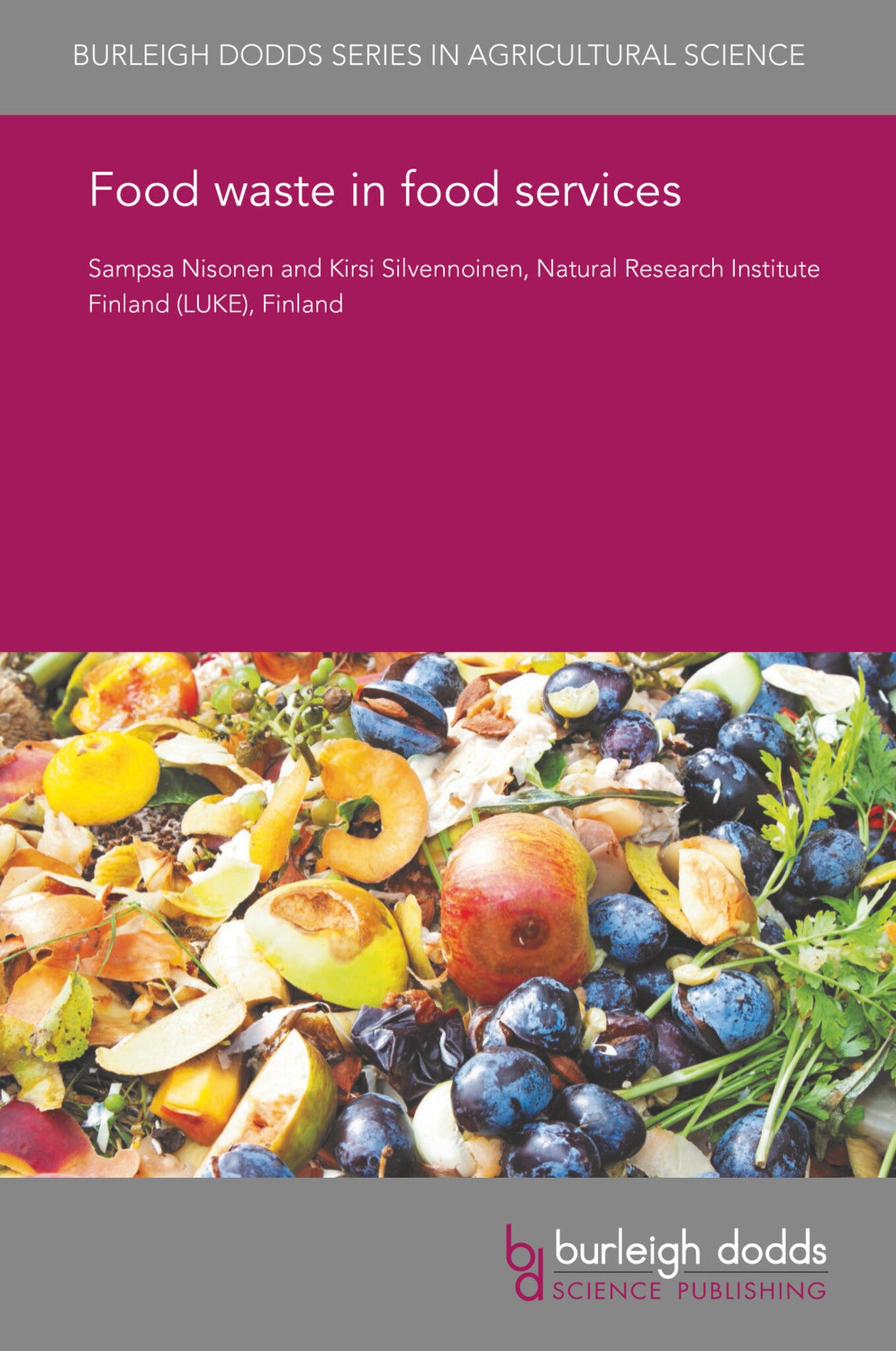
Food waste in food services
Food services generate significant amounts of food waste, which is originally edible and already prepared for eating, causing unnecessary impacts on the environment and the economy. Food waste studies have been conducted with varying methods and there are also large differences between food servi...
Read MoreRegular price £25.00Sale price £25.00 Regular price £25.00Unit price per

We're sorry. An error has occurred
Please cancel or retry.


