


-
Understanding the health benefits and nutraceutical properties of organosulphur compounds in vegetables
Organosulphur compounds are typically identified by their unpleasant odours and comprise a wide variety of sulphur-containing organic molecules, abundant both in nature and in the body, which are found in a variety of vegetables such as garlic, onions, chives and leeks. There are a number of heal...
Read MoreRegular price £25.00Sale price £25.00 Regular price £25.00Unit price per -
Advances in understanding the role of plant phytochemicals in preventing cancer
Increased incidences of cancer caused by dysregulated gene expression or dysfunctional genes, in addition to the side effects of chemo- and radio-therapies, have led to studies featuring more natural treatments. Various natural compounds, also called cancer-preventive, and/or phytochemicals posse...
Read MoreRegular price £25.00Sale price £25.00 Regular price £25.00Unit price per -
Understanding processing of phytochemical compounds in fruits and vegetables in the gut
Phytochemicals are compounds synthesized in plants that result from secondary metabolism. As a part of plant-rich diets, phytochemicals are associated with wide ranging health benefits including antioxidant, anticancer, antimicrobial, anticlotting, anti-inflammatory effects. There are a wide vari...
Read MoreRegular price £25.00Sale price £25.00 Regular price £25.00Unit price per -
Advances in understanding the nutraceutical properties of phenolic compounds in fruits and vegetables
This chapter reviews the range of phenolic compounds in fruits and vegetables. It assesses the effects on phenolic content of factors such as cultivar, stage of growth (ripening), cultivation practices such as use of bio-effectors, and post-harvest stages such as mechanical and thermal processing...
Read MoreRegular price £25.00Sale price £25.00 Regular price £25.00Unit price per -
Advances in understanding and improving the nutraceutical properties of cranberries
American cranberries (Vaccinium macrocarpon) are commonly consumed as juice, dried fruit or dietary supplement and a rich source of phytochemicals, particularly A-type proanthocyanidins and anthocyanins. Cranberries are perhaps best known for their protection against urinary tract infections, a b...
Read MoreRegular price £25.00Sale price £25.00 Regular price £25.00Unit price per -
Advances in understanding and improving the nutraceutical properties of apples
The fruits of Malus domestica are consumed in their own right and also undergo industrial procedures to form different products such as juice, cider, and vinegar. Industrialization creates apple pomace, a residue that can be used for the generation of bioactives, adding value to the raw material,...
Read MoreRegular price £25.00Sale price £25.00 Regular price £25.00Unit price per -


Considerations with selecting turfgrass varieties and cultivars
The National Turfgrass Evaluation Program (NTEP) conducts trials of turfgrass species across the USA and Canada. NTEP data collected since 1981 is publicly available at www.ntep.org. Data is collected on more than 100 parameters including key factors in sustainable turfgrass selection. Selection ...
Read MoreRegular price £25.00Sale price £25.00 Regular price £25.00Unit price per -
Achieving sustainable turfgrass management
This collection summarises and reviews the wealth of recent research addressing key challenges facing the turfgrass industry, including the need to reduce its carbon footprint and contribution to climate change.
Regular price £165.00Sale price £165.00 Regular price £165.00Unit price per -
Advances in breeding for improved cultivars of turfgrass
Turfgrass breeding efforts are aimed at developing new turfgrass varieties adapted to a wide range of geographic regions with excellent seed or sod production, improved stress and pest tolerance, and elite turf quality under high, medium, and low maintenance practices. Various cooperative testing...
Read MoreRegular price £25.00Sale price £25.00 Regular price £25.00Unit price per -


Advancements in turfgrass for ornamental lawns
This chapter addresses the advancements in turfgrass for ornamental lawns. It first focuses on breeding and selection advances, drawing attention to consumer lawn preferences and the implications this can lead to in terms of contemporary breeding and production, as well as discussing the current ...
Read MoreRegular price £25.00Sale price £25.00 Regular price £25.00Unit price per -


Advances in abiotic stress management in turfgrass
Abiotic stresses of turfgrasses involve any environmental condition which limits plant growth, turfgrass quality, and system functionality. Commonly observed abiotic stresses in turfgrass systems include drought, high temperature, low temperature, low irradiance, traffic, salinity, and chemical p...
Read MoreRegular price £25.00Sale price £25.00 Regular price £25.00Unit price per -


Advances in understanding turfgrass physiology
Turfgrasses are frequently grown in environments with less than optimal conditions, which ultimately negatively impacts plant growth and development. Between a changing environment and a desire to reduce inputs, turfgrasses will be exposed to even more stressful conditions. Understanding a plant'...
Read MoreRegular price £25.00Sale price £25.00 Regular price £25.00Unit price per -
Advances in plant growth regulation in turfgrass
This chapter examines advances in plant growth regulation in turfgrass. It begins by providing an overview of the current use of growth regulators in both cool-season and warm-season turfgrass species. It then goes on to discuss enhancing rooting and establishment as well as turfgrass wear tolera...
Read MoreRegular price £25.00Sale price £25.00 Regular price £25.00Unit price per -


Advances in turfgrass for athletic fields and sports pitches
This chapter examines advances in turfgrass breeding and genetics for the purpose of athletic fields and sports pitches. The chapter first discusses the most appropriate types of species and cultivar for this, focusing on how improvements can be made to both warm-season and cool-season turfgrass....
Read MoreRegular price £25.00Sale price £25.00 Regular price £25.00Unit price per -
Improving nutrient management in the cultivation of ornamental plants in greenhouse, container and field production
This chapter reviews nutrient management in different production systems for ornamentals. Proper nutrition in containerized and field grown plants is essential for maximized growth and profitability. Macro- and micro-nutrients along with substrate or soil amendments ensure that plants remain hea...
Read MoreRegular price £25.00Sale price £25.00 Regular price £25.00Unit price per -


Advances in maintenance practices of turfgrass
Turfgrass management has greatly changed over time. Advancements in technology have resulted in changes to management practices including autonomous mowers, lightweight rolling on putting greens and fairways, vertical mowing, air injections, and fraise mowing for renovation to name a few. These p...
Read MoreRegular price £25.00Sale price £25.00 Regular price £25.00Unit price per -
Advances in protected cultivation of ornamentals
The ornamentals industry continues to incorporate scientific and technological advances to adapt to the challenges of a changing marketplace and societal demands. The advent of LED technology has created new and unique opportunities for growing plants. Vertical propagation systems and the ability...
Read MoreRegular price £25.00Sale price £25.00 Regular price £25.00Unit price per -
Advances in irrigation practices and technology in ornamental cultivation
Two issues will likely dominate irrigation and water management for ornamental cultivation in the coming years, namely the decreasing availability of fresh water for agricultural use and environmental concerns that will increasingly limit the runoff of water with any contaminants from commercial ...
Read MoreRegular price £25.00Sale price £25.00 Regular price £25.00Unit price per -
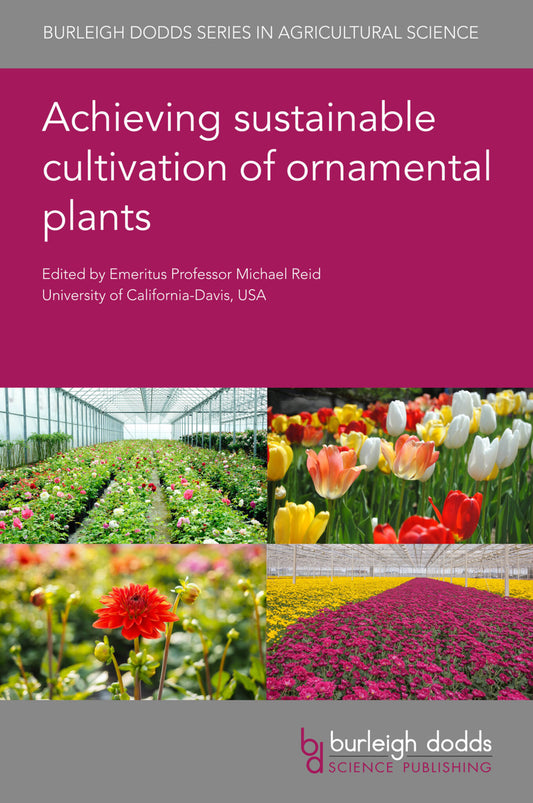
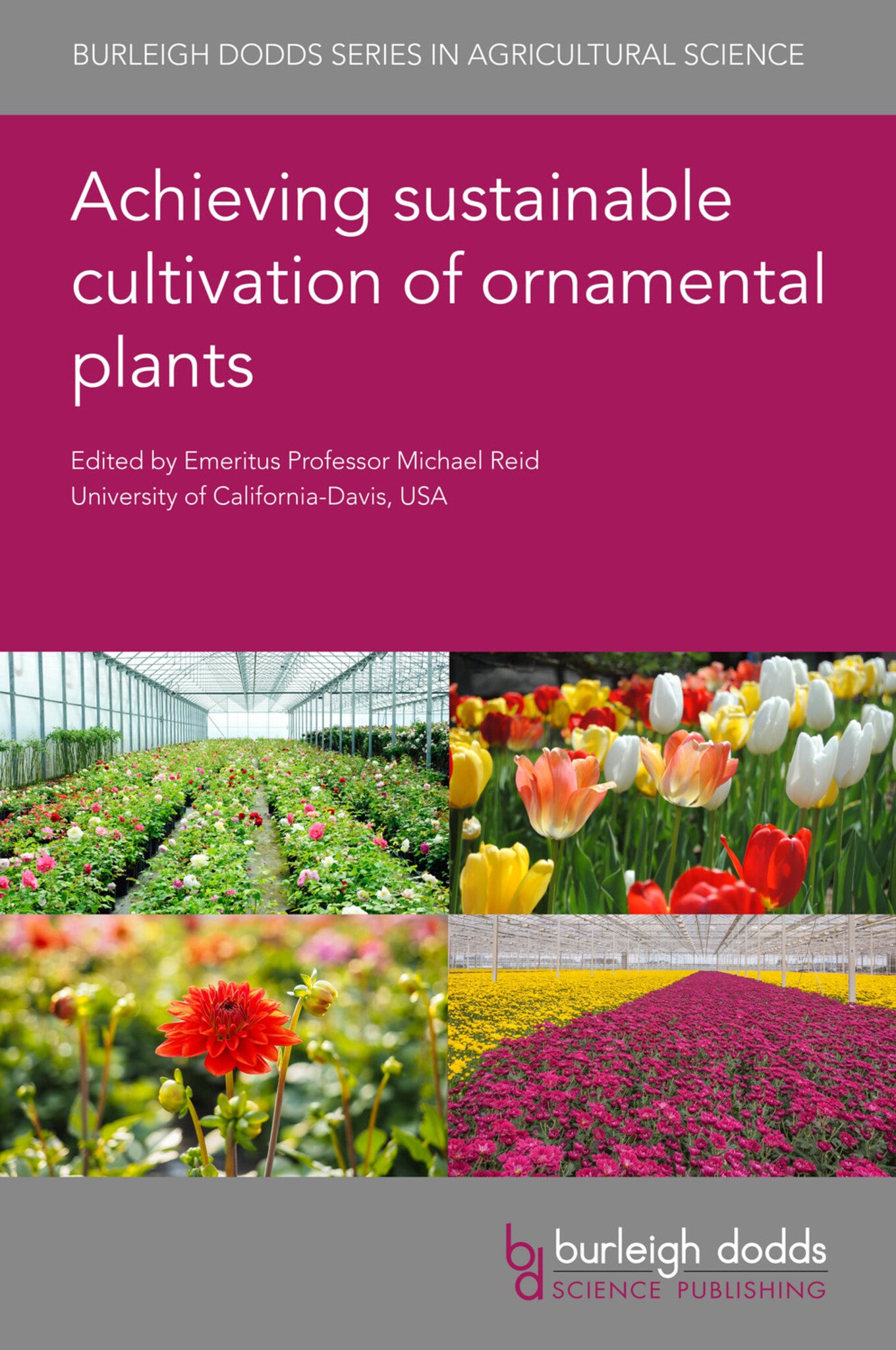
Achieving sustainable cultivation of ornamental plants
This collection reviews recent research in ornamentals. Part 1 discusses advances in understanding plant physiology, genetic diversity and breeding techniques. Part 2 surveys advances in cultivation techniques in areas such as nutrition, irrigation, protected cultivation and pest management.
Regular price £150.00Sale price £150.00 Regular price £150.00Unit price per -
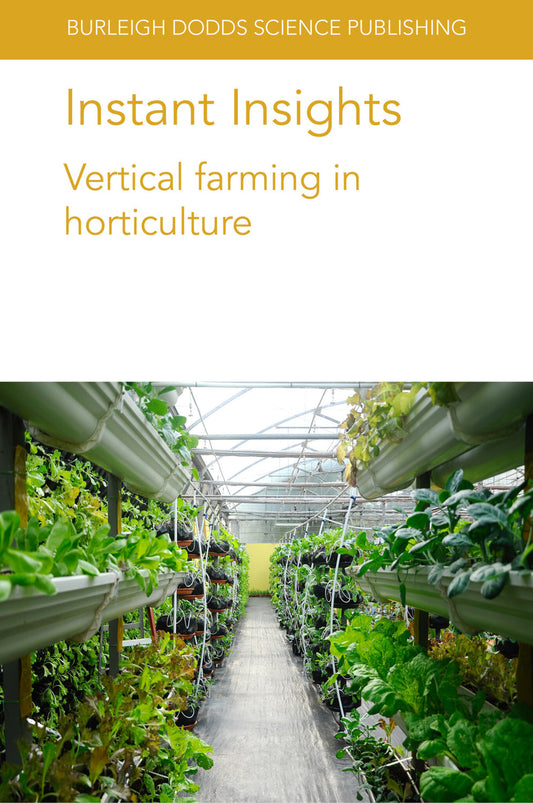
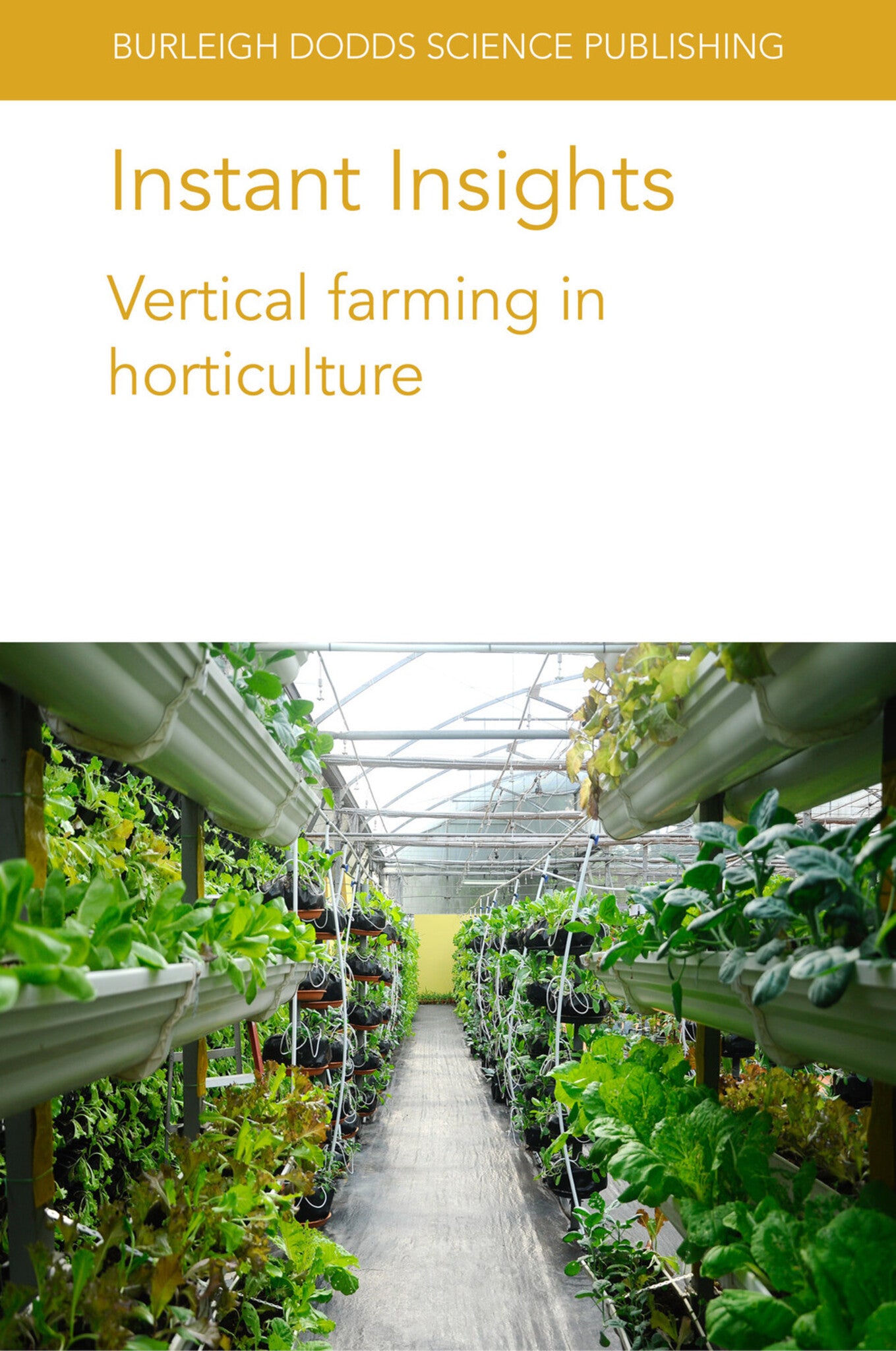
Instant insights: vertical farming in horticulture
This specially curated collection features five reviews of current and key research on vertical farming in horticulture.
Regular price £37.99Sale price £37.99 Regular price £37.99Unit price per -
Advances in liquid- and solid-medium soilless culture systems
There are two types of soilless cultivation. Liquid systems are the growing of plants in the nutrient solution or under the mist of nutrient solution without a solid substrate. Solid-medium systems use inorganic, or organic materials for the plant roots. The chapter reviews a number of liquid sys...
Read MoreRegular price £25.00Sale price £25.00 Regular price £25.00Unit price per -
Understanding and optimising the biological properties of growing media for soilless cultivation
The biological properties of growing media (GM) in soilless cultivation have been considered minor traits for decades. However, there is a growing demand for alternative, cheaper GM constituents, characterized by organic origin. A better understanding of the biological processes of GM is a key fa...
Read MoreRegular price £25.00Sale price £25.00 Regular price £25.00Unit price per -
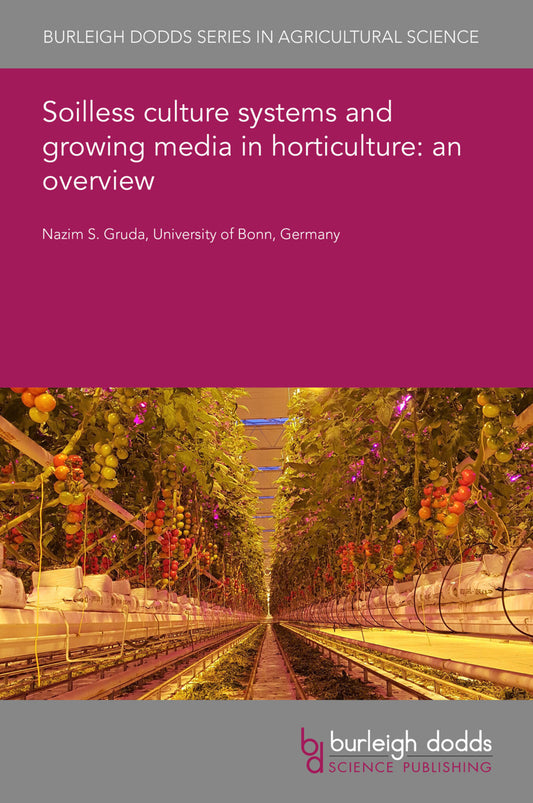
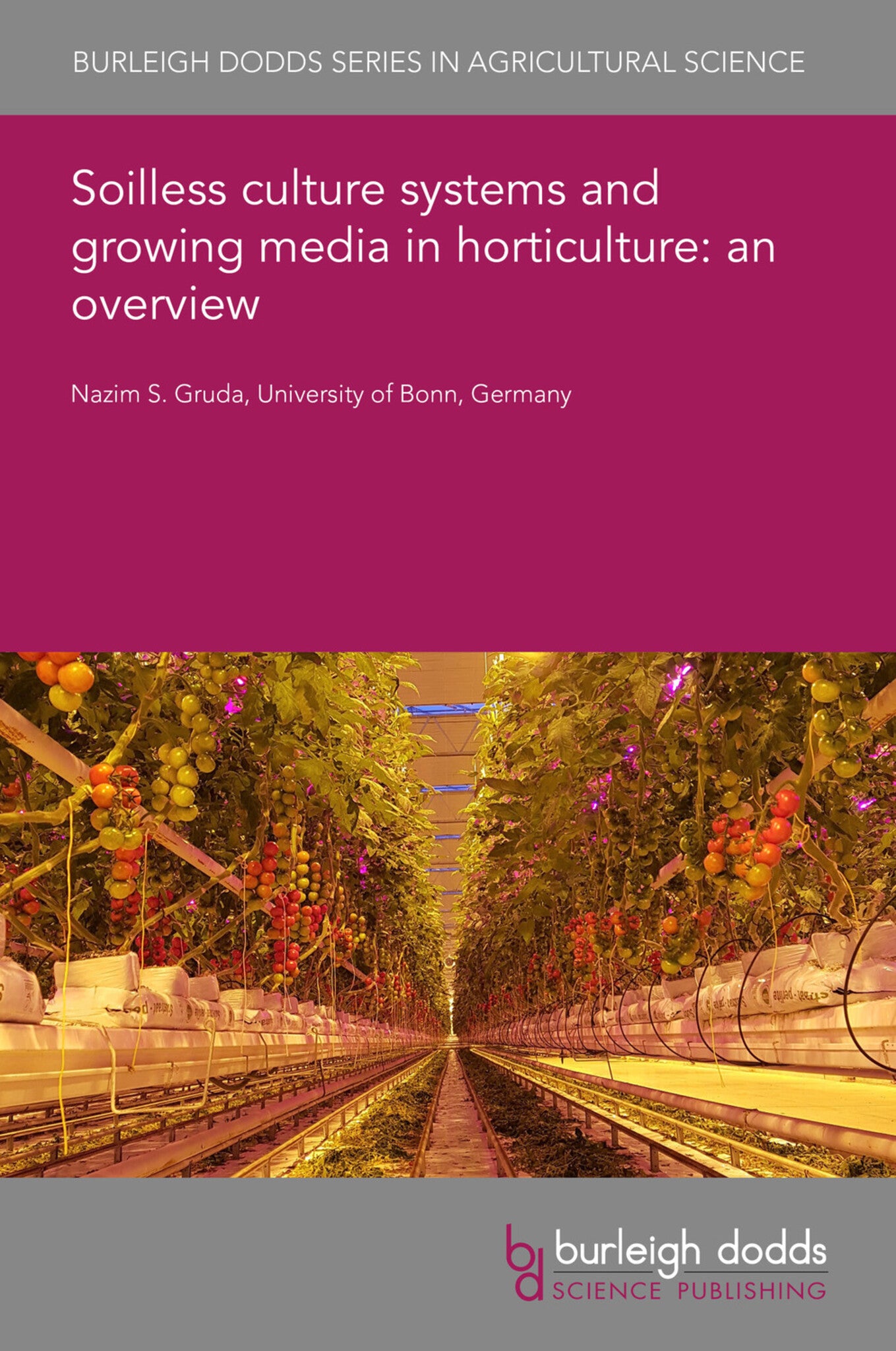
Soilless culture systems and growing media in horticulture: an overview
Soilless culture plant production presents a sector with unlimited potential for the horticulture industry. Soilless culture systems are environmentally friendly, resource-efficient, and support sustainable intensification in agriculture. Soilless culture system (SCS) crops in climate-controlled ...
Read MoreRegular price £25.00Sale price £25.00 Regular price £0.00Unit price per -
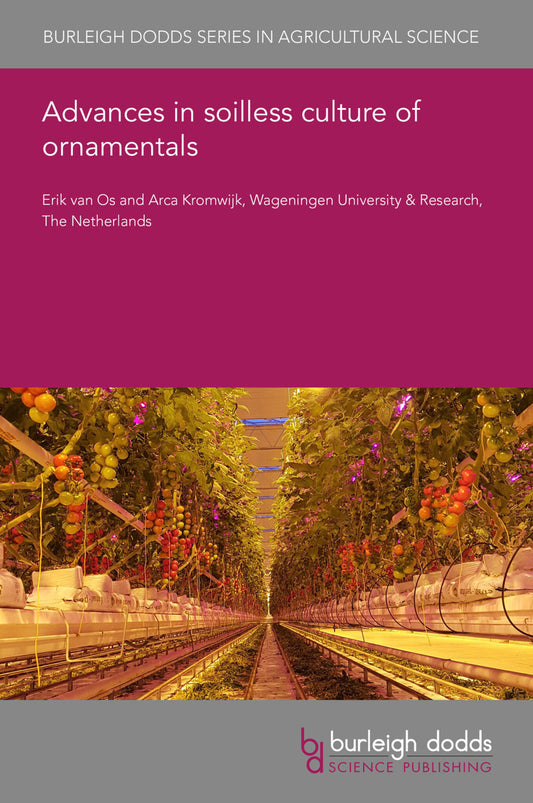
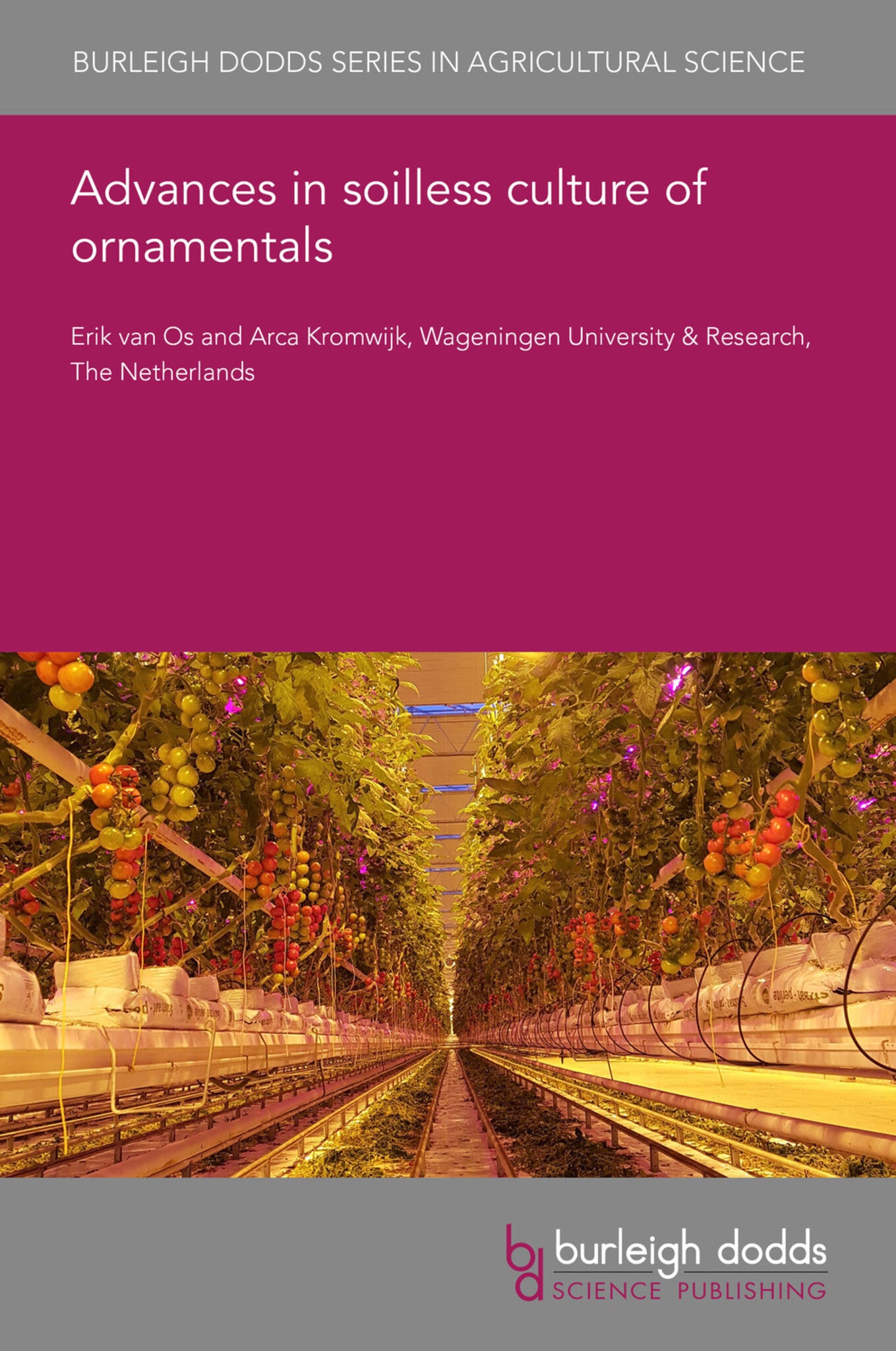
Advances in soilless culture of ornamentals
In the production of cut flowers and pot plants there are slow developments towards closed growing systems with recirculation of the surplus nutrient solution. In some countries, such as in The Netherlands, legislation to reduce discharges is a steering factor, as well as the advantages of a dise...
Read MoreRegular price £25.00Sale price £25.00 Regular price £25.00Unit price per -
Understanding and optimising the chemical properties of growing media for soilless cultivation
Chemical properties exert a considerable influence on the behavior of growing media, particularly in regulating the composition of the nutrient solution. This effect depends on the nature of components: mineral growing media are chemically inert and weakly affect the nutrient solution only in the...
Read MoreRegular price £25.00Sale price £25.00 Regular price £0.00Unit price per -
Advances in soilless cultivation of tomatoes and other fruit vegetables
Fruit vegetables are a rich nutritive source for the human diet and highly appreciated for their taste. Tomato, sweet pepper or cucumber crops have specific growth requirements linked to their physiology and their architecture (plant bearing fruits). Soilless culture system (SCS) are characterize...
Read MoreRegular price £25.00Sale price £25.00 Regular price £25.00Unit price per -
Advances in nutrient management modelling and nutrient concentration prediction for soilless culture systems
In closed-loop soilless culture systems (SCS), ion concentration and ionic balance are important factors to be considered for stable management of nutrient solutions. For maintaining appropriate ion concentration and ion balance, various techniques of nutrient analysis and prediction are required...
Read MoreRegular price £25.00Sale price £25.00 Regular price £25.00Unit price per -
Advanced hydroponics design for plant cultivation in cities
The growth of the world urban population altogether with the detrimental effects of climate change and resource scarcity are currently exerting extreme pressure on our food systems. Innovation in vegetable crop production is being driven by plant cultivation technologies that are independent of s...
Read MoreRegular price £25.00Sale price £25.00 Regular price £25.00Unit price per -


Developments in inorganic materials, synthetic organic materials and peat in soilless culture systems
Soilless substrates utilised in traditional hydroponics are often inorganic or synthetic materials, as opposed to organic substrate components utilised in other forms of soilless culture. As growers seek more precision production applications, more operations are shifting to soilless culture prod...
Read MoreRegular price £25.00Sale price £25.00 Regular price £25.00Unit price per -
Optimizing product quality in soilless culture systems (scs)
In a soilless culture system (SCS), quality parameters of produce may be improved by better control of the environmental and technical factors involved. This chapter focuses on the main factors through which it is possible to influence and improve the quality profile of soilless horticultural pro...
Read MoreRegular price £25.00Sale price £25.00 Regular price £25.00Unit price per -


Understanding and optimizing the physical properties of growing media for soilless cultivation
From the end of the last century and the beginning of this millennium, the design and use of growing media have rapidly evolved to respond to new needs and constraints. Additional concepts in soil physics have been developed to cope with these changes. The beginning of this millennium has also wi...
Read MoreRegular price £25.00Sale price £25.00 Regular price £25.00Unit price per -
An overview of genetic improvement in bananas over the last century
Bananas were among the first crops cultivated by man and continue to be important for the livelihoods of millions of people throughout the tropics and subtropics. Yet many cultivars and landraces are susceptible to biotic and abiotic stresses. Genetic resistance to diseases and pests is the best ...
Read MoreRegular price £25.00Sale price £25.00 Regular price £25.00Unit price per -


Advances in soilless culture strawberry production
The majority of strawberries produced in the world are grown in the open field, and only in the past 50 years has protected cropping become established as a commercially viable system. Soilless culture (hydroponics) is an important component of this form of intensive production because it enabl...
Read MoreRegular price £25.00Sale price £25.00 Regular price £25.00Unit price per -
Cytogenetics of structural rearrangements in musa hybrids and cultivars
Edible bananas are diploid or triploid Musa acuminata, or hybrids of M. acuminata x M. balbisi-ana, producing nutritious seedless fruit of different taste and structure. Breeding for high yield and host plant resistance to pathogens and pests as well as adaptation to abiotic stress of im-portant ...
Read MoreRegular price £25.00Sale price £25.00 Regular price £25.00Unit price per -
Safe dissemination of germplasm resources of banana
The relentless increase in human populations and the increasing consumption of bananas as a dessert fruit and as staple food source in many tropical countries, coupled with increasing production pressures due to climate change, have increased the demand for the evaluation and exploitation of new ...
Read MoreRegular price £25.00Sale price £25.00 Regular price £25.00Unit price per -
Making banana breeding more effective
There is a need for more diverse bananas with far more diverse genetic backgrounds which meet specific objectives such as fresh fruit, cooking bananas or varieties dedicated to processing. This chapter shows how diversification objectives can be achieved by taking into account sexual reproductive...
Read MoreRegular price £25.00Sale price £25.00 Regular price £25.00Unit price per -
Seed germination, preservation and population genetics of wild musa germplasm
Bananas and plantains (Musa spp.) are amongst the most important tropical and subtropical food crops in the world. In order to reduce the impact of biotic and abiotic factors on banana cultivation, it is important to allow for a genetic enrichment of the currently cultivated genepool. Crop Wild R...
Read MoreRegular price £25.00Sale price £25.00 Regular price £25.00Unit price per -

The usage of phenotyping, genetics and functional genomics approaches to improve environmental stress factors in banana
Modelling predicts that temperature and precipitation are the abiotic factors that have the biggest impact on banana production. It is clear that banana needs tropical temperatures and that it responds very early to a reduced soil water content. The stomata of banana plants also respond very sens...
Read MoreRegular price £25.00Sale price £25.00 Regular price £25.00Unit price per -
Identifying and classifying banana cultivars
This chapter addresses identifying and classifying banana cultivars. It begins with an overview of banana cultivars, which is then followed by a discussion of the different levels bananas can be classified at: genera, section and species level. The chapter also examines how to identify different ...
Read MoreRegular price £25.00Sale price £25.00 Regular price £25.00Unit price per -
Scope of collecting wild musa species germplasm
The value of Crop Wild Relatives as sources of new genes that can help secure crop production is increasingly recognized. In banana (Musa spp.), past collecting and conservation efforts focused mainly on the two direct ancestors of cultivated bananas, M. acuminata Colla and M. balbisiana Colla. H...
Read MoreRegular price £25.00Sale price £25.00 Regular price £25.00Unit price per -
Genetic modification of bananas: the long road to farmers’ fields
The great challenge for bananas into the future is to develop cultivars with multiple disease resistances, stress tolerance and enhanced fruit quality. The two major development strategies are conventional breeding which will deliver new cultivars and genetic modification which will deliver curre...
Read MoreRegular price £25.00Sale price £25.00 Regular price £0.00Unit price per -
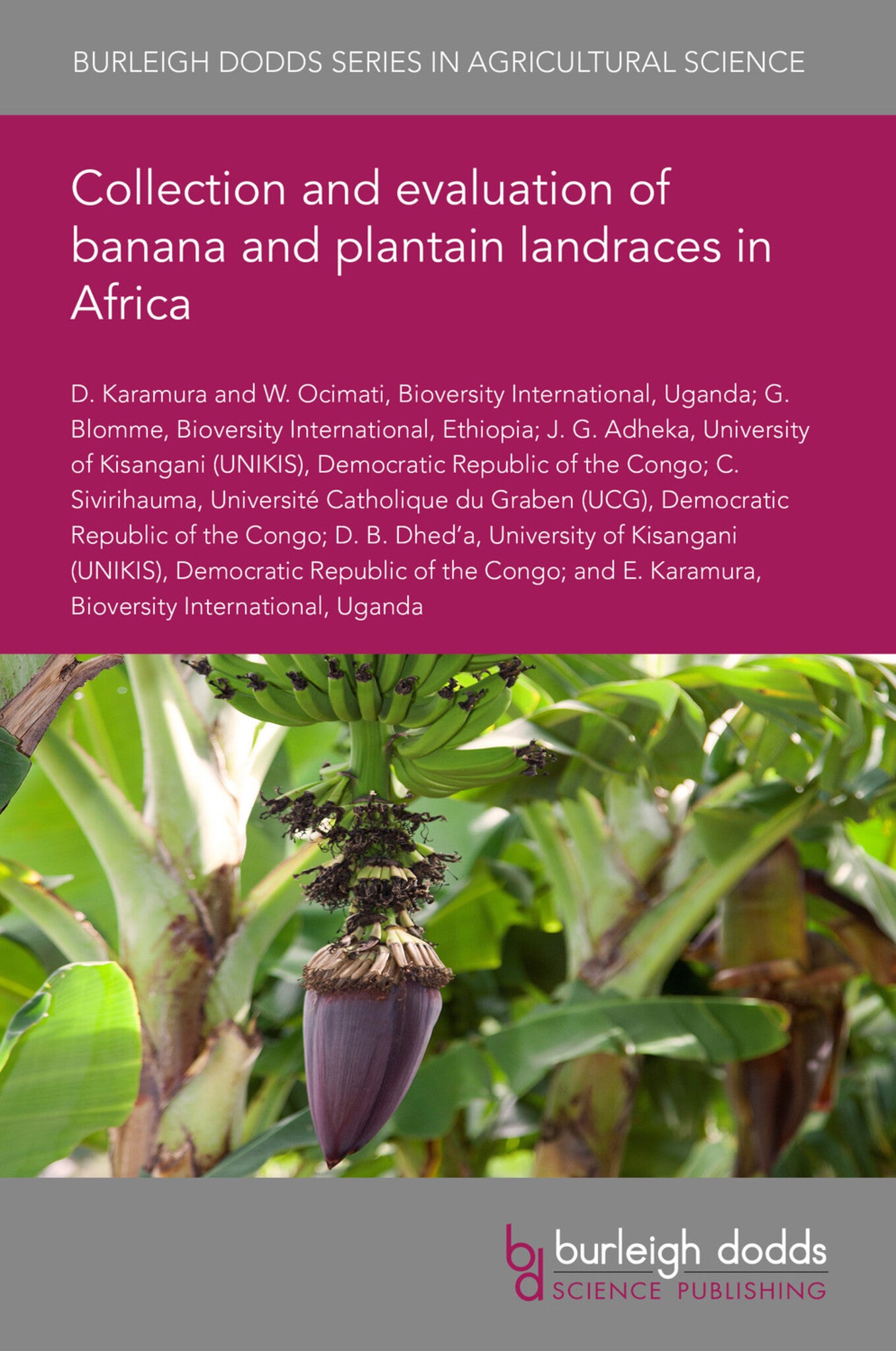
Collection and evaluation of banana and plantain landraces in africa
This chapter provides a review of the processes involved in the collection and evaluation of banana and plantain landraces, the challenges and opportunities encountered and suggestions for the way forward.
Regular price £25.00Sale price £25.00 Regular price £25.00Unit price per -


Collection and evaluation of wild musa species
The genus Musa includes about 70 species distributed throughout the Asian tropics and subtropics from India, Southern China and Southern Japan in the north to Northern Australia in the south and the islands in the western Pacific Ocean. The haploid chromosome number in the subgenus Musa is 11 whi...
Read MoreRegular price £25.00Sale price £25.00 Regular price £25.00Unit price per -


Targeted improvement of cavendish clones
Despite hundreds of different domesticated banana cultivars, both consumers and growers prefer the Cavendish subgroup for the export industry. The Cavendish cultivars are triploid and parthenocarpic. But despite the sterility characteristic, Cavendish banana plants portray a diverse range of morp...
Read MoreRegular price £25.00Sale price £25.00 Regular price £25.00Unit price per -


Overcoming the fertility crisis in bananas (musa spp.)
Edible bananas are normally parthenocarpic and seedless, a condition which ensures edibility but limits their use in hybridizations to generate new combinations of targeted traits for crop improvement. Hybridizations involving edible bananas result in too few or no viable hybrid seeds thus consti...
Read MoreRegular price £25.00Sale price £25.00 Regular price £0.00Unit price per -
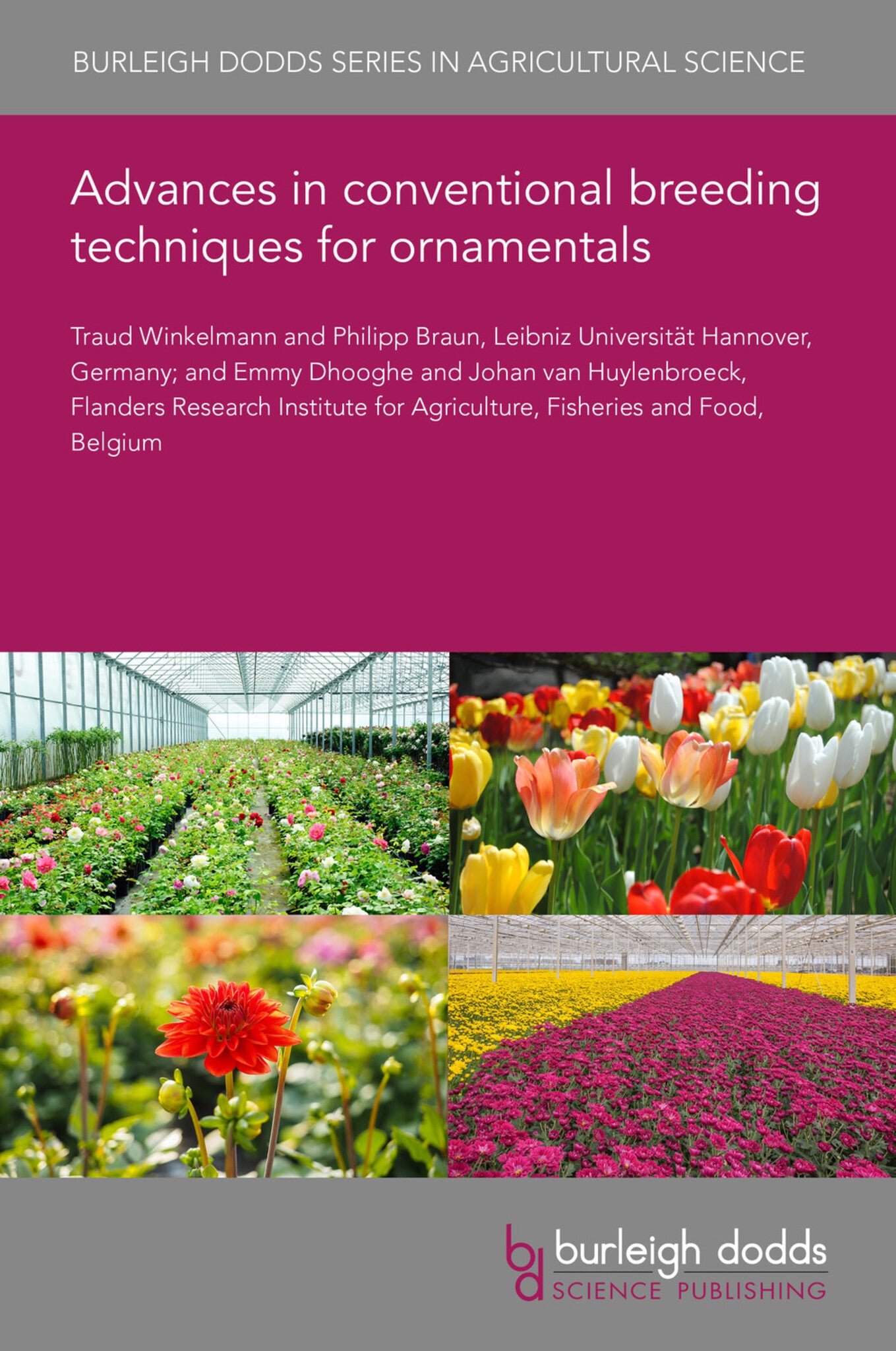
Advances in conventional breeding techniques for ornamentals
Sustainability in the floricultural value chain comprises a multitude of aspects, such as the economical use of resources, mainly energy, water, nutrients, and substrate ingredients such as peat, as well as the avoidance of environmental pollution by plastic wastes, fertilizers and pesticides. Se...
Read MoreRegular price £25.00Sale price £25.00 Regular price £25.00Unit price per -
Environmental physiology of ornamental crops
Ornamental horticulture is one of the most challenging sectors of agriculture. Growers produce hundreds of species from all over the world to market at a specific time of year or for a holiday. To achieve this, growers must have a sophisticated understanding of the environmental physiology of pla...
Read MoreRegular price £25.00Sale price £25.00 Regular price £25.00Unit price per -
The use of gene-editing techniques in breeding improved ornamentals
The aim of ornamental plant breeding is developing novel cultivars with new and improved traits. Innovation in this field has increased with the advent of precise genome editing. These techniques use nucleases to guide site directed mutagenesis e.g. the Clustered Regularly Interspaced Short Palin...
Read MoreRegular price £25.00Sale price £25.00 Regular price £25.00Unit price per -
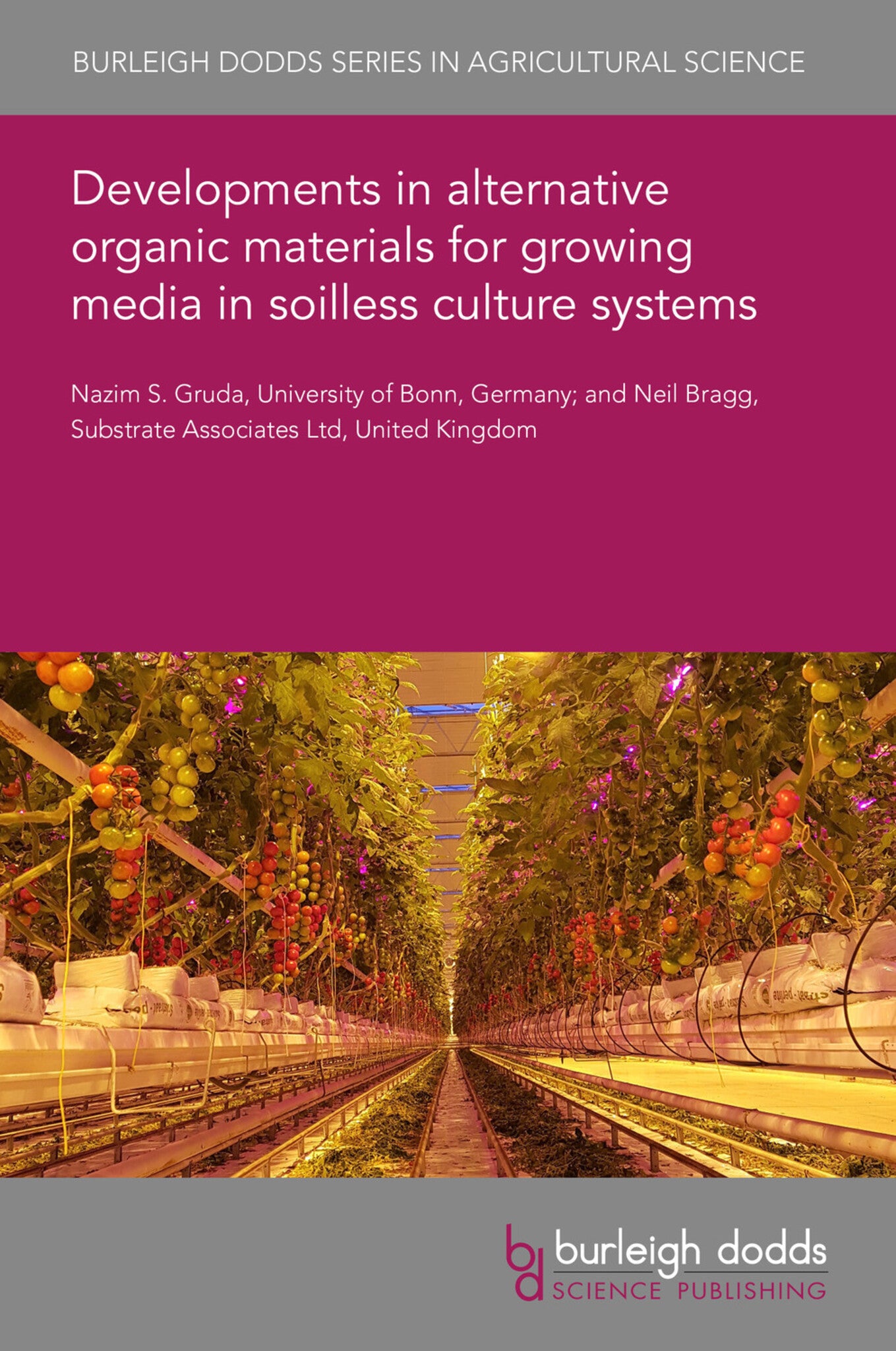
Developments in alternative organic materials for growing media in soilless culture systems
There is increasing pressure on both growing media manufacturers and horticulturists to significantly reduce their reliance on peat as a constituent of substrates. This chapter distils down the available information on alternative organic materials which have emerged as the major contenders for p...
Read MoreRegular price £25.00Sale price £25.00 Regular price £0.00Unit price per -
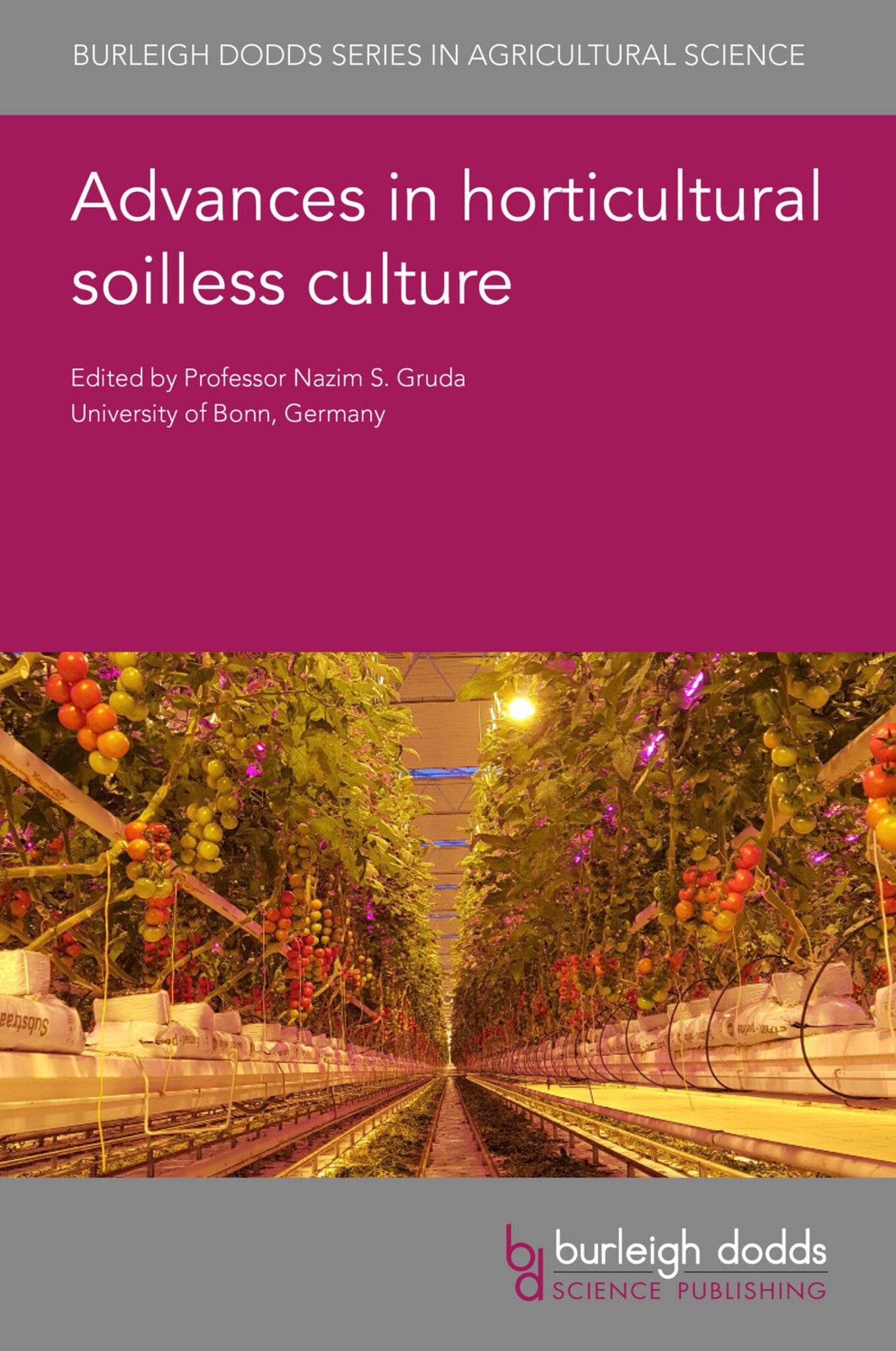
Advances in horticultural soilless culture
This collection reviews current research on optimising substrates for soilless cultivation and assesses recent advances in technologies, such as fertigation systems and process control. Case studies on a range of horticultural crops feature throughout as a means of depicting examples of practical...
Read MoreRegular price £160.00Sale price £160.00 Regular price £160.00Unit price per -
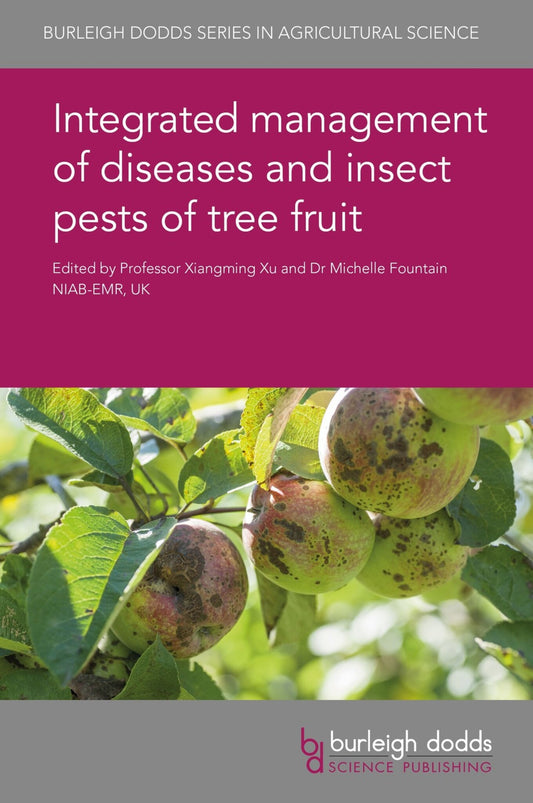
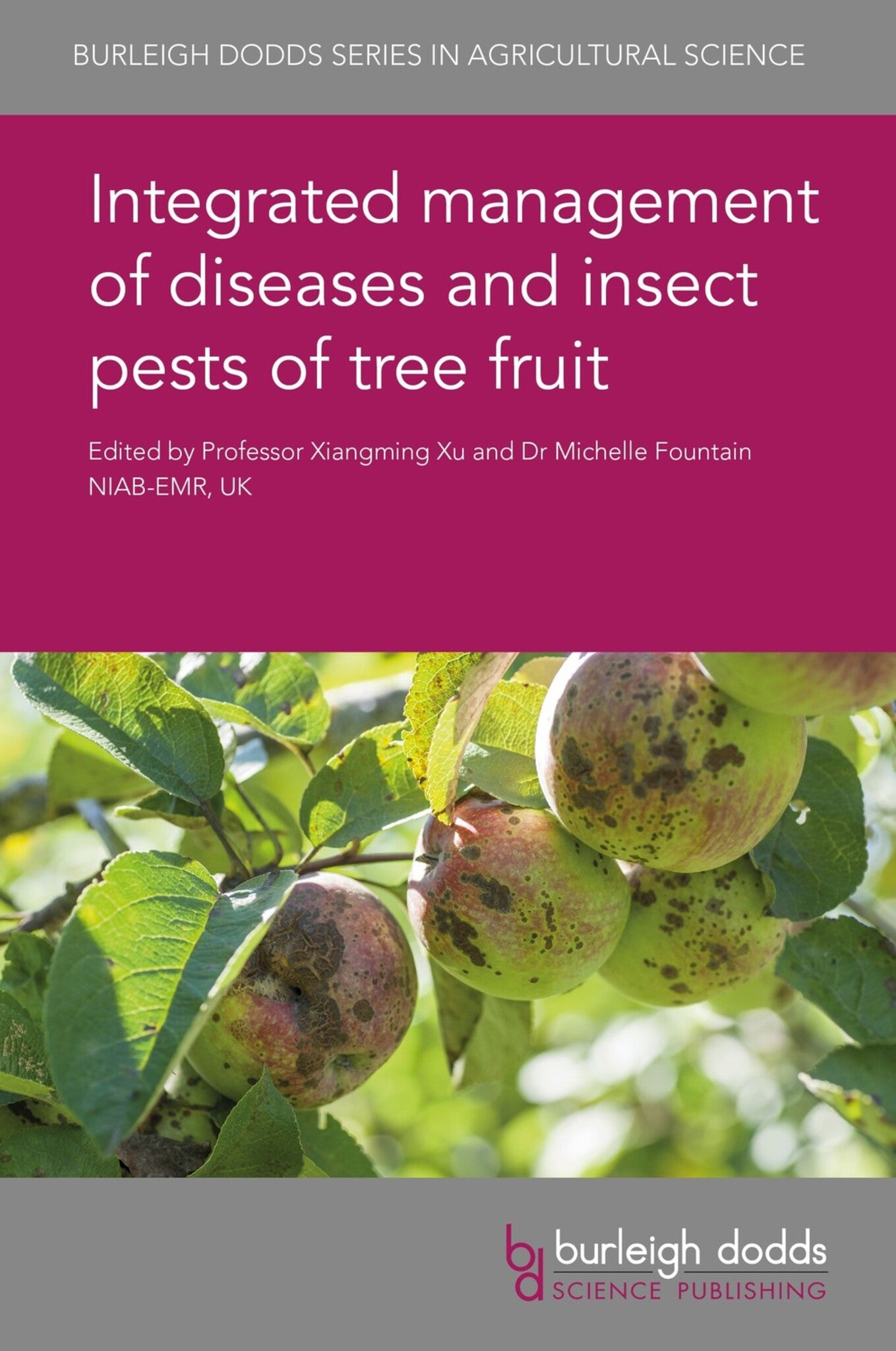
Integrated management of diseases and insect pests of tree fruit
In the light of increasing restrictions on pesticides, this collection reviews advances in understanding key diseases and insect pests of tree fruit. It shows how this understanding can be used to improve integrated disease and pest management techniques.
Regular price £190.00Sale price £190.00 Regular price £190.00Unit price per -
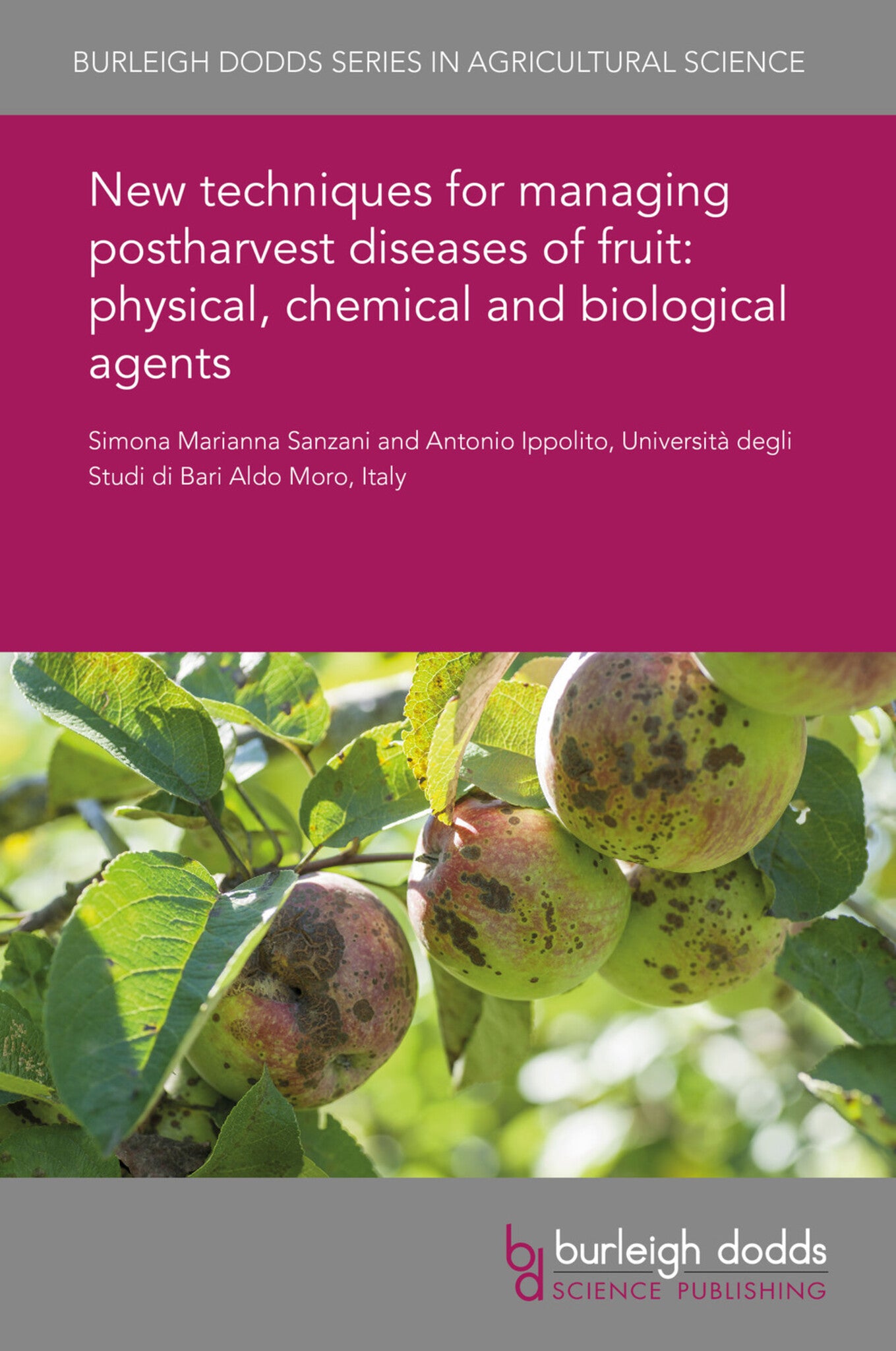
New techniques for managing postharvest diseases of fruit: physical, chemical and biological agents
Chemical fungicides are traditionally used to preserve the quality of fruit and vegetables during storage or transportation. However, the global concern about pesticide use and the reduced efficacy of chemicals due to pathogen-resistant strains have gradually led producers to evaluate safer alter...
Read MoreRegular price £25.00Sale price £25.00 Regular price £25.00Unit price per -
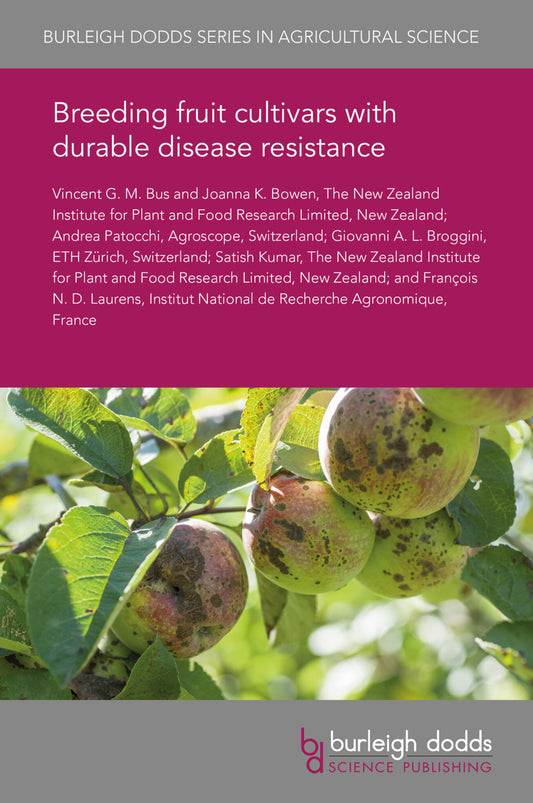
Breeding fruit cultivars with durable disease resistance
Resistance breeding can make a lasting contribution to pest and disease control in an integrated management strategy provided that the resistance is durable. This chapter discusses strategies for achieving durable resistance based on genes that target pathogen fitness, gene pyramiding and nonhost...
Read MoreRegular price £25.00Sale price £25.00 Regular price £25.00Unit price per -
Cultural control of arthropod pests in temperate tree fruit
Perennial systems, such as temperate tree fruit, present interesting challenges and opportunities for the practice of cultural pest management tactics. This chapter outlines key cultural tactics for managing arthropod pests in temperate tree fruit, including modification of trees, tree architectu...
Read MoreRegular price £25.00Sale price £25.00 Regular price £25.00Unit price per -


Insect pests of fruit: aphids
Aphids (Homoptera, Sternorrhyncha, Aphididae) currently include 5575 valid species. They are characterized by some peculiar morphological and biological characteristics that make these insects unique organisms. Although often under-reported, it is estimated that aphids cause very high economic lo...
Read MoreRegular price £25.00Sale price £25.00 Regular price £25.00Unit price per -
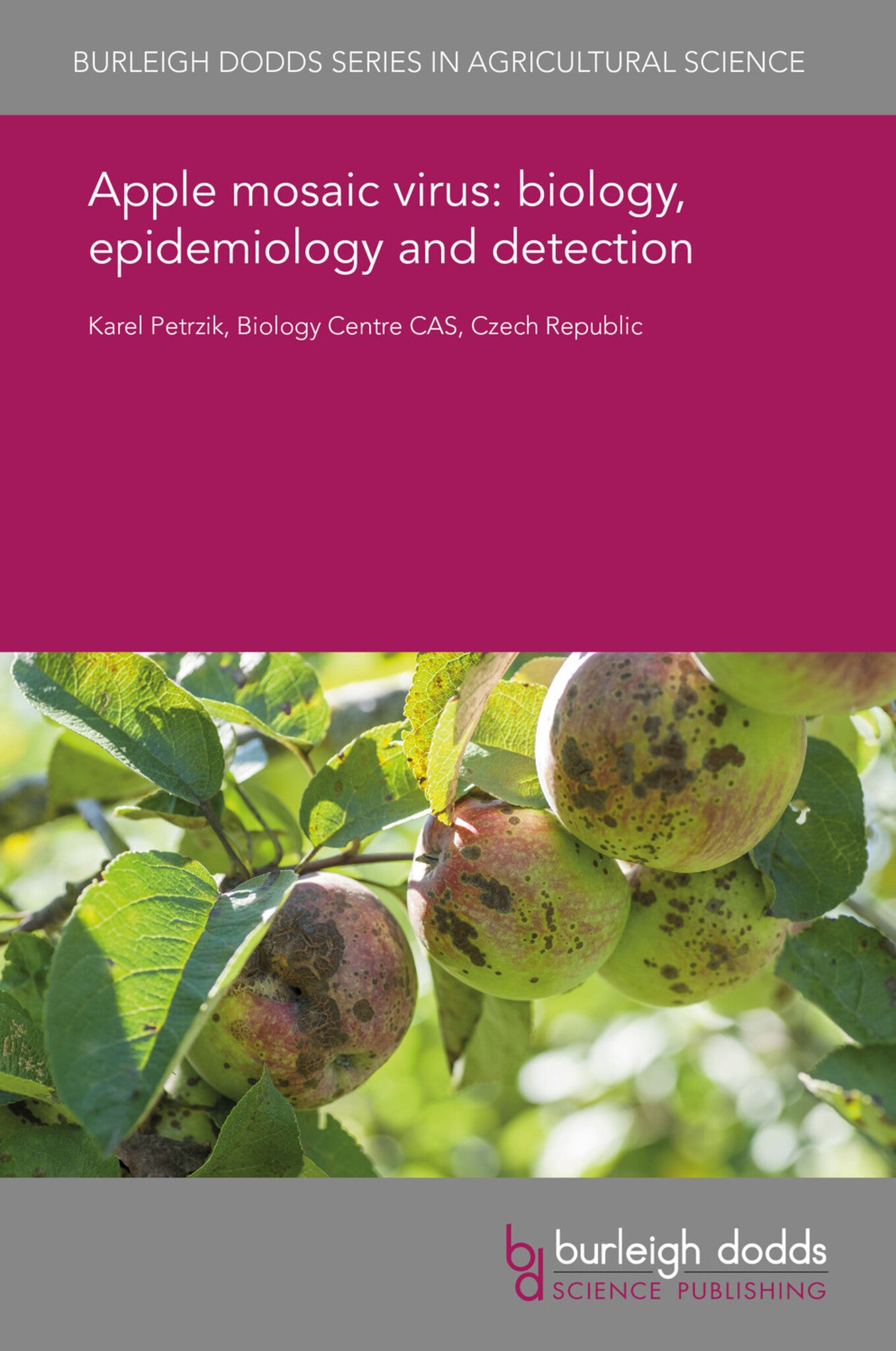
Apple mosaic virus: biology, epidemiology and detection
Apple mosaic virus (ApMV) has been detected in apple and also in a number of other plant taxa including other members of the Rosaceae, hazelnut, hop, birch and a number of perennial weed species. This chapter comprehensively details how the virus is spread and describes the symptoms displayed by ...
Read MoreRegular price £25.00Sale price £25.00 Regular price £25.00Unit price per -
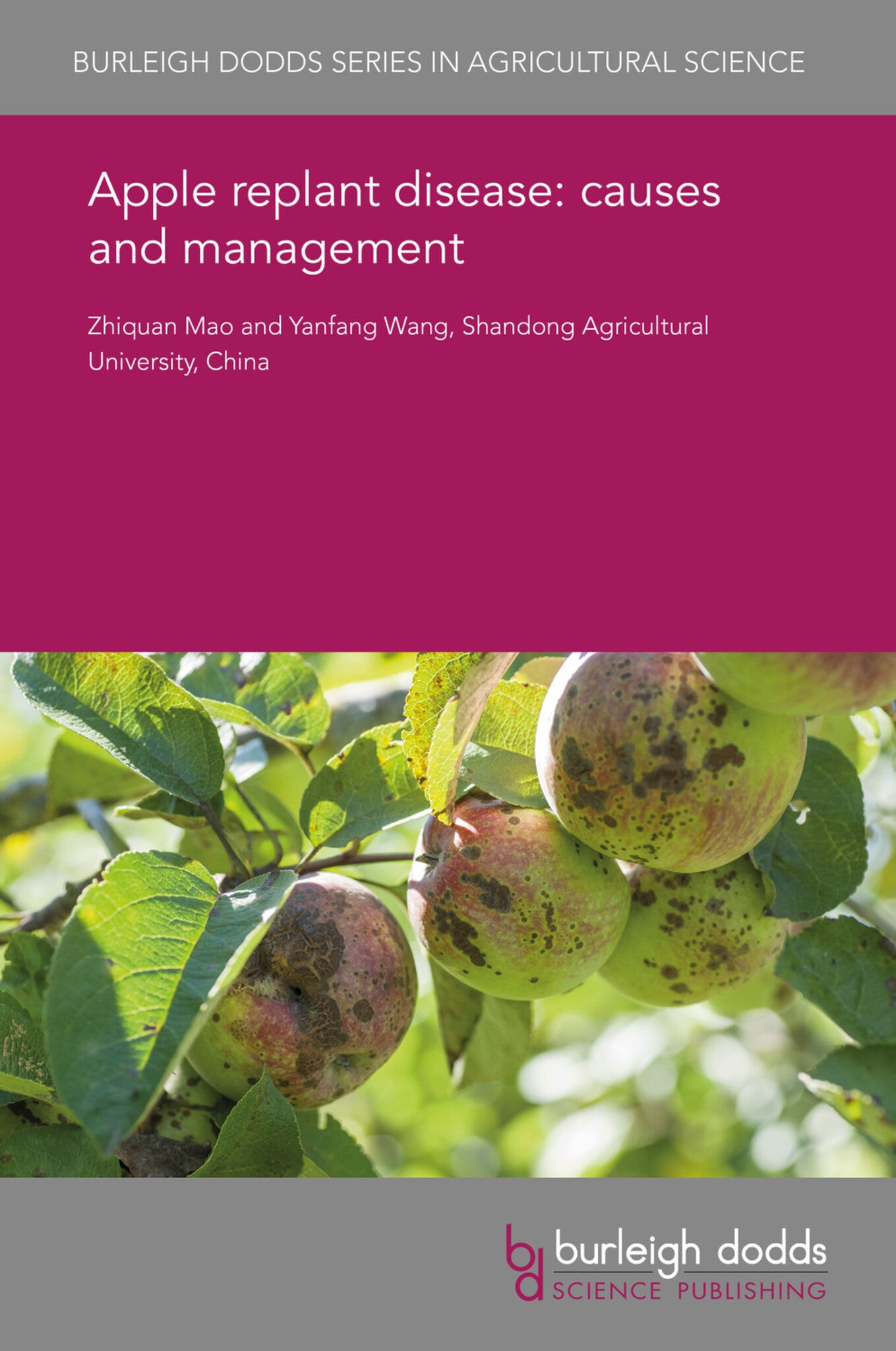
Apple replant disease: causes and management
Apple replant disease (ARD) is an important factor that restricts the sustainable development of the apple industry worldwide. There are many complex pathogenic factors that may cause ARD, and as a result ARD is difficult to manage in the absence of broad-spectrum soil fumigants with limited virg...
Read MoreRegular price £25.00Sale price £25.00 Regular price £25.00Unit price per -
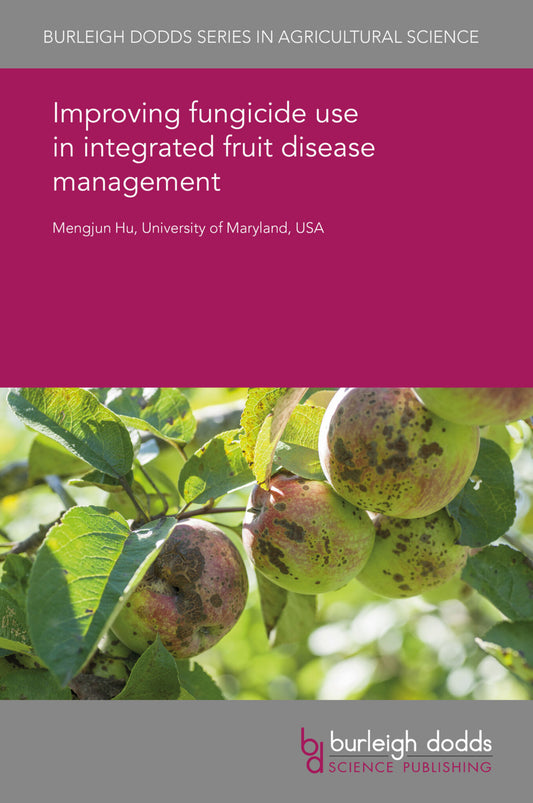
Improving fungicide use in integrated fruit disease management
With the rapid emergence of resistance to the limited number of fungicide classes in many pathogenic fungi, improving stewardship of extant fungicides is a priority. Resistance management strategies, species identification, application timing and delivery of FRAC guidelines to stakeholders can al...
Read MoreRegular price £25.00Sale price £25.00 Regular price £25.00Unit price per -
Fungal diseases of fruit: apple cankers in europe
The cultivated apple, Malus x domestica (syn. Malus pumila), is prone to a plethora of fungal diseases. In this chapter, the authors explore those that cause canker diseases of apple in Europe with particular focus on European apple canker caused by Neonectria ditissima. The authors discuss N. di...
Read MoreRegular price £25.00Sale price £25.00 Regular price £25.00Unit price per -
Integrated management of mite pests of tree fruit
Mites are a perennial pest of tree fruit crops worldwide. Foliar feeding by mites can lead to decreased photosynthetic activity, reducing plant vigour and yield. For some mite pests, fruit deformation or russeting can occur. Two main families of mites are found on tree fruits: tetranychids (spide...
Read MoreRegular price £25.00Sale price £25.00 Regular price £25.00Unit price per -
Use of biocontrol agents in fruit tree disease management
Increasing demands for residue-free fruits, changes in regulation and a decreasing number of available synthetic fungicides favour growth of the biocontrol products market. These products include naturally occurring beneficial microorganisms which are used to control plant diseases. This chapter ...
Read MoreRegular price £25.00Sale price £25.00 Regular price £25.00Unit price per -
Improving plant propagation methods for fruit disease control
The movement of plant propagation material across countries and continents allows for the exchange of high-quality planting material providing producers with superior germplasm, and enhancing farm sustainability and profits. However, this practice has hidden dangers, including the potential of mo...
Read MoreRegular price £25.00Sale price £25.00 Regular price £25.00Unit price per -
Disease monitoring and decision making in integrated fruit disease management
Regular inspection of fruit crops for diseases is a vital part of integrated disease management. Combining this information with that generated from disease warning systems can play a significant role in achieving perfect fruit with minimal use of fungicides. This chapter includes general discuss...
Read MoreRegular price £25.00Sale price £25.00 Regular price £25.00Unit price per -
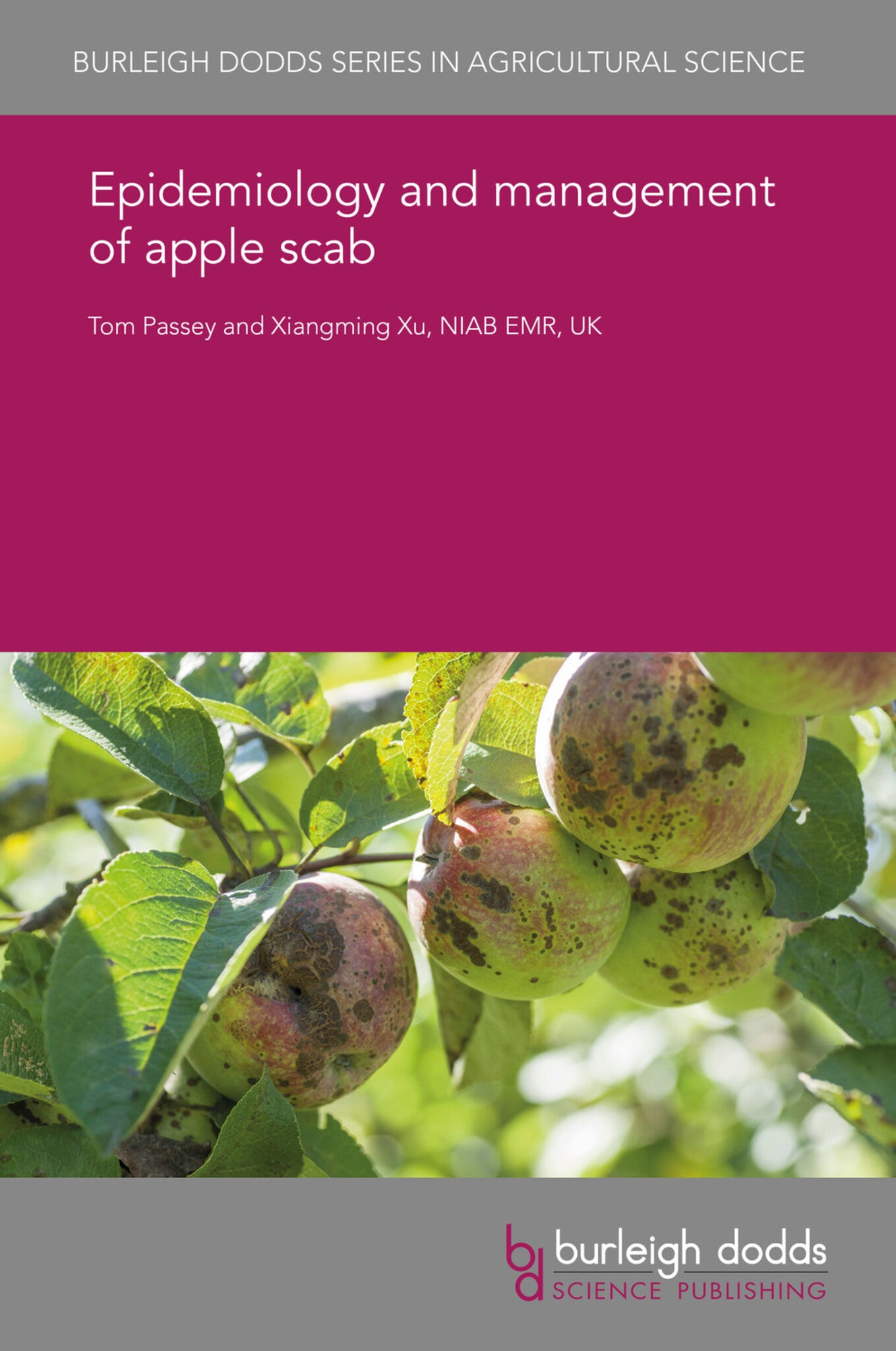
Epidemiology and management of apple scab
Apple scab (Venturia inaequalis) is the most important apple disease worldwide. This fungus can infect both leaves and fruit under conducive conditions; tissues become increasingly resistant to V. inaequalis as they age. Although there are major resistance genes identified against V. inaequalis, ...
Read MoreRegular price £25.00Sale price £25.00 Regular price £25.00Unit price per -
Integrated management of tortricid pests of tree fruit
A group of relatively small moths in the family Tortricidae is commonly the most destructive insect pests of deciduous tree fruits throughout the world. This chapter summarizes the recent literature associated with several applied aspects of tortricid management. After an introduction to tortrici...
Read MoreRegular price £25.00Sale price £25.00 Regular price £25.00Unit price per -


Improving monitoring and forecasting in integrated management of fruit arthropod pests
The efficient and accurate monitoring of insects and mites is a cornerstone of integrated pest management (IPM). Pheromone-baited traps are probably the best known, most convenient and specific method used for monitoring in orchards. However, mating disruption strategies have complicated the inte...
Read MoreRegular price £25.00Sale price £25.00 Regular price £25.00Unit price per -
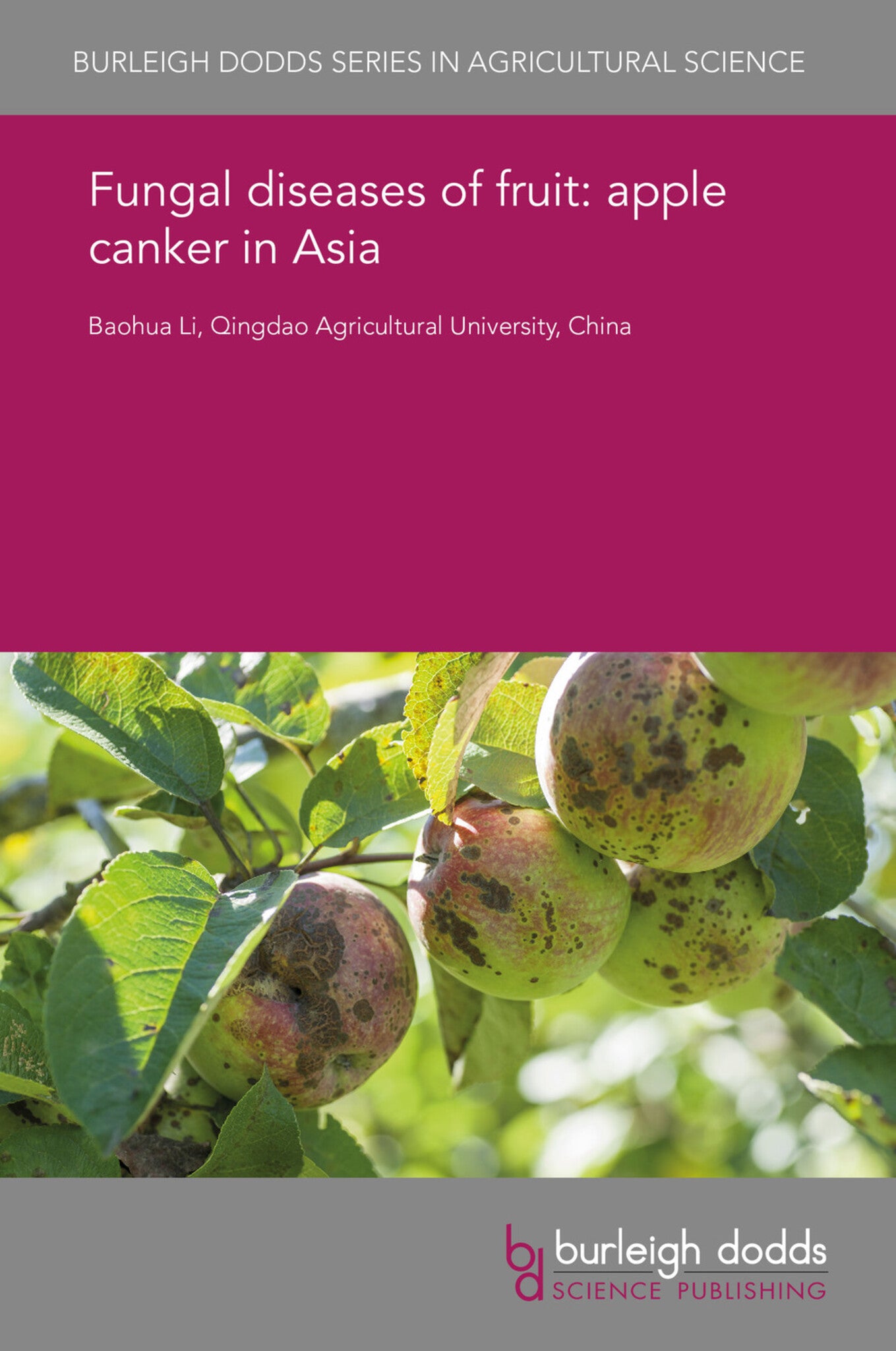
Fungal diseases of fruit: apple canker in asia
Apple valsa canker (Valsa mali) is mainly distributed in China, Japan, South Korea, and North Korea. It occurs in all apple production areas in China, particularly in the northern cold areas. Apple valsa canker mainly damages the cortex of apple branches, causing the cortex to rot. This chapter d...
Read MoreRegular price £25.00Sale price £25.00 Regular price £25.00Unit price per -


Optimizing insecticide use in integrated management of fruit insect pests
The integrated pest management approach was conceived to reduce grower reliance on pesticides by combining and optimizing pesticide use with biological, physical and agronomical control tools. Natural enemies are an essential component of the agroecosystem and play a valuable role in controlling ...
Read MoreRegular price £25.00Sale price £25.00 Regular price £25.00Unit price per -


Integrated management of tree fruit insect pests: drosophila suzukii (spotted wing drosophila)
The vinegar fly Drosophila suzukii Matsumura (Diptera: Drosophilidae), commonly known as spotted winged drosophila (Fig. 1a) is a highly polyphagous invasive pest, native to Asia, which causes significant damage to a wide variety of berry and stone fruit crops. The chapter reviews the significant...
Read MoreRegular price £25.00Sale price £25.00 Regular price £0.00Unit price per -
Integrated pest management (ipm) in vegetables: examples of successful deployment
Vegetable producers around the world are confronted with the daunting task of managing ever-evolving pests and pathogens with a limited number of effective chemical management tools. This chapter examines examples of successful deployment of integrated pest management (IPM) in vegetable cultivati...
Read MoreRegular price £25.00Sale price £25.00 Regular price £25.00Unit price per -
Advances in greenhouses and other protected structures used for cultivation of vegetables
Research work conducted during recent years (e.g. structure design, covering, climate control, energy use efficiency, water and nutrient management, supplemental lighting, new cultivars) has revolutionized greenhouse vegetable production. This chapter reviews the current situation of such protect...
Read MoreRegular price £25.00Sale price £25.00 Regular price £25.00Unit price per -
Understanding and monitoring diseases of vegetables
In-depth background knowledge on detecting and identifying plant diseases is essential for helping to raise healthy crops. This chapter provides an overview of historical developments in understanding and monitoring plant diseases, including the invention of light and electronic microscopes, Koch...
Read MoreRegular price £25.00Sale price £25.00 Regular price £25.00Unit price per -
Advances in understanding insect pests of vegetables: a case study of sweetpotato weevil
Sweetpotato is one of the world’s most important vegetables, and has added value as an organic, health food and as a biofuel alternative source of energy. The sweetpotato weevil (SPW), Cylas formicarius (Coleoptera: Brentidae, Gyladinae), originated in South Asia and spread by humans has resulted...
Read MoreRegular price £25.00Sale price £25.00 Regular price £25.00Unit price per -


Instant insights: nutraceuticals in fruit and vegetables
This specially curated collection features three reviews of current and key research on nutraceuticals in fruit and vegetables.
Regular price £37.99Sale price £37.99 Regular price £37.99Unit price per -
Insect-transmitted viral diseases infecting tomato crops
Many viruses transmitted by insects cause great damage to tomato crops in the field and in the greenhouse, seriously damaging tomato production in many regions of the globe. Management of insect transmitted tomato viruses is a race between the emergence of new viruses coupled with the proliferati...
Read MoreRegular price £25.00Sale price £25.00 Regular price £25.00Unit price per -
Microbiological safety of vegetable produce: the impact of pre- and post-harvest practices
Over the last decade, fresh fruits and vegetables have been linked to at least a dozen major outbreaks of foodborne illness in North America and Europe. It is becoming clear that sanitation alone will not alleviate the problem of human pathogens in produce, and a systems approach is needed to des...
Read MoreRegular price £25.00Sale price £25.00 Regular price £25.00Unit price per -
Instant insights: optimising quality attributes in horticultural products
This book provides a detailed overview of the best practices and emerging technologies used to optimise the quality attributes of a range of horticultural products, ranging from tomatoes and mangoes, to cranberries and strawberries.
Regular price £37.99Sale price £37.99 Regular price £37.99Unit price per -
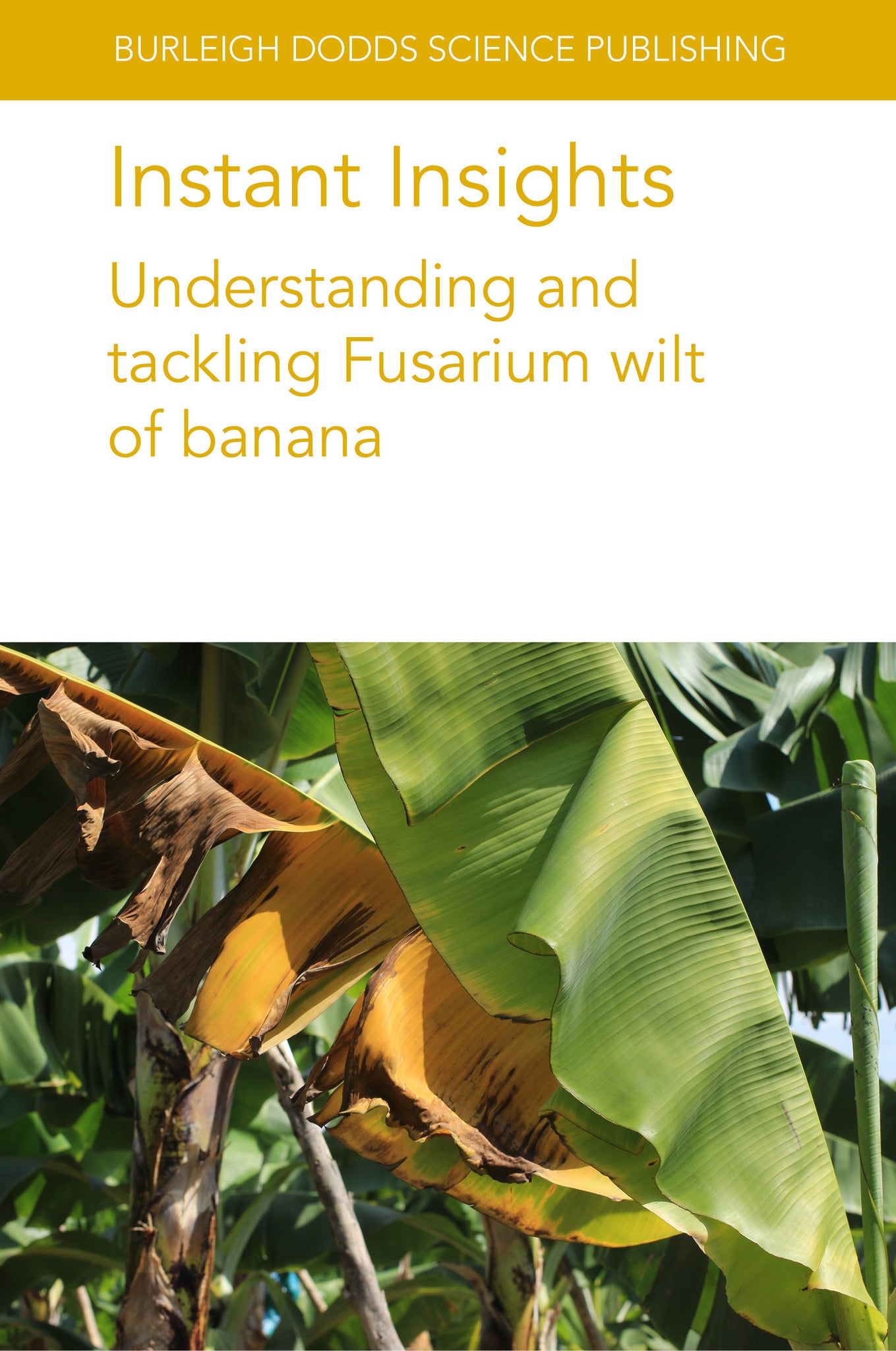
Instant insights: understanding and tackling fusarium wilt of banana
This book provides a comprehensive overview of the epidemiology of Fusarium wilt of banana, the role of monoculture in its spread, as well as best practices to control future outbreaks, including specialised breeding programmes and genetic engineering.
Regular price £37.99Sale price £37.99 Regular price £37.99Unit price per -
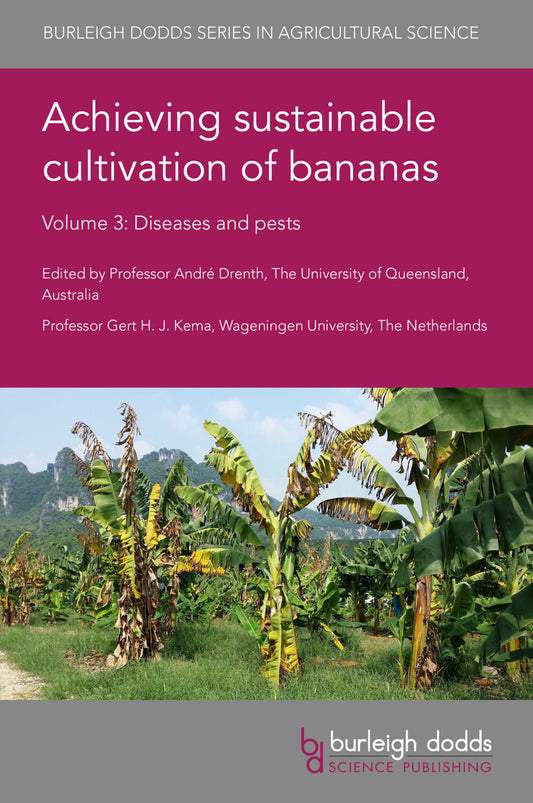
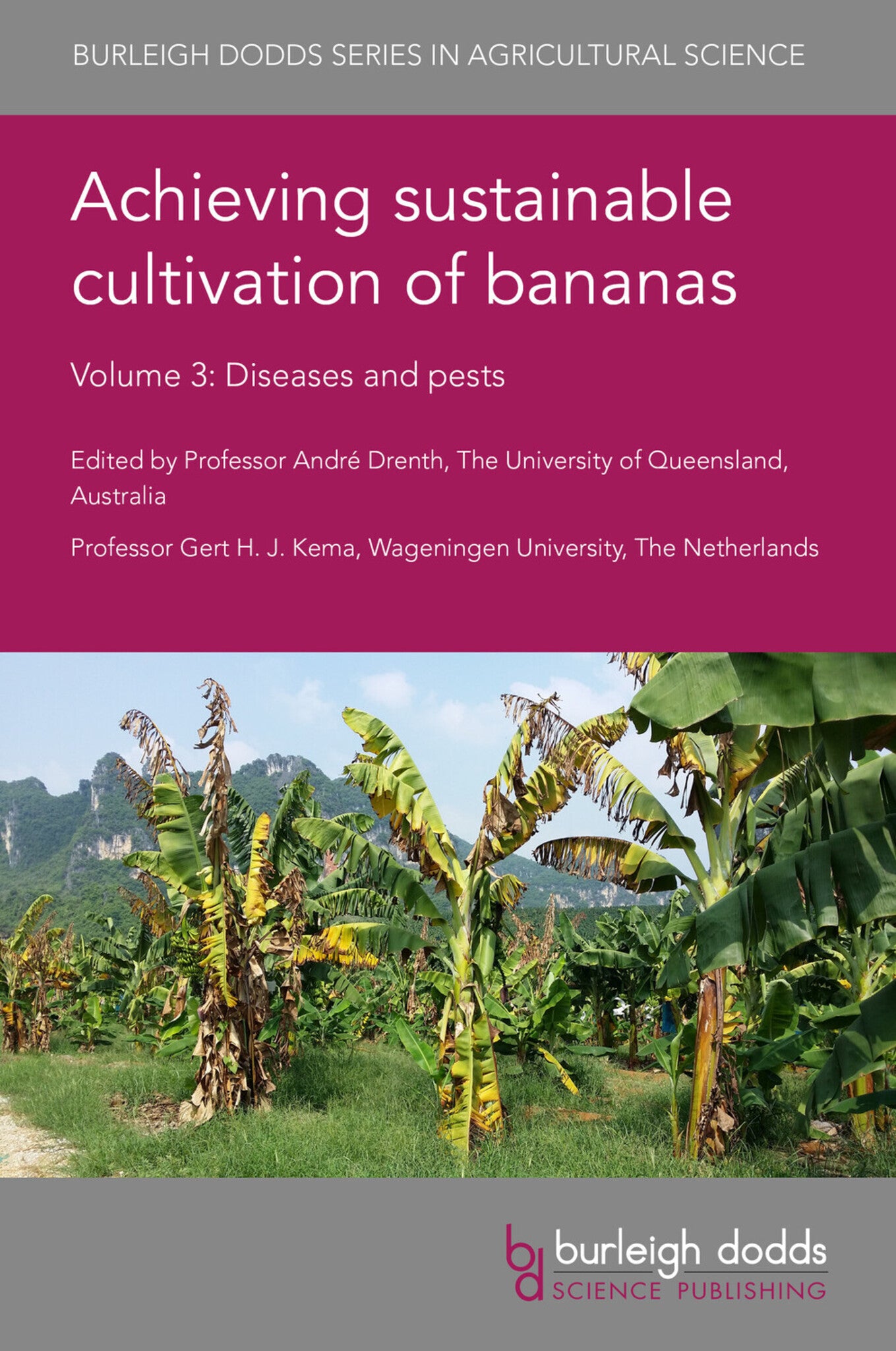
Achieving sustainable cultivation of bananas volume 3
This collection reviews the major pests and diseases affecting global banana production. Chapters explore the key stages of disease identification, development and management, including the initial pathogen diagnosis, the disease cycle and epidemiology, as well as best practices to treat diseased...
Read MoreRegular price £170.00Sale price £170.00 Regular price £0.00Unit price per -
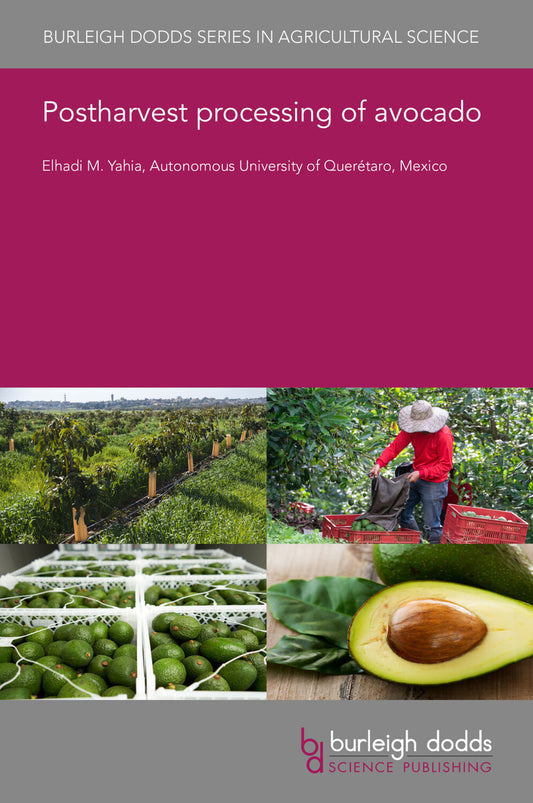
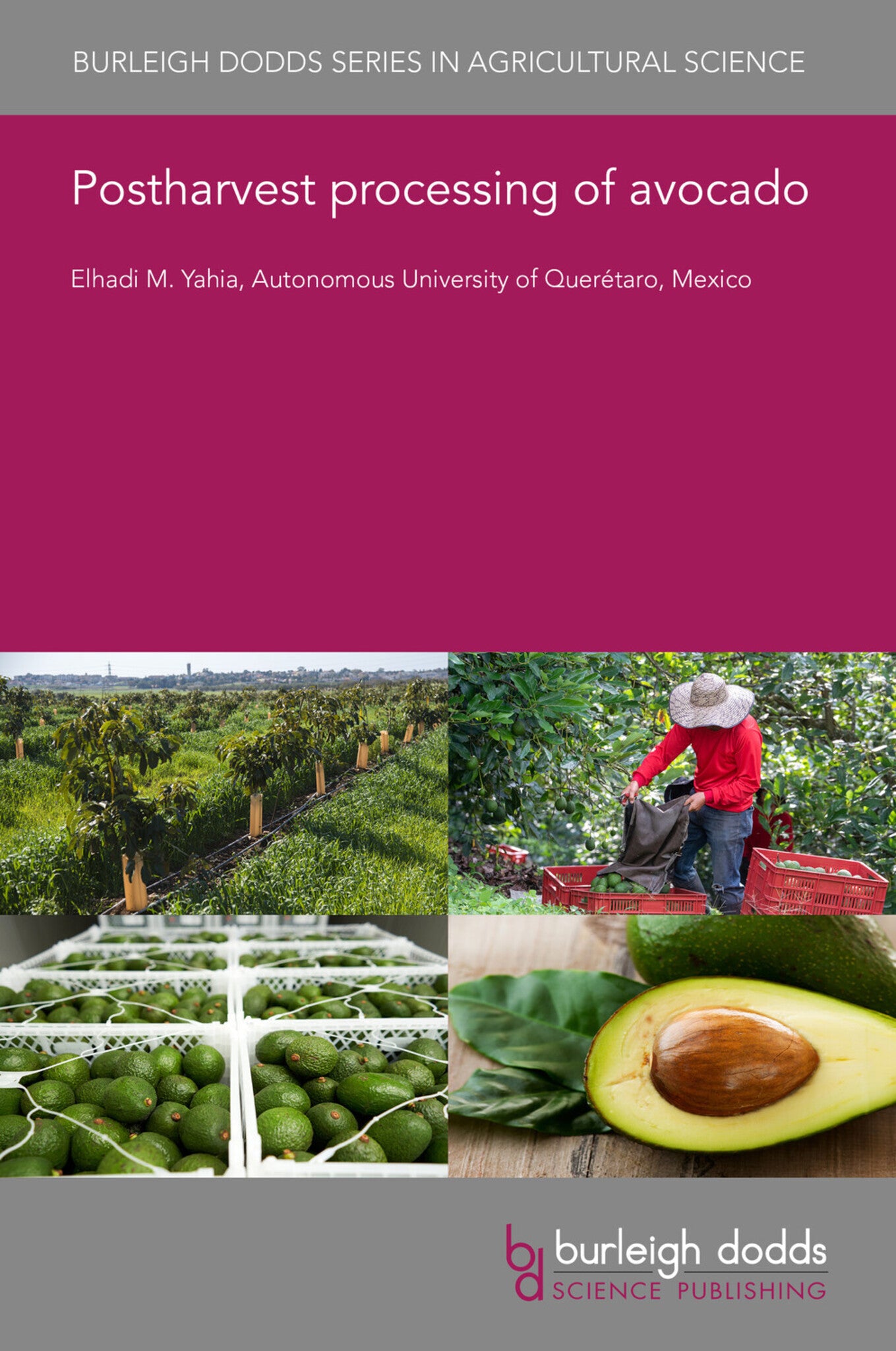
Postharvest processing of avocado
This chapter discusses the techniques commonly used to process avocado fruit to many different products and by-products. It describes the processing technologies and their effects on the organoleptic, nutritional and nutraceutical quality of the fruit and its products. These processes include fre...
Read MoreRegular price £35.00Sale price £35.00 Regular price £35.00Unit price per -
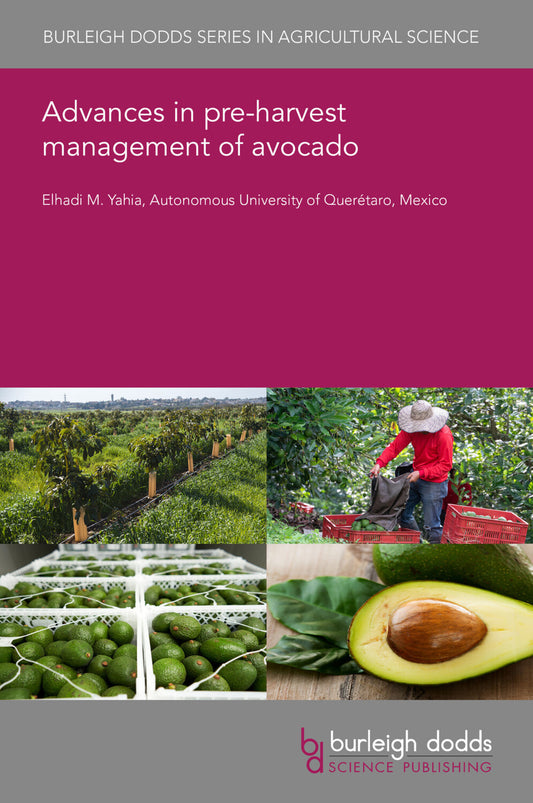
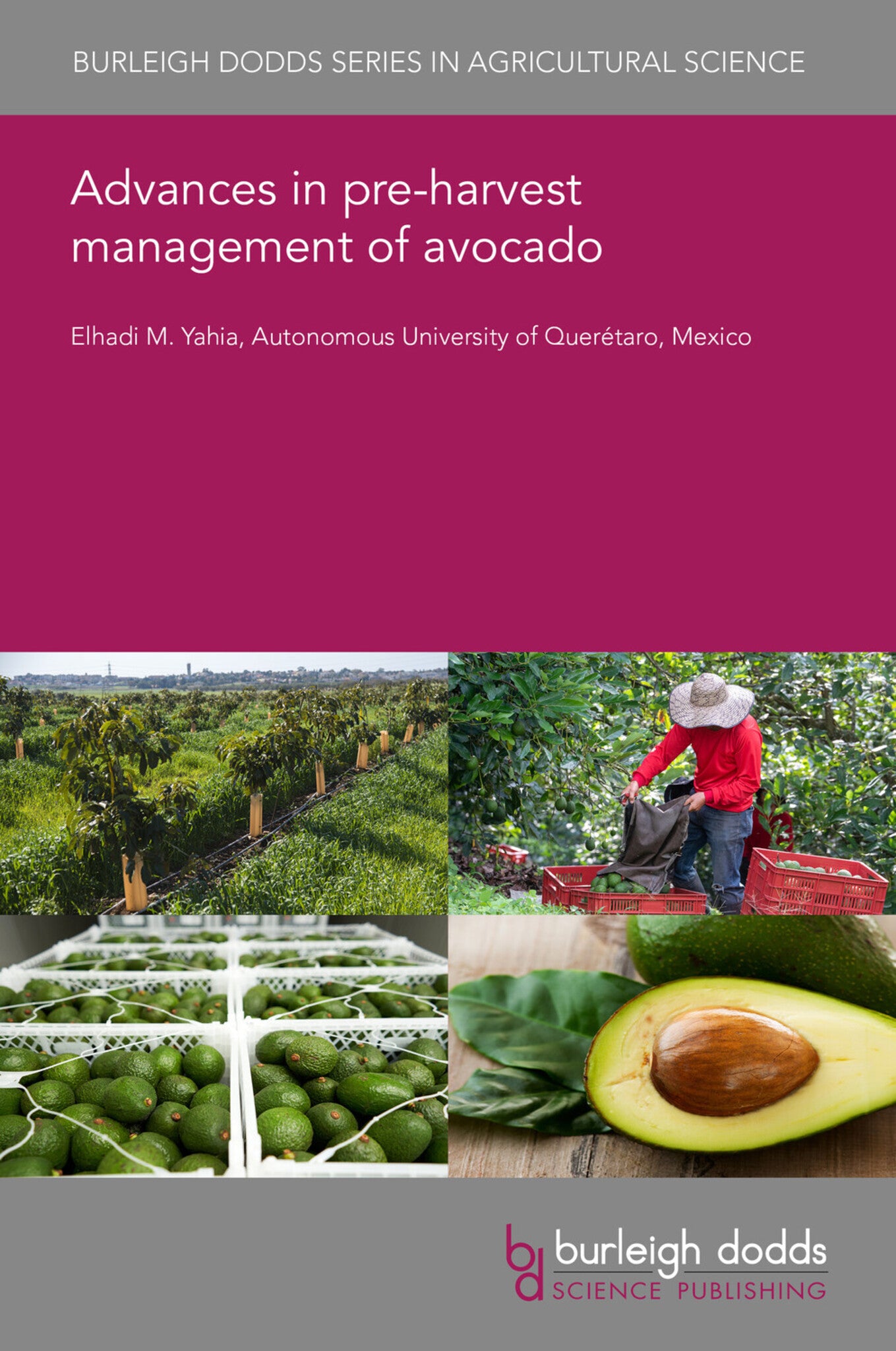
Advances in pre-harvest management of avocado
This chapter reviews the pre-harvest management of avocados, fruit losses and their causes and control, with a special emphasis on fruit quality. It highlights key production techniques required for sustainable cultivation of the crop. It discusses existing information on the floral biology, the ...
Read MoreRegular price £35.00Sale price £35.00 Regular price £35.00Unit price per -
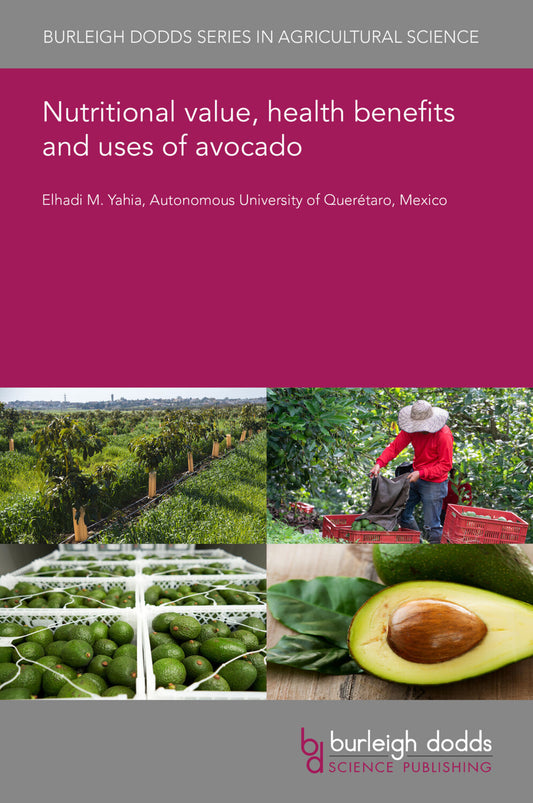
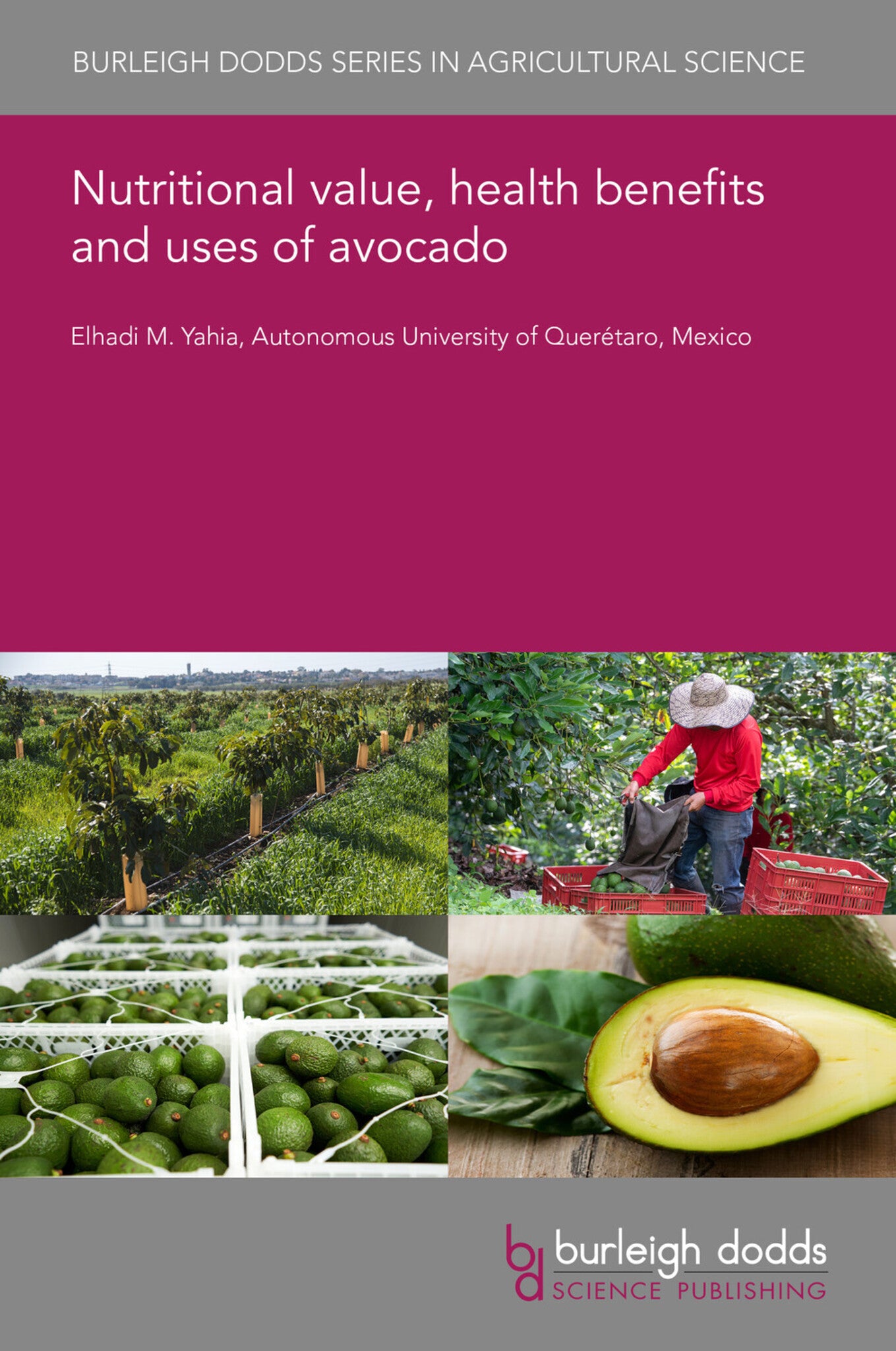
Nutritional value, health benefits and uses of avocado
Avocado fruit is rich in phytochemicals that have been associated with the prevention of some important diseases. This chapter discusses the important nutritional components of avocado fruit, especially the many important bioactive compounds they contain, as well as the important effects of avoca...
Read MoreRegular price £35.00Sale price £35.00 Regular price £35.00Unit price per -


The global avocado industry
This chapter highlights the significant evolution of the global avocado industry, which has experienced extraordinary growth in the last very few decades, both in the American continent where the fruit was originated, and in the other continents. The chapter indicates the important avocado produc...
Read MoreRegular price £35.00Sale price £35.00 Regular price £0.00Unit price per -


Trade and marketing of avocado
This chapter describes the global trade in avocado, markets and marketing systems, examples of quality and safety standards and requirements for local markets as well as for export markets, and costs and returns.
Regular price £35.00Sale price £35.00 Regular price £35.00Unit price per -


Advances in postharvest physiology, technology and handling of fresh avocado
Optimal postharvest handling of avocado fruit is essential for the preservation of quality and prolonging postharvest life. Avocados are climacteric fruit and one of the very few fruits that do not fully ripen on the tree, but only after harvest. This chapter describes the most important physiolo...
Read MoreRegular price £35.00Sale price £35.00 Regular price £35.00Unit price per -
Advances in organic cultivation of vegetables
Organic farming is considered an agroecological system focused on promoting biological cycles, soil biological activity, and biodiversity toward enhancing resource conservation and environmental quality. The global growth of the organic market and production drives the research to improve organic...
Read MoreRegular price £25.00Sale price £25.00 Regular price £0.00Unit price per -
Achieving sustainable cultivation of vegetables
This volume summarises the wealth of research on improving sustainability in vegetable cultivation. Part 1 reviews advances in physiology and breeding. Parts 2-3 summarise advances in cultivation and pest management. The final part includes case studies on the breeding and cultivation of key vege...
Read MoreRegular price £180.00Sale price £180.00 Regular price £180.00Unit price per -
Advances in the use of irradiation for the market access of fresh horticultural produce
Commercial and research interest in the irradiation of fresh fruit and vegetables as a market access treatment is growing. Irradiation has been approved for use in many markets as an approved phytosanitary/quarantine treatment to allow international trade. This chapter focuses on the effects of i...
Read MoreRegular price £25.00Sale price £25.00 Regular price £25.00Unit price per -
Advances in irrigation techniques in vegetable cultivation
Water for agricultural use accounts for a very high percentage of worldwide water consumption. In order to maximize productivity and profitability, while reducing the environmental impact of vegetable farming, growers must choose the correct irrigation system for their crop as well as determine t...
Read MoreRegular price £25.00Sale price £25.00 Regular price £25.00Unit price per -
Alternative tillage production systems for cucurbit vegetables
Cultural production practices for some cucurbit crops have slightly changed over the last half-century to become more sustainable with less detrimental impacts on the soil and surrounding environment. Conservation tillage is one of these practices that is gaining acceptance since it conserves soi...
Read MoreRegular price £25.00Sale price £25.00 Regular price £25.00Unit price per -
Advances in pea breeding
Cultivated forms of pea can be classified as dry or field pea (dry seeds for food or feed), vegetable or green pea (young seeds, pods or shoots for food) and forage pea (for silage or grazing). Quality requirements differ for each pea type. This chapter reviews advances in pea breeding, including...
Read MoreRegular price £25.00Sale price £25.00 Regular price £25.00Unit price per -
Advances in understanding vegetable physiology: root systems as the next frontier in improving sustainable vegetable production
Root systems are responsible for the uptake of water and nutrients needed to support crop growth and development, ameliorate the effects of other stressors and increase vegetable production. Roots are crucial for maintaining plant water status and meeting shoot transpirational demands as the leav...
Read MoreRegular price £25.00Sale price £25.00 Regular price £25.00Unit price per

We're sorry. An error has occurred
Please cancel or retry.


