





Some error occured while loading the Quick View. Please close the Quick View and try reloading the page.
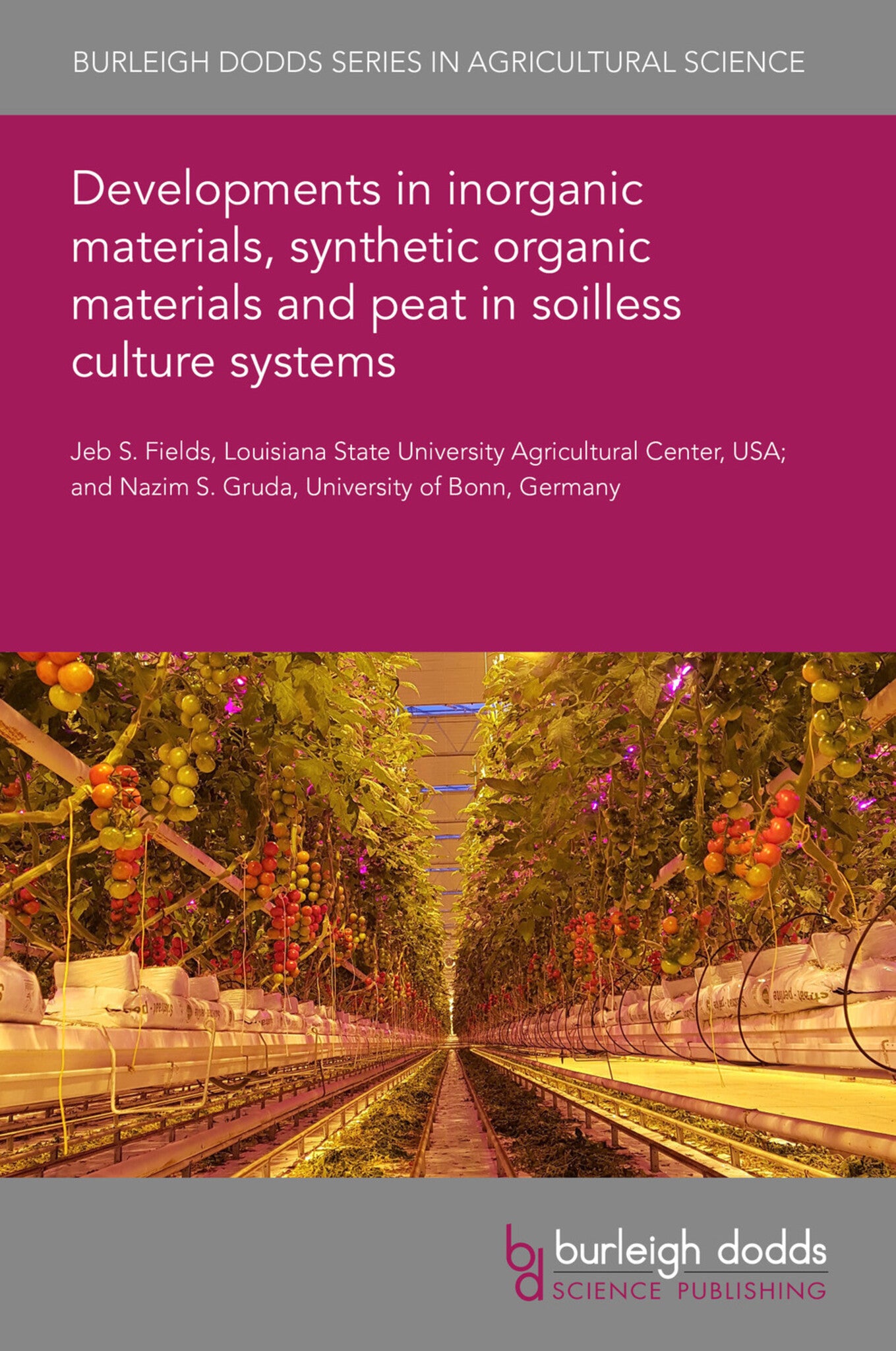
Soilless substrates utilised in traditional hydroponics are often inorganic or synthetic materials, as opposed to organic substrate components utilised in other forms of soilless culture. As growers seek more precision production applications, more operations are shifting to soilless culture production for increased resource control. The standard substrate components utilised in soilless production have been well researched and engineered to fit into specific operations. Understanding the relationship between the substrate, water, and fertiliser in a container and knowing the movement within will allow for continued beneficial improvements in soilless culture and container horticulture industry. However, as we progress agricultural practices, new substrate materials optimised substrate materials must be developed. Here we present the traditional inorganic, synthetic organic materials and peat and how these components are developed, engineered, and processed.

Price: £25.00
Publisher: Burleigh Dodds Science Publishing
Imprint: Burleigh Dodds Science Publishing
Series: Burleigh Dodds Series in Agricultural Science
Publication Date:
08 February 2021
ISBN: 9781801460392
Format: eBook
BISACs:

1 Introduction 2 The development of solid growing media 3 Substrate materials 4 Natural inorganic substrate materials 5 Processed inorganic substrate materials 6 Mineral wool as a substrate 7 Synthetic organic materials as substrates 8 Peat as a substrate material 9 Summary and future trends 10 Where to look for further information 11 References