


-


Management of rice insect pests
Rice farmers face many abiotic and biotic constraints in their quest to increase rice production. In conjunction with the introduction of new high yielding drought and flood tolerant rice varieties, increasing yields will require a reduction in losses to insect pests. This chapter discusses curre...
Read MoreRegular price £25.00Sale price £25.00 Regular price £25.00Unit price per -


Advances in understanding the role of rice in nutrition
Malnutrition includes both under- and over-nutrition. The development of rice varieties to improve dietary quality can play a role in addressing both forms of malnutrition. This chapter begins by considering under-nutrition, with an emphasis on the problem of micronutrient deficiency. It reviews ...
Read MoreRegular price £25.00Sale price £25.00 Regular price £25.00Unit price per -


Breeding strategies to improve rice yields: an overview
This chapter examines three different major strategies designed to break the ‘yield barrier’ so that rice production keeps up with population growth: new ideotype breeding, heterosis and green super rice. The chapter shows that exploring the genetic diversity of wild Oryza species may lead to ide...
Read MoreRegular price £25.00Sale price £25.00 Regular price £25.00Unit price per -
Control of rodent pests in rice cultivation
Rodents cause significant damage to rice crops at all stages. The intensity of rice cropping and the level of asynchrony of cropping affects the level of rodent losses. It is important to understand the biology of rodent species causing damage in order to develop appropriate management strategies...
Read MoreRegular price £25.00Sale price £25.00 Regular price £25.00Unit price per -


Integrated pest management for sustainable rice cultivation: a holistic approach
This chapter describes a holistic approach to integrated pest management (IPM) using knowledge of the natural regulation of herbivore and weed populations and of natural succession in agricultural wetlands. It draws attention to the drivers of change in rice production systems, the forms that fut...
Read MoreRegular price £25.00Sale price £25.00 Regular price £25.00Unit price per -
Sustainable rice cultivation in coastal saline soils: a case study
This chapter describes the development of stress-tolerant rice varieties and management practices for their cultivation. The chapter offers a detailed account of sustainable rice cultivation practices including leaching of salts from the root zone, nutrient management for saline/acid saline soils...
Read MoreRegular price £25.00Sale price £25.00 Regular price £25.00Unit price per -
Yield gap analysis towards meeting future rice demand
Rice provides 20% of the world’s food energy, and increased rice production owing to growing demand needs to be derived mainly from existing agricultural land. This requires reducing the ‘yield gap’, which is defined as the difference between potential yield and average on-farm yield obtained by ...
Read MoreRegular price £25.00Sale price £25.00 Regular price £25.00Unit price per -


Breeding green super rice (GSR) varieties for sustainable rice cultivation
Improving low rice productivity in rainfed areas of Asia and Africa and sustaining rice productivity in irrigated rice lands are challenges in the coming decades for the global rice research community. Green Super Rice (GSR), rice cultivars that can produce high and stable yields under less input...
Read MoreRegular price £25.00Sale price £25.00 Regular price £25.00Unit price per -


Advances in irrigation techniques for rice cultivation
Rice land receives 35–45% of all the world’s irrigation water. In view of growing concerns about future water scarcity, achieving water savings in irrigated rice production has become a key research challenge. This chapter considers the key techniques for improving rice water productivity through...
Read MoreRegular price £25.00Sale price £25.00 Regular price £25.00Unit price per -
Dry-seeded and aerobic cultivation of rice
Finding an efficient irrigation strategy that would minimize water consumption in rice cultivation is a key objective in dealing with the potential future competition for and scarcity of water as a resource. Several water-saving techniques have been developed, including dry-seeded rice and aerobi...
Read MoreRegular price £25.00Sale price £25.00 Regular price £25.00Unit price per -


Rice insect pests: biology and ecology
Rice farmers face many abiotic and biotic constraints in their quest to increase rice production. In conjunction with the introduction of new high yielding drought and flood tolerant rice varieties, increasing yields will require a reduction in losses to insect pests. This chapter presents the kn...
Read MoreRegular price £25.00Sale price £25.00 Regular price £25.00Unit price per -


Advances in marker-assisted breeding of tomatoes
Tomato is one of the most important vegetable crops in the world. This chapter describes the process of marker development and how this can be used to improve tomato breeding. The chapter discusses the techniques of marker-assisted selection (MAS) and genomic selection (GS) to identify and exploi...
Read MoreRegular price £25.00Sale price £25.00 Regular price £25.00Unit price per -


Detecting antibiotic residues in animal feed: the case of distiller’s grains
The purpose of this chapter is to review the methods for detection of antibiotic residues in animal feed, using the example of distillers’ grains. There is a growing concern about the use of antibiotics in the process of which distillers’ grains are a co-product. Antibiotic residues in distillers...
Read MoreRegular price £25.00Sale price £25.00 Regular price £0.00Unit price per -


Closing yield gaps for small- and medium-scale oil palm producers: improving cultivation practices
The proportion of small- and medium-scale growers in the Colombian oil palm sector has increased in recent years both in terms of land area planted and in terms of number of growers. However, a yield gap has been found among producers, which depends upon their size, with large-scale producers att...
Read MoreRegular price £25.00Sale price £25.00 Regular price £25.00Unit price per -


Ensuring beef safety through consumer education
For food safety in the US beef industry, 1993 was a watershed year because of the large outbreak of food-borne illnesses that were linked to ground beef. More than two decades later, microbial issues persist as areas of concern. While the industry has made great strides in reducing bacteria on ra...
Read MoreRegular price £25.00Sale price £25.00 Regular price £25.00Unit price per -
Mechanization and automation for apple
Sustaining large-scale commercial apple production depends on the availability of a large, seasonal and suitably skilled workforce. The costs and associated risks are dependent on human labor as well as overall productivity which could be reduced by improved mechanization of apple production oper...
Read MoreRegular price £25.00Sale price £25.00 Regular price £25.00Unit price per -
Evaluating and improving rootstocks for apple cultivation
The foundations of a productive and healthy orchard are the rootstocks that provide anchorage, water and nutrients essential to the above-ground portions of the trees. Utilization of composite trees has increased the efficiency of breeding productive apple trees by dividing the selection of scion...
Read MoreRegular price £25.00Sale price £25.00 Regular price £25.00Unit price per -


Genetic variation in immunity and disease resistance in dairy cows and other livestock
For most diseases of economic importance in livestock, resistance can be considered to be a complex or quantitative trait with limited evidence of negative correlations with resistance to other diseases. Attention to such traits allows the selection of healthier and more productive animals. This ...
Read MoreRegular price £25.00Sale price £25.00 Regular price £25.00Unit price per -


Improving nutrient management for sustainable intensification of maize
Maize is an important crop worldwide for its role in ensuring food security, alleviating poverty and increasing farmer income. Maize production in the world is higher than rice and wheat because of its multiple demands for human food, animal feed, bio-fuel and from other industries using it as ra...
Read MoreRegular price £25.00Sale price £25.00 Regular price £25.00Unit price per -
Assessing the environmental impact and sustainability of apple cultivation
The environmental impact of apple production is determined by regional enviro-pedo-climatic features and socio-political factors, but can also be managed through cultivation practices and inputs. Pesticides typically have the greatest environmental impact, but energy use from operating machinery ...
Read MoreRegular price £25.00Sale price £25.00 Regular price £25.00Unit price per -


Integrated pest management in tomato cultivation
Pests and diseases contribute to about 40% of tomato yield loss in the field worldwide. This chapter will focus on how to combat pests and diseases using integrated pest management (IPM). The development of an IPM package for tomato involves the combination of multiple management strategies to ad...
Read MoreRegular price £25.00Sale price £25.00 Regular price £25.00Unit price per -


Genetic resistance to viruses in tomato
The cultivated tomato (Solanum lycopersicum L.) constitutes a major agricultural industry: it is grown worldwide and, in terms of vegetable crop production, is only second to potato. Tomato plants show a wide climatic tolerance and are grown in both tropical and temperate regions around the world...
Read MoreRegular price £25.00Sale price £25.00 Regular price £25.00Unit price per -
Bio-ecology of major insect and mite pests of tomato crops in the tropics
In tropical climates, tomato production is severely constrained by insect and mite pests. The use of broad-spectrum chemical pesticides can make this problem worse, since it can eliminate the natural enemies of these pests. Changes in cropping system and the impacts of a warming climate can also ...
Read MoreRegular price £25.00Sale price £25.00 Regular price £25.00Unit price per -


Developing disease-resistant tomato varieties
Tomato is known to be afflicted by at least 200 different disease-causing organisms from most major pathogen classes – bacteria, fungi (including Oomycota), viruses and nematodes. Despite decades of conventional breeding and selection, there are still a large number of diseases caused by these pa...
Read MoreRegular price £25.00Sale price £25.00 Regular price £25.00Unit price per -
Ensuring the health and welfare of dairy calves and heifers
Pre-weaning morbidity and mortality rates in dairy calves remain a challenge for dairy producers worldwide. Health challenges, along with housing and management, all have an impact on calf productivity and welfare. This chapter will review strategies for managing calving, improving calf vitality,...
Read MoreRegular price £25.00Sale price £25.00 Regular price £25.00Unit price per -


The economics of apple production
Economic prosperity is essential to guarantee sustainability, and this chapter provides a cost analysis of apple production worldwide, including classification of production cost studies, an exploration of different cost study approaches and categories included in cost-of-production studies. The ...
Read MoreRegular price £25.00Sale price £25.00 Regular price £25.00Unit price per -


Nutrition management of grazing dairy cows in temperate environments
Temperate grass-legume mixes (i.e. pasture) are nutritionally well-balanced and can sustain moderate levels of milk production in dairy cattle. However, pasture is perishable, and if not consumed by cow, it is wasted and the feed quality of the re-growth declines. Moreover, increased use of suppl...
Read MoreRegular price £25.00Sale price £25.00 Regular price £25.00Unit price per -


Advances in marker-assisted breeding of apples
Breeding and selecting new improved cultivars by exploiting natural genetic diversity is an essential route forward in ensuring sustained and sustainable apple production. There can be no doubt that breeders have an expanding set of tools at their disposal to achieve these goals with the advent o...
Read MoreRegular price £25.00Sale price £25.00 Regular price £25.00Unit price per -


Improving the welfare of lambs
High lambing rates and maintaining high standards of lamb survival, health, nutrition and growth are essential for farm profitability, depending on the final product of sheep farming. The value assigned to lambs, the environment, farming tradition and economics of sheep farming will influence flo...
Read MoreRegular price £25.00Sale price £25.00 Regular price £25.00Unit price per -

Feed evaluation and formulation to maximise nutritional efficiency in dairy cattle
This chapter reviews the evaluation of energy and protein value of ruminants’ feedstuffs. It emphasises the importance of accurately estimating feeding values to optimise production. The chapter discusses experimental methods and models used to evaluate the energy and protein values of feeds. The...
Read MoreRegular price £25.00Sale price £25.00 Regular price £25.00Unit price per -


Sustainable approaches to control postharvest diseases of apples
Long-term storage of apples faces challenges in maintaining fruit quality and reducing losses from postharvest diseases. Currently the apple industry relies mainly on synthetic fungicides to control postharvest decays. However, the limitations to fungicides such as development of resistance in pa...
Read MoreRegular price £25.00Sale price £25.00 Regular price £25.00Unit price per -


Advances in understanding apple fruit development
Understanding the ways in which apples grow and develop is crucial for achieving sustainable apple cultivation, which means a regulated crop of apples that provides as high a yield as possible of desired quality while allowing the development of a good and consistent return bloom and cropping in ...
Read MoreRegular price £25.00Sale price £25.00 Regular price £25.00Unit price per -
Assessing the sustainability impacts of rice cultivation
In an increasingly crowded, volatile and fragile world, rice represents a crucial driver of global food security. This chapter explores the environmental and broader sustainability challenges posed by rice production. After considering trends in rice production and consumption and its strategic i...
Read MoreRegular price £25.00Sale price £25.00 Regular price £25.00Unit price per -


Conservation agriculture for sustainable intensification of maize and other cereal systems: the case of Latin America
Latin American agriculture faces many challenges, including extensive soil degradation and the prospect of increasing rainfall variability due to climate change. Conservation agriculture offers a way of responding to these challenges through improved management practices to prevent further soil d...
Read MoreRegular price £25.00Sale price £25.00 Regular price £25.00Unit price per -


The future of DNA technologies for improving beef quality: marbling, fatty acid composition and tenderness
DNA genotyping with high-density panels and genome sequencing provide new opportunities for genetic improvement of beef quality traits by genomic selection (GS). Adoption of GS in the beef industry is lower than that in the dairy industry. Lower accuracy of genomic predictions is one of the reaso...
Read MoreRegular price £25.00Sale price £25.00 Regular price £25.00Unit price per -
Beef cattle nutrition and its effects on beef quality
Previous dogmas suggested that body composition and subsequent carcass characteristics of beef cattle are primarily tied to mature body weight and fat thickness. Subsequent research suggests that marbling can occur at different stages of growth when sufficient nutrition is provided and that the r...
Read MoreRegular price £25.00Sale price £25.00 Regular price £25.00Unit price per -
Effects of metabolic modifiers on beef carcass composition and meat quality
Metabolic modifiers are compounds that are either fed to animals or implanted to improve rate of gain, feed efficiency, dressing percent, carcass meat yield, visual meat quality, shelf life or meat palatability. This chapter presents a general review of the effects of metabolic modifiers on carca...
Read MoreRegular price £25.00Sale price £25.00 Regular price £25.00Unit price per -


Controversies surrounding the impact of the fat content of beef on human health
Whether ‘red’ or ‘processed meat’ intake is related to adverse health outcomes in the US population and other developed countries is an often-debated concept. Beef frequently is a focus of such discussions because of its contribution to saturated fat in the diet. This chapter examines the evide...
Read MoreRegular price £25.00Sale price £25.00 Regular price £25.00Unit price per -


Mechanisms for the transmission of pathogens into eggs
Salmonella Enteritidis currently represents the major risk of eggborne disease. The frequent association of this bacterium with egg infection is ascribed to various factors, including its spread and persistence in the breeding environment, its long-term ability to colonize the hen’s genital tract...
Read MoreRegular price £25.00Sale price £25.00 Regular price £25.00Unit price per -
Composition and properties of egg white
Eggs are the most economical and abundant source of high-quality dietary protein, and are noteworthy for both their nutritional and functional properties. This chapter provides detailed information about the structure, chemical composition and functionality of egg white. Section 2 reviews the str...
Read MoreRegular price £25.00Sale price £25.00 Regular price £25.00Unit price per -
Insect-transmitted viral diseases infecting tomato crops
Many viruses transmitted by insects cause great damage to tomato crops in the field and in the greenhouse, seriously damaging tomato production in many regions of the globe. Management of insect transmitted tomato viruses is a race between the emergence of new viruses coupled with the proliferati...
Read MoreRegular price £25.00Sale price £25.00 Regular price £25.00Unit price per -
Understanding the effects of handling, transportation, lairage and slaughter on cattle welfare and beef quality
Handling, transport, lairage and slaughter are stressful for cattle, and can affect the quality of the beef produced. This chapter considers the complexity of each stage of pre-slaughter management arising from the interactions between different types of cattle, different physical environments, t...
Read MoreRegular price £25.00Sale price £25.00 Regular price £25.00Unit price per -


The role of beef in human nutrition and health
Beef is an important source of both macronutrients and micronutrients. Nevertheless, concerns have been raised regarding the effects of eating red and processed meat on human health. In this chapter, we review the nutrients available in beef and then assess the concerns raised about the health im...
Read MoreRegular price £25.00Sale price £25.00 Regular price £25.00Unit price per -
Packaging systems for beef retailers and their effects on visual quality and palatability
Packaging is one of the most vital processes in beef production, but is often overlooked by beef researchers. In addition to protecting the product, packaging is largely responsible for maintaining myoglobin in the bright red, oxygenated state in the retail case as expected by American consumers....
Read MoreRegular price £25.00Sale price £25.00 Regular price £25.00Unit price per -


Animal and on-farm factors affecting sheep and lamb meat quality
Ensuring meat quality is key returning value from sheep production around the world. Meat quality attributes inform customers’ purchasing decisions and define the eating experience of the consumer. Meat quality incorporates appearance traits such as the meat or fat colour and palatability charact...
Read MoreRegular price £25.00Sale price £25.00 Regular price £25.00Unit price per -


Organic greenhouse tomato production
Organic greenhouse tomato cultivation is expanding rapidly to meet consumer demand. This production system endeavours to minimize system inputs and adverse environmental impacts through sustainable water and waste management, limited fossil energy use, nutrient-balanced approaches, and mechanical...
Read MoreRegular price £25.00Sale price £25.00 Regular price £25.00Unit price per -
Branded beef programmes
The emergence of branded beef programmes has had tremendous impact on the beef industry worldwide. As a means to ensure consumer satisfaction and as a tool for differentiation, branding strategies have changed over the years, yet the basic principles of a successful beef brand have not. This chap...
Read MoreRegular price £25.00Sale price £25.00 Regular price £25.00Unit price per -


Welfare issues affecting free-range laying hens
Free-range laying hen production systems involve providing flocks of hens with the chance to use minimally controlled outdoor areas, rather than keeping them in intensive, environmentally controlled, indoor housing. Such systems are considered more natural and ethical. However, highly productive ...
Read MoreRegular price £25.00Sale price £25.00 Regular price £25.00Unit price per -
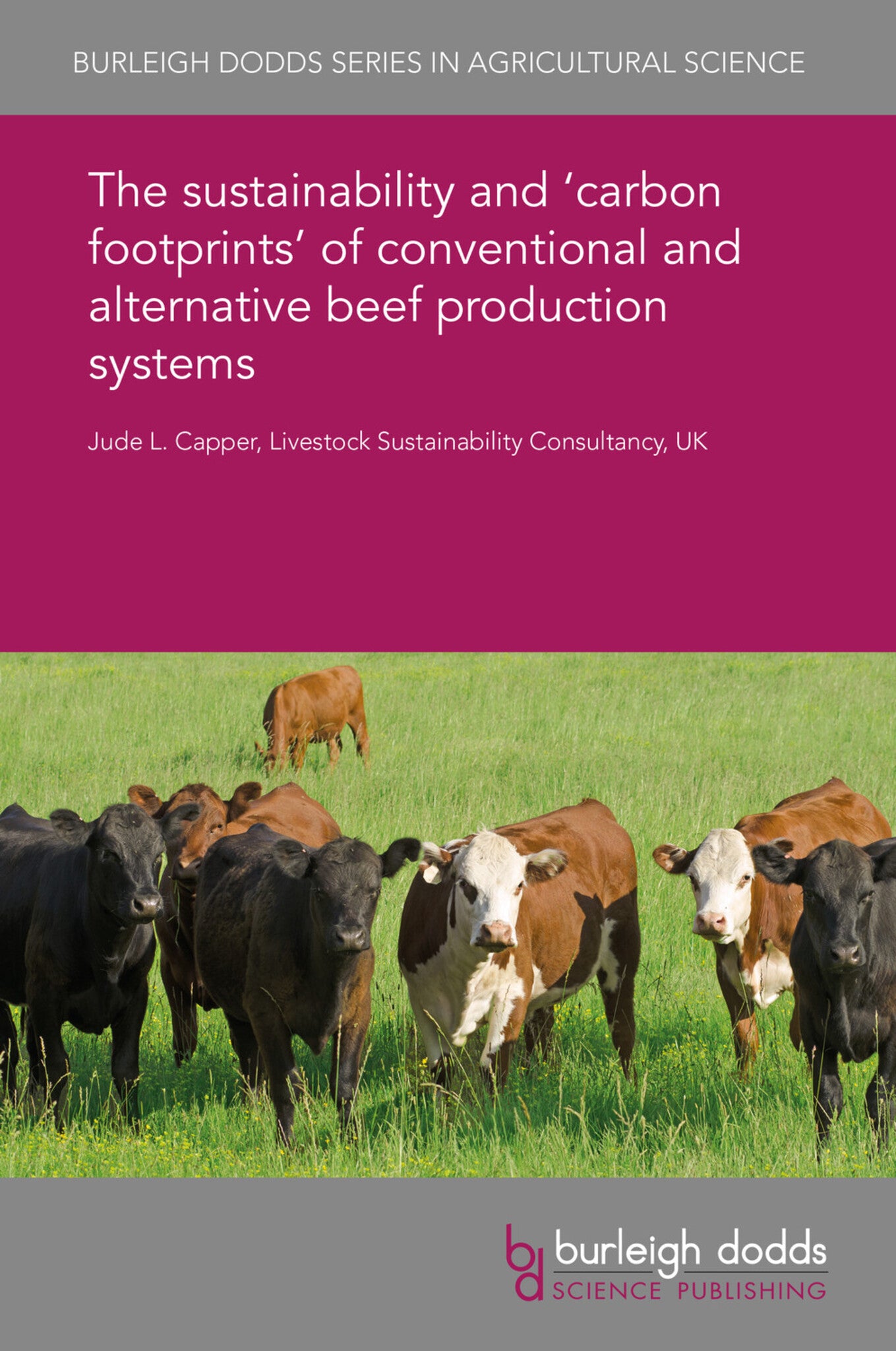
The sustainability and ‘carbon footprints’ of conventional and alternative beef production systems
The beef industry faces a significant challenge in producing sufficient food to supply the requirements of the growing population, while maintaining a culture of continuous improvement and reducing environmental impacts per unit of beef produced. Since the late 1970’s, the US beef industry made s...
Read MoreRegular price £25.00Sale price £25.00 Regular price £25.00Unit price per -


Assessing the environmental impact of sheep production
Sheep production may impact locally on water, air and soil quality, as well as globally, for example contributing to greenhouse gas emissions. Sheep production can also impact biodiversity, human health via various pollutants, and community and cultural well-being. This chapter examines how life ...
Read MoreRegular price £25.00Sale price £25.00 Regular price £25.00Unit price per -
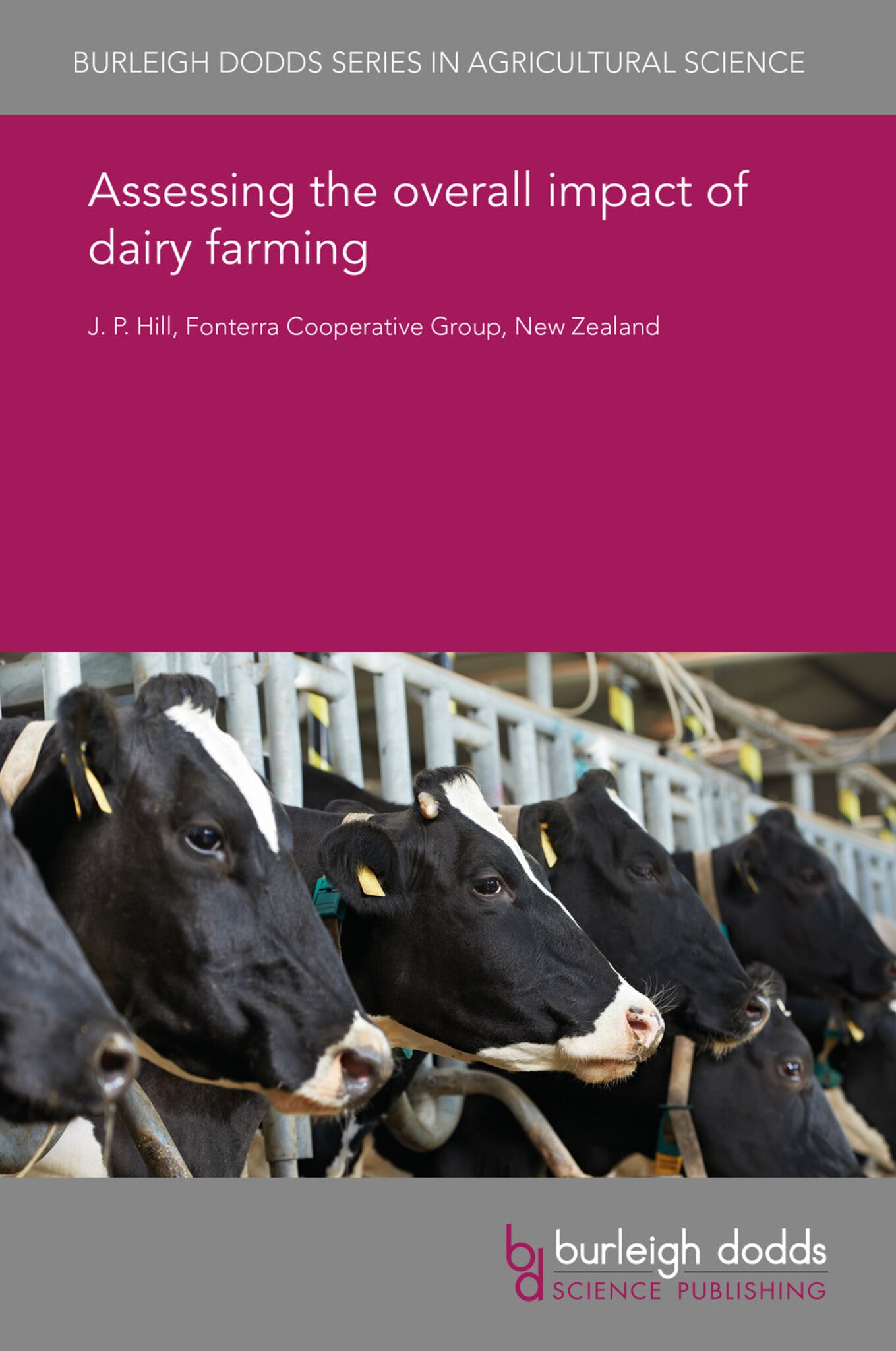
Assessing the overall impact of the dairy sector
Dairy is the number one agricultural commodity by value, provides livelihoods for 1 billion people and is key to enriching diets the world over. Yet, global consumption of dairy falls short of national dietary guidelines. Increasing dairy consumption to match dietary guidelines could save billion...
Read MoreRegular price £25.00Sale price £25.00 Regular price £25.00Unit price per -


Advances in understanding the role of phytate in phosphorus and calcium nutrition of poultry
In plant seeds, the primary storage form of phosphorus (P) is phytic acid (InsP6), which is usually present in salt form (phytate). Utilization of P from InsP6 and lower forms of InsPx by animals requires stepwise cleavage of P from the inositol ring by phytases. In broiler chickens, the potentia...
Read MoreRegular price £25.00Sale price £25.00 Regular price £25.00Unit price per -


Competitive exclusion treatment to control pathogens in poultry
Competitive Exclusion (CE) describes the protective effect of the intestinal microflora against colonization of pathogenic bacteria. This review presents the background and current use of the CE concept to prevent Salmonella infections in poultry, by administration of cultures of intestinal origi...
Read MoreRegular price £25.00Sale price £25.00 Regular price £25.00Unit price per -


Validating indicators of sheep welfare
Until recently, assessment of sheep welfare has received little attention, perhaps because sheep have traditionally been managed extensively and their relative behavioural freedom has led to perceptions of fewer or lower risks to their welfare. However, extensively managed sheep are still vulnera...
Read MoreRegular price £25.00Sale price £25.00 Regular price £25.00Unit price per -


Methods for detecting pathogens in the beef food chain: detecting particular pathogens
The main food-borne pathogens of concern in the beef food chain are Shiga toxin-producing Escherichia coli (STEC) and Salmonella; other pathogens, including Listeria monocytogenes and Campylobacter spp. may also be present. These pathogens pose contamination concerns in both the cattle productio...
Read MoreRegular price £25.00Sale price £25.00 Regular price £25.00Unit price per -


Genetic selection for dairy cow welfare and resilience to climate change
Narrow breeding goals focused on milk production traits have been detrimental to the reproductive performance and health of dairy cattle. There is, therefore, a need to develop breeding strategies that balances both production and non-production traits. In this chapter, we discuss the principles ...
Read MoreRegular price £25.00Sale price £25.00 Regular price £25.00Unit price per -


Crop rotation: a sustainable system for maize production
Modern agriculture has led to a simplification of maize-based cropping systems and the extensive practice of monoculture maize (MM). This has led to problems such as yield reduction and soil quality degradation. Meanwhile, the overuse of inorganic fertilizer to increase yields comes with a high e...
Read MoreRegular price £25.00Sale price £25.00 Regular price £25.00Unit price per -
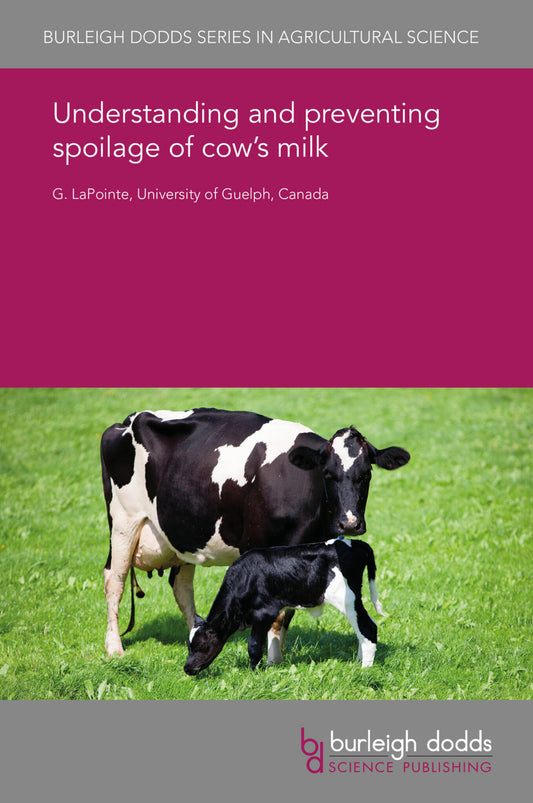
Understanding and preventing spoilage of cow’s milk
Milk spoilage is essentially a result of inadequate control of the growth of microorganisms, combined with the activity of enzymes which have found their way into milk from production and processing environments. Microorganisms have developed strategies to survive and thrive in cold (psychrotroph...
Read MoreRegular price £25.00Sale price £25.00 Regular price £25.00Unit price per -
Ensuring the safety of feed for beef cattle
The unique ruminant digestive system of beef cattle enables them to eat and digest a wide range of feed products, including by-product or alternative feeds not utilized in other livestock production systems. It is important to ensure that the various feed products provided to cattle will not pose...
Read MoreRegular price £25.00Sale price £25.00 Regular price £25.00Unit price per -


Breeding and management strategies to improve reproductive efficiency in dairy cattle
Although high reproductive efficiency is critical to sustainable dairy farming, reproductive failure is the primary reason for culling dairy cows in many countries. Yet, high milk production and high first-service conception rates often co-exist in well-managed dairy herds. The use of artificial ...
Read MoreRegular price £25.00Sale price £25.00 Regular price £25.00Unit price per -


Understanding and improving the shelf life of tomatoes
The shelf life of tomatoes is regulated via a myriad of physiological, biochemical and environmental processes. Tomato, a climacteric fruit, undergoes increases in respiration and ethylene production at the onset of ripening; once the ripening process is initiated it cannot be reversed. Ripening ...
Read MoreRegular price £25.00Sale price £25.00 Regular price £25.00Unit price per -

Methods for detecting pathogens in the beef food chain: an overview
The main food-borne pathogens of concern in the beef chain are Shiga toxin-producing Escherichia coli (STEC) and Salmonella; other pathogens, including Listeria monocytogenes and Campylobacter spp. may also be present. Furthermore, the occurrence and development of antimicrobial-resistant (AMR) p...
Read MoreRegular price £25.00Sale price £25.00 Regular price £25.00Unit price per -


Pathogens affecting table eggs
The rise in consumption of infertile hen eggs, together with the simultaneous rise in egg-related foodborne pathogen outbreaks, indicates the importance of understanding the microflora on the eggshell and within the egg contents. Pathogenic microorganisms in a number of ways can contaminate eggs,...
Read MoreRegular price £25.00Sale price £25.00 Regular price £25.00Unit price per -


Factors affecting sheep carcass characteristics
This chapter describes the characteristics of a sheep’s carcass and explains the principles of carcass composition (the weight or proportion of muscle, fat and bone in the carcass). Understanding carcass characteristics and finding techniques for altering the characteristics are important for max...
Read MoreRegular price £25.00Sale price £25.00 Regular price £25.00Unit price per -


Improving the reproductive efficiency of sheep
Sheep, in the form of mutton and lamb, fulfils, in large part, the world’s ever-increasing demand for animal protein. Large areas of the world are arid and semi-arid and are thus suitable for sheep farming, but there is only limited availability of pasture area. Therefore, sheep production must b...
Read MoreRegular price £25.00Sale price £25.00 Regular price £25.00Unit price per -


Understanding the natural antibacterial defences of egg white and their regulation
Egg white is poor in the nutrients needed by microorganisms and exhibits remarkable antimicrobial properties. Therefore, it participates in protecting both hatching and table eggs from bacterial contamination. This chapter offers a comprehensive overview of the natural defences of egg white and o...
Read MoreRegular price £25.00Sale price £25.00 Regular price £25.00Unit price per -


Maintaining sheep flock health: an overview
Improving the efficiency of livestock production is a fundamental challenge facing humanity, and maintaining the health of livestock is key to ensuring this. Systems for farming small ruminants such as sheep must meet the global need for food security while being economically, environmentally and...
Read MoreRegular price £25.00Sale price £25.00 Regular price £25.00Unit price per -


Advances in genetic modification of cassava
Until recently, hybridization was used to breed new varieties of the common tropical and subtropical crop cassava, but changes in global climate, food security and industrialization have accelerated the breeding of new cassava varieties with increased nutrition, high stress resistance and starch ...
Read MoreRegular price £25.00Sale price £25.00 Regular price £25.00Unit price per -


Sheep nutrition: formulated diets
The primary feeds for sheep are renewable and contain high concentrations of components that are not suitable for human consumption, making sheep farming sustainable. In some economies, maize, barley, sorghum, wheat, soya beans, rapeseed and their by-products are inexpensive enough to be fed stra...
Read MoreRegular price £25.00Sale price £25.00 Regular price £25.00Unit price per -


The effects of housing systems for laying hens on egg safety and quality
Since the turn of the century, there have been rapid shifts worldwide in the housing and management systems used for laying hens. These have been mandated partly as a response to consumer concern for hen well-being. However, factors such as the quality, safety and price of eggs are also very impo...
Read MoreRegular price £25.00Sale price £25.00 Regular price £25.00Unit price per -

Broiler breeding flocks: management and animal welfare
Broiler breeders are the parent stock of broiler chickens. Appropriate management in the rearing and the production period is essential to produce a high number of fertile eggs and high-quality broiler chickens. However, research has shown that current management practices may affect the welfare ...
Read MoreRegular price £25.00Sale price £25.00 Regular price £25.00Unit price per -


Understanding and improving water-use efficiency and drought resistance in tomato
The tomato (Solanum lycopersicum L.) is both a well-established genetic model for plant biology and a horticultural cash crop of increasing importance to human nutrition. Tomato is mainly cultivated under irrigated conditions, so water use is of considerable significance for healthy plant growth ...
Read MoreRegular price £25.00Sale price £25.00 Regular price £25.00Unit price per -


Genetic engineering of tomato to improve nutritional quality, resistance to abiotic and biotic stresses, and for non-food applications
Tomato (Solanum lycopersicum L.) is an excellent plant model for unravelling physiological processes, fruit quality and shelf-life determinants, such as stress-responsive signalling, pathogenicity and ripening in climacteric fruits. Consumer awareness of tomato as a phytonutrient source of lycope...
Read MoreRegular price £25.00Sale price £25.00 Regular price £25.00Unit price per -


Sustainably meeting the nutrient requirements of grazing sheep
In order to be sustainable, sheep rearing systems must be sufficiently flexible to respond to variable conditions and feed availability. This chapter argues that sustainable sheep management works with the resources available at a given place or time and learns from the sheep themselves. The chap...
Read MoreRegular price £25.00Sale price £25.00 Regular price £25.00Unit price per -


Trends in dairy farming and milk production: the case of the United Kingdom and New Zealand
This chapter reviews the importance of dairy farming to the rural economies of the United Kingdom and New Zealand. It begins by assessing global milk production, considering producer and cow numbers, productivity and trade. It then turns to an examination of the situation in the European Union (E...
Read MoreRegular price £25.00Sale price £25.00 Regular price £25.00Unit price per -


Hybrid potato breeding for improved varieties
Hybrid potato breeding promises to create new cultivars within a few years. This would facilitate the introgression of genes by marker-assisted selection. In addition, hybrid cultivars can be made available as true seeds, free of soil-borne pathogens, quick to multiply and easy to transport and s...
Read MoreRegular price £25.00Sale price £25.00 Regular price £25.00Unit price per -


Improving water and nutrient management in tomato cultivation
Agricultural practices for tomato production need to (1) fulfil the water and nutritional requirements of the crop for optimal production, (2) consider the environmental impact of production and (3) offer nutritious and safe tomatoes to consumers. This chapter focuses on irrigation and fertilizat...
Read MoreRegular price £25.00Sale price £25.00 Regular price £25.00Unit price per -


Developing tomato varieties with improved flavour
Tomato fruit quality is a complex trait involving a number of components, including appearance, flavour, aroma and texture. There is a large range of genetic diversity in tomato for fruit quality components. Although a few major mutations may have a huge effect on fruit quality (notably the rin m...
Read MoreRegular price £25.00Sale price £25.00 Regular price £25.00Unit price per -


Managing laying hen flocks with intact beaks
Worldwide, the majority of laying hens are beak trimmed to prevent injurious pecking. However, a ban on beak treatments has come into force in some countries, while others are discussing instituting such a ban. European legislation also prohibits beak treatment of organic flocks. When beak trimmi...
Read MoreRegular price £25.00Sale price £25.00 Regular price £25.00Unit price per -
Welfare of laying hens: an overview
Although the majority of the world’s laying hens are still housed in conventional (‘battery’) cages, public concern for the welfare of laying hens is rapidly changing the methods by which eggs are being produced and marketed in many regions of the world. However, alternative housing systems have ...
Read MoreRegular price £25.00Sale price £25.00 Regular price £25.00Unit price per -


Laying hen nutrition: optimizing energy intake, egg size and weight
Hen nutrition must address a number of different goals, including maximizing egg production, maintaining egg quality, extending the laying cycle and ensuring hen health and welfare. This chapter focuses on the role of nutrition in optimizing energy intake, egg size and egg weight. It reviews the ...
Read MoreRegular price £25.00Sale price £25.00 Regular price £25.00Unit price per -


Optimizing yields in tomato cultivation: maximizing tomato plant use of resources
The operation of leaf stomata affects a plant’s photosynthesis, transpiration and respiration, and allows vegetable dry matter to be produced, which is required for production of the tomato fruit. The opening and closing of the stomata can be affected by various factors, and this in turn can have...
Read MoreRegular price £25.00Sale price £25.00 Regular price £25.00Unit price per -


Tomato plant responses to biotic and abiotic stress
The major challenge faced by tomato production is the need to increase productivity by improving resistance and tolerance to crop stresses. Cultivar improvement depends on our ability to identify, study and leverage the genetic diversity present among tomato germplasm resources worldwide from whi...
Read MoreRegular price £25.00Sale price £25.00 Regular price £25.00Unit price per -


Rapid response to disease outbreaks in maize cultivation: the case of maize lethal necrosis
Emerging plant diseases (EPDs) can cause significant losses of revenue due to decreased production and the high costs of controlling epidemics. Effective control of EPDs relies on rapid detection, accurate diagnosis, timely deployment of preventive responses and containment to prevent geographic ...
Read MoreRegular price £25.00Sale price £25.00 Regular price £25.00Unit price per -


Developments in tomato breeding: conventional and biotechnology tools
Plant breeding is defined as identifying and selecting desirable traits in plants and combining these into one individual plant. Since 1900, Mendel’s laws of genetics provided the scientific basis for plant breeding. This chapter presents ‘conventional’ breeding technologies that have been applie...
Read MoreRegular price £25.00Sale price £25.00 Regular price £25.00Unit price per -
Sampling and detection of Salmonella in eggs
The detection of Salmonella in the edible internal contents of eggshells provides the most incontrovertible and epidemiologically relevant evidence that laying flocks might pose a threat to consumers. Accordingly, dependable tests for Salmonella in eggs remain essential for achieving public healt...
Read MoreRegular price £25.00Sale price £25.00 Regular price £25.00Unit price per -
Integrated weed management in maize cultivation: an overview
Maize (Zea mays L.) is among the most important cereals of the world. Weeds are one of the major constraints that reduce maize productivity. In this chapter, we discuss the impact of weeds on maize cultivation and the possible ways to control weeds in maize. In addition to herbicides, integrated ...
Read MoreRegular price £25.00Sale price £25.00 Regular price £25.00Unit price per -


Determinants of egg appearance and colour
It is essential for the consumer to select those types of eggs that are safe, nutritious and tasty. In this chapter, we begin by giving an overview of consumer decisions about whether to eat eggs and if so, which eggs to purchase. This includes reviewing regional differences in preferences and pu...
Read MoreRegular price £25.00Sale price £25.00 Regular price £25.00Unit price per -


Laying hen nutrition: optimising hen performance and health, bone and eggshell quality
Hen nutrition must address a number of different goals including maximising egg production, maintaining egg quality, extending the laying cycle and ensuring hen health and welfare. This chapter focuses on the dietary influences on eggshell quality and bone health. It looks first at the role of ph...
Read MoreRegular price £25.00Sale price £25.00 Regular price £25.00Unit price per -

Nutraceutical benefits of eggs
Hen eggs are nature’s perfect source for the everyday diet worldwide. Several components of hen eggs have biofunctional properties in humans beyond normal nutrition and have the potential for being used as active ingredients for nutraceutical and pharmaceutical products. Consequently, extensive s...
Read MoreRegular price £25.00Sale price £25.00 Regular price £25.00Unit price per -

Waste management in egg production
Waste management is an essential component of an egg production system, affecting the environmental impact of production, food safety, worker safety, and animal health and safety. Manure, animal mortalities , and egg washing and processing wastewater are the major types of waste generated in an e...
Read MoreRegular price £25.00Sale price £25.00 Regular price £25.00Unit price per -
Dairy herd health management: an overview
The importance of ensuring animal welfare and food security, of combating antimicrobial resistance (AMR) and of increasing food production, all contribute to the need for preventative medicine. Herd health management (HHM) involves the delivery of a more coordinated approach, where management int...
Read MoreRegular price £25.00Sale price £25.00 Regular price £25.00Unit price per -


Improving drought and heat tolerance in wheat
Changes in global climate have increased the variability of precipitation, and have made episodes of drought and/or high temperature more common. These stresses, often occurring in combination during grain filling in arid or semiarid areas, are considered the two most common environmental limitat...
Read MoreRegular price £25.00Sale price £25.00 Regular price £25.00Unit price per -


Management of dairy cows in transition and at calving
Most of the clinical disease events in a dairy cow’s life occur during the transition period, defined as the period three weeks before and after calving. It is believed that almost all cows experience some immune dysfunction during the peripartum period, and that this combined with nutritional di...
Read MoreRegular price £25.00Sale price £25.00 Regular price £0.00Unit price per -
The nutritional and physiological functions of egg yolk components
Eggs are of particular interest in nutrition because they contain all the nutrients necessary for human health, except for dietary fibre and vitamin C. The aim of this chapter is to discuss current trends in the study of nutritional and physiological functions of egg yolk. In particular, we will ...
Read MoreRegular price £25.00Sale price £25.00 Regular price £25.00Unit price per -


Composition and properties of eggshell
The eggshell provides convenient packaging for the transportation of the egg contents. Since the shell is fragile, it must be handled and transported with care. Cracked and damaged eggs lead to financial losses and pose a food safety risk. A greater understanding of the eggshell and its formation...
Read MoreRegular price £25.00Sale price £25.00 Regular price £25.00Unit price per -


Alternative sources of protein for poultry nutrition
Soya bean and canola meal are the conventional ingredients used to provide protein in poultry feed. However, they are relatively expensive and must be imported to many poultry-producing areas. Developing alternative protein sources for poultry nutrition will reduce the pressure on these key prote...
Read MoreRegular price £25.00Sale price £25.00 Regular price £25.00Unit price per -


Establishment and root development in wheat crops
Good establishment lays the foundations for wheat yield. Here, we have used the term ‘establishment’ to encompass development and growth prior to the elongation of the main stem. We describe how the seedling root system establishes and then outline how four agronomic practices (time and depth of ...
Read MoreRegular price £25.00Sale price £25.00 Regular price £25.00Unit price per -
Weed management of maize grown under temperate conditions: the case of Europe and the United States
This chapter reviews the impact of weeds on maize grown under temperate conditions, with a particular focus on the situation in the United States and Europe. It discusses current weed management systems and the herbicide resistance issues that have developed through the continuous use of herbicid...
Read MoreRegular price £25.00Sale price £25.00 Regular price £25.00Unit price per -


Using genetic selection in the breeding of dairy cattle
There has been a huge increase in the productivity of dairy cows over the last half a century, with the yield per cow more than doubling. This is substantially due to the use of genetic selection in dairy cattle breeding programmes. In this chapter, we review the use of artificial insemination (A...
Read MoreRegular price £25.00Sale price £25.00 Regular price £25.00Unit price per

We're sorry. An error has occurred
Please cancel or retry.


