


-
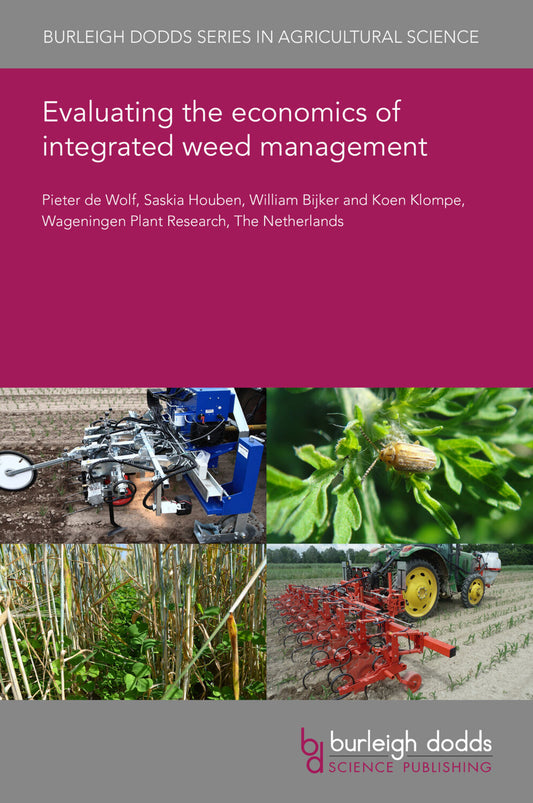
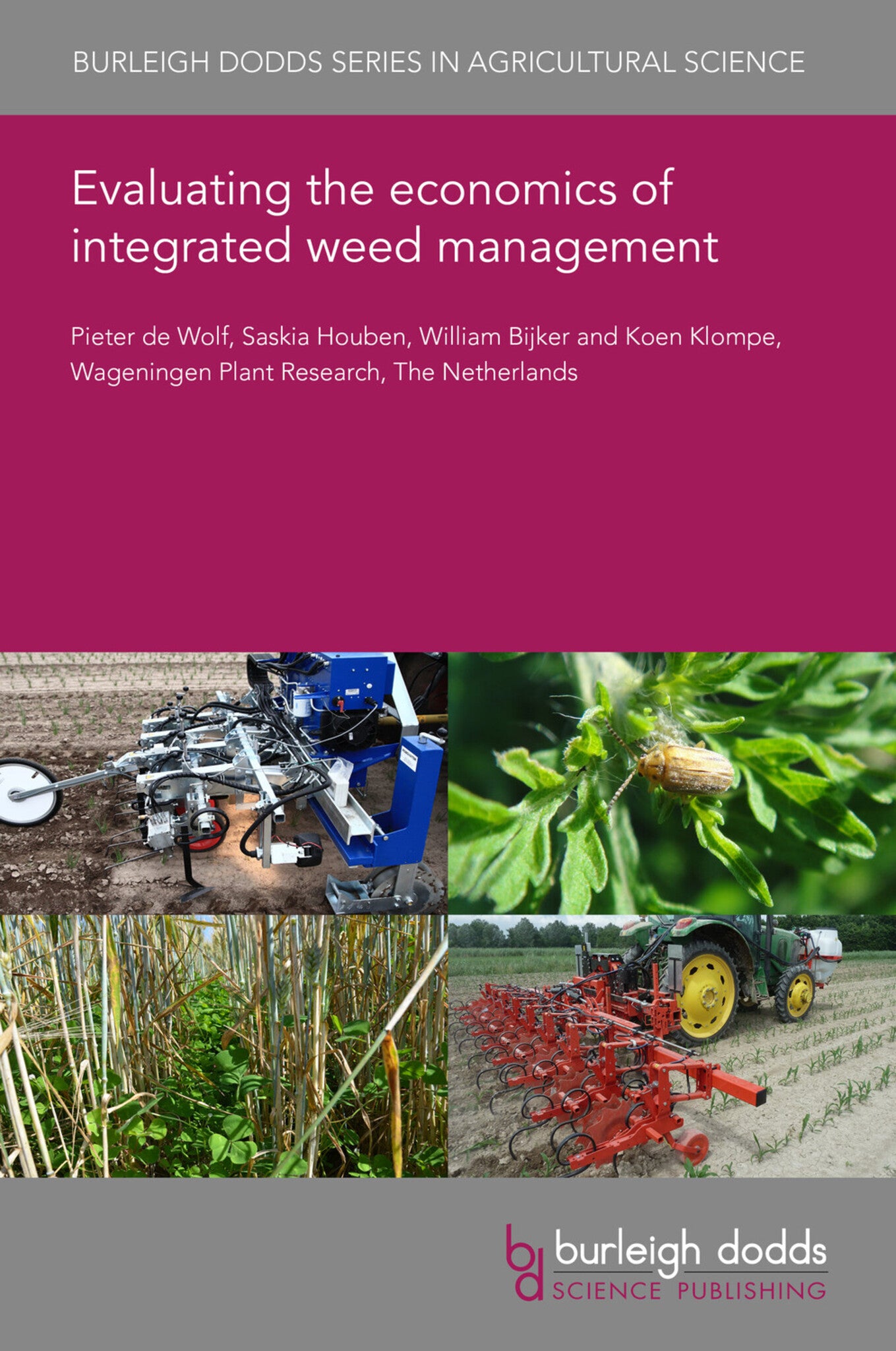
Evaluating the economics of integrated weed management
Integrated weed management (IWM) contributes to the reduction of the use of pesticides and the risks of pesticide use. Novel IWM strategies can have economic consequences for farming systems. To develop alternative weed management strategies that maintain productivity while reducing the environme...
Read MoreRegular price £25.00Sale price £25.00 Regular price £25.00Unit price per -
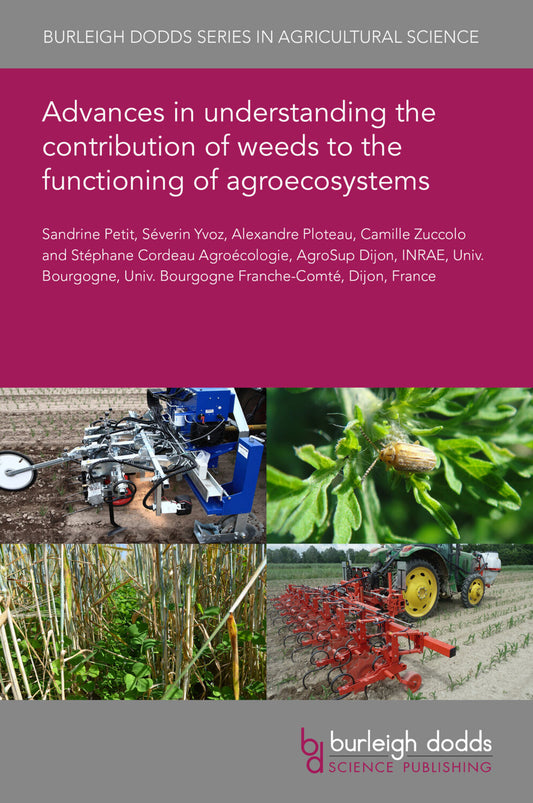
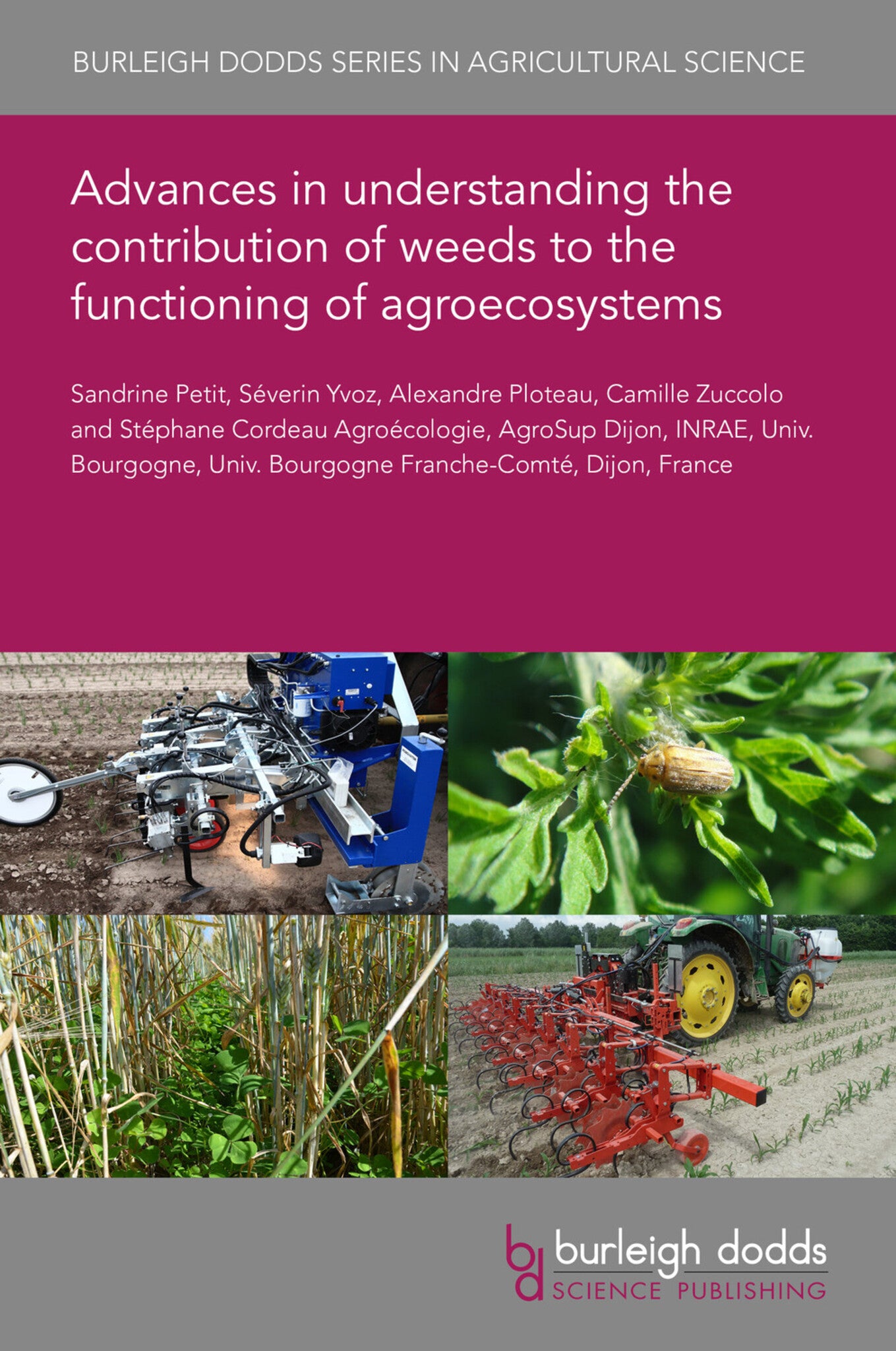
Advances in understanding the contribution of weeds to the functioning of agroecosystems
Reduction in herbicide use will trigger changes in weed communities. Improving our capacity to identify farming management options that will lead to weed communities offering interesting trade-offs of functions is thus timely. Functional approaches are offering a robust framework to quantify and ...
Read MoreRegular price £25.00Sale price £25.00 Regular price £0.00Unit price per -


Modelling the effects of cropping systems on weed dynamics: the trade-off between process analysis and decision support
Models are essential to synthesize knowledge on weeds and to design integrated weed-management strategies. These models must rank cropping systems as a function of weed infestation, and account for variability in effects to estimate probabilities of success or failure. Three case studies are pres...
Read MoreRegular price £25.00Sale price £25.00 Regular price £0.00Unit price per -
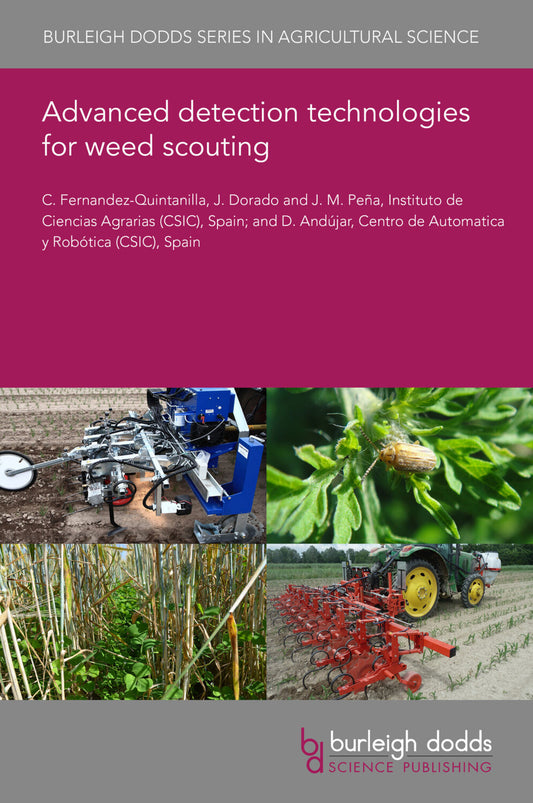
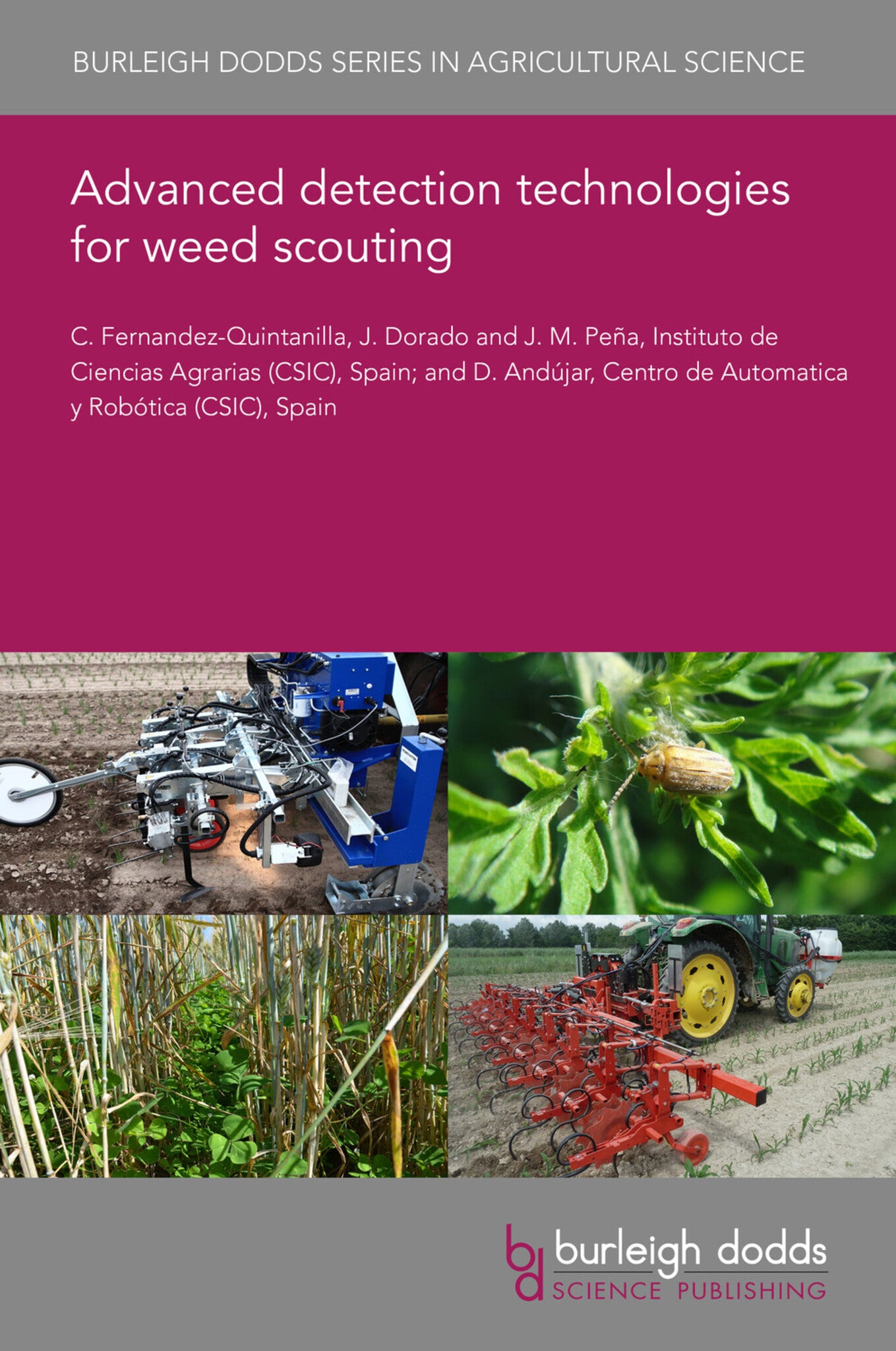
Advanced detection technologies for weed scouting
This chapter discusses advanced detection technologies for weed scouting. It starts by highlighting the current techniques that can be used to make optimising herbicide treatments more efficient, such as on-ground and remotely-sensed weed detection. The chapter then goes on to discuss the replace...
Read MoreRegular price £25.00Sale price £25.00 Regular price £25.00Unit price per -
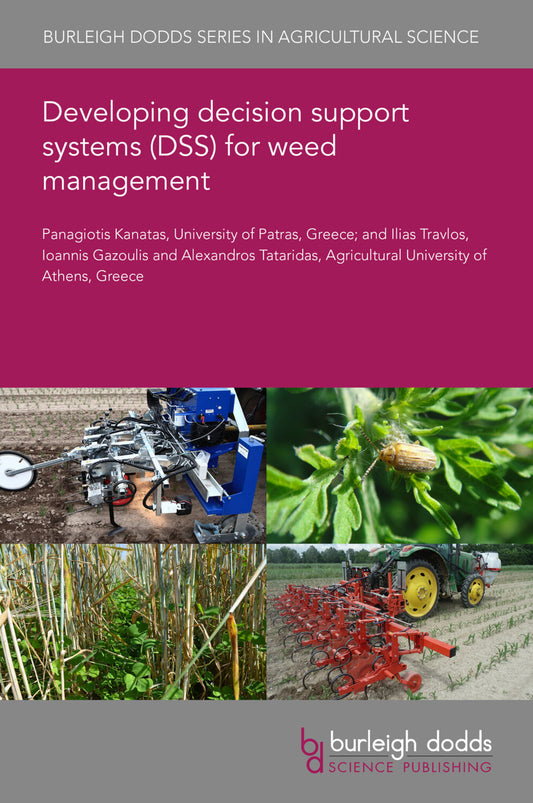
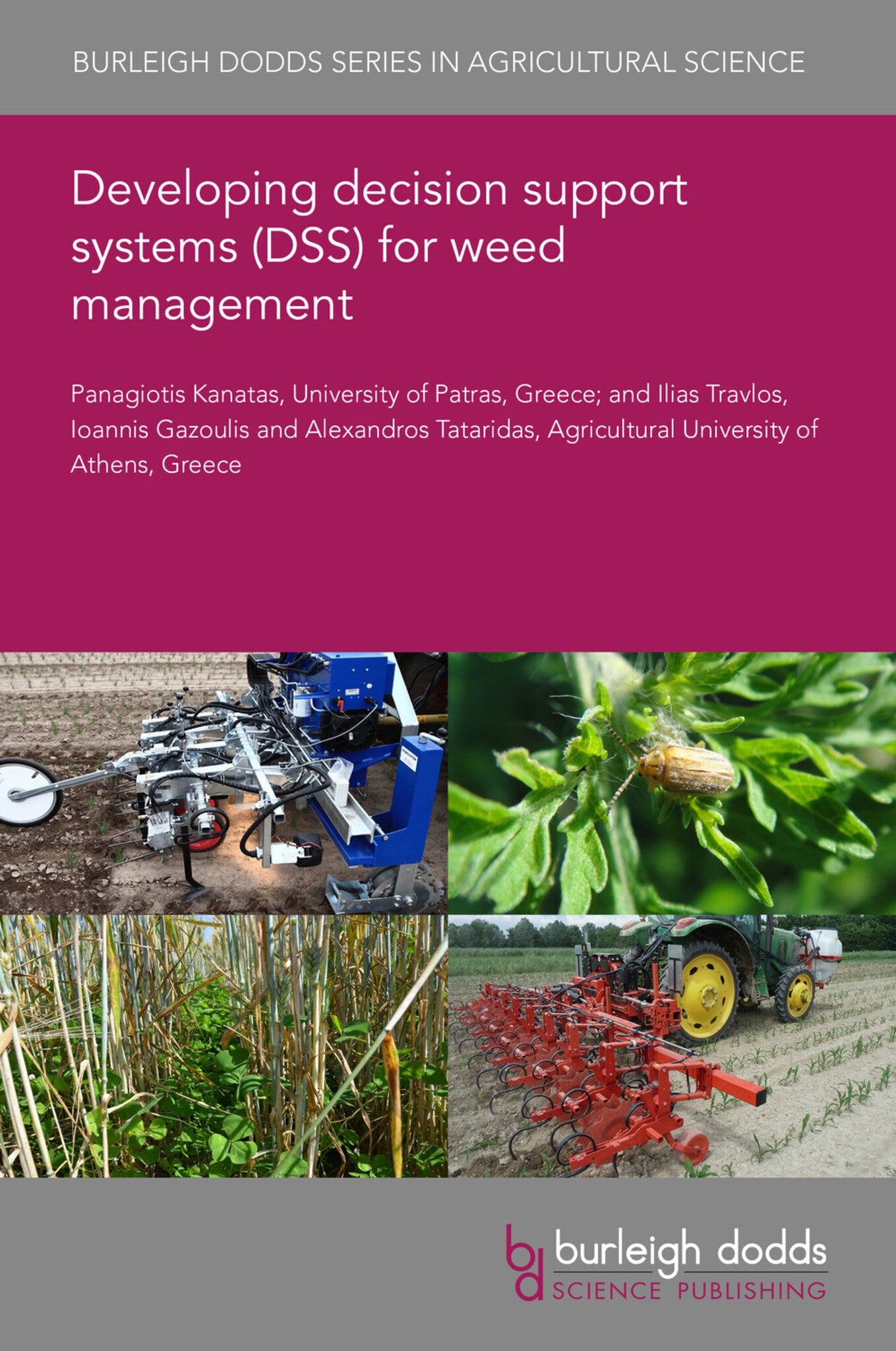
Developing decision support systems (dss) for weed management
The objectives of this chapter are to review what is achievable in DSS designed specifically for weed management, identify the obstacles in creating more effective DSS, and discuss how to increase adoption by farmers. DSS can model crop yield losses due to weed competition and set thresholds for ...
Read MoreRegular price £25.00Sale price £25.00 Regular price £25.00Unit price per -
Advances in managing arable weed propagules
The soil propagule bank acts as a reservoir from where weeds colonize arable fields and is composed of weeds seeds and ramets, which are fragments from clonal growth of perennial weeds. This chapter first describes the ways by which weed propagules have been historically managed. It then discusse...
Read MoreRegular price £25.00Sale price £25.00 Regular price £0.00Unit price per -
Advances in understanding invasive characteristics in weed species
Genetic modifications are a well-known mechanism for understanding the evolution of weeds and invasive alien plants. Recently more attention has been given to epigenetic modifications in weed ecological genetics since epigenetic modifications can govern the ecological-adaptive potential of weed s...
Read MoreRegular price £25.00Sale price £25.00 Regular price £25.00Unit price per -
Optimising integrated weed management in narrow-row crops
Sustainable management of weeds represents a major challenge for farmers. Herbicides offer the most effective curative technique and are widely used. Nevertheless, less reliance on them is necessary for environmental and technical reasons, and also in the face of societal pressure. Four detailed ...
Read MoreRegular price £25.00Sale price £25.00 Regular price £25.00Unit price per -
On-farm implementation of integrated weed management
IWM is a part of integrated pest management (IPM) and adoption of IWM is an important driver for IPM. Within the project IWMPRAISE we developed a novel framework for integrating and implementing existing and novel approaches to IWM. Understanding the drivers of decision making by farmers are esse...
Read MoreRegular price £25.00Sale price £25.00 Regular price £25.00Unit price per -
Integrated weed management in perennial woody crops
Perennial woody crops span over a broad variety of species in Europe with olive and vine being the most cultivated tree crops. Nowadays, the increasing problem of herbicide resistance, the possible withdrawal of herbicides from the EU market and their effects on farmland biodiversity are driving ...
Read MoreRegular price £25.00Sale price £25.00 Regular price £25.00Unit price per -
Advances in understanding the dynamics of weed communities in integrated weed management systems
The shift towards integrated weed management necessitated by the negative unintended consequences of over-reliance on herbicides is a significant challenge for predicting the dynamics of weed communities. In response to this challenge, the novel approach of applying trait-based methodologies to w...
Read MoreRegular price £25.00Sale price £25.00 Regular price £25.00Unit price per -
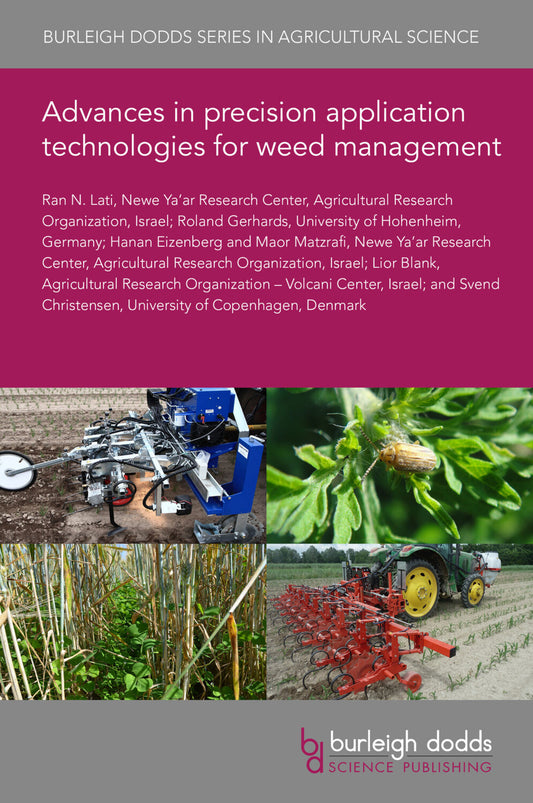
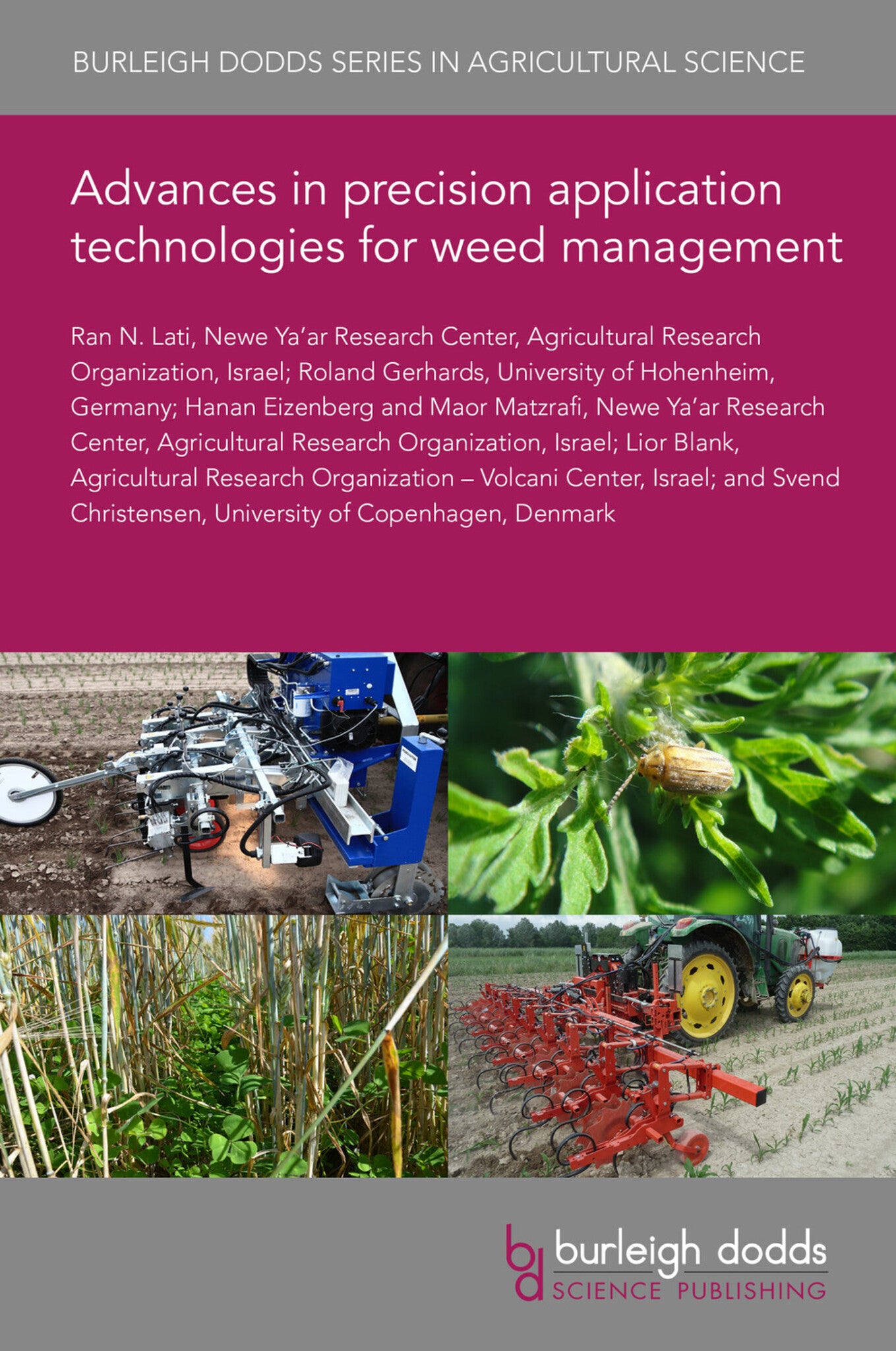
Advances in precision application technologies for weed management
Most PWM related research activity is focused on different aspects of weed scouting and mapping, aiming to optimize the weed detection performances of various sensors and imaging platforms. It seems like other aspects of the PWM pipeline get much little attention, nonetheless, their development a...
Read MoreRegular price £25.00Sale price £25.00 Regular price £25.00Unit price per -


Encouraging integrated pest management uptake in horticultural crop production
Despite integrated pest management (IPM) practices being taught and researched for over six decades, farmers' adoption of such practices has been limited. Integrated pest management is a comprehensive management approach that utilizes multiple strategies to keep pest populations below economic th...
Read MoreRegular price £25.00Sale price £25.00 Regular price £0.00Unit price per -
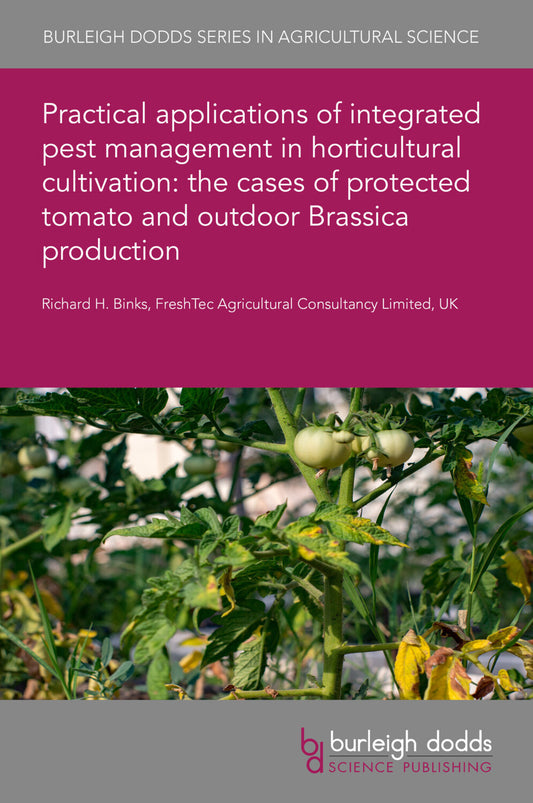
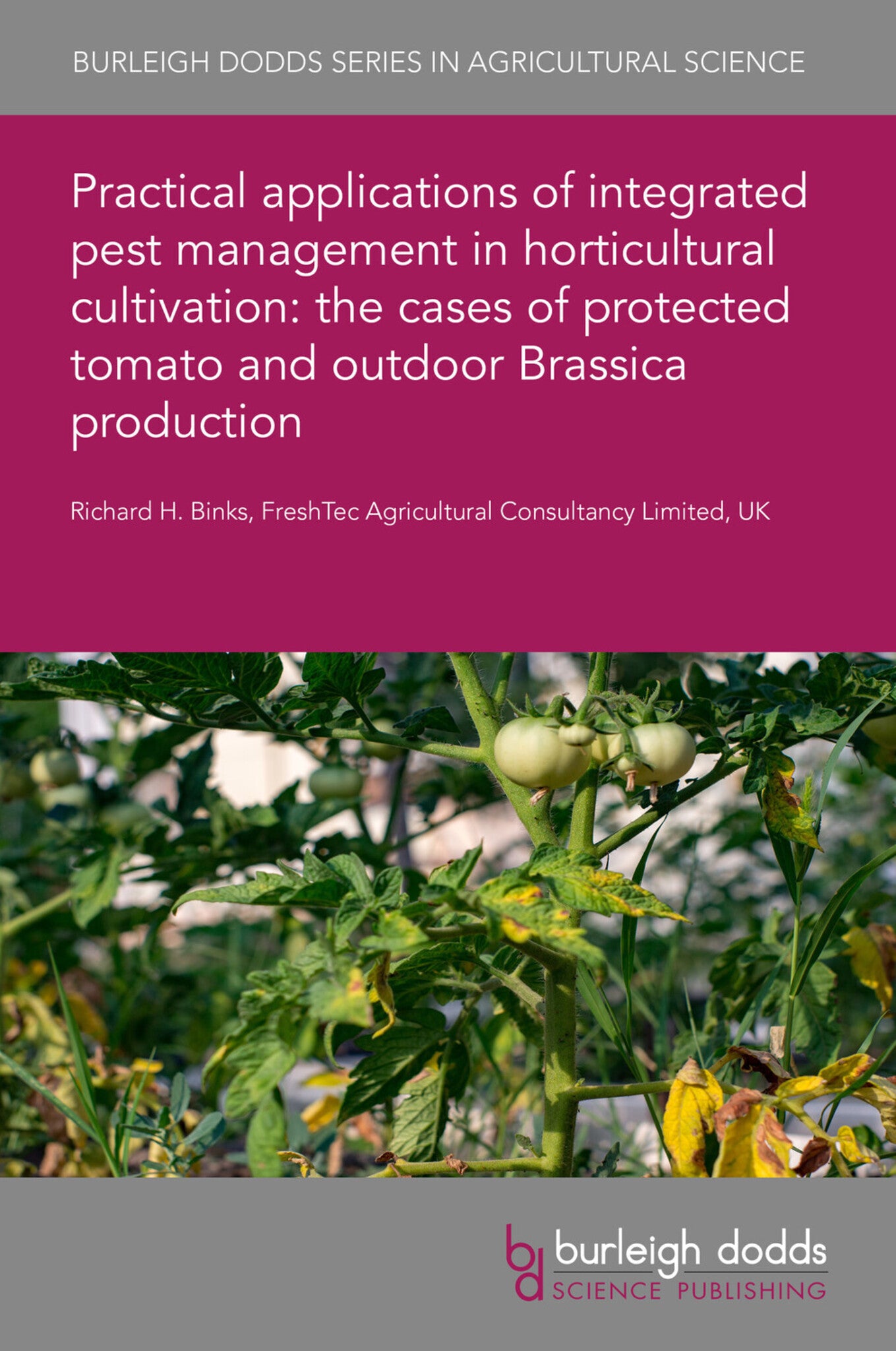
Practical applications of integrated pest management in horticultural cultivation: the cases of protected tomato and outdoor brassica production
This chapter discusses two case studies where integrated pest management strategies and techniques have been implemented to control pest insects in indoor and outdoor horticultural cropping situations. In particular the case studies will highlight the impact that biological control has had on pro...
Read MoreRegular price £25.00Sale price £25.00 Regular price £25.00Unit price per -

Advances in understanding of indigenous milk enzymes
Milk contains a complex set of enzymes of varying classes, along with in many cases substrates, zymogens, activators and inhibitors constituting in some instances whole systems, like the plasmin system. Some of the indigenous enzymes are present due to the way in which milk is secreted, and some...
Read MoreRegular price £25.00Sale price £25.00 Regular price £0.00Unit price per -


Understanding the contribution of milk constituents to the texture of dairy products: cheese
Milk is an important part of the human diet. Milk constituents have excellent nutritional and technological properties and can be easily processed into a wide variety of products. Cheese is produced throughout the world and is available in a great diversity of flavours and textures. During cheese...
Read MoreRegular price £25.00Sale price £25.00 Regular price £25.00Unit price per -


Advances in biopesticides for insect control in horticulture
Horticulture covers the production and sale of many of the staple foods of the world; fruit, nuts and vegetables. As pressures on food production increase through a reduction in available land and the increasing population, more intensive production also leads to more issues with pest insects. B...
Read MoreRegular price £25.00Sale price £25.00 Regular price £25.00Unit price per -
Assessing the economics of integrated pest management for horticultural crops
Integrated pest management (IPM) is the combination of cropping systems, practices, and pest control tactics to manage pest populations so that they do not cause economic harm to growers nor negative impacts on the environment. The strategies implemented by growers to achieve their goals (for exa...
Read MoreRegular price £25.00Sale price £25.00 Regular price £0.00Unit price per -
Practical application of integrated pest management to control cabbage root fly in vegetables
In north-western Europe cabbage root fly is considered to be an important pest of Brassica crops. Root fly larvae mainly feed on roots of Brassica vegetable crops causing damage and eventually crop loss. Pest damage consequently results in considerable economic losses for these crops. Due to the...
Read MoreRegular price £25.00Sale price £25.00 Regular price £25.00Unit price per -
Advances in dairy lipid science: physicochemical aspects
The physical properties of milk fat are intrinsically related to its chemical composition. This in turn is linked to animal feeding and to a lesser extent to genetics. Understanding the relation between these factors is utmost important to define the effects of animal feeding strategies on milk f...
Read MoreRegular price £25.00Sale price £25.00 Regular price £25.00Unit price per -
Digestion of milk protein and milk fat
Milk is a nutrient-rich and well-balanced food containing high-quality proteins with super-digestibility. The dairy products produced from milk make an important contribution to the total dietary supply of nutrients. However, the digestion and absorption of nutrients not only is based on the high...
Read MoreRegular price £25.00Sale price £25.00 Regular price £25.00Unit price per -
Advances in instrumental analysis of dairy products
This chapter discusses advances in instrumental analysis of dairy products. The chapter focuses on areas in which there have been significant advances in the last 10-20 years either in the analytical technology itself or, in some cases, where existing technology has found new areas of application...
Read MoreRegular price £25.00Sale price £25.00 Regular price £25.00Unit price per -
Advances in understanding the biosynthetic pathways of milk lipids, their health benefits and bioactive properties
Milk lipids provide various nutrition and health benefits to the consumer. However, these components are not secreted by the mammary gland epithelial cells as isolated components. They are secreted as part of complex molecules such as triglycerides and polar lipids like glycerophospholipids and s...
Read MoreRegular price £25.00Sale price £25.00 Regular price £25.00Unit price per -
The use of agronomic practices in integrated pest management programmes in horticulture
IPM promotes the design of resilient systems that reduce both pest attacks and damage to cultivated plants. It is based on practices that foster plant tolerance and the control of pests by their natural enemies. The challenge is to combine those practices in a coherent system that should associat...
Read MoreRegular price £25.00Sale price £25.00 Regular price £25.00Unit price per -
Understanding the contribution of milk constituents to the texture of dairy products: liquid milk products
This chapter discusses understanding the contribution of milk constituents to the texture of dairy products, specifically focusing on liquid milk products. It starts by examining the viscosity of milk, reviewing flow behaviour models and the effect of milk composition and temperature on milk visc...
Read MoreRegular price £25.00Sale price £25.00 Regular price £0.00Unit price per -
Lactose in milk: properties, nutritional characteristics and role in dairy products
Lactose is the main carbohydrate in milk and serves as a source of energy for the neonate, but also has other unique functionalities. Lactose is a low GI carbohydrate with low cariogenic potential, which are important to the healthy development of the neonate. These functionalities are derived fr...
Read MoreRegular price £25.00Sale price £25.00 Regular price £0.00Unit price per -
Improving application systems for bioprotectants in integrated pest management (ipm) programmes in horticulture
The fundamental principles of good application are the same whether a biopesticide or chemical pesticide is being used. However, there is a view that biopesticides are more sensitive to application. A good application technique should result in the minimum amount of biopesticide being used, which...
Read MoreRegular price £25.00Sale price £25.00 Regular price £25.00Unit price per -
The role of the dairy matrix in the contribution of milk and dairy products to the human diet
Milk and dairy products are an important part of the daily diet in many regions of the world due to their recognised contribution to the recommended intake of a variety of valuable nutrients, the amount of energy (calories) they provide and their ability to compensate for foods in the diet with l...
Read MoreRegular price £25.00Sale price £25.00 Regular price £25.00Unit price per -
Advances in decision support systems (dsss) for integrated pest management in horticultural crops
Decision support systems (DSS) are an vital tool in advancing the integrated management of horticultural pests. Whether the DSS support strategic, tactical or operational decisions, they can enable growers and their advisors to make difficult choices based on the best information on potential ris...
Read MoreRegular price £25.00Sale price £25.00 Regular price £25.00Unit price per -
Sensory properties of milk: understanding and analysis
Quality fresh milk is generally described by consumers familiar with the milk type as quite mild flavoured, with core creamy and sweet notes and a smooth, relatively rich mouthfeel. There are flavour differences that are species-specific, but these are overlaid within and between species by flavo...
Read MoreRegular price £25.00Sale price £25.00 Regular price £25.00Unit price per -
Advances in proximal sensors to detect crop health status in horticultural crops
Advances in proximal sensing for targeted application of bioprotectants and biopesticides are crucial for more sustainable horticultural crop disease management. These technologies can help to identify spatial/temporal patterns of disease and provide data for forecasting models. They rely on opto...
Read MoreRegular price £25.00Sale price £25.00 Regular price £25.00Unit price per -
Caseins and casein micelles
Caseins play a central role in the dairy sector, as it is their controlled coagulation that allows the conversion of milk into cheese, yoghurt and caseinates, but also the creation of high-quality co-products from whey. Understanding caseins, their association into casein micelles and the propert...
Read MoreRegular price £25.00Sale price £25.00 Regular price £25.00Unit price per -
Advances in bioprotectants for plant disease control in horticulture
Microbial bioprotectants and natural substances have been increasingly available and implemented for disease management in horticultural crops. This chapter presents the status of registered products and their current insufficiency to fulfill farmers’ needs for disease control solutions. It hig...
Read MoreRegular price £25.00Sale price £25.00 Regular price £0.00Unit price per -
Functional ingredients based on bioactive peptides from milk proteins
This chapter gives a review on the biological activities encrypted within milk proteins. These bioactivities are potentially released by proteolytic enzymes during the digestion process and they have the potential to be released by enzyme hydrolysis and turned into functional food ingredients. Th...
Read MoreRegular price £25.00Sale price £25.00 Regular price £25.00Unit price per -
Understanding the contribution of milk constituents to the texture of dairy products: fermented products
This chapter discusses the impact of the main milk components protein, fat and lactose on the texture of fermented milk. It is the three-dimensional protein network formed upon microbial acidification, which primarily dominates the properties of the final milk gel. Main factors of influence are t...
Read MoreRegular price £25.00Sale price £25.00 Regular price £25.00Unit price per -
Practical application of integrated pest management in greenhouses and protected cultivation
Greenhouse production is at the forefront of using IPM systems to tackle pests and diseases. The shift to IPM was a challenge for growers, but was overcome through research, extension and demonstration of the strengths of biocontrol. We provide examples from ornamental plant greenhouse horticultu...
Read MoreRegular price £25.00Sale price £25.00 Regular price £25.00Unit price per -
Dietary factors affecting the composition of cow’s milk
The ability to change milk composition via cow diet can lead to increases in the yield and functional properties of dairy products. Inducing such changes via diet can lead to more rapid and reversible changes to milk composition than other contributing factors . However, some components are more ...
Read MoreRegular price £25.00Sale price £25.00 Regular price £25.00Unit price per -
Optimizing the health of broilers
This chapter will present the critical infectious disease challenges faced in the top five broiler-producing countries. The current and future strategies to control these diseases will be discussed. These strategies include biosecurity, vaccination, surveillance, diagnostics, environmental manage...
Read MoreRegular price £25.00Sale price £25.00 Regular price £25.00Unit price per -
Milk composition and properties: interspecies comparison
The present chapter is a comparative presentation of the characteristics of milk produced from ruminants – cow, buffalo, goat, sheep, yak, camel - and equids - donkey and horse -. Emphasis is on topics associated with technological and nutritional/biological performance of milk, i.e., fat globule...
Read MoreRegular price £25.00Sale price £25.00 Regular price £25.00Unit price per -
Microbial quality and spoilage of raw cow’s milk
Milk, which is a basic component of the human diet since millennia worldwide, is rich in all kind of nutrients, thus comprises an excellent growth substrate for both beneficial and harmful microorganisms. As a result, milk contains numerous microorganisms deriving either from the animal itself or...
Read MoreRegular price £25.00Sale price £25.00 Regular price £25.00Unit price per -
Understanding nutritional and bioactive properties of whey
Whey is a co-product of cheese and casein manufacturing processes. Historically, whey was a waste product with associated challenges on disposal due to its high organic matter content and biological oxygen demand. However, with the emergence of fractionation technology, whey has gained recognitio...
Read MoreRegular price £25.00Sale price £25.00 Regular price £0.00Unit price per -
Advances in dairy protein science: whey proteins
Whey proteins are highly nutritious and commercially important proteins from the serum phase of milk. Amino acid profile, digestion and absorption behavior in the gut in addition to various physical functionalities make them a highly sought after protein group in broad range of commercial applica...
Read MoreRegular price £25.00Sale price £25.00 Regular price £25.00Unit price per -
Nutritional properties and biological activity of lactose and other dairy carbohydrates
Lactose is the main carbohydrate in the milk of dairy animals; it is also the only dairy carbohydrate that is digested in the human small intestine. While lactose is digested by all human infants, it is conditionally digestible in human adults and its nutritional properties depend on the genetic ...
Read MoreRegular price £25.00Sale price £25.00 Regular price £25.00Unit price per -
Advancing conservation biological control as a component of integrated pest management of horticultural crops
Conservation biological control is commonly considered to be a key component of IPM because it is compatible with and complementary to many other approaches available in the IPM ‘toolbox’. However, despite significant study of conservation biological approaches in horticultural systems, uptake ha...
Read MoreRegular price £25.00Sale price £25.00 Regular price £25.00Unit price per -
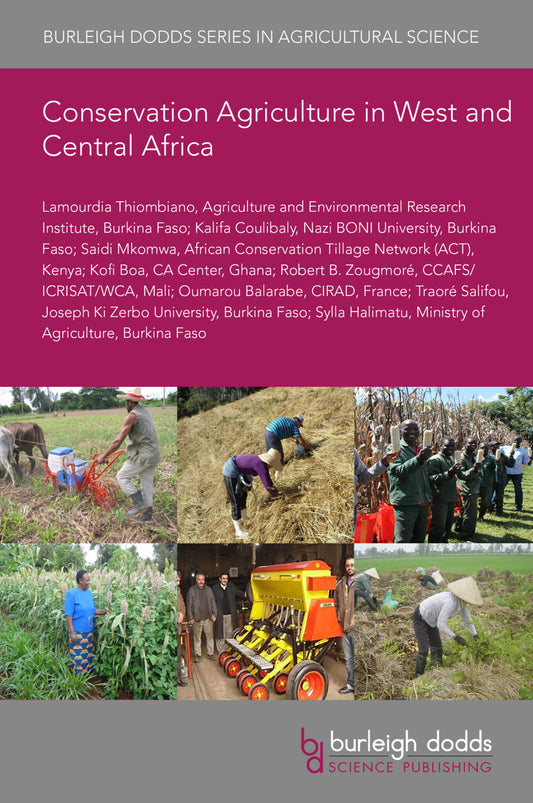
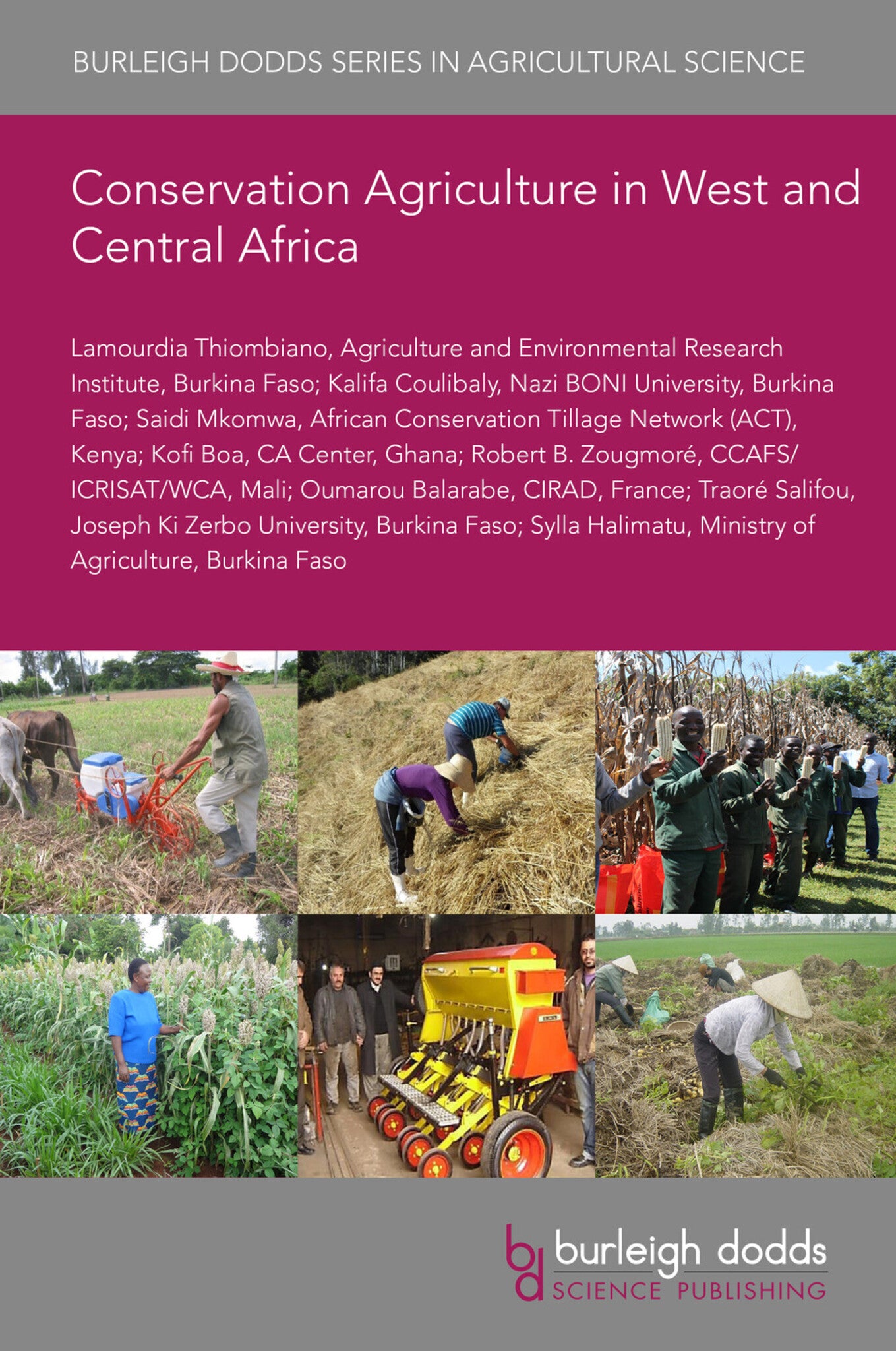
Conservation agriculture in west and central africa
Individual Conservation Agriculture (CA) practices are not new to the West and Central Africa (WCA) region, though the combination of the three main components of CA is innovative. This chapter describe the main challenges in the adoption of CA while highlighting the diversity of practices relate...
Read MoreRegular price £25.00Sale price £25.00 Regular price £25.00Unit price per -
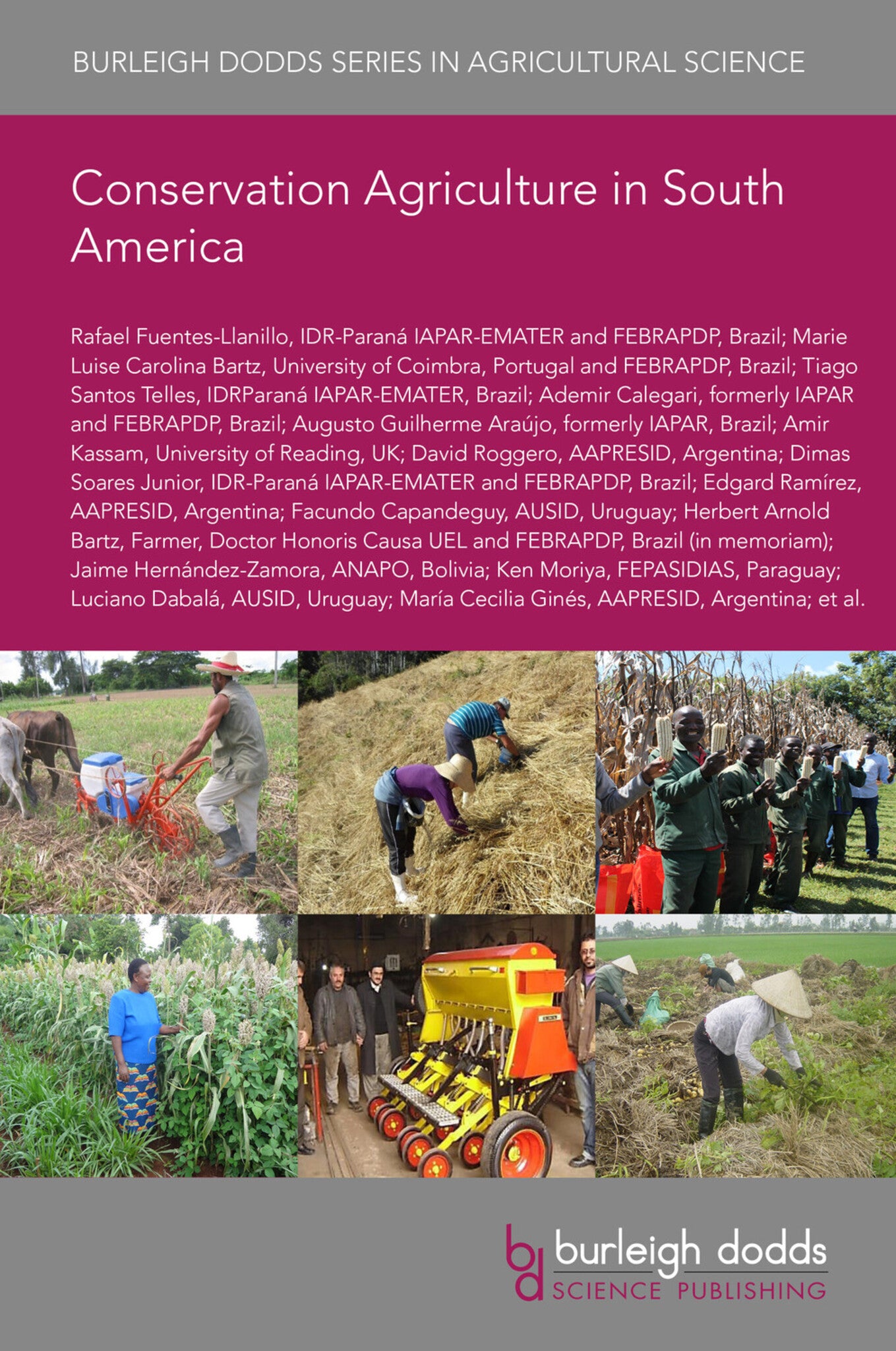
Conservation agriculture in south america
This chapter describes the origins and current status of CA as well as NT and the NTS in Brazil, Argentina, Paraguay, Uruguay and Bolivia. These represent the top five CA countries with about 99% of the area under CA cultivation in South America.
Regular price £25.00Sale price £25.00 Regular price £25.00Unit price per -
Conservation agriculture in central america, the caribbean and mexico
This chapter provides an overview of the actual level of Conservation Agriculture (CA) adoption in Central America, the Caribbean and Mexico. Estimated values in hectares under CA came from collaborators of El Salvador, Guatemala, Honduras, Mexico and Nicaragua. The estimated total area under dif...
Read MoreRegular price £25.00Sale price £25.00 Regular price £25.00Unit price per -
Conservation agriculture in australian dryland cropping and in new zealand: the lessons of 70 years
Australia and New Zealand have seen a rapid adoption rate in Conservation Agriculture in the areas of no-till and stubble retention. The two countries have different stories, and this will be highlighted in this chapter. For Australia crop diversification has not changed substantially, and the ba...
Read MoreRegular price £25.00Sale price £25.00 Regular price £25.00Unit price per -
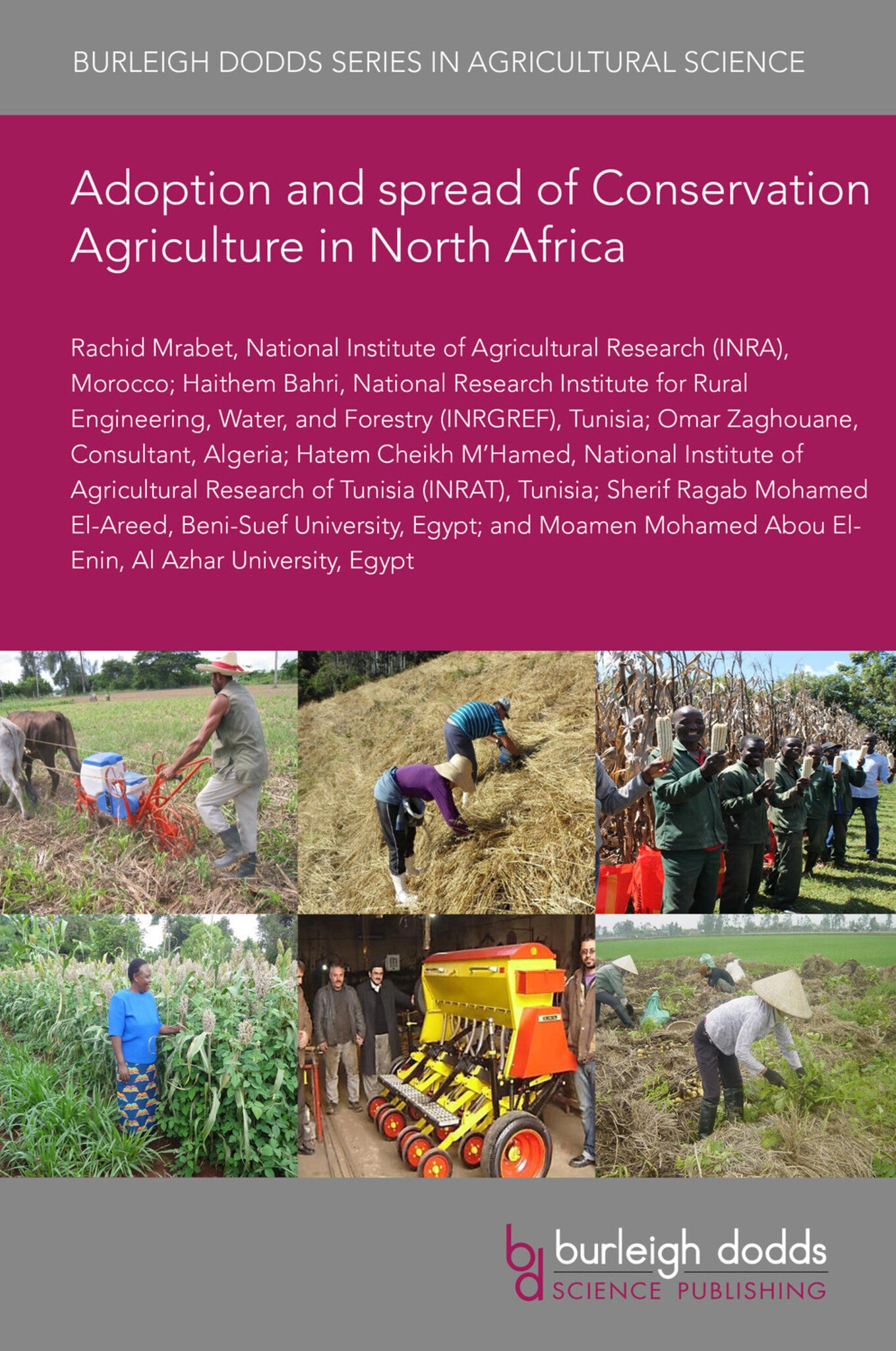
Adoption and spread of conservation agriculture in north africa
This chapter examines the adoption and spread of Conservation Agriculture in North Africa. The chapter begins by providing an overview of the geography, soil, climate and farming environment in North Africa before moving on to discuss the importance of agriculture and food security in the North A...
Read MoreRegular price £25.00Sale price £25.00 Regular price £25.00Unit price per -
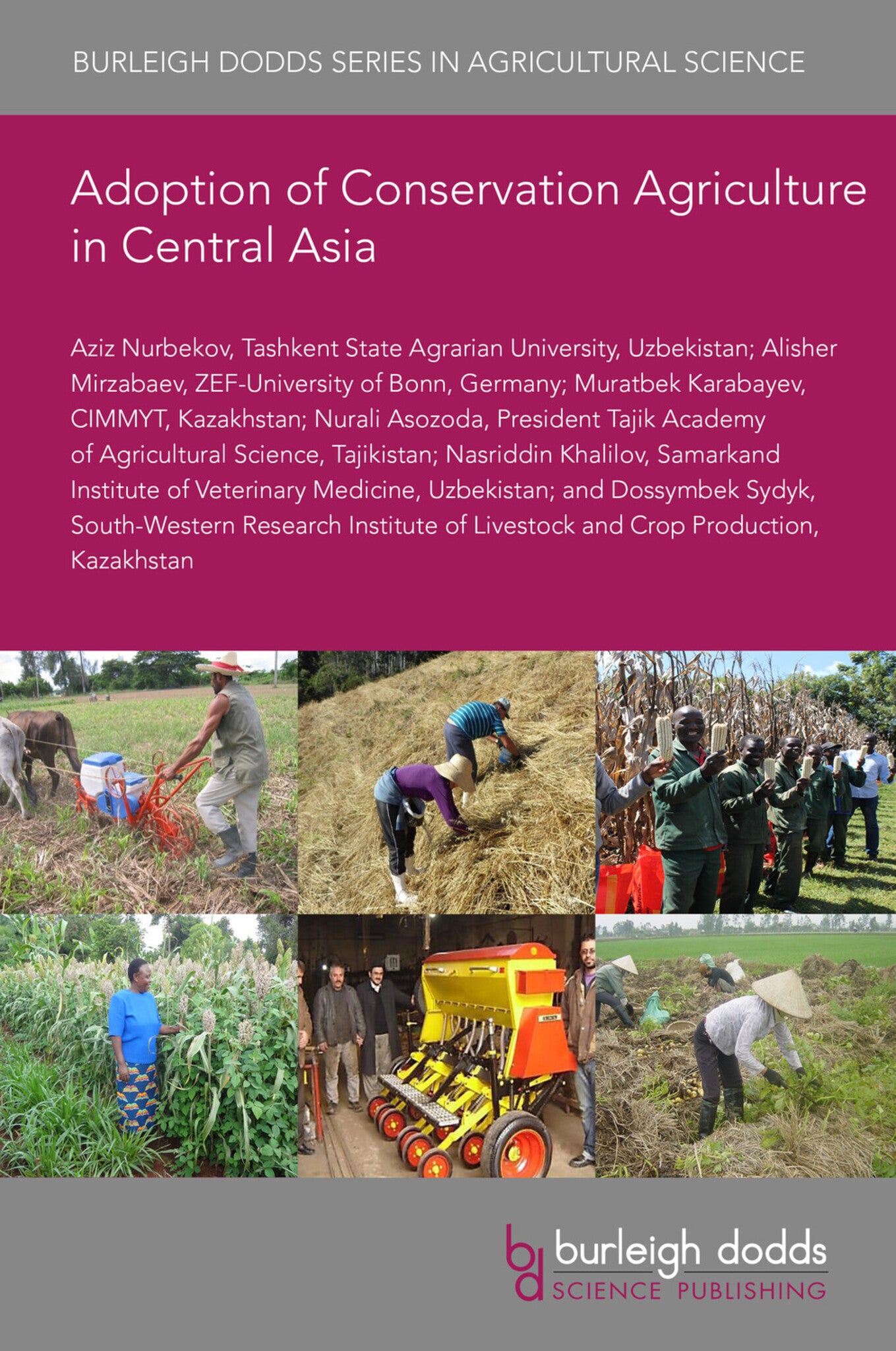
Adoption of conservation agriculture in central asia
Up to date, scientific and practical experience of adopting CA systems and practices in Central Asia has been limited compared to other regions of the world. There is limited reliable data on CA adoption and spread and the uptake process except for Kazakhstan. The purpose of this chapter is to co...
Read MoreRegular price £25.00Sale price £25.00 Regular price £25.00Unit price per -
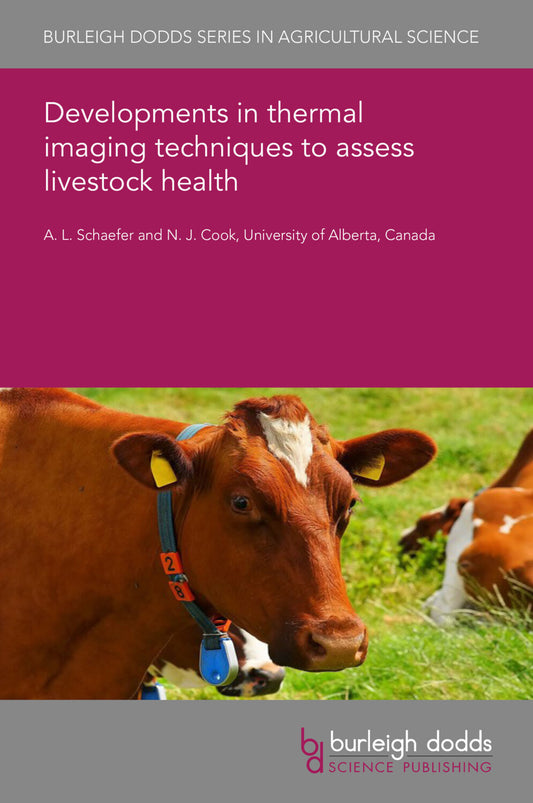
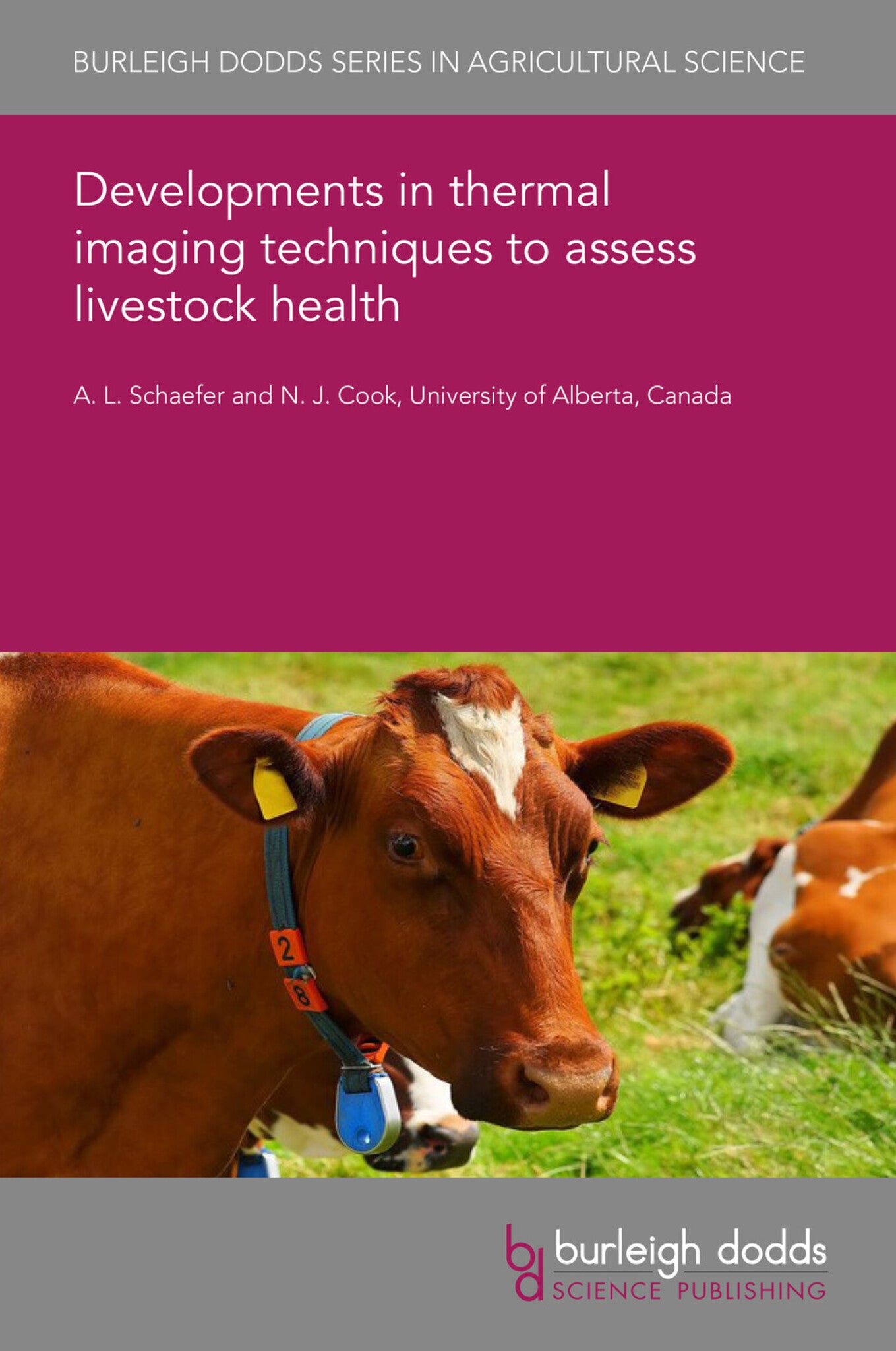
Developments in thermal imaging techniques to assess livestock health
This chapter reviews the use of infrared thermography as a tool in precision livestock farming to assess livestock health. It assesses key challenges such as accounting to ambient environmental conditions as well as the development of infrared thermography technologies to address these challenges...
Read MoreRegular price £25.00Sale price £25.00 Regular price £25.00Unit price per -
Conservation agriculture in eastern and southern africa
Conservation Agriculture (CA) works, by building the soil health basis for climate-proofing agriculture. As a low cost innovation that smallholders in Eastern and Southern Africa (ESA) can access and relate with, CA empowers smallholders to produce a surplus at minimal cost, which subsequently en...
Read MoreRegular price £25.00Sale price £25.00 Regular price £0.00Unit price per -
Adoption and spread of conservation agriculture in east asia
This chapter examines the adoption and spread of Conservation Agriculture in East Asia. Conservation Agriculture, which has been extended in East Asia for the past 15-20 years, is offering promising prospects of both enhanced yields, reduced cost and environmental services. The chapter begins by ...
Read MoreRegular price £25.00Sale price £25.00 Regular price £25.00Unit price per -
Conservation agriculture in south asia
South Asia, a home of 1.7 billion people houses the most poor and malnourished people globally. The region need to double its food production by 2050. Current scenario puts South Asian agriculture in a dilema facing triple challenges: to increase production to meet the food demand of growing huma...
Read MoreRegular price £25.00Sale price £25.00 Regular price £25.00Unit price per -
Conservation agriculture in west and central canada: an integrated review of adoption
This chapter reviews the roles of farmers, organizations, researchers and policy all played in the adoption of Conservation Agriculture (CA) in Canada. The chapter acknowledges the value of conversations the authors have had over the decades with farmers, academics, extension specialists and othe...
Read MoreRegular price £25.00Sale price £25.00 Regular price £25.00Unit price per -
Conservation agriculture in the usa
Climate and soils determine where crop production is concentrated in the US. The climate is changing and conservation agriculture (CA) will be critical to guarantee sustainable soil and water management in the future. This chapter reviews evidences of a foundation of CA based agriculture in pre-C...
Read MoreRegular price £25.00Sale price £25.00 Regular price £25.00Unit price per -
Conservation agriculture in southeast asia
Agriculture in the Southeast Asia region has been changing from traditional subsistence farming to modern commercial farming practices at various rates and this has led to specialized commercialized farming with mechanization, intensive tillage, and increased agrochemical use. The use of high inp...
Read MoreRegular price £25.00Sale price £25.00 Regular price £25.00Unit price per -
From theory to practice: key lessons in the adoption of conservation agriculture in south africa
In 2013 a specialised Conservation Agriculture (CA) programme was launched with the task to formalise and coordinate CA research with grain farmers in South Africa, including smallholders. The key question and challenge this new initiative faced was how to work with these farmers and build on wha...
Read MoreRegular price £25.00Sale price £25.00 Regular price £25.00Unit price per -
State of the global adoption and spread of conservation agriculture
Chapter 2 in volume 1 provided a detailed account of the global adoption and spread of Conservation Agriculture (CA) up to the year 2015/16. This chapter provides an update of the global adoption and spread of CA for the year up to 2018/19. In 2008/09, global CA cropland area was 106.5 M ha sprea...
Read MoreRegular price £25.00Sale price £25.00 Regular price £25.00Unit price per -
Conservation agriculture in west asia
The soils of the agricultural areas in West Asia are suffering from degradation, erosion and reduction in fertility that is reflected on the quantity and quality of production. The results of field research in Lebanon, Syria, Iraq, Jordan, Turkey and Iran for the past 10 years or more, comparing...
Read MoreRegular price £25.00Sale price £25.00 Regular price £25.00Unit price per -
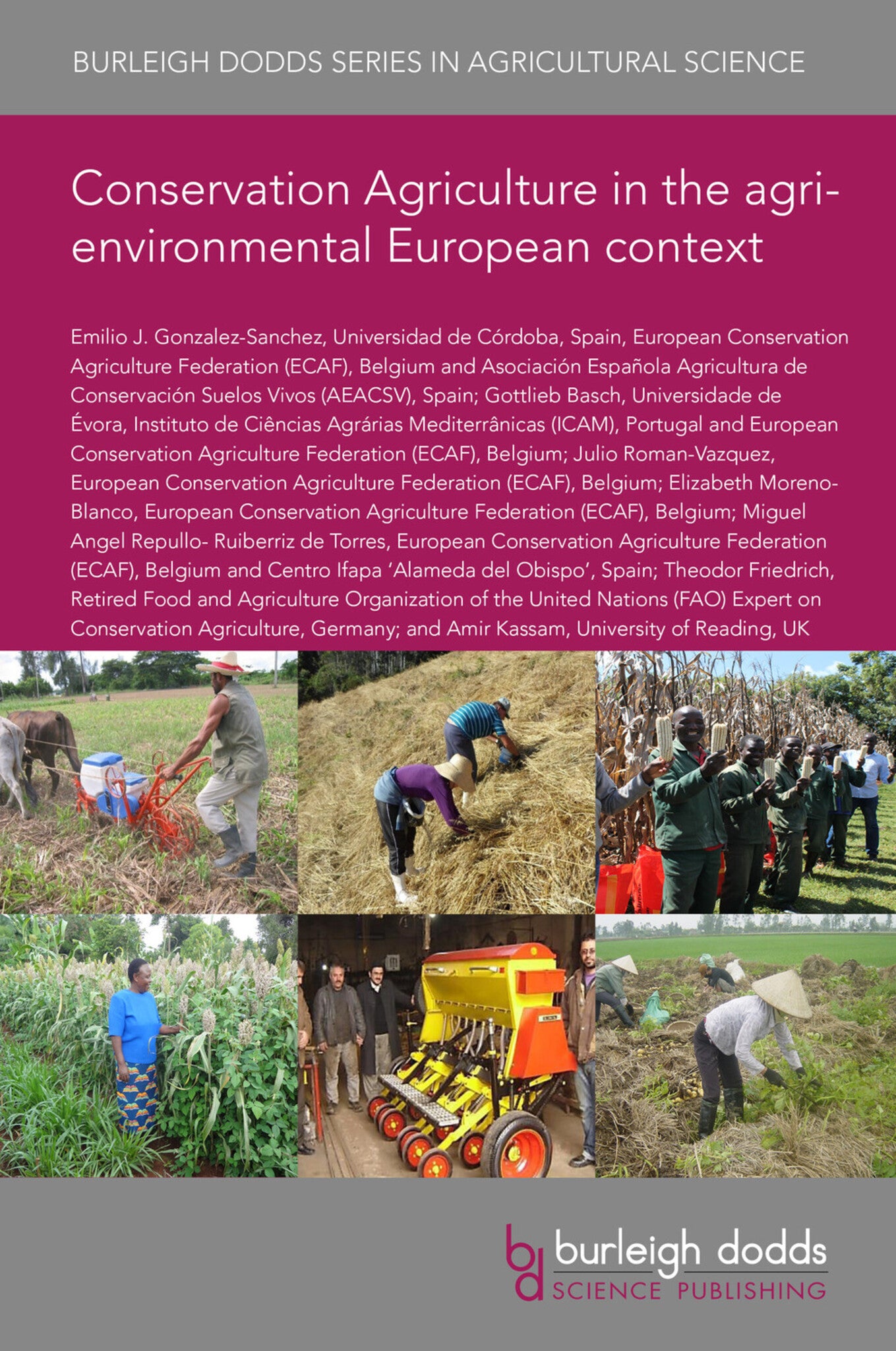
Conservation agriculture in the agri-environmental european context
Conservation Agriculture is a real sustainable agricultural system, capable of providing solutions for most, if not all, of the agri-environmental challenges in Europe. Indeed, most of the challenges addressed in the Common Agriculture Policy could be faced through Conservation Agriculture. Not o...
Read MoreRegular price £25.00Sale price £25.00 Regular price £25.00Unit price per -
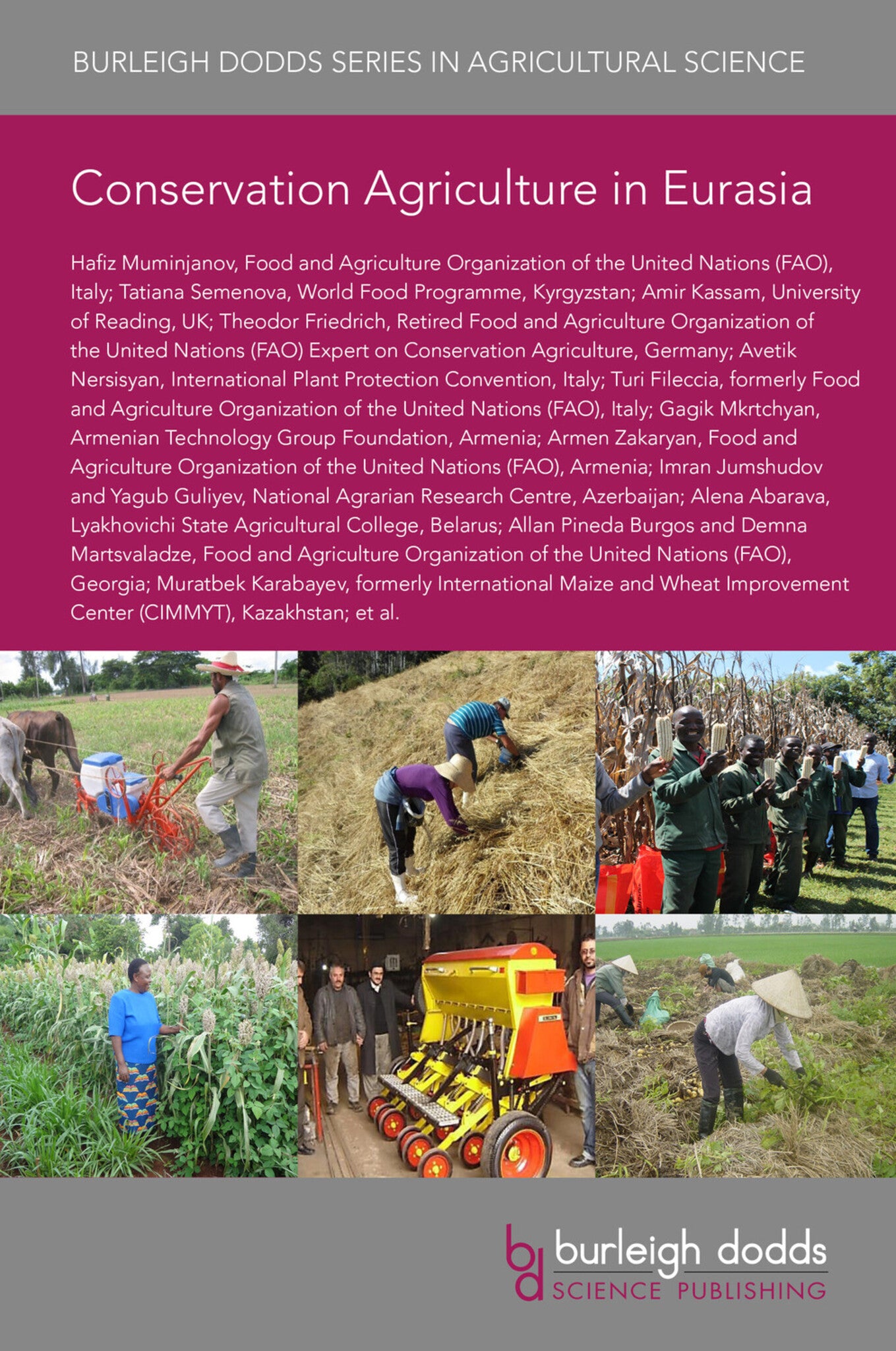
Conservation agriculture in eurasia
This chapter provides an overview of the current state, challenges and avenues for the further promotion of Conservation Agriculture (CA) in the Eurasia region . There is no unified statistics and data collection system for CA in the region. However, the estimated area under CA is about 10-11 mil...
Read MoreRegular price £25.00Sale price £25.00 Regular price £25.00Unit price per -
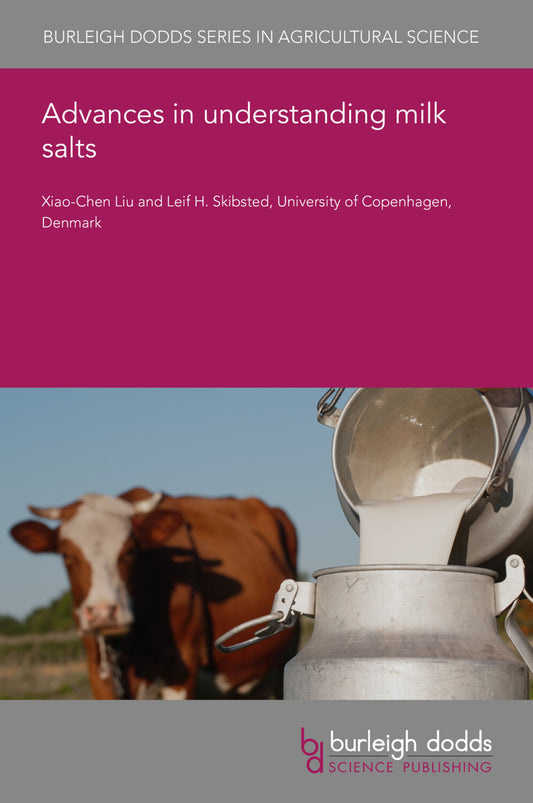
Advances in understanding milk salts
Distribution of minerals between casein micelles and the homogeneous serum phase of milk is different for different mammals. Chemical thermodynamics has provided a complete description of mineral distribution in milk and caseins with varying degree of phosphorylation and metal binding capacity. M...
Read MoreRegular price £25.00Sale price £25.00 Regular price £25.00Unit price per -


The use of exogenous enzymes to optimize gut function in pigs
Exogenous enzymes are used in pig diets to improve the availability and digestibility of some non-accessible nutrients. As result of this enhanced digestion, short fragments of these molecules may become available in the distal foregut and the hindgut and modulate microbiota composition, gut barr...
Read MoreRegular price £25.00Sale price £25.00 Regular price £25.00Unit price per -
The use of prebiotics to optimize gut function in pigs
Colonization of the porcine gut microbiota commences after birth; however, this development is interrupted at weaning, rendering the piglet vulnerable to enteric disease. Dietary supplementation of non-digestible oligosaccharides can contribute to the stabilization of gut homeostasis by promotion...
Read MoreRegular price £25.00Sale price £25.00 Regular price £25.00Unit price per -
Improving gut function in pigs to prevent pathogen colonization
Intestinal pathogens causing either clinical or sub-clinical infections increase pig morbidity and (or) mortality, resulting in economic losses and wider socio-economic impacts on pig production. An optimally functioning gastrointestinal tract (GIT) is fundamental to combatting intestinal pathoge...
Read MoreRegular price £25.00Sale price £25.00 Regular price £25.00Unit price per -
Microbial protein metabolism in the monogastric gastrointestinal tract: a review
Dietary and endogenous protein that become available for the microbiota in the hindgut can be metabolized via different routes. They can become building blocks for the microbial cells or enter different catabolic pathways. Protein degradation via fermentation pathways is seen as a non-preferred r...
Read MoreRegular price £25.00Sale price £25.00 Regular price £25.00Unit price per -
The use of dietary fibre to optimize microbial gut function in pigs, with particular consideration of dietary cereal grains and legumes
This chapter examines interactions of dietary fibre components of pig diets with GIT microbiota, emphasizing cereals and legumes fed to pigs. Carbohydrate composition of these feedstuffs are described, and their relationship to metabolic activity of the porcine intestinal microbiota and interacti...
Read MoreRegular price £25.00Sale price £25.00 Regular price £25.00Unit price per -
Understanding the development of the gut microbiome in pigs: an overview
Living organisms continuously and intimately interact with commensal microbial communities referred to as microbiota and microbiomes. These complex ecosystems provide their hosts with vital services. The gut microbiome develops and diversifies after birth in pigs, as in all mammals. The diversifi...
Read MoreRegular price £25.00Sale price £25.00 Regular price £25.00Unit price per -
Understanding the relationship between the microbiome and the structure and function of the pig gastrointestinal tract
The gut epithelium acts as a barrier to the gut environment. The integrity of the epithelial structure and function is thus critical for microbiome-host interaction. The gut microbiome can regulate the utilization and synthesis of mucin, the expressions of the intercellular junction complex, and ...
Read MoreRegular price £25.00Sale price £25.00 Regular price £25.00Unit price per -
Microbial ecosystems as targets for improving pig gut health
To date, our understanding of the organisms which constitute the microbiomes of humans and our domesticated species has been limited by the technologies available to study them. Progress from culture to species-based DNA approaches has allowed us to appreciate the scale of animal microbiomes and ...
Read MoreRegular price £25.00Sale price £25.00 Regular price £25.00Unit price per -
Microbiological services delivered by the pig gut microbiome
The gut microbiome plays a fundamental role in regulating pig health and growth. Understanding the functions performed by the microbiome is vital when considering it as a target to improve pig health and growth, a pursuit driven by the increasing regulation of traditional means of disease control...
Read MoreRegular price £25.00Sale price £25.00 Regular price £25.00Unit price per -
Metabolic services of intestinal microbiota of swine: metabolism of carbohydrates and bile salts
Vertebrate animals are holobionts and their physiology and metabolism are influenced by their commensal microbiota. Gut microbiota and their metabolites play a key role in the host defense against pathogenic microorganisms, shape the immune system, and impact the resistance to chronic disease. Th...
Read MoreRegular price £25.00Sale price £25.00 Regular price £25.00Unit price per -
The gut microbiota in pigs: ecology and biotherapeutics
The community of microorganisms inhabiting the intestine of mammals are referred to as the gut microbiome and are known to influence the health of their host. Despite extensive work in the last decades, we still know remarkably little about their diversity and the molecular mechanisms underlying ...
Read MoreRegular price £25.00Sale price £25.00 Regular price £25.00Unit price per -
Improving gut function in pigs to prevent dysbiosis and post-weaning diarrhoea
Post-weaning diarrhoea (PWD) is a significant enteric disease causing considerable economic losses for the pig industry. There are multiple factors for why pigs develop diarrhea post-weaning and require treatment with antibiotics. The condition ‘dysbiosis’ can be considered as an ecosystem where ...
Read MoreRegular price £25.00Sale price £25.00 Regular price £25.00Unit price per -
Foodomics: advances in product testing in agri-food supply chains
This chapter is written to describe the concept of product testing in agri-food supply chains and the methods that are being developed to identify instances of product non-conformance with either regulatory requirements, market requirements or both. The emergence of a range of new technologies pr...
Read MoreRegular price £25.00Sale price £25.00 Regular price £0.00Unit price per -
Smart post-harvest technology to maintain quality and safety in fresh produce supply chains
In this chapter the main challenges for the postharvest management of fresh produce are summarised. Key areas where the use of new smart technologies can improve crop management are explored, starting with how environmental sensors can be integrated into internet of things (IoT) systems with pote...
Read MoreRegular price £25.00Sale price £25.00 Regular price £25.00Unit price per -
Developing decision support systems for crop yield forecasts
This chapter discusses existing yield forecasting systems in which the yield forecasts are driven by integration of different data sources, such as output of crop modeling, remote sensing and gridded climate datasets. It first provides overviews of the two predominant modeling approaches— crop si...
Read MoreRegular price £25.00Sale price £25.00 Regular price £25.00Unit price per -
Advances in techniques for identifying and tracking foreign bodies in agri-food supply chains
Foreign bodies in food can occur at any stage in the agri-food supply chain continuum, and they are recognised as the main single source of customer complaints. From a food safety perspective, these physical contaminants can cause adverse health effects, so food companies strive to have effective...
Read MoreRegular price £25.00Sale price £25.00 Regular price £25.00Unit price per -
Key challenges and developments in non-targeted methods or systems to identify food adulteration
Food fraud is an ongoing global challenge that is amplified by the complexity of supply chain networks and fraudsters becoming more innovative in the way they commit fraud. There is a great need for rapid analytical tools that offer broad product screening. Non-targeted methods provide an approac...
Read MoreRegular price £25.00Sale price £25.00 Regular price £0.00Unit price per -
The use of internet of things (iot) to improve transparency in agri-food supply chains
Global food production needs to increase by approximately 70% by 2050 to ensure food security and feed the global population which is expected to reach 9.6 billion by 2050. To achieve these objectives in a sustainable manner, there is a need for modernisation and intensification of agricultural p...
Read MoreRegular price £25.00Sale price £25.00 Regular price £25.00Unit price per -
Advances in traceability systems in agri-food supply chains
Failure to deliver safe and high-quality food reduces consumer confidence in the food industry and results in costly food crises, foodborne illnesses and disruption to food supply chains. Recent advances in traceability systems, and associated identification and communication technologies hold th...
Read MoreRegular price £25.00Sale price £25.00 Regular price £25.00Unit price per -
Advances in fingerprint and rapid methods for improved traceability in agri-food supply chains
Agri-food supply and value chain markets have become increasingly complex due to the changes in consumers demands, the development of complex food standards associated with food safety and quality, advances in technology (e.g. big data, machine learning), and changes in the food industry structur...
Read MoreRegular price £25.00Sale price £25.00 Regular price £0.00Unit price per -
Advances in identifying and tracking malicious contamination of food in agri-food supply chains
This chapter is about the history of bio-warfare, and how biological and bio-chemical weapons were developed during the two World Wars and afterwards. There are examples of attacks to the food chain of entire communities with biochemical weapons by either single individuals or groups, and attacks...
Read MoreRegular price £25.00Sale price £25.00 Regular price £25.00Unit price per -
The role of technology in crisis management and product recall in food supply chains
This chapter considers food governance and how it frames crisis management and product recalls in food supply chains. Effective food recalls following a food safety or legality related incident are supported by traceability systems ranging from paper based to those that apply the newest technolog...
Read MoreRegular price £25.00Sale price £25.00 Regular price £25.00Unit price per -
Drivers of farmers’ usage of digital marketplace platform: evidence from india
Online trading by farmers is a critical component of the agricultural supply chain. Perceived ease-of-use and perceived usefulness of a digital marketplace enhances trust and then farmers’ intention to use that digital marketplace. This study, by leveraging a mediation model, explores the usage d...
Read MoreRegular price £25.00Sale price £25.00 Regular price £25.00Unit price per -
The use of trichoderma spp. to control plant diseases
Trichoderma is one of the most studied genera of ascomycetous fungi due to the beneficial effects it has on plants. Trichoderma spp. are involved in the production of cell wall-degrading enzymes and metabolites with antimicrobial activity. It also produces volatile compounds that act together as ...
Read MoreRegular price £25.00Sale price £25.00 Regular price £0.00Unit price per -
Future outlook on microbial bioprotectants in agriculture
Microbial bioprotectants have the potential to play a major role in the future of crop protection. Agriculture needs to become more sustainable and still provide food security within planetary borders. New technologies and scientific discoveries can unravel the interactions between the plant, the...
Read MoreRegular price £25.00Sale price £25.00 Regular price £25.00Unit price per -
Bacteriophages to control plant diseases
Crop yield loss due to bacterial plant pathogens need to be reduced to increase global food production demand. Currently available disease management strategies involving copper-based bactericides and antibiotics are losing efficacy due to development of resistance in bacteria. There is long fami...
Read MoreRegular price £25.00Sale price £25.00 Regular price £25.00Unit price per -
Microbial bioprotectants and the marketplace
This chapter focuses on microbial bioprotectants and the marketplace. The chapter begins by first discussing the latest figure in terms of microbial bioprotectants global market value. It also highlights the different types and ways these bioprotectants can be used. The chapter also discusses the...
Read MoreRegular price £25.00Sale price £25.00 Regular price £25.00Unit price per -
Key issues in the regulation of microbial bioprotectants in the european union: challenges and solutions to achieve more sustainable crop protection
Microbial bioprotectants, like chemical pesticides, are required to pass a risk assessment and risk management procedure prior to use in plant protection, which in many countries is an obstacle for market access, in particular, the European Union. Administrative issues and data requirements, adap...
Read MoreRegular price £25.00Sale price £25.00 Regular price £25.00Unit price per -
Advances in production and formulation of commercial microbial bioprotectant products
This chapter reviews the recent commercialization of microbial bioprotectant products containing bacteria, fungi, yeast and bacteriophages for the control of plant diseases. The chapter also summarizes recent development activities of new bioprotectant products based on microorganisms or their me...
Read MoreRegular price £25.00Sale price £25.00 Regular price £25.00Unit price per -
Durability of efficacy of microbial bioprotectants against plant diseases
Plant pathogens can develop resistance to conventional plant protection products but their ability to overcome the effect of microbial bioprotectants is still poorly known. However, various studies show that susceptibility of plant pathogens to microbial bioprotectants can be highly variable. Thi...
Read MoreRegular price £25.00Sale price £25.00 Regular price £25.00Unit price per -
Advances in understanding modes of action of microbial bioprotectants
Plant-associated microorganisms are involved in important functions related to growth, performance and health of their hosts. Understanding their modes of action is important for the development and application of microbial bioprotectants and biostimulants. Recent studies have revealed manifold p...
Read MoreRegular price £25.00Sale price £25.00 Regular price £25.00Unit price per -
Are there bacterial bioprotectants besides bacillus and pseudomonas?
This chapter discusses the taxonomy of non-Bacillus and Pseudomonas (NBP) bioprotectant strains, including enterobacteria, actinomycetes, Sphingomonas, Methylobacterium, Agrobacterium-Rhizobium and Lactobacillus. The chapter reviews their mechanisms of action against plant pathogens. Sources of i...
Read MoreRegular price £25.00Sale price £25.00 Regular price £25.00Unit price per -
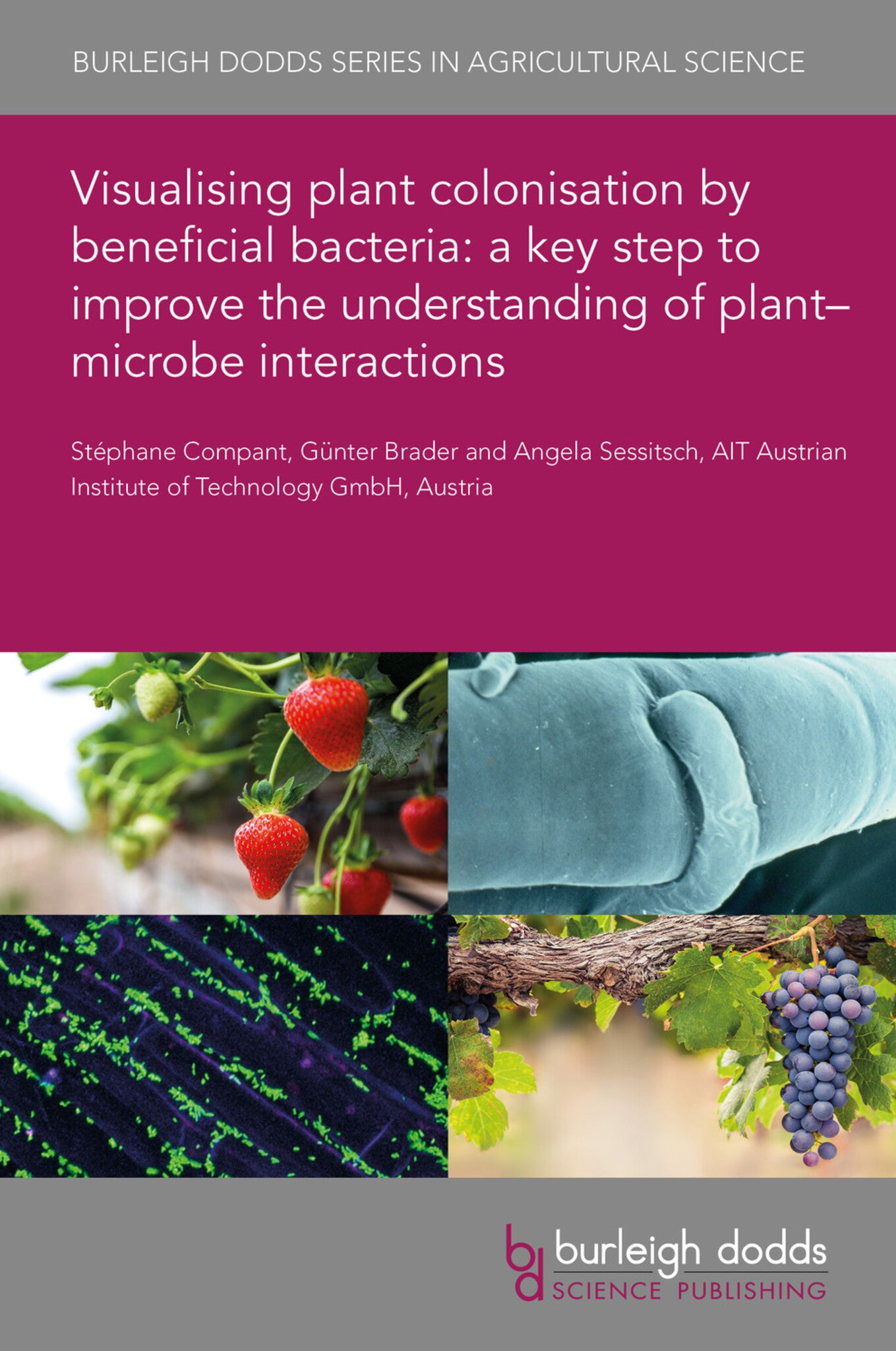
Visualising plant colonisation by beneficial bacteria: a key step to improve the understanding of plant–microbe interactions
Plants contain diverse microorganisms that interact with their hosts and with each other. Beneficial bacteria can be utilised on crops to protect plants against biotic and abiotic stresses and to stimulate plant growth. However, the behaviour of specific microorganisms on and within plants is sti...
Read MoreRegular price £25.00Sale price £25.00 Regular price £25.00Unit price per -
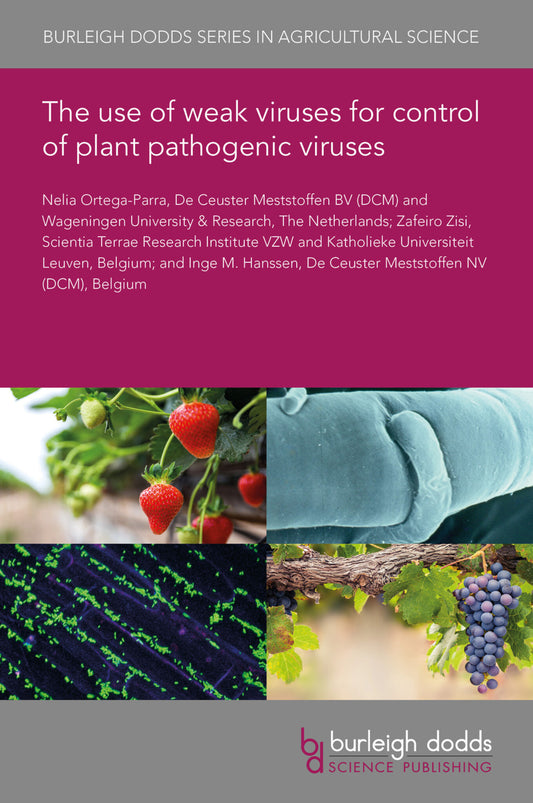
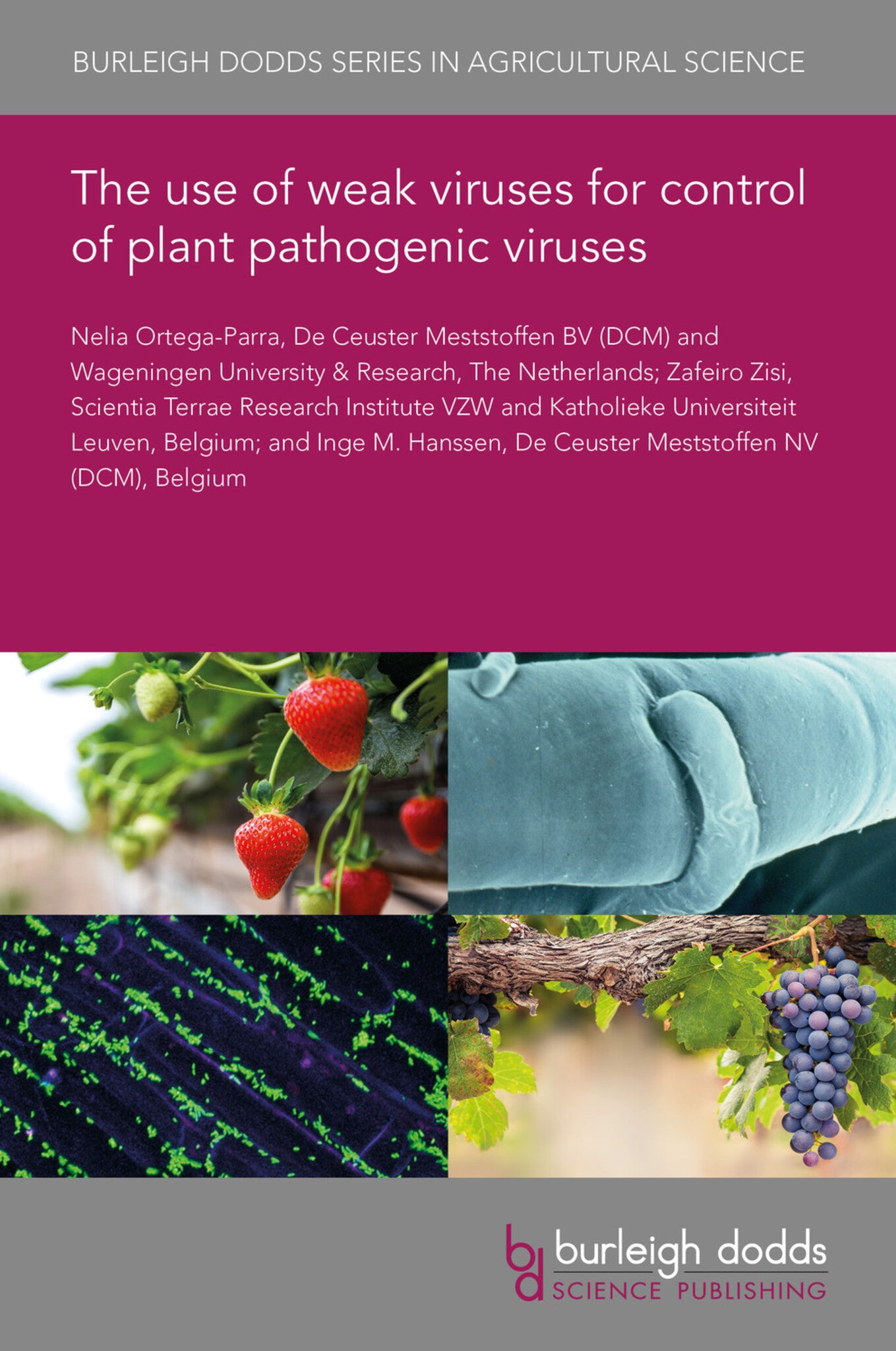
The use of mild viruses for control of plant pathogenic viruses
Plant virus management strategies have largely been limited to the application of hygiene protocols, the control of viral vectors such as insects and nematodes and the use of resistant varieties. However, these approaches are often insufficient to prevent infections. The rapid control of newly em...
Read MoreRegular price £25.00Sale price £25.00 Regular price £25.00Unit price per -
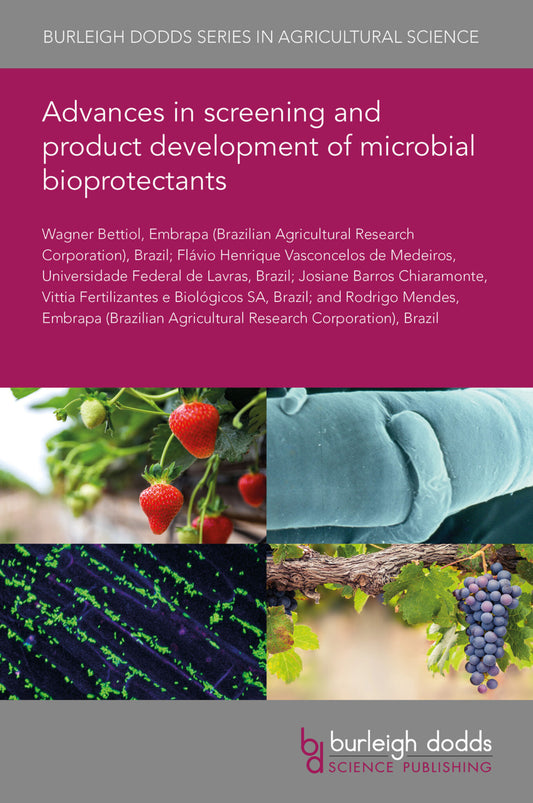
Advances in screening and product development of microbial bioprotectants
The success of a biological control programme depends on the isolation and selection of antagonists. There is an enormous diversity of culturable microbial species in the soil, rhizosphere, phylloplane, spermosphere and carposphere, which can be used in the isolation and selection of antagonists....
Read MoreRegular price £25.00Sale price £25.00 Regular price £25.00Unit price per -
Using verticillium albo-atrum wcs850 to control dutch elm disease
Approximately 100 years after the first introduction of Dutch elm disease (DED) in Europe, an effective commercial biocontrol product is available to protect susceptible elm trees against DED transmission by beetles. Injection of trees with conidiospores of the fungus Verticilium albo-atrum isola...
Read MoreRegular price £25.00Sale price £25.00 Regular price £25.00Unit price per -
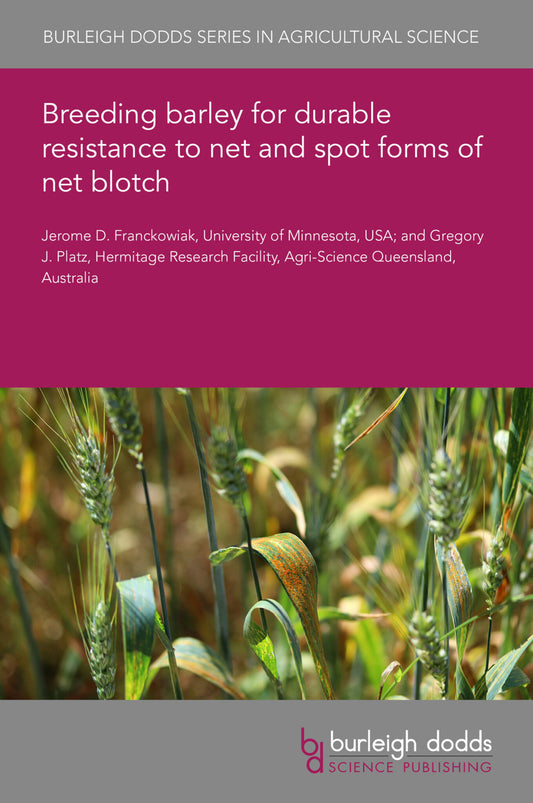
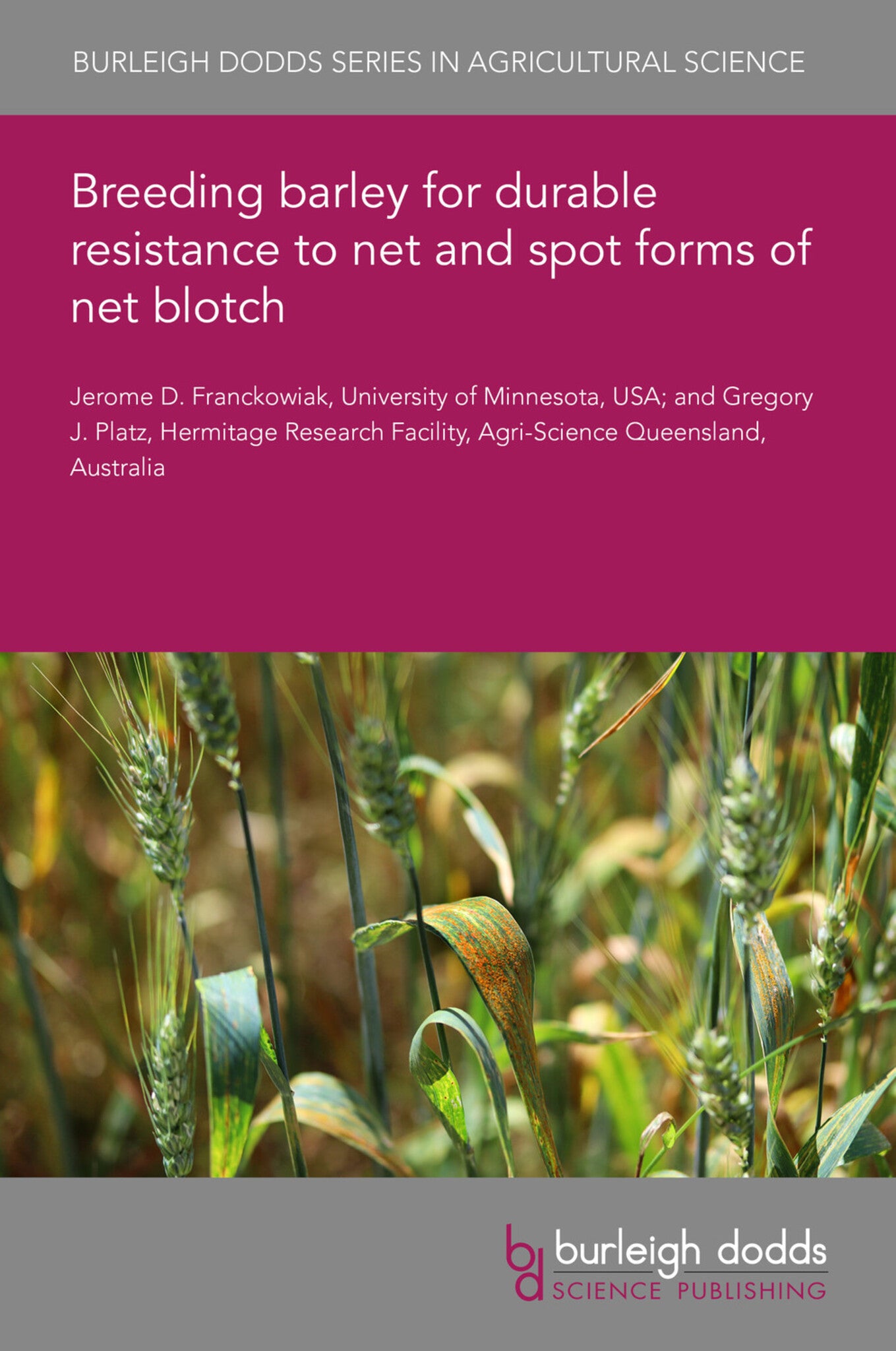
Breeding barley for durable resistance to net and spot forms of net blotch
This chapter focuses on breeding barley for durable resistance to net and spot forms of net blotch. It starts by reviewing how Pyrenophora teres f. teres can cause net form net blotch. The chapter then goes on to examine the molecular markers that can be identified to provide resistances to net f...
Read MoreRegular price £25.00Sale price £25.00 Regular price £0.00Unit price per

We're sorry. An error has occurred
Please cancel or retry.


