





Some error occured while loading the Quick View. Please close the Quick View and try reloading the page.
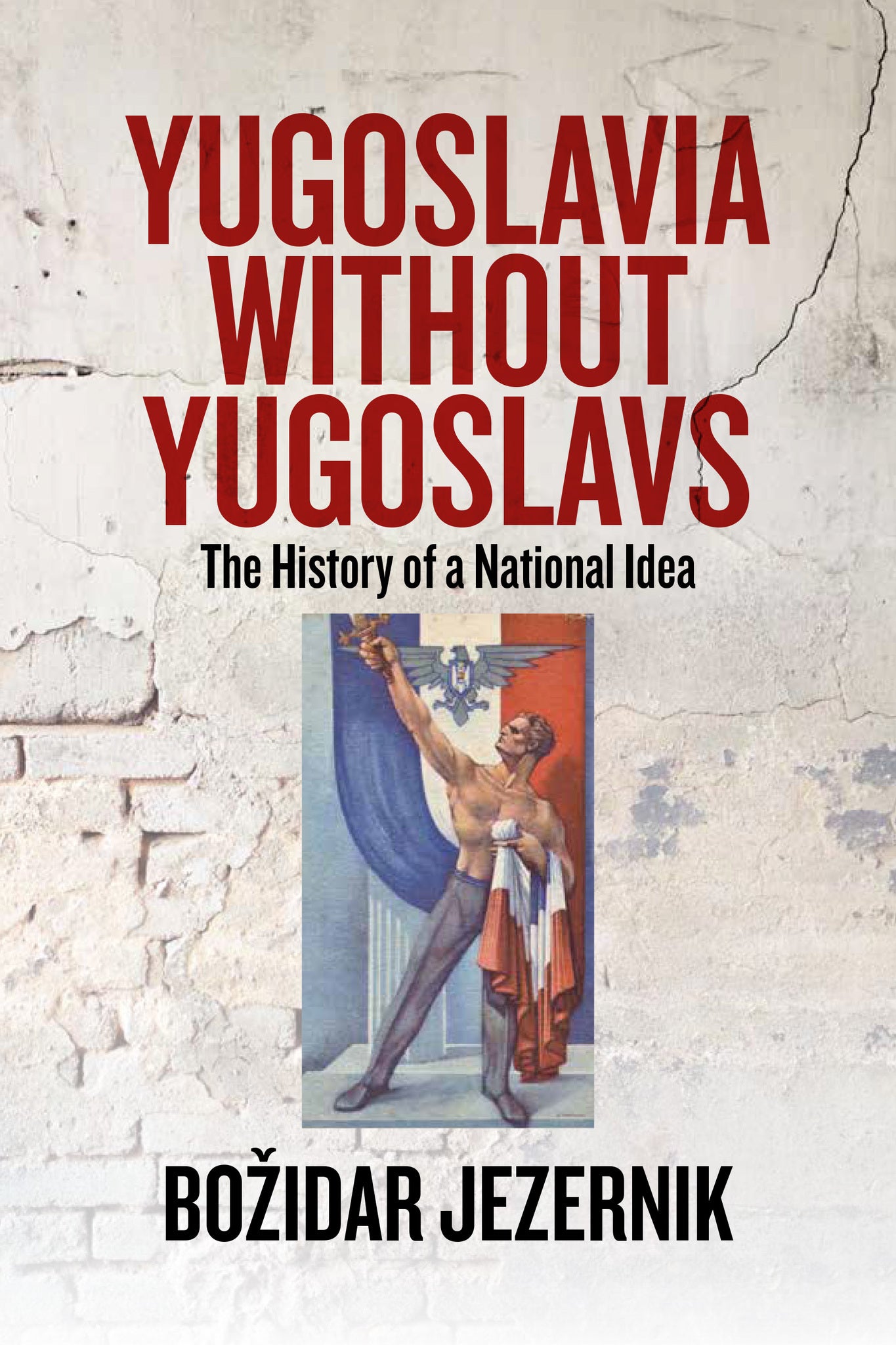
The term “Yugoslavia” first appeared in an article in the newspaper Slovenija in Ljubljana on Friday, October 19, 1849. The author of the article declared that he was not interested in politics, but only in the literary unification of Yugoslavs within the Austro-Hungary Empire. With ongoing conflicts and disparate forms of nationalism in and around historical Yugoslavia as its backdrop, Yugoslavia without Yugoslavs for the first time addresses the history and idea of a united Yugoslavia in and during which a true “Yugoslav” identity never really came into being . Following a series of wars and uprisings from 1875 onwards, the first nation-state of Southern Slavs, established after World War I, became the “Kingdom of Serbs, Croats and Slovenes” — a competing nationalistic blender that would go through failure, revival and transformation of the concept of “Yugoslavia”.


Božidar Jezernik is full professor at the University of Ljubljana. He teaches Ethnology of the Balkans, Anthropology of Globalisation and Social Memory and Cultural Heritage. He was head of Department, from 1988–1992 and 1998–2003, and dean of Faculty of Arts, University of Ljubljana, from 2003–7. He has been the leader of a program research group called Slovenian Identities in European and Global Contextsince 2004.
List of Illustrations
Preface
Introduction: The Naming and Origins of the Yugoslav Idea
Celebrating a Glorious Past
Emancipatory Power of Yugoslav Nationalism
Mobilisation for the Yugoslav Idea
Austria-Hungary Thwarts the Yugoslav Idea
A Volunteer in the Service of the World Revolution
From Villain to National Hero
Chapter 1. In Search of a Path to Yugoslav Unification
Balkan Powder Keg
Divide and Rule
War or Peace?
Chapter 2. Marko Kraljević in the Age of Capitalism
Honouring the Kosovo Pledge
The Balkan Wars and the Dual Monarchy
Slovene Rivers Flow Towards Belgrade
The Quandaries of the Bloody Yugoslav Tragedy
Russian Soldiers Washing Their Feet in the Adriatic Sea
Chapter 3. Turning the Austro-Hungarian Yugoslavs against the Serbs
Vidovdan 1914
All for Faith, Home, and Emperor!
The Language of Ljubljana’s Streets
Teaching Culture with a Steel Fist
Miloš Obilić Has Turned against Marko Kraljević
Chapter 4. The Memory of Fallen Soldiers as a Seed of Discord
From the Kosovo Temple to the Pantheon of the Liberators
Petrified Opanaks and Šajkačas
Stone Soldiers Strike Back
Chaplain France Bonač
Monument to the Unknown Slovene Soldier
Chapter 5. The Father of Modern Yugoslav Idea
Projecting the Present to the Past
A Great Yugoslav and a Small Austrian
The Dilemma of a Yugoslav Anthropologist
Only God Came from Nothing, a Yugoslavs Needed a Creator
Yugoslavism as a Burden
Chapter 6. Creating the New Nation-State
If a Kernel of Wheat Dies, It Produces Many Seeds
The Yugoslav Piedmont
The Nation-State Is Founded, What Shall Its Citizens Be Called?
Пијемонт vs. Piemonte
Symbolic Integration
“The Brother Is Dear Whatever His Faith Is”
Chapter 7. Celebrating the Unity of the Nation with the Three Names
“Slovenes, Serbs, Croats, Forever Brothers to Each Other!”
Rousseauian Pillars of Nationalism
March Separately, Strike Unitedly
Straw that Quickly Burns
A Nation-State without Nationalism
Chapter 8. The Yugoslav Nation-State as a Mosaic, Not a Melting Pot of Peoples
The Argonauts of Yugoslav Nationalism
The Price of Unification
“Yugoslav Bismarck”
King the Unifier
Instrumentalisation of the National Question
“Brotherhod and Unity”
Bibliography