





Some error occured while loading the Quick View. Please close the Quick View and try reloading the page.
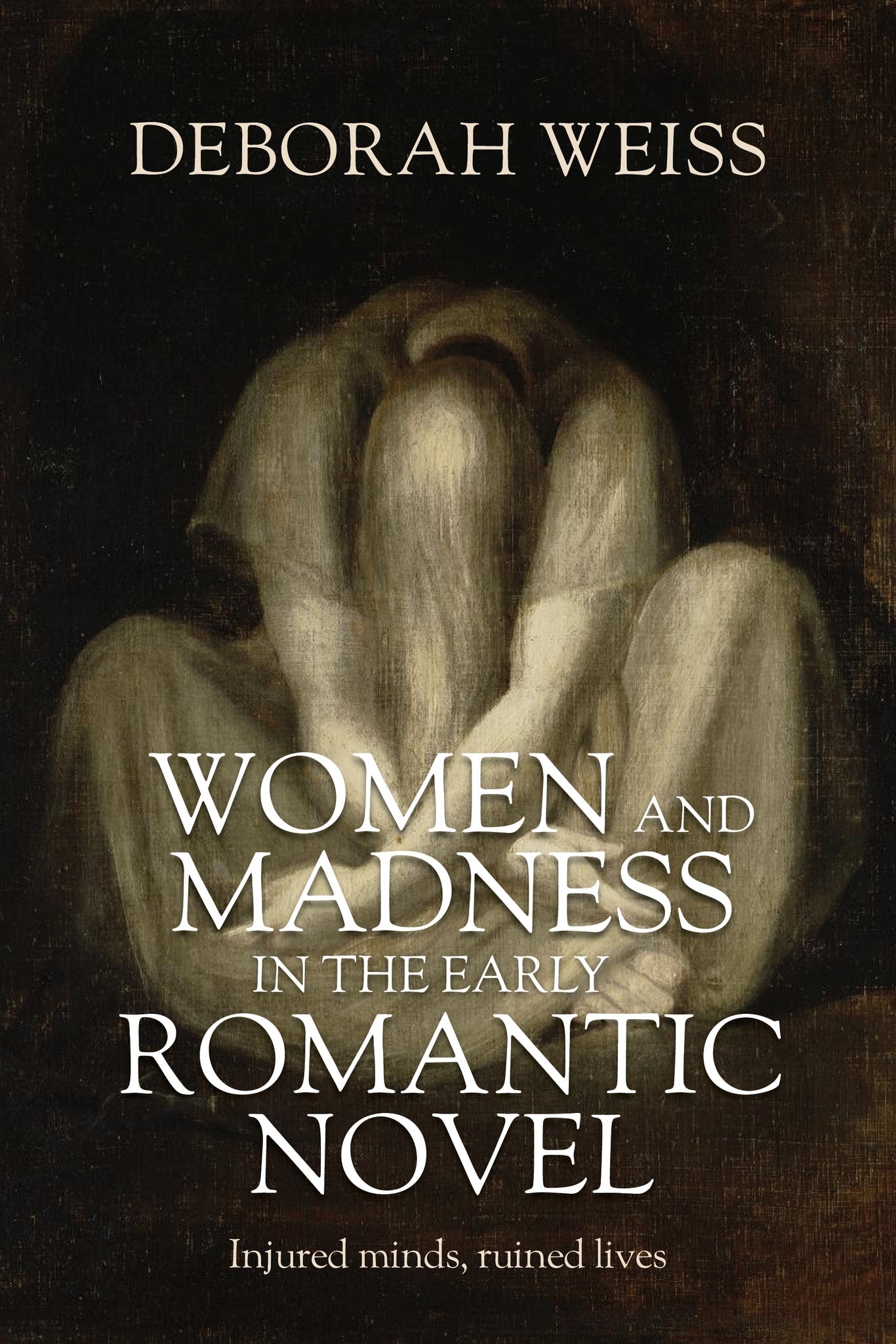


‘On the journey from Sterne’s roadside ‘Mad Maria’ to Brontë’s ‘Madwoman in the Attic,’ Weiss has found not only other vivid female characters reduced by patriarchy to mania or melancholy but also the makings of a dark sequel to her excellent book on the figure of the female philosopher. ‘
—James Chandler, The University of Chicago
‘Thorough in its research, measured and persuasive in its arguments, wide-reaching in its implications, and very well-written, Weiss's splendid book shows how five exemplary novelists used the resources of narrative fiction to upend patriarchal discourses regarding women and mental health.’
—Stephen Arata, The University of Virginia
Introduction: Women and madness in the early-Romantic novel
1 Madness and Maria: The Wrongs of Woman and patriarchal control
2 Of Madness and monitors: Secresy; or, the Ruin on the Rock
3 Death by despair: Fatal melancholia in The Victim of Prejudice
4 Misplaced passions, erroneous associations and remorse: Madness reconsidered in Belinda
5 The impossibility of love-madness: The Father and Daughter
Coda: Wide Sargasso Sea: The erasure of love-madness and the mad woman’s revenge
Bibliography
Index