





Some error occured while loading the Quick View. Please close the Quick View and try reloading the page.
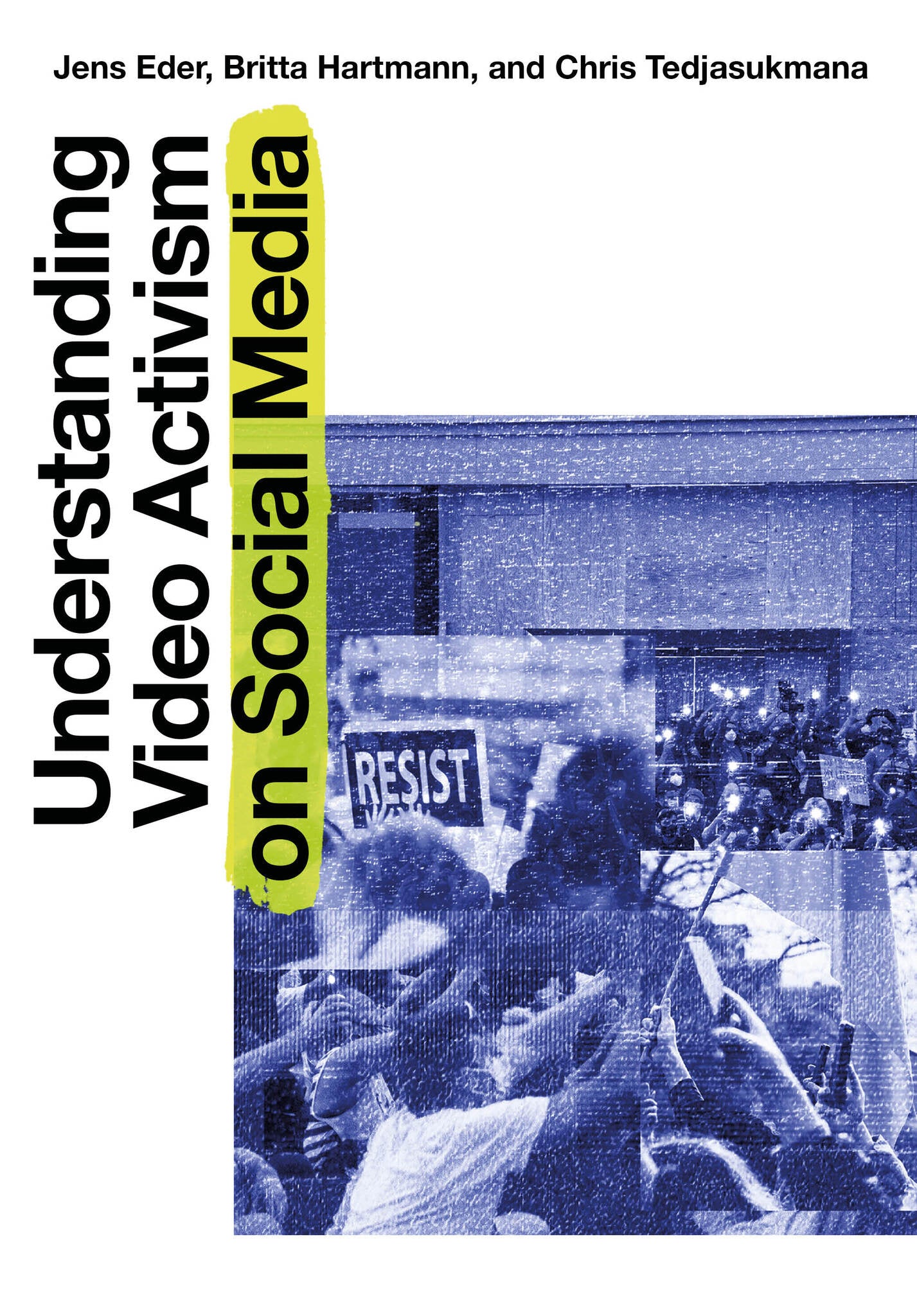
What political power do videos on social media have? In what ways do they exert influence, shape publics and change political life? And how can committed civil society actors in this field assert themselves against hegemonic discourses, commercial interests, anti-democratic agitation, and authoritarian propaganda? These questions are being debated intensely as social media increasingly dominate global information flows, and videos increasingly dominate social media.
Understanding video activism seems particularly relevant at a time when the internet is undergoing fundamental disruptions. The forms, practices, and opportunities of activism depend on its media environment, which now is changing rapidly and profoundly in terms of its technological basis, ownership, legal regulations, and governmental control.


'If you want to understand the power of video activism not just as a political tool but as a social force, please read this book. The authors manage to analyze in depth the historical, rhetorical, aesthetical, and other aspects of video activism and how it is enmeshed in the distribution logic of social media. Due to its geopolitical scope combined with a broad analytical framework, Understanding Video Activism on Social Media is an eye-opener for students, scholars, and activists alike.'
List of Figures
Acknowledgments
Introduction: The Power of Video Activism
1. The Media Logics of Video Activism: Frames, Forms, and Platforms
Political Contexts and Frames of Video Activism
Common Forms and Types of Activist Videos
The System of Social Media Platforms
The Platform System in the Age of the Splinternet
How to Outsmart Platforms: The Most Boring Viral Video
2. Trajectories of Video Activism: Past and Present
Demanding Representation, Criticizing Capitalism
Participation and a Voice of One’s Own
Political Aesthetics
The Role of Media Technology in the History of Video Activism
Videos Everywhere: Between Empowerment and Disillusionment
3. The Impact of Political Videos: Attention, Affect, Action
Pathways to Impact
Competing for Attention, Overcoming Obstacles
Image Wars in the Discourse on Migration
Political Emotions and the Different Audiences of Activism
4. Activist Video Strategies: From Creation to Networking
Video Aesthetics and Spreadability: A Variety of Effective Forms
The Dynamics of Distribution: Networked Attention and Emergent Narratives
General Video Strategies in the Climate Crisis Discourse
A Case of Strategic Provocation: Rezo’s “Destruction of the CDU”
5. The Diversity of Video Activists: Practices and Communities
Small Media Collectives: Committed and Counterpublic
Influencer Networks: Hybrid and Hypervisible
Large NGOs: Established and Evolving
Hashtag Movements: Polyphonic and Unpredictable
Embracing the Diversity of Video Activism
6. Video Activism and the Public Sphere: Creating Counterpublics
Publics and Counterpublics
Creating Counterpublics: The Case of Black Lives Matter
Expanding the Democratic Public Sphere
7. Video Activism in Times of Upheaval: Toward Diversity in Solidarity
Video Activism at War: Changing Contexts, Shifting Roles
Video Activism Under Pressure
A Plea for Diversity in Solidarity
Notes
Media References
Bibliography