





Some error occured while loading the Quick View. Please close the Quick View and try reloading the page.
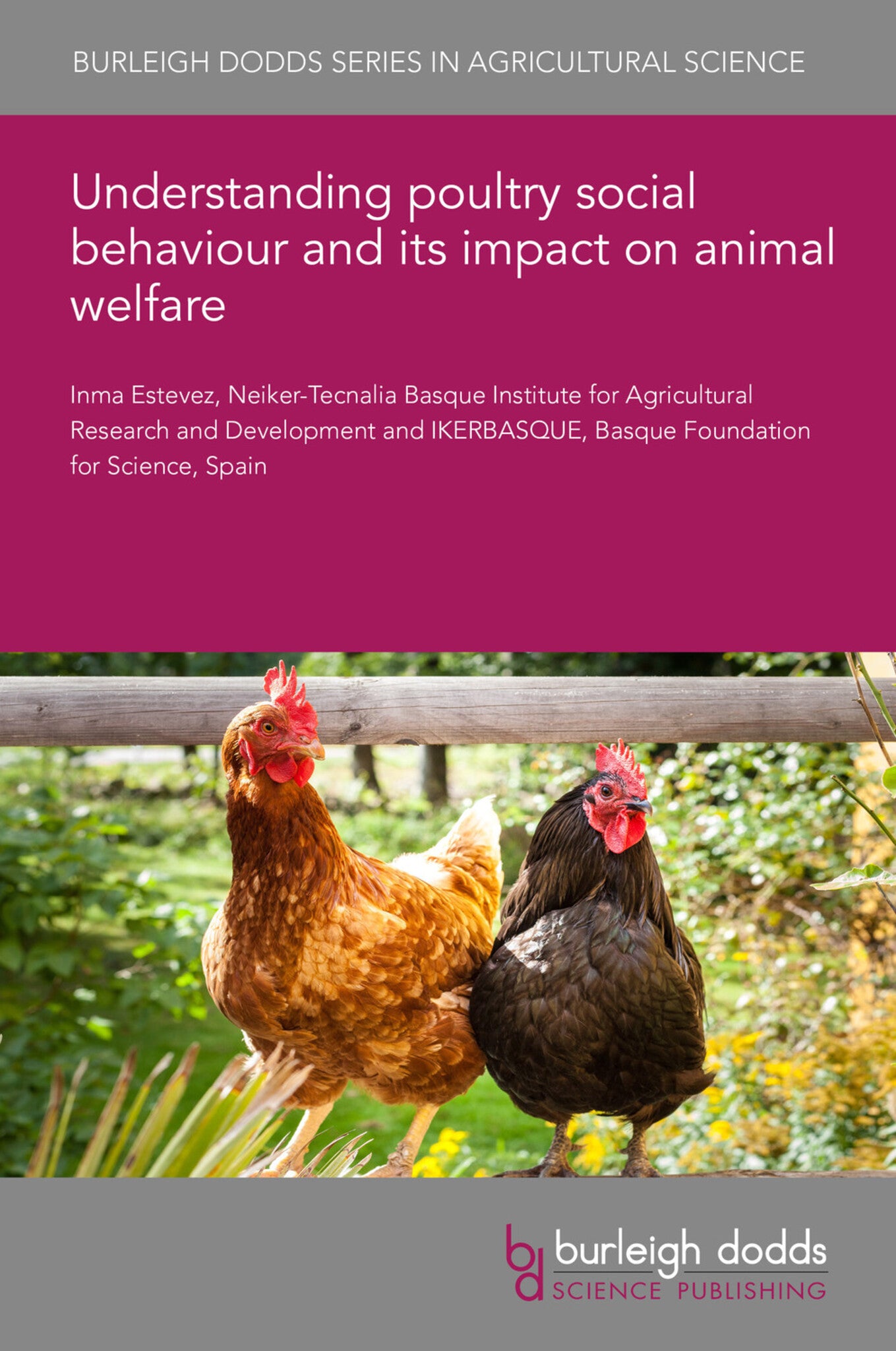
Sociality was a prerequisite for domestication that allowed animals to remain in groups under human custody. The social group provides opportunities to find food, protection from predation or weather conditions. However, highly dense or large groups normally found in production environment, may increase competition and be a potential source of social stress. The social relationships of the domestic fowl are based on the establishment of social hierarchies, but social dynamics of large groups are more lax. Social plasticity allows animals to better adapt to the diversity of environmental and social conditions that may be encountered though life. This chapter discusses how different management and environmental factors may affect the social dynamics of the domestic fowl, and analyse the potential impact for their welfare. Special attention is dedicated to imprinting processes that may determine how domestic fowl respond to social models, and to the relationships developed in breeding flocks.

Price: £25.00
Publisher: Burleigh Dodds Science Publishing
Imprint: Burleigh Dodds Science Publishing
Series: Burleigh Dodds Series in Agricultural Science
Publication Date:
28 September 2020
ISBN: 9781786768681
Format: eBook
BISACs:

1 Introduction 2 Why do animals live in groups? 3 Imprinting and early-life experiences 4 Group size and social plasticity: implications for animal welfare 5 Managing social behaviour for better welfare 6 Understanding mating systems in poultry: implications for the welfare of breeding flocks 7 Strategies for better management of poultry flocks 8 References