





Some error occured while loading the Quick View. Please close the Quick View and try reloading the page.
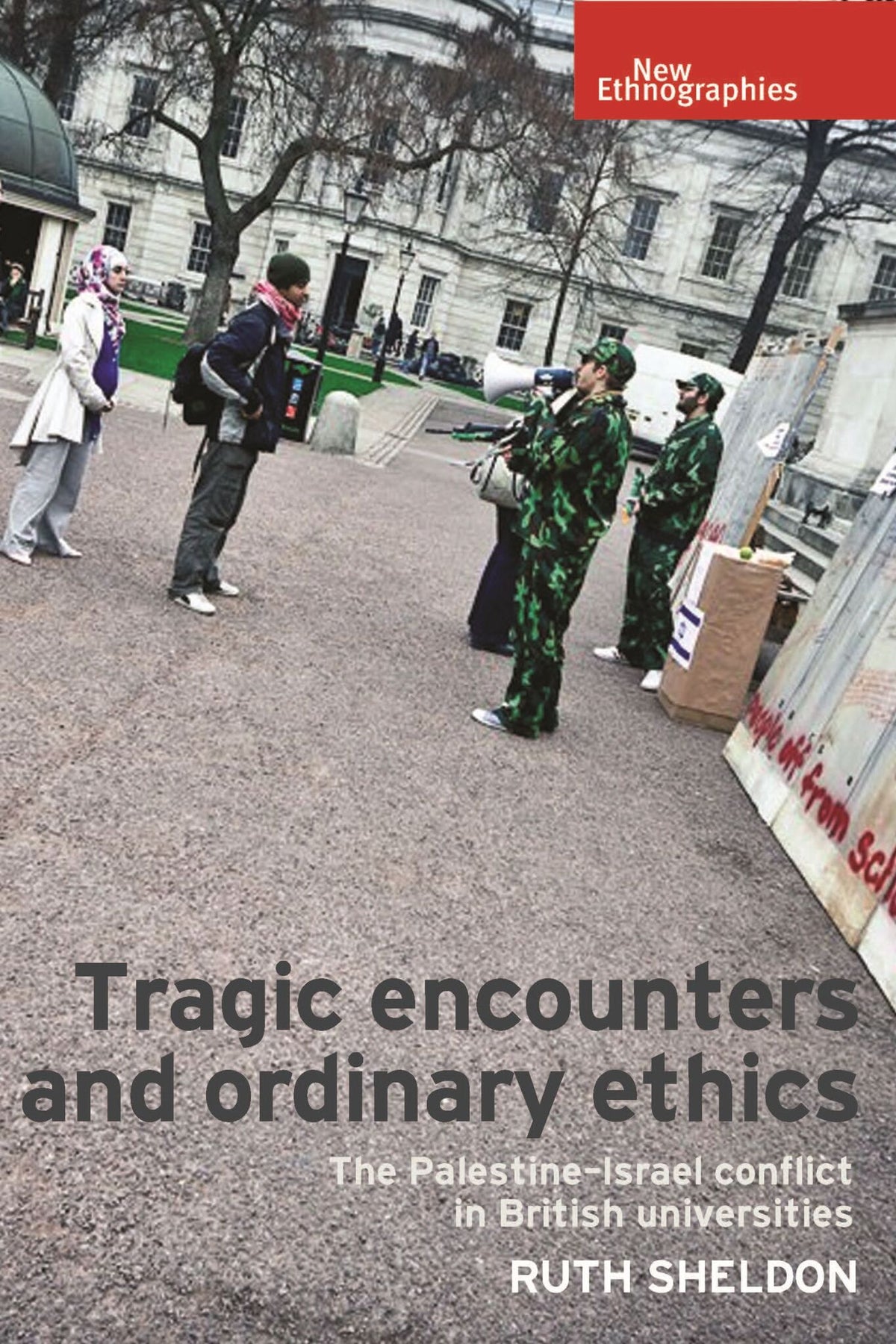
For over four decades, events in Palestine-Israel have provoked raging conflicts within British universities around issues of free speech, 'extremism', antisemitism and Islamophobia. But why is this conflict so significant for student activists living at such a geographical distance from the region itself? And what role do emotive, polarised communications around Palestine-Israel play in the life of British academic institutions committed to the ideal of free expression?
This book draws on original ethnographic research with student activists on different sides of this conflict to initiate a conversation with students, academics and members of the public who are concerned with the transnational politics of Palestine-Israel and with the changing role of the public university. It shows how, in an increasingly globalised world that is shaped by entangled histories of European antisemitism and colonial violence, ethnography can open up ethical responses to questions of justice


Series editor’s foreword
Introduction: unsettling subjects of justice and ethics
1 Contested framings: democratic confl ict and the public university
2 Finding the words: towards ethical ethnography
3 University melodramas: the claim of reason
4 Tragic action: ambiguous passions and misrecognition
5 Ordinary ethics: conversation, friendship and democratic possibilities
Conclusion: good relations, free speech and political activism
Postscript: unfi nished conversations
References