





Some error occured while loading the Quick View. Please close the Quick View and try reloading the page.
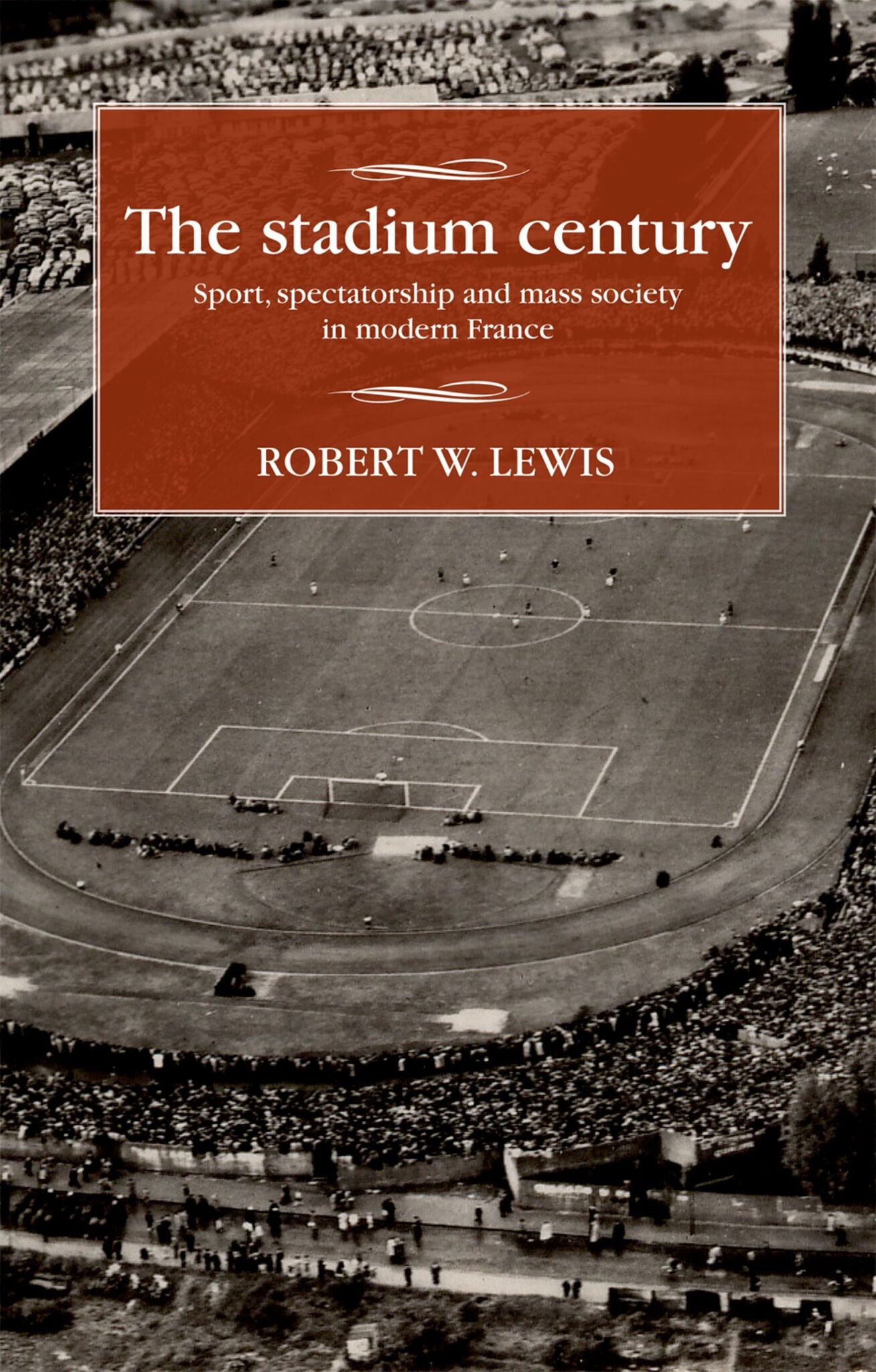


‘The geography of French sport has thus lagged somewhat behind its history, albeit with important exceptions, such as the work of Jean-Pierre Augustin. Robert Lewis’s contribution to redressing this imbalance is consequently to be welcomed, offering a concise guide to a built environment that is both complex and characterized by a fundamental paradox. […] his monograph confidently locates the development of the nation’s sporting infrastructure within a broader societal evolution, pulling together the narratives of modernization, consumerism and mass culture in a persuasive synthesis that deserves to be widely read.’
French History
‘Anyone interested in the history of French sports can read Lewis's work as a stand-alone book because his clear and careful analysis provides ample background. One of the principal strengths of the book is his attention to the large context of sports during the interwar period.’
Journal of Sport History
Introduction
1 A 'grand stade' for Paris: stadia, urban planning and the 1924 Olympics
2 'A civic tool of modern times': politics, mass society and the stadium
3 Sportsmen or savages? Stadium sport and its spectators, 1900-60
4 Stadium travels: spectatorship, territorial identity and global connections, 1900-60
5 Postwar modernisation and the stadium, 1945-98
Conclusion
Index