





Some error occured while loading the Quick View. Please close the Quick View and try reloading the page.
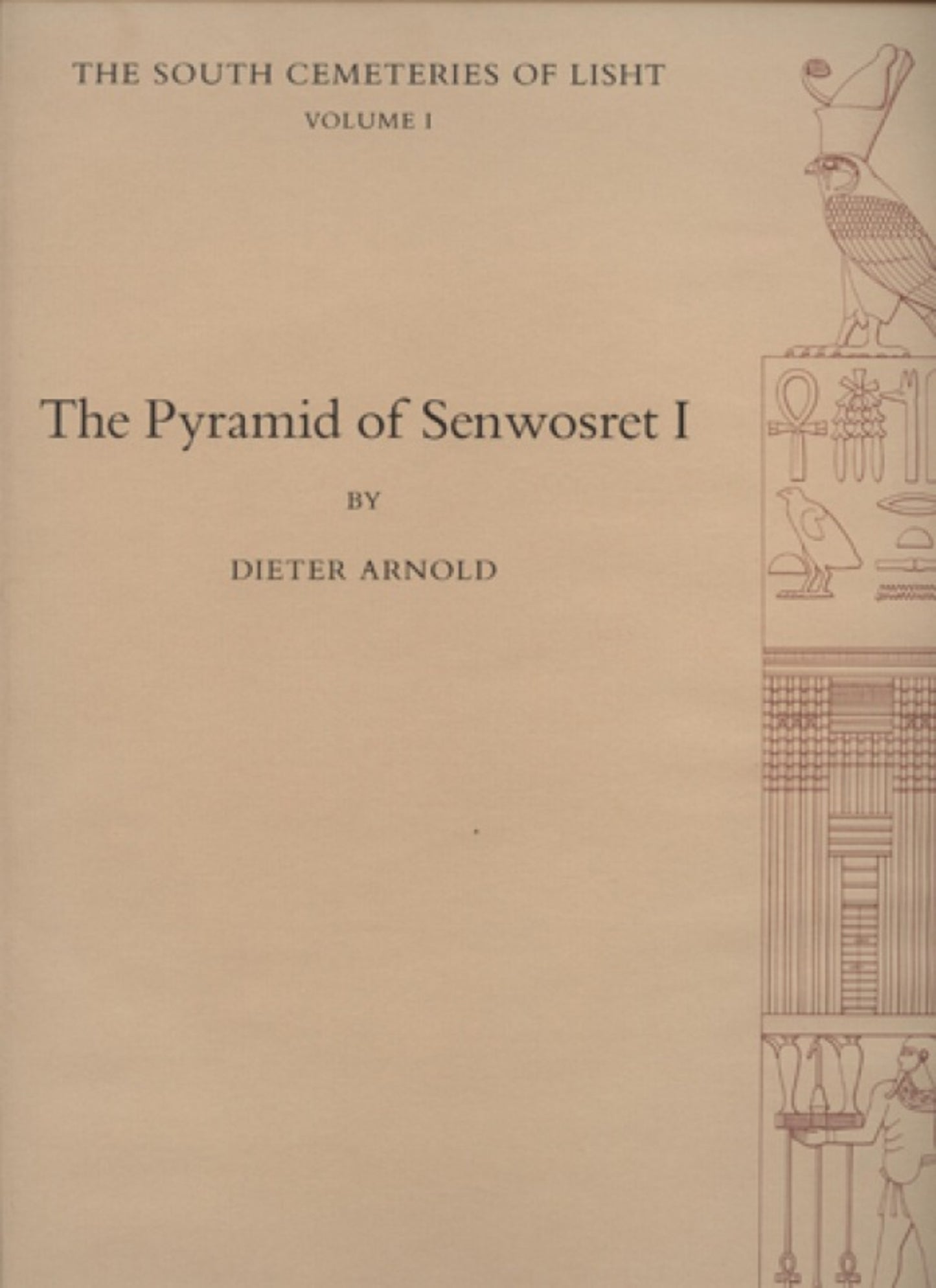
In 1984 the Department of Egyptian Art at the Metropolitan Museum decided to reopen its work at the site which it had chosen as its first focus, the ancient site of Lisht near modern-day Cairo. This book presents the information gained by the original Expedition, seen through the eyes of present-day archaeologists and Egyptologists.
Compared to the great collections of Egyptian art in Europe, that of the Metropolitan Museum is young. But the relatively late date at which the collection was started was also a major asset: the greater part of the Egyptian collection came from controlled excavations which the Museum undertook between 1906 and 1936 at Thebes, Lisht, the Wadi Natrun, the Kharga Oasis, and Hierakonpolis. Thus the collection is rich not only in art objects representative of ancient Egyptian culture, but in pieces which are part of a scientific context. They form groups in which each individual piece contributes to the understanding of the others, for the drawings, notes, plans and photographs in the excavation records provide a wealth of information that places the objects in a specific locality, architectural setting, and chronological horizon.
The Department feels an obligation to make these records available to scholars of the ancient world and to the interested public, following the precedent set by early members of this Department who began the work under the guidance of Curator Albert M. Lythgoe. Excavation then as now meant not only the retrieval of objects and associated information, but the analysis and dissemination of knowledge through publication. Only when the task of publishing all important archaeological information gained during an excavation is accomplished can we feel that the project is completed.
Many problems arise in attempting to publish archival records in the absence of guidance from the original excavators. The reader who is not familiar with excavation records may think that it is a simple task to check the records for a particular piece in order to obtain the information necessary to evaluate its date and meaning. In point of fact, only in very few instances can one obtain information about an object without thoroughly working through all available records of the site from which it came. Usually one note or plan cannot be understood without another; that one leads to another, and in the end one is forced to evaluate a whole site. There is no short cut to understanding context; everything is connected.
Another aspect of reworking old excavations is the need to return to the field areas of a site. In many cases it is preferable to re-excavate, at least in part. The most obvious reason is to permit the author of the final publication to become thoroughly familiar with local conditions at the site. But another reason is even more important. The methods of excavation in the first third of this century have been surpassed by the methods of today, and present-day archaeology not only produces new types of records but also asks new questions.
In 1984 these two considerations induced the Department of Egyptian Art to reopen its work at the site which it had chosen as its first focus, the ancient site of Lisht near modern-day Cairo. The Egyptian Antiquities Organization kindly granted permission to do this, and three seasons have now taken place with a small staff. Although the study work has taken longer than originally planned, the Department intends to return until the publications work for this site is finished. The aim is not to find new objects or monuments, but to clarify questions left open by the previous team, and to answer questions that have arisen through the current approach to the site. The present volume therefore contains not only old plans, drawings, and photographs, but also new plans and new photographs. Stratigraphic sections and drawings of architectural details have been added. This book, in short, presents the information gained by the original Expedition, seen through the eyes of present-day archaeologists and Egyptologists.
Compared to the great collections of Egyptian art in Europe, that of the Metropolitan Museum is young. But the relatively late date at which the collection was started was also a major asset: the greater part of the Egyptian collection came from controlled excavations which the Museum undertook between 1906 and 1936 at Thebes, Lisht, the Wadi Natrun, the Kharga Oasis, and Hierakonpolis. Thus the collection is rich not only in art objects representative of ancient Egyptian culture, but in pieces which are part of a scientific context. They form groups in which each individual piece contributes to the understanding of the others, for the drawings, notes, plans and photographs in the excavation records provide a wealth of information that places the objects in a specific locality, architectural setting, and chronological horizon.
The Department feels an obligation to make these records available to scholars of the ancient world and to the interested public, following the precedent set by early members of this Department who began the work under the guidance of Curator Albert M. Lythgoe. Excavation then as now meant not only the retrieval of objects and associated information, but the analysis and dissemination of knowledge through publication. Only when the task of publishing all important archaeological information gained during an excavation is accomplished can we feel that the project is completed.
Many problems arise in attempting to publish archival records in the absence of guidance from the original excavators. The reader who is not familiar with excavation records may think that it is a simple task to check the records for a particular piece in order to obtain the information necessary to evaluate its date and meaning. In point of fact, only in very few instances can one obtain information about an object without thoroughly working through all available records of the site from which it came. Usually one note or plan cannot be understood without another; that one leads to another, and in the end one is forced to evaluate a whole site. There is no short cut to understanding context; everything is connected.
Another aspect of reworking old excavations is the need to return to the field areas of a site. In many cases it is preferable to re-excavate, at least in part. The most obvious reason is to permit the author of the final publication to become thoroughly familiar with local conditions at the site. But another reason is even more important. The methods of excavation in the first third of this century have been surpassed by the methods of today, and present-day archaeology not only produces new types of records but also asks new questions.
In 1984 these two considerations induced the Department of Egyptian Art to reopen its work at the site which it had chosen as its first focus, the ancient site of Lisht near modern-day Cairo. The Egyptian Antiquities Organization kindly granted permission to do this, and three seasons have now taken place with a small staff. Although the study work has taken longer than originally planned, the Department intends to return until the publications work for this site is finished. The aim is not to find new objects or monuments, but to clarify questions left open by the previous team, and to answer questions that have arisen through the current approach to the site. The present volume therefore contains not only old plans, drawings, and photographs, but also new plans and new photographs. Stratigraphic sections and drawings of architectural details have been added. This book, in short, presents the information gained by the original Expedition, seen through the eyes of present-day archaeologists and Egyptologists.

Price: £105.00
Pages: 156
Publisher: Metropolitan Museum of Art
Imprint: Metropolitan Museum of Art
Series: Metropolitan Museum of Art. Egyptian Expedition
Publication Date:
31 December 1988
ISBN: 9780870995064
Format: Hardcover
BISACs:

Preface
List of Abbreviations
Sources of Text Figures
Sources of Plates
Sources of Foldouts
Introduction
Chapter I: The Funerary Complex of Senwosret I
Chapter II: The Valley Temple
Chapter III: The Causeway
1. The Architecture
2. The Statues
3. The Area of the Northwest Corner of the Causeway by Dorothea Arnold
Chapter IV: The Mortuary Temple
1. General Remarks
2. "Pr-wrw" (Atrium, "hall d'entrée")
3. The Court ("cour péristyle")
4. The Transverse Corridor (cross corridor, "couloir transversale")
5. The Room of the Five Niches ("salle aux cinq niches")
6. The Vestibule
7. The Square Antechamber ("antichambre carrée')
8. The Offering Hall ("sanctuaire")
9. The Magazines at the Rear of the Temple
10. The Northern Wing
11. The Southern Wing
12. The Drainage Installations of the Mortuary Temple
13. The "Protodoric" Columns
14. The Exterior Walls and the Roof of the Temple
15. The Seated Figures of Senwosret I
16. The Prototype of the Mortuary Temple of Senwosret I
Chapter V: The Inner Court and Inner Enclosure Wall
Chapter VI: The Pyramid of Senwosret I
1. The Superstructure
2. The Entrance Cut and Corridor
Chapter VII: The Ka-Pyramid
1. The Superstructure
2. The Underground Apartments
Chapter VIII: The Entrance Chapel
1. The Architecture
2. The Decoration
3. Conclusions
Chapter IX: The Drains of the Inner Court
Chapter X: The Deposits
1. The Foundation Deposits
2. The Secondary Deposits
3. The Entrance Cut Deposit
4. The South Wall Deposits
5. The Small Pavement Deposits
Chapter XI: The Finds of the Funerary Complex of the King
1. Remaining Stone Monuments from the Mortuary Temple
2. The Bronze Hoard
Chapter XII: Pottery
Dorothea Arnold
1. List of Pottery Groups
2. Clay Materials, Fabrics, Methods of Manufacture, and Surface Treatment
3. Classification of Shapes
4. The Chronological Significance of Some Shapes
5. The Position of the Pottery from the Pyramid Complex of Senwosret I in the History of Middle Kingdom Ceramics
Appendix I: The Inscriptions of the Model Coffins of Wahnoferhotep and Bener
Peter F. Dorman
Appendix II: Campaigns of the Metropolitan Museum of Art, Egyptian Expedition to Lisht, 1906-1934
Appendix III: Professional Staff Participating in Seasons I-XIV
General Index
Objects in Museum Collections
Plates 1-105
List of Abbreviations
Sources of Text Figures
Sources of Plates
Sources of Foldouts
Introduction
Chapter I: The Funerary Complex of Senwosret I
Chapter II: The Valley Temple
Chapter III: The Causeway
1. The Architecture
2. The Statues
3. The Area of the Northwest Corner of the Causeway by Dorothea Arnold
Chapter IV: The Mortuary Temple
1. General Remarks
2. "Pr-wrw" (Atrium, "hall d'entrée")
3. The Court ("cour péristyle")
4. The Transverse Corridor (cross corridor, "couloir transversale")
5. The Room of the Five Niches ("salle aux cinq niches")
6. The Vestibule
7. The Square Antechamber ("antichambre carrée')
8. The Offering Hall ("sanctuaire")
9. The Magazines at the Rear of the Temple
10. The Northern Wing
11. The Southern Wing
12. The Drainage Installations of the Mortuary Temple
13. The "Protodoric" Columns
14. The Exterior Walls and the Roof of the Temple
15. The Seated Figures of Senwosret I
16. The Prototype of the Mortuary Temple of Senwosret I
Chapter V: The Inner Court and Inner Enclosure Wall
Chapter VI: The Pyramid of Senwosret I
1. The Superstructure
2. The Entrance Cut and Corridor
Chapter VII: The Ka-Pyramid
1. The Superstructure
2. The Underground Apartments
Chapter VIII: The Entrance Chapel
1. The Architecture
2. The Decoration
3. Conclusions
Chapter IX: The Drains of the Inner Court
Chapter X: The Deposits
1. The Foundation Deposits
2. The Secondary Deposits
3. The Entrance Cut Deposit
4. The South Wall Deposits
5. The Small Pavement Deposits
Chapter XI: The Finds of the Funerary Complex of the King
1. Remaining Stone Monuments from the Mortuary Temple
2. The Bronze Hoard
Chapter XII: Pottery
Dorothea Arnold
1. List of Pottery Groups
2. Clay Materials, Fabrics, Methods of Manufacture, and Surface Treatment
3. Classification of Shapes
4. The Chronological Significance of Some Shapes
5. The Position of the Pottery from the Pyramid Complex of Senwosret I in the History of Middle Kingdom Ceramics
Appendix I: The Inscriptions of the Model Coffins of Wahnoferhotep and Bener
Peter F. Dorman
Appendix II: Campaigns of the Metropolitan Museum of Art, Egyptian Expedition to Lisht, 1906-1934
Appendix III: Professional Staff Participating in Seasons I-XIV
General Index
Objects in Museum Collections
Plates 1-105