





Some error occured while loading the Quick View. Please close the Quick View and try reloading the page.
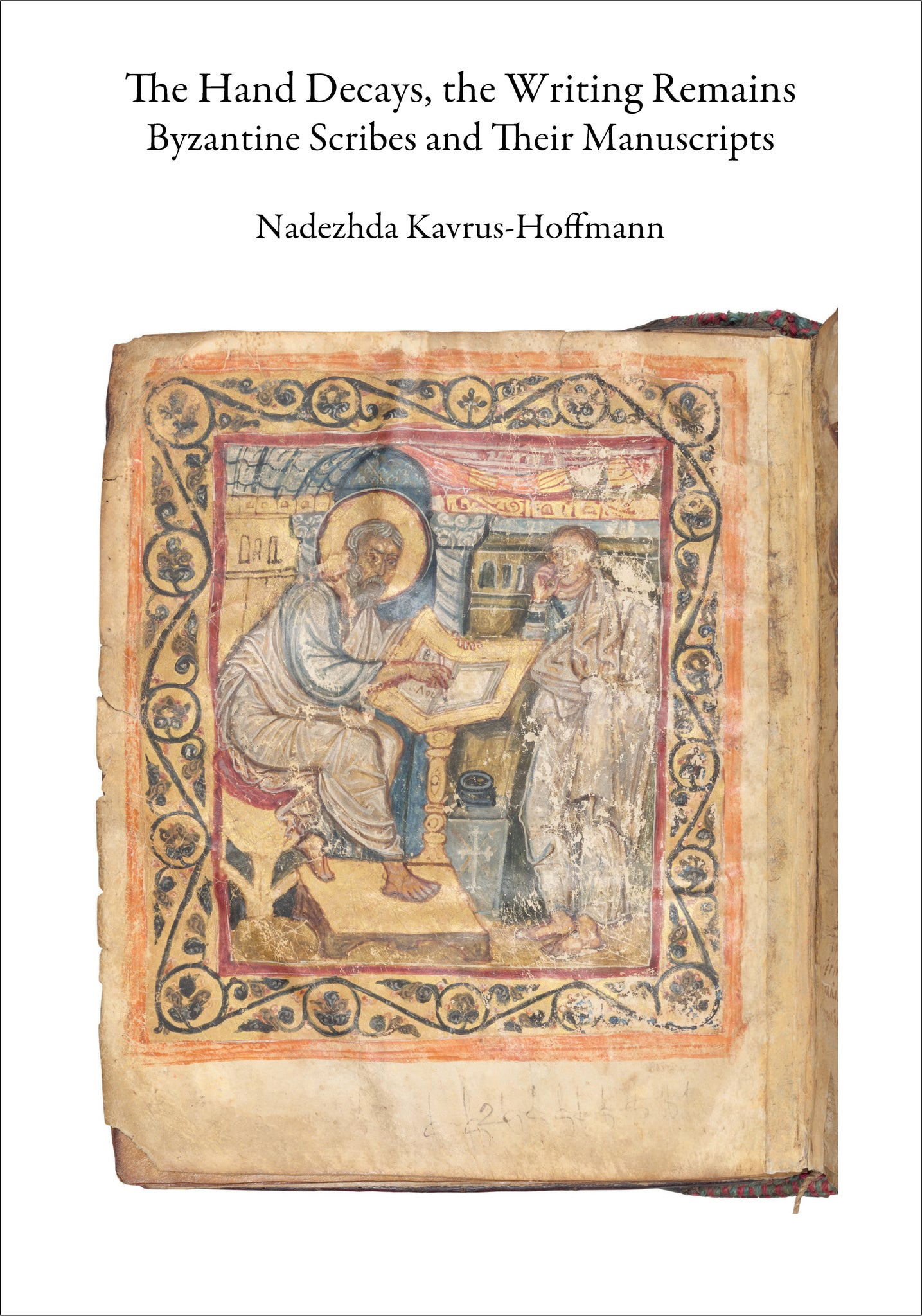
This scholarly book delves into the intricate world of Byzantine scribes and the manuscripts they meticulously created. It investigates the social, cultural and religious contexts that shaped the lives and works of these scribes, who played a crucial role in preserving the literary and theological heritage of Classical Greece and the Byzantine Empire. Through an in-depth analysis of various manuscripts, the book sheds light on the scribal practices, calligraphic styles and the materials used in manuscript production. It also explores the transmission of texts, the influence of patronage and the interaction between scribes and their contemporary intellectual milieus. This comprehensive study is a valuable resource for academics, historians, biblical scholars and anyone interested in the legacy of Byzantine literary culture.


Dr. Nadezhda Kavrus-Hoffmann is a specialist in Greek paleography and Byzantine manuscripts. She is working as an independent scholar and has published numerous articles in scholarly journals. She is the author of catalogues of Greek manuscripts in American collections, including those of Brown, Columbia and Harvard Universities, the University of Michigan, Dumbarton Oaks, and the Morgan Library & Museum. She resides in Glenmont, N.Y. and Washington, D.C.
Preface; Notes to Reader: Bibliographic Abbreviations, Library Abbreviations, Common Abbreviations; Chapter I. The Moscow Codex of Libanius: One More Manuscript Produced in the Circle of Demetrios Triklinios; Chapter II. St. Petersburg Fragment from a Ninth-Century Meteora Manuscript and Its Relation to the Manuscripts of the ‘Philosophical Collection’; Chapter III. The Stoudite Scriptorium in the Ninth Century: Codicological and Paleographic Description and Analysis of the Stoudite Manuscripts from the Collections of St. Petersburg and Moscow; Chapter IV. Minuscule “Bouletée” in Greek Manuscripts of Moscow and St. Petersburg; Chapter V. The Morgan Library Manuscript of Dioscorides MS M.652: Codicological and Paleographic Description and Analysis; Chapter VI. Moscow Codex of Commentaries on Psalms and Odes: One More Manuscript Written by the Scribe Michael (Scriptorium of the Lavra ‘τοῦ Στύλου’); Chapter VII. Lost and Found Folios of Codex Athens, National Library of Greece 2641: Free Library of Philadelphia Fragment Lewis E 251; Chapter VIII. Two Solar Eclipses and the Date and Localization of the Kerasous Gospels from the Morgan Library and Museum; Chapter IX. Codex Harvardianus Typ 46: One More Manuscript of the ‘Philosophical Collection’; Chapter X. The Scribe Gennadios of the Hodegon Monastery: A Case Study of Digraphism and Brotherly Spirit; Chapter XI. Producing New Testament Manuscripts in Byzantium: Scribes, Scriptoria, and Patrons; Chapter XII. An Anonymous Scribe of Codices Sinaitici graeci 417 and 1112 and Manuscript Production on Mount Sinai in the Early Tenth Century; Indices: General and Manuscripts; bibliography.