





Some error occured while loading the Quick View. Please close the Quick View and try reloading the page.
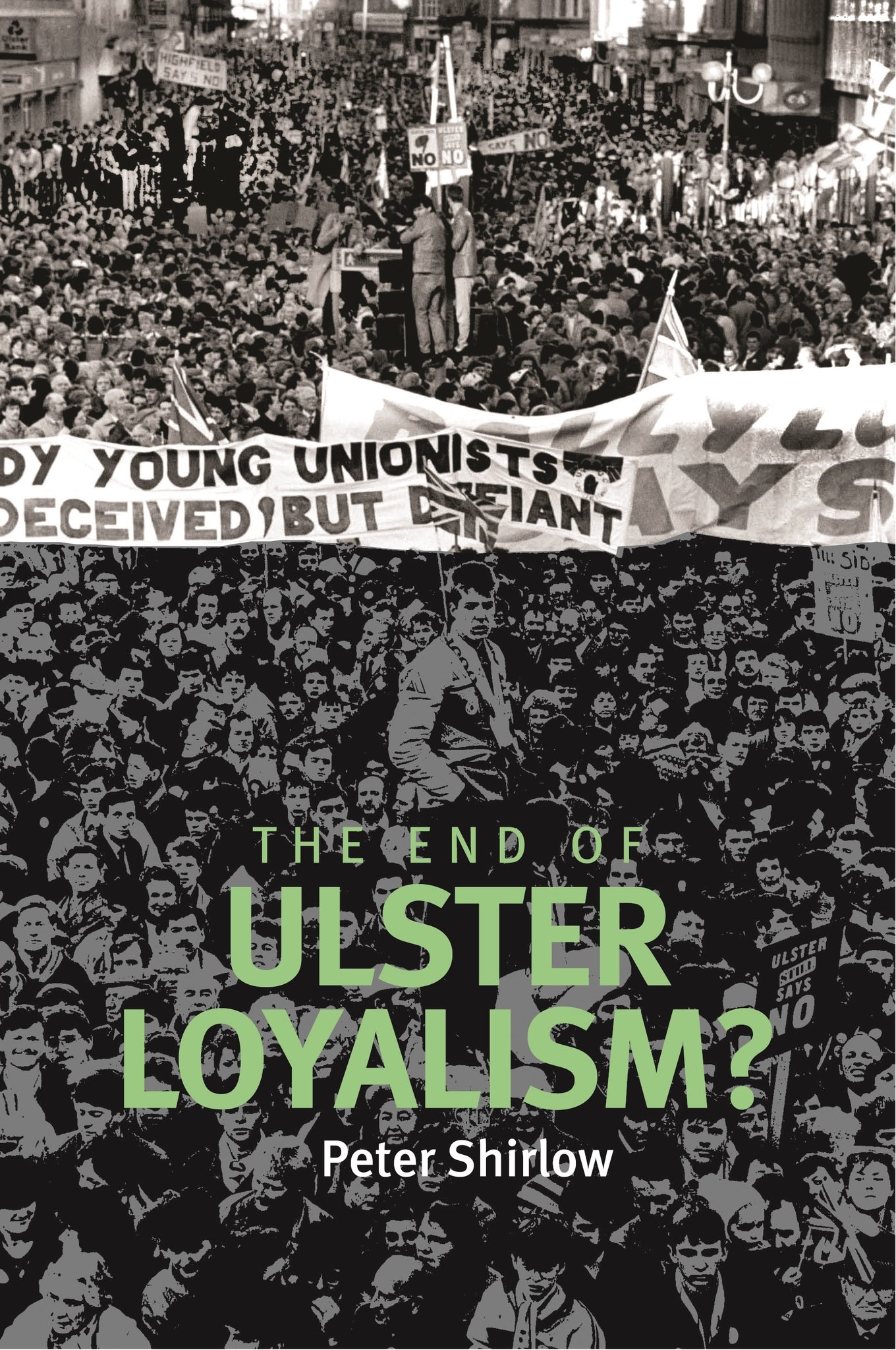


There is, however, another unexpected side to loyalism, as Peter Shirlow's book demonstates.
Shirlow distinguishes between the 'idiocy' of rejectionist loyalism willing to engage with the demands of the Catholic community and to think imaginatively about conflict resolution.
One aspect of the Northern Irish milieu is also explored with admirable dexterity in Peter Shirlow's The End of Ulster Loyalism?
'This book will be of significant interest to scholars interested in post-conflict Northern Ireland and in other societies emerging from conflict. It is written in a scholarly manner with the clear intention of appealing, principally, to an academic readership. Furthermore, it also has genuine interdisciplinary appeal. As such, it will be of interest to scholars from political science, criminology, conflict studies and political sociology.'
Peter Munce, Political Studies Review Volume 12, Issue 3, September 2014
'A thoroughly written piece that emanates ideas of sociology and criminology.'
Shared Future News
Introduction
1. The extent and nature of loyalist violence
2. Collusion: Myth, reality and complete ignorance
3. Idea building and the beginning of loyalist transformation
4. A mad dog and a regal rodent: Interpreting the wreckers and spoilers
5. Loyalist conflict transformation: Beyond idiocy
6. Beyond enclosure: Reimaging and the challenge to ‘self’
7. The problem with loyalists or loyalist’s problems?
Conclusion
Bibliography
Index