





Some error occured while loading the Quick View. Please close the Quick View and try reloading the page.
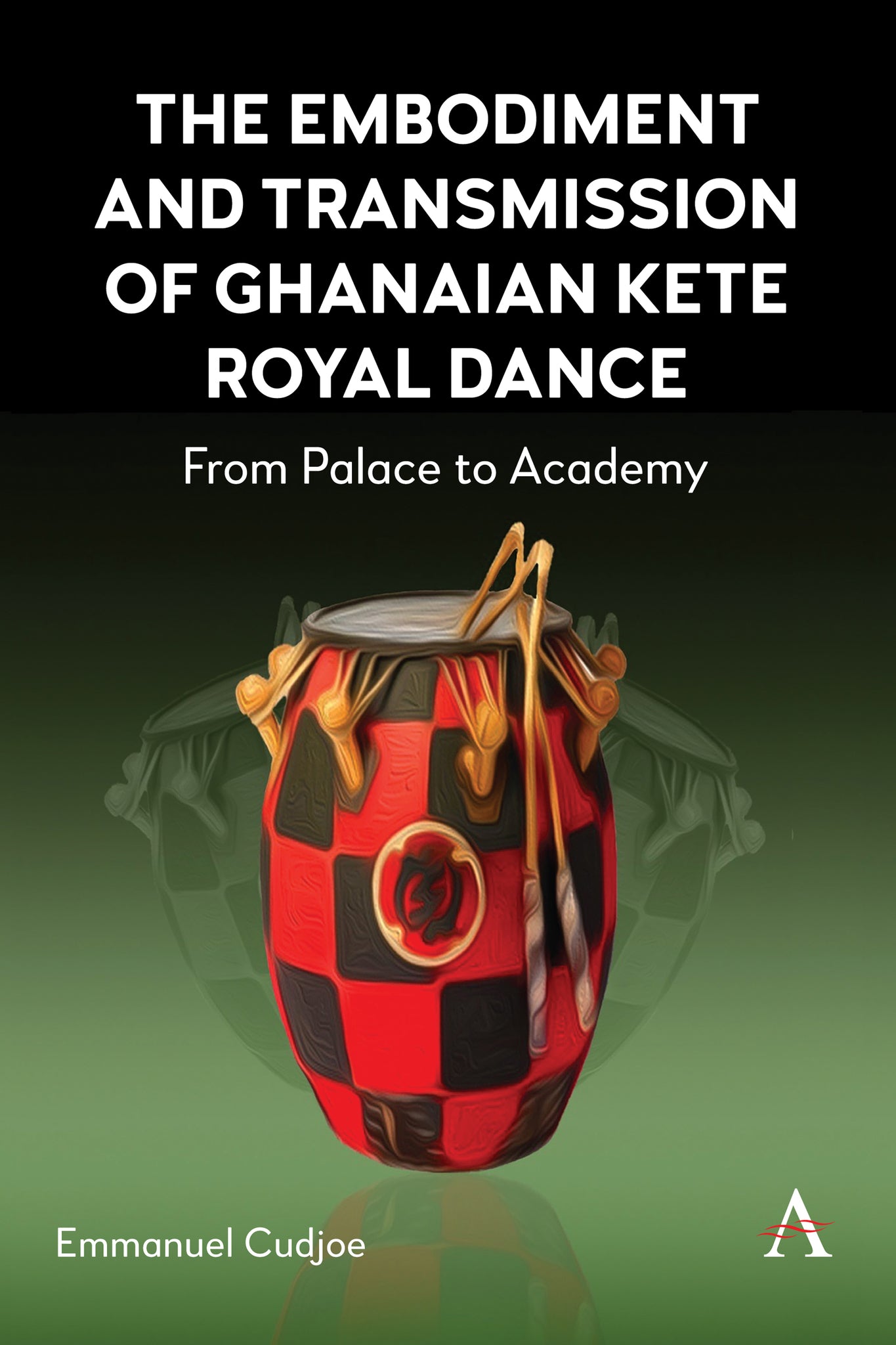
The Kete dance form, once exclusive to royal courts, carries intricate movements, symbolic gestures, and rhythms that mirror Ghanaian history and values. It embodies storytelling, often depicting tales of bravery, unity, or significant historical events. These dances were traditionally reserved for specific occasions within the royal setting, symbolizing prestige, honor, and tradition.
With the passage of time, the transmission of Kete royal dance has transcended its original palace context, finding its way into academic domains. Universities and cultural institutions now extend the legacies of this dance form and even act as custodians of this art form, where scholars, dancers, and enthusiasts collaborate to study, preserve, and teach Kete dance.
Through meticulous documentation, research, and practice, the academy endeavors to honor the Kete dance while making it accessible to a broader audience. This transmission from palace to academy serves as a testament to the resilience and adaptability of cultural traditions. It ensures the continuity of Ghanaian heritage and allows future generations, both within and beyond Ghana, to appreciate and learn from this profound dance form from an Afrocentric perspective.


“The author brings a triple experience to this work. First, he grew up as a royal Kete dancer, instructed to ‘walk as a royal,’ and to display that royalty in the Kete dance with pride, becoming the center of attention, with music ingrained in the heart, mind, and spirit. Second, he has experience as a dance teacher, and third, as a researcher. This combination not only opened avenues for research but also allowed the author to adopt mythologies that benefit from interviewing dancers and musicians, as they relive their conscious experiences as royal performers and dance experts. This approach enriches the examination of the structural intricacies of Kete dance forms.”—Alhaji Abdulai Iddrisu, Chair, History Department, St. Olaf College, Northfield, MN