





Some error occured while loading the Quick View. Please close the Quick View and try reloading the page.
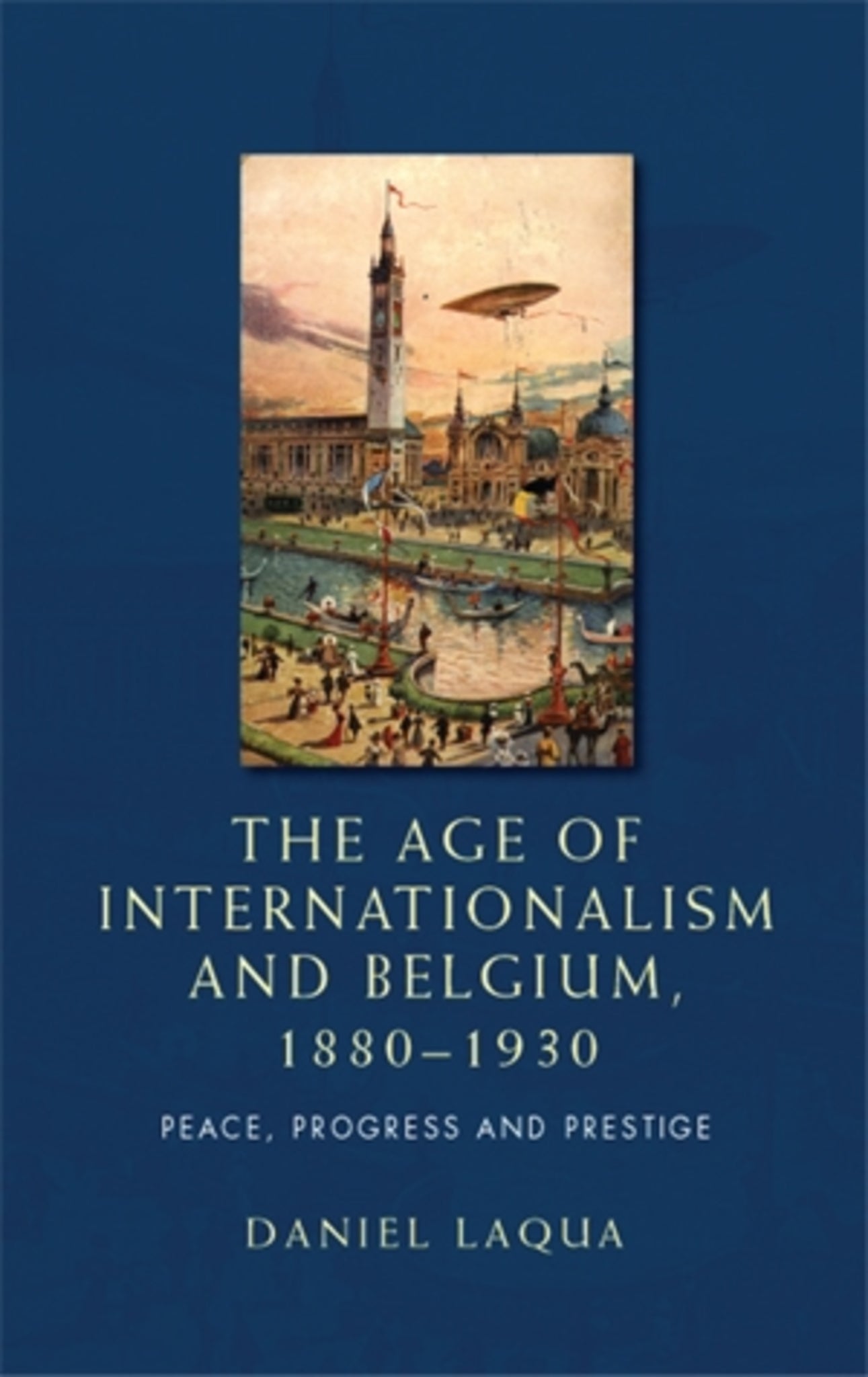
Belgium was a major hub for transnational movements. By taking this small and yet significant European country as a focal point, the book critically examines major issues in modern history, including nationalism, colonial expansion, debates on the nature of international relations and campaigns for political and social equality.
The study explores an age in which many groups and communities – from socialists to scientists – organised themselves across national borders. The timeframe covers the rise of international movements and associations before the First World War, the conflagration of 1914 and the emergence of new actors such as the League of Nations. The book acknowledges the changing framework for transnational activism, including its interplay with domestic politics and international institutions.
By tracing international movements and ideas, the book aims to reveal and explain the multifarious and sometimes contradictory nature of internationalism.


Altogether, Laqua's inquiry is a concise and precise analysis of a lesser-known aspect of Belgian studies: cultural, social and political internationalism...
In a nutshell, this book is a succinct masterpiece of the subject of Belgian internationalism.
[Genevieve Warland; The Journal of Belgian History, vol. 43, no. 4 (2013)]
Introduction
1. Nationhood
2. Empire
3. Church and state
4. Equality
5. Peace
6. Universalism
Conclusion: Internationalism and the Belgian crossroads
Select bibliography
Index