Skip to product information
1 of 1

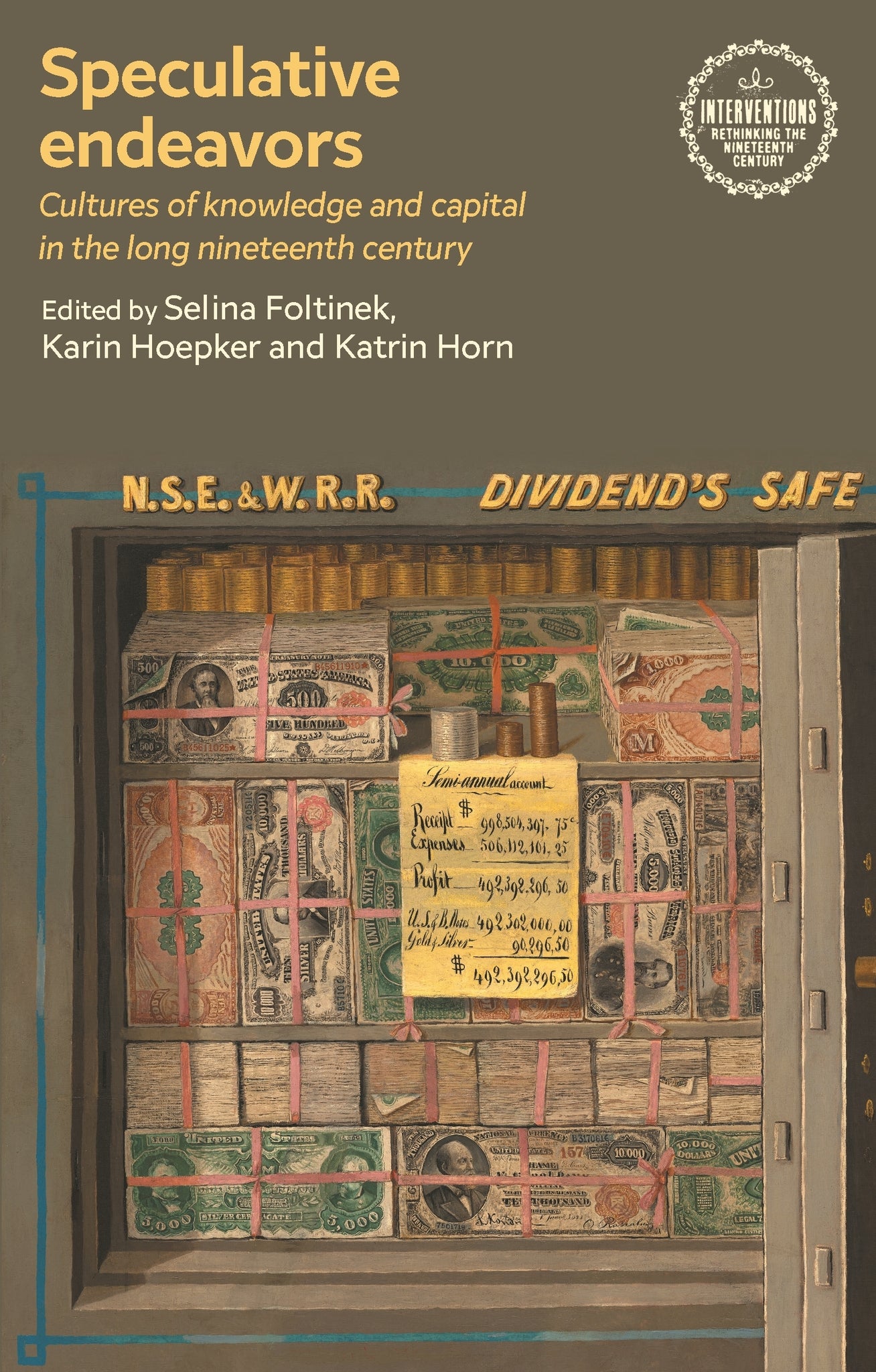
Speculative endeavors

Regular price £85.00
Sale price £85.00 Regular price £85.00
Sale Sold out
This book focuses on alternative forms of knowledge production and speculation in nineteenth century US-American society, and highlights the strategies that minoritarian subjects developed to under...
Read More
  • Format:
  • 29 April 2025
View Product Details
Speculative endeavours contributes to an emerging field of scholarship that focuses on alternative forms of knowledge production and speculation in nineteenth century US-American society. It sheds light on unofficial knowledges such as insider information, rumour, gossip, slander, emphasising how knowledges excluded by institutional discourses and authorities form a core part of the developing market economy. Ranging from the Early Republic to the Gilded Age, contributions analyse entanglements of financial, cultural, and social capital. They focus on social actors who differ from the newly minted ideal of the (free, white, male) entrepreneurial individual. The speculative endeavours discussed include illicit communications located in slave quarters and domestic spaces, communal interventions into a commercialised print market, debates on immigrant fiduciary and legal competency, and disciplinary techniques of pecuniary pedagogy. Taken together they offer unprecedented interdisciplinary insights into an emerging age of capital.
files/i.png Icon
Price: £85.00
Pages: 264
Publisher: Manchester University Press
Imprint: Manchester University Press
Series: Interventions: Rethinking the Nineteenth Century
Publication Date: 29 April 2025
ISBN: 9781526182159
Format: Hardcover
BISACs:

LITERARY CRITICISM / Modern / 19th Century, Literary studies: c 1800 to c 1900, SOCIAL SCIENCE / Gender Studies, Decolonisation of knowledge / Decoloniality, History of ideas

REVIEWS Icon

Introduction: Managing Knowledge and Capital in the Nineteenth Century – Karin Hoepker and Katrin Horn
Part I: Capital, Reputation, and Legal Recognition
1. Sometimes it IS worse to be talked about: Epistemic Surplus and Social Capital – Karen Adkins
2. Rumor as Speculative Practice: Reports of Slave Uprisings in the Nineteenth-Century US South – Sebastion Jobs
3. US Immigrants, Remittances, and the Courts, 1904–25 – Atiba Pertilla
Part II: Commerce, Print Culture, and the Circulation of Knowledge4. Epistemic Style and the “Knowing Unknown” of Racial Capitalism in W.E.B. Du Bois’s “Scorn” – Alexander Starre
5. Black Editorship and the Economics of Print: Pauline E. Hopkins and the Colored Press Conventions – Andrew Erlandson
6. “Interesting to Ladies”: How Foreign Correspondents Made Gossip a Profession – Selina Foltinek and Katrin Horn
Part III: Pedagogies and Practices of the Home
7. Raising Capitalist Citizens: Pecuniary Pedagogies and Belonging in the United States, 1820–1900 – Jaclyn Schultz
8. Genteel Performance, Embodied Knowledge, and the Quest for Status in US American Parlors – Carola Bebermeier
9. Speculative Knowledge: Ellen Richards and Science of the Home, 1870–1911 – Serenity Sutherland
Index