





Some error occured while loading the Quick View. Please close the Quick View and try reloading the page.
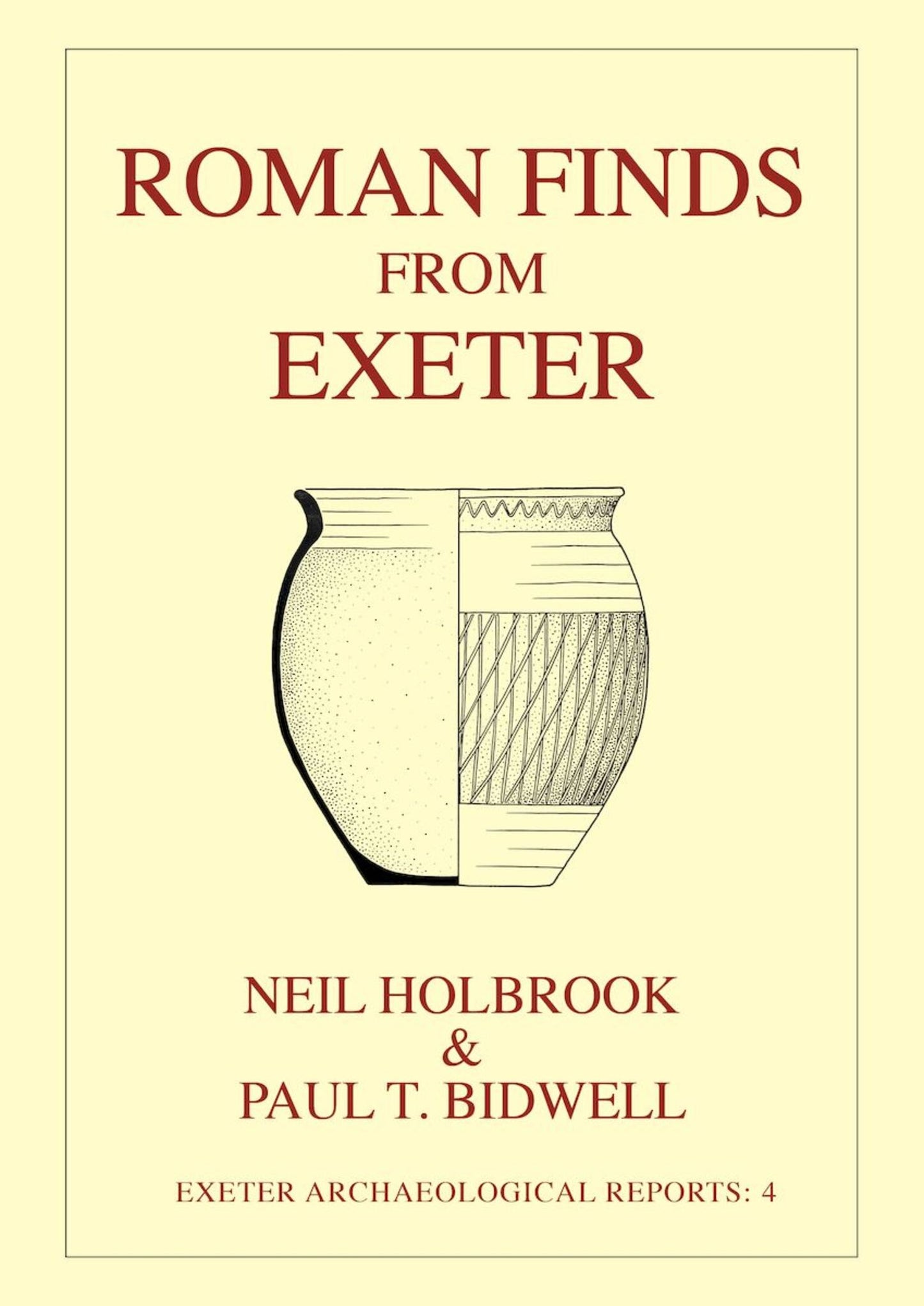
Exeter, fortress of the Second Augustan Legion and subsequently the capital of the civitas Dumnoniorum, played an important part in the history of Roman Britain. This comprehensive study of finds from Exeter throws new light on the economy of south-west England and its foreign trade in Roman times.
There are extensive type-series of Roman pottery found in the South West, based not only on first-hand study of material from Exeter but also from throughout the region, and detailed catalogues of the many imports by K. Greene, K.Hartley, V. Rigby, V. Swan and others. Finds apart from pottery include Roman coins (R. Reece and N. Shiel) and small finds (L. Allason-Jones); the many alleged finds of Byzantine and other Eastern Mediterranean coins are shown to be spurious by G. Boon.
Wide-ranging discussions assess the significance of the finds for the history of the Roman fortress and town and for the local economy.


1. Introduction and chronology of Roman Exeter
2. Aspects of the supply and trading links of Roman Exeter
3. The coins
4. The Samian ware
5. The fine wares
6. The coarse potttery
7. The mortaria and amphorae
8. The glass
9. The small objects
10. Building materials
Appendices
Bibliography
Index