





Some error occured while loading the Quick View. Please close the Quick View and try reloading the page.
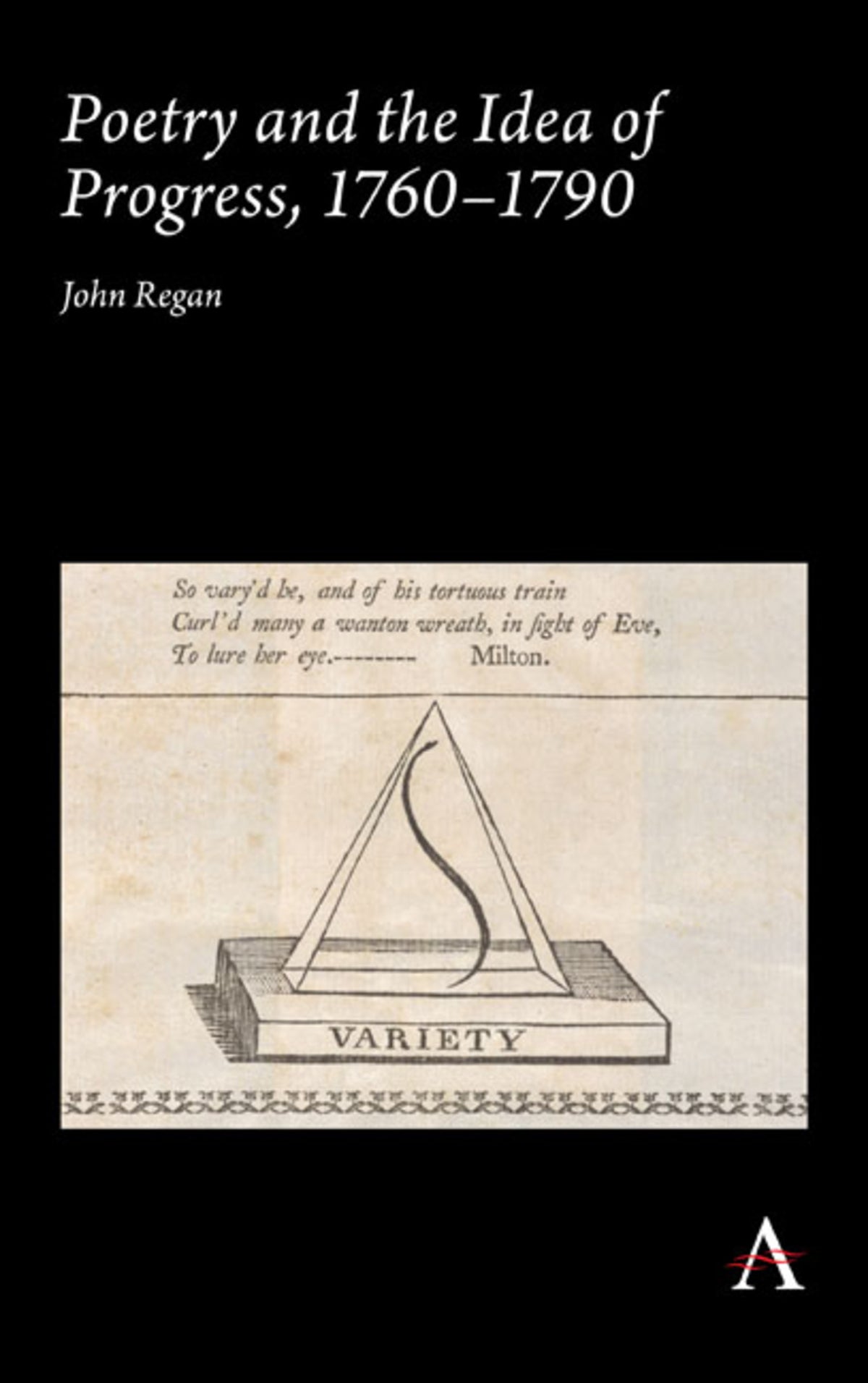
Poetry and the Idea of Progress, 1760–1790 explores under-examined relationships between poetry and historiography in the eighteenth century, deepening our understanding of the relationship between poetry and ideas of progress with sustained attention to aesthetic, historical, antiquarian and prosodic texts from the period. Its central contention is that the historians and theorists of the time did not merely instrumentalize verse in the construction of narratives of human progress, but that the aesthetics of verse had a kind of agency – it determined the character of – historical knowledge of the period. With numerous examples from poems and writing on poetics, Poetry and the Idea of Progress, 1760–1790 shows how the poetic line became a site at which one could make assertions about human development even as one experienced the expressive effects of metred language.


This is a wide-ranging, discriminating book, which moves skilfully between diverse fields and critical approaches'
—Fiona Milne University of York, 'The British Association of Romantic Studies Review,' No. 52 (Autumn 2018).
John Regan is a research fellow in English literature at the University of Cambridge, UK. His research interests centre on the cultural dialogue between poetics and historical writing in the long eighteenth century.
List of Figures; Acknowledgements; Introduction; Part One: The Cultural Logic of Progress; Part Two: ElocutionaryPoetics in the Context of ‘Taste’; 1. Progress by Prescription; 2. Thomas Sheridan and the Divine Harmony of Progress; Part One: Harmony Articulated; Part Two: From Disinterestedness to the Divine; 3. ‘There Is a Natural Propensity in the Human Mind to Apply Number and Measure to Every Thing We Hear’: Monboddo, Steele and Prosody as Rhythm; Part One: Monboddo’s Theory of Linguistic Progress; Part Two: Steele’s Emphasis; Part Three: Rhythm as Prosody; 4. ‘[C]ut into, distorted, twisted’: Thomas Percy, Editing and the Idea of Progress; Part One: The Stadial Antiquarian; Part Two: Prosody as Pressure Point; 5. ‘Manners’ and ‘Marked Prosody’: Hugh Blair and Henry Home, Lord Kames; Afterword: Rude Manners, ‘Stately’ Measures: Byron and the Idea of Progress in the New Century; Conclusion; Notes; Bibliography; Index.