





Some error occured while loading the Quick View. Please close the Quick View and try reloading the page.
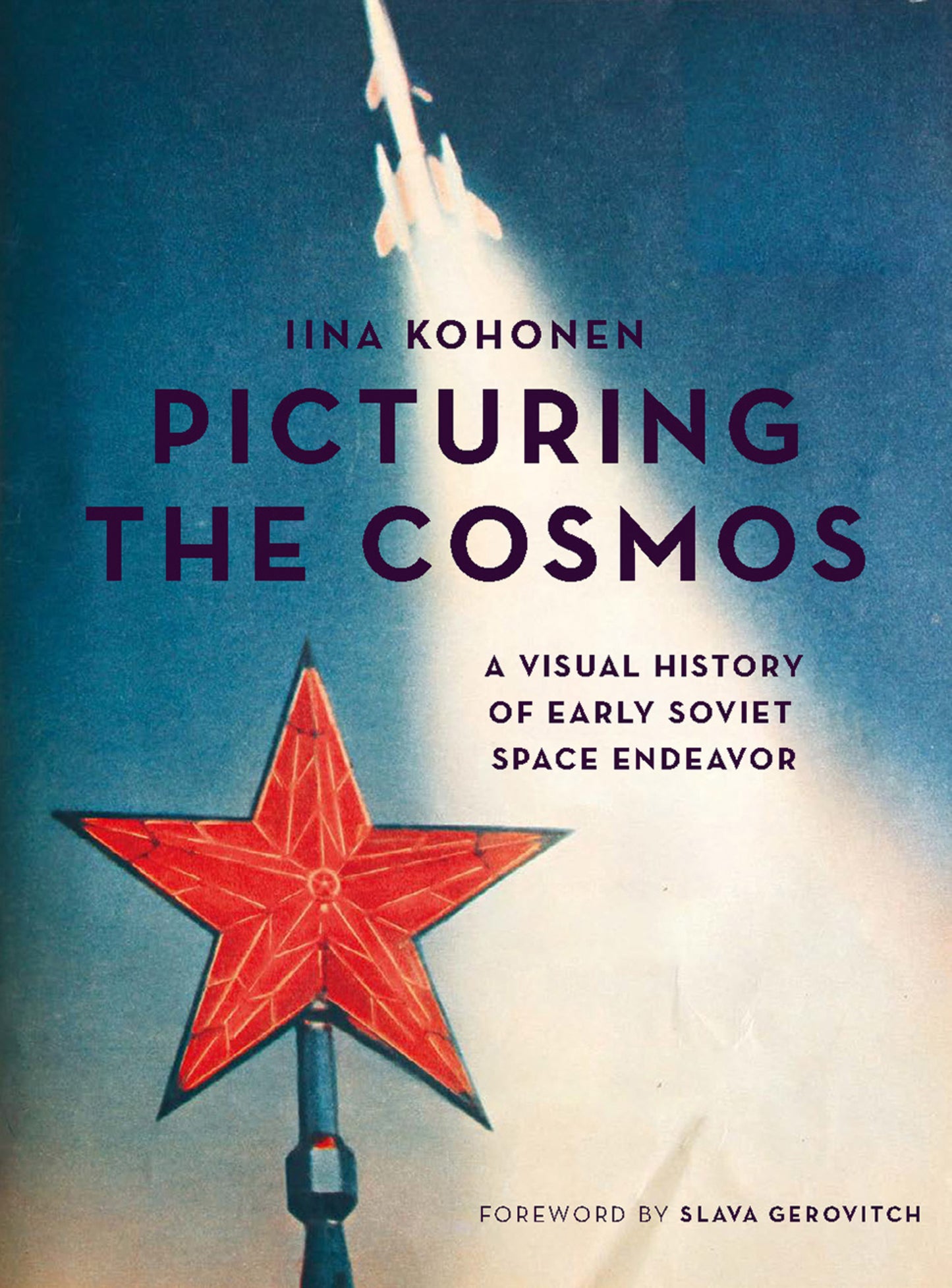
Picturing the Cosmos elucidates the complex relationship between visual propaganda and censorship in the Soviet Union in the Cold War period, focusing on the 1950s and 1960s. Drawing from a comprehensive corpus of rarely seen photographs and other visual phenomena narrating the Soviet Union’s 1957 victory in the ‘Race for Space’, the author illustrates the media’s role in cementing the way for Communism whilst retaining top-secret information. Each photo is examined as a deliberate, functioning part of a specific political, ideological and historical situation that helped to anchor the otherwise abstract political and intellectual concepts of the future and modernization.


'Kohonen situates artistic representations of the Soviet space age in the context of the changing sensibilities of post-Stalinist culture and the aesthetics of Socialist Realism, revealing how these images brought previously unknown and unimagined cosmic vistas into the Soviet imperial project and allowed for a more nuanced and less triumphant articulation of heroism. She shows how the conquest of space was accomplished with the help of photography and cartography, and how new technology provided access to previously inaccessible landscapes. Following Marshall Berman, who located a key contradiction of high modernism in the fact that technology enables and defines progress, but also has the capacity to destroy it, she helps us understand the contradictory dynamics of a history that celebrated the heroic, otherworldly and extraordinary, at the same time it honoured the commonplace, earthbound, and even quotidian.'
Introduction
A Slash Across the Heavens
Travelers in the Void
Story of the Heroic Conquest of Space
A Completely Ordinary Hero
The Housebroken Hero
The Tormented Hero
Conclusions