





Some error occured while loading the Quick View. Please close the Quick View and try reloading the page.
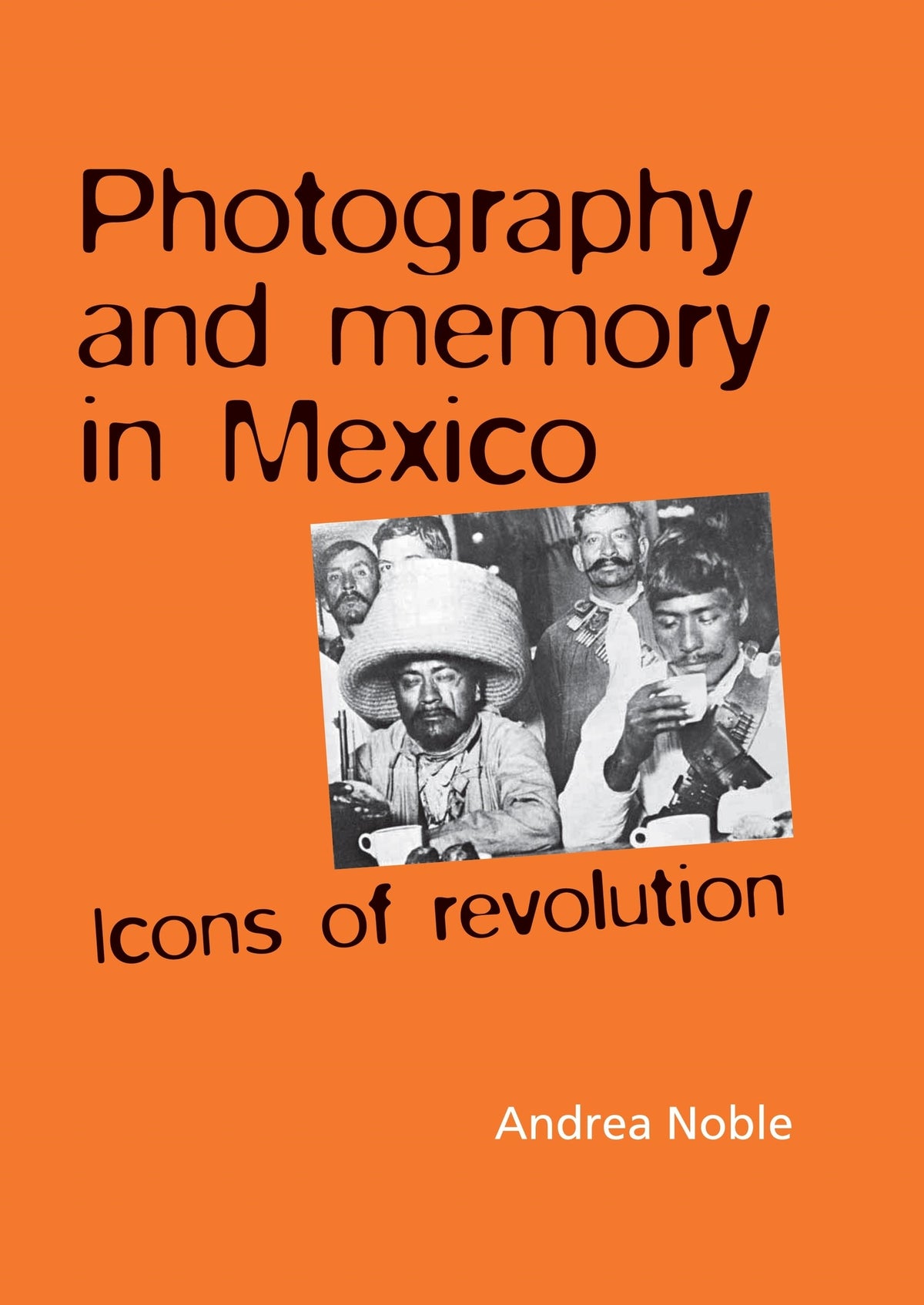
Photography and memory in Mexico traces the ‘life stories’ of some of the famous photographic images made during the 1910 revolution, which have been repeatedly reproduced across a range of media in its aftermath. Which photographs have become icons of the revolution and why these particular images and not others? What is the relationship between photography and memory of the conflict? How do we construct a critical framework for addressing the issues raised by iconic photographs? Placing an emphasis on the life, afterlife and also the pre-life of those iconic photographs that haunt the post-revolutionary landscape, Andrea Noble approaches them as dynamic objects, where their rhetorical power is derived from a combination of their visual eloquence and their ability to coordinate patterns of identification with the memory of the revolution as a foundational event in Mexican history.
Richly-illustrated, this book will be of interest to all those interested in photography, memory studies, and Mexican cultural history.


List of illustrations
Panoramas
1. Icons of revolution
2. History through photography
Close-ups
3. Photography at the end of an epoch
4. The presidential chair
5. The firing squad
6. Seeing women
7. The revolutionary morgue
8. Zapatistas in the city
9. Conclusion
Bibliography
Index