





Some error occured while loading the Quick View. Please close the Quick View and try reloading the page.
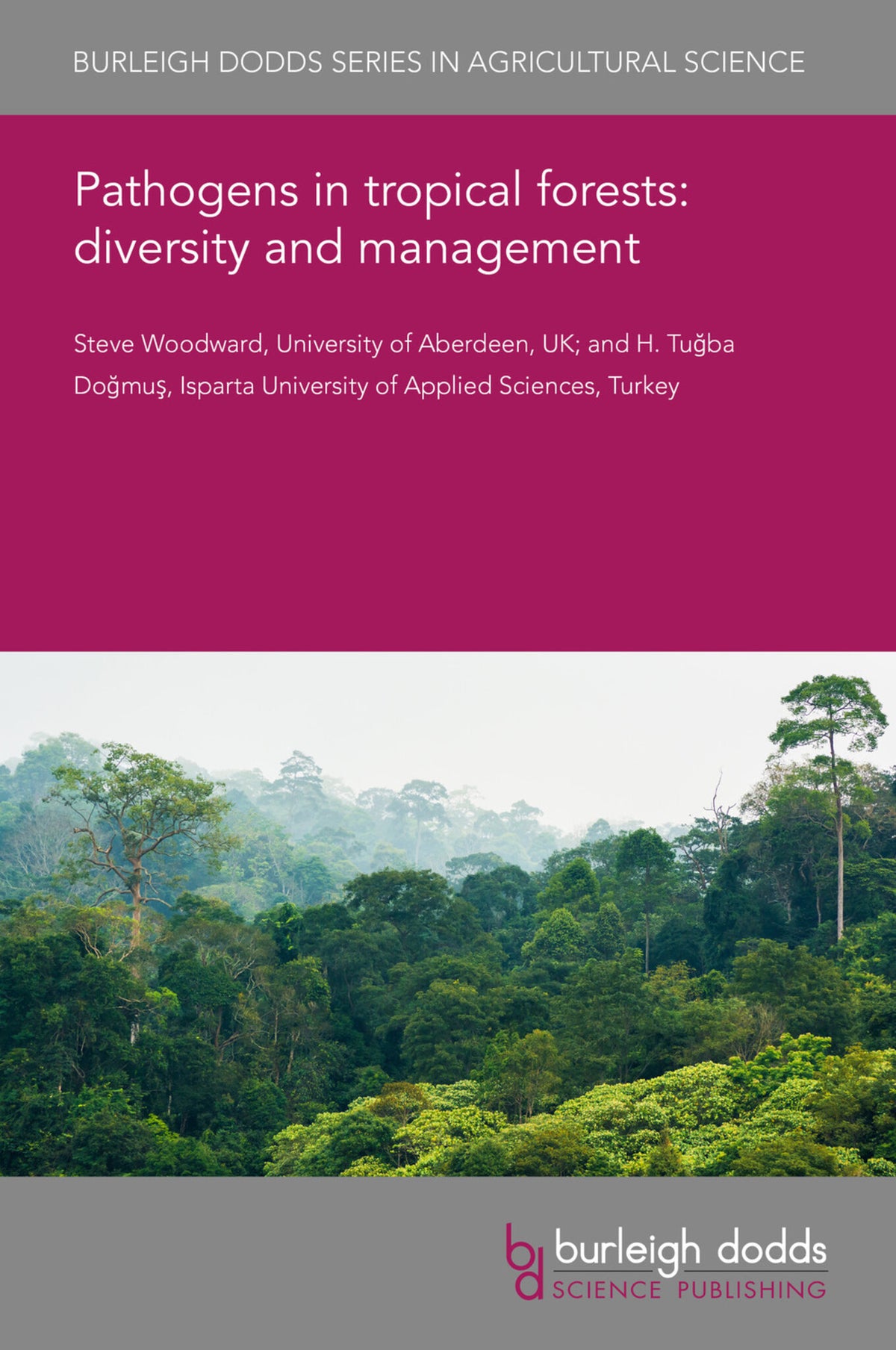
Plants in tropical forests are subject to attack by a wide range of pathogenic organisms, including fungi, bacteria, viruses and parasitic plants, which reduce productivity. In natural forests, pathogens are normal components, arguably driving evolution through attacking susceptible individual trees, such that the following generations of plants are from more resistant parents. When serious abiotic problems arise, however, which may be natural or anthropogenically-induced, pathogens may cause very serious problems in forest ecosystems. Moreover, plantation forests tend to be more damaged by pathogens, particularly by alien invasive pathogens. In this chapter, the range of disease types affecting tropical forests is reviewed, using many individual pathogens as examples. The range of measures that can be used in managing pathogen problems in forestry is examined, taking into consideration pros and cons of each method.

Price: £25.00
Publisher: Burleigh Dodds Science Publishing
Imprint: Burleigh Dodds Science Publishing
Series: Burleigh Dodds Series in Agricultural Science
Publication Date:
26 October 2020
ISBN: 9781786769107
Format: eBook
BISACs:

1 Introduction 2 Root diseases 3 Stem diseases 4 Wilt diseases 5 Foliage pathogens 6 Virus diseases 7 Nematodes 8 Algae and parasitic plants 9 Disease management 10 Where to look for further information 11 Acknowledgements 12 References