





Some error occured while loading the Quick View. Please close the Quick View and try reloading the page.
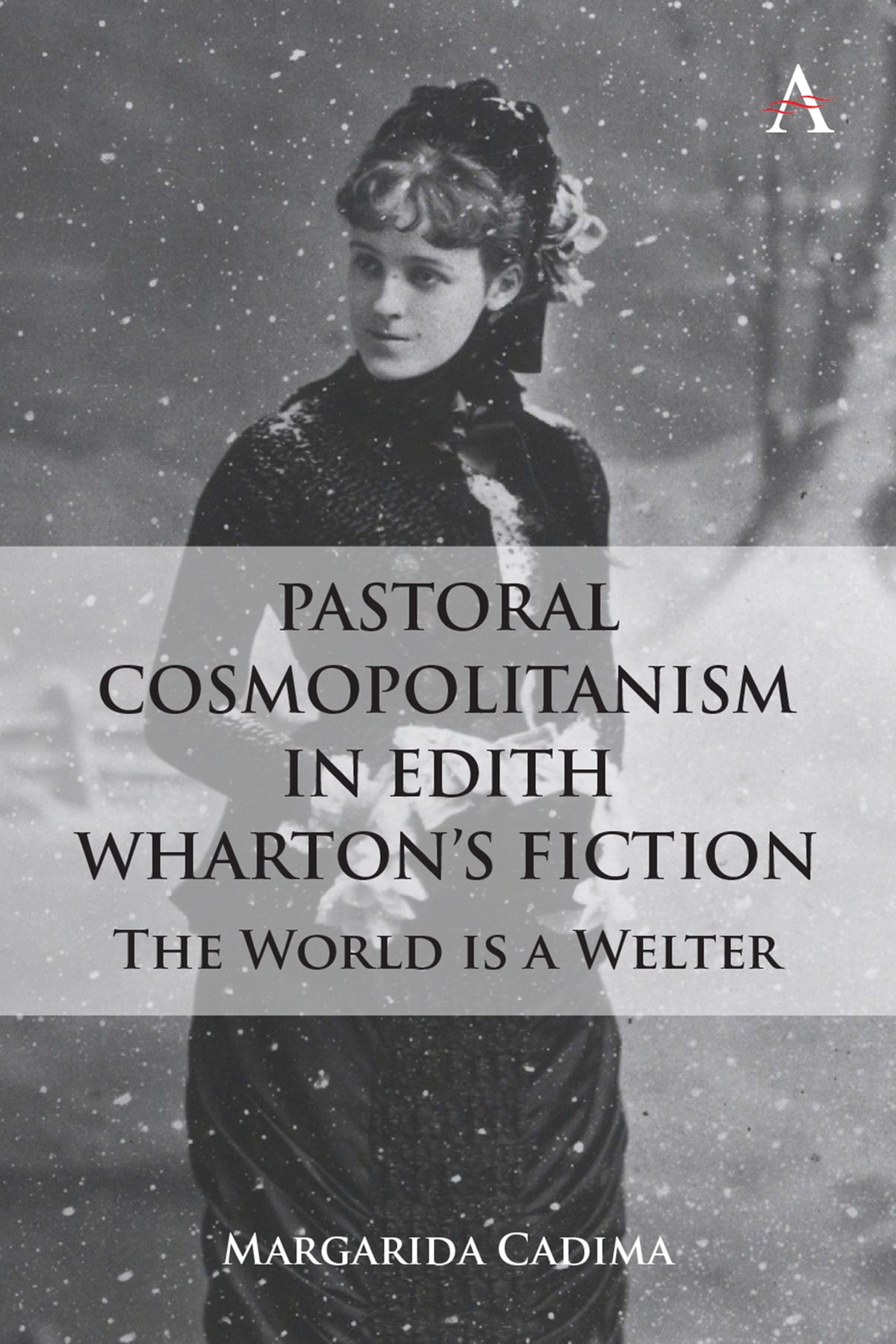
American novelist Edith Wharton (1862–1937) is best known today for her tales of the city and the experiences of patrician New Yorkers in the “Gilded Age.” This book pushes against the grain of critical orthodoxy by prioritizing other “species of spaces” in Wharton’s work. For example, how do Wharton’s narratives represent the organic profusion of external nature? Does the current scholarly fascination with the environmental humanities reveal previously unexamined or overlooked facets of Wharton’s craft? I propose that what is most striking about her narrative practice is how she utilizes, adapts, and translates pastoral tropes, conventions, and concerns to twentieth-century American actualities. It is no accident that Wharton portrays characters returning to, or exploring, various natural localities, such as private gardens, public parks, chic mountain resorts, monumental ruins, or country-estate “follies.” Such encounters and adventures prompt us to imagine new relationships with various geographies and the lifeforms that can be found there. The book addresses a knowledge gap in Wharton and the environmental humanities, especially recent debates in ecocriticism. The excavation of Wharton's words and the background of her narratives with an eye to offering an ecocritical reading of her work is what the book focuses on.


“Margarida Cadima’s Pastoral Cosmopolitanism is a fresh and original contribution to Wharton studies. Cadima brings us, through an ecocritical lens, new and infinitely suggestive ways to read both the most familiar and unfamiliar of Wharton’s fictional landscapes. It is no exaggeration to suggest that Cadima’s work marks a major new turn in Wharton criticism.” — Professor Dame Janet Beer (Emeritus), University of Liverpool
“Margarida Cadima’s sweeping study of gardens, parklands, mountains, and ruins in Wharton’s fic-tion clearly reveals the fraught interdependencies of urban and rural, elite and impoverished, con-sumption and waste of resources, which speak as much to readers today as they did to the global traveler and author when she was writing.” — Etta M. Madden, Emerita Professor of English, Missouri State University and Author of Engaging Italy: American Women Writers Utopian Visions and Transnational Networks
Margarida Cadima is an ecocriticism scholar whose research focuses on Edith Wharton, transatlantic literature, and the environmental humanities. She is the author of Pastoral Cosmopolitanism in Edith Wharton's Fiction.
Acknowledgments; Introduction; PART I. GARDENS, Chapter 1. The Pastoral Cosmopolitanism of the (Not So) Secret Garden; Chapter 2. American Back Grounds; Chapter 3. Garden “Haunts”; Chapter 4. Central Park as an “Ecological Threshold”?; Chapter 5. French Gardens and Their Meaning; PART II. MOUNTAINS, Chapter 6. “Endless Plays of Mountain Forms”: Mapping the Mountains; Chapter 7. Edith Wharton’s European Mountains of Leisure; Chapter 8. Rural Americana and the “New World” Mountains; PART III. RUIN/ATION Chapter 9. Romantic Ruins? Edith Wharton’s Sedimented Vision ; Chapter 10. “Old” Ruins as a Melancholic Object and a Critique of Empire; Chapter 11. Stony Waste—The “New Ruin” in the Modern Metropolis and Garden Ruins; Conclusion; Appendix 1: Spring in a French Riviera Garden; Appendix 2: December in a French Rivera Garden; Bibliography; Index