





Some error occured while loading the Quick View. Please close the Quick View and try reloading the page.
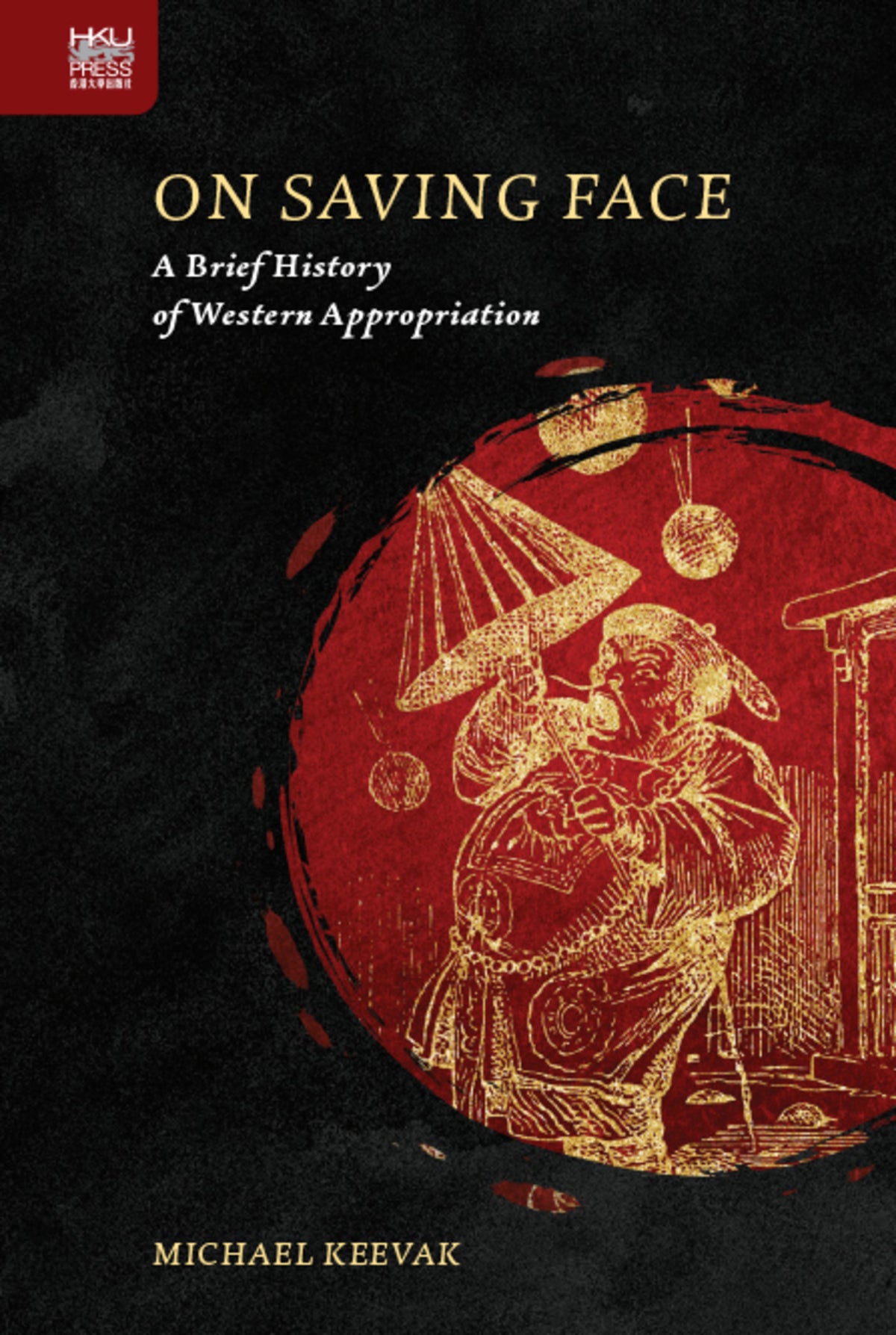
In On Saving Face, Michael Keevak traces the Western reception of the Chinese concept of “face” during the past two hundred years, arguing that it has always been linked to nineteenth-century colonialism. “Lose face” and “save face” have become so normalized in modern European languages that most users do not even realize that they are of Chinese origin. “Face” is an extremely complex and varied notion in all East Asian cultures. It involves proper behavior and the avoidance of conflict, encompassing every aspect of one’s place in society as well as one’s relationships with other people. One can “give face,” “get face,” “fight for face,” “tear up face,” and a host of other expressions. But when it began to become known to the Western trading community in China beginning in the middle of the nineteenth century, it was distorted and reduced to two phrases only, “lose face” and “save face,” both of which were used to suggest distinctly Western ideas of humiliation, embarrassment, honor, and reputation. The Chinese were judged as a race obsessed with the fear of “losing (their) face,” and they constantly resorted to vain attempts to “save” it in the face of Western correction. “Lose face” may be an authentic Chinese expression but “save face” is different. “Save face” was actually a Western invention.

Price: £53.00
Pages: 136
Publisher: Hong Kong University Press
Imprint: Hong Kong University Press
Publication Date:
15 September 2022
Trim Size: 9.00 X 6.00 in
ISBN: 9789888754281
Format: Hardcover
BISACs:

“To ‘save’ or to ‘lose face’, the ‘giving of face’ or the humiliating absence of such a noble gesture have since the nineteenth century been regarded as archetypical features of the puzzling cultural universe that ‘China’ represented in the eyes of the West. This book is the fruit of many years of meticulous research by Michael Keevak, conclusively argued and—importantly—enjoyably written. A ‘must’ for any reader with an interest in Chinese culture.”
—Lars Laamann, SOAS, University of London
“Revising assumptions that ‘saving face’ is a term of exclusively Chinese origin, Keevak traces deftly how the expression emerged rather in a shuttle movement between East and West, in European colonialist efforts to pinpoint and essentialize ‘Chineseness.’ This lucidly written book brings us to new understanding of an old term.”
—Emily Sun, Barnard College, Columbia University
—Lars Laamann, SOAS, University of London
“Revising assumptions that ‘saving face’ is a term of exclusively Chinese origin, Keevak traces deftly how the expression emerged rather in a shuttle movement between East and West, in European colonialist efforts to pinpoint and essentialize ‘Chineseness.’ This lucidly written book brings us to new understanding of an old term.”
—Emily Sun, Barnard College, Columbia University
Michael Keevak is a professor in the Department of Foreign Languages at National Taiwan University. His books include Embassies to China: Diplomacy and Cultural Encounters Before the Opium Wars (2017), Becoming Yellow: A Short History of Racial Thinking (2011), The Story of a Stele: China’s Nestorian Monument and Its Reception in the West, 1625–1916 (HKUP, 2008), The Pretended Asian: George Psalmanazar’s Eighteenth-Century Formosan Hoax (2004), and Sexual Shakespeare: Forgery, Authorship, Portraiture (2001).