





Some error occured while loading the Quick View. Please close the Quick View and try reloading the page.
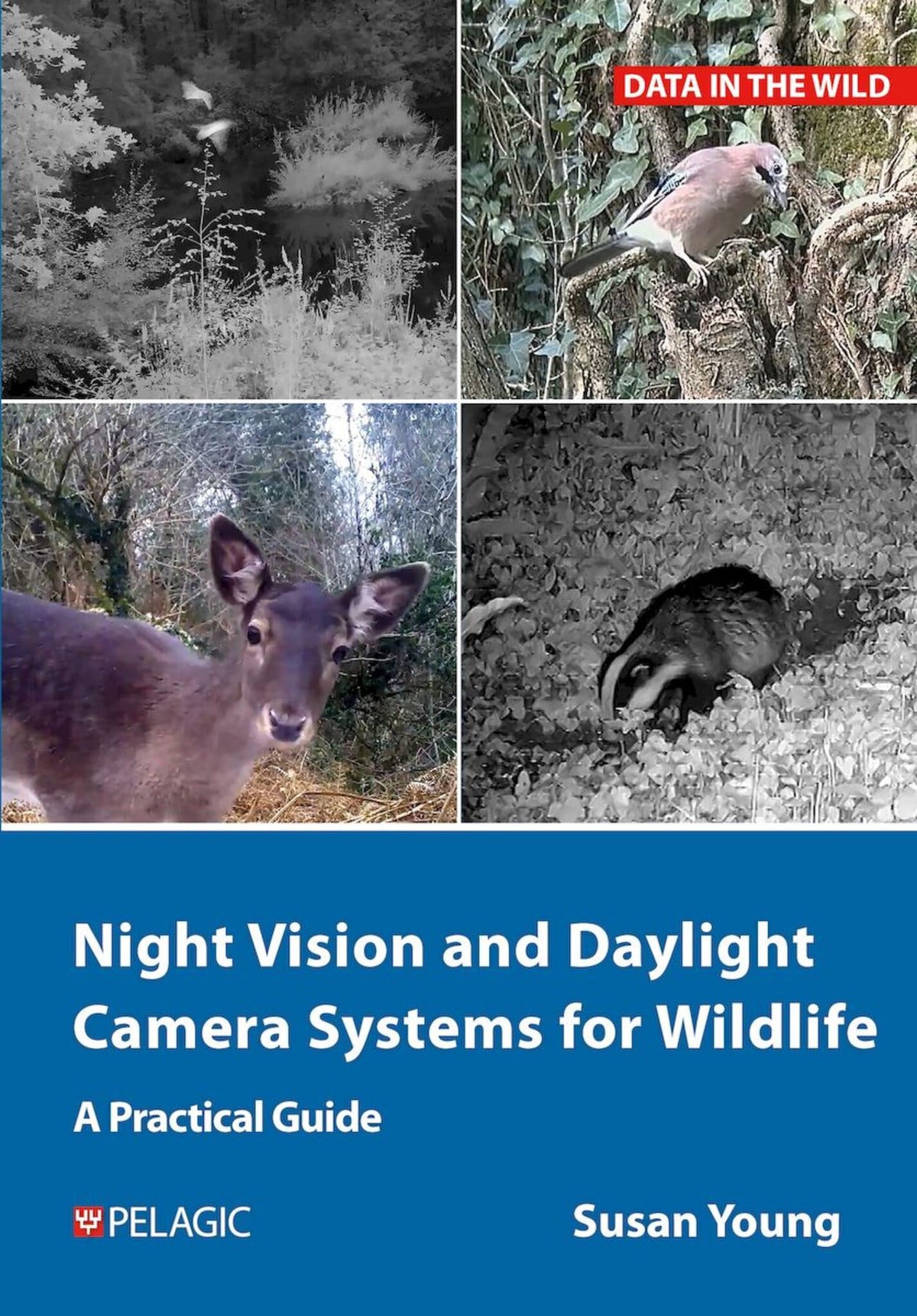
Only a small proportion of our most interesting wildlife is observed by naturalists. This book describes how, with the use of well-developed and reliable technology, animals can be filmed in a non-intrusive way without disturbing behaviour. Step-by-step, clearly illustrated details lead the reader past technical challenges and allow many new insights.
From bats to badgers, from hedgehogs to deer, whether by night or in the daytime, remote cameras adapted from security systems provide an ideal way to record and monitor behaviour over long periods. At a time when much of our wildlife is fast disappearing from the landscape, the need for more knowledge is especially important. Divided into sections covering different approaches and species groups, this guide offers a variety of unique and valuable tools to aid greater understanding. It will be helpful for anyone who wants to harness the power of technology to increase their understanding of wildlife, from the professional ecologist to the amateur field naturalist or keen wildlife gardener.


This is a book which you definitely need if you want to get the best out of using camera traps... the ideal guide.
— John Miles
The tools and systems introduced in this book are available to us all... As a nature lover, I relish the thought of the wildlife stories that will be revealed through the use of these techniques... As a conservationist, I am excited to think what insights may be gained to steer conservation and scientific research. Happy film-making!
— Matt Larsen-Daw
It is rare to find a practical guide that is as practical as this one. The book is aimed at a wide range of interests and provides detailed instructions for specific species... Anyone who has spent years of their life observing the behaviour of certain species of birds (e.g. tits) in nest boxes would have loved to receive the advice generously offered in this book.
— Bruno Massa
...ideal for those who want to up their game.
— Keith Betton
— Letizia Campioni
Written in simple, easy to follow language, this book contains a huge amount of technical information that will allow anyone to set up a remote monitoring system.
Susan Young is a photographer and writer living in South Devon. She gives wildlife photography courses, and has had numerous photographic exhibitions, as well as publishing various articles and books – including Wildlife Photography Fieldcraft. This book is the culmination of eight years of research with Natural England, the Woodland Trust and more recently the Mammal Society, on the use of remote camera systems to monitor wildlife.
Foreword
Preface
Acknowledgements
Abbreviations
Camera systems for wildlife: an overview
Chapter 1: Wildlife enthusiasts
Badgers
Foxes
Small mammals
Deer
Tawny owl
Chapter 2: Public engagement and schools
Small mammal feeding station (schools)
Bird-feeder camera systems (schools)
Ponds/bird baths (schools)
Pond dipping (schools)
Dormouse boxes (public engagement)
Otters (public engagement)
Rockpools (public engagement and schools)
Chapter 3: Ecology and conservation
Bats
Badgers
Deer
Otters and beavers
Small mammal surveys
Birds
Insects
Chapter 4: Research
Great crested newt
Bats
Water voles
Dormice
Remote recording using wireless transmission
Chapter 5: Setting up outside
Introduction
Choice of environment
Mounting options
Recorder parameters
Hints and tips
Chapter 6: Equipment details
6.1 Cameras
6.2 Recorders
6.3 Cables
6.4 Monitors
6.5 Power
6.6 Useful accessories
Chapter 7: Connecting and setting up equipment
7.1 The equipment from a connection standpoint
7.2 Connecting it all up
7.3 Setting up the recorder
7.4 Connecting to the internet
7.5 Video conversion and editing
7.6 Wildlife protocols
Appendices
A1 Connector details
A2 Power calculations
A3 Other night vision cameras
References
Index