





Some error occured while loading the Quick View. Please close the Quick View and try reloading the page.
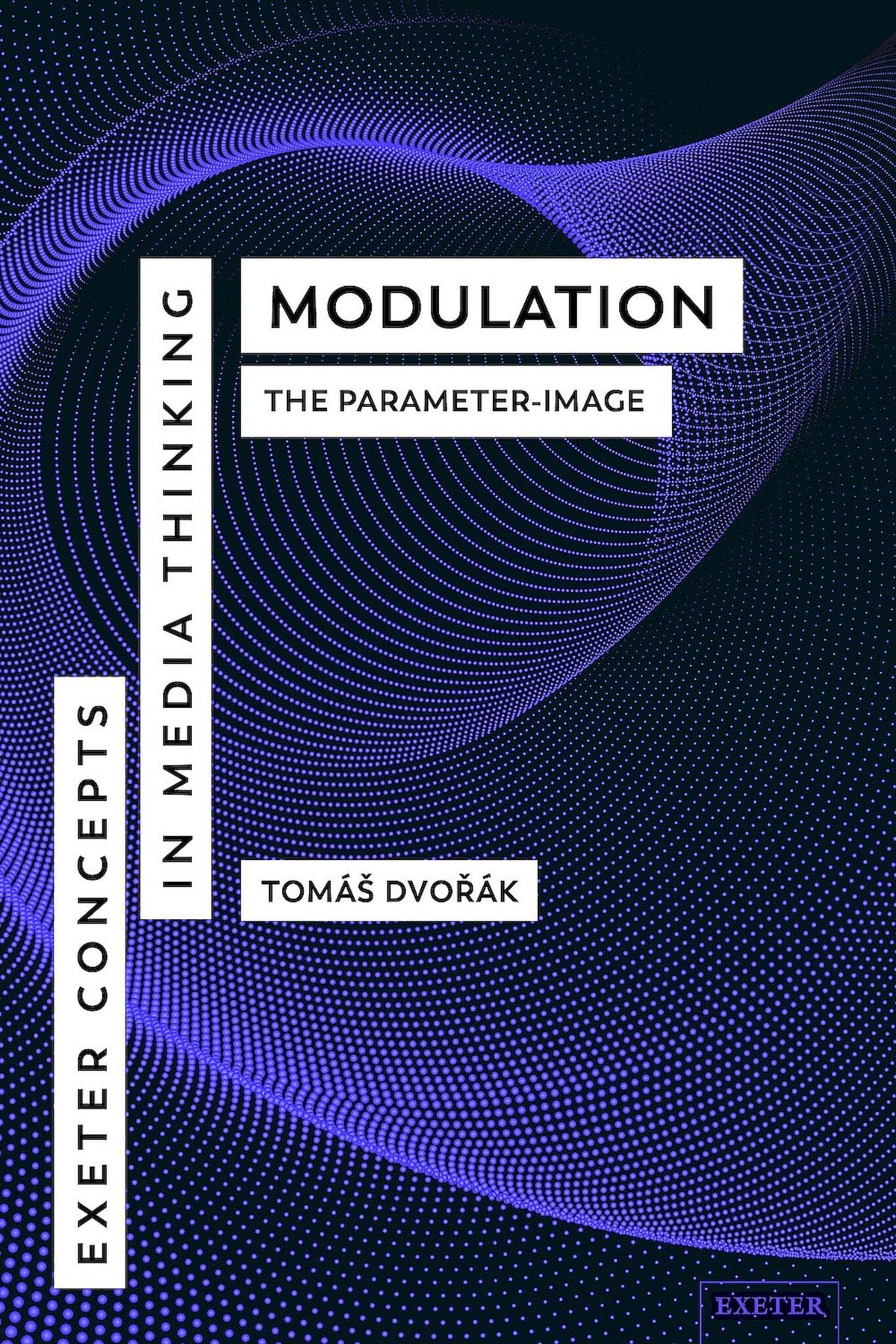
Modulation: The Parameter-Image offers a new way to understand what images are and how they work. Instead of treating pictures as fixed representations of the world, this book argues that every image is a field of variation—something continuously adjusted, tuned and transformed. From the mechanical instruments of the Renaissance to today’s generative AI, images have always been shaped by certain parameters: brightness and contrast, scale and resolution, signal and noise. Modulation, the art of varying within limits, is the deep logic behind all imaging.
Tracing this idea across mechanical, optical, electrical, electronic and algorithmic media, the book shows how images emerge not as single artefacts but as dynamic processes. It links the sliders of photo-editing software to the vanishing points of perspective drawing, the tuning of radio signals and the latent spaces of machine learning. Each chapter demonstrates how cultures of modulation have organised the visible—technically, aesthetically and politically.
Drawing on philosophy, media archaeology and art history, this volume reinterprets thinkers such as Gilbert Simondon to propose a theory of the ‘parameter-image’: an image defined by its range of possible variations rather than its fixed form. Written by a scholar whose background bridges philosophy, media theory and visual culture, it offers both conceptual clarity and historical depth. It will appeal to readers in media and cultural studies, art and design, philosophy and aesthetics and anyone interested in how images—past and present—are made to move, vary and think.


Tomáš Dvorák is an associate professor at the Department of Photography, FAMU in Prague. His research explores intersections of media archaeology and science and technology studies, focusing on imaging practices and visual cultures.