





Some error occured while loading the Quick View. Please close the Quick View and try reloading the page.
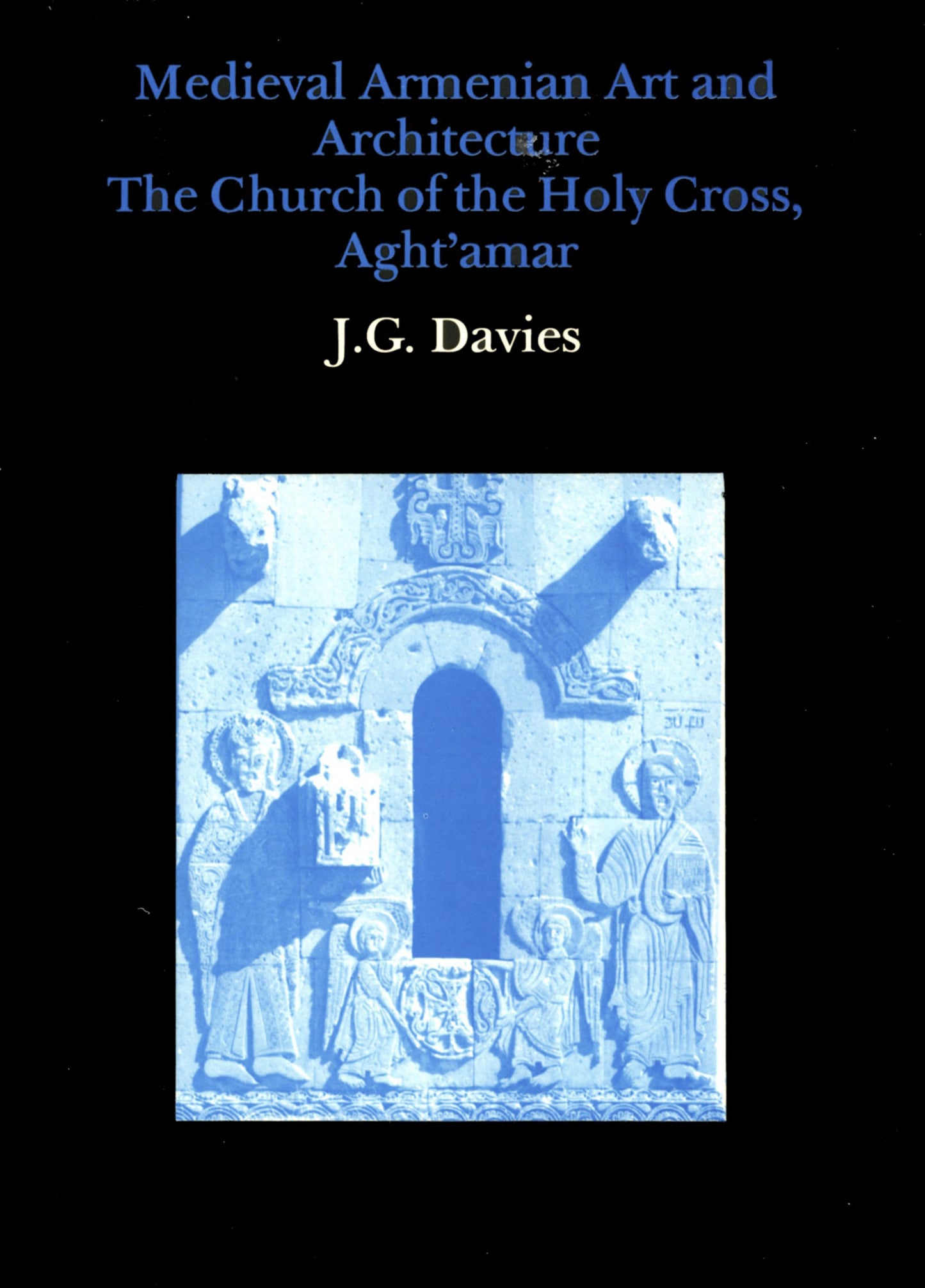
The Church of the Holy Cross at Aght'amar is one of the outstanding monuments of medieval Armenian architecture. The church, due to its protected position on an island in Lake Van, has survived the ten centuries since its construction in a remarkable state of preservation. The original sculptural decoration on the exterior walls, together with the surviving murals of this period in the interior, gives a unique insight into the art of the tenth-century Armenian kingdom of Vaspurakan, the creation of King Gagik, the founder of the church of Aght'amar.
Professor Davies has attempted the first detailed iconographic interpretation of the sculptural programme on the exterior of the church, and the surviving interior frescoes of the same date. The sources available in the tenth century for the creation of the sculptural and mural programmes are dealt with, and the surviving works examined in this light. The Biblical basis of the imagery is typical of Armenian and Byzantine art of this period; but the use of selected scenes from the conventional repertoire was capable of carrying a number of messages to those who visited the church. The contemporary relevance of this imagery, Professor Davies argues, should be our guide in determining the choice of subjects in this programme.
Professor Davies has attempted the first detailed iconographic interpretation of the sculptural programme on the exterior of the church, and the surviving interior frescoes of the same date. The sources available in the tenth century for the creation of the sculptural and mural programmes are dealt with, and the surviving works examined in this light. The Biblical basis of the imagery is typical of Armenian and Byzantine art of this period; but the use of selected scenes from the conventional repertoire was capable of carrying a number of messages to those who visited the church. The contemporary relevance of this imagery, Professor Davies argues, should be our guide in determining the choice of subjects in this programme.

Price: £55.00
Pages: 250
Publisher: Pindar Press
Imprint: Pindar Press
Publication Date:
31 December 1991
ISBN: 9780907132585
Format: Hardcover
BISACs:
