





Some error occured while loading the Quick View. Please close the Quick View and try reloading the page.
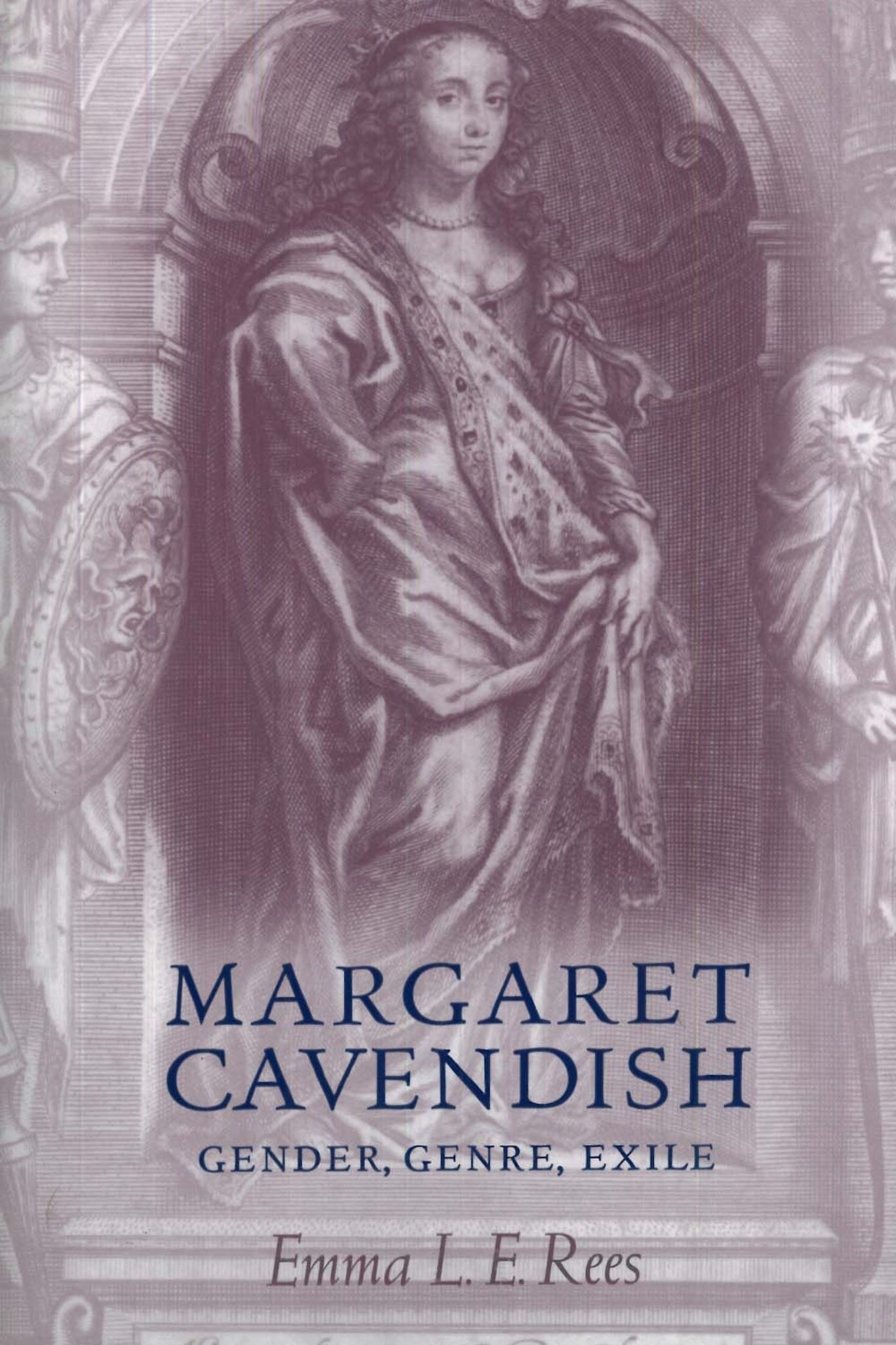
Margaret Cavendish was one of the most prolific, complex and misunderstood writers of the seventeenth century. A contemporary of Descartes and Hobbes, she was fascinated by philosophical, scientific and imaginative advances, and struggled to overcome the political and cultural obstacles which threatened to stop her engagement with such discourses.
Emma Rees examines how Cavendish engaged with the work of thinkers such as Lucretius, Plato, Homer and Harvey in an attempt to write her way out of the exile which threatened not only her intellectual pursuits but her very existence. What emerges is the image of an intelligent, audacious and intrepid early modern woman whose tale will appeal to specialists and general readers alike.


Acknowledgements
Introduction: A glorious resurrection
1. The 1650s: Genre and exile
2. 'Sweet Honey of the Muses': Lucretian resonance in 'Poems, and Fancies'
3. 'Heavens Library': Platonic paradigms and trial by genre
4. Travellia's travails: Homeric motifs in 'Assaulted and Pursued Chastity'
5. Figures of speech: 'The Animall Parliament'
6. Fictions of the mind
Conclusion: Rehabilitations
Appendix A – 'A horrible precipice': Lucy Hutchinson's Lucretius
Bibliography