





Some error occured while loading the Quick View. Please close the Quick View and try reloading the page.
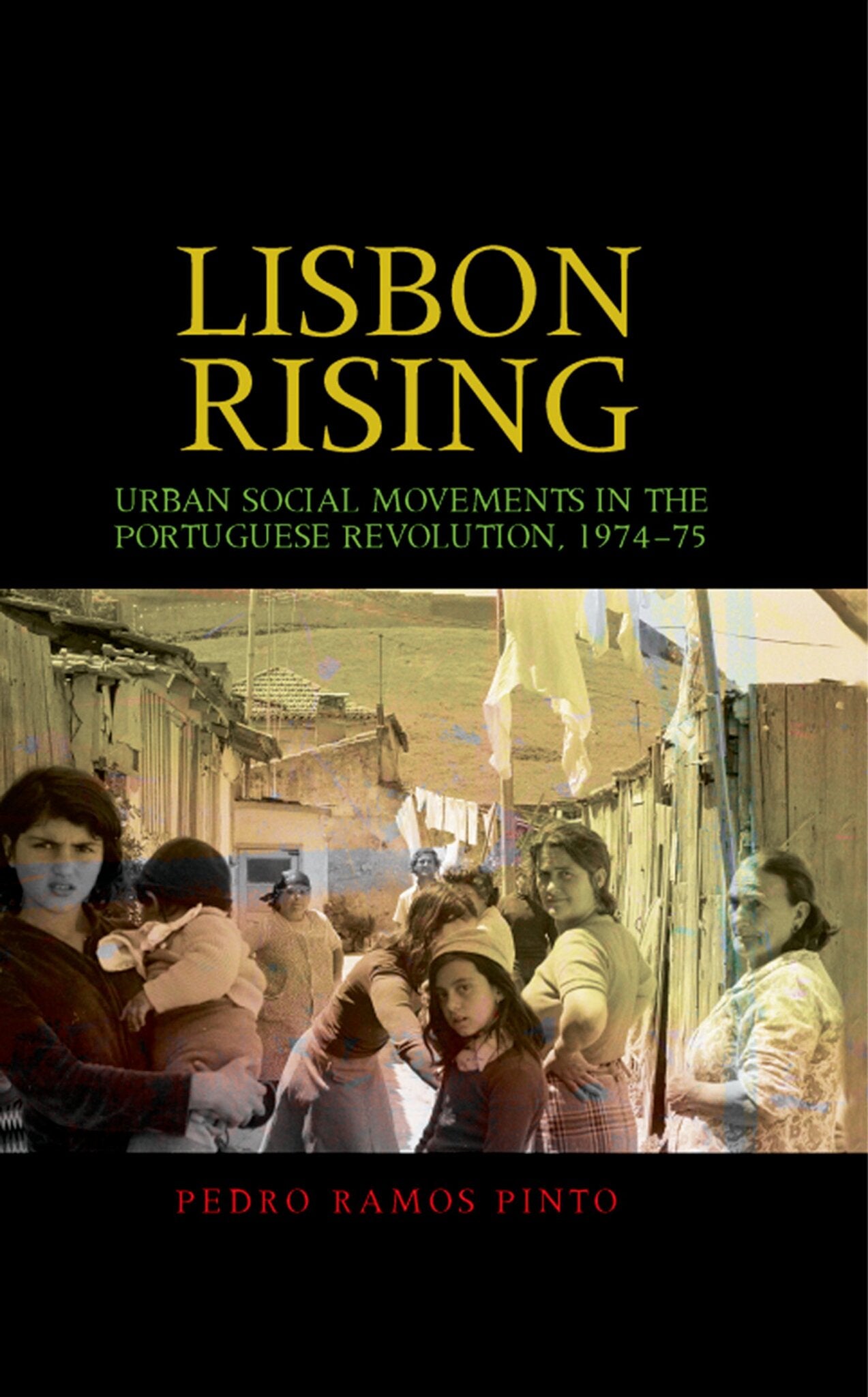
Lisbon rising explores the role of a widespread urban social movement in the revolutionary process that accompanied Portugal’s transition from authoritarianism to democracy. It is the first in-depth study of the widest urban movement of the European post-war period, an event that shook the balance of Cold War politics by threatening the possibility of revolution in Western Europe.
Using hitherto unknown sources produced by movement organisations themselves, it challenges long-established views of civil society in Southern Europe as weak, arguing that popular movements had an important and autonomous role in the process that led to democratisation, inviting us to rethink the history and theories of transitions in the region in ways that account for popular agency.
Lisbon rising will be of interest not only to students of twentieth-century European history, but across disciplines to students of democratisation, social movements and citizenship in political science and sociology.


‘A major scholarly contribution that will be required reading not only for those interested in the Carnation Revolution and its aftermath but also for students and scholars concerned with the large question of how popular mobilization, social revolution and democratization relate to one another.’
Robert M. Fishman, Carlos III University, Calle Madrid, Anál. Social no.218 Lisboa, 2016
‘...challenges some of the dominant interpretations of the role and impact of social movements during the Portuguese Revolution, while simultaneously criticizing the approach of (…) the ‘elitist school’…’
Ricardo Noronha, Journal of Contemporary History, 2016
‘sheds new light on a controversial topic, offering a balanced and sophisticated view that can be of great value for scholars studying social movements and which should be taken into account in any new analysis of the Portuguese Revolution.’
Alan Granadino, Modern History, 2014
1. Introduction
2. The New State and the transformation of urban citizenship, 1926–1974
3. From rights to action: April to December 1974
4. Building a movement: September 1974 to June 1975
5. The street and the ballot box: June to November 1975
6. Urban social movements and the making of Portuguese democracy
References
Index