Skip to product information
1 of 1

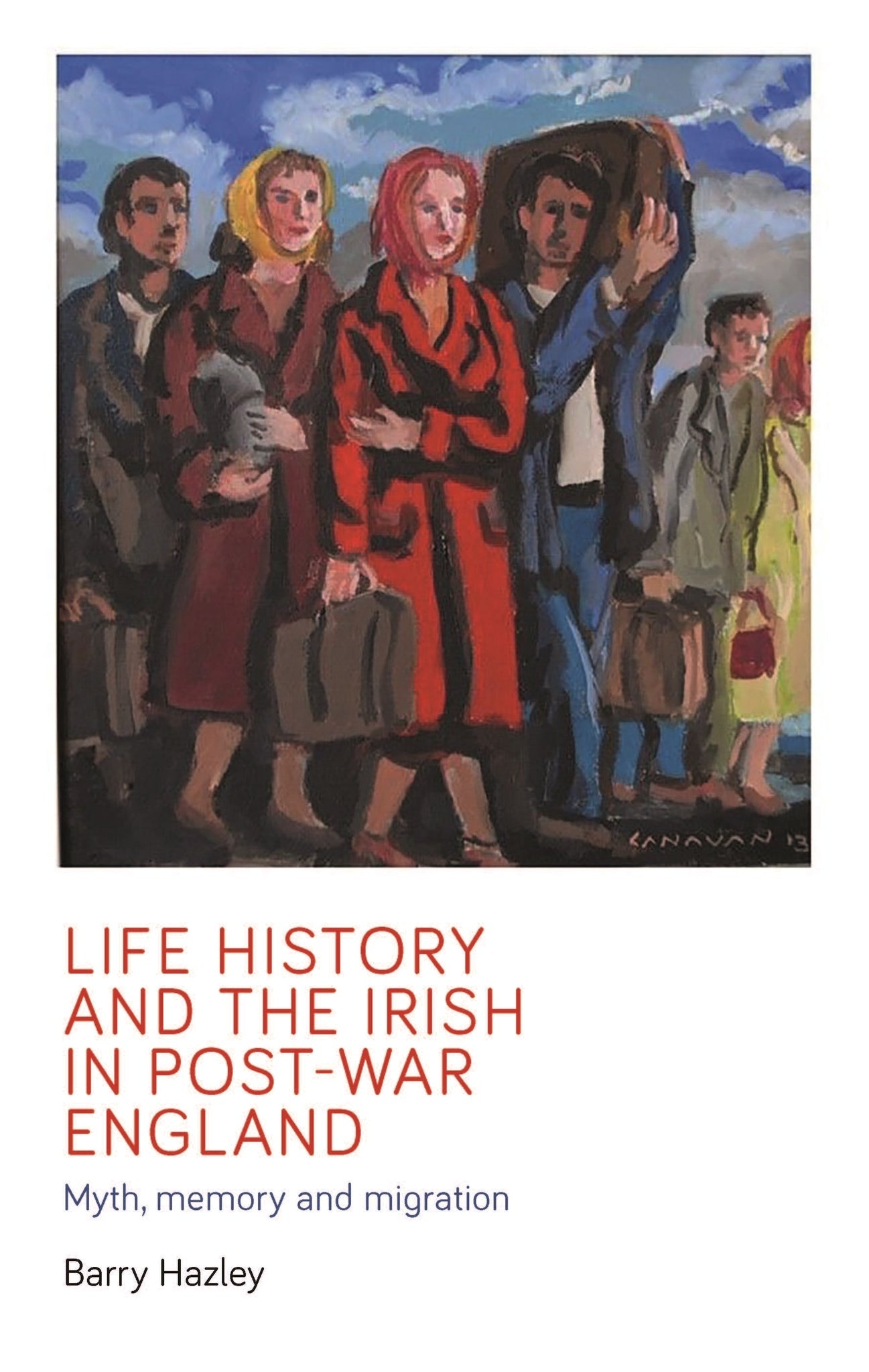
Life history and the Irish migrant experience in post-war England

Regular price £30.00
Sale price £30.00 Regular price £0.00
Sale Sold out
This book makes innovative use of migrant life histories to further understanding the role of memory in the production of migrant identities. Offering a fresh perspective on the post-war Irish expe...
Read More
  • Format:
  • 24 May 2022
View Product Details
Life history and the Irish migrant experience offers a fresh perspective on the significance of England’s largest post-war migrant group for current debates on identity and difference in contemporary Britain. The first book to apply Popular Memory Theory to the Irish Diaspora, it opens new lines of critical enquiry within scholarship on the Irish in modern Britain. Combining innovative use of migrant life histories with cultural representations of the post-war Irish experience, it interrogates the interaction between lived experience, personal memory and cultural myth to further understanding of the work of memory in the production of migrant subjectivities. Based on richly contextualised case studies addressing experiences of emigration, urban life, work, religion, and the Troubles in England, chapters shed new light on the collective fantasies of post-war migrants and the circumstances that formed them.
files/i.png Icon
Price: £30.00
Pages: 272
Publisher: Manchester University Press
Imprint: Manchester University Press
Series: Manchester University Press
Publication Date: 24 May 2022
ISBN: 9781526163752
Format: Paperback
BISACs:

SOCIAL SCIENCE / Emigration & Immigration, Oral history, HISTORY / Europe / Great Britain / 20th Century, SOCIAL SCIENCE / General, Migration, immigration and emigration, European history: medieval period, middle ages

REVIEWS Icon

'This work is a refreshing analysis of the Irish in England that keeps the Irish people themselves in the foreground. [...] an original piece of work that sheds new light on the emotional and psychological aspects of Irish migrant life in England during this period. Hazley deserves credit for keeping the individual at the centre of an analysis where broad themes such as emigration, assimilation, and gender are explored, while also managing to emphasize wider patterns experienced by the Irish migrant community as a whole.'
Twentieth Century British History

Introduction: Myth, memory and emotional adaption: the Irish in post-war England and the ‘composure’ of migrant subjectivities
1 Narratives of exit: the public meanings of emigration and the shaping of emigrant selves in post-war Ireland, 1945-69
2 In-between places: liminality and the dis/composure of migrant femininities in the post-war English city
3 Lives in re/construction: myth, memory and masculinity in Irish men’s narratives of work in the British construction industry
4 Falling away from the Church? Negotiating religious selfhoods in post-1945 England
5 Nothing but the same old story? Otherness, belonging and the processes of migrant memory
Conclusion: Myth, memory and minority history
Appendix: Interviews
Select bibliography
Index