





Some error occured while loading the Quick View. Please close the Quick View and try reloading the page.
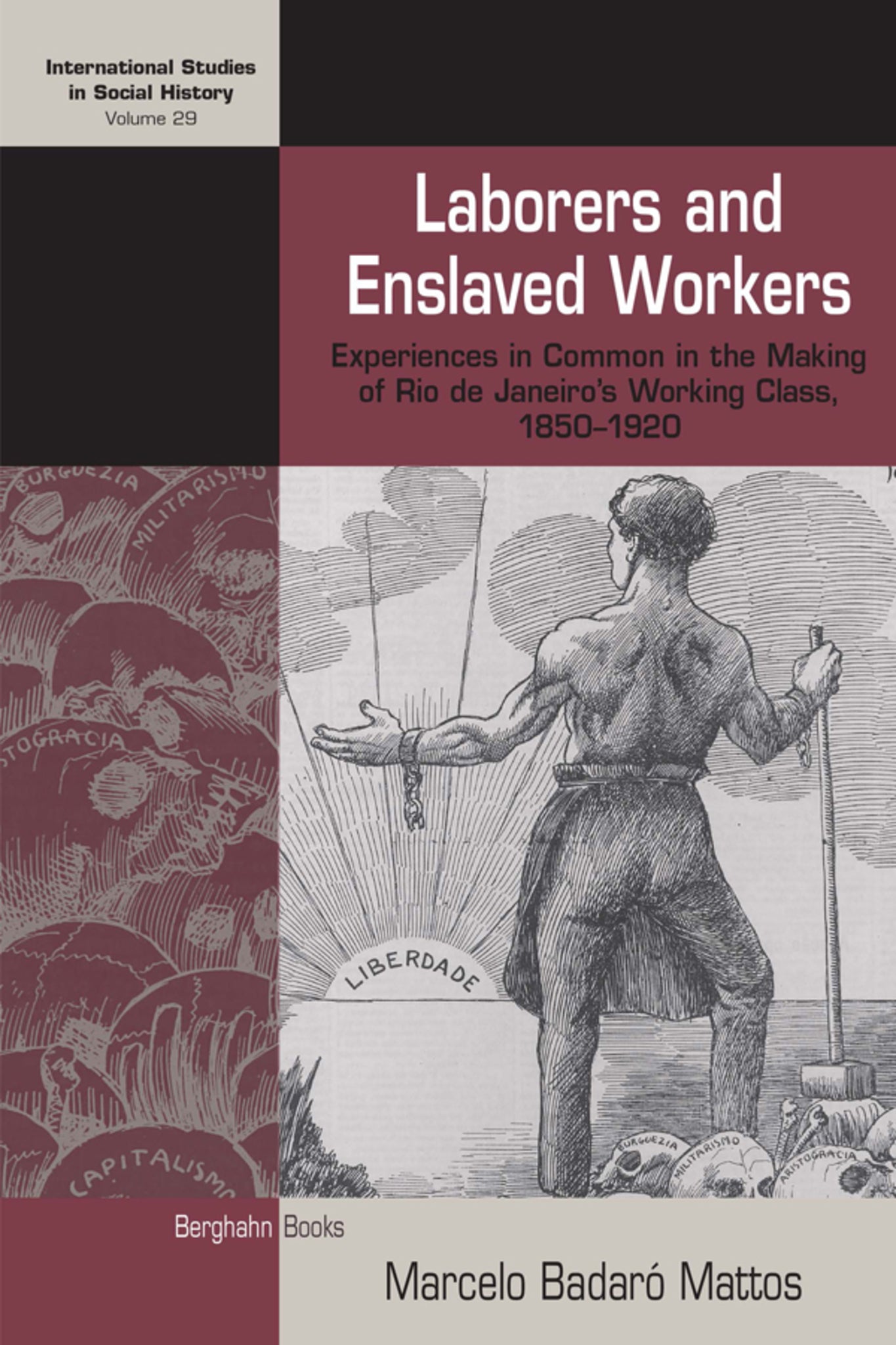
From the middle of the nineteenth century until the 1888 abolition of slavery in Brazil, Rio de Janeiro was home to the largest urban population of enslaved workers anywhere in the Americas. It was also the site of an incipient working-class consciousness that expressed itself across seemingly distinct social categories. In this volume, Marcelo Badaró Mattos demonstrates that these two historical phenomena cannot be understood in isolation. Drawing on a wide range of historical sources, Badaró Mattos reveals the diverse labor arrangements and associative life of Rio’s working class, from which emerged the many strategies that workers both free and unfree pursued in their struggles against oppression.


“There are many merits of Mattos’s book and its important contribution to making Brazilian labour history better known to English-speaking readers.” • International Review of Social History
“Moving outside the walls of university campuses and instead touching the hearts and minds of common people—particularly the youth and teachers in schools but also activists of social movements—Mattos’s most widespread contribution to contemporary Brazil is bringing attention to the fact that human beings were enslaved, which is a necessary modification in the way Brazilian history is perceived and told.” • The American Historical Review
“This is a fine piece of historical scholarship. Accessibly written and deeply researched, it offers important insights into the ways in which, despite their differences, enslaved and free workers combined their experiences as members of a working class with the ongoing movement to abolish slavery.” • Henrique Espada Lima, Universidade Federal de Santa Catarina
Preface to the Edition in English
Chapter 1. Work, urban life and the experience of exploitation
Chapter 2. Forms of organization
Chapter 3. Resistance and Struggle
Chapter 4. Consciousness
Conclusion
Bibliography
Index