





Some error occured while loading the Quick View. Please close the Quick View and try reloading the page.
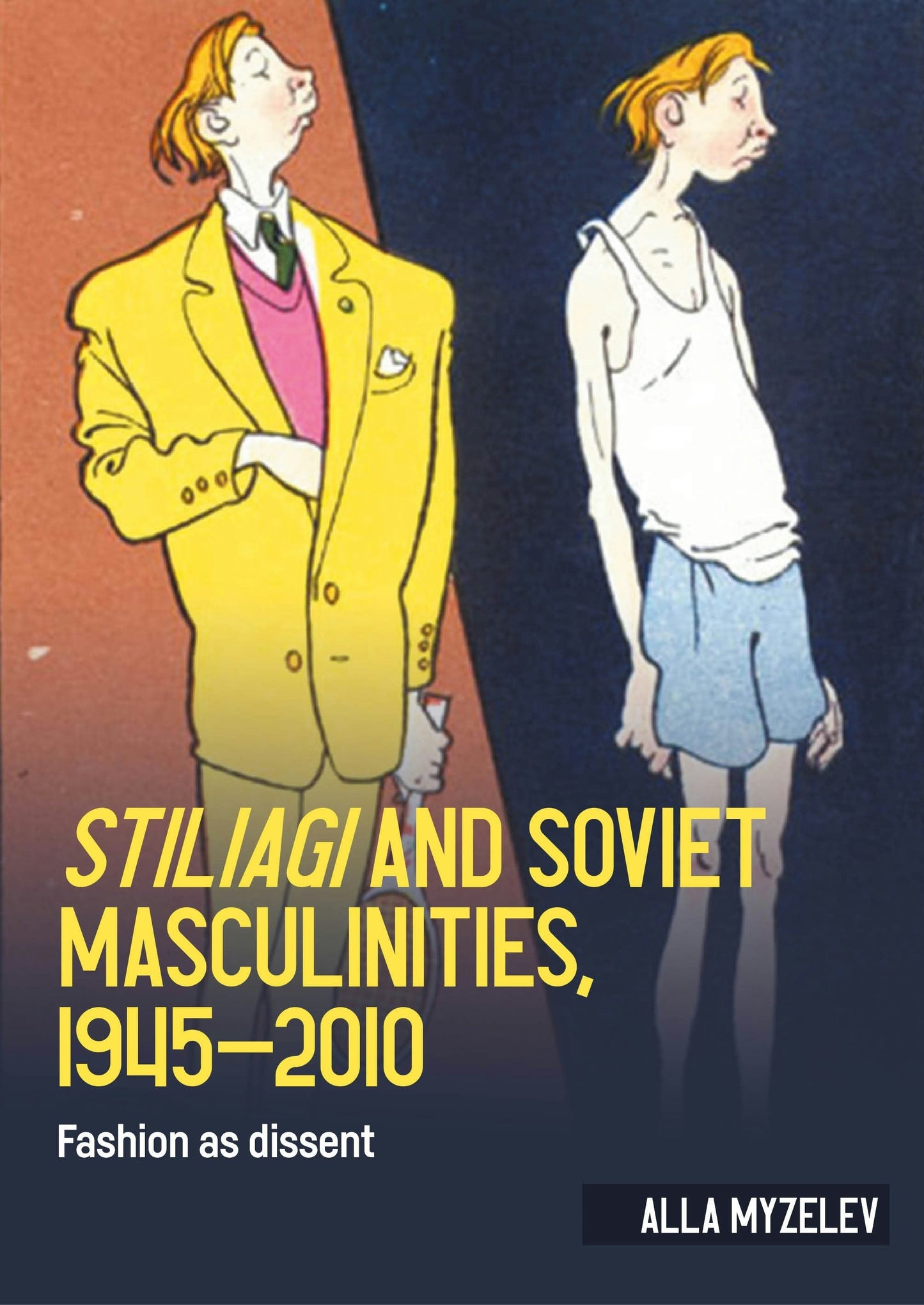
This book provides an in-depth analysis of the Stiliagi, the Soviet Union's pioneering youth subculture from the late 1940s to the early 1960s. Characterized by their distinctive Western-influenced fashion, affinity for jazz, and resistance to Soviet ideological conformity, the Stiliagi represented a significant cultural shift in post-war Soviet society. The book examines how this subculture, through its embrace of alternative masculinities and nonconformist behaviours, challenged prevailing social norms and influenced Soviet cinema, theatre, and broader cultural discourse. Drawing on rigorous research, the book situates the Stiliagi within the broader context of Soviet and Post-Soviet history, arguing that their legacy persisted well beyond their absorption into mainstream culture. Essential reading for scholars of Soviet history, cultural studies, and subcultural movements, this work offers a nuanced understanding of the Stiliagi’s enduring impact on Soviet identity and cultural resistance.

Price: £85.00
Pages: 244
Publisher: Manchester University Press
Imprint: Manchester University Press
Series: Studies in Design and Material Culture
Publication Date:
06 January 2026
ISBN: 9781526182197
Format: Hardcover
BISACs:

Introduction: masculinity, clothing, socialism
1 Mainstream fashion in Russia and the Soviet Union: class, taste, masculinity
2 Stiliagi’s social class: idleness, delinquency, illegal trade of youth
3 Produced by stiliagi: clothes, poetry, recordings as a tool of negotiation of the
Soviet identity
4 Stiliagi in participant's memory and Soviet press
5 Transformation of the stiliagi image in the film in the 1950s and 1960s
6 Stiliagi in 1970s and 1980s: formation of prosthetic memory
7 Stiliagi after Perestroika: return to heteronormativity