





Some error occured while loading the Quick View. Please close the Quick View and try reloading the page.
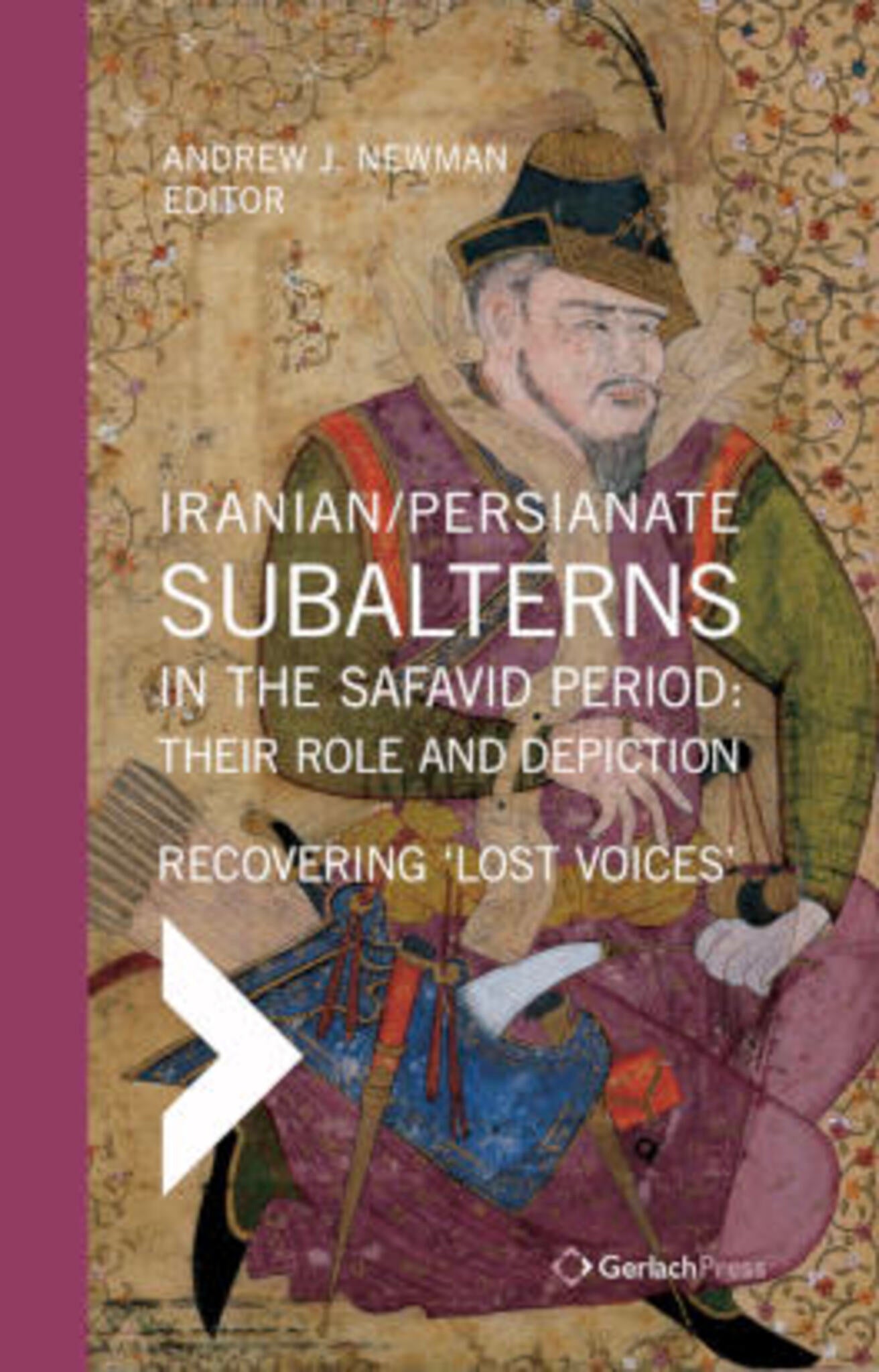
'Subaltern studies' refers to the importance of 'subordinate' groups in the making of history. The latter are usually defined as encompassing the urban and rural underclasses, the majority in any society, although generally the term is said to refer to all non-elites, including women. Most often the discourse concentrates on instances of social protest as points where the 'subalterns' make their 'voices' heard in response to, or even independent of, manipulations by the elite.
This book draws on wide-ranging sources to be explored for direct and indirect access to these voices. It include elite Persian diplomatic and political-economic (court-level) materials, but also those drawn from 'cultural' spheres as, for example, art and architecture (including cinema, for the modern period), prose, poetry and other media and religious materials (Sunni, Shi`i and Sufi) of all genres in all relevant languages.
The overall project seeks also to explore attitudes toward the subaltern by the authors of these sources. Finally, the project aims also to identify problems in accessing/using the sources and questions/avenues for further research across Persianate history and, in the process, to establish an on-going network to chart pathways for further associated research projects and support for these.
This book draws on wide-ranging sources to be explored for direct and indirect access to these voices. It include elite Persian diplomatic and political-economic (court-level) materials, but also those drawn from 'cultural' spheres as, for example, art and architecture (including cinema, for the modern period), prose, poetry and other media and religious materials (Sunni, Shi`i and Sufi) of all genres in all relevant languages.
The overall project seeks also to explore attitudes toward the subaltern by the authors of these sources. Finally, the project aims also to identify problems in accessing/using the sources and questions/avenues for further research across Persianate history and, in the process, to establish an on-going network to chart pathways for further associated research projects and support for these.

Price: £115.00
Pages: 268
Publisher: Gerlach Press
Imprint: Gerlach Press
Series: Middle East Studies
Publication Date:
15 June 2022
ISBN: 9783959941525
Format: Hardcover
BISACs:

Preface
1 Liberating the "Turkoman Prisoner": An Assessment of Bound Captives in Sixteenth and Seventeenth-Century Persianate Works on Paper
Jaimee K. Comstock-Skipp
2 Agency and Fatalism in the Judeo-Persian Kitab-i sar guzasht-i Kashan
Alberto Tiburcio
3 The Qizilbash in Anatolia after the 1630s: Sidelined and Estranged
Selim Gungörurler
4 The Safavid Foundation Myth in the Subaltern Imagination
Barry Wood
5 The Muharram Subaltern in the Safavid Period: "Thin Description" and the Limits of European Travel Accounts
Babak Rahimi
6 The 'Visible Voice' or 'Vocal Visibility' of the Subalterns in Persianate Painting: The Safavid and Mughal Cases
Valérie Gonzalez
7 A Subaltern Hero: The 1573 Execution of Sheikh Hamza Bali as Part of the 'Sunnitisation' of the Ottoman Empire
Ines Asceric-Todd
8 Voices of the Caucasians at the Safavid Court: Life and Activities of Parsadan Gorgijanidze
Hirotake Maeda
About the Contributors
1 Liberating the "Turkoman Prisoner": An Assessment of Bound Captives in Sixteenth and Seventeenth-Century Persianate Works on Paper
Jaimee K. Comstock-Skipp
2 Agency and Fatalism in the Judeo-Persian Kitab-i sar guzasht-i Kashan
Alberto Tiburcio
3 The Qizilbash in Anatolia after the 1630s: Sidelined and Estranged
Selim Gungörurler
4 The Safavid Foundation Myth in the Subaltern Imagination
Barry Wood
5 The Muharram Subaltern in the Safavid Period: "Thin Description" and the Limits of European Travel Accounts
Babak Rahimi
6 The 'Visible Voice' or 'Vocal Visibility' of the Subalterns in Persianate Painting: The Safavid and Mughal Cases
Valérie Gonzalez
7 A Subaltern Hero: The 1573 Execution of Sheikh Hamza Bali as Part of the 'Sunnitisation' of the Ottoman Empire
Ines Asceric-Todd
8 Voices of the Caucasians at the Safavid Court: Life and Activities of Parsadan Gorgijanidze
Hirotake Maeda
About the Contributors