





Some error occured while loading the Quick View. Please close the Quick View and try reloading the page.
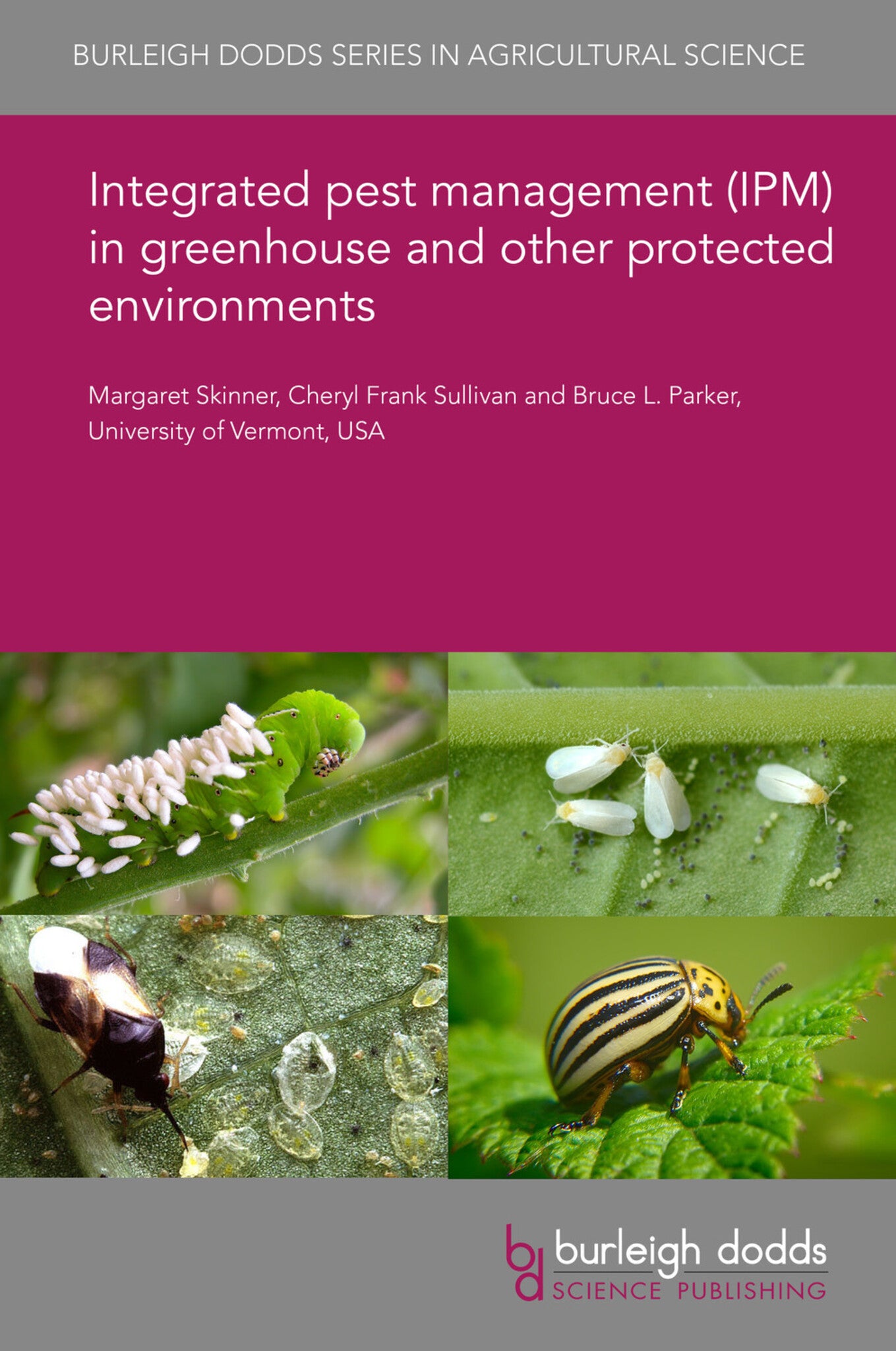
Production in greenhouses, high tunnels, and other protected environments is expanding worldwide to allow for more intensive and continual cultivation to mitigate the effects of climate change. Growers want to create conditions that are ideal for the plants to thrive, but these are often the same ones that favor insects and other arthropod pests, requiring the implementation of Integrated Pest Management (IPM) in greenhouses. The practices and organisms used for IPM in greenhouses and high tunnels are unique and specific to the target pest, geographical location, and crop. This chapter describes the process of scouting for both pests and beneficials in the greenhouse environment, before discussing plant-mediated IPM systems (including a case study from the Northeastern USA). The chapter addresses the realities of IPM in the developing world as well as other novel IPM practices and future developments. Finally, the chapter provides guidance on further reading in this area.

Price: £25.00
Publisher: Burleigh Dodds Science Publishing
Imprint: Burleigh Dodds Science Publishing
Series: Burleigh Dodds Series in Agricultural Science
Publication Date:
28 October 2019
ISBN: 9781838799502
Format: eBook
BISACs:

1 Introduction 2 Scouting for pests and beneficials 3 Plant-mediated IPM systems 4 Realities of IPM in the developing world 5 Other novel IPM practices and future developments 6 Conclusion 7 Acknowledgements 8 Where to look for further information 9 References