





Some error occured while loading the Quick View. Please close the Quick View and try reloading the page.
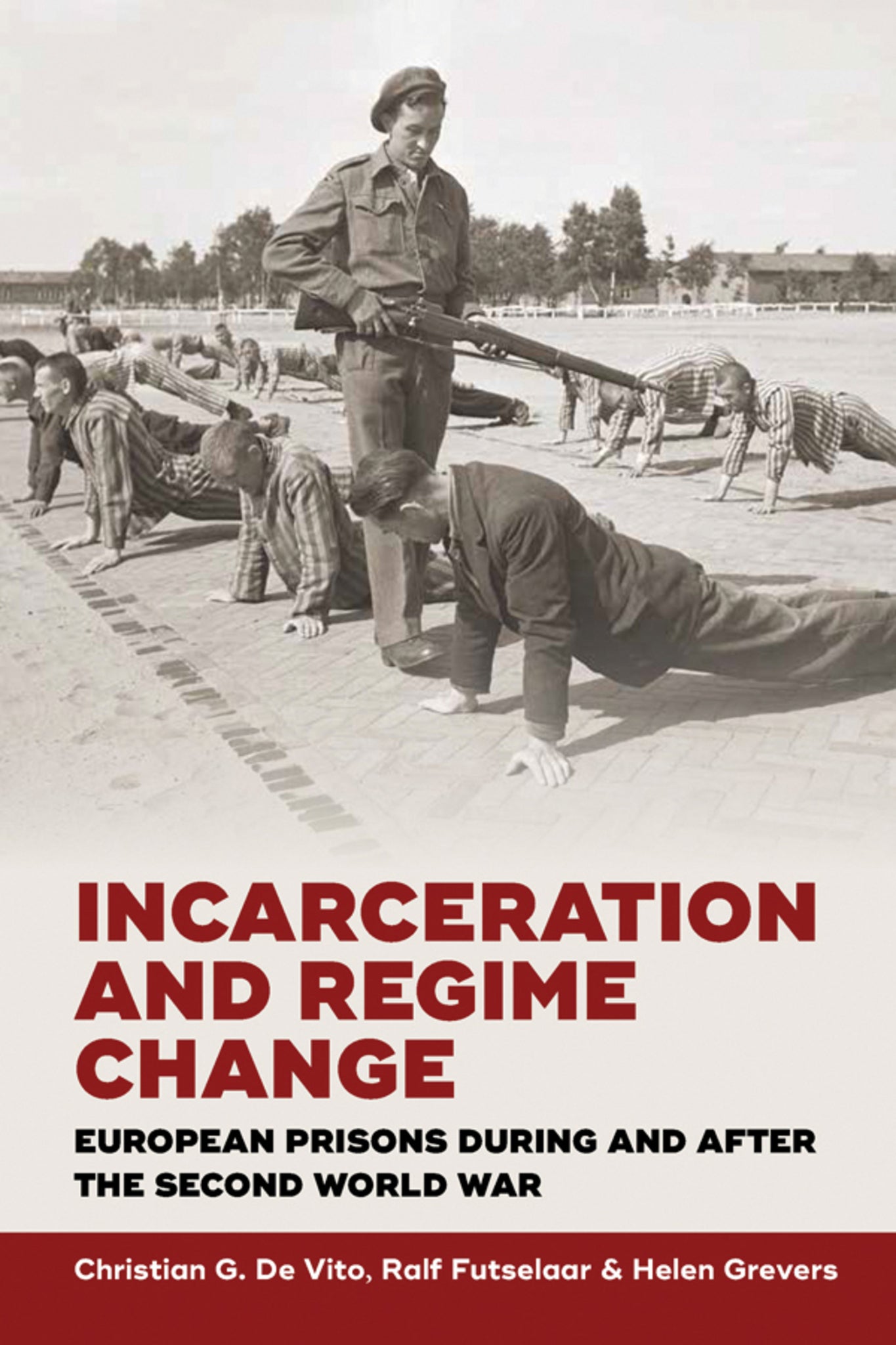
Political instability is nearly always accompanied by fuller prisons, and this was particularly true during the “long” Second World War, when military mobilization, social disorder, wrenching political changes, and shifting national boundaries swelled the ranks of the imprisoned and broadened the carceral reach of the state. This volume brings together theoretically sophisticated, empirically rich studies of key transitional moments that transformed the scope and nature of European prisons during and after the war. It depicts the complex interactions of both penal and administrative institutions with the men and women who experienced internment, imprisonment, and detention at a time when these categories were in perpetual flux.


“This is an interesting and thought-provoking edited volume that adds greatly to our understanding of incarceration practices during wars and regime changes and would be recommended reading for anyone wishing to pursue the topic.” • European History Quarterly
“This volume brings together pioneering work that provides a welcome perspective not only on the treatment of prisoners, but also on how they were understood during the Second World War—a crucial issue in light of the fact that these were people interned not so much for what they did, but who they were.” • Raffael Scheck, Colby College
Acknowledgments
Introduction
Christian G. De Vito, Ralf Futselaar, Helen Grevers
Chapter 1. “Gloomy Dungeons”: Provisional prisons in Madrid in the aftermath of the Spanish Civil War (1939–1945)
Alicia Quintero Maqua
Chapter 2. Paradoxical outcomes?: Incarceration, war and regime changes in Italy, 1943–1954
Christian G. De Vito
Chapter 3. Life in the Frontstalags: Colonial Prisoners of War in Occupied France, 1940-1942
Sarah Frank
Chapter 4. Containing “potentially subversive” subjects: The internment of members of the National Socialist Movement in the Netherlands Indies, 1940–1946
Esther Zwinkels
Chapter 5. The detention of social outsiders between social reform, annihilation and custody: The municipal workhouse and prison of Berlin-Rummelsburg from Weimar Republic to GDR
Thomas Irmer
Chapter 6. A triumph for the protectional model? How Belgian institutions for delinquent children dealt with young collaborators (1944–1950)
Aurore François
Chapter 7. The ambiguities of Gendarmeries’ relationship to internment around World War II (Belgium, France, The Netherlands)
Jonas Campion
Afterword: An essay on space and time
Jane Caplan
Bibliography
Index