





Some error occured while loading the Quick View. Please close the Quick View and try reloading the page.
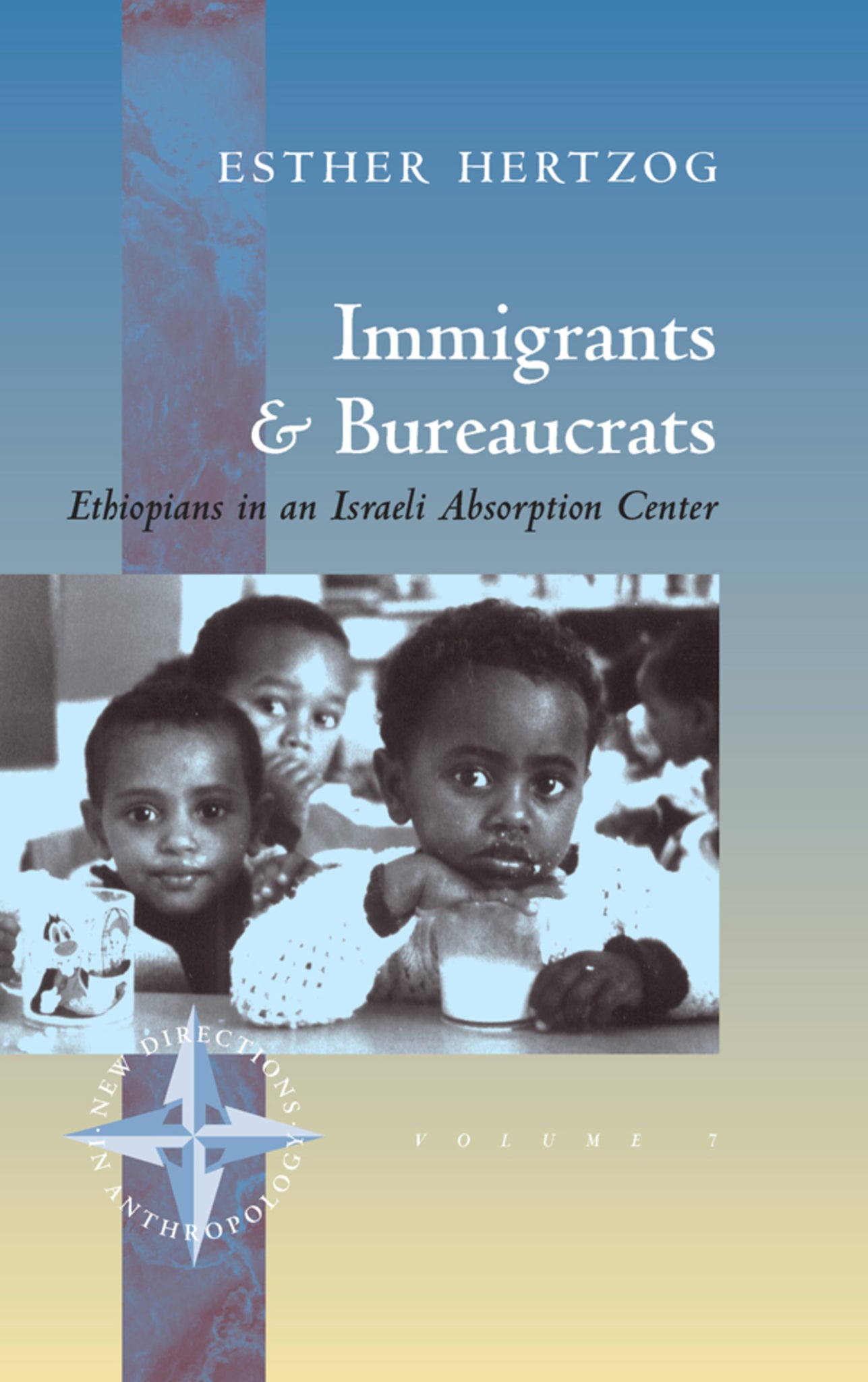
Since Israel is primarily a country of immigrants, the state takes on the responsibility for the settlement and integration of each new group. It therefore sees its role as benevolent and indispensable to the welfare of the immigrants. This be true to some extent. However, the overwhelming effect, the author argues, is exactly the opposite: in her study of Ethiopian immigrants she reaches the conclusion that the absorption centers, which are central to Israeli immigration policy, present an extreme case of bureaucratic control over immigrants; they hinder rather than facilitate integration through the creation of power-dependence relations, with immigrants - whose lives and social structures are constantly interfered with by the officials - being cast as weak, defenseless and needy. They are reduced to helpless charges of these officials whose main goals are to expand and perpetuate their respective organizations and to consolidate their own positions within them. Thus the absorption centers, rather than furthering integration, create dependence on state control and social segregation.


"A very good book on the important topic of bureaucratic treatment of Ethiopian immigrants in Israel ... a tightly knit analysis." · SHOFAR
Preface
Emanuel Marx
Acknowledgements
List of Hebrew Terms and Israeli Organizations
Map of Israel
Map of Galuyot Absorption Center
Introduction
Chapter 1. The Center as a Dependent System
Chapter 2. Closure and Emergence of Power-Dependence Relations
Chapter 3. The Ethiopian Immigrants as a Social Category and Social Problem
Chapter 4. Social Closure and Power-Dependence Relationships at the Galuyot Absorption Center
Chapter 5. Categorizing Women: An Example of Bureaucratic Influence on Family Organization
Chapter 6. The Role of “Cultural Explanations” in Gender-Based Relations
Conclusion
Select Bibliography
Index