





Some error occured while loading the Quick View. Please close the Quick View and try reloading the page.
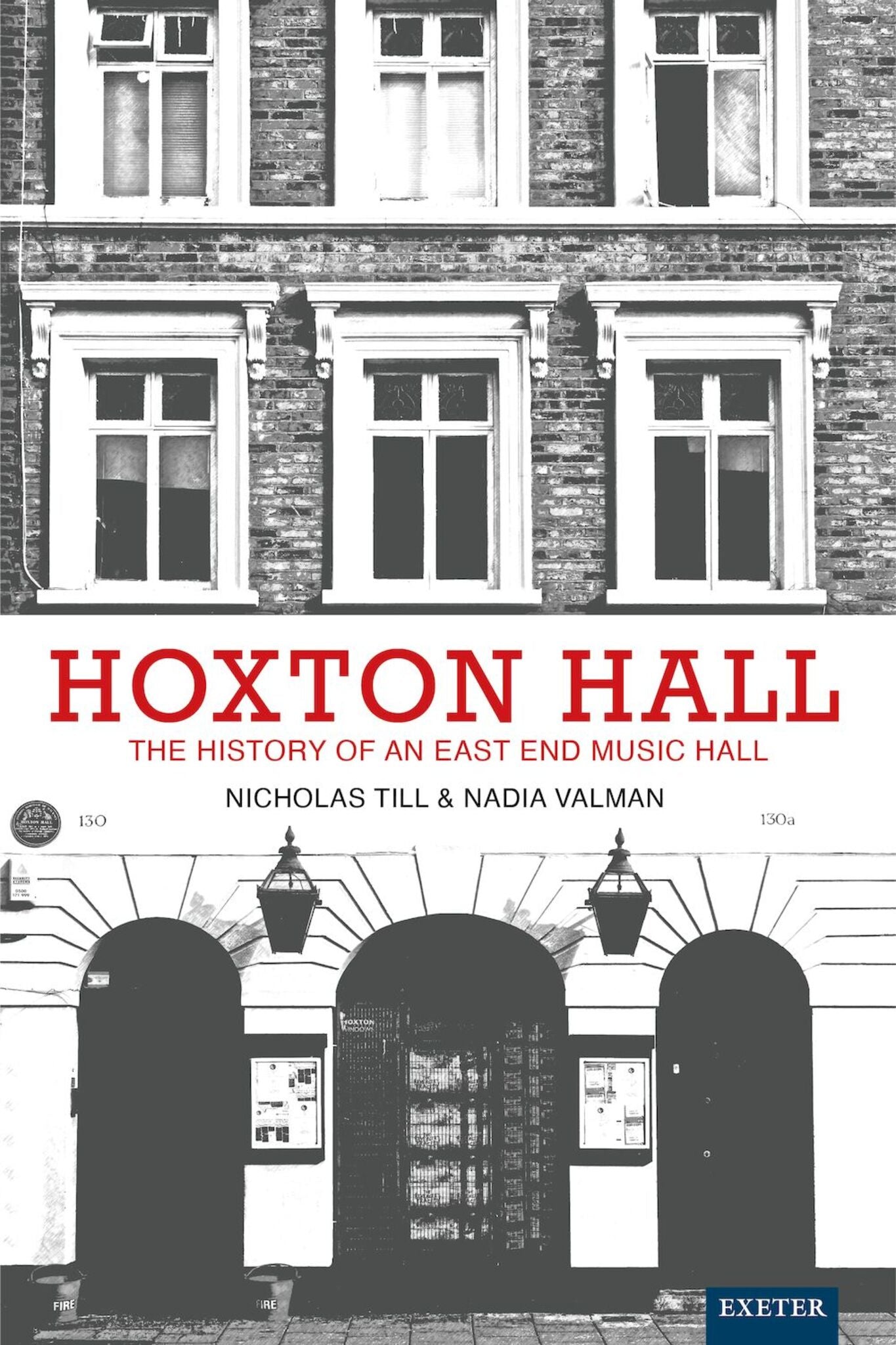
One of London’s best-kept secrets, Hoxton Hall, built in 1863, is one of only a handful of surviving Victorian music halls in Britain. This book presents a history of the building and its role in the social life of a deprived but resilient area of the city, celebrating the Hall’s reopening in 2015 after a two-year, Heritage Lottery-funded, refurbishment.
This landmark volume charts the Hall’s many different guises over more than a century and a half of activity, from its founding as exemplar of Victorian rational recreation to a working-class variety music hall; from headquarters of a prominent evangelical temperance movement to outpost of a Quaker East-End mission; from pioneer of 1970s community arts to today’s multipurpose centre reflecting the diversity of the neighbourhood it still serves.
The wide-ranging contributions gathered here offer an invaluable lens for understanding an area of London that has experienced comprehensive social change during the lifetime of the venue. This unique history of a building brings together scholars of architectural, theatrical, musical and entertainment history, and of social and religious history, to chart the various lives of Hoxton Hall and those who have been drawn to this remarkable space.


Nicholas Till is a historian, theorist and practitioner of opera and music theatre, and is Emeritus Professor of Opera and Music Theatre at the universities of Sussex and Amsterdam. He has had a long association with Hoxton Hall since he first worked there as a volunteer in 1984.
Nadia Valman is Professor of Urban Literature at Queen Mary University of London. She researches the history and culture of East London.
Introduction Nicholas Till and Nadia Valman
DOI: 10.47788/LASV5187
1. Hoxton Hall tells its own story Victor Belcher
DOI: 10.47788/IPYC3695
2. A tour of Hoxton Hall John Earl
DOI: 10.47788/HYVE8278
3. Placing Hoxton Hall in historical context: east London and modern urban popular culture Michael Peplar
DOI: 10.47788/DVQT9397
4. Hoxton Hall and the licensing of East End entertainment venues (1863–1871) Deborah Jeffries
DOI: 10.47788/TMET3307
5.‘First-Class Evening Entertainments’: the opening programme for Hoxton Hall, November 1863 Nicholas Till
DOI: 10.47788/GUWI9611
6. The Blue Ribbon Temperance Mission and the Girls’ Guild of Good Life (1879–1946) Jeremy Crump
DOI: 10.47788/EZWC7008
7. The Bedford Institute and Quaker philanthropists (1895–1945) Siân Roberts
DOI: 10.47788/OEML6782
8. Rebuilding Hoxton Hall’s postwar community: May Scott’s (1945–1975) Holly-Gale Millette
DOI: 10.47788/AHOV5209
9. Experiments in community arts and theatre as education (1970–1990) Maddy Costa
DOI: 10.47788/HPYX7792
10. Regeneration, gentrification and community (1990–2010) Nicholas Holden and Mark O’Thomas
DOI: 10.47788/YUUX3104
11. Managing crisis (2005–2015) Hayley White
DOI: 10.47788/MQVI4660
12. Out of the dust: reflections on a new vision for an old hall (2015–2022) Karena Johnson
DOI: 10.47788/PCVD6073