





Some error occured while loading the Quick View. Please close the Quick View and try reloading the page.
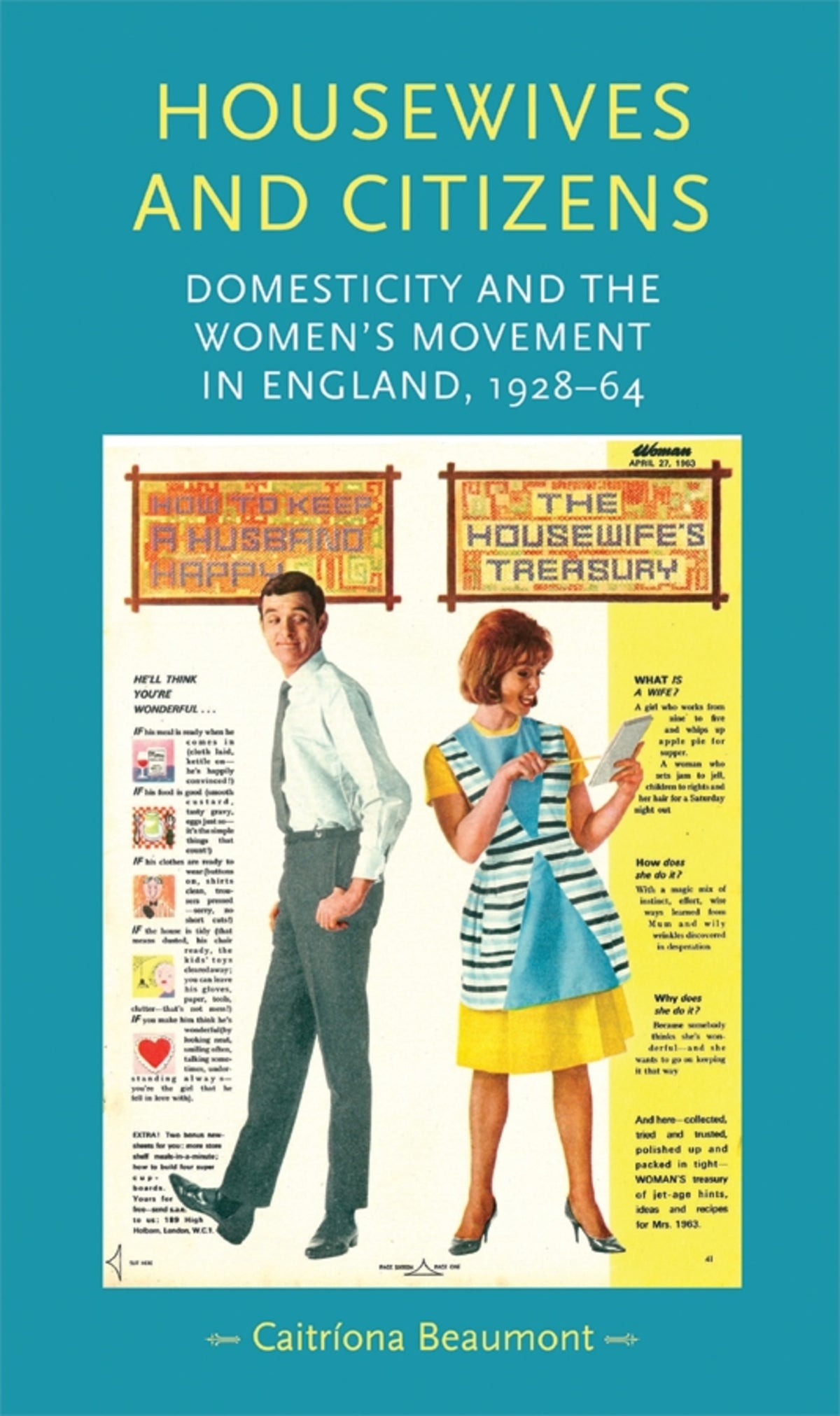


Housewives and Citizens offers a refreshing perspective on women's activism in 20th century England, enlarging - and challenging - our study of the past. It is a timely reminder that women who did not identify with feminism were nonetheless active in campaigning for improvements in women's lot.
Beaumont has provided a scrupulous, scholarly and convincing history of the extensive role of women and the women’s movement in mid twentieth century public life.
Catriona Beaumont makes an important contribution to a growing historiography which seeks to suggest that the period from universal female suffrage in 1928 to the emergence of ‘Second Wave’ feminism in the 1960s was a time of greater achievements for the women’s movement than is often assumed.
Introduction
1. Origins and aspirations: voluntary women’s organisations and the representation of housewives, mothers and citizens
2. Housewives and citizens: the rights and duties of women citizens
3. Moral dilemmas: divorce, birth control and abortion
4. Welfare rights for women: maternity care, social welfare benefits and family allowances
5. Active citizenship for women: war and protest
6. Housewives and citizens: post-war planning and the post-war years
7. Domesticity, modernity and women’s rights: voluntary women’s organisations and the women’s movement 1950–64
Conclusion
Bibliography
Index