





Some error occured while loading the Quick View. Please close the Quick View and try reloading the page.
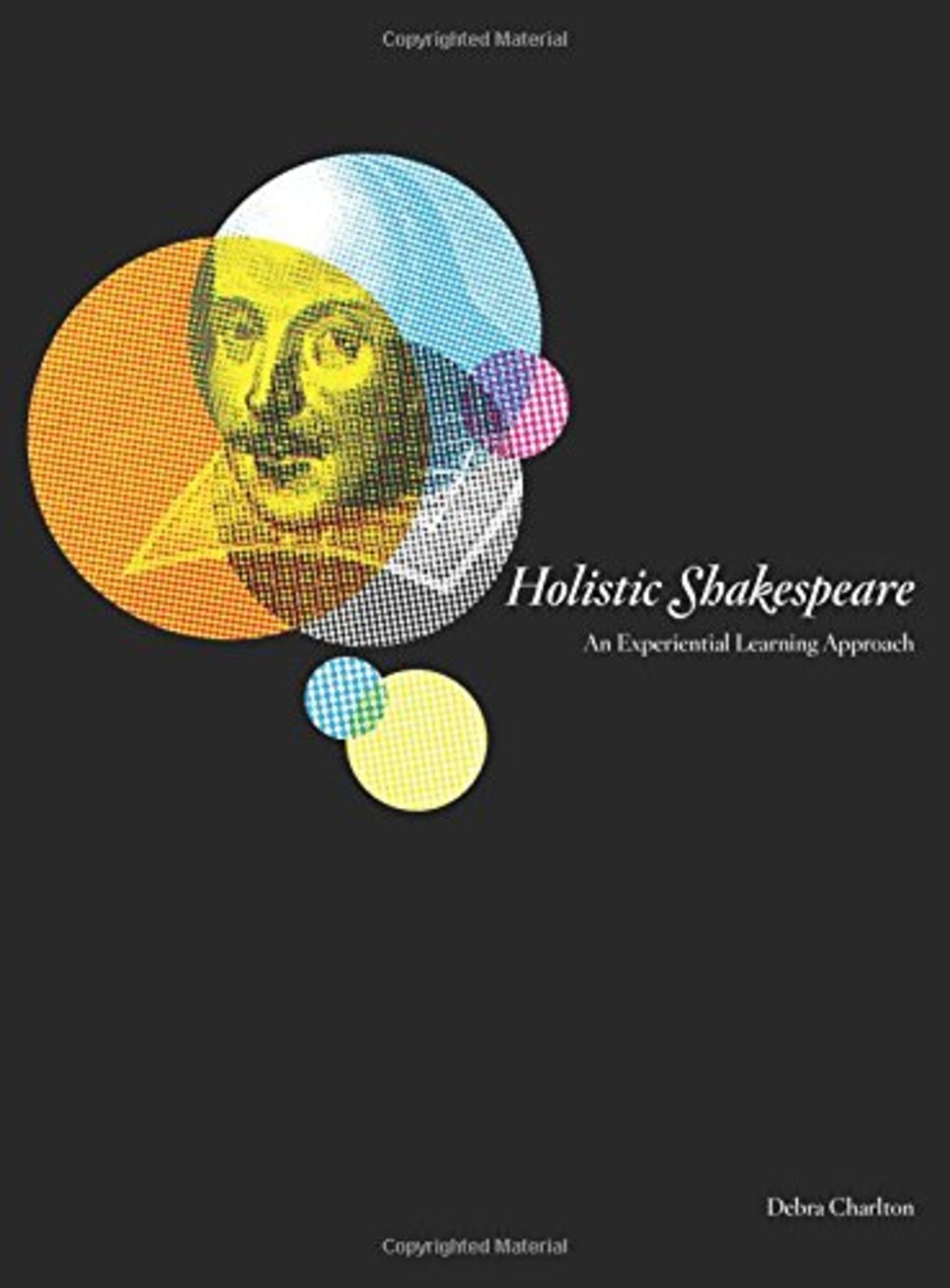
The standard analytical approach to teaching Shakespeare does not tend to help students understand the theatricality of the Bard’s plays and can leave them with an overly dry, disconnected view of Shakespeare.
Designed to address this problem, Holistic Shakespeare combines analysis with creative learning methods. Holistic Shakespeare acts as a guide for teachers as well as enabling students to feel as if they are in the stands of the Globe Theatre actually watching the play. This book is designed to explain the methodologies and values of the holistic educational model, which is directed toward whole-brain, integrated and experiential learning that motivates students to think deeply about the interlinks between what they learn in the classroom and the significant moral and ethical questions that impact their everyday lives. Further, in the holistic Shakespeare classroom, application of these foundational concepts opens up a fertile pathway that leads students toward a more intimate understanding of how Shakespeare thought – about himself, his relationships and his environment. In holistic education, WHOLENESS (or holism) describes an integrated curricular approach that places value on the complete learner and cultivates every student’s unique potential to become active, thinking and caring contributors to the larger world.
Holistic Shakespeare embraces the text’s definitive status as a theatrical script, making performance-based activities an indispensable instructional tool. Like the exciting creative buzz that pervades the rehearsal room, the holistic learning environment is active, process-oriented, cooperative and exploratory, which restores true ownership of the educational journey to the place where it belongs – in the hands of the student. Performance-based teaching has reinvigorated the Shakespeare classroom in recent decades.

