





Some error occured while loading the Quick View. Please close the Quick View and try reloading the page.
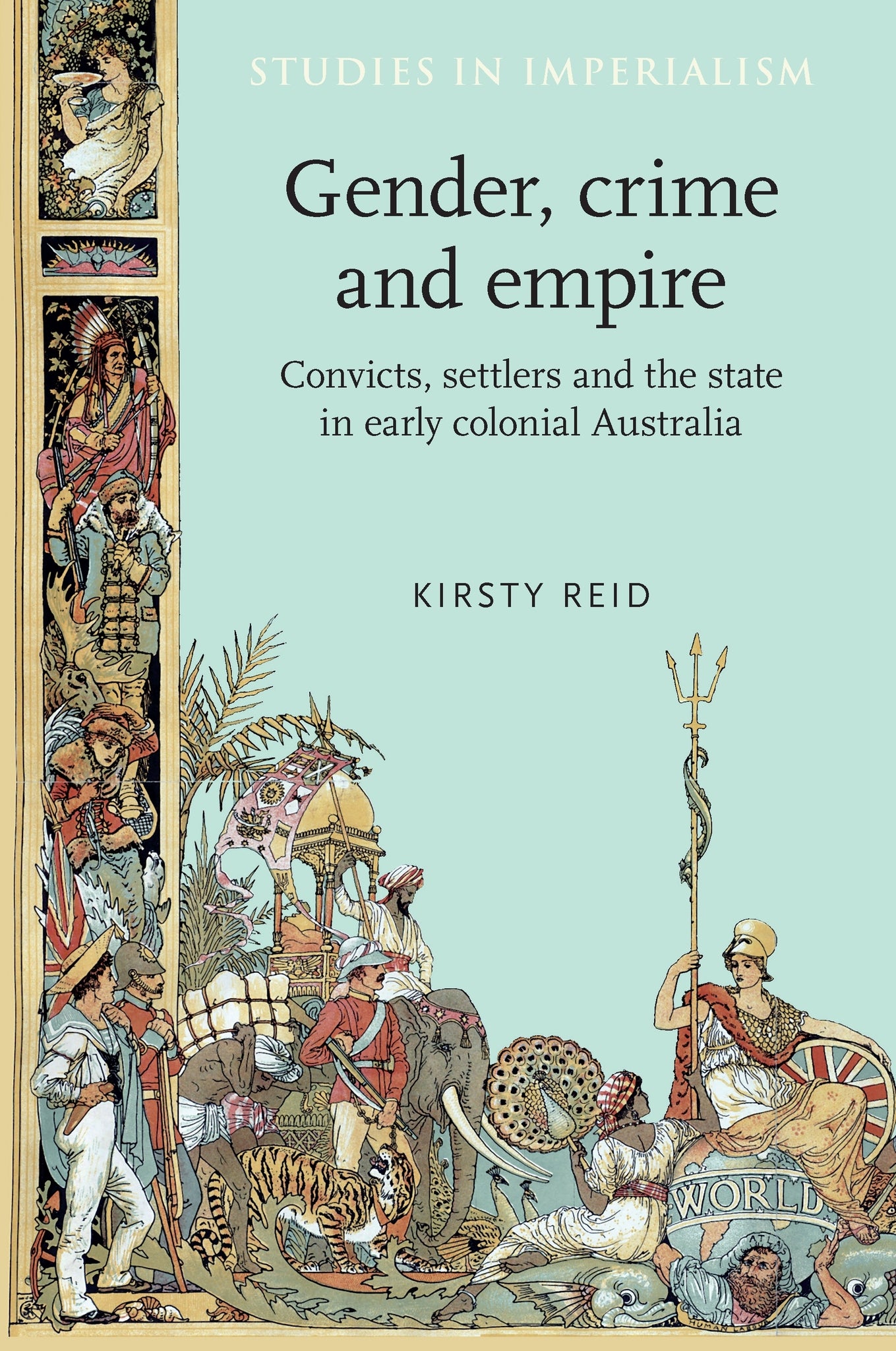
Between 1803 and 1853, some 80,000 convicts were transported to Van Diemen’s Land. Revising established models of the colonies, which tend to depict convict women as a peculiarly oppressed group, Gender, crime and empire argues that convict men and women in fact shared much in common.
Placing men and women, ideas about masculinity, femininity, sexuality and the body, in comparative perspective, this book argues that historians must take fuller account of class to understand the relationships between gender and power. The book explores the ways in which ideas about fatherhood and household order initially informed the state’s model of order, and the reasons why this foundered. It considers the shifting nature of state policies towards courtship, relationships and attempts at family formation which subsequently became matters of class conflict. It goes on to explore the ways in which ideas about gender and family informed liberal and humanitarian critiques of the colonies from the 1830s and 1840s and colonial demands for abolition and self-government.


General editor’s introduction
Introduction
1. Visions of order: gender, sexual morality and the state in early Van Diemen’s Land
2. Regulating society, purifying the state: gender, respectability and colonial authority
3. Production and reproduction: colonial order, convict labour and the convict private sphere, c. 1803–17
4. Sex and slavery: convict servitude and the reworking of the private sphere, c. 1817–42
5. ‘A nation of Cyprians and Turks’: convict transportation, Colonial Reform and the imperial body politic
6. Sodomy and self-government: convict transportation and colonial independence
Conclusion
Select bibliography
Index